

ProductPRODUCT
Featured products
Contact Us
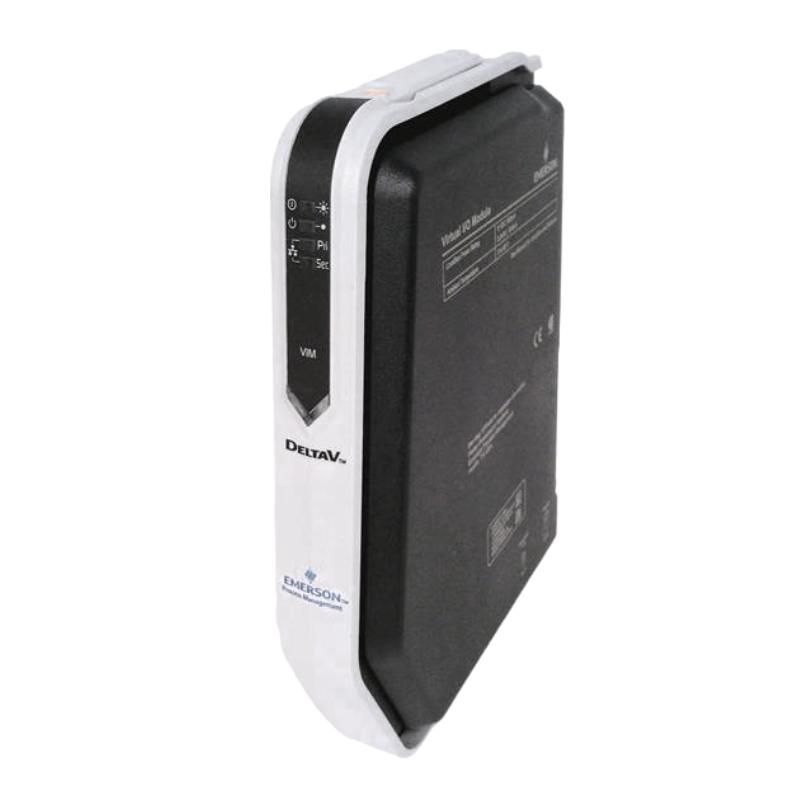
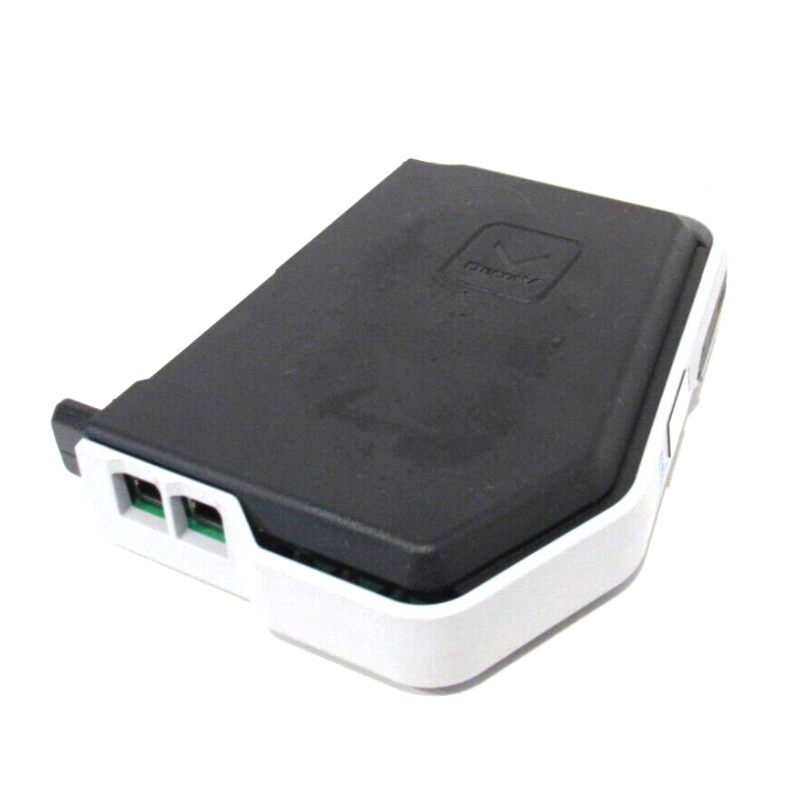
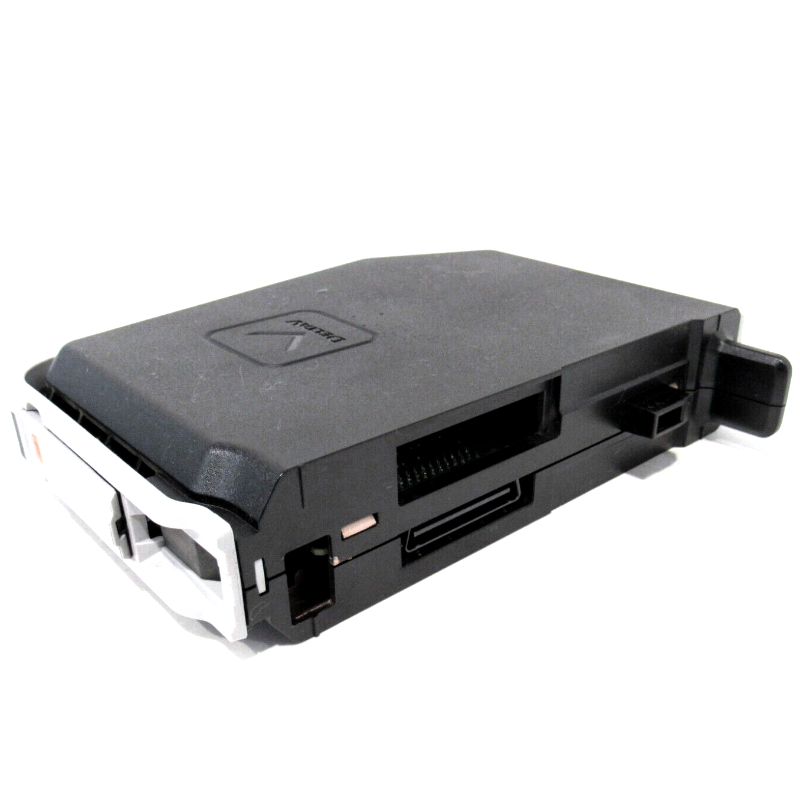
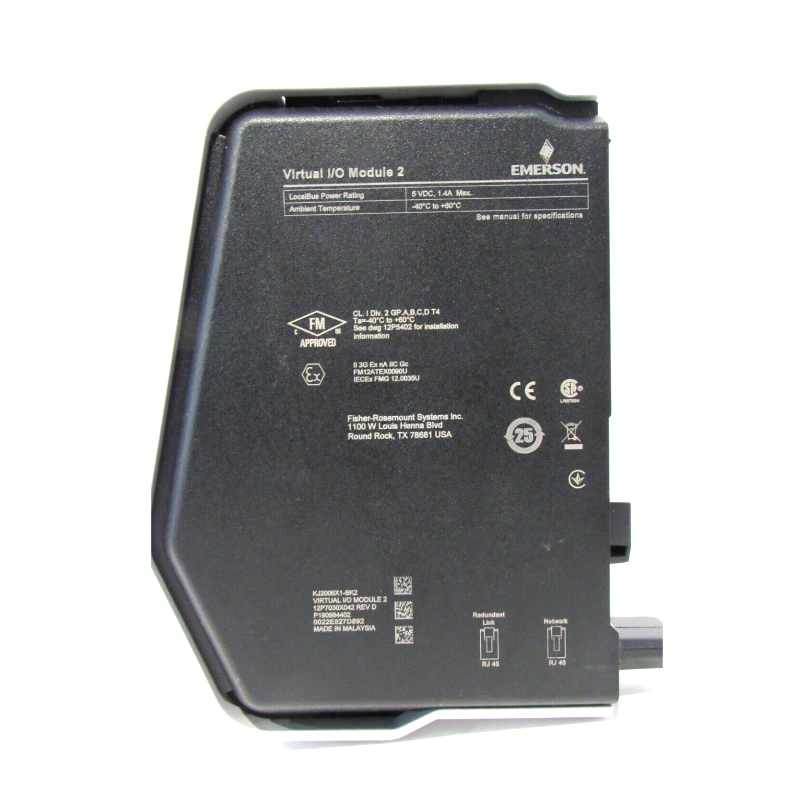
- Emerson
- KJ2006X1-BK2 SE4026
- Virtual I/O Module
- USA
- 42 × 199 × 162 mm
- 0.5 kg
- Xiamen, China
- New & In Stock
- T/T, PayPal, Western Union
- 1 Year
- 1-3 Working Days
- DHL, UPS, TNT, FedEx and EMS.
- 24-Hour Service
- COO
- 51
Our advantage

Global Logistics
We have a 10-year logistics and express cooperation agreement, so our products can be shipped to any place in the world.

Brand new and original
Our products are imported in bulk from the place of origin. Because of the cooperative relationship, our products are all original and 100% new.

24-hour service
We provide 7*24 hours service to our customers. We will be there whenever you need us.

Price advantage
All our products are priced very favorably because we have our own warehouse and supply.
| Company Information | |||
| [email protected] | |||
| Mobile | +8615980777398 | ||
| +8615980777398 | |||
| 15980777398 |
Product Overview
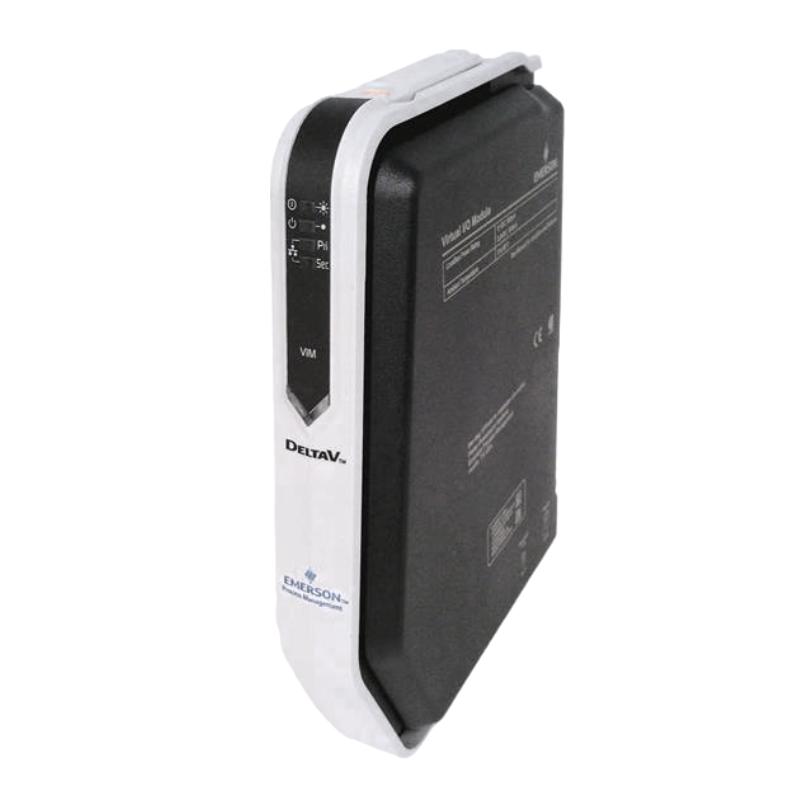
The Emerson KJ2006X1-BK2 SE4026 S-Series Virtual I/O Module is a virtual I/O component associated with the Emerson DeltaV control architecture. Unlike conventional I/O hardware that directly terminates field wiring, a Virtual I/O module represents I/O functions within the control-system environment and allows signal handling to be integrated into the broader DeltaV architecture.
This type of module is useful when I/O information needs to be represented within the control system without treating every signal as a conventional locally wired I/O point. It can therefore support system architectures where software-based or remotely sourced I/O information needs to participate in DeltaV control strategies.
A simplified relationship is:
External / Virtual Signal Source → Virtual I/O → DeltaV Controller → Control Strategy
The KJ2006X1-BK2 can consequently be considered part of the interface between signal sources and the DeltaV control-processing layer.
Technical Specifications
| Parameter | Specification |
|---|---|
| Manufacturer | Emerson |
| Model | KJ2006X1-BK2 |
| Identification | SE4026 |
| Product Type | S-Series Virtual I/O Module |
| Product Family | DeltaV |
| Main Function | Virtual I/O Signal Integration |
| Application | Distributed Control System |
| Dimensions | 42 × 199 × 162 mm |
| Weight | 0.5 kg |
Main Features
The KJ2006X1-BK2 focuses on integrating virtual I/O functions into the DeltaV control environment.
- Emerson DeltaV S-Series Virtual I/O Module
- Model designation KJ2006X1-BK2
- SE4026 identification
- Supports virtual I/O architecture
- Integrates signal information with DeltaV control functions
- Different from conventional field-wired I/O modules
- Suitable for distributed control architectures
- Can participate in software-oriented I/O configurations
- Useful for system integration and expansion
- Suitable for DeltaV control-system environments
- Dimensions of 42 × 199 × 162 mm
- Weight of 0.5 kg
Working Principle
The KJ2006X1-BK2 operates differently from a traditional physical I/O card.
A conventional I/O module generally follows:
Field Device → Physical I/O Channel → Controller
A virtual I/O architecture instead allows the signal to be represented within the control system through an appropriate software and communication path:
Signal Source → Network / Virtual Interface → Virtual I/O → Controller
The Virtual I/O function allows the DeltaV system to recognize and process the associated signal information as part of its control environment.
Once the signal is available to the control strategy, the controller can use it for functions such as monitoring, logic decisions, sequencing, alarming, or control calculations.
The exact signal source and communication mechanism depend on the overall DeltaV configuration in which the SE4026 is deployed.
Virtual I/O in a DeltaV Architecture
The KJ2006X1-BK2 belongs to the I/O integration layer rather than the controller-processing layer.
A simplified architecture can be represented as:
Signal Source → Virtual I/O → DeltaV Controller → Control Logic
The different system elements have separate responsibilities:
| System Element | Function |
|---|---|
| Signal Source | Provides process or equipment information |
| Virtual I/O | Represents and integrates I/O information |
| Controller | Executes configured control strategies |
| Network | Transfers system information |
| Operator Station | Displays and monitors process conditions |
This arrangement can reduce the need to treat every signal as a conventional physical I/O connection, depending on the system architecture.
Virtual I/O vs. Conventional I/O
The distinction between virtual and physical I/O is important when designing or troubleshooting a DeltaV system.
| Item | Conventional I/O | Virtual I/O |
|---|---|---|
| Field Wiring | Typically direct physical connection | May originate from a network or software-defined source |
| Signal Representation | Physical channel | Virtual/software representation |
| Hardware Function | Signal acquisition or output | Signal integration within control architecture |
| Typical Use | Direct field instrumentation | Integrated or remotely sourced data |
| Troubleshooting Focus | Wiring, channel, field device | Network, configuration, source, and system integration |
The KJ2006X1-BK2 should therefore be evaluated as part of the complete virtual I/O architecture rather than as a simple replacement for a standard analog or digital I/O card.
Industrial Applications
The KJ2006X1-BK2 can be relevant to process-control installations where virtual or software-integrated I/O forms part of the DeltaV architecture.
| Application | Typical Role |
|---|---|
| Oil & Gas | Integration of distributed signal information |
| Chemical Processing | Virtual process-data handling |
| Refining | Control-system signal integration |
| Power Generation | Distributed automation data |
| Petrochemical Plants | Process-control integration |
| Pharmaceutical Manufacturing | Software-integrated process signals |
| Water Treatment | Remote or virtual signal handling |
| Industrial Utilities | Equipment-status integration |
| Plant Expansion | Additional virtual I/O functions |
| Modernized Control Systems | Integration of non-traditional I/O sources |
System Integration
The KJ2006X1-BK2 should be considered together with the DeltaV controller, network infrastructure, and signal source.
A representative architecture is:
Signal Source → Network Infrastructure → KJ2006X1-BK2 → DeltaV Controller
The surrounding system may contain:
- DeltaV controllers
- S-Series I/O components
- Network switches
- Power supply modules
- Engineering stations
- Operator stations
- Remote signal sources
- Communication interfaces
- Process transmitters
- Control valves
- Equipment-status devices
When integrating the Virtual I/O module, the signal source, network path, controller configuration, and associated DeltaV database should be considered together.
Installation and Maintenance
Virtual I/O requires a somewhat different troubleshooting approach from conventional field I/O.
Before installing or replacing the KJ2006X1-BK2, verify:
- Complete KJ2006X1-BK2 model
- SE4026 identification
- DeltaV system architecture
- Virtual I/O configuration
- Associated controller
- Signal-source configuration
- Network connectivity
- Power connections
- Relevant system diagnostics
If a virtual signal is unavailable, checking only the I/O module may not identify the actual cause. The signal source, communication path, configuration, and controller assignment should also be inspected.
After replacement or configuration changes, confirm that the expected virtual signals are correctly recognized by the DeltaV system and that the associated control strategies operate normally.
Related Components
| Component | Function |
|---|---|
| DeltaV Controller | Executes control strategies |
| Network Switch | Provides communication connectivity |
| DeltaV I/O Module | Handles conventional field signals |
| Power Supply Module | Supplies control-system hardware |
| Engineering Station | System configuration |
| Operator Station | Process monitoring |
| Communication Interface | Connects external data sources |
| Process Transmitter | Generates process measurements |
| Control Valve | Performs final process control |
| Terminal Block | Provides physical wiring termination |
The KJ2006X1-BK2 works primarily within the virtual I/O and system-integration layer, while these components provide control, networking, power, field interfacing, and operator functions.
Recommended Related Models
| Model | Product Type | Main Function | Typical Application |
|---|---|---|---|
| Emerson KJ2006X1-BK2 SE4026 | S-Series Virtual I/O Module | Virtual I/O integration | DeltaV control system |
| Emerson KJ2005X1-MQ2 | MQ Controller | Control processing | DeltaV DCS |
| Emerson KJ2005X1-BA2 | MX Controller | Control strategy execution | DeltaV DCS |
| Emerson KJ1611X1-BE1 | Network Switch Module | Network connectivity | DeltaV control network |
| Emerson KJ1502X1-BC2 | Power Supply Module | System power | DeltaV infrastructure |
| Emerson KJ2003X1-PW1 | Redundant SLS Terminal Block | System interconnection | DeltaV redundant architecture |
The appropriate combination depends on whether the application requires virtual I/O, conventional I/O, control processing, networking, or power infrastructure.
Key Advantages
- Emerson DeltaV S-Series Virtual I/O module
- SE4026 identification
- Supports virtual I/O integration
- Connects signal information with DeltaV control functions
- Suitable for distributed control architectures
- Reduces dependence on conventional physical I/O representation in applicable architectures
- Supports software-oriented signal integration
- Useful for system expansion and modernization
- Requires consideration of the complete signal and network path
- Dimensions of 42 × 199 × 162 mm
- Weight of 0.5 kg
Technical FAQs
What is the Emerson KJ2006X1-BK2 used for?
The KJ2006X1-BK2 is an Emerson DeltaV S-Series Virtual I/O module used to integrate virtual or software-represented I/O information into the DeltaV control environment.
How is Virtual I/O different from a conventional I/O module?
A conventional I/O module normally provides a physical interface to field wiring. Virtual I/O represents signal information within the control architecture through an appropriate software or communication path, so the signal does not necessarily originate from a directly wired physical channel.
What should be checked if a virtual signal is not available?
The troubleshooting process should include the KJ2006X1-BK2 configuration, associated controller, signal source, network path, communication status, and DeltaV configuration. Unlike conventional I/O faults, the problem may exist outside the physical I/O hardware itself.
Can the KJ2006X1-BK2 replace every conventional I/O module?
No. Virtual I/O and physical I/O serve different architectural purposes. Whether the KJ2006X1-BK2 can be used for a particular signal depends on the signal source, DeltaV configuration, communication architecture, and application requirements.