

ProductPRODUCT
Featured products
Contact Us
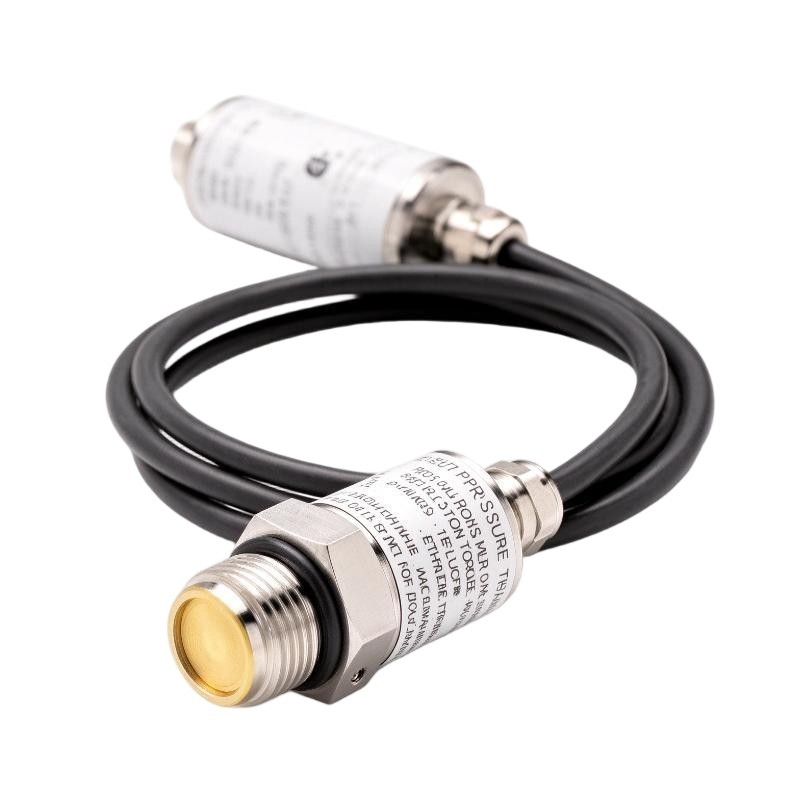
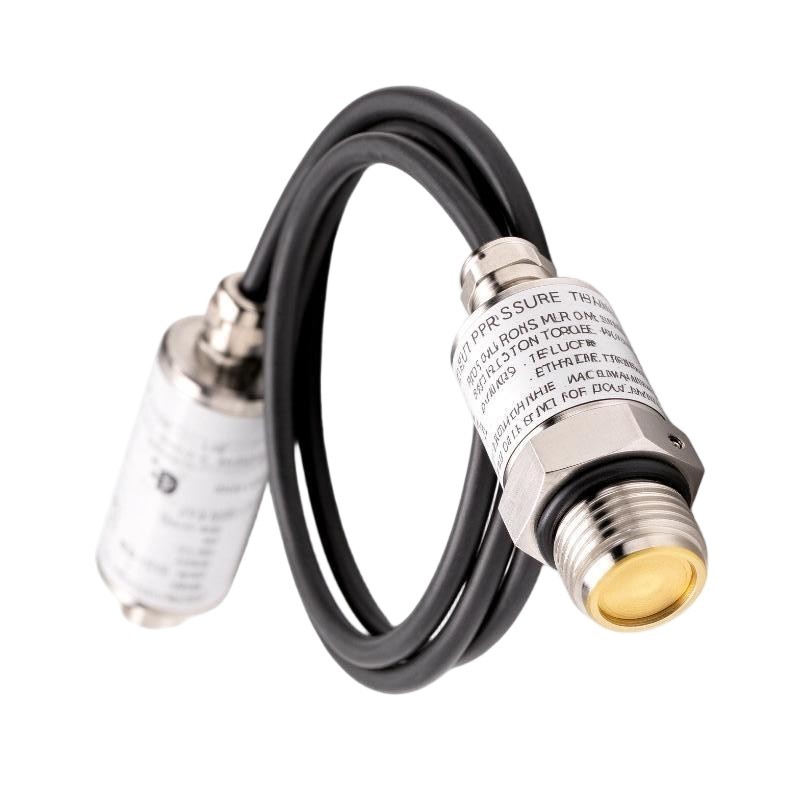
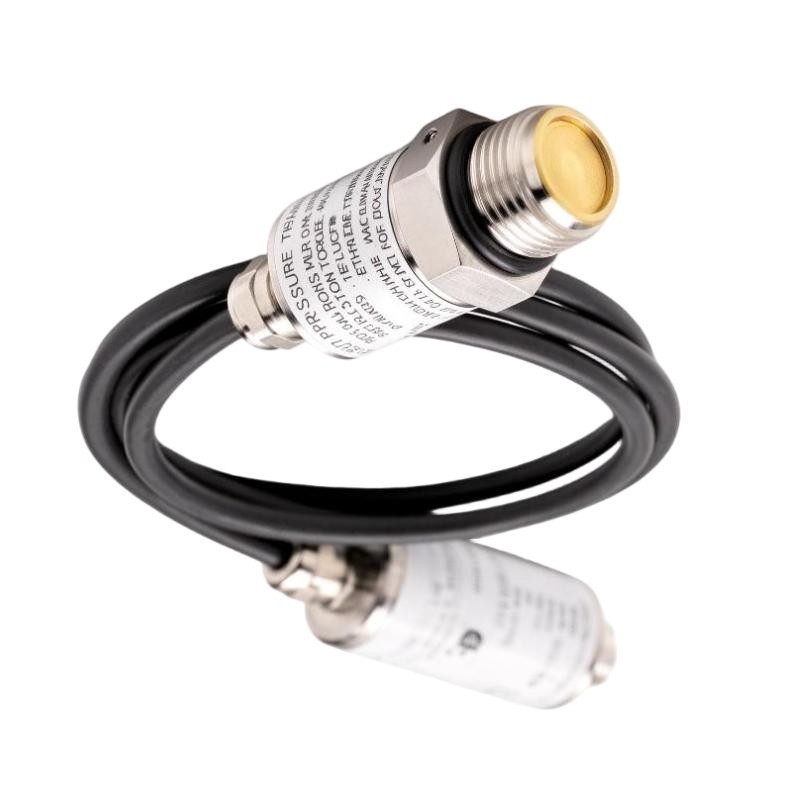
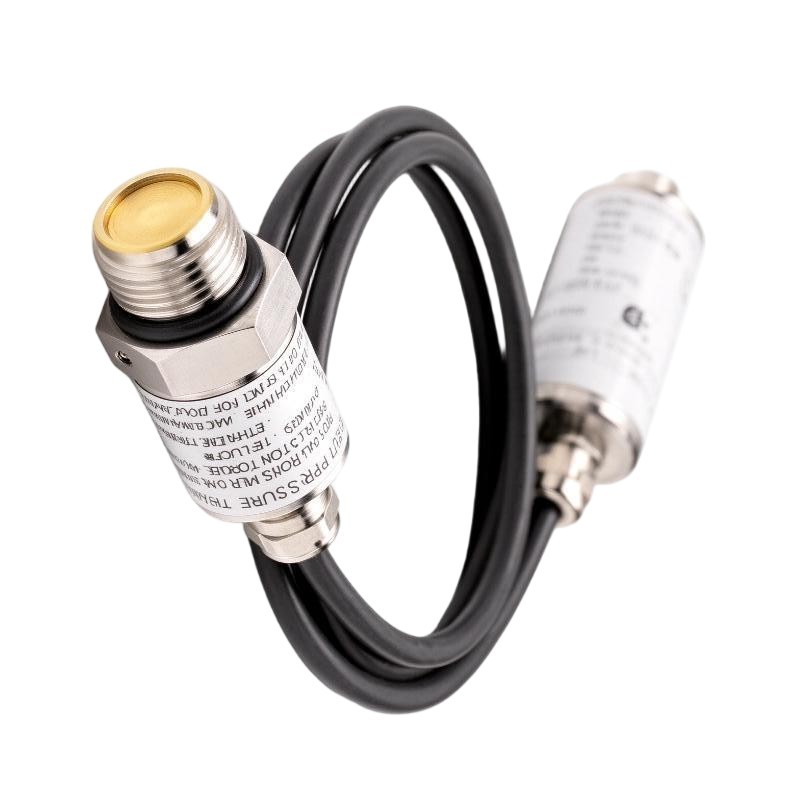
- Bently Nevada
- 165855-16-CN
- Cylinder Pressure Transducer
- USA
- 0 to 345 bar
- 0.4 kg
- Xiamen, China
- New & In Stock
- T/T, PayPal, Western Union
- 1 Year
- 1-3 Working Days
- DHL, UPS, TNT, FedEx and EMS.
- 24-Hour Service
- COO
- 6
Our advantage

Global Logistics
We have a 10-year logistics and express cooperation agreement, so our products can be shipped to any place in the world.

Brand new and original
Our products are imported in bulk from the place of origin. Because of the cooperative relationship, our products are all original and 100% new.

24-hour service
We provide 7*24 hours service to our customers. We will be there whenever you need us.

Price advantage
All our products are priced very favorably because we have our own warehouse and supply.
| Company Information | |||
| [email protected] | |||
| Mobile | +8615980777398 | ||
| +8615980777398 | |||
| 15980777398 |
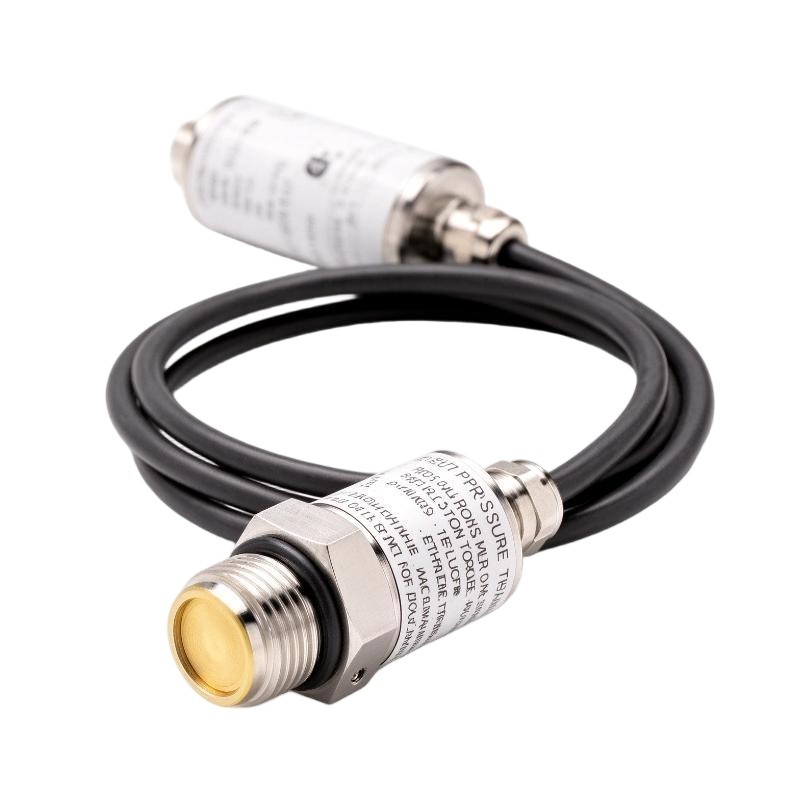
Product Overview
The Bently Nevada 165855-16-CN Cylinder Pressure Transducer is a dynamic pressure measurement device used to monitor cylinder pressure in reciprocating machinery. It captures pressure variations during the operating cycle, allowing engineers to examine compression behavior, combustion-related pressure changes where applicable, and abnormal pressure pulsations. Unlike a conventional process pressure transmitter intended primarily for slowly changing pressure measurements, this transducer supports high-frequency pressure analysis for machinery condition monitoring.
In reciprocating compressors, cylinder pressure measurements help maintenance teams evaluate how gas pressure develops during compression and discharge. Deviations from the expected pressure pattern may indicate valve leakage, changes in cylinder performance, abnormal operating conditions, or developing mechanical problems. When multiple cylinder pressure channels are available, comparing their waveforms can help identify differences between cylinders and narrow down the source of a performance issue.
The 16 pressure-range option specifies a measurement range of 0 to 345 bar (0 to 5,000 psia) with an armored configuration. The CN suffix identifies the country-specific approval option. These details matter when selecting a replacement for an existing installation, particularly where the process pressure, cable protection requirements, and hazardous-area certification must match the original equipment.
The transducer is intended to operate as part of a compatible measurement and monitoring arrangement. Its electrical output is processed by the associated instrumentation, and the resulting pressure waveform can be used for condition assessment and operating diagnostics. Correct installation, suitable pressure-port geometry, appropriate temperature compensation, and compatible monitoring equipment are essential for meaningful measurements.
For maintenance engineers, the primary selection checks are the required pressure range, mechanical connection, armored configuration, approval requirements, electrical supply, and monitoring-system compatibility. The sensor’s dynamic response also makes it important to evaluate the complete installation rather than treating the device as an interchangeable general-purpose pressure sensor.
Technical Specifications
| Parameter | Specification |
|---|---|
| Manufacturer | Bently Nevada |
| Product Series | 165855 Cylinder Pressure Transducer |
| Model | 165855-16-CN |
| Product Type | Cylinder Pressure Transducer |
| Measurement Principle | Dynamic pressure measurement |
| Pressure Range | 0 to 345 bar (0 to 5,000 psia) |
| Pressure Range Option | 16 — armored configuration |
| Agency Approval Option | CN — country-specific approvals |
| Power Supply | 18 to 30 V DC |
| Maximum Current | Less than 15 mA |
| Full-Scale Output | 10 ± 0.3 V DC |
| Zero Output | 0.5 ± 0.1 V DC |
| Frequency Response | 0 Hz to 5,500 Hz, ±1 dB |
| Linearity, Hysteresis and Repeatability | ≤ ±0.3% full scale |
| Proof Pressure | 1.5 × full scale |
| Burst Pressure | 3 × full scale |
| Compensated Temperature Range | -40°C to +85°C |
| Electronics Housing Operating Temperature | -40°C to +85°C |
| Sensor Head Operating Temperature | -40°C to +150°C |
| Pressure Connection Thread | 7/8-14 UNF |
| Weight | 0.4 kg |
Product Features
- High-pressure measurement range: The 0–345 bar configuration accommodates applications requiring measurement of high cylinder pressures.
- Dynamic pressure response: Captures pressure changes over the operating cycle rather than limiting the application to slowly varying process readings.
- Armored configuration: The specified option includes cable armor for installations requiring additional protection along the cable route.
- High-frequency capability: The response range extends to 5,500 Hz, supporting analysis of rapid pressure variations within the system’s specified performance limits.
- Voltage output: The nominal output changes from approximately 0.5 V DC at zero pressure to 10 V DC at full scale.
- Defined measurement accuracy: The specified linearity, hysteresis, and repeatability limits support consistent pressure measurement.
- Separate sensor-head and electronics temperature limits: The different operating limits allow engineers to assess the pressure-port environment and the electronics installation independently.
- Pressure-temperature compensation: Individual sensor compensation data can be used with a compatible monitoring arrangement to reduce temperature-related measurement errors.
- Hazardous-area approval option: The
CNconfiguration addresses country-specific approval requirements, subject to the applicable installation certification.
Working Principle
The 165855-16-CN converts pressure acting on its sensing element into an electrical signal. As cylinder pressure changes, the transducer responds to the applied pressure and produces an output that varies with the measured value. The monitoring equipment uses this signal to reconstruct the pressure waveform over time.
A typical measurement path is:
Cylinder Pressure Port → 165855-16-CN Transducer → Signal Cable → Compatible Monitoring Equipment → Pressure Waveform Analysis
In a reciprocating compressor, cylinder pressure rises during compression and changes as the valves open and close. The shape, timing, and peak value of the resulting waveform provide information about the cylinder’s operating cycle. A pressure trace that differs from the expected pattern may point to a valve problem, leakage, an abnormal pressure condition, or a change in operating load. The diagnosis must account for compressor speed, gas conditions, valve arrangement, and the machine’s normal operating characteristics.
The transducer’s dynamic response is important because pressure changes in reciprocating machinery can occur rapidly. A measurement system with insufficient frequency response may fail to capture relevant waveform details. The 165855 series supports measurements up to 5,500 Hz within the specified response tolerance, making it suitable for applications where transient pressure behavior is part of the diagnostic process.
The transducer’s output ranges from a nominal 0.5 V DC zero output to 10 V DC at full scale. The monitoring equipment must be configured to interpret this output correctly. Incorrect scaling, unsuitable signal conditioning, or poor cable connections can distort the displayed pressure values even when the sensing element itself is functioning properly.
Temperature also affects pressure measurement. The transducer is supplied with pressure-temperature compensation data intended to improve measurement accuracy when used with a compatible monitoring system. For installations using a Bently Nevada 3500/77 Cylinder Pressure Monitor, the relevant compensation data can be entered into the monitoring configuration to reduce operating-temperature effects.
The armored configuration helps protect the cable in demanding installations, but it does not remove the need to assess connector condition, routing, mechanical strain, or the temperature at the installation point. Accurate readings depend on the entire measurement chain, including the pressure port, sensor, wiring, signal input, and configured monitoring parameters.
Role in a Reciprocating Machinery Monitoring Architecture
The 165855-16-CN acts as the pressure-sensing element within a cylinder condition monitoring channel. It captures the pressure variations occurring inside the cylinder and supplies an electrical output for the monitoring equipment to process.
Compressor Cylinder → Pressure Transducer → Signal Connection → Cylinder Pressure Monitor → Diagnostic Analysis
| System Element | Function |
|---|---|
| Reciprocating Compressor Cylinder | Generates the pressure cycle being monitored |
| Pressure Port | Provides the mechanical interface between the cylinder and transducer |
| 165855-16-CN | Converts cylinder pressure into an electrical measurement signal |
| Armored Cable Arrangement | Carries the signal while providing additional cable protection |
| Cylinder Pressure Monitor | Acquires and processes the transducer output |
| Compensation Data | Supports correction of temperature-related measurement effects |
| Diagnostic Software | Displays pressure waveforms and supports operating-condition analysis |
| Plant Control System | Provides operating context and related machine information |
| Maintenance Team | Compares pressure traces and operating data to investigate abnormal conditions |
The transducer measures pressure; it does not independently determine the cause of a fault or guarantee automatic shutdown. Alarm generation, diagnostic interpretation, and protective actions depend on the connected monitoring equipment and the configured system logic.
Industrial Applications
| Application | Typical Use |
|---|---|
| Reciprocating Gas Compressors | Monitoring cylinder pressure during compression and discharge cycles |
| Natural Gas Compression | Evaluating cylinder pressure patterns under changing gas and load conditions |
| Industrial Process Compressors | Investigating pressure deviations and differences between cylinders |
| Petrochemical Facilities | Supporting condition monitoring of reciprocating compression equipment |
| Refinery Compressor Stations | Recording dynamic cylinder pressure for performance assessment |
| Gas Transmission Systems | Evaluating compressor-cylinder behavior during normal operation and troubleshooting |
| Compressor Overhaul and Commissioning | Establishing pressure-waveform baselines after maintenance |
| Machinery Diagnostic Programs | Comparing pressure measurements with vibration, temperature, and operating data |
The transducer is most useful when cylinder pressure is a meaningful indicator of machine performance or mechanical condition. The selected pressure range must cover the expected operating pressure and applicable transient conditions, while the installation must remain within the specified sensor and electronics temperature limits.
Installation and Maintenance
- Verify the complete model number: Confirm 165855-16-CN and ensure that the 345 bar pressure-range option and country-specific approval configuration match the application.
- Check the maximum operating pressure: Confirm that normal pressure and anticipated transients are appropriate for the selected range and the system’s specified pressure limits.
- Inspect the pressure port: Check the mounting interface for damage, contamination, deposits, or defects that could interfere with pressure transmission.
- Confirm the mechanical connection: Verify the 7/8-14 UNF connection and use the specified installation procedure to avoid thread damage or leakage.
- Review the armored cable route: Check that the cable is protected from sharp edges, excessive bending, vibration-related abrasion, and mechanical pulling forces.
- Verify the temperature environment: Confirm that the sensor head and electronics housing remain within their respective operating-temperature limits.
- Check the electrical supply: Ensure that the available DC supply is within the specified 18–30 V range and that the wiring polarity is correct.
- Inspect signal connections: Check the cable and connectors for damage, contamination, loose contacts, or other conditions that could introduce intermittent signals.
- Configure the monitoring input: Set the correct pressure range, output scaling, channel assignment, and acquisition parameters in the compatible monitoring equipment.
- Load the applicable compensation data: Where supported, enter the transducer-specific pressure-temperature compensation data into the monitoring configuration.
- Validate the pressure waveform: Compare the displayed output against expected operating behavior and investigate unexpected offsets, clipping, noise, or inconsistent traces.
- Document the maintenance results: Record the transducer model, pressure range, supply voltage, channel configuration, compensation settings, and commissioning observations.
Before removing the transducer, isolate the relevant equipment and depressurize the measurement port according to the plant’s approved safety procedures. Do not loosen a pressure connection while it may contain trapped or operating pressure. Following replacement, verify the mechanical seal, electrical signal, and pressure-channel scaling before using the readings for condition assessment.
Compatible System Components
The 165855-16-CN must be integrated with compatible pressure-monitoring equipment and a suitable signal connection. Selection should account for the transducer output, pressure range, compensation requirements, and installation approval conditions.
| Component | Function |
|---|---|
| Bently Nevada 3500/77 Cylinder Pressure Monitor | Acquires and analyzes compatible cylinder pressure transducer signals |
| 165855-Compatible Signal Cable | Carries the transducer output to the monitoring input |
| Pressure Port and Mounting Hardware | Provides the mechanical interface with the cylinder |
| Compatible DC Power Supply | Supplies the transducer within its specified voltage range |
| Pressure-Temperature Compensation Data | Supports temperature compensation in a compatible monitoring setup |
| Machinery Diagnostic Software | Supports waveform review and comparison with machine operating data |
| Plant Monitoring System | Provides related process values and operating context |
Recommended Related Models
The following models belong to the Bently Nevada 165855 Cylinder Pressure Transducer family. Their pressure ranges and cable configurations differ, so verify the required full-scale pressure and armored option before selecting a variant.
| Model | Product Type | Relevance |
|---|---|---|
| Bently Nevada 165855-11-CN | Cylinder Pressure Transducer | Armored configuration with a 0–6.8 bar pressure range |
| Bently Nevada 165855-12-CN | Cylinder Pressure Transducer | Armored configuration with a 0–17 bar pressure range |
| Bently Nevada 165855-13-CN | Cylinder Pressure Transducer | Armored configuration with a 0–34.5 bar pressure range |
| Bently Nevada 165855-14-CN | Cylinder Pressure Transducer | Armored configuration with a 0–69 bar pressure range |
| Bently Nevada 165855-15-CN | Cylinder Pressure Transducer | Armored configuration with a 0–172 bar pressure range |
| Bently Nevada 165855-17-CN | Cylinder Pressure Transducer | Armored configuration with a 0–689 bar pressure range |
Key Advantages
- Measures dynamic cylinder pressure for reciprocating machinery diagnostics.
- Supports a pressure range up to 345 bar for the specified configuration.
- Captures rapid pressure variations with a response range extending to 5,500 Hz.
- Provides a voltage output suitable for compatible monitoring equipment.
- Includes an armored configuration for additional cable protection.
- Supports temperature compensation when used with the appropriate monitoring setup.
Technical FAQs
Why is the 165855-16-CN suitable for reciprocating compressor diagnostics?
It measures dynamic cylinder pressure, allowing the monitoring system to capture pressure changes throughout the compression cycle. Engineers can compare the resulting waveform with expected operating behavior to investigate valve leakage, abnormal pressure development, or differences between cylinders.
What is the difference between the 165855-15-CN and 165855-16-CN?
The main difference is the pressure-range option. The 165855-15-CN is rated for 0–172 bar (0–2,500 psia) with armor, while the 165855-16-CN is rated for 0–345 bar (0–5,000 psia) with armor. The selected range must suit the actual operating pressure and anticipated transients.
Does the transducer require a 4–20 mA input on the monitoring system?
No. The specified output is a voltage signal, with a nominal zero output of 0.5 V DC and a full-scale output of 10 V DC. The receiving monitoring channel must support the appropriate input arrangement and be configured for the transducer’s pressure range.
Why should pressure-temperature compensation data be entered into the monitoring system?
Temperature can affect the transducer’s measurement response. The individual compensation data supplied with the sensor can be used by a compatible monitoring arrangement, such as the 3500/77, to reduce temperature-related measurement errors. The correct data must be associated with the installed transducer.