

ProductPRODUCT
Featured products
Contact Us
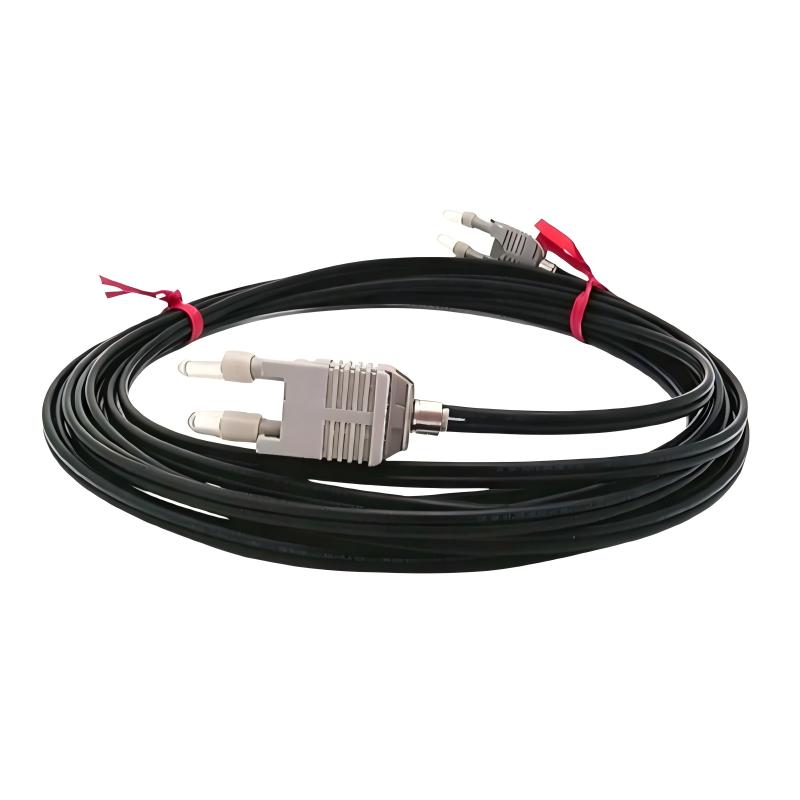
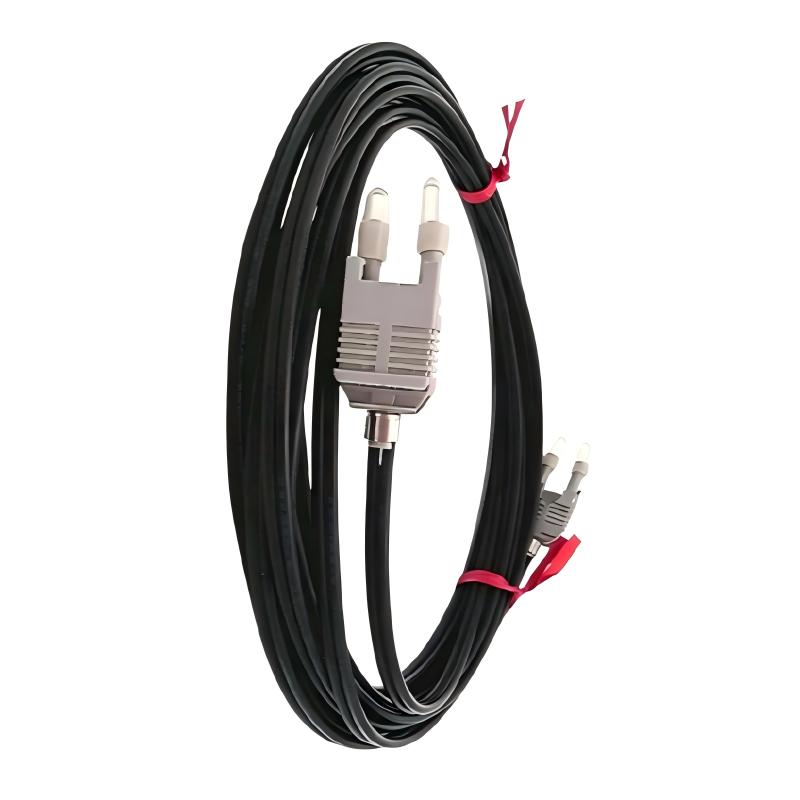
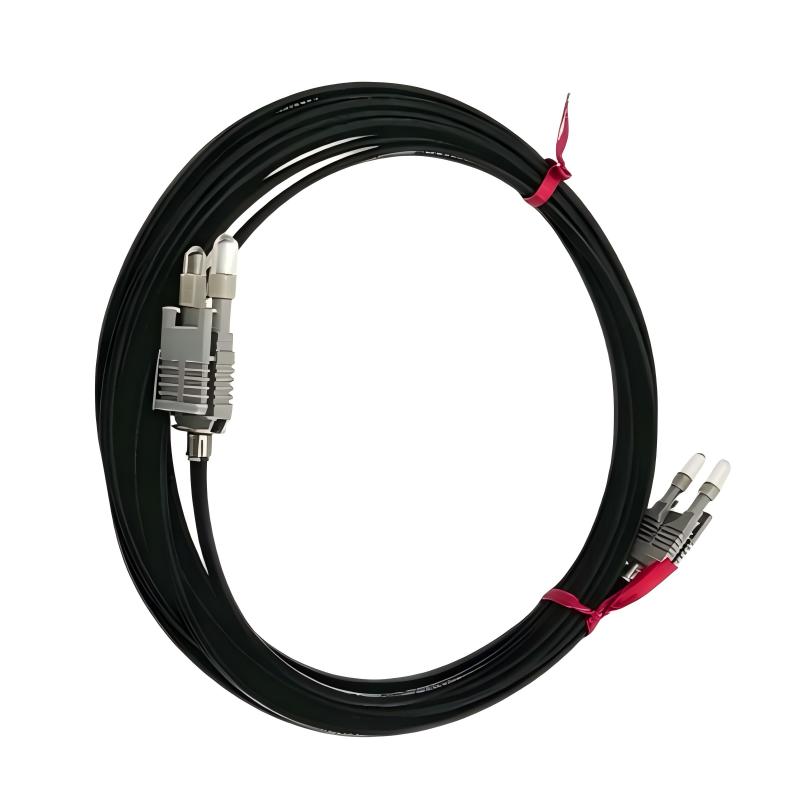
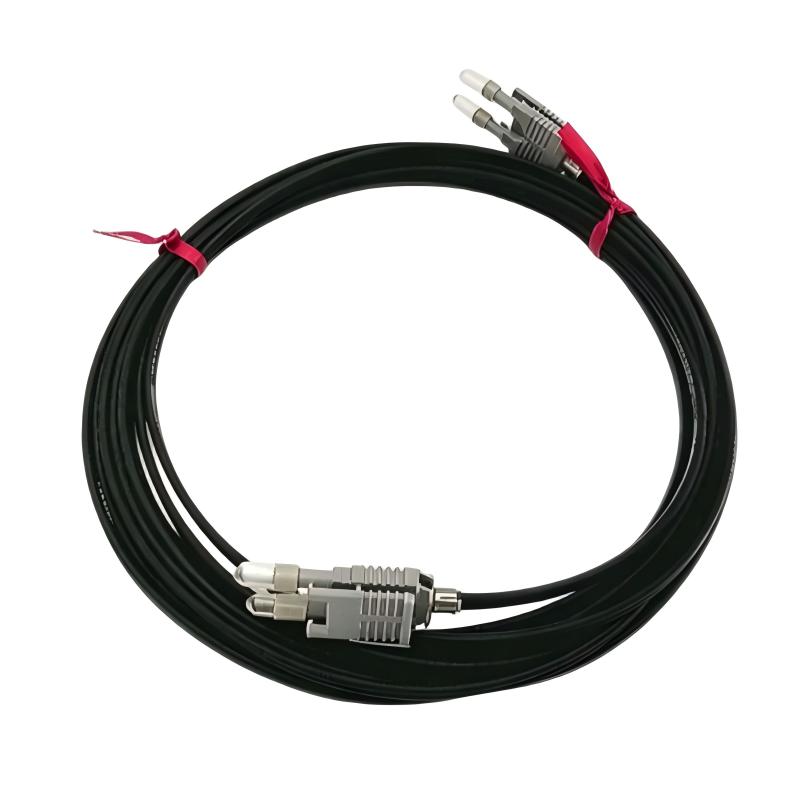
- Allen Bradley
- 80026-053-04-R
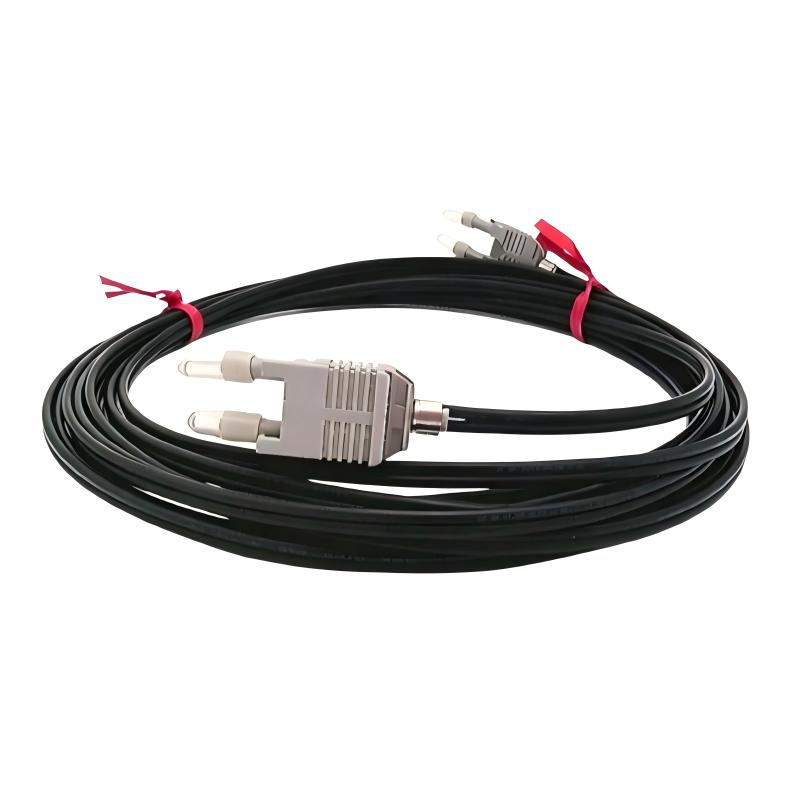
- Full-Duplex Fiber Optic Cable
- USA
- 5 meters
- 0.07 kg
- Xiamen, China
- New & In Stock
- T/T, PayPal, Western Union
- 1 Year
- 1-3 Working Days
- DHL, UPS, TNT, FedEx and EMS.
- 24-Hour Service
- COO
- 5
Our advantage

Global Logistics
We have a 10-year logistics and express cooperation agreement, so our products can be shipped to any place in the world.

Brand new and original
Our products are imported in bulk from the place of origin. Because of the cooperative relationship, our products are all original and 100% new.

24-hour service
We provide 7*24 hours service to our customers. We will be there whenever you need us.

Price advantage
All our products are priced very favorably because we have our own warehouse and supply.
| Company Information | |||
| [email protected] | |||
| Mobile | +8615980777398 | ||
| +8615980777398 | |||
| 15980777398 |
Product Overview
The Allen-Bradley 80026-053-04-R Full-Duplex Fiber Optic Cable is an industrial communication cable designed to transmit optical signals between compatible fiber-optic communication interfaces. With a cable length of 5 meters, it provides a practical connection solution for industrial automation equipment, control cabinets, and communication systems that require dependable optical signal transmission.
Manufactured for use within industrial automation environments, this cable features a duplex fiber-optic design. Duplex fiber cables use two optical paths to support bidirectional communication, with one fiber typically carrying signals in one direction and the other carrying signals in the opposite direction. This arrangement is commonly used in communication links where transmitting and receiving data must occur through separate optical paths.
The 80026-053-04-R is particularly relevant to maintenance, replacement, and spare-parts procurement for existing industrial installations. When a cable becomes damaged, develops a connection problem, or needs replacement during scheduled maintenance, selecting the correct part number and matching the original interface configuration can help restore communication without unnecessary changes to the surrounding system.
Fiber-optic communication also offers an important advantage in industrial facilities: optical signals are not affected by electromagnetic interference in the same way as electrical signals carried by conventional copper conductors. This makes fiber-optic cables useful in installations containing variable frequency drives, motors, switching equipment, and other potential sources of electrical noise.
For engineers and maintenance teams, the Allen-Bradley 80026-053-04-R provides a compact, 5-meter connection option for compatible optical communication equipment. Before installation, users should verify the connector type, fiber specifications, optical interface compatibility, and cable routing requirements against the existing equipment documentation.
Technical Specifications
| Parameter | Specification |
|---|---|
| Brand | Allen-Bradley |
| Manufacturer | Rockwell Automation |
| Model Number | 80026-053-04-R |
| Product Type | Full-Duplex Fiber Optic Cable |
| Cable Construction | Duplex optical fiber |
| Cable Length | 5 meters |
| Weight | 0.07 kg |
| Signal Transmission | Optical signal transmission |
| Primary Function | Bidirectional optical communication between compatible interfaces |
| Power Requirement | Passive cable; no separate power supply required |
| Typical Application | Industrial automation and control-system communication |
| Connector Type | Confirm against the original cable and equipment interface |
| Fiber Type | Confirm against the equipment documentation |
| Product Status | Verify current availability before purchasing |
The cable length and weight listed above follow the supplied product information. Connector type, fiber mode, optical specifications, and other detailed characteristics should be verified before ordering, particularly when replacing a cable in an established industrial installation.
Function and Working Principle
1. Optical Signal Transmission
The primary function of the Allen-Bradley 80026-053-04-R is to provide an optical transmission path between compatible communication devices. Instead of transmitting data through electrical current in copper conductors, a fiber-optic link carries information using light signals generated and received by compatible optical communication hardware.
At the transmitting end, an optical interface converts electrical communication data into optical signals. The signals travel through the fiber, and the receiving interface converts them back into electrical data for processing by the connected equipment.
The cable itself is a passive transmission component. It does not independently process data, execute control logic, or generate optical signals. Its performance depends on the connected communication interfaces, correct cable installation, connector condition, and compatibility with the required optical link.
2. Full-Duplex Communication
A duplex fiber-optic cable contains two optical paths. In a typical full-duplex arrangement, one fiber carries transmitted data in one direction while the other carries received data in the opposite direction.
This configuration allows compatible devices to send and receive information simultaneously, subject to the capabilities of their communication interfaces.
In industrial applications, bidirectional communication may be necessary for exchanging operating data, status information, diagnostic messages, or other information between automation components.
The term “full-duplex” describes the communication arrangement; it does not independently guarantee a particular data rate, transmission distance, or network protocol. These characteristics depend on the connected equipment and the complete communication system.
3. Low-Loss Optical Connection
The product is identified as a low-loss duplex fiber-optic cable. In optical communication, signal loss occurs as light travels through the fiber and passes through connectors or connection points.
Maintaining an appropriate optical path helps the receiving equipment detect signals reliably. Excessive attenuation, contaminated connectors, damaged fiber, or incorrect interface matching can reduce communication performance.
For this reason, installation quality is important even when the cable is relatively short. Clean connectors, suitable bend radii, correct mating interfaces, and proper cable protection all contribute to reliable operation.
Role in Industrial Automation Systems
Communication Between Industrial Devices
Industrial automation systems rely on communication links to exchange information among controllers, communication modules, drive systems, and other equipment. Where compatible optical interfaces are available, a duplex fiber-optic cable can provide the physical connection required for data exchange.
The Allen-Bradley 80026-053-04-R may be used as a replacement or spare cable in an existing system when its specifications match the original installation.
It should not be assumed that every Allen-Bradley controller, drive, or communication module accepts this cable directly. The connected equipment must have compatible optical interfaces, and the complete link must meet the required optical specifications.
Support for Electrically Noisy Environments
Industrial facilities often contain equipment that generates electrical noise, including motor drives, large motors, switching power supplies, and high-current electrical systems.
Unlike copper communication conductors, optical fiber does not carry electrical communication signals along the transmission path. This helps prevent electromagnetic interference from coupling directly into the data path through the cable.
Fiber-optic connections can also provide electrical isolation between the connected endpoints when the complete interface arrangement is designed accordingly. This can be beneficial where equipment operates at different electrical potentials or where grounding differences present a communication challenge.
However, using fiber does not eliminate every source of communication failure. Incorrect optical interfaces, damaged cables, connector contamination, and power or configuration problems at the connected devices can still interrupt communication.
Maintenance and Spare-Parts Replacement
Industrial equipment is often expected to operate for extended periods, making suitable spare parts important for maintenance planning.
Keeping the correct cable model available can reduce the time required to replace a damaged connection. Using a verified replacement also helps avoid compatibility issues caused by selecting a cable with a different connector arrangement, fiber type, or optical specification.
For facilities maintaining older automation systems, confirming the product number before procurement is especially important. The suffix “-R” should be retained when identifying the requested part, and the cable label should be checked against the installed component.
Industrial Applications
1. Factory Automation
Automated production lines may use optical communication links to connect compatible control and communication equipment. The 5-meter length of the 80026-053-04-R can suit certain local equipment connections where the required endpoints are relatively close together.
Potential applications include communication links within machinery, production equipment, and control cabinets, provided that the original system design specifies compatible fiber-optic interfaces.
2. Industrial Control Cabinets
Control cabinets may contain PLC systems, communication devices, drive controllers, and network interface equipment. Where fiber-optic connections are required, a duplex cable can provide a compact route between compatible optical ports.
During installation, cable routing should avoid sharp bends, excessive pulling force, and contact with sharp metal edges. Proper routing helps protect the optical fiber and makes later maintenance easier.
3. Process Automation
Process industries such as chemical production, water treatment, power generation, and material processing may use fiber-optic communication to connect equipment in electrically demanding environments.
The cable can be considered for replacement or maintenance in such systems when the existing design calls for the same compatible Allen-Bradley cable assembly. Suitability for any particular process-control network must be established from the actual equipment specifications.
4. Drive and Motor Control Installations
Industrial drives and motor-control equipment can produce substantial electrical noise. Optical communication may be used in suitable system architectures to improve immunity to interference along the communication path.
The 80026-053-04-R should only be used with drive or control equipment that supports the corresponding optical connection. The model number alone does not establish compatibility with every PowerFlex drive or Allen-Bradley controller.
5. Equipment Repair and System Modernization
During repair work or system modernization, a fiber-optic cable may need to be replaced because of physical damage, connector wear, or changes to the installation layout.
Before reusing an existing cable route or selecting a substitute, maintenance personnel should verify the required length, interface type, fiber characteristics, and routing conditions. A cable with the same nominal length is not necessarily an electrically or optically equivalent replacement.
Installation and System Integration
Step 1: Verify the Part Number
Check the original cable label and confirm that the required model is 80026-053-04-R. Ensure that the replacement part number matches the system documentation and procurement specification.
Do not select a replacement solely because it is described as a duplex fiber-optic cable. Different cables may use different connectors, fiber modes, optical characteristics, or mechanical configurations.
Step 2: Confirm Interface Compatibility
Inspect the optical ports at both ends of the connection. Verify the connector type, the supported fiber specifications, and the transmission requirements of the connected equipment.
Where the original documentation is unavailable, identify the connected devices and consult their technical manuals before installation. Avoid assuming that a particular connector or fiber type is compatible without verification.
Step 3: Inspect the Cable and Connectors
Before installation, check the cable jacket for cuts, crushing, kinks, or other visible damage. Inspect the connectors for contamination or mechanical damage.
Optical connectors should be cleaned using appropriate fiber-optic cleaning materials and procedures. Avoid touching the optical end faces directly, and do not look into an optical connector or active fiber port.
Step 4: Route the Cable Carefully
Route the cable along an approved path that protects it from mechanical damage, heat, abrasion, and accidental pulling.
Maintain the minimum bend radius specified by the cable manufacturer. Excessively tight bends may increase optical loss or damage the fiber even when the outer jacket appears intact.
Secure the cable using suitable cable-management hardware without crushing or excessively compressing it. Leave enough slack for servicing while avoiding loops that could become snagging hazards.
Step 5: Connect the Duplex Fibers Correctly
Connect the cable to the corresponding optical interfaces, following the port labels and system documentation.
The two optical paths must be aligned with the transmitting and receiving ports as required by the connected equipment. If the link fails to establish communication, check the fiber orientation and port assignments before assuming that the cable is defective.
Never force a connector into a port that does not match its mechanical design.
Step 6: Test the Communication Link
After installation, verify the communication status of the connected equipment. Check for link indicators, communication alarms, error messages, or diagnostic information provided by the system.
If required by the maintenance procedure, use suitable optical testing equipment to assess the cable and connection. Testing should be performed by qualified personnel using methods appropriate for the installed optical interface.
Step 7: Document the Replacement
Record the installed model number, cable length, connection endpoints, and test results in the maintenance documentation.
Accurate records make future troubleshooting and spare-parts procurement easier, especially in facilities with multiple similar cable assemblies.
Compatible System Components
The 80026-053-04-R is a passive cable, so compatibility depends on the optical interfaces and system design of the equipment at both ends.
| System Component | Relationship to the Cable | Verification Requirement |
|---|---|---|
| Industrial communication modules | May provide the optical ports used by the cable | Confirm port type and optical specifications |
| Compatible controller communication hardware | May exchange control or diagnostic data through an optical link | Confirm supported interface and network architecture |
| Drive communication equipment | May use optical communication in specific configurations | Check the drive and communication-module documentation |
| Optical transceivers | Convert electrical data into optical signals and vice versa | Confirm wavelength, fiber type, and connector compatibility |
| Fiber-optic patch panels or couplers | May form part of the cable route | Confirm connector mating and optical-loss requirements |
| Industrial network infrastructure | Provides the overall communication path | Verify protocol, link budget, and system configuration |
The table describes general integration relationships rather than a guaranteed list of directly compatible catalog numbers. Actual compatibility must be confirmed against the equipment installed at the site.
Replacement and Alternative Cable Selection
When replacing the Allen-Bradley 80026-053-04-R, selecting a cable with similar appearance or length is not sufficient. A suitable alternative must meet the complete requirements of the optical connection.
| Selection Criterion | What to Check |
|---|---|
| Cable length | Confirm that 5 meters is suitable for the installed route |
| Duplex configuration | Verify that two optical paths are required |
| Connector type | Match the connector interfaces at both endpoints |
| Fiber type | Confirm single-mode or multimode requirements from the equipment documentation |
| Optical specifications | Check wavelength, attenuation, and supported transmission distance |
| Mechanical protection | Ensure that the cable jacket and construction suit the installation |
| Part-number identification | Confirm the original catalog number and any suffixes |
| Product condition | Check whether the cable is new, unused surplus, or previously installed |
| Availability | Confirm current stock and delivery status before placing an order |
A generic duplex fiber-optic cable may be a possible substitute only after its specifications have been checked against the original cable and connected devices. Where the existing installation depends on a specific Allen-Bradley cable assembly, using the exact part number is generally the more straightforward replacement approach.
Key Advantages of the Allen-Bradley 80026-053-04-R
1. Duplex Optical Communication
The two-fiber construction supports separate optical paths for transmitting and receiving data in compatible full-duplex communication systems.
2. Five-Meter Cable Length
The 5-meter length provides a practical option for certain local equipment connections and control-cabinet installations without requiring a longer cable than the application needs.
3. Resistance to Electromagnetic Interference
Optical transmission is inherently resistant to electromagnetic interference along the fiber itself. This is valuable in industrial environments containing electrical switching and motor-control equipment.
4. Passive Operation
The cable does not require a separate power supply. Optical transmission and reception are handled by the connected equipment.
5. Support for Maintenance Activities
An identified replacement cable can simplify repair planning when the original cable is damaged or needs to be replaced during scheduled maintenance.
6. Compact Installation
A relatively short cable can help organize local connections when the cable route and endpoint positions are appropriate. Correct routing and strain relief remain necessary to protect the fiber.
Technical FAQs
Q1: What is the Allen-Bradley 80026-053-04-R?
The Allen-Bradley 80026-053-04-R is a 5-meter duplex fiber-optic cable intended for optical communication between compatible interfaces.
Q2: What is the cable length?
The specified cable length is 5 meters.
Q3: What is the weight of the cable?
The supplied product information lists a weight of 0.07 kg. Actual shipping weight may differ depending on packaging and the supplier’s weighing method.
Q4: What does full-duplex mean?
Full-duplex communication allows compatible devices to transmit and receive data simultaneously. A duplex fiber cable typically uses one fiber for each direction of communication.
Q5: Does this cable require a separate power supply?
No. The cable is a passive transmission component. The connected communication equipment supplies and processes the signals.
Q6: Can this cable be used with any Allen-Bradley controller?
No. Compatibility depends on the optical interfaces, communication hardware, and system design. Confirm that both endpoints support the cable’s connector and fiber specifications.
Q7: Is the cable suitable for environments with high electromagnetic interference?
Fiber-optic transmission is inherently resistant to electromagnetic interference along the fiber. However, reliable operation still depends on compatible equipment, sound connectors, correct installation, and appropriate environmental protection.
Q8: Can I replace it with another 5-meter duplex fiber cable?
Possibly, but the replacement must match the required connector type, fiber type, optical specifications, and system requirements. Equal length and duplex construction alone do not guarantee compatibility.
Q9: Is the 80026-053-04-R still manufactured?
Available reseller information describes the part as discontinued by the manufacturer. Current lifecycle status and remaining stock should be confirmed before purchasing, particularly for projects requiring multiple units or long-term spares.
Q10: What should I check before ordering?
Confirm the complete part number, cable length, connector configuration, fiber specifications, product condition, quantity, and supplier availability. If replacing a cable from an operating system, compare the original cable label and equipment documentation before ordering.
Procurement and Maintenance Recommendations
For industrial maintenance teams and spare-parts buyers, accurate product identification is essential when ordering the Allen-Bradley 80026-053-04-R.
Before placing an order, provide the supplier with the full catalog number and specify the required 5-meter duplex fiber-optic cable. If the cable is intended to replace an existing assembly, photographs of the label and connectors can help confirm the configuration.
Because this model is reported as discontinued by reseller listings, buyers should verify whether the offered item is unused original stock, surplus inventory, or a previously installed component. Check the packaging, connector condition, cable jacket, and supplier warranty terms before accepting the product.
For international procurement, confirm the delivery lead time, shipping protection, return policy, and availability of additional units. Optical cables should be packed to prevent crushing, tight bending, or damage to their connectors during transport.
Maintenance personnel should also keep records of where each cable is installed. Clearly identifying both endpoints and the corresponding part number helps reduce troubleshooting time and makes future replacement more efficient.
Conclusion
The Allen-Bradley 80026-053-04-R Full-Duplex Fiber Optic Cable is a 5-meter optical communication cable designed for compatible industrial communication connections. Its duplex construction supports separate transmit and receive paths, while fiber-optic transmission offers resistance to electromagnetic interference along the communication medium.
For maintenance, repair, and spare-parts procurement, the most important considerations are part-number accuracy, connector compatibility, fiber specifications, cable condition, and availability. By verifying these details before installation, users can select a suitable cable for the existing system and help maintain reliable industrial communication.
Product Summary: Allen-Bradley 80026-053-04-R | Full-Duplex Fiber Optic Cable | 5 Meters | Weight: 0.07 kg