

ProductPRODUCT
Featured products
Contact Us
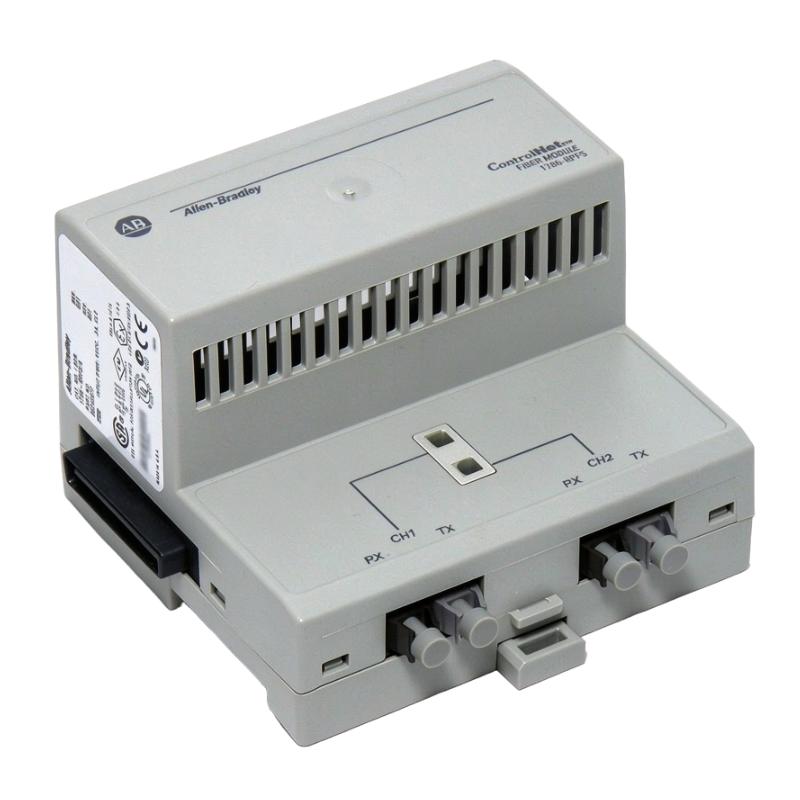
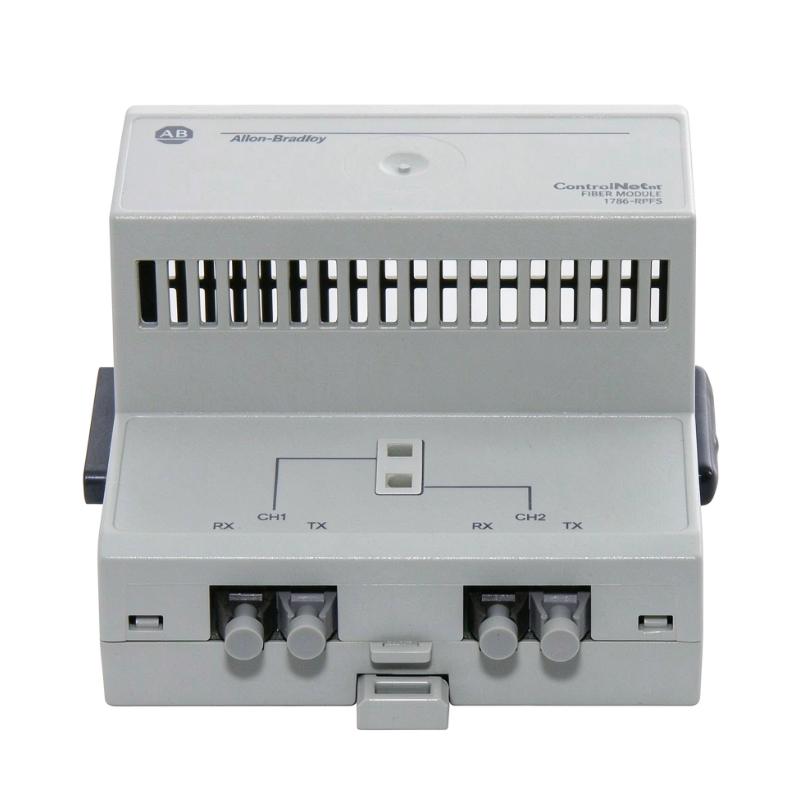
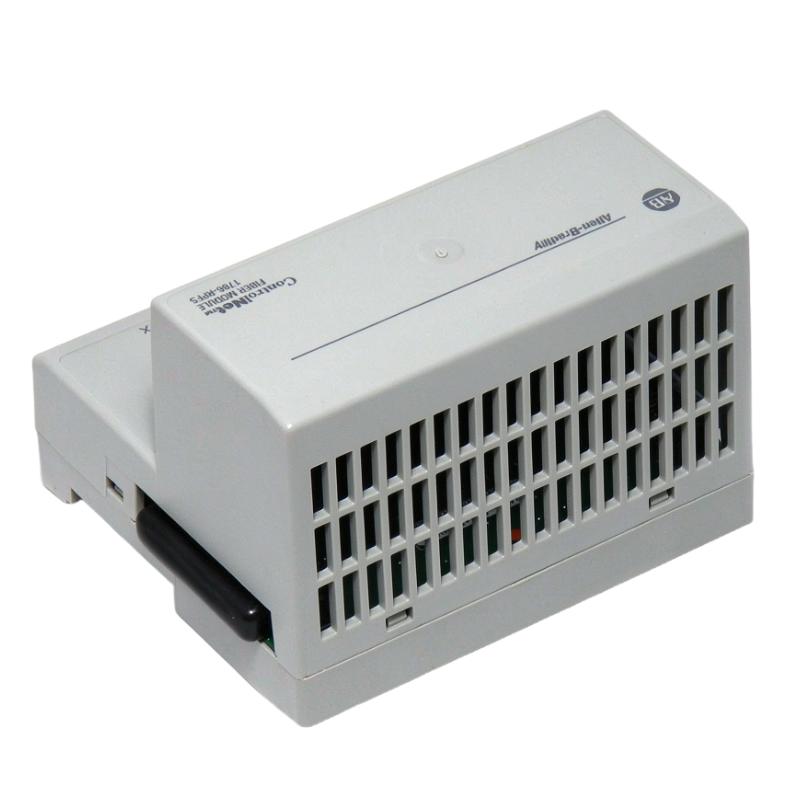
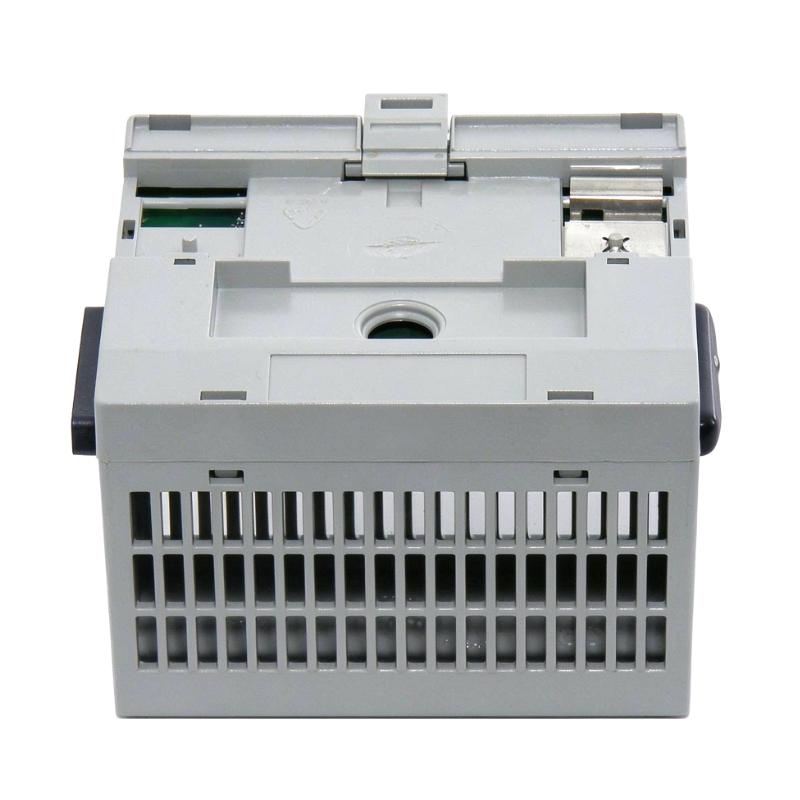
- Allen Bradley
- 1786-RPFS
- ControlNet Fiber Ring Short Repeater
- USA
- 111 × 69 × 96.8 mm
- 0.11 kg
- Xiamen, China
- New & In Stock
- T/T, PayPal, Western Union
- 1 Year
- 1-3 Working Days
- DHL, UPS, TNT, FedEx and EMS.
- 24-Hour Service
- COO
- 3
Our advantage

Global Logistics
We have a 10-year logistics and express cooperation agreement, so our products can be shipped to any place in the world.

Brand new and original
Our products are imported in bulk from the place of origin. Because of the cooperative relationship, our products are all original and 100% new.

24-hour service
We provide 7*24 hours service to our customers. We will be there whenever you need us.

Price advantage
All our products are priced very favorably because we have our own warehouse and supply.
| Company Information | |||
| [email protected] | |||
| Mobile | +8615980777398 | ||
| +8615980777398 | |||
| 15980777398 |
Product Overview
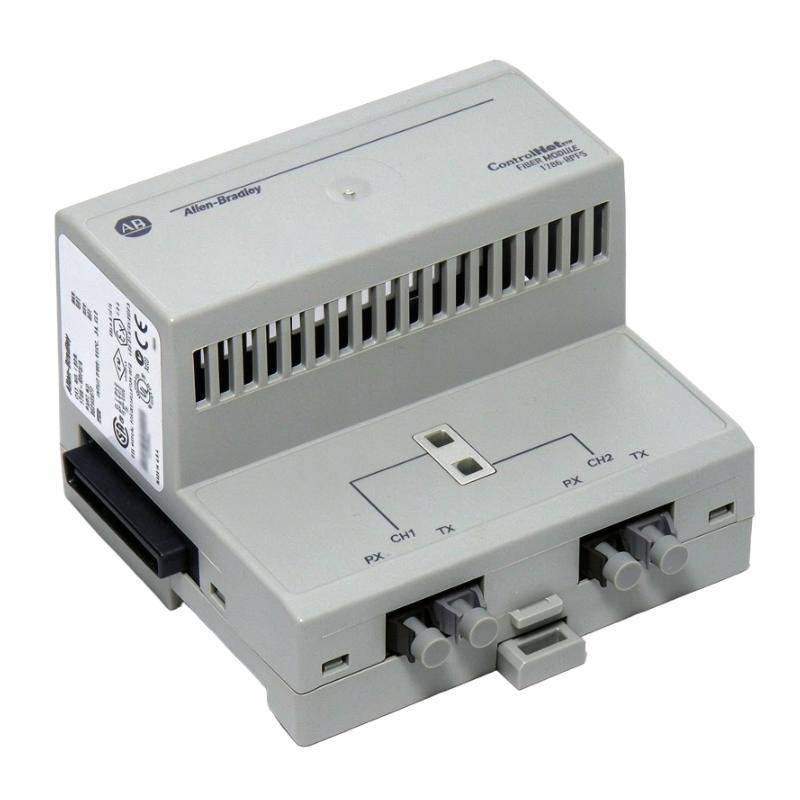
The Allen-Bradley 1786-RPFS is a short-distance fiber repeater module used in ControlNet industrial communication networks. It establishes optical communication links between two ControlNet network sections, allowing signals to travel through fiber rather than relying entirely on coaxial media.
The module is particularly useful when automation equipment is distributed across separate control cabinets, production areas, or electrical rooms. In these installations, a fiber connection can provide electrical isolation between network nodes and reduce the effects of electromagnetic interference commonly encountered around motors, variable-frequency drives, and high-power equipment.
The 1786-RPFS supports two independent full-duplex fiber channels. Each channel has its own fiber interface and status indicator, allowing technicians to monitor communication activity and identify channel-related problems during maintenance.
A typical installation uses the 1786-RPFS together with a 1786-RPA or 1786-RPA/B modular repeater adapter. The repeater adapter provides the backplane connection and power interface, while the RPFS module handles the short-distance optical communication link.
The module uses 200/230-micron HCS (Hard-Clad Silica) fiber and a 650 nm optical transmission wavelength. Its fiber connection uses the Versalink V-System with V-pin connectors, making cable compatibility an important consideration when selecting the associated optical assemblies.
In practical ControlNet installations, the 1786-RPFS can connect network sections across a production area where a copper connection would be more susceptible to electrical interference or ground-potential differences. The supported fiber distance depends on the optical cable quality, connector losses, and the number of splices. The specified optical power loss must remain below the 4.2 dB budget.
The 1786-RPFS is a communication interface rather than a standalone PLC or network controller. It does not execute control logic or manage I/O operations. Its function is to maintain optical communication between compatible ControlNet network interfaces.
Technical Specifications
| Parameter | Specification |
|---|---|
| Manufacturer | Allen-Bradley |
| Brand | Rockwell Automation |
| Model | 1786-RPFS |
| Product Series | ControlNet |
| Product Type | ControlNet Fiber Ring Short Repeater |
| Module Type | Short-Distance Fiber Repeater Module |
| Communication Rate | 5 Mbps |
| Number of Fiber Channels | 2 |
| Channel Configuration | Independent Full-Duplex Channels |
| Fiber Type | 200/230 µm HCS (Hard-Clad Silica) |
| Fiber Termination Type | Versalink V-System |
| Connector Configuration | V-Pin |
| Operating Wavelength | 650 nm |
| Optical Power Budget | 4.2 dB |
| Minimum Transmitter Output | -17 dBm |
| Minimum Receiver Responsivity | -21.3 dBm |
| Maximum Fiber Distance | 300 m |
| Backplane Voltage | 5 V DC |
| Maximum Backplane Current | 300 mA |
| Maximum Power Consumption | 1.5 W |
| Power Supply | 24 V DC through repeater adapter system |
| Mounting Type | 35 × 7.5 mm DIN Rail |
| Enclosure Rating | IP20 |
| Operating Temperature | 0 to 70°C (module optical power specification) |
| Fiber Temperature Range | -20 to +80°C |
| Installation Bend Radius | 38 mm |
| Operating Bend Radius | 10 mm |
| Compatible Repeater Adapter | 1786-RPA / 1786-RPA/B |
| Network Compatibility | Allen-Bradley ControlNet |
| Dimensions | 111 × 69 × 96.8 mm |
| Weight | 0.11 kg |
Product Features
- Two Independent Fiber Channels: Supports two full-duplex optical communication channels for connecting compatible ControlNet network sections.
- Short-Distance Fiber Repeating: Supports fiber links up to 300 meters, depending on cable quality and total optical attenuation.
- 200/230 µm HCS Fiber: Uses hard-clad silica fiber for the short-distance ControlNet optical system.
- Versalink V-System Interface: Uses V-pin fiber connections for compatibility with the corresponding optical cable assemblies.
- 5 Mbps Communication: Matches the communication rate of the ControlNet network.
- 4.2 dB Optical Power Budget: Defines the allowable total optical loss across the fiber connection.
- Ground Isolation: Provides electrical isolation between connected network nodes through the optical link.
- EMI Resistance: Fiber communication is less susceptible to electrical noise than copper communication media.
- Channel Status Indicators: Provides individual channel indicators for checking operating conditions and communication activity.
- Modular Repeater Architecture: Connects to the 1786-RPA or 1786-RPA/B repeater adapter through the backplane interface.
- DIN Rail Installation: Supports installation in industrial control cabinets using a standard 35 mm DIN rail.
Product Working Principle
The 1786-RPFS converts ControlNet communication signals into optical signals and transfers them through compatible HCS fiber connections.
When a ControlNet network section needs to communicate with another section through fiber, the repeater module receives communication signals through its backplane interface. It then uses its optical transmitter to send the corresponding signals through the connected fiber channel.
At the receiving end, the optical interface detects the incoming light signals and converts them into electrical communication signals for the connected network equipment.
The module supports two independent full-duplex channels. This means each channel can transmit and receive communication signals simultaneously through its respective optical connection.
A simplified communication arrangement is:
ControlNet Coaxial Network → 1786-RPA/B → 1786-RPFS → Fiber Optic Cable → Remote Fiber Repeater → ControlNet Network
The optical transmission operates at a wavelength of 650 nm and uses 200/230 µm HCS fiber. The total optical loss across the connection must remain below 4.2 dB for the link to operate within its specified power budget.
The module also provides channel status indicators. A green indicator indicates normal channel operation, while a flashing green indicator indicates that there is no activity on the corresponding channel. An indicator that remains off can indicate that the repeater is not receiving power.
These indicators help maintenance technicians distinguish between power-related problems and communication activity issues without immediately replacing the repeater module.
Role in Allen-Bradley ControlNet Network Architecture
The 1786-RPFS functions as the short-distance optical repeater within an Allen-Bradley ControlNet architecture. It allows communication to pass between network sections through fiber, particularly where electrical isolation or resistance to electromagnetic interference is required.
The module is installed alongside a compatible 1786-RPA or 1786-RPA/B repeater adapter. The adapter provides the backplane interface and connects the repeater system to the ControlNet network.
A typical mixed-media arrangement is:
ControlNet Coaxial Trunk → 1786-RPA/B → 1786-RPFS → Fiber Optic Connection → Remote Repeater Interface → ControlNet Network
| System Component | Function |
|---|---|
| Allen-Bradley 1786-RPFS | Provides short-distance fiber communication between ControlNet network sections |
| 1786-RPA | Provides the modular repeater adapter interface |
| 1786-RPA/B | Supports the modular repeater system and backplane connections |
| 1786-RG6 | Carries ControlNet communication through coaxial trunk media |
| 1786-FS10 | Provides a 10-meter preterminated fiber connection |
| 1786-FS20 | Provides a 20-meter preterminated fiber connection |
| 1786-FS60 | Provides a 60-meter preterminated fiber connection |
| 1786-FS100 | Provides a 100-meter preterminated fiber connection |
| 1786-FS200 | Provides a 200-meter preterminated fiber connection |
| 1786-FS300 | Provides a 300-meter preterminated fiber connection |
| ControlNet Communication Modules | Connect PLC controllers to the ControlNet network |
| Remote I/O Adapters | Interface distributed I/O stations with the network |
Up to four compatible repeater modules can be connected to one 1786-RPA/B adapter, subject to the adapter’s total backplane current limit of 1.6 A at 5 V DC. Both the module count and combined power consumption must be considered when configuring the repeater assembly.
Industrial Applications
The 1786-RPFS is suitable for industrial automation systems that require short-distance optical connections between ControlNet network sections.
| Industrial Application | Typical Use |
|---|---|
| Automotive Manufacturing | Connecting ControlNet network sections between production-line control cabinets |
| Steel Manufacturing | Establishing optical communication near high-power motors and electrical equipment |
| Power Generation | Providing fiber communication between separate control and electrical rooms |
| Oil and Gas Automation | Connecting distributed ControlNet equipment through optically isolated links |
| Chemical Processing | Linking automation cabinets across electrically noisy process areas |
| Water Treatment | Connecting remote ControlNet network sections and distributed I/O stations |
| Packaging Machinery | Establishing optical links between separate machine control enclosures |
| Material Handling | Connecting conveyor control networks across production areas |
| Industrial Drive Systems | Providing fiber communication between compatible network interfaces |
| General Manufacturing | Extending ControlNet communication between separated automation equipment |
Installation and Maintenance
- Verify Adapter Compatibility: Confirm that the 1786-RPFS is installed with a compatible 1786-RPA or 1786-RPA/B repeater adapter.
- Check Fiber Compatibility: Use 200/230 µm HCS fiber with the appropriate Versalink V-System termination and V-pin connectors.
- Inspect the Module: Check the module housing, locking tab, fiber ports, and backplane connectors for visible damage before installation.
- Prepare the DIN Rail: Install a suitable 35 × 7.5 mm DIN rail and ensure that it is securely fastened and properly grounded.
- Install the Module: Position the repeater module at approximately a 30-degree angle, hook its rear mounting lip onto the DIN rail, and press the lower section until the locking tab engages.
- Protect Optical Interfaces: Remove protective caps only when connecting the fiber cables. Keep unused ports covered to prevent dust and contamination.
- Connect Fiber Channels: Align the V-pin connectors with the corresponding optical ports and ensure that the connections are properly seated.
- Check Cable Routing: Maintain the specified 38 mm minimum bend radius during installation and avoid excessive pulling force or mechanical stress.
- Observe Power Requirements: Verify the repeater adapter’s backplane supply and ensure that the total connected module current remains within the 1.6 A at 5 V DC limit.
- Check Channel Indicators: After restoring power, inspect both channel indicators. A steady green indication represents normal operation, while flashing green indicates no channel activity.
- Verify Optical Link Performance: Check the total optical attenuation across the fiber path and ensure that it remains below the 4.2 dB power budget.
- Document and Maintain: Record the channel connections and network layout. During maintenance, inspect connector cleanliness, fiber condition, backplane contacts, and module status.
Before inserting or removing the module, make sure backplane power has been removed or that the installation area is confirmed nonhazardous. The module contains optical transmission components and should only be serviced by appropriately trained personnel.
Compatible System Components
| Component | Function |
|---|---|
| Allen-Bradley 1786-RPFS | ControlNet short-distance fiber repeater |
| Allen-Bradley 1786-RPA | Modular repeater adapter |
| Allen-Bradley 1786-RPA/B | Modular repeater adapter with backplane interface |
| Allen-Bradley 1786-FS10 | 10-meter ControlNet fiber cable assembly |
| Allen-Bradley 1786-FS20 | 20-meter ControlNet fiber cable assembly |
| Allen-Bradley 1786-FS60 | 60-meter ControlNet fiber cable assembly |
| Allen-Bradley 1786-FS100 | 100-meter ControlNet fiber cable assembly |
| Allen-Bradley 1786-FS200 | 200-meter ControlNet fiber cable assembly |
| Allen-Bradley 1786-FS300 | 300-meter ControlNet fiber cable assembly |
| Allen-Bradley 1786-RG6 | ControlNet coaxial trunk cable |
| Allen-Bradley 1786-XT | ControlNet coaxial terminating resistor |
Recommended Related Models
| Model / Product | Product Type | Typical Application |
|---|---|---|
| Allen-Bradley 1786-RPA | ControlNet Modular Repeater Adapter | Providing the repeater backplane interface |
| Allen-Bradley 1786-RPA/B | ControlNet Modular Repeater Adapter | Supporting modular repeater configurations |
| Allen-Bradley 1786-RPFM | ControlNet Fiber Ring Medium Repeater | Medium-distance optical communication |
| Allen-Bradley 1786-RPFRL | ControlNet Fiber Ring Long Repeater | Long-distance fiber network connections |
| Allen-Bradley 1786-RPFRXL | ControlNet Fiber Ring Extra-Long Repeater | Extended-distance optical communication |
| Allen-Bradley 1786-FS200 | ControlNet Fiber Optic Cable Assembly | 200-meter short-distance fiber connection |
Key Advantages
- Two independent full-duplex fiber communication channels.
- 5 Mbps ControlNet communication rate.
- 200/230 µm HCS fiber compatibility.
- Optical power budget of 4.2 dB.
- Supports short-distance fiber links up to 300 meters.
- Provides ground isolation between network nodes.
- Individual channel status indicators simplify troubleshooting.
- Modular installation with compatible ControlNet repeater adapters.
Technical FAQs
1. How many fiber channels does the 1786-RPFS support?
The 1786-RPFS supports two independent full-duplex fiber channels. Each channel has its own optical interface and status indicator, allowing separate monitoring of communication activity.
2. What type of fiber cable should be used with the 1786-RPFS?
The module uses 200/230 µm HCS (Hard-Clad Silica) fiber with a Versalink V-System termination. The corresponding V-pin connector arrangement must be used to ensure proper optical interface compatibility.
3. What is the maximum fiber distance supported by the 1786-RPFS?
The specified maximum short-distance fiber link is 300 meters. Actual performance depends on fiber quality, connector condition, and the number of splices. The total optical loss must remain below 4.2 dB.
4. What does a flashing green channel indicator mean?
A flashing green indicator means that the corresponding channel has no communication activity. A steady green indicator represents normal channel operation. If the indicator remains off, check the repeater adapter power supply and backplane connection.