

ProductPRODUCT
Featured products
Contact Us
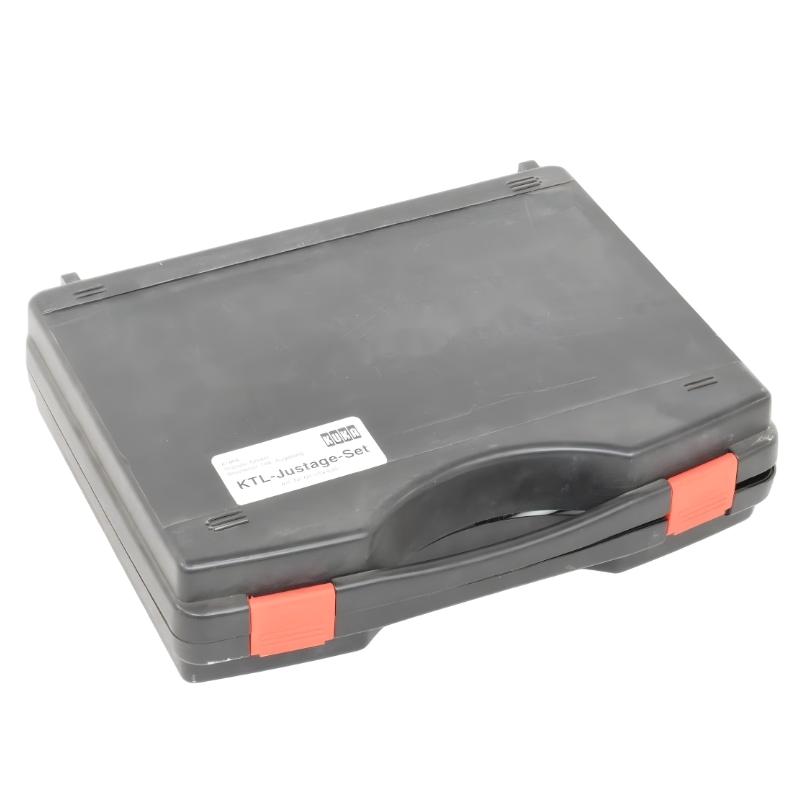
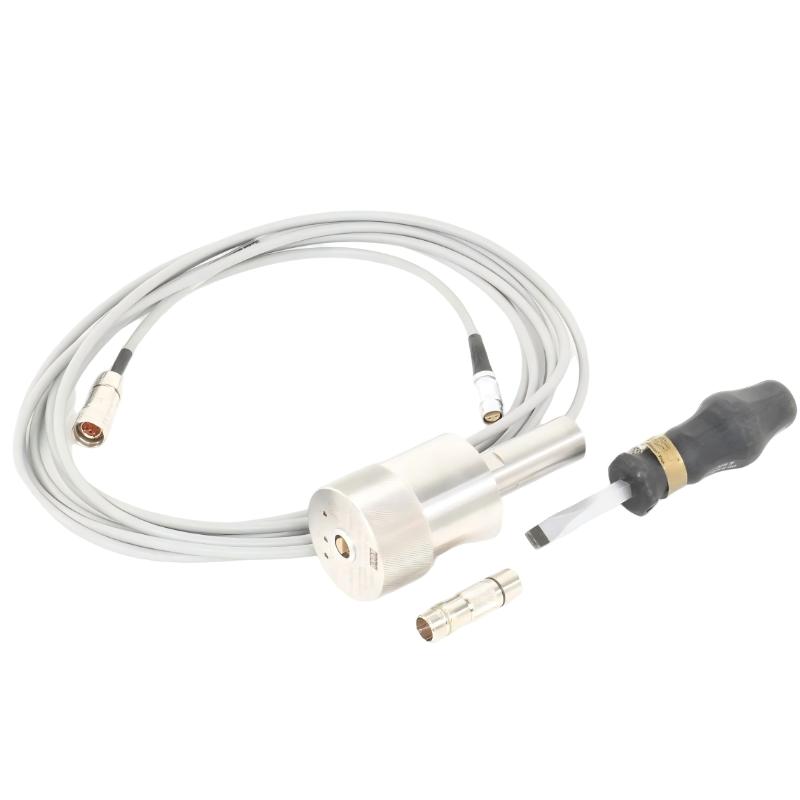
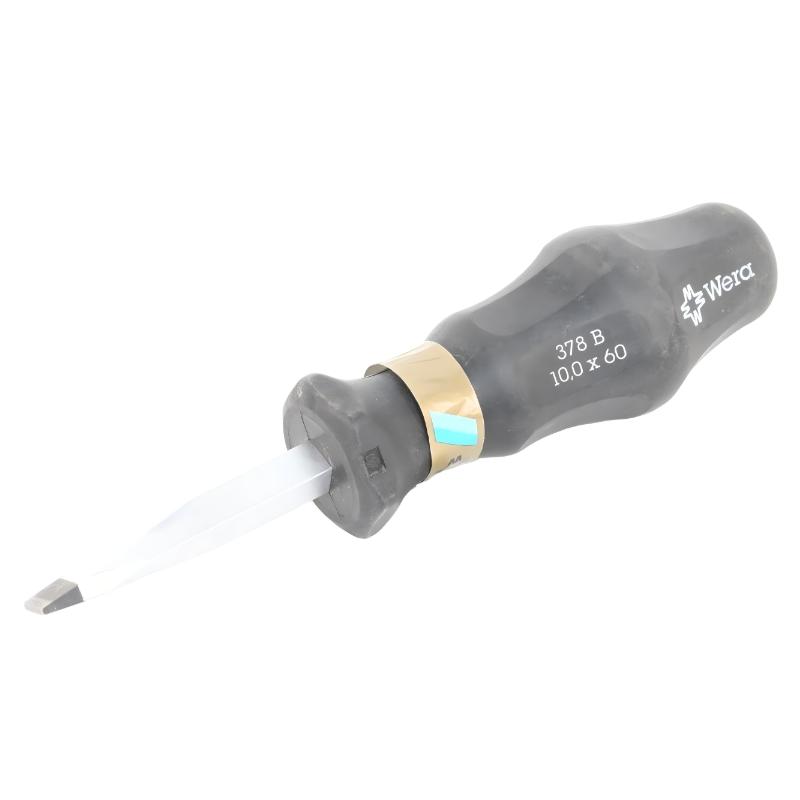
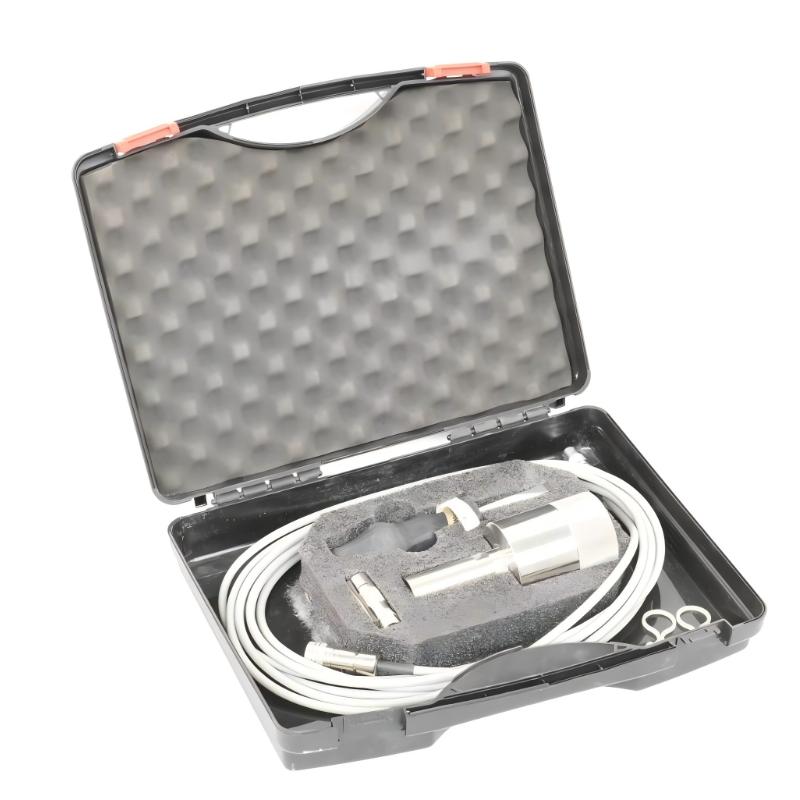
- ABB(KUKA)
- 00-109-835
- Zero Calibrator
- Germany
- 220 × 40 × 120 mm
- 1.75 kg
- Xiamen, China
- New & In Stock
- T/T, PayPal, Western Union
- 1 Year
- 1-3 Working Days
- DHL, UPS, TNT, FedEx and EMS.
- 24-Hour Service
- COO
- 63
Our advantage

Global Logistics
We have a 10-year logistics and express cooperation agreement, so our products can be shipped to any place in the world.

Brand new and original
Our products are imported in bulk from the place of origin. Because of the cooperative relationship, our products are all original and 100% new.

24-hour service
We provide 7*24 hours service to our customers. We will be there whenever you need us.

Price advantage
All our products are priced very favorably because we have our own warehouse and supply.
| Company Information | |||
| [email protected] | |||
| Mobile | +8615980777398 | ||
| +8615980777398 | |||
| 15980777398 |
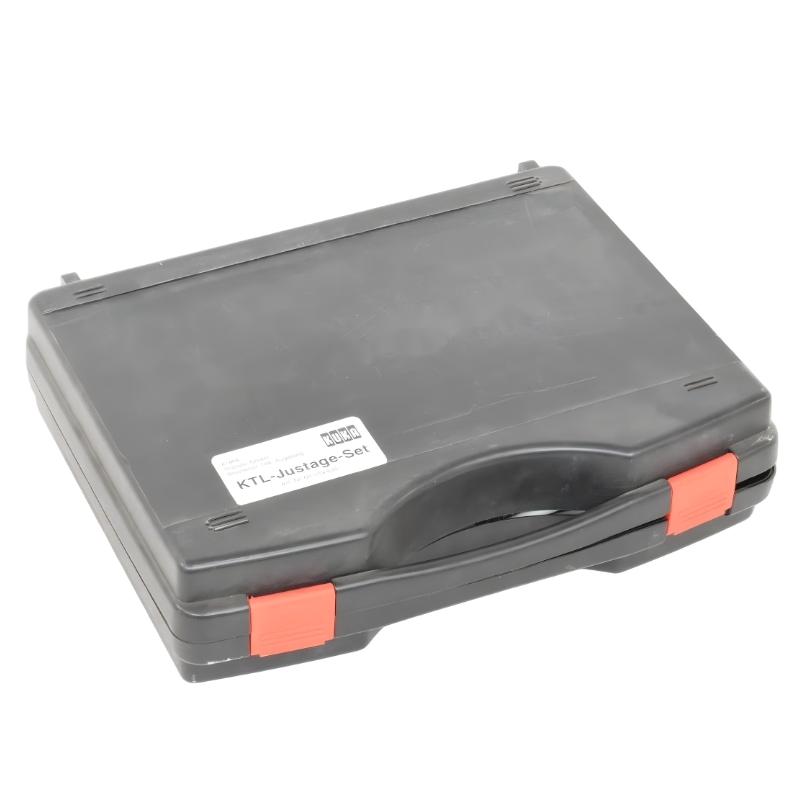
Product Overview
The ABB(KUKA) 00-109-835 Zero Calibrator is a calibration-related component used in industrial robot equipment for zero-position adjustment and calibration work. In a robotic system, accurate reference positions are essential because the controller needs a known mechanical reference before programmed positions and axis movements can be reproduced correctly.
The Zero Calibrator is associated with the calibration process rather than normal production operation. It can be used during robot commissioning, maintenance, axis adjustment, or after mechanical work where the original reference position may need to be restored.
For robot maintenance engineers, the main purpose of this component is to support the relationship between the robot’s mechanical reference position and its controller configuration. Correct calibration helps ensure that programmed positions correspond properly to the robot’s actual mechanical position.
The 00-109-835 should therefore be considered a maintenance and calibration component within the KUKA robot system rather than a conventional controller, I/O module, or servo drive.
Technical Specifications
| Parameter | Specification |
|---|---|
| Manufacturer | ABB(KUKA) |
| Model | 00-109-835 |
| Product Type | Zero Calibrator |
| Main Function | Robot Zero-Position Calibration |
| Application | Industrial Robot Calibration and Maintenance |
| Dimensions | 220 × 40 × 120 mm |
| Weight | 1.75 kg |
Main Features
The 00-109-835 is associated with robot reference-position and calibration work.
Key characteristics include:
- KUKA Zero Calibrator
- Used for robot zero-position calibration
- Suitable for robot commissioning and maintenance
- Supports restoration of mechanical reference positions
- Relevant after certain mechanical service operations
- Helps maintain positional consistency between mechanics and controller data
- Intended for use by robot maintenance personnel
- Used as part of a controlled calibration procedure
- Suitable for industrial robot service environments
- Dimensions of 220 × 40 × 120 mm
- Weight of 1.75 kg
Calibration equipment should always be used according to the applicable robot model and calibration procedure. The correct procedure is more important than simply having the calibration device available.
Working Principle
Robot calibration establishes a known relationship between the mechanical position of an axis and the position information used by the robot controller.
A simplified process can be represented as:
Mechanical Reference → Zero Calibration → Controller Reference → Robot Positioning
During calibration, the robot is brought into the specified reference condition. The calibration equipment assists the maintenance process in establishing or verifying the required zero position.
Once the reference position has been correctly established, the controller can use that reference when calculating robot-axis positions.
This is particularly important because a robot can sometimes move normally after mechanical maintenance while still having an incorrect reference position. In such a situation, the robot may reach a programmed coordinate differently from the expected mechanical position.
The Zero Calibrator is therefore associated with position accuracy and reference restoration, rather than with real-time robot motion control.
Role in Robot Calibration
The 00-109-835 is useful when the robot’s mechanical reference position needs to be established or restored.
Typical situations include:
- Initial robot commissioning
- Robot-axis calibration
- Encoder-related maintenance
- Mechanical component replacement
- Gear or drive-system service
- Robot controller replacement
- Loss or corruption of calibration data
- Periodic maintenance
- Verification of robot reference positions
The relationship can be summarized as:
Robot Mechanics → Reference Position → Calibration Device → Controller Calibration Data
A correct calibration process allows the controller to interpret the robot’s physical axis positions correctly.
For this reason, calibration should normally be performed under controlled maintenance conditions rather than during normal production.
Industrial Applications
The 00-109-835 is primarily relevant to KUKA robot service and commissioning environments.
| Application | Typical Use |
|---|---|
| Automotive Robotics | Robot-axis calibration |
| Welding Cells | Restoration of robot reference positions |
| Assembly Robots | Position-reference verification |
| Material Handling | Robot calibration after maintenance |
| Machine Tending | Axis zero adjustment |
| Packaging Automation | Robot reference restoration |
| Robotic Machining | Position accuracy maintenance |
| Palletizing Systems | Axis calibration |
| Robot Commissioning | Initial reference setup |
| Controller Maintenance | Restoration of calibration relationships |
The component is particularly useful when robot positioning accuracy needs to be maintained following service work or configuration changes.
Calibration and Maintenance
Calibration should be approached as a controlled engineering procedure.
Before using the 00-109-835:
- Confirm the complete 00-109-835 part number.
- Verify the applicable KUKA robot model.
- Check the controller generation.
- Review the relevant calibration procedure.
- Ensure the robot is in the appropriate maintenance state.
- Confirm the mechanical reference conditions.
- Inspect the robot axes for mechanical abnormalities.
- Check encoder and drive-related conditions where applicable.
- Record existing calibration information before making changes.
After calibration:
- Verify the stored reference position.
- Check individual axis behavior.
- Perform a controlled positioning test.
- Compare known reference positions with controller coordinates.
- Confirm that the robot reaches expected positions.
- Perform the required mastering or calibration verification procedure.
- Validate robot operation before returning it to production.
If the robot cannot maintain its reference position after calibration, the cause may not be the calibration equipment itself. Mechanical wear, encoder problems, drive faults, incorrect configuration, or incorrect calibration procedures can also affect positional accuracy.
Related Components
The Zero Calibrator works within a broader robot motion and calibration system.
| Component | Function |
|---|---|
| KUKA Robot Controller | Processes robot position and motion data |
| Robot Servo Motor | Drives individual robot axes |
| Servo Drive | Controls motor operation |
| Encoder | Provides axis-position feedback |
| Robot Gearbox | Transfers motor torque to the robot axis |
| Robot Manipulator | Provides mechanical movement |
| Teach Pendant | Allows robot operation and positioning |
| Calibration Device | Supports zero/reference calibration |
| Controller Memory | Stores relevant calibration information |
| Robot I/O System | Interfaces with external equipment |
The actual calibration architecture depends on the robot model and controller generation.
Recommended Related Models
For KUKA robot maintenance, related components can be selected according to the specific service requirement.
| Model | Product Type | Main Function | Typical Application |
|---|---|---|---|
| ABB(KUKA) 00-109-835 | Zero Calibrator | Robot reference calibration | Robot maintenance |
| ABB(KUKA) 00-134-932 | ESC-Ci3 Safety Board | Safety control | Robot safety architecture |
| ABB(KUKA) 00-126-383 | DC Power Supply | Controller power | Robot control cabinet |
| ABB(KUKA) 1FK6100-8AF91-1ZZ9-ZS09 | Robot Servo Motor | Axis movement | Robot motion system |
| ABB(KUKA) 1FK6100-8AF91-1ZZ9-ZS49 | Robot Servo Motor | Axis movement | Robotic applications |
| ABB(KUKA) 1FK7101-5AZ91-1ZZ9-ZS07 | Robot Servo Motor | Servo motion | Industrial robot systems |
When selecting calibration equipment, compatibility with the specific robot and controller configuration should be confirmed before use.
Key Advantages
- KUKA Zero Calibrator
- Supports robot zero-position calibration
- Useful for robot commissioning
- Suitable for maintenance operations
- Helps restore mechanical reference positions
- Supports positioning accuracy
- Useful after mechanical service
- Applicable to robot-axis calibration
- Works alongside the robot controller and motion system
- Suitable for industrial robot service environments
- Dimensions of 220 × 40 × 120 mm
- Weight of 1.75 kg
Technical FAQs
What is the purpose of the 00-109-835 Zero Calibrator?
The 00-109-835 is used in the robot calibration process to help establish or restore the required zero or reference position. This allows the controller’s positional information to correspond correctly with the robot’s mechanical position.
When would a KUKA robot normally require zero calibration?
Calibration may be required during commissioning, after certain mechanical repairs, following replacement of relevant motion-system components, or when the robot’s stored reference position no longer corresponds correctly with its mechanical position.
Can incorrect calibration affect programmed robot positions?
Yes. If the mechanical reference and controller reference do not correspond, the robot may not reach programmed positions at the expected physical locations. This can affect production accuracy and may also create problems when previously taught programs are executed.
What should be checked if calibration does not restore correct positioning?
Check the robot’s mechanical condition, encoder feedback, servo-drive status, controller configuration, reference position, and calibration procedure. If the robot continues to show positional errors, the problem should not automatically be attributed to the Zero Calibrator.