

ProductPRODUCT
Featured products
Contact Us
- ABB
- TK515 3BSE003785R1
- Cable Assembly
- Sweden (SE)
- 1.8 meters
- 0.26 kg
- Xiamen, China
- New & In Stock
- T/T, PayPal, Western Union
- 1 Year
- 1-3 Working Days
- DHL, UPS, TNT, FedEx and EMS.
- 24-Hour Service
- COO
- 6
Our advantage

Global Logistics
We have a 10-year logistics and express cooperation agreement, so our products can be shipped to any place in the world.

Brand new and original
Our products are imported in bulk from the place of origin. Because of the cooperative relationship, our products are all original and 100% new.

24-hour service
We provide 7*24 hours service to our customers. We will be there whenever you need us.

Price advantage
All our products are priced very favorably because we have our own warehouse and supply.
| Company Information | |||
| [email protected] | |||
| Mobile | +8615980777398 | ||
| +8615980777398 | |||
| 15980777398 |
Product Overview
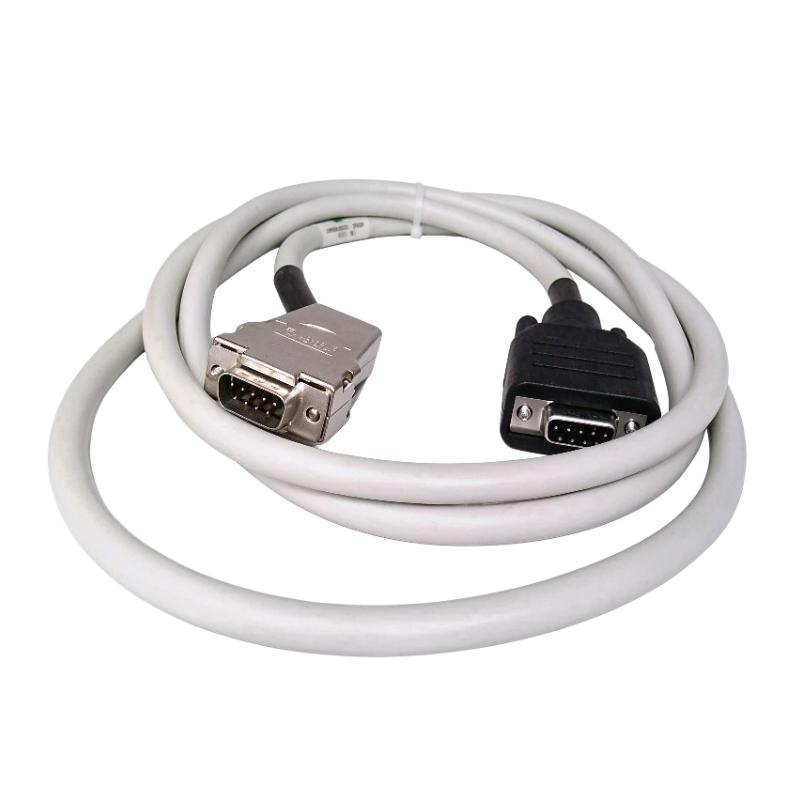
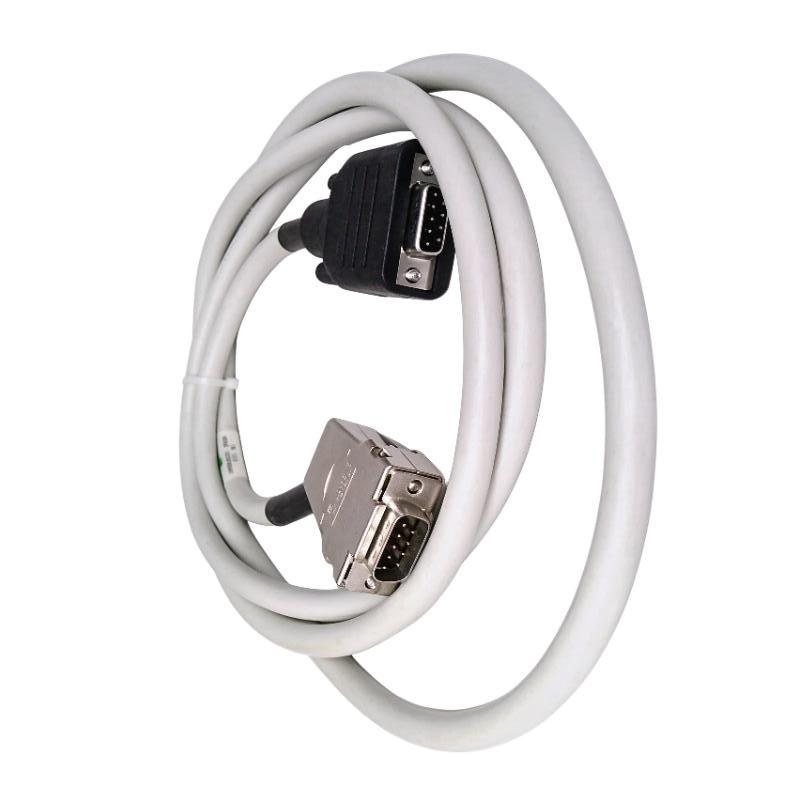
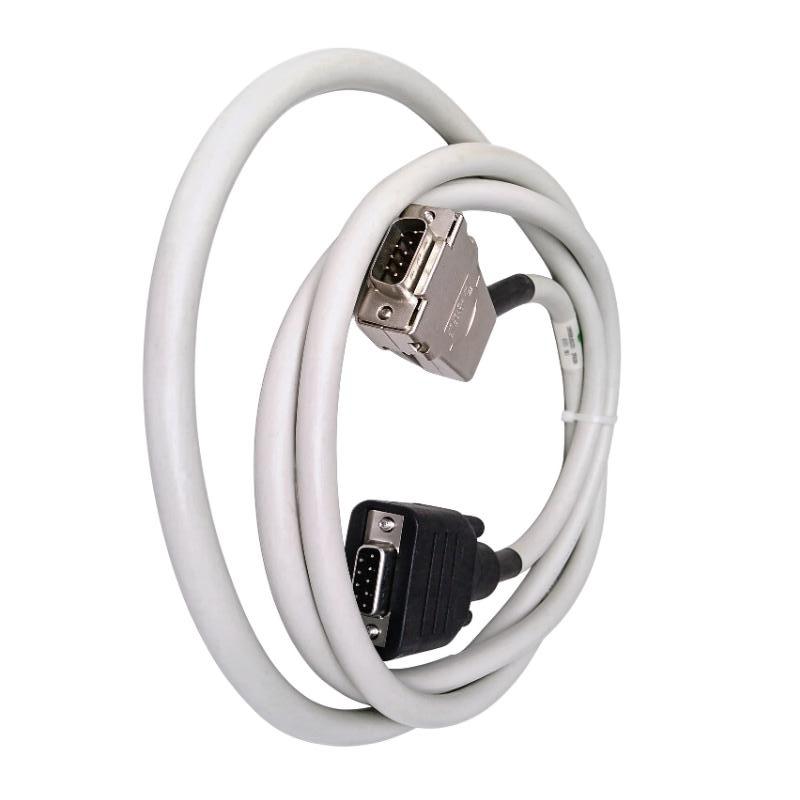
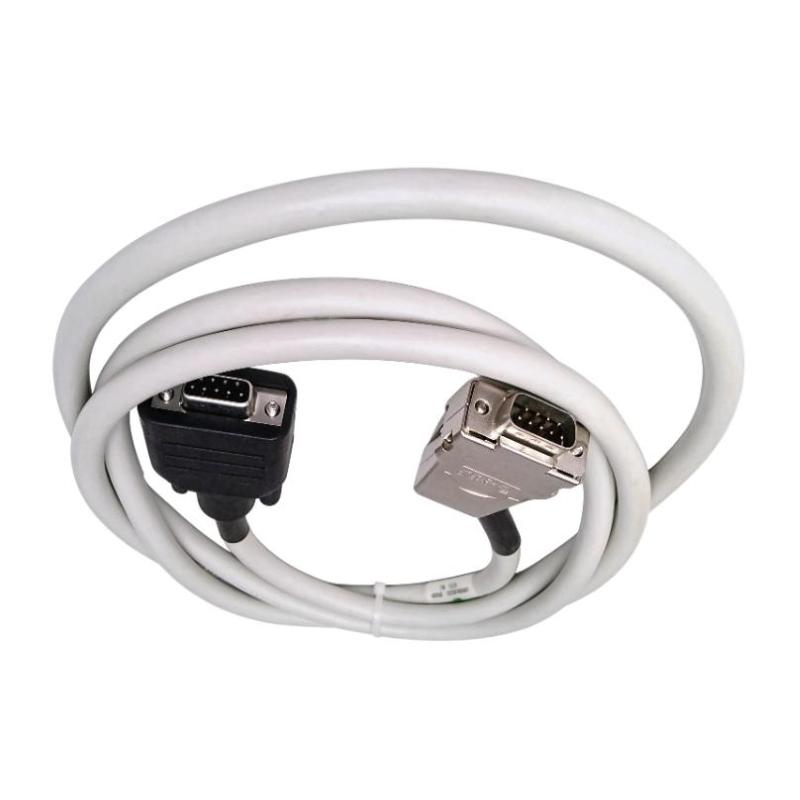
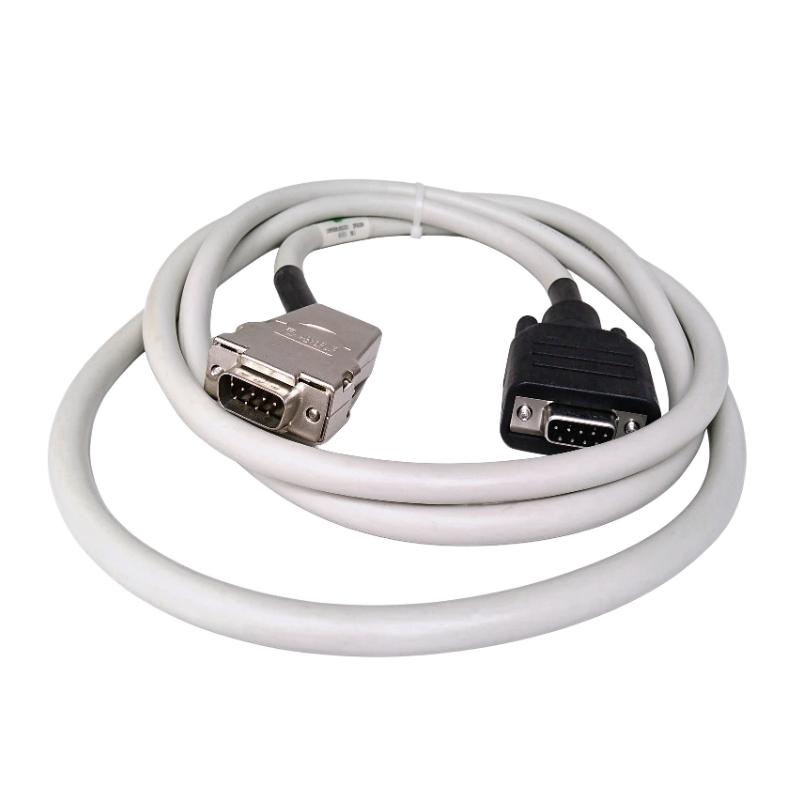
The ABB TK515 3BSE003785R1 Cable Assembly is an industrial communication cable designed for compatible ABB Advant OCS process control system equipment. It provides an RS-232 serial connection using DE9 socket connectors at both ends, with a specified cable length of 1.8 meters.
In industrial automation systems, communication cables provide the physical connection required for data exchange between control equipment, communication interfaces, and associated devices. Selecting the correct cable assembly helps maintain the intended interface connection and simplifies equipment installation, maintenance, and replacement.
The TK515 is associated with ABB Advant OCS system applications and is specified for connections involving compatible CI520 and TC625 or TC512 equipment. Its connector type and cable length make it suitable for installations where the corresponding devices are positioned within the same control cabinet or nearby equipment area.
This product is a cable assembly rather than a PLC, controller, or communication module. Its primary role is to establish the physical serial communication path between compatible interfaces. It does not independently perform data processing, protocol conversion, or control logic.
When purchasing a replacement, engineers should verify the complete ABB part number, connector gender, cable length, and intended connection. A cable with a physically similar connector may have a different pinout or electrical configuration and may not function correctly in the target system.
Technical Specifications
| Parameter | Specification |
|---|---|
| Brand | ABB |
| Manufacturer | ABB |
| Model | TK515 |
| Part Number | 3BSE003785R1 |
| Product Type | Cable Assembly |
| Product Series / System | ABB Advant OCS |
| Communication Interface | RS-232 |
| Connector Type | DE9 / DB9 D-sub socket |
| Connector Configuration | Socket-to-socket |
| Cable Length | 1.8 meters |
| Primary Function | Serial communication connection |
| Typical Connection | Compatible CI520–TC625 or CI520–TC512 equipment |
| Dimensions | Not specified in the supplied product data |
| Weight Provided | 0.26 kg |
| Typical Application | Industrial process control and automation |
| Product Identification | TK515 / 3BSE003785R1 |
Note: Confirm the connector arrangement and pinout against the original equipment documentation before installation. Dimensions have not been supplied as verified product dimensions.
Function and Working Principle
The ABB TK515 cable assembly provides the physical signal path for compatible RS-232 serial communication. Its function is to connect the appropriate interfaces so that supported equipment can transmit and receive serial data.
1. RS-232 Serial Communication
RS-232 is a serial communication standard used for point-to-point data exchange between compatible electronic devices. Information is transmitted sequentially over designated signal conductors, with additional conductors potentially used for signal reference or hardware handshaking.
In industrial control environments, serial interfaces may be used for configuration, maintenance, equipment communication, or connections between system components. The actual purpose of the TK515 connection depends on the devices and interfaces specified for the installation.
The cable provides the physical connection; communication behavior depends on the connected equipment, supported settings, and interface configuration.
2. DE9 Socket-to-Socket Connection
The TK515 is specified with DE9 socket connectors at both ends. DE9 is the formal designation for the nine-pin D-sub connector commonly referred to as DB9.
A matching connector type helps establish the physical connection, but connector shape alone does not guarantee compatibility. Pin assignments, signal direction, grounding, and any handshaking requirements must also match the connected equipment.
Before connecting the cable, verify that both interfaces require the specified socket-to-socket arrangement.
3. Communication Between Compatible ABB Equipment
The TK515 is identified for compatible ABB Advant OCS connections, including CI520–TC625 or CI520–TC512 configurations. Its purpose is to connect the corresponding serial interfaces using the specified cable arrangement.
The connected devices determine which information is exchanged and how it is interpreted. The cable itself does not convert RS-232 to RS-485, Ethernet, or another communication standard.
4. Physical Signal Transmission
A correctly matched cable provides the electrical path required for serial signals to travel between the connected interfaces. Cable condition, connector integrity, correct pinout, and proper routing all contribute to reliable operation.
Damaged conductors, loose connectors, contamination, or an incorrect cable configuration can result in intermittent communication, communication errors, or complete connection failure.
Role in Industrial Control Systems
The TK515 cable assembly supports the communication infrastructure of compatible ABB Advant OCS installations. Although it is a relatively small component, a suitable communication cable can be essential for maintaining the intended connections between control-system devices.
ABB Advant OCS Integration
Advant OCS is an ABB control system family used in industrial process automation. Its installations may contain controllers, communication interfaces, operator stations, and other system components.
The TK515 is intended for specified compatible interfaces within this system environment. The exact role of the cable should be established from the original system drawings and connection documentation.
Interface Connectivity
Communication interfaces require compatible physical connections before data exchange can take place. The TK515 provides a defined RS-232 cable arrangement for the relevant equipment.
Using the correct cable helps maintenance teams avoid improvised wiring and reduces the risk of incorrect signal connections.
Maintenance and Equipment Replacement
During maintenance, a damaged cable may need to be replaced without changing the connected controller or interface hardware. Matching the original model and part number helps preserve the intended physical connection.
When replacing an existing TK515, record the original routing and connection points before removing the cable. This helps prevent incorrect reconnection during system restoration.
Industrial Applications
The ABB TK515 is intended for compatible control-system connections rather than general-purpose networking. Its use should be based on the required RS-232 interface and the documented equipment connection.
1. Process Automation Systems
Industrial process-control installations use communication links to connect system components and support data exchange. The TK515 can serve as a physical serial connection where the specified ABB equipment requires this cable configuration.
Applications may include process plants and other facilities using compatible Advant OCS equipment.
2. Control Cabinet Connections
The 1.8-meter cable length provides routing flexibility for devices positioned within the same cabinet or in nearby enclosures.
During installation, avoid excessive bending, tension on the connectors, and routing that may expose the cable to mechanical damage or electrical interference.
3. System Maintenance
Maintenance personnel may use a replacement TK515 when restoring an original serial connection. Correct part-number identification helps distinguish this cable from other ABB communication assemblies with different lengths or connector arrangements.
4. Equipment Configuration and Service
Some industrial serial interfaces support configuration or service functions. Where the connected ABB equipment specifies the TK515 for such a connection, the cable provides the necessary physical link.
The actual service function depends on the equipment documentation and should not be assumed solely from the cable’s RS-232 designation.
5. Legacy Automation Installations
Legacy automation systems may require specific cable assemblies that are no longer commonly available through general electrical suppliers. Maintaining an accurate spare-parts record for TK515 can help reduce troubleshooting time and simplify replacement planning.
Installation and System Integration
Correct installation helps protect the cable and maintain reliable communication between compatible devices.
1. Verify the Part Number
Confirm that the replacement is ABB TK515, part number 3BSE003785R1. Do not select a cable based solely on appearance or connector shape.
Check the system drawings, equipment manuals, and original cable identification to confirm that TK515 is specified for the intended connection.
2. Confirm Connector Compatibility
The TK515 is specified as a DE9 socket-to-socket cable assembly. Verify that both mating interfaces require the corresponding connector configuration.
Do not force a connector into a port. Confirm the connector gender and alignment before making the connection.
3. Check the Pinout and Interface Requirements
RS-232 devices may use different pin assignments and handshaking arrangements. Confirm that the cable’s pinout is appropriate for the connected equipment.
A straight-through cable and a null-modem cable are not interchangeable in every application. Use the cable arrangement specified by the ABB equipment documentation rather than assuming compatibility based on connector type alone.
4. Route the Cable Carefully
Route the cable away from sources of mechanical damage and excessive electrical interference. Where possible, avoid parallel routing alongside high-current power cables and variable-frequency drive output cables.
Do not exceed the cable’s permitted bend radius, stretch the cable, or allow its weight to place stress on the connectors.
5. Inspect Connectors and Cable Condition
Before installation, inspect the cable sheath, connectors, and contact areas for visible damage, corrosion, contamination, or bent contacts.
If the cable has been stored for an extended period, verify its condition before putting it into service.
6. Verify Communication After Installation
After connecting the cable, check that the associated equipment operates as expected. If communication fails, verify the part number, connector seating, pinout, interface settings, and condition of the connected ports.
Where possible, compare the installation with the original wiring documentation before replacing other system components.
Compatible System Components
The TK515 is a cable assembly and depends on compatible equipment at both ends of the connection.
| Component or System | Role | Compatibility Considerations |
|---|---|---|
| ABB Advant OCS | Industrial process control system environment | Confirm that the system documentation specifies the TK515 connection |
| ABB CI520 interface | Identified compatible connection point in relevant configurations | Verify the exact interface variant and connection requirements |
| ABB TC625 equipment | Identified compatible connection in the documented TK515 configuration | Confirm the intended port and pinout |
| ABB TC512 equipment | Alternative identified connection in the documented configuration | Verify the applicable system arrangement |
| RS-232 interface | Serial communication interface | Confirm electrical compatibility and serial settings |
| DE9 mating connectors | Physical cable connection | Verify socket and mating-connector arrangement |
| Control cabinet | Houses connected automation equipment | Provide suitable cable routing and strain relief |
| System wiring documentation | Defines the intended connection | Use the original wiring diagram to confirm the connection |
These entries describe the intended connection environment, not a list of accessories included with the TK515 cable.
Alternative Models and Replacement Considerations
When replacing the TK515, the most reliable approach is to identify the original cable and match its specified electrical and mechanical configuration. A different ABB cable should not be treated as a direct replacement solely because it uses a similar connector.
| Alternative or Related Option | Replacement Considerations |
|---|---|
| ABB TK515, 3BSE003785R1 | Preferred match when the original installation specifies this exact part |
| ABB TK563, 3BSE008790R1 | A related cable assembly listed with a 0.9-meter length; confirm the exact connection and pinout before considering substitution |
| ABB TK593, 3BSE006544R1 | A related cable assembly listed with a 3.6-meter length; verify the system application before substitution |
| Other ABB RS-232 cable assemblies | May have different pinouts, connector arrangements, or intended equipment |
| Custom serial cable | Consider only when the pinout and electrical requirements are fully documented and approved |
Before substituting another cable, compare:
- Full ABB part number and type designation.
- Connector type and gender at both ends.
- Pinout and signal assignments.
- Required RS-232 interface arrangement.
- Cable length and routing requirements.
- Shielding and grounding requirements.
- Compatibility with the exact control-system hardware.
A different cable length may be acceptable in some installations, but it does not establish electrical compatibility. Always confirm the connection details before making a substitution.
Key Advantages
Dedicated RS-232 Connection
The TK515 provides a defined serial cable arrangement for compatible ABB control-system equipment.
1.8-Meter Cable Length
The specified length supports connections between equipment positioned within the same cabinet or nearby installation area.
DE9 Socket-to-Socket Configuration
The defined connector arrangement simplifies identification when the connected devices require matching D-sub interfaces.
Clear Part-Number Identification
The TK515 designation and 3BSE003785R1 part number support inventory management, maintenance planning, and replacement procurement.
Support for Legacy Control Systems
The cable can help maintain existing compatible Advant OCS installations where the original communication arrangement must be preserved.
Straightforward Replacement Process
When the original connection and pinout are verified, replacing a damaged cable can be simpler than changing the connected interface hardware.
Technical FAQs
1. What is the ABB TK515 3BSE003785R1?
It is an ABB cable assembly designed for compatible Advant OCS serial communication connections.
2. What communication interface does the TK515 support?
The cable is specified for RS-232 serial communication.
3. What is the cable length?
The specified cable length is 1.8 meters.
4. What connectors are fitted to the TK515?
The documented configuration uses DE9 socket connectors at both ends. DE9 is commonly referred to as DB9.
5. Which ABB equipment can it connect?
The documented applications include compatible CI520–TC625 or CI520–TC512 connection arrangements. Confirm the exact system variant and wiring documentation before installation.
6. Can the TK515 be used with any DB9 port?
No. Connector compatibility alone does not guarantee correct communication. The pinout, signal assignments, and electrical interface requirements must also match.
7. Is the TK515 an active communication converter?
No. It is a passive cable assembly, not an active protocol converter or communication module.
8. Can I replace it with a longer ABB serial cable?
Possibly, but only if the alternative cable has the correct pinout, connector arrangement, and electrical characteristics. Confirm the replacement against the equipment documentation.
9. What is the listed weight?
The supplied product-listing weight is 0.26 kg. Shipping weight may vary depending on packaging and the supplier’s weighing method.
10. What should I check before ordering a replacement?
Verify the TK515 model, 3BSE003785R1 part number, 1.8-meter length, DE9 socket-to-socket connector arrangement, and intended connection. If possible, compare the replacement with the original cable and system wiring documentation.
Procurement and Maintenance Recommendations
When purchasing the ABB TK515 cable assembly, use both the model designation and the complete part number to identify the required component. Confirm the cable length, connector configuration, and intended system connection before placing an order.
For industrial spare-parts inventory, record the TK515 and 3BSE003785R1 identifiers together. This reduces confusion with related ABB cables that may use similar connectors but different pinouts or lengths.
For replacement projects, inspect the existing cable and document both connection points before removal. Check for connector damage, cable wear, and routing problems that may have contributed to the original failure.
When evaluating new, surplus, or refurbished stock, confirm the physical condition and whether the cable matches the specified configuration. Verify the actual shipping weight if freight charges or customs documentation depend on packaged weight.
Conclusion
The ABB TK515 3BSE003785R1 Cable Assembly is a 1.8-meter RS-232 communication cable for compatible ABB Advant OCS equipment. Its DE9 socket-to-socket configuration supports specified serial connections, including documented CI520–TC625 and CI520–TC512 arrangements.
For industrial maintenance and replacement, the key requirements are correct part-number identification, connector compatibility, pinout verification, and suitable cable routing. Matching these details helps maintain the intended communication connection and reduces the risk of problems caused by an incorrect replacement cable.