Product Overview
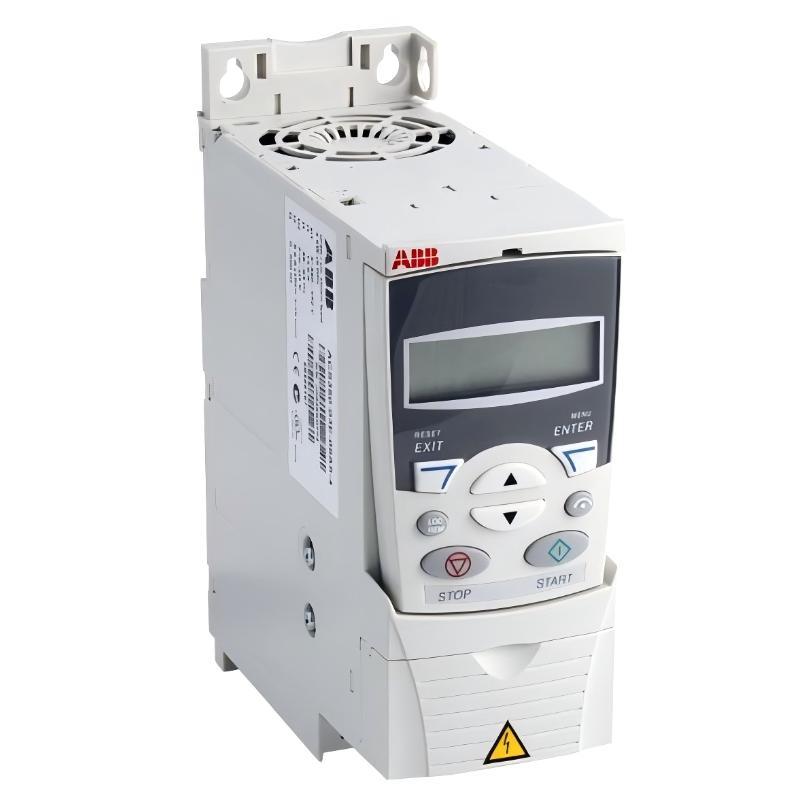
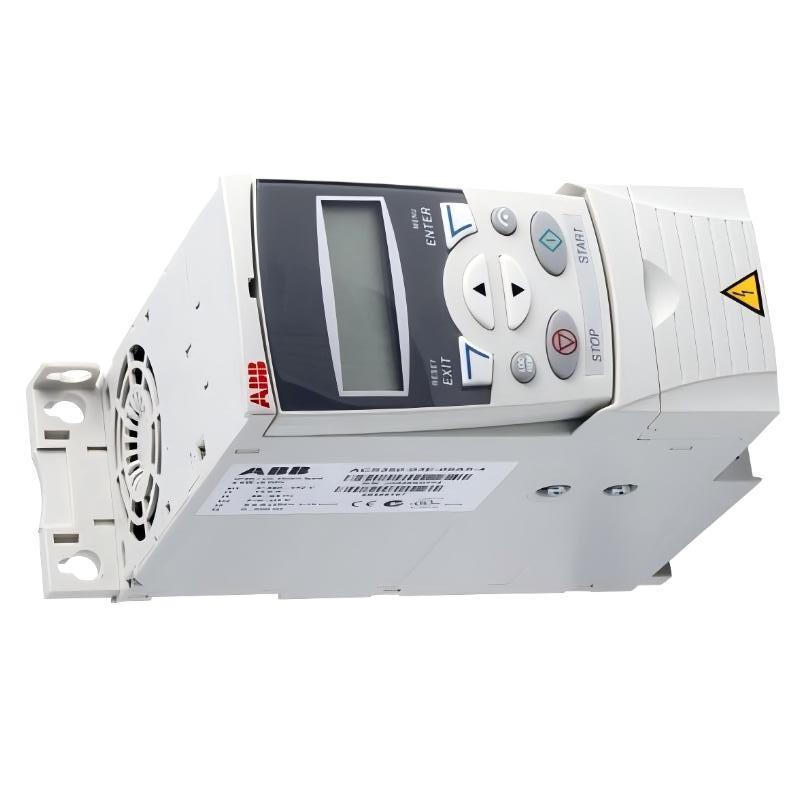
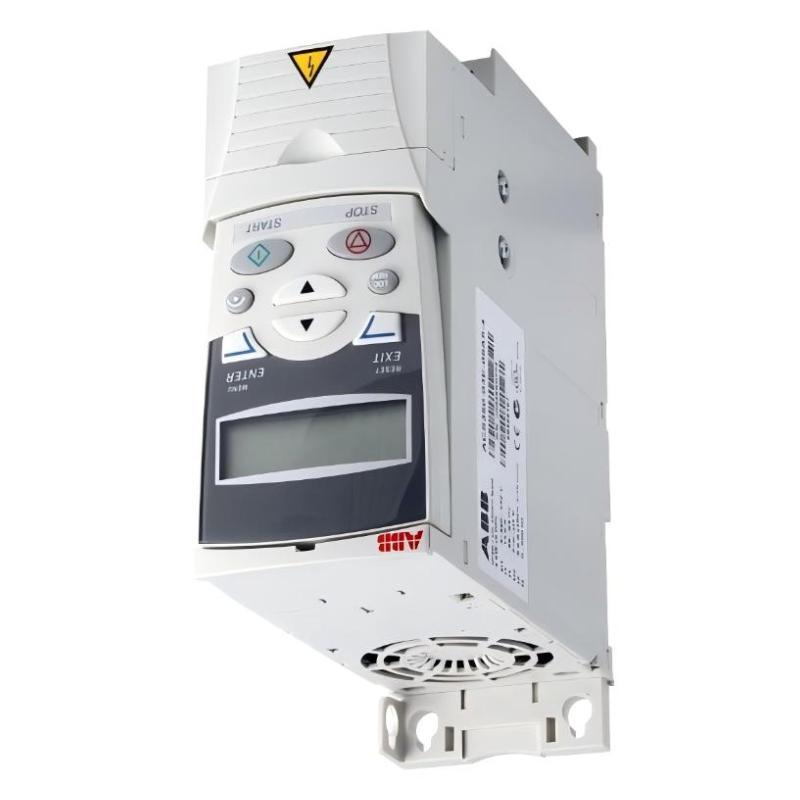
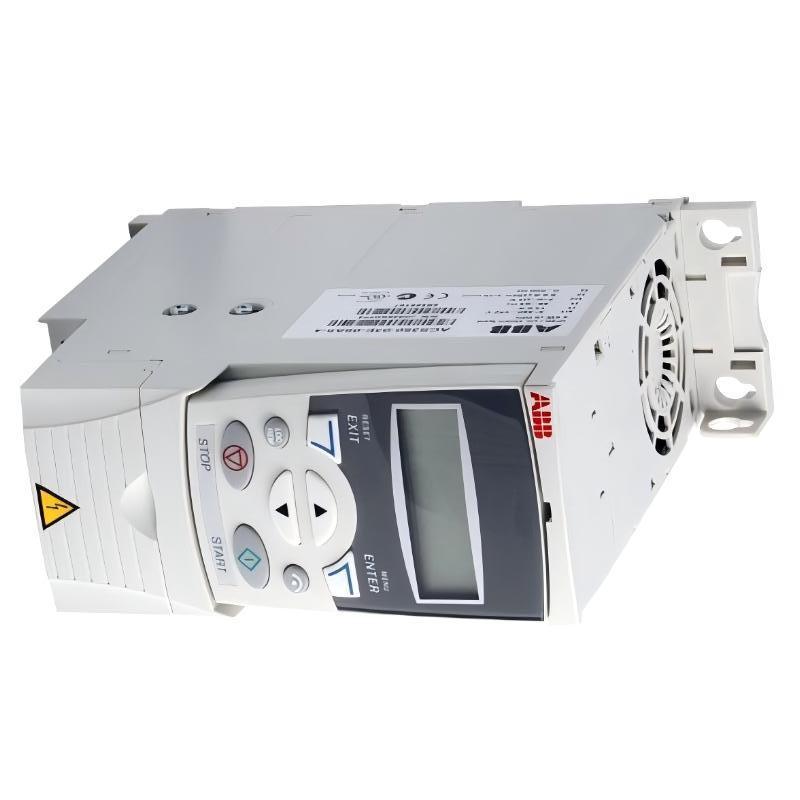
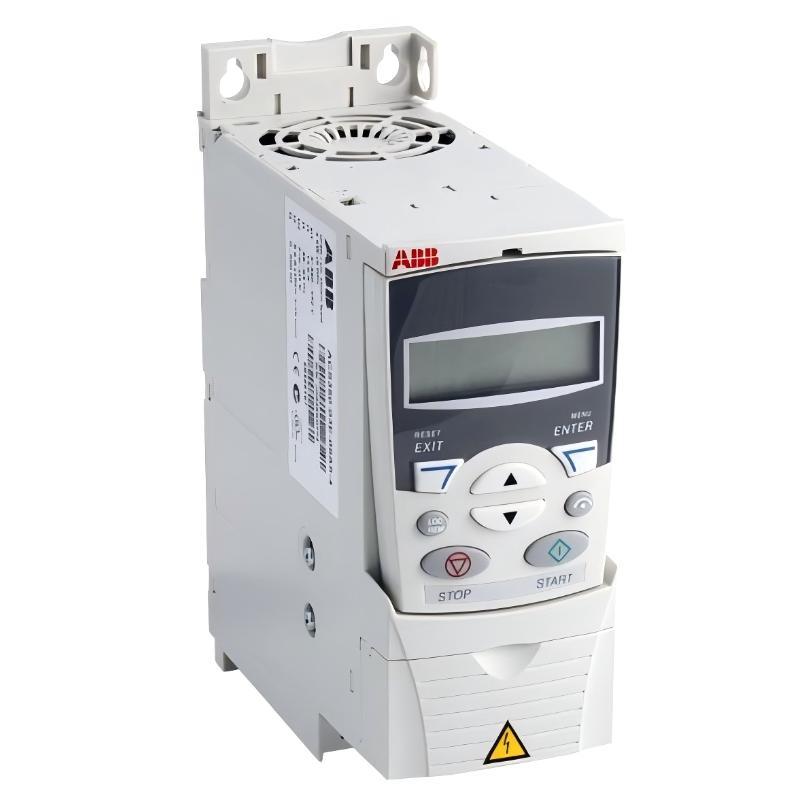
In modern industrial automation systems, efficient motor control is a key factor in improving production performance, reducing energy consumption, and maintaining equipment reliability. The ABB ACS350-03E-03A3-4 (68468116) Frequency Converter is a compact variable frequency drive designed for controlling AC motors in industrial machinery and automation applications.
As part of the ABB ACS350 series, this frequency converter provides flexible motor speed regulation, smooth acceleration and deceleration control, and reliable operation for various industrial processes. By adjusting output frequency and voltage, it allows motors to operate according to different load requirements, improving overall system efficiency.
The ABB ACS350-03E-03A3-4 is widely used in applications requiring precise motor control, including conveyors, pumps, fans, machine automation equipment, and general industrial machinery.
With dimensions of 344 × 132 × 217 mm and a weight of 1.7 kg, this frequency converter offers a compact installation design suitable for industrial control cabinets where space efficiency and reliable performance are important.
Technical Specifications
| Parameter |
Details |
| Manufacturer |
ABB |
| Model |
ACS350-03E-03A3-4 |
| Part Number |
68468116 |
| Product Type |
Frequency Converter |
| Series |
ACS350 |
| Main Function |
AC motor speed and torque control |
| Dimensions |
344 × 132 × 217 mm |
| Weight |
1.7 kg |
| Installation Type |
Cabinet mounting / industrial installation |
| Application |
Industrial automation and motor control |
| Control Method |
Variable frequency motor control |
| Motor Type |
AC induction motor applications |
| Operating Environment |
Industrial environments |
What Is ABB ACS350-03E-03A3-4 Frequency Converter?
The ABB ACS350-03E-03A3-4 is an industrial frequency converter designed to control the speed, torque, and operating performance of AC motors.
In traditional motor systems, motors usually operate at a fixed speed based on the supplied electrical frequency. A frequency converter changes the output frequency and voltage supplied to the motor, allowing precise adjustment of motor operation.
The main purposes of this frequency converter include:
- Controlling motor speed according to production requirements
- Improving energy efficiency
- Providing smooth motor starting and stopping
- Reducing mechanical stress on equipment
- Improving automation system performance
The ACS350 series is designed for general industrial machinery applications where reliable motor control and easy system integration are required.
Function and Working Principle
The ABB ACS350-03E-03A3-4 operates by converting incoming electrical power into adjustable-frequency output power for AC motors.
The working process includes:
- Receiving electrical power from the industrial power supply.
- Converting the input power through internal power electronics.
- Adjusting output frequency and voltage according to control commands.
- Delivering controlled power to the connected motor.
The main functions include:
- Variable speed regulation
- Motor acceleration and deceleration control
- Torque management
- Motor protection
- Energy optimization
By accurately controlling motor operation, the frequency converter helps improve machine efficiency and reduce unnecessary mechanical and electrical stress.
Role in Industrial Automation Systems
The ABB ACS350-03E-03A3-4 plays an important role in industrial motion control systems.
It is commonly integrated with:
- PLC controllers
- Human-machine interfaces
- Industrial sensors
- Motor protection devices
- Control cabinets
- Automated production equipment
Within an automation system, the frequency converter receives operating commands from the control system and adjusts motor performance according to process requirements.
This allows industrial equipment to achieve:
- Stable motor operation
- Accurate speed control
- Improved production consistency
- Reduced equipment wear
- Better energy management
Industrial Applications
The ABB ACS350-03E-03A3-4 Frequency Converter is suitable for a wide range of industrial applications.
Conveyor Systems
Common applications include:
- Material handling systems
- Packaging lines
- Production conveyors
- Automated transport equipment
Pump Control Systems
Used for:
- Industrial water pumps
- Process pumps
- Circulation systems
Fan and Ventilation Equipment
Applied in:
- Cooling systems
- Industrial ventilation
- Air handling equipment
Machine Automation
Used for:
- Machine tools
- Manufacturing equipment
- Automated machinery
General Industrial Applications
Suitable for:
- Textile machines
- Food processing equipment
- Assembly systems
- Factory automation projects
Installation and System Integration
Correct installation is essential for achieving stable operation and extending service life.
Typical installation procedures include:
- Installing the converter inside a suitable control cabinet
- Connecting power input correctly
- Connecting motor output cables
- Configuring operating parameters
- Testing system performance before operation
During installation, engineers should check:
- Correct electrical wiring
- Proper grounding
- Adequate ventilation
- Secure mechanical installation
- Compatible motor specifications
The compact structure of the ACS350 series allows convenient integration into different industrial control panels.
Compatible System Components
| Component |
Function |
| AC Motor |
Converts electrical energy into mechanical movement |
| PLC Controller |
Sends speed and operation commands |
| HMI System |
Provides operator monitoring and control |
| Sensors |
Provides process feedback signals |
| Circuit Protection Devices |
Protects electrical equipment |
| Control Cabinet |
Provides installation and protection environment |
These components work together to create a complete motor control and automation solution.
Recommended Alternative Models
| Model |
Type |
Key Feature |
Application |
| ABB ACS350-03E-03A3-4 |
Frequency Converter |
Compact motor control solution |
General industrial machinery |
| ABB ACS350-03E Series |
Variable Frequency Drive |
Flexible configuration options |
Automation equipment |
| ABB ACS355 Series |
Machine Drive |
Enhanced machine control functions |
Machine automation |
| ABB ACS580 Series |
Industrial Frequency Converter |
Advanced motor control capability |
Industrial process systems |
| ABB ACS880 Series |
High Performance Drive |
Advanced motion and power control |
Heavy-duty applications |
Key Advantages
- Provides accurate AC motor speed control
- Improves energy efficiency
- Supports smooth motor operation
- Reduces mechanical impact during startup
- Compact design for cabinet installation
- Suitable for industrial automation applications
- Provides reliable long-term operation
- Supports flexible system integration
Technical FAQs
What is ABB ACS350-03E-03A3-4?
The ABB ACS350-03E-03A3-4 is a frequency converter designed to control AC motor speed and performance in industrial automation systems.
What is the main function of this frequency converter?
Its main function is adjusting motor speed and torque by controlling output frequency and voltage.
Where is ABB ACS350-03E-03A3-4 used?
It is commonly used in conveyors, pumps, fans, machine tools, and industrial automation equipment.
Why use a frequency converter in industrial applications?
A frequency converter improves motor control accuracy, reduces energy consumption, and helps extend equipment service life.
What are the dimensions and weight of this model?
The ABB ACS350-03E-03A3-4 has dimensions of 344 × 132 × 217 mm and a weight of 1.7 kg.
Conclusion
The ABB ACS350-03E-03A3-4 (68468116) Frequency Converter is a reliable industrial drive component designed for efficient AC motor control and automation applications.
With its compact structure, flexible control capability, and stable operating performance, it provides an effective solution for improving machine efficiency and optimizing industrial processes.
For manufacturing equipment, conveyor systems, pumps, fans, and industrial automation projects, the ABB ACS350-03E-03A3-4 helps achieve reliable motor control, improved energy efficiency, and long-term system stability.