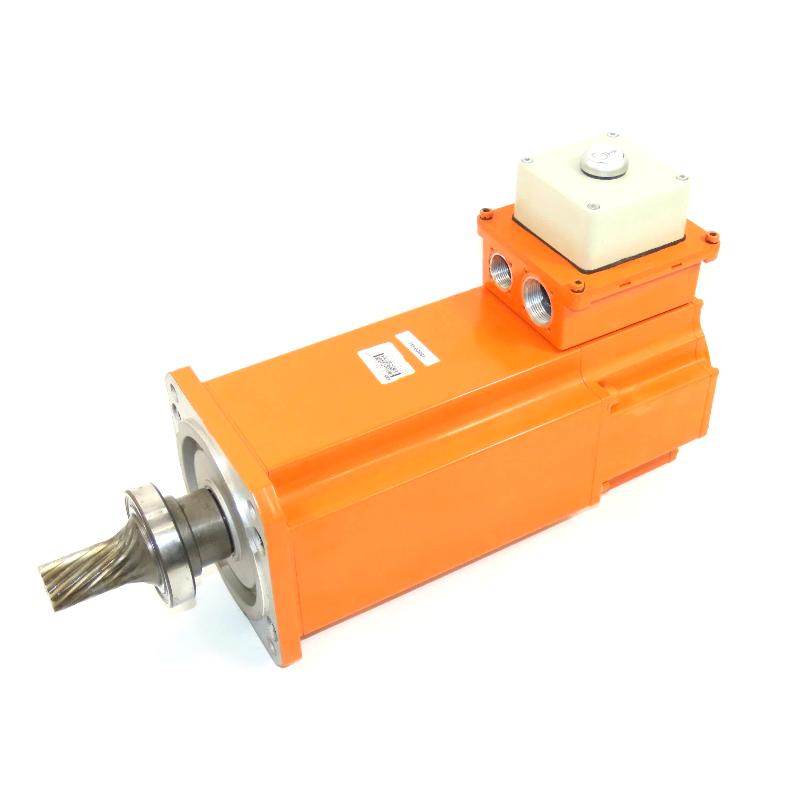
Product Overview
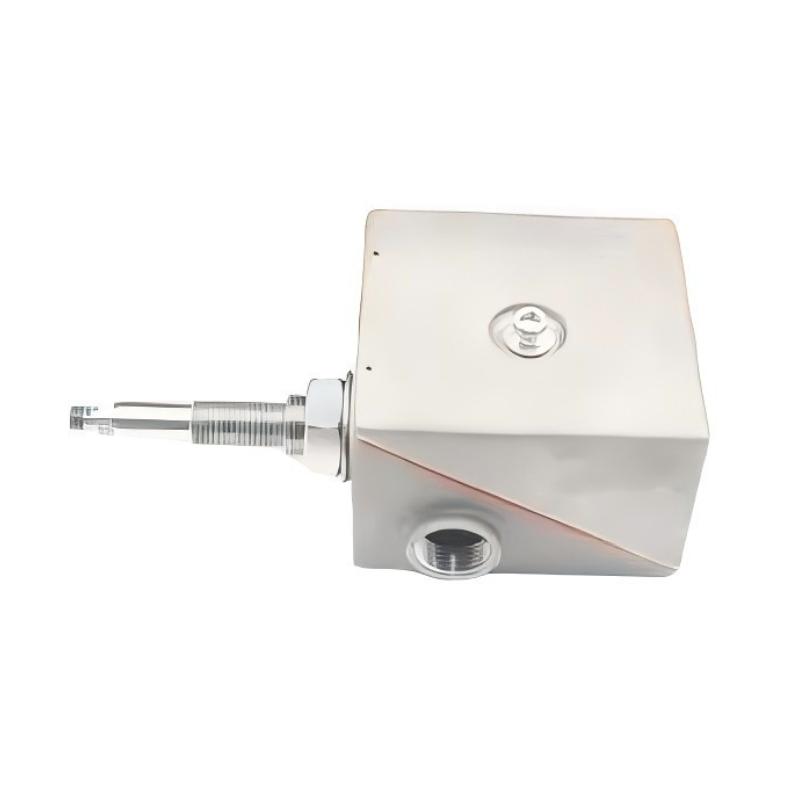
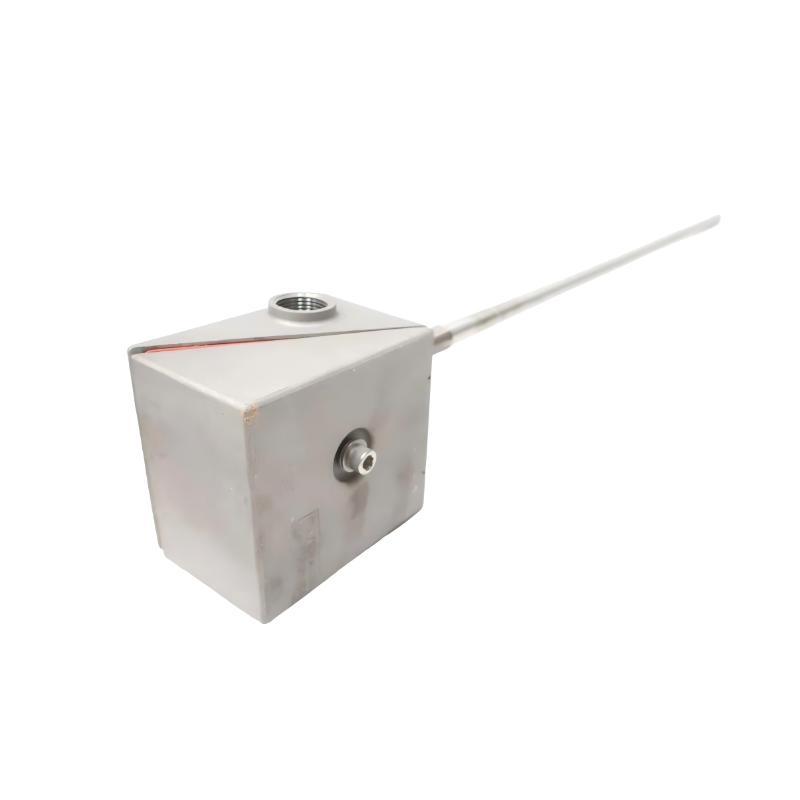
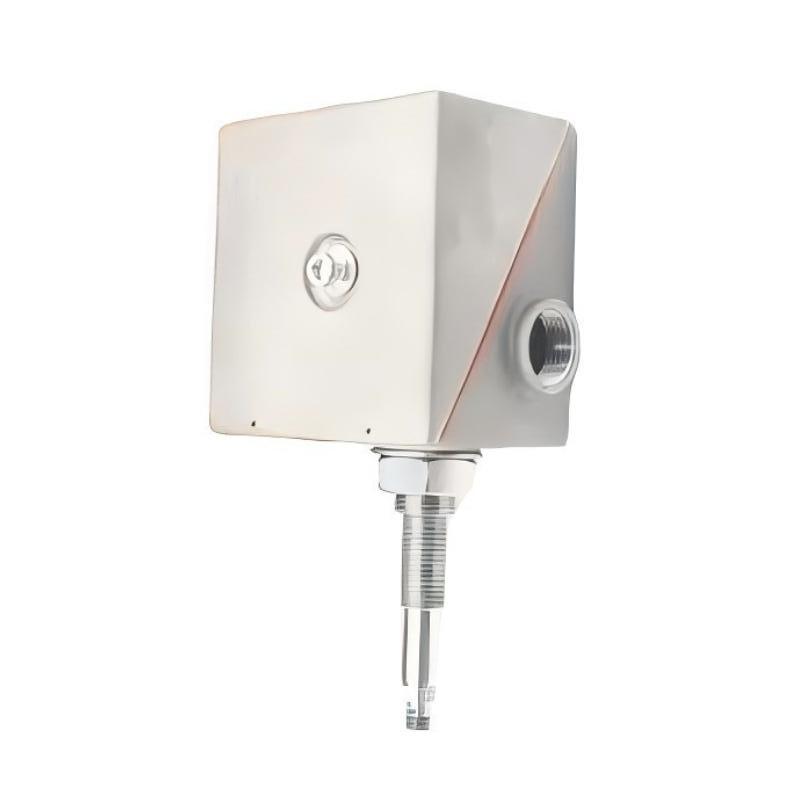
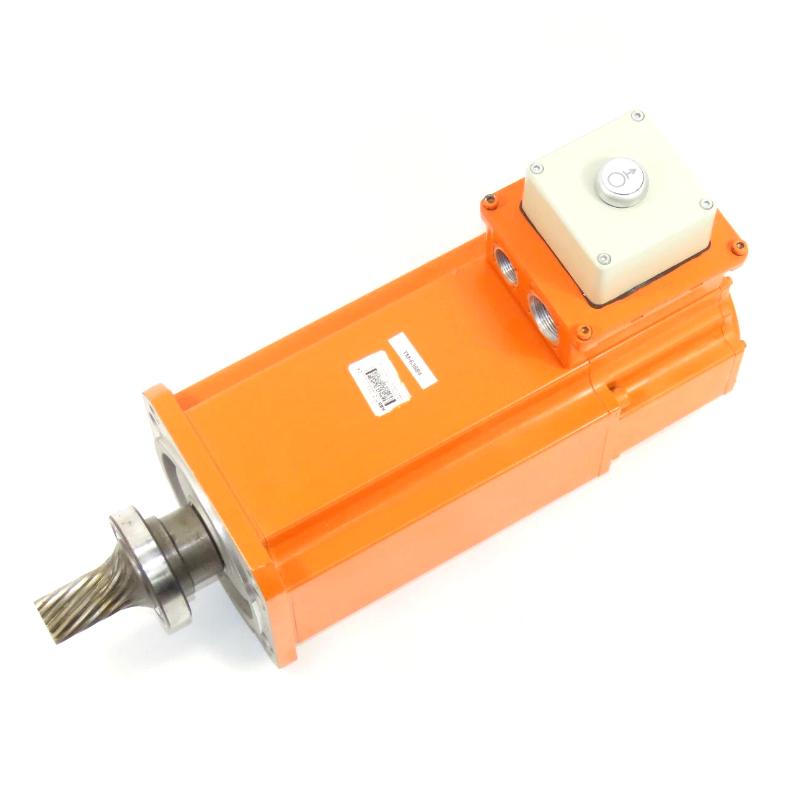
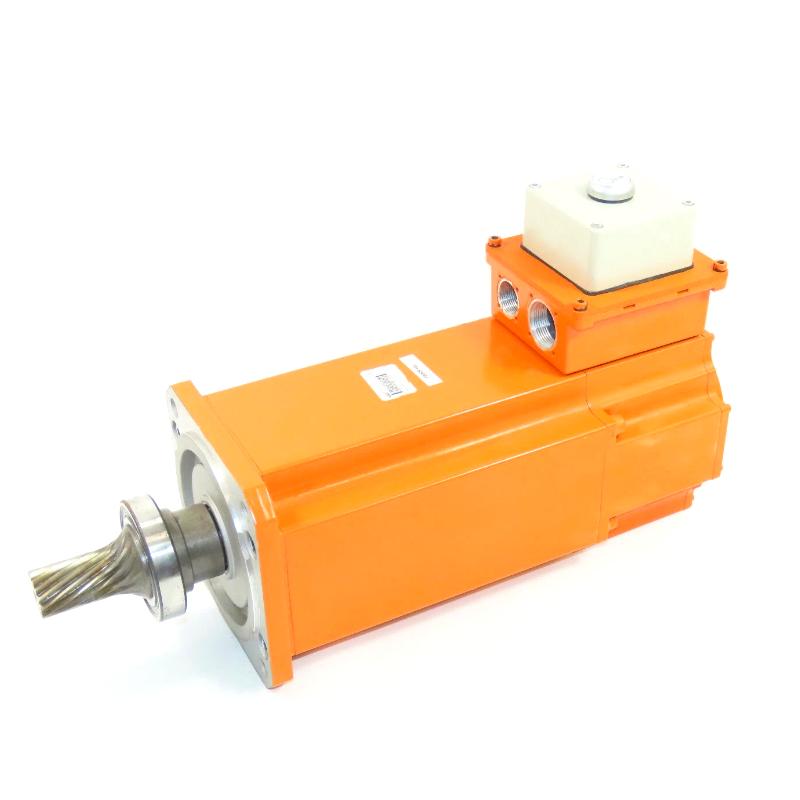
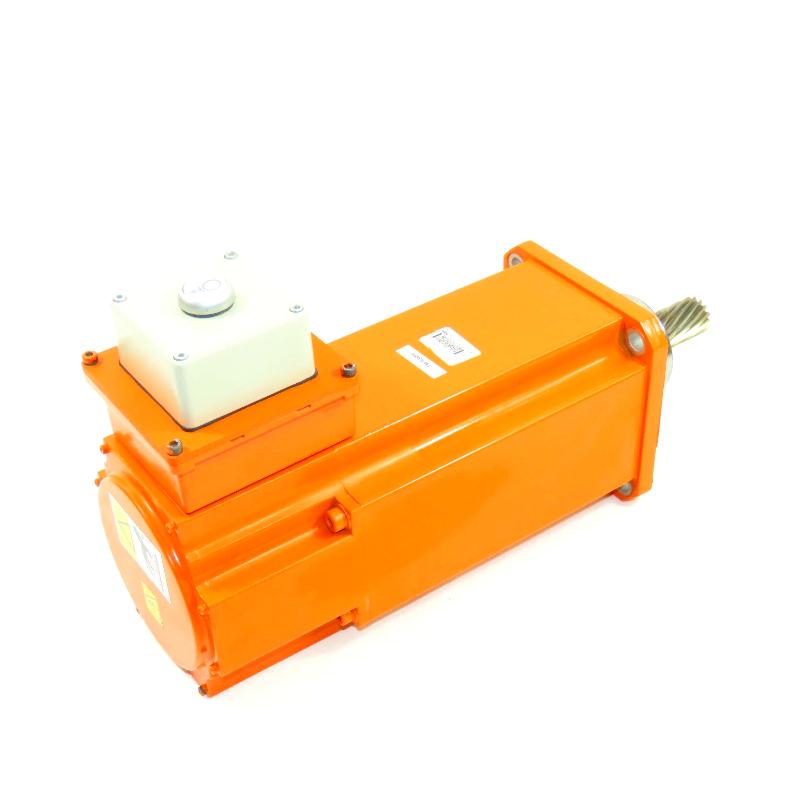
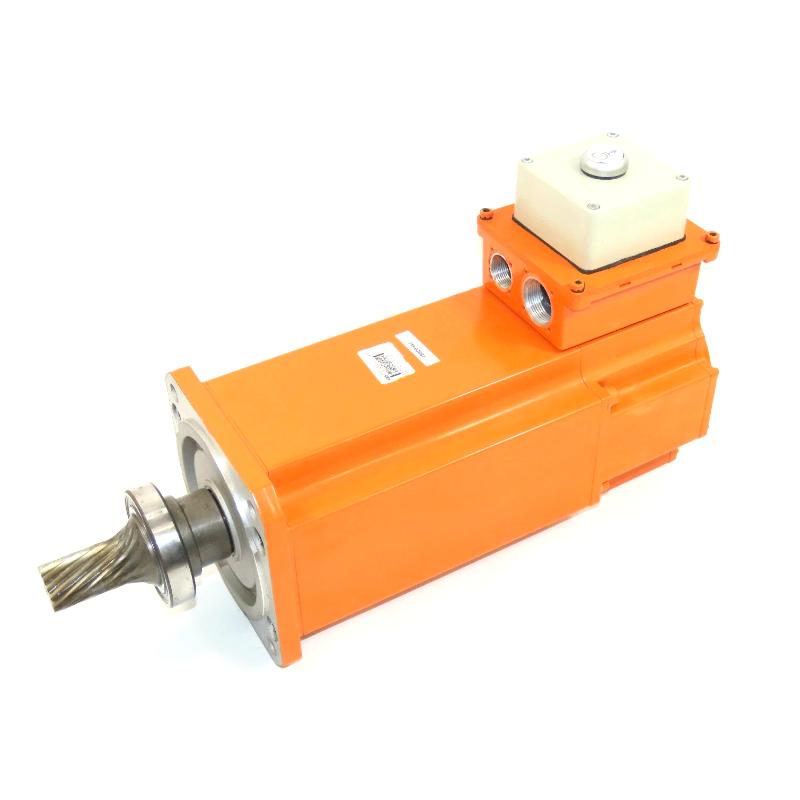
The ABB 3HAC028954-004/03 Servo Motor is a motor component used in ABB industrial robotic motion systems. In a robot, the motor is responsible for converting electrical power from the drive into mechanical rotation, which is then transferred to a robot axis through the associated mechanical transmission.
Servo motors are different from ordinary induction motors because they are intended to work with a motion control system. The motor, servo drive, feedback device, and robot controller work together to control movement. This arrangement is important when a robot needs to stop at a defined position, repeat the same movement accurately, or coordinate several axes at the same time.
The 3HAC028954-004/03 is therefore best considered as part of a complete ABB robotic motion assembly rather than as a standalone motor. When installed with the appropriate drive and feedback components, it can provide the controlled rotational movement required by robotic joints and mechanical axes.
This type of motor is suitable for robotic applications such as material handling, machine tending, assembly, pick-and-place operations, and other automated production tasks. The exact application depends on the robot configuration and the axis in which the motor is installed.
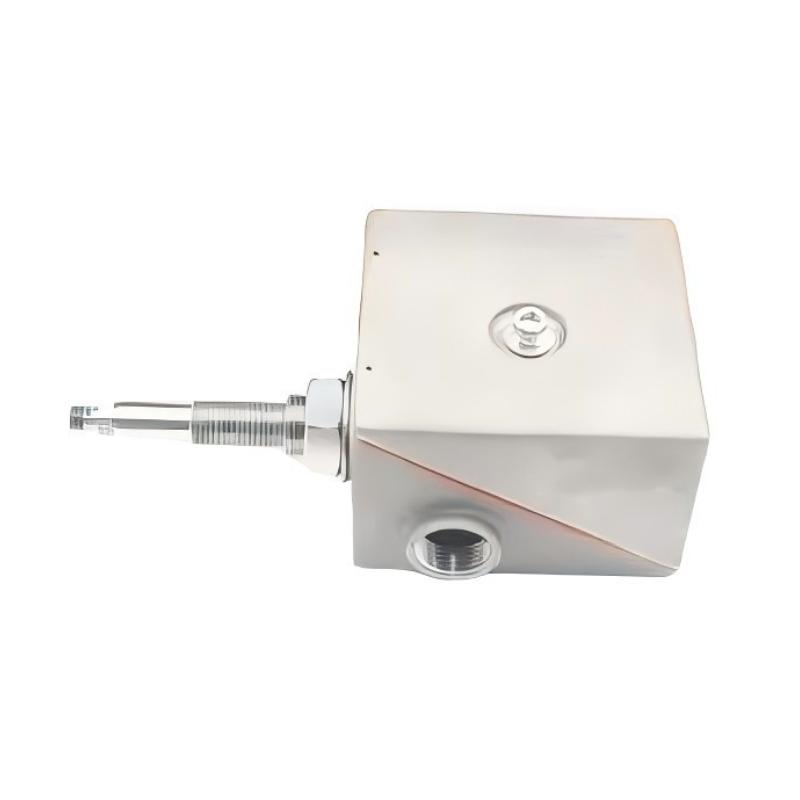
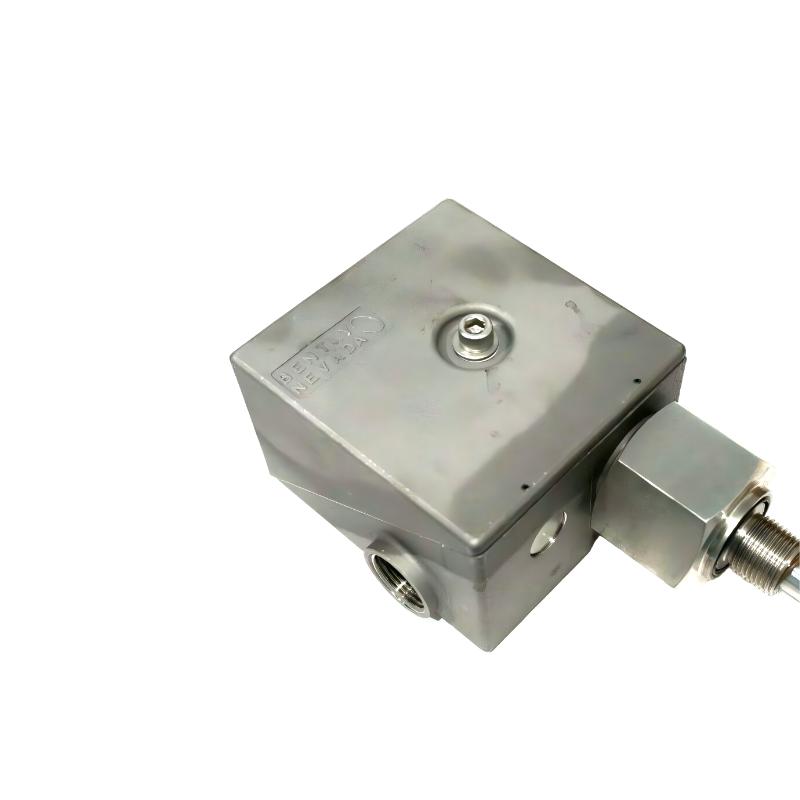
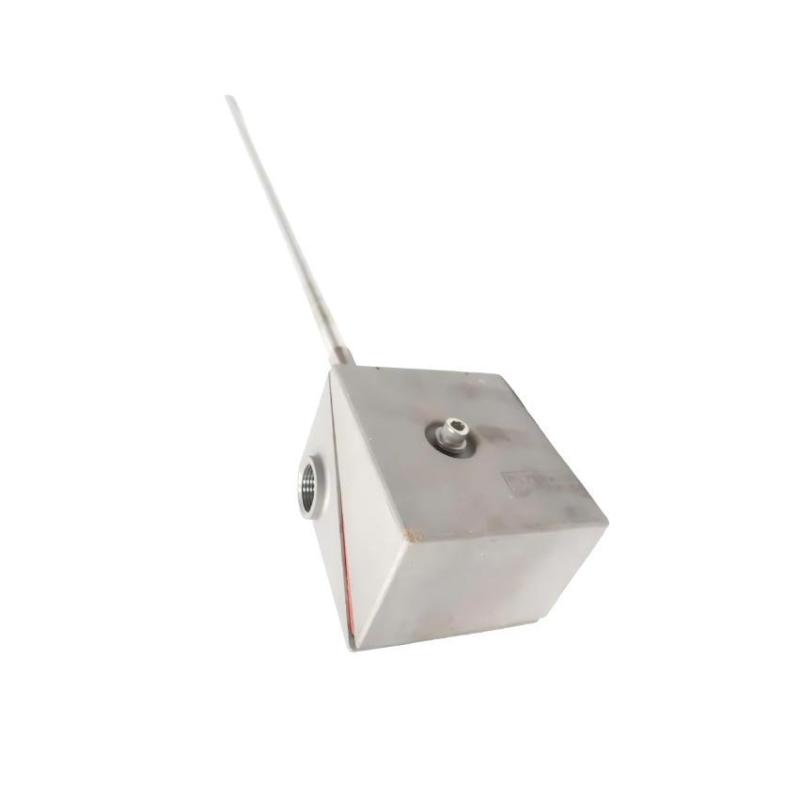
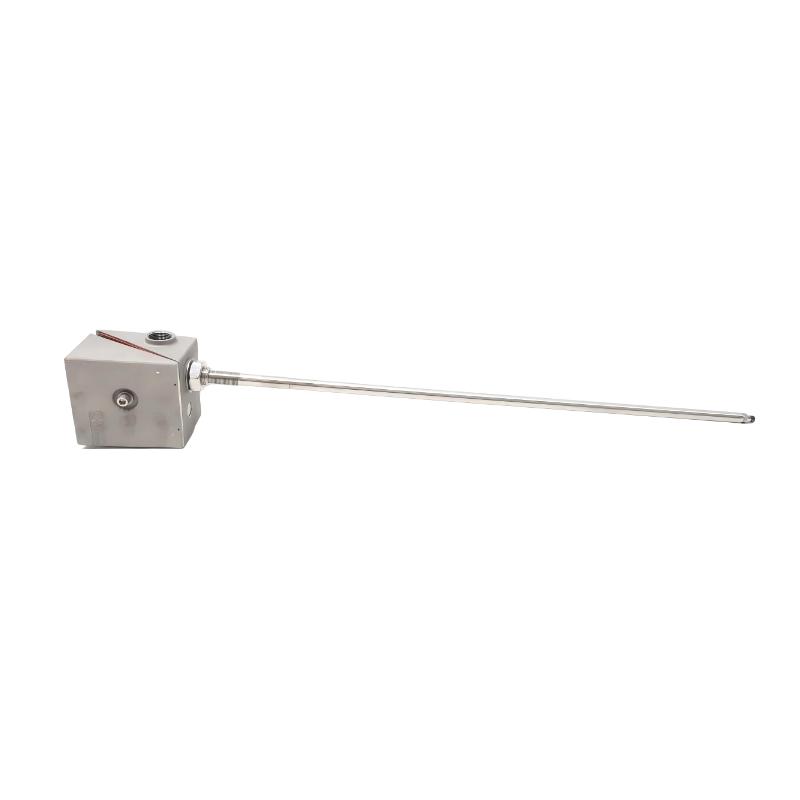
With dimensions of 380 × 150 × 150 mm and a weight of 0.24 kg, the ABB 3HAC028954-004/03 has a compact physical form for integration into industrial robotic equipment.
Technical Specifications
| Parameter |
Details |
| Manufacturer |
ABB |
| Model |
3HAC028954-004/03 |
| Product Type |
Servo Motor |
| Motor Type |
Industrial Servo Motor |
| Application |
Robotic Motion Control |
| System Function |
Robot Axis Drive |
| Control System |
Servo Drive Based Motion Control |
| Feedback |
Feedback System Required |
| Installation |
Robotic Mechanical Assembly |
| Application Area |
Industrial Robotics |
| Dimensions |
380 × 150 × 150 mm |
| Weight |
0.24 kg |
Product Features
The ABB 3HAC028954-004/03 is intended for applications where the motor has to respond to commands from a coordinated motion-control system.
Key features include:
- Servo motor construction for controlled robotic movement
- Suitable for ABB industrial robot applications
- Supports repeatable axis movement
- Works with a compatible servo drive
- Can be integrated with a motor feedback system
- Compact physical dimensions
- Suitable for automated production environments
- Designed for applications requiring coordinated motion
A servo motor’s actual performance depends on the complete system. The drive configuration, feedback arrangement, mechanical load, and robot controller all have a direct effect on how the motor performs in operation.
Working Principle
The 3HAC028954-004/03 receives electrical power from the servo drive. The drive controls the motor according to commands from the robot controller, while the feedback system reports the motor’s actual operating condition.
For example, when a robot axis needs to move to a particular position, the controller sends a motion command to the drive. The drive adjusts the electrical output supplied to the motor, causing the motor shaft to rotate. Feedback information is then used by the control system to determine whether the actual movement matches the required movement.
The basic operating sequence is:
- The robot controller generates a movement command.
- The servo drive processes the command.
- Controlled electrical power is supplied to the motor.
- The motor produces rotational movement.
- The feedback system monitors the motor condition.
- The controller corrects the motion when required.
This process allows multiple robot axes to work together instead of each motor operating independently.
Role in Industrial Control Systems
In an ABB robotic system, the servo motor forms the mechanical drive section of the motion-control chain.
| Function |
Description |
| Axis Drive |
Provides rotational movement for a robot axis |
| Motion Execution |
Converts electrical power into mechanical rotation |
| Position Control |
Supports controlled positioning through the servo system |
| Torque Generation |
Produces the torque required by the mechanical load |
| Feedback Integration |
Works with the associated motor feedback system |
| Robot Coordination |
Allows the axis to respond to controller commands |
The motor therefore works together with the robot controller and servo drive to achieve the required movement rather than operating as an independent control device.
Industrial Applications
The ABB 3HAC028954-004/03 can be used in robotic equipment where controlled and repeatable movement is required.
| Industry |
Typical Applications |
| Automotive |
Robot assembly and material handling |
| Manufacturing |
Automated production lines |
| Machine Tending |
CNC loading and unloading |
| Packaging |
Product handling and positioning |
| Electronics |
Automated assembly operations |
| Material Handling |
Pick-and-place systems |
| Welding |
Robotic welding equipment |
| General Automation |
Multi-axis robotic machinery |
In these applications, the servo motor is responsible for the physical movement of the corresponding robotic axis while the controller determines the required motion.
Installation and System Integration
Installation should be carried out with the complete robot motion system in mind. A replacement motor should not be selected solely because its outside dimensions appear similar.
Recommended installation checks include:
- Confirm the complete motor part number.
- Verify compatibility with the intended robot and axis.
- Check the mechanical mounting arrangement.
- Inspect the motor and transmission interface.
- Connect the motor power wiring correctly.
- Connect the applicable feedback wiring.
- Confirm the servo drive configuration.
- Test axis movement at low speed before returning the robot to production.
Mechanical alignment is particularly important. Incorrect mounting or excessive mechanical loading can affect vibration, positioning accuracy, and motor service life.
Compatible System Components
The 3HAC028954-004/03 is normally used together with several components that make up the robotic motion system.
| Compatible Component |
Function |
| ABB Servo Drive |
Controls motor current and movement |
| Robot Controller |
Generates coordinated motion commands |
| Feedback Device |
Provides motor position and operating feedback |
| Robot Mechanical Axis |
Converts motor rotation into robot movement |
| Gearbox / Transmission |
Transfers motor torque to the robot mechanism |
| Motor Power Cable |
Connects the motor to the drive |
| Feedback Cable |
Connects the feedback system to the control equipment |
A properly matched combination of these components is necessary for reliable robotic motion.
Recommended Alternative Models
| Model |
Type |
Key Feature |
Application |
| ABB 3HAC028954-004/03 |
Servo Motor |
Compact robotic servo motor |
ABB robot motion systems |
| ABB 3HAC031276-001 |
Servo Motor |
Industrial robotic motor option |
Robotic motion applications |
| ABB BSM Series |
AC Servo Motor |
Precision motion control |
Industrial automation |
| ABB Servo Motor Series |
Servo Motor |
Controlled speed and torque |
Machine and robot motion |
| ABB Robotic Motor Assemblies |
Robot Motor |
Designed for robotic axis systems |
Industrial robot applications |
When choosing an alternative, the robot model, axis location, motor specifications, feedback arrangement, mounting dimensions, and servo drive compatibility should all be checked before installation.
Key Advantages
- Suitable for industrial robotic motion systems
- Supports controlled and repeatable axis movement
- Works with closed-loop servo control
- Compact physical dimensions
- Suitable for automated production equipment
- Can be integrated with ABB robotic control hardware
- Supports coordinated multi-axis movement
- Useful for replacement and maintenance applications
Technical FAQs
What type of equipment uses the ABB 3HAC028954-004/03?
The 3HAC028954-004/03 is a servo motor intended for integration into industrial robotic motion systems. It provides mechanical rotation for the associated robot axis.
Why does this servo motor need a servo drive?
The servo drive controls the electrical power delivered to the motor. It allows the robot control system to manage motor movement, torque, and response according to the required motion command.
Can this motor be used as a general-purpose AC motor?
It should not be treated as a direct substitute for a standard AC induction motor. Servo motors are selected as part of a specific motion-control system, and compatibility with the drive, feedback system, and mechanical assembly needs to be confirmed.