

ProductPRODUCT
Featured products
Contact Us
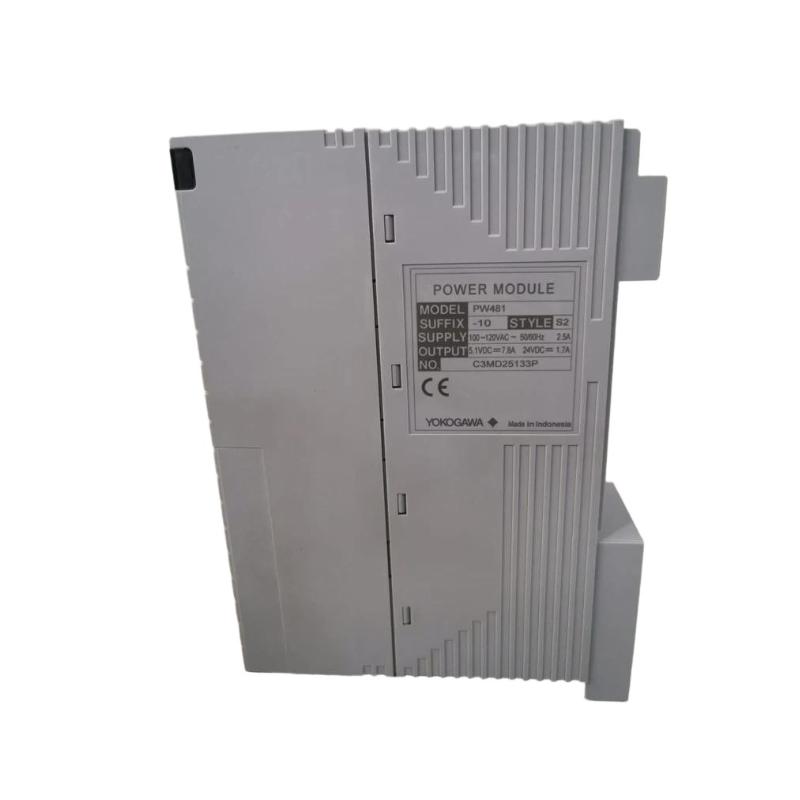
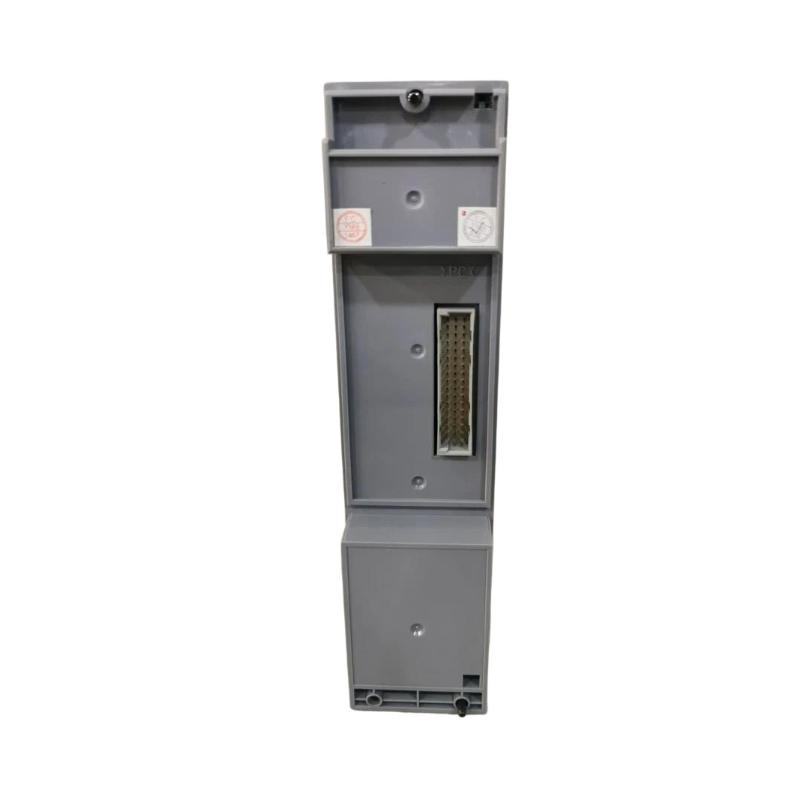
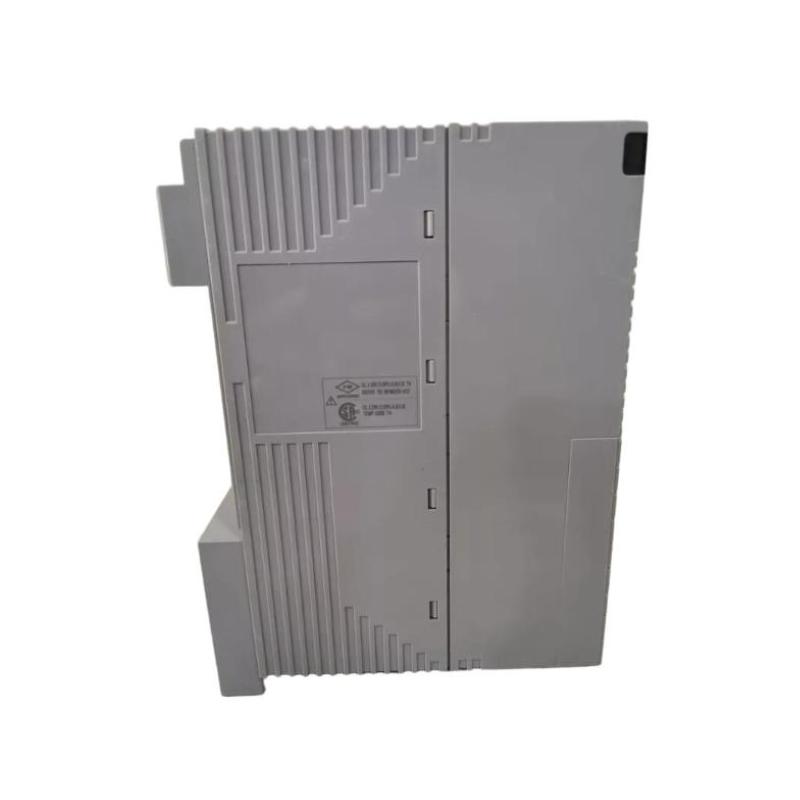
- Yokogawa
- PW481-51
- Power Supply Module
- Japan
- 146.5 × 199.5 × 49.7 mm
- 1kg
- Xiamen, China
- New & In Stock
- T/T, PayPal, Western Union
- 1 Year
- 1-3 Working Days
- DHL, UPS, TNT, FedEx and EMS.
- 24-Hour Service
- COO
- 84
Our advantage

Global Logistics
We have a 10-year logistics and express cooperation agreement, so our products can be shipped to any place in the world.

Brand new and original
Our products are imported in bulk from the place of origin. Because of the cooperative relationship, our products are all original and 100% new.

24-hour service
We provide 7*24 hours service to our customers. We will be there whenever you need us.

Price advantage
All our products are priced very favorably because we have our own warehouse and supply.
| Company Information | |||
| [email protected] | |||
| Mobile | +8615980777398 | ||
| +8615980777398 | |||
| 15980777398 |
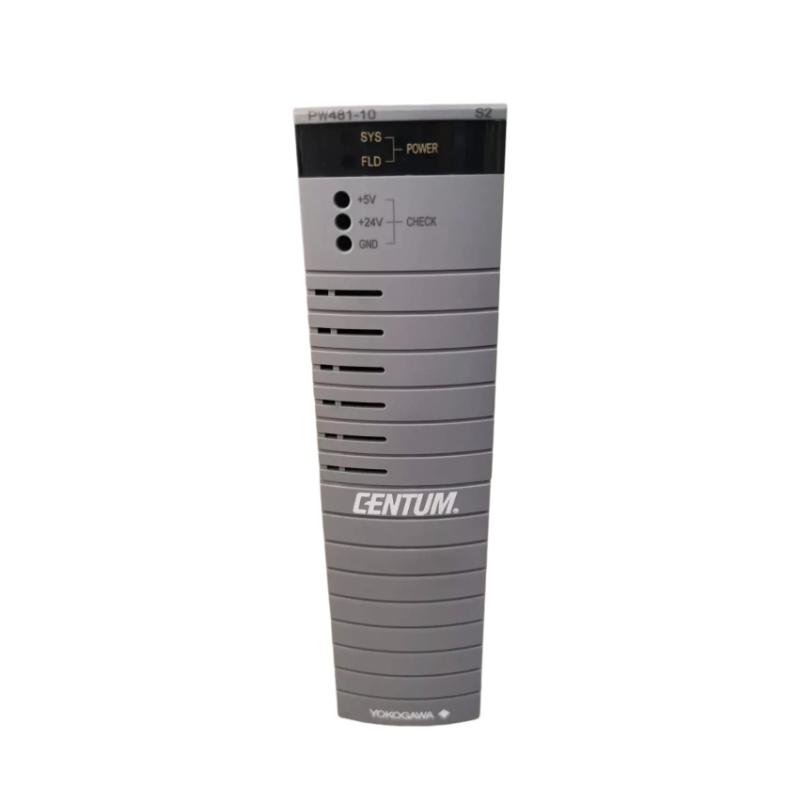
Industrial Power Supply Module Technical Report
Model: PW481-51
1. Product Overview
The PW481-51 is an industrial rack-mounted power supply module designed for use in distributed control systems and field automation architectures. It is built to provide stable and regulated DC power to system-level components such as controllers, I/O modules, and communication interfaces.
This module is not intended as a standalone general-purpose power supply. Instead, it functions as a dedicated system power unit designed to operate inside standardized automation racks and control stations.
The design focus is high reliability, continuous operation capability, and compatibility with modular control system structures used in process industries.
2. Brand Information
The product belongs to a globally recognized industrial automation manufacturer specializing in:
- Process control systems
- Measurement instrumentation
- Distributed control system architecture
- Industrial power and signal modules
The PW series is part of its control-system power module family used in rack-based automation platforms.
3. Series Classification
The PW series power modules are designed for:
- Field Control Units (FCU)
- I/O node systems
- Bus communication repeater units
- Industrial control cabinets
General characteristics of the series:
- Modular plug-in design
- Redundant operation capability (dual power configuration supported)
- Industrial-grade isolation and protection
- System-specific power output (not universal PSU type)
- Designed for continuous 24/7 operation
The PW481-51 is one of the AC input variants within this series family.
4. Functional Description
The PW481-51 operates by converting incoming AC power into regulated DC power required by internal control system components.
Key functional roles:
- Stable voltage supply to control hardware
- Protection against input fluctuations
- Support for redundant power architecture
- Isolation of system circuits from external noise
- Continuous operation in industrial environments
It is typically installed in pairs for redundancy in critical systems.
5. Product Applications
The PW481-51 is widely used in industrial automation environments, including:
- Petrochemical process control systems
- Power generation monitoring systems
- Water treatment automation platforms
- Refinery instrumentation panels
- Factory production line control cabinets
- Distributed control system (DCS) infrastructures
- Data acquisition and monitoring systems
It is commonly deployed where system uptime is critical.
6. Product Advantages
Key advantages of the PW481-51 include:
- High operational stability under industrial load conditions
- Designed for long-term continuous operation
- Modular replacement capability for maintenance efficiency
- Strong resistance to electrical noise and disturbances
- Supports redundant configuration for system reliability
- Compact rack-mounted design
- Optimized for control-system integration rather than general use
7. Technical Specifications
| Parameter | Specification |
|---|---|
| Model | PW481-51 |
| Input Voltage | 100–120 V AC ±10% |
| Frequency | 50/60 Hz ±3 Hz |
| Maximum Power Consumption | 200 VA |
| Output Type | System-specific regulated DC (non-public specification) |
| Redundancy Support | Yes (dual-module configuration) |
| Installation Type | Rack-mounted module |
| Interface | Dedicated system connector |
| Operating Temperature | -20°C to +70°C (typical for series) |
| Cooling Method | System airflow cooling |
8. Mechanical Dimensions and Weight
| Item | Specification |
|---|---|
| Dimensions (W × H × D) | 146.5 × 199.5 × 49.7 mm |
| Weight | approx. 1.0 kg |
| Mounting Style | Rack plug-in module |
| Housing Material | Industrial metal enclosure |
9. Recommended Models (Related / Same Series)
| Model | Type Description | Key Parameters |
|---|---|---|
| PW481-11 | AC input variant | 100–120 V AC / 200 VA / ~1.0 kg / 146.5×199.5×49.7 mm |
| PW482-51 | Higher voltage AC variant | 220–240 V AC / 230 VA / ~1.0 kg / 146.5×199.5×49.7 mm |
| PW484-51 | DC input version | 24 V DC / 5.5 A / ~1.0 kg / 146.5×199.5×49.7 mm |
| PW482-11 | Standard AC module | 220–240 V AC / 230 VA / ~1.0 kg / 146.5×199.5×49.7 mm |
| PW484-11 | DC input basic version | 24 V DC / system supply / ~1.0 kg / 146.5×199.5×49.7 mm |
10. Popular Models (Same System Ecosystem)
| Model | Function | Key Parameters |
|---|---|---|
| CP451-10 | Central processing module | Rack CPU module / industrial controller / ~1 kg |
| AI835 | Analog input module | Signal acquisition / multi-channel input / rack type |
| AO845 | Analog output module | Control signal output / industrial automation |
| DI840 | Digital input module | On/off signal acquisition / rack installation |
| DO840 | Digital output module | Relay/output control module / system integration |
11. Engineering Notes
The PW481-51 is designed as part of a modular system architecture rather than an independent power supply. Its performance depends on:
- Rack configuration design
- Load distribution across modules
- Environmental cooling conditions
- Redundant system setup
In critical industrial systems, it is commonly deployed in pairs to ensure uninterrupted operation.
12. Conclusion
The PW481-51 is a dedicated industrial power module designed for stable integration into automation and process control systems. Its strength lies in reliability, modularity, and compatibility with system-level architectures rather than standalone functionality.
It is typically used in environments where continuous operation, redundancy, and electrical stability are essential requirements.