

ProductPRODUCT
Featured products


Contact Us
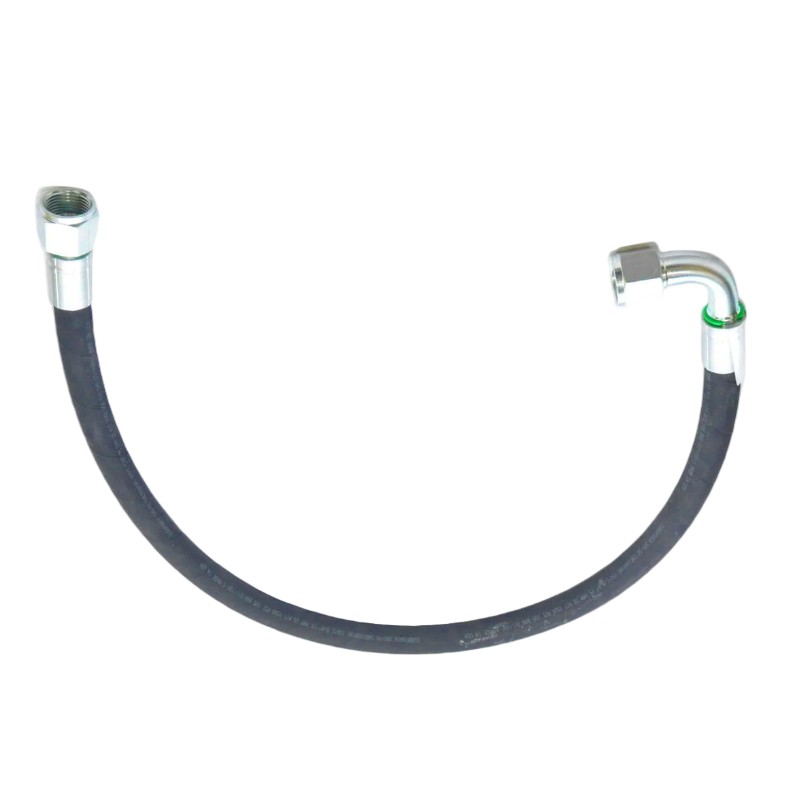
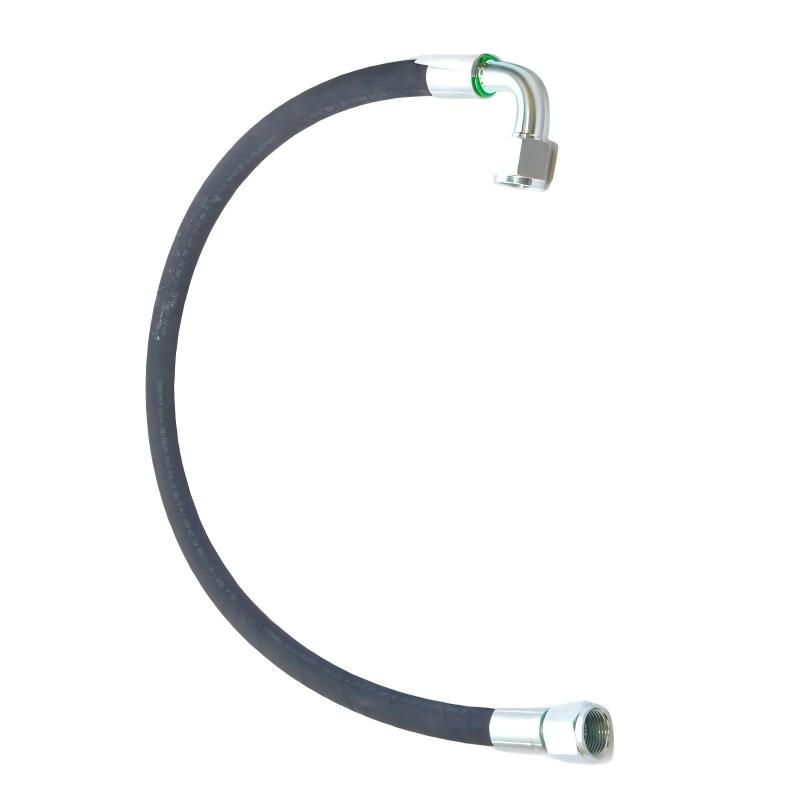
- Ingersoll Rand
- 47557990001 85560431
- Hose
- USA
- 0.75 in
- 3 kg
- Xiamen, China
- New & In Stock
- T/T, PayPal, Western Union
- 1 Year
- 1-3 Working Days
- DHL, UPS, TNT, FedEx and EMS.
- 24-Hour Service
- COO
- 16
Our advantage

Global Logistics
We have a 10-year logistics and express cooperation agreement, so our products can be shipped to any place in the world.

Brand new and original
Our products are imported in bulk from the place of origin. Because of the cooperative relationship, our products are all original and 100% new.

24-hour service
We provide 7*24 hours service to our customers. We will be there whenever you need us.

Price advantage
All our products are priced very favorably because we have our own warehouse and supply.
| Company Information | |||
| [email protected] | |||
| Mobile | +8615980777398 | ||
| +8615980777398 | |||
| 15980777398 |
Product Overview
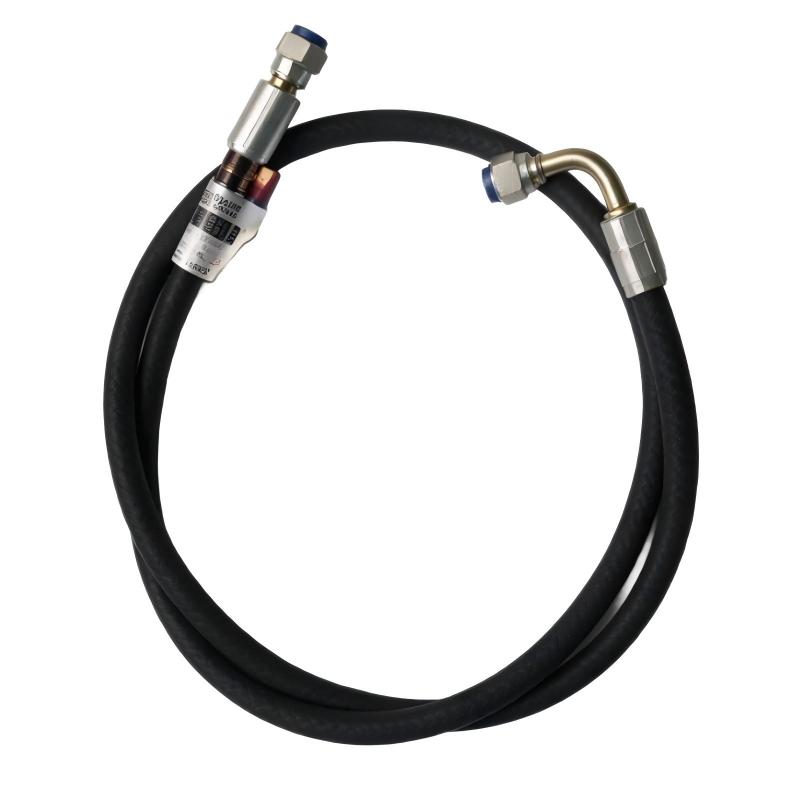
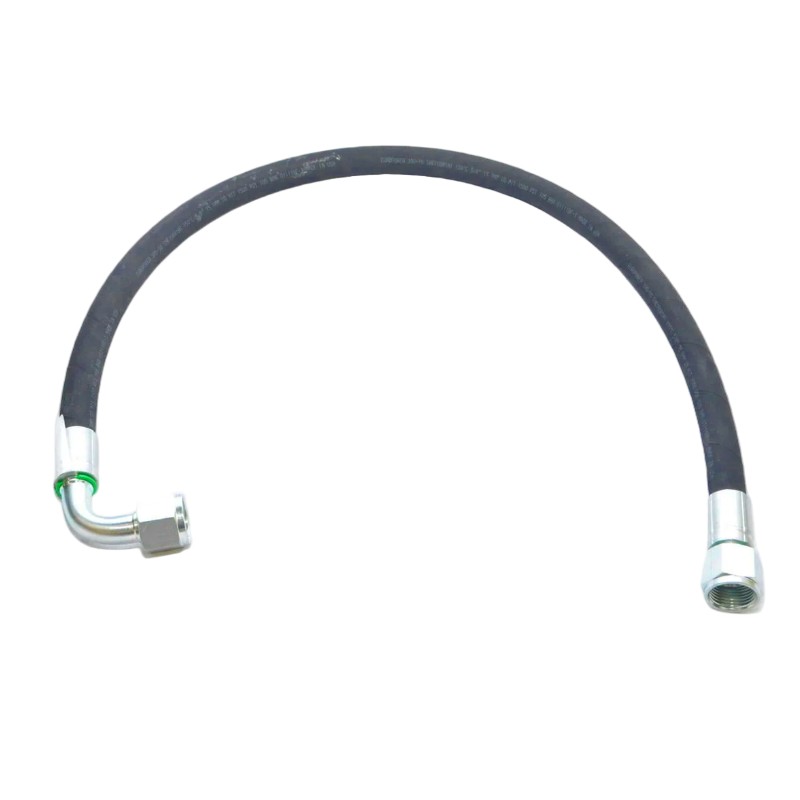
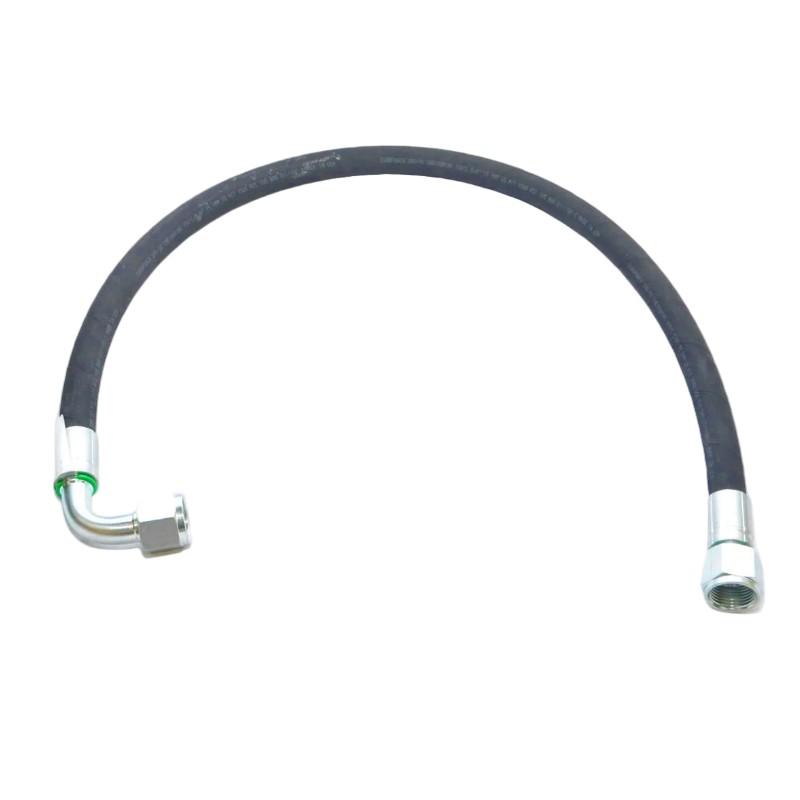
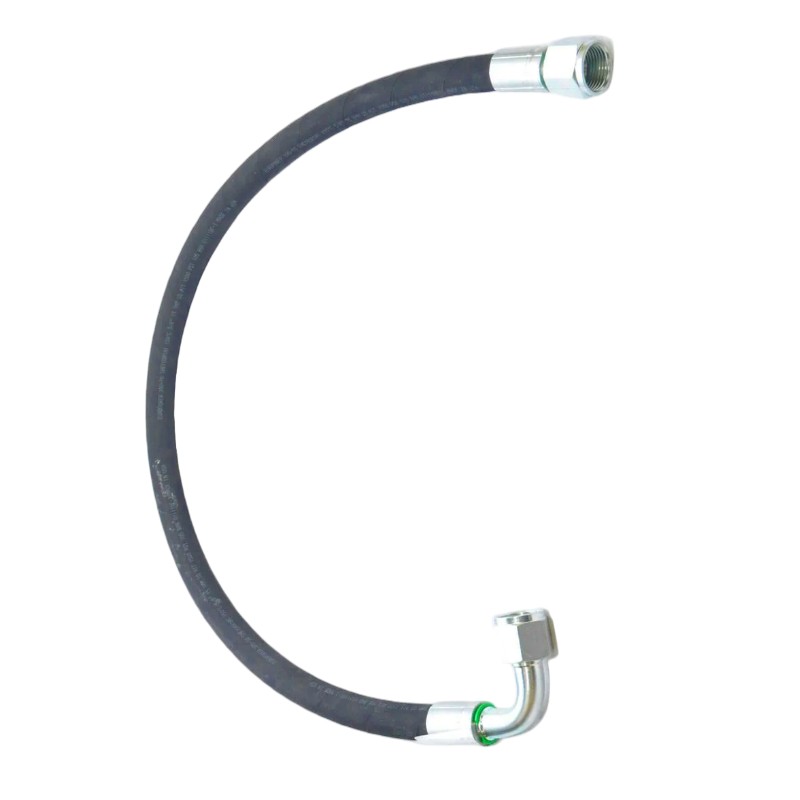
The Ingersoll Rand 85560431 Hydraulic Hose is a flexible hose assembly designed for use in compatible Ingersoll Rand industrial compressor equipment. Identified by its 0.75-inch diameter and 42-inch length, this component forms part of the fluid-transfer and hydraulic connection system used in industrial machinery.
Hydraulic hoses are important components in equipment where fluid must travel between different assemblies while accommodating vibration, movement, and installation constraints. Unlike rigid piping, a flexible hose can absorb a certain amount of mechanical movement and help maintain a reliable connection between equipment components when correctly selected and installed.
The 85560431 is identified in parts listings as a hydraulic hose measuring 0.75 × 42.00 inches. Its length and connection arrangement are important when replacing an existing hose because even a small difference in hose length or fitting orientation can affect routing, clearance, and connection alignment.
In industrial compressor systems, hoses may be used in hydraulic circuits or other equipment-specific fluid connections. The exact circuit served by this part should be confirmed against the compressor model and parts documentation before installation. It should not be assumed to be a general-purpose compressed-air hose simply because it is used in compressor equipment.
This replacement part is relevant to maintenance teams, compressor service providers, and industrial facilities that need to restore the original hose connection. Matching the part number, diameter, length, fitting arrangement, and pressure rating is essential for safe and reliable operation.
Technical Specifications
| Parameter | Specification |
|---|---|
| Brand | Ingersoll Rand |
| Product Reference | 47557990001 |
| Part Number | 85560431 |
| Product Name | Hydraulic Hose |
| Product Type | Flexible Hydraulic Hose |
| Hose Diameter | 0.75 inch |
| Approximate Diameter | 19.05 mm |
| Listed Hose Length | 42 inches |
| Approximate Length | 1066.8 mm |
| Application | Compatible Ingersoll Rand compressor equipment |
| Product Function | Hydraulic fluid transfer / flexible connection |
| Shipping Weight | 3 kg |
| Connection Type | Verify against the original hose and equipment documentation |
| Working Pressure | Confirm from the equipment-specific specification |
| Operating Temperature | Confirm from the hose manufacturer’s specification |
Important: The 3 kg figure is the supplied shipping weight, not a confirmed hose net weight. The exact hose material, pressure rating, temperature range, and fitting configuration should be checked against the original part documentation and the installed equipment.
Function and Working Principle
The Ingersoll Rand 85560431 hydraulic hose provides a flexible connection between compatible components in an industrial machine. Its primary function is to convey the specified fluid while accommodating the physical arrangement and operating movement of the equipment.
1. Hydraulic Fluid Transfer
A hydraulic hose provides a contained passage through which hydraulic fluid can travel between connected components. Depending on the machine design, the fluid may be used to transmit power, operate an actuator, or support another hydraulic function.
The hose must be suitable for the fluid type, pressure, and temperature conditions of the circuit. A hose with an unsuitable construction or pressure rating can deteriorate prematurely or fail during operation.
2. Flexible Equipment Connection
Industrial compressor assemblies contain motors, pumps, valves, and other mechanical components. These components may generate vibration during operation.
A correctly installed flexible hose can accommodate limited movement between connection points. This helps avoid the installation stresses that may occur when rigid piping is used in an arrangement that experiences vibration or relative movement.
The hose should not be stretched, twisted, sharply bent, or forced into an unsuitable routing position.
3. Pressure Containment
Hydraulic hoses are designed to contain fluid under specified pressure conditions. Their construction must withstand the pressure generated by the connected circuit, including applicable pressure variations.
The actual working pressure and pressure limits for part 85560431 must be verified using the correct equipment documentation. Diameter and length alone are not sufficient to determine pressure capability.
4. Vibration and Movement Accommodation
Flexible hoses can help reduce the transmission of mechanical vibration between connected assemblies. They can also accommodate small movements caused by machine operation and thermal expansion.
This function depends on correct hose routing, suitable fittings, and sufficient clearance. If the hose is installed under tension or bent beyond its permitted radius, its service life may be reduced.
5. Connection Integrity
The hose assembly must maintain a secure connection at both ends. Correct fitting type, thread specification, sealing method, and installation torque are important for preventing leakage.
When replacing an existing hose, the original connection arrangement should be recorded before removal. The replacement must match the equipment’s requirements rather than being selected only because its diameter and length appear similar.
Role in Industrial Compressor Systems
The 85560431 hydraulic hose is a replacement component used within compatible Ingersoll Rand compressor equipment. Its role depends on the particular compressor model and the circuit identified in the equipment parts breakdown.
Fluid Circuit Connection
The hose provides a connection between two points in the machine’s specified fluid circuit. It must maintain the required flow path and prevent leakage during operation.
Correct part identification is particularly important when a compressor contains several hoses with similar diameters but different lengths or end fittings.
Support for Equipment Reliability
A damaged or leaking hose can affect the operation of the equipment it serves. Fluid loss may lead to pressure problems, reduced performance, contamination, or an unexpected machine shutdown.
Replacing a worn hose with the correct specification helps restore the intended connection and supports reliable equipment operation.
Flexible Routing Within the Machine
The hose’s flexible construction allows it to follow the equipment’s designed routing path. This can be useful where components are installed close together or where limited movement occurs during operation.
The replacement must follow the original routing arrangement and maintain the clearances specified by the equipment manufacturer.
Maintenance and Spare Parts Management
Industrial facilities often maintain spare hoses for equipment that is important to production. Recording the part number, compressor model, installation location, and replacement date helps maintenance teams identify the correct component during future service work.
Industrial Applications
The Ingersoll Rand 85560431 is intended for compatible compressor equipment rather than unrestricted use in every hydraulic system.
1. Industrial Air Compressor Equipment
Industrial compressors contain interconnected mechanical and fluid systems. A suitable hydraulic hose may be used within the machine’s specified hydraulic circuit or other designated fluid connection.
When replacing the hose, confirm the compressor model and the exact parts-list reference to ensure that the part is appropriate for the installation.
2. Compressor Maintenance and Repair
Hoses may require replacement because of aging, abrasion, leakage, fitting damage, or deterioration caused by operating conditions.
The 85560431 can be considered for maintenance projects where the original equipment documentation identifies this part number.
3. Industrial Service Workshops
Compressor service providers may use replacement hoses when repairing equipment in manufacturing plants, workshops, and industrial facilities.
Accurate part identification helps avoid unnecessary modifications and reduces the risk of fitting an unsuitable hose.
4. Manufacturing Facilities
Manufacturing facilities that rely on compressed-air equipment need dependable maintenance procedures to minimize unplanned downtime.
Keeping correctly identified spare parts available can help service teams respond more efficiently when a hose becomes damaged or begins leaking.
5. Compressor Overhaul Projects
During a major compressor overhaul, technicians may inspect hoses together with valves, fittings, seals, filters, and other service components.
Hoses showing cracking, abrasion, deformation, leakage, or damaged fittings should be evaluated and replaced according to the manufacturer’s maintenance recommendations.
Installation and System Integration
Correct installation is essential for hydraulic hose reliability. The hose should be installed only after its part number and application have been confirmed.
1. Verify the Replacement Part
Before installation, compare the existing hose with the replacement. Check:
- Part number and equipment compatibility.
- Hose diameter.
- Overall length.
- End fitting type and orientation.
- Thread and sealing arrangement.
- Pressure and temperature ratings.
- Fluid compatibility.
The 85560431 is identified as a 0.75 × 42-inch hydraulic hose. These dimensions should be checked against the original hose and equipment documentation.
2. Isolate the Equipment
Before removing a hydraulic hose, shut down the compressor and follow the manufacturer’s isolation procedure.
Allow the system to cool and release stored pressure according to the equipment instructions. Hydraulic circuits can retain pressure even after the machine has stopped.
Never loosen a pressurized hydraulic connection. Use appropriate personal protective equipment and follow the facility’s lockout and safety procedures.
3. Inspect the Connection Points
After removing the old hose, inspect both connection points. Look for damaged threads, worn sealing surfaces, contamination, corrosion, and other conditions that could affect the new connection.
Clean the connection areas using an approved method. Prevent dirt and foreign material from entering the hydraulic circuit.
4. Route the Hose Correctly
Install the replacement along the original routing path whenever possible. Avoid sharp bends, twisting, stretching, and contact with hot surfaces or moving components.
Maintain suitable clearance from rotating equipment, sharp edges, and areas where the hose could be crushed or abraded.
The hose must not carry the weight of unrelated equipment or be forced to compensate for misaligned connection points.
5. Secure the Fittings
Connect the hose using the specified fitting and sealing arrangement. Tighten connections according to the manufacturer’s instructions.
Do not apply excessive torque, as this may damage threads or sealing surfaces. Do not substitute a different fitting simply because it appears to fit.
6. Inspect for Leakage
After installation, restore the system according to the approved startup procedure. Inspect the connections for leakage while maintaining a safe distance from pressurized components.
Never use hands to search for a hydraulic leak. High-pressure fluid can penetrate skin and cause serious injury. Use an approved inspection method and follow site safety procedures.
7. Record the Maintenance Work
Record the replacement date, equipment identification, installed part number, and inspection results. This information supports future maintenance planning and helps technicians trace the service history of the compressor.
Compatible System Components
The 85560431 hose should be considered as part of the complete equipment connection rather than as an independent universal component.
| Component | Function | Compatibility Considerations |
|---|---|---|
| Hydraulic pump | Supplies hydraulic flow | Confirm the hose is specified for the connected circuit |
| Hydraulic valve | Controls fluid direction or pressure | Verify fitting type and connection arrangement |
| Hydraulic manifold | Distributes fluid between circuits | Confirm port specifications and routing |
| Hydraulic actuator | Converts hydraulic energy into mechanical movement | Verify the hose’s intended circuit and operating conditions |
| Hose fittings | Connect the hose to equipment ports | Match thread, sealing type, size, and orientation |
| Clamps and supports | Secure hose routing | Prevent vibration-related abrasion without restricting the hose |
| Compressor assembly | Provides the equipment installation | Confirm the 85560431 part reference in the correct model documentation |
| Hydraulic fluid | Transmits power through the circuit | Confirm compatibility with the hose’s internal material |
The components listed above are examples of equipment that may be present in a hydraulic installation. They are not necessarily included with the hose.
Alternative Models and Replacement Considerations
A replacement hose should be selected according to the original equipment specification. Similar diameter or length does not automatically establish compatibility.
| Alternative or Replacement Approach | Considerations |
|---|---|
| Genuine Ingersoll Rand 85560431 | Preferred when the equipment parts documentation specifies this exact part |
| OEM-equivalent hydraulic hose assembly | Must match the original dimensions, fittings, pressure rating, temperature range, and fluid compatibility |
| Custom-manufactured hydraulic hose | Requires engineering verification and correctly specified end fittings |
| Similar 0.75-inch hydraulic hose | Not automatically interchangeable; length and connection details must be checked |
| Other Ingersoll Rand hose part numbers | May have different lengths, fitting orientations, or intended equipment applications |
Before selecting an alternative, verify the following:
- Original equipment model and serial number.
- Complete hose part number.
- Internal diameter and overall length.
- End fitting type and orientation.
- Thread and sealing specifications.
- Maximum working pressure.
- Applicable temperature range.
- Hydraulic fluid compatibility.
- Minimum bend radius.
- Hose routing and support requirements.
A replacement that has the correct diameter but an incorrect fitting arrangement may not install correctly. Similarly, a hose with an unsuitable pressure rating can create a serious equipment safety risk.
Key Advantages
Flexible Connection
The hose provides a flexible connection between compatible machine components, helping accommodate the equipment’s designed routing and limited movement.
Equipment-Specific Identification
The 85560431 part number helps maintenance personnel identify the intended replacement component and distinguish it from other hoses in the same equipment family.
Defined Dimensions
The listed 0.75-inch diameter and 42-inch length provide useful identification information for checking the replacement against the original assembly.
Support for Compressor Maintenance
Replacing a damaged or deteriorated hose can help restore the intended fluid connection and reduce the risk of leakage-related downtime.
Easier Spare Parts Planning
Keeping the part number and equipment application in maintenance records makes future purchasing and replacement work more organized.
Suitable for Industrial Service Work
The hose is relevant to maintenance teams and service providers working with compatible Ingersoll Rand compressor equipment.
Technical FAQs
1. What is the Ingersoll Rand 85560431?
The 85560431 is an Ingersoll Rand hydraulic hose identified by a 0.75 × 42-inch size designation. It is used in compatible compressor equipment.
2. What is the diameter of the 85560431 hose?
The supplied diameter is 0.75 inch, equivalent to approximately 19.05 mm. Confirm whether the equipment specification refers to the hose’s internal diameter or another measurement.
3. What is the hose length?
The product listing identifies the hose as 42 inches long, approximately 1066.8 mm. Confirm the measurement basis and fitting-to-fitting length before ordering a replacement.
4. Is this a compressed-air hose?
The part is identified as a hydraulic hose. It should not be treated as a general-purpose compressed-air hose without explicit confirmation from the equipment documentation.
5. What is the shipping weight?
The supplied shipping weight is 3 kg. This is a logistics figure and should not be interpreted as the confirmed net weight of the hose itself.
6. Which compressor models use this hose?
The exact compatible compressor models should be confirmed through the Ingersoll Rand parts documentation using the complete equipment model and serial number. Do not assume universal compatibility across the compressor range.
7. Can another 0.75-inch hose replace the 85560431?
Not automatically. The replacement must also match the required length, fittings, pressure rating, temperature range, fluid compatibility, and routing requirements.
8. When should the hose be replaced?
Replace or professionally inspect the hose if it shows leakage, cracking, abrasion, bulging, deformation, damaged fittings, or other signs of deterioration. Follow the equipment manufacturer’s inspection and replacement schedule.
9. What should be checked before installation?
Verify the part number, diameter, length, fittings, pressure rating, fluid compatibility, and equipment application. Also inspect the connection ports and surrounding hose-routing area.
10. Why is correct hose routing important?
Incorrect routing can cause excessive bending, twisting, abrasion, heat exposure, or mechanical interference. These conditions may shorten hose service life and increase the risk of leakage or failure.
Procurement and Maintenance Recommendations
When purchasing the Ingersoll Rand 85560431, use the complete part number as the primary identification reference. Confirm that the equipment documentation identifies this hose for the compressor model being serviced.
The 0.75-inch diameter and 42-inch length are useful initial checks, but they are not enough to establish full compatibility. Buyers should also verify the end fittings, thread specifications, pressure rating, temperature range, and fluid compatibility.
For critical industrial equipment, request clear product photographs and confirmation of the supplied part number. If purchasing an aftermarket replacement, obtain technical documentation showing that its construction and performance meet the original application requirements.
During routine maintenance, inspect the hose for abrasion, cracks, leakage, deformation, and signs of fitting damage. Keep the hose away from sharp edges and excessive heat, and make sure that supports do not create pressure points or restrict normal movement.
The supplied 3 kg shipping weight should be used as a logistics reference only. Confirm the actual packed weight and package dimensions with the supplier before arranging transportation.
Conclusion
The Ingersoll Rand 85560431 Hydraulic Hose is a flexible replacement component identified by a 0.75-inch diameter and 42-inch length. It is intended for use in compatible Ingersoll Rand compressor equipment and supports the fluid connection between designated machine components.
For maintenance and procurement projects, correct part-number identification is essential. Matching the hose dimensions, fitting arrangement, pressure rating, fluid compatibility, and equipment application helps ensure a suitable replacement and supports reliable compressor operation.