

ProductPRODUCT
Featured products


Contact Us
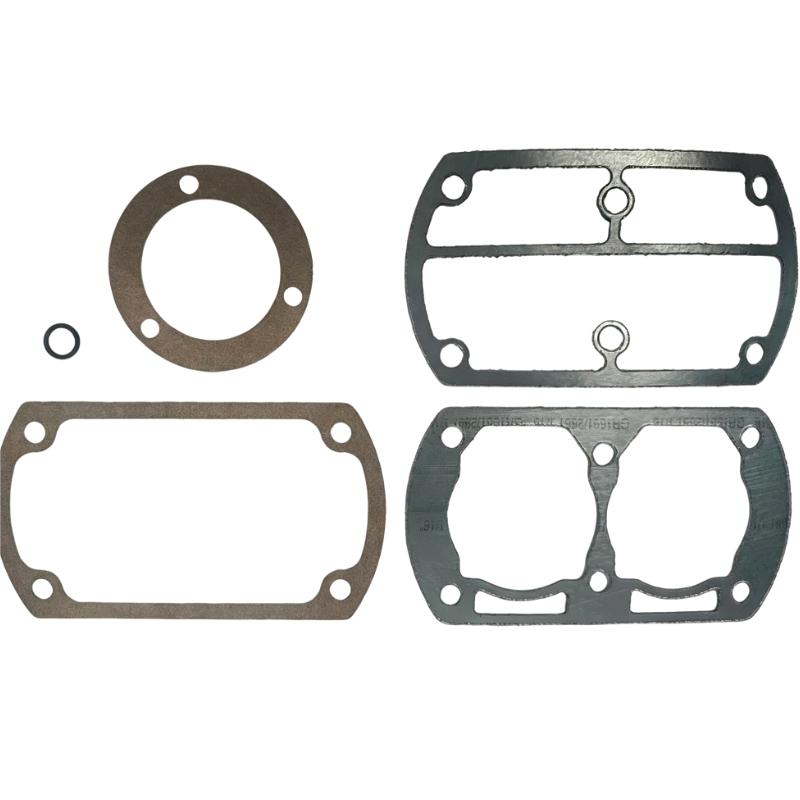
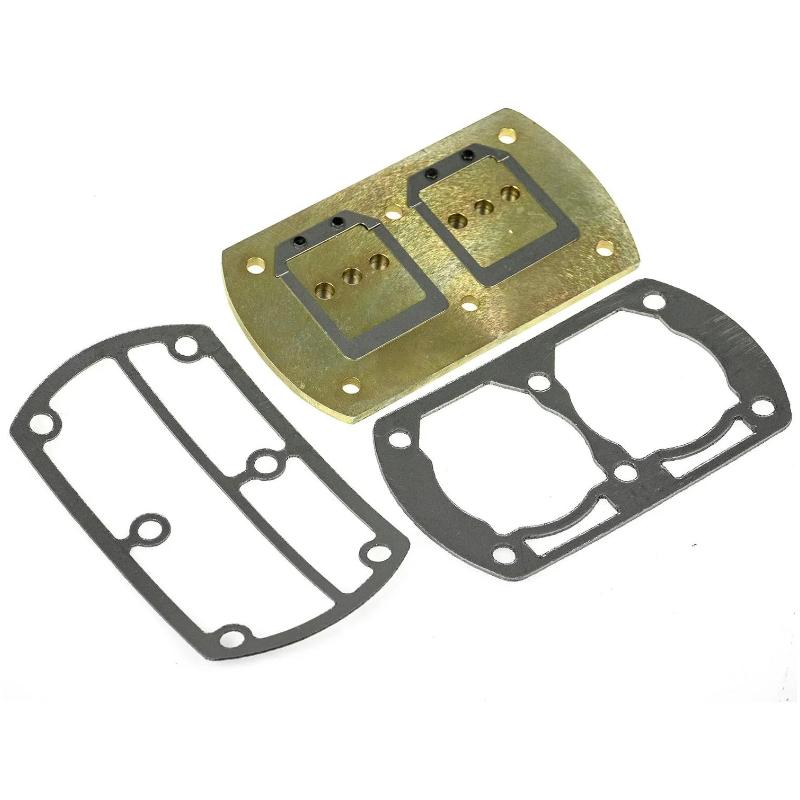
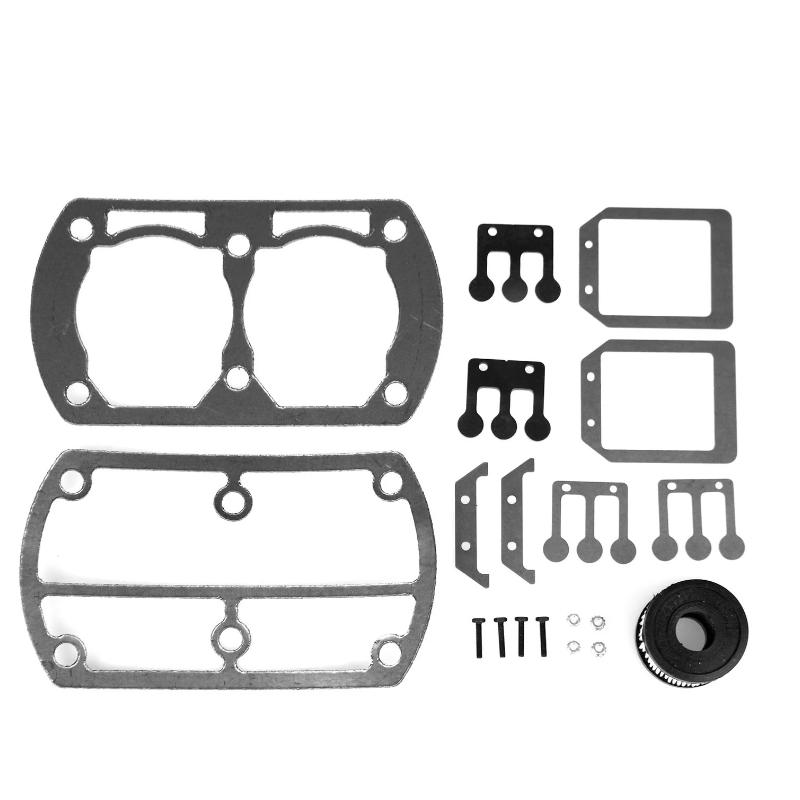
- Ingersoll Rand
- 47556925001 22239354
- Sealing Gasket
- USA
- 285 × 232 × 2 mm
- 0.022 kg
- Xiamen, China
- New & In Stock
- T/T, PayPal, Western Union
- 1 Year
- 1-3 Working Days
- DHL, UPS, TNT, FedEx and EMS.
- 24-Hour Service
- COO
- 17
Our advantage

Global Logistics
We have a 10-year logistics and express cooperation agreement, so our products can be shipped to any place in the world.

Brand new and original
Our products are imported in bulk from the place of origin. Because of the cooperative relationship, our products are all original and 100% new.

24-hour service
We provide 7*24 hours service to our customers. We will be there whenever you need us.

Price advantage
All our products are priced very favorably because we have our own warehouse and supply.
| Company Information | |||
| [email protected] | |||
| Mobile | +8615980777398 | ||
| +8615980777398 | |||
| 15980777398 |
Product Overview
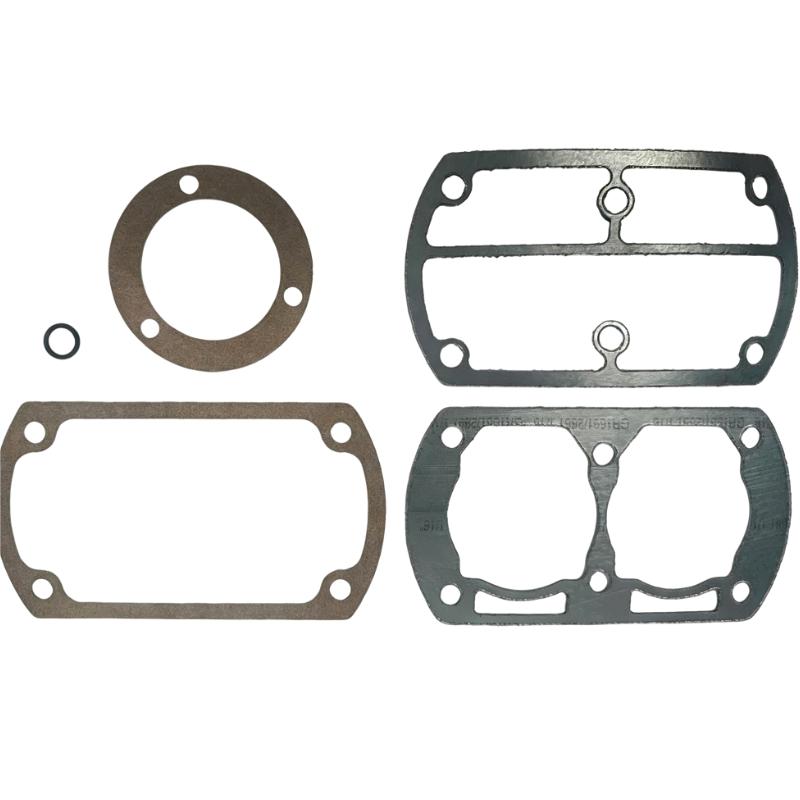
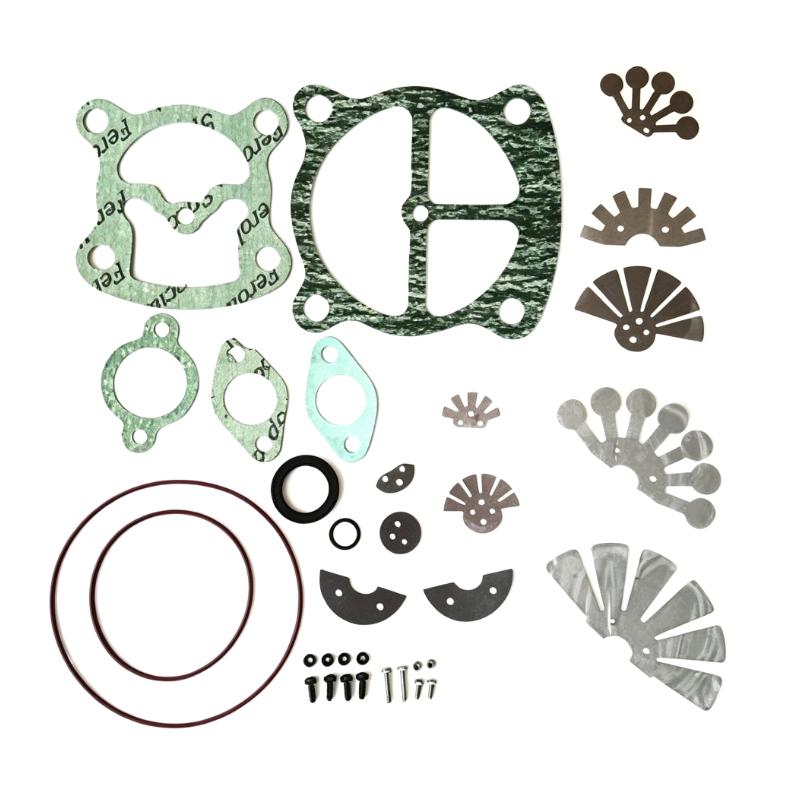
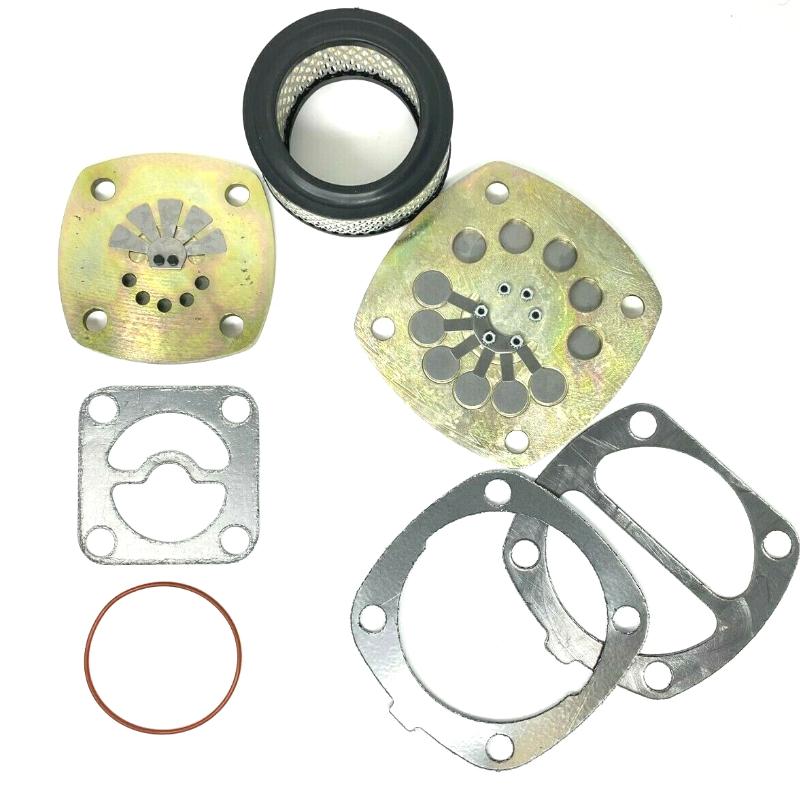
The Ingersoll Rand 22239354 Sealing Gasket is an industrial compressor sealing component designed for the connection between the gearcase and FBH assembly in compatible Ingersoll Rand equipment. Its primary purpose is to create a reliable sealing interface between two mating components, helping prevent oil leakage and maintain the integrity of the compressor assembly.
In industrial compressor systems, gaskets are essential mechanical components. They are installed between connected surfaces to compensate for minor surface irregularities and help maintain a sealed joint under operating conditions. Although a gasket is relatively simple compared with major compressor assemblies, its condition can directly affect equipment reliability, cleanliness, and maintenance requirements.
The 22239354 part number is identified in parts listings as a gearcase-to-FBH gasket with a nominal 285 mm dimension. The supplied product information specifies overall dimensions of 285 × 232 × 2 mm and a weight of 0.022 kg. These values provide useful reference information for product identification, inventory management, and replacement planning.
A gasket must match the geometry of the mating surfaces, including its outer profile, openings, thickness, and material characteristics. A replacement that is too thick, too thin, or incorrectly shaped may not distribute clamping pressure evenly. It can also interfere with component alignment or create a leakage path.
The reference number 47556925001 has been supplied together with 22239354. Since the relationship between these two references should be confirmed against the equipment parts documentation, buyers should verify the complete part identification before ordering.
For maintenance teams, selecting the correct gasket and installing it on clean, undamaged mating surfaces helps maintain the sealing performance of the compressor and reduces the possibility of repeat maintenance.
Technical Specifications
| Parameter | Specification |
|---|---|
| Brand | Ingersoll Rand |
| Manufacturer | Ingersoll Rand |
| Main Part Number | 22239354 |
| Additional Reference Provided | 47556925001 |
| Product Name | Sealing Gasket |
| Product Type | Gearcase-to-FBH Gasket |
| Application | Compatible Ingersoll Rand compressor assemblies |
| Listed Application Description | Gasket, Gearcase to FBH |
| Nominal Reference Dimension | 285 mm |
| Dimensions Provided | 285 × 232 × 2 mm |
| Thickness | 2 mm |
| Weight Provided | 0.022 kg |
| Main Function | Sealing between mating mechanical surfaces |
| Installation Position | Gearcase-to-FBH connection |
| Product Category | Industrial Compressor Spare Part |
Note: Dimensions and weight are the supplied listing specifications. Confirm the gasket profile, material, and equipment compatibility using the original parts documentation before installation.
Function and Working Principle
The 22239354 gasket works by forming a compressed sealing layer between two mating mechanical surfaces. When the connected components are tightened together, the gasket is compressed to fill minor surface irregularities and create a continuous sealing interface.
1. Sealing the Gearcase-to-FBH Connection
The gasket is identified for use between the gearcase and FBH assembly. At this connection, it helps maintain a sealed joint and prevent lubricant from escaping through the interface.
A properly fitted gasket supports the mechanical integrity of the connection. Its shape and openings must match the relevant mating surfaces so that the assembled components maintain the intended contact and sealing pressure.
2. Compensating for Surface Irregularities
Machined metal surfaces may contain very small irregularities even when manufactured to precise tolerances. A gasket provides a sealing layer that can accommodate minor imperfections when compressed correctly.
The gasket must have the specified thickness and material properties. Excessive compression or an incorrect gasket profile can affect sealing performance.
3. Maintaining Lubricant Containment
Compressor gearcase assemblies may contain lubricated mechanical components. The gasket helps prevent lubricant from leaking through the connection between the gearcase and the adjoining assembly.
Maintaining lubricant containment is important for keeping the equipment clean and supporting the intended lubrication conditions. Any leakage should be investigated rather than treated only as a gasket replacement issue.
4. Supporting Mechanical Assembly Integrity
A gasket also contributes to the proper assembly of connected components. Correct thickness and alignment help ensure that mating parts are assembled according to their intended geometry.
A replacement gasket should never be forced into position or modified to compensate for a mismatch. If the component does not align naturally with the mating surfaces, verify the part number and gasket profile.
Role in Industrial Compressor Systems
The 22239354 gasket is a small but important component within a larger compressor assembly. It supports the sealing function of the connection between the gearcase and FBH assembly.
Gearcase Sealing
The gearcase forms part of the compressor’s mechanical assembly and may contain components that require lubrication. The gasket helps maintain the sealing interface between the gearcase and the adjoining FBH component.
A damaged or incorrectly installed gasket can allow lubricant to escape and may lead to contamination around the equipment.
Lubrication System Reliability
Lubrication is important for reducing friction and wear in mechanical components. By helping maintain a sealed gearcase connection, the gasket supports the containment of lubricant within the intended assembly.
The gasket does not regulate lubricant pressure or flow. Its role is to maintain the mechanical sealing interface.
Maintenance and Equipment Availability
Replacing a worn gasket during scheduled maintenance can help prevent leakage-related interruptions. It is also an opportunity to inspect the mating surfaces, fasteners, and surrounding components for damage.
For industrial facilities where compressor availability is important, maintaining suitable spare gaskets can reduce delays during planned repairs.
Industrial Applications
The Ingersoll Rand 22239354 gasket is intended for compatible compressor assemblies that use the specified gearcase-to-FBH sealing arrangement.
1. Industrial Air Compressor Maintenance
Industrial compressors operate for extended periods and may experience temperature changes, vibration, and mechanical loading. Sealing components must maintain their function under the conditions specified for the equipment.
The 22239354 gasket can be considered during maintenance when the original parts documentation identifies it for the relevant connection.
2. Gearcase Assembly Service
During gearcase maintenance, the gasket may need replacement after the connected components are separated. Reusing a compressed or damaged gasket can increase the possibility of leakage after reassembly.
A new gasket should be installed according to the equipment manufacturer’s procedures.
3. Compressor Overhaul Projects
During a compressor overhaul, technicians may inspect multiple sealing points, including gearcase interfaces, covers, and other connected assemblies.
The 22239354 gasket may form part of the replacement-parts inventory when the overhaul scope includes the corresponding FBH connection.
4. Industrial Spare Parts Inventory
Maintenance departments often keep frequently required seals and gaskets in stock to reduce equipment downtime. Correct identification is particularly important when several gaskets have similar shapes or nominal dimensions.
Recording the part number, equipment model, installation position, and dimensions can help prevent incorrect replacement orders.
5. Preventive Maintenance Programs
Scheduled inspection can help identify lubricant leakage, gasket deterioration, and damage around mechanical joints before these conditions develop into larger maintenance problems.
The replacement interval should follow the equipment manufacturer’s recommendations and actual operating conditions rather than an assumed universal service life.
Installation and System Integration
Correct installation is essential for achieving reliable sealing performance. Even a correctly specified gasket may leak if the mating surfaces are damaged, contaminated, or assembled incorrectly.
1. Confirm the Part Number
Before installation, verify that 22239354 is specified for the exact compressor model and gearcase-to-FBH connection.
The additional reference 47556925001 should also be checked against the equipment’s parts list or supplier documentation. Do not assume that two supplied reference numbers are interchangeable without confirmation.
2. Inspect the Mating Surfaces
Remove the old gasket carefully and inspect both mating surfaces. Check for scratches, corrosion, dents, residual gasket material, and other damage that could create a leakage path.
The surfaces should be clean and suitable for gasket installation. Avoid using tools or cleaning methods that could damage precision-machined areas.
3. Check Gasket Dimensions and Profile
The supplied dimensions are 285 × 232 × 2 mm. Confirm that the replacement gasket matches the original component’s complete shape, including bolt holes, openings, cutouts, and sealing edges.
Overall length and width alone are not sufficient to establish compatibility.
4. Position the Gasket Correctly
Align the gasket with the mating surfaces before tightening the assembly. Ensure that all openings and fastening positions match.
Do not stretch, fold, trim, or force the gasket into place unless an approved installation procedure specifically requires it.
5. Tighten Fasteners Correctly
Tighten the connecting fasteners according to the manufacturer’s specified sequence and torque values.
Uneven tightening can create uneven compression and may cause leakage. Excessive tightening can also damage the gasket or distort the connected components.
6. Inspect After Reassembly
After installation, follow the compressor manufacturer’s startup procedure. Check the joint for lubricant leakage and confirm that the assembly operates normally.
If leakage continues, inspect the mating surfaces, fastener condition, alignment, and gasket specification rather than immediately assuming that the new gasket itself is defective.
Compatible System Components
The 22239354 gasket is part of a mechanical compressor assembly. Its compatibility is determined primarily by the gearcase-to-FBH connection and the corresponding equipment parts documentation.
| Component | Function | Compatibility Considerations |
|---|---|---|
| Gearcase | Houses mechanical drive components | Confirm the gasket profile matches the gearcase interface |
| FBH assembly | Mating assembly identified in the part description | Verify the exact equipment configuration |
| Connecting fasteners | Secure the mating components | Use the specified fastener type and tightening torque |
| Lubrication system | Supplies lubricant to relevant mechanical components | Inspect for leakage after assembly |
| Mating surfaces | Provide the sealing contact area | Clean and inspect for scratches or distortion |
| Compressor housing | Supports the overall mechanical assembly | Confirm the gasket is intended for the specified joint |
| Replacement gasket | Restores the sealing interface | Match part number, profile, thickness, and material |
These components describe the surrounding assembly and are not necessarily supplied with the gasket.
Alternative Models and Replacement Considerations
A gasket should be replaced with the correct part number or an officially approved equivalent. Similar dimensions do not guarantee that two gaskets have the same profile, material, or sealing characteristics.
| Replacement Option | Consideration |
|---|---|
| Ingersoll Rand 22239354 | Primary identification for the gearcase-to-FBH gasket |
| Manufacturer-approved superseding part | Use only after confirming the official replacement relationship |
| OEM-equivalent gasket | Verify material, thickness, profile, and equipment compatibility |
| Custom-manufactured gasket | Requires engineering approval and accurate original specifications |
Before selecting an alternative, check:
- The original equipment model and serial number.
- The complete gasket part number.
- The relationship between 47556925001 and 22239354.
- Overall dimensions and thickness.
- Bolt-hole positions and internal openings.
- Gasket material and fluid compatibility.
- Temperature and operating conditions.
- Manufacturer-approved replacement information.
A gasket with the same outside dimensions may still be unsuitable if its material or internal cutouts differ from the original.
Key Advantages
Reliable Sealing Interface
The gasket is designed for the gearcase-to-FBH connection identified in its parts description, helping maintain the sealing interface between the connected assemblies.
Compact and Lightweight Design
With supplied dimensions of 285 × 232 × 2 mm and a weight of 0.022 kg, the component is lightweight and convenient to store as part of an industrial maintenance inventory.
Supports Lubricant Containment
A correctly fitted gasket helps prevent lubricant from escaping through the mating joint, supporting equipment cleanliness and maintenance reliability.
Suitable for Planned Maintenance
Replacing the gasket during scheduled service can help reduce the risk of leakage caused by a worn, compressed, or damaged sealing component.
Straightforward Mechanical Replacement
The gasket is installed at a defined mechanical interface. Replacement can be incorporated into the relevant gearcase or FBH maintenance procedure.
Helps Reduce Repeat Leakage Problems
When the correct gasket is combined with clean mating surfaces and proper fastener tightening, it helps restore the intended sealing arrangement.
Technical FAQs
1. What is the Ingersoll Rand 22239354?
It is a sealing gasket identified in parts listings as a gearcase-to-FBH gasket for compatible Ingersoll Rand equipment.
2. What is the main function of this gasket?
Its main function is to seal the connection between the gearcase and FBH assembly, helping prevent lubricant leakage through the mating surfaces.
3. What are the dimensions of the 22239354 gasket?
The supplied dimensions are 285 × 232 × 2 mm. Confirm the complete gasket profile and openings against the original part before installation.
4. What is the weight of this product?
The supplied product weight is 0.022 kg, equivalent to 22 grams. Packaging may increase the shipping weight.
5. What does the description “Gearcase to FBH” mean?
It identifies the gasket’s intended installation position between the gearcase and the FBH assembly. The exact equipment configuration should be confirmed using the applicable parts documentation.
6. Is 47556925001 an interchangeable part number?
The relationship between 47556925001 and 22239354 has not been independently confirmed. Verify the reference numbers using the equipment parts list or an authorized parts identification system before ordering.
7. Can the old gasket be reused?
Reusing an old gasket is generally not recommended after the joint has been dismantled. Compression, deformation, surface damage, or contamination may prevent it from sealing correctly after reassembly.
8. What causes a gasket to leak?
Common causes include incorrect gasket selection, damaged mating surfaces, uneven tightening, excessive compression, material deterioration, and incorrect installation.
9. Does replacing the gasket require replacing the fasteners?
Not necessarily. Fasteners should be inspected for wear, corrosion, thread damage, and other defects. Replace them when required by the manufacturer’s maintenance procedure.
10. What should be checked after installing a new gasket?
Inspect the alignment of the mating components, confirm that fasteners have been tightened according to specification, and check the joint for lubricant leakage during the approved startup procedure.
Procurement and Maintenance Recommendations
When purchasing the Ingersoll Rand 22239354 Sealing Gasket, confirm the exact equipment model, serial number, and installation position. The part is identified as a gearcase-to-FBH gasket with a nominal 285 mm reference dimension.
The additional number 47556925001 should be treated as a supplied reference that requires confirmation. Buyers should compare the original parts list, component markings, and gasket profile before approving the order.
For spare-parts inventory, record the part number, dimensions, thickness, material information, and equipment application. Keeping these details together helps maintenance teams distinguish similar gaskets and avoid incorrect substitutions.
During scheduled maintenance, inspect the mating surfaces and surrounding components whenever the joint is opened. Check for scratches, corrosion, distortion, and evidence of lubricant leakage. Replacing the gasket without addressing damaged surfaces or incorrect fastener tightening may not resolve the underlying problem.
Store replacement gaskets in clean, dry conditions and protect them from bending, contamination, and unnecessary mechanical damage. Follow the manufacturer’s handling and installation recommendations to maintain the intended sealing performance.
Conclusion
The Ingersoll Rand 22239354 Sealing Gasket is an industrial compressor spare part identified for the gearcase-to-FBH connection. With supplied dimensions of 285 × 232 × 2 mm and a weight of 0.022 kg, it is a compact mechanical sealing component used to help prevent lubricant leakage between connected assemblies.
Correct part identification, profile matching, surface inspection, and proper fastener tightening are essential for reliable installation. Before ordering, confirm the relationship between the supplied references 47556925001 and 22239354 against the compressor’s original parts documentation.