

ProductPRODUCT
Featured products
Contact Us
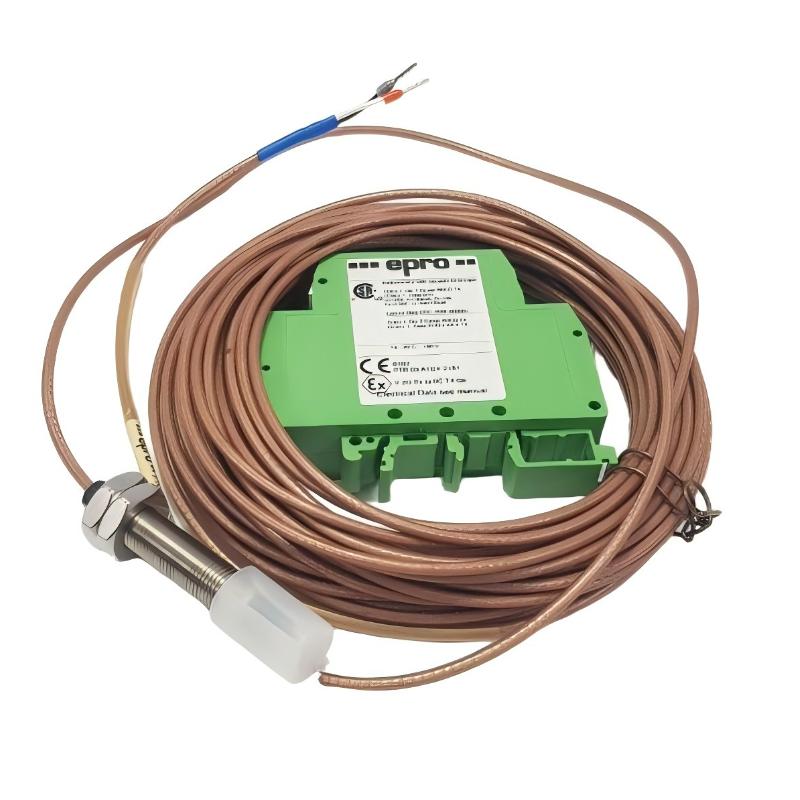
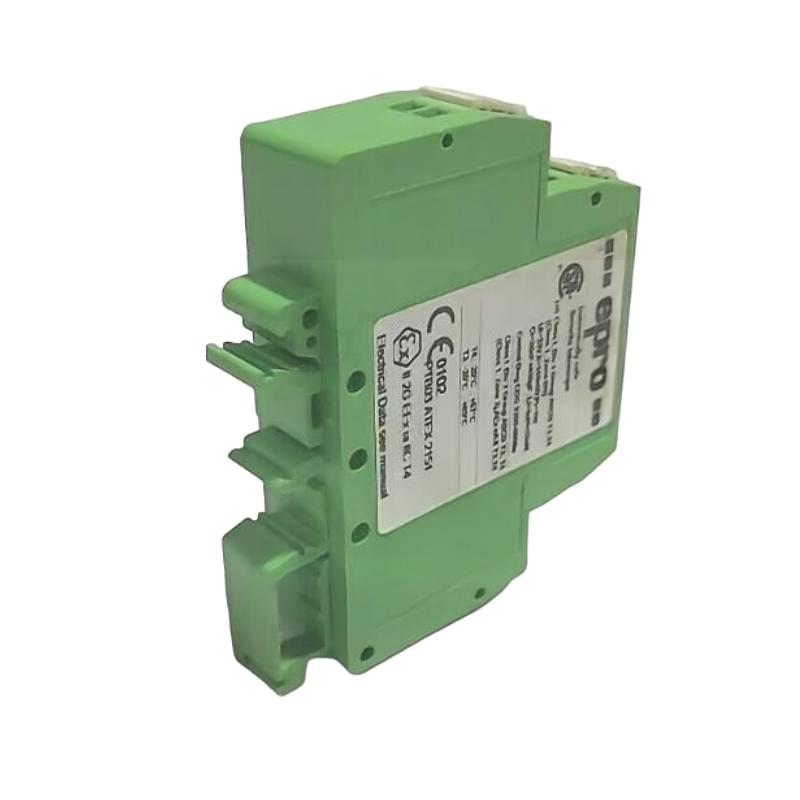
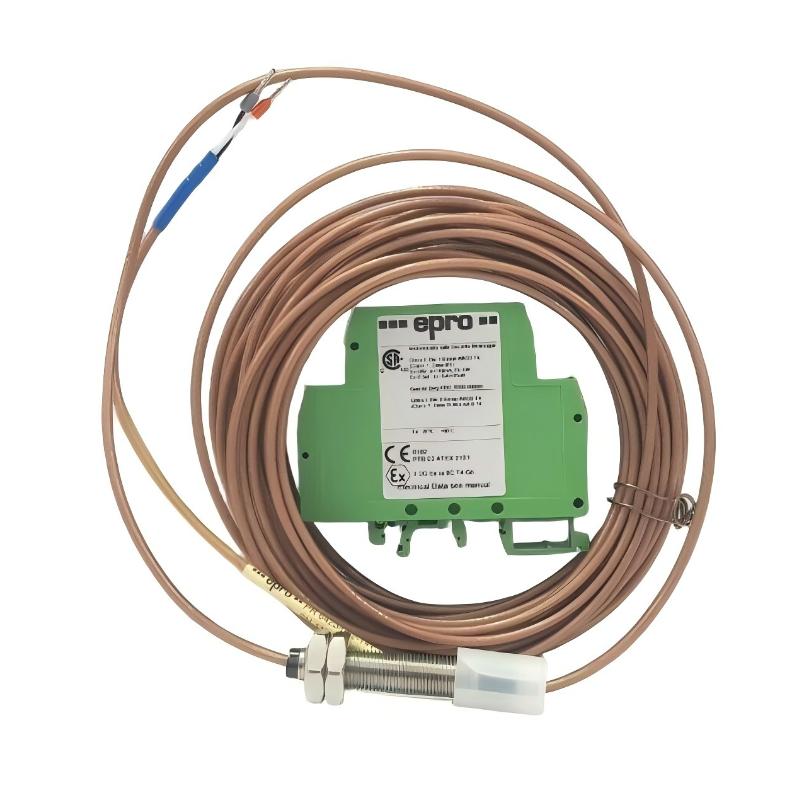
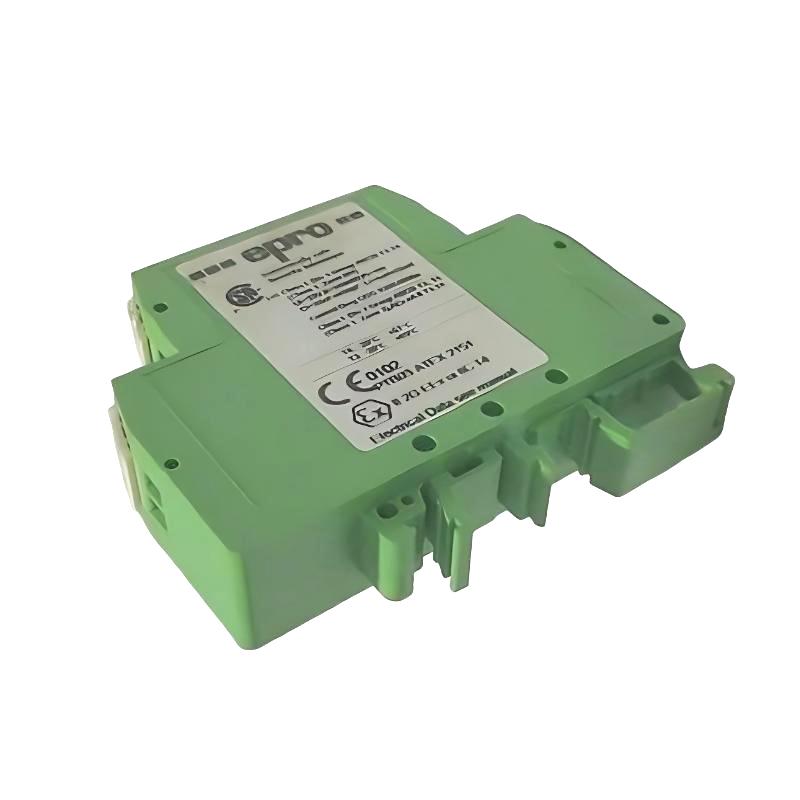
- Epro
- PR6480/051-000
- Eddy Current Sensor
- Germany
- Optional
- 3 kg
- Xiamen, China
- New & In Stock
- T/T, PayPal, Western Union
- 1 Year
- 1-3 Working Days
- DHL, UPS, TNT, FedEx and EMS.
- 24-Hour Service
- COO
- 18
Our advantage

Global Logistics
We have a 10-year logistics and express cooperation agreement, so our products can be shipped to any place in the world.

Brand new and original
Our products are imported in bulk from the place of origin. Because of the cooperative relationship, our products are all original and 100% new.

24-hour service
We provide 7*24 hours service to our customers. We will be there whenever you need us.

Price advantage
All our products are priced very favorably because we have our own warehouse and supply.
| Company Information | |||
| [email protected] | |||
| Mobile | +8615980777398 | ||
| +8615980777398 | |||
| 15980777398 |
Product Overview
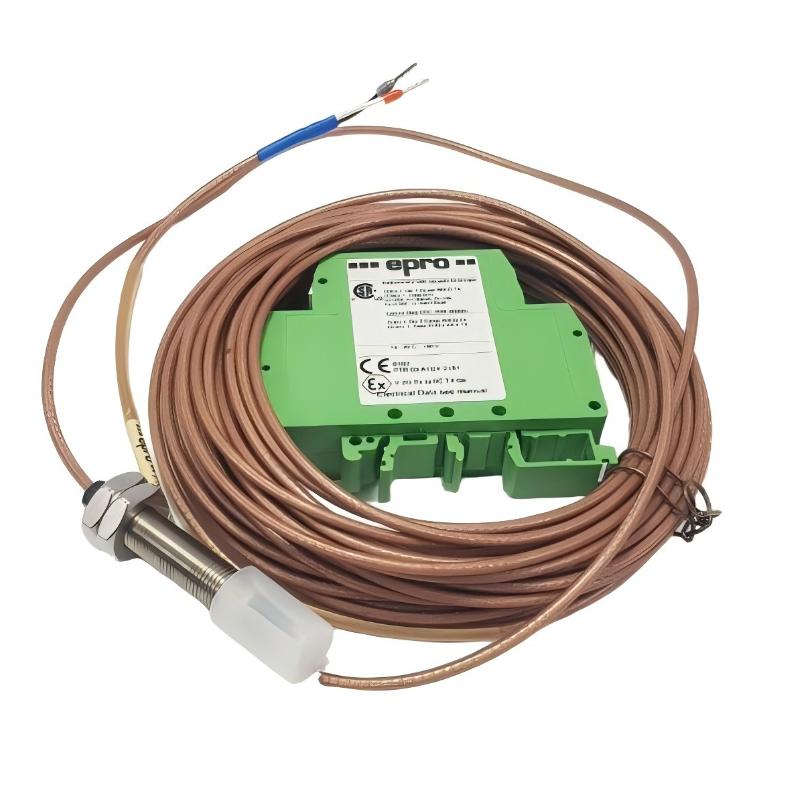
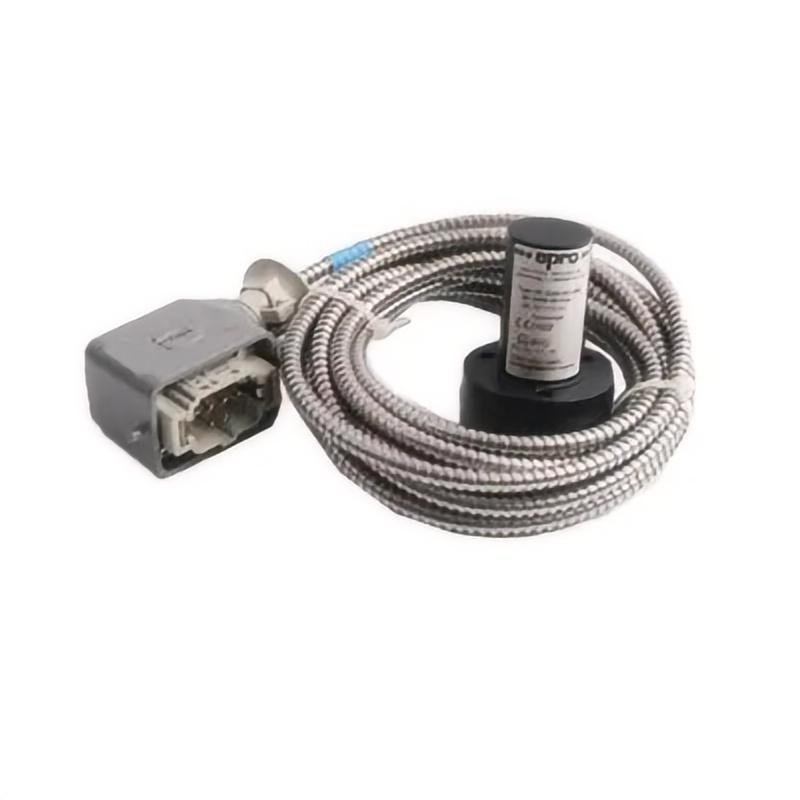
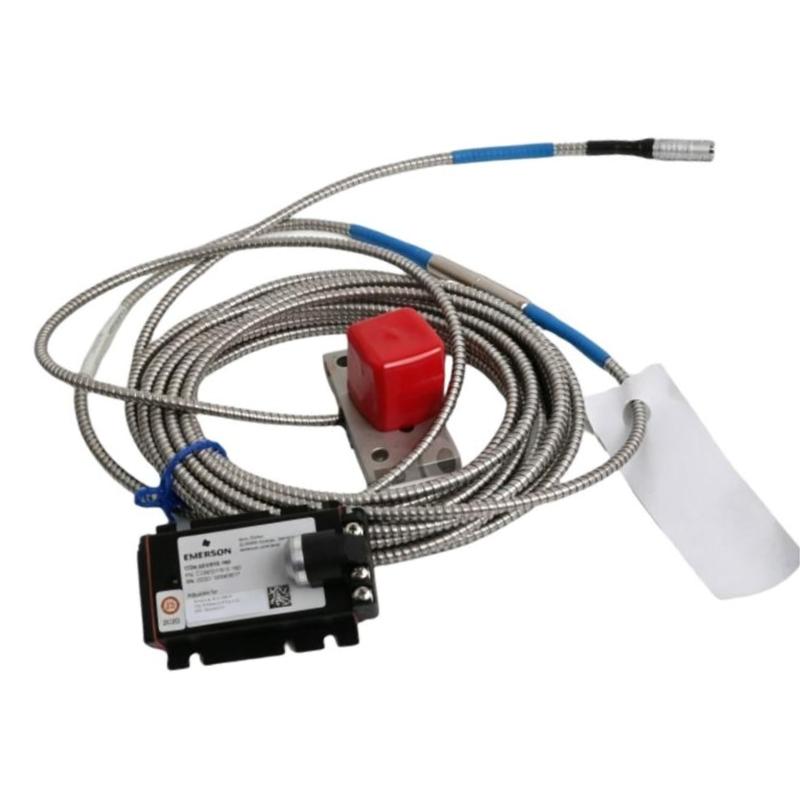
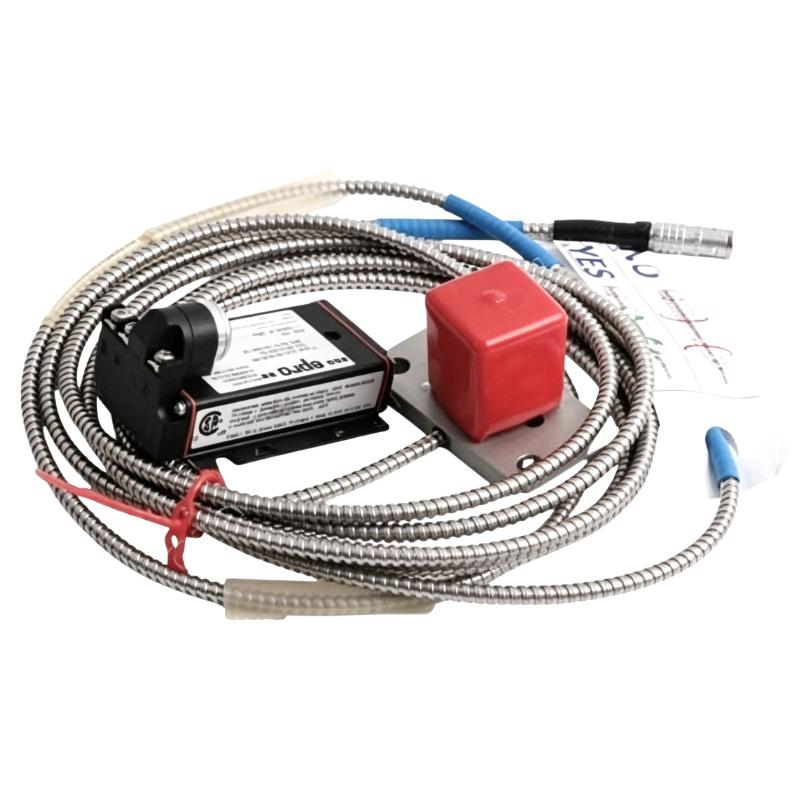
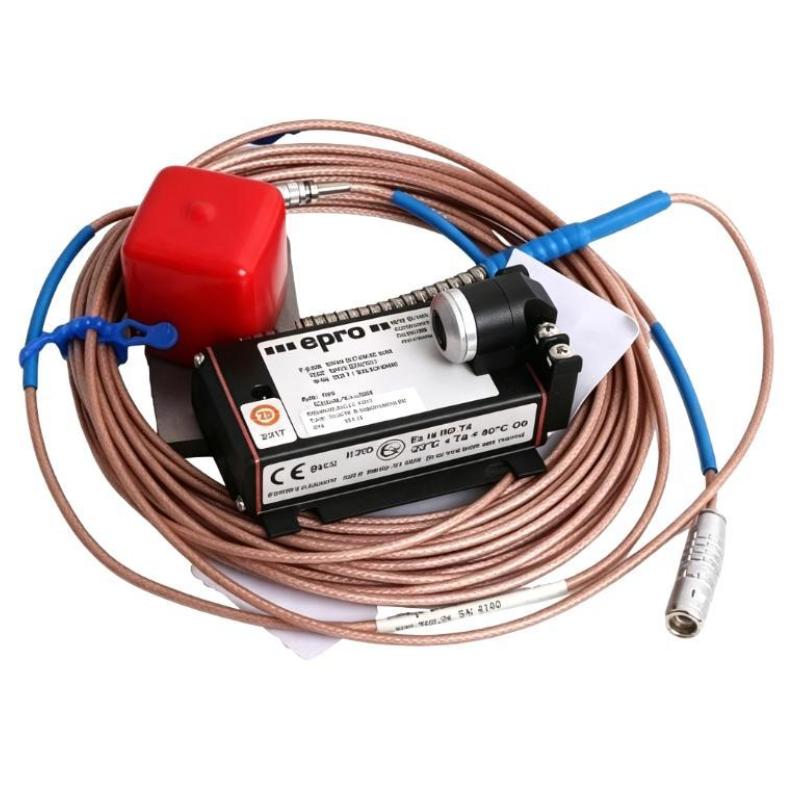
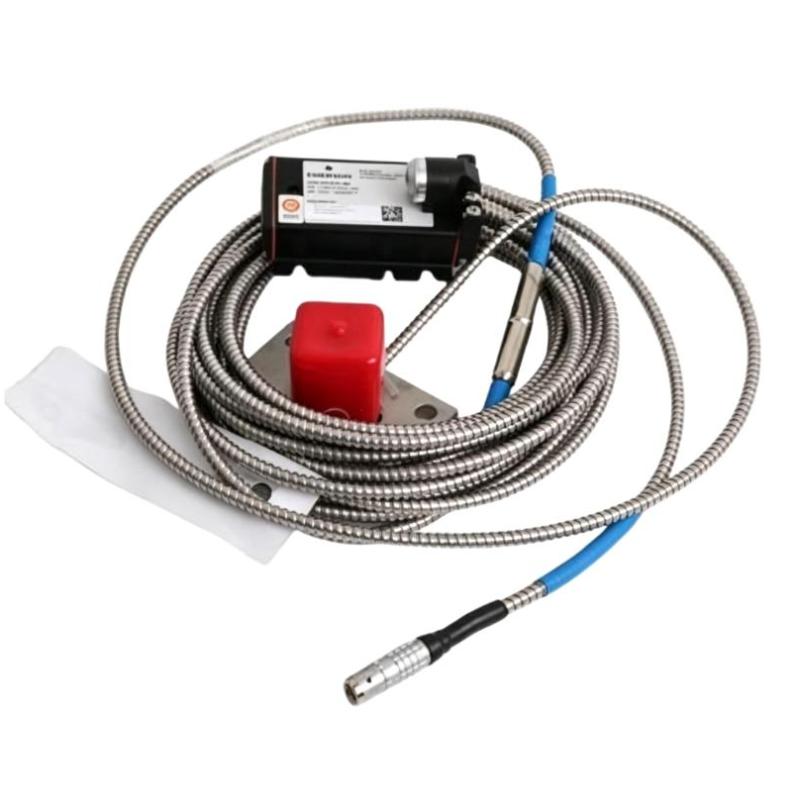
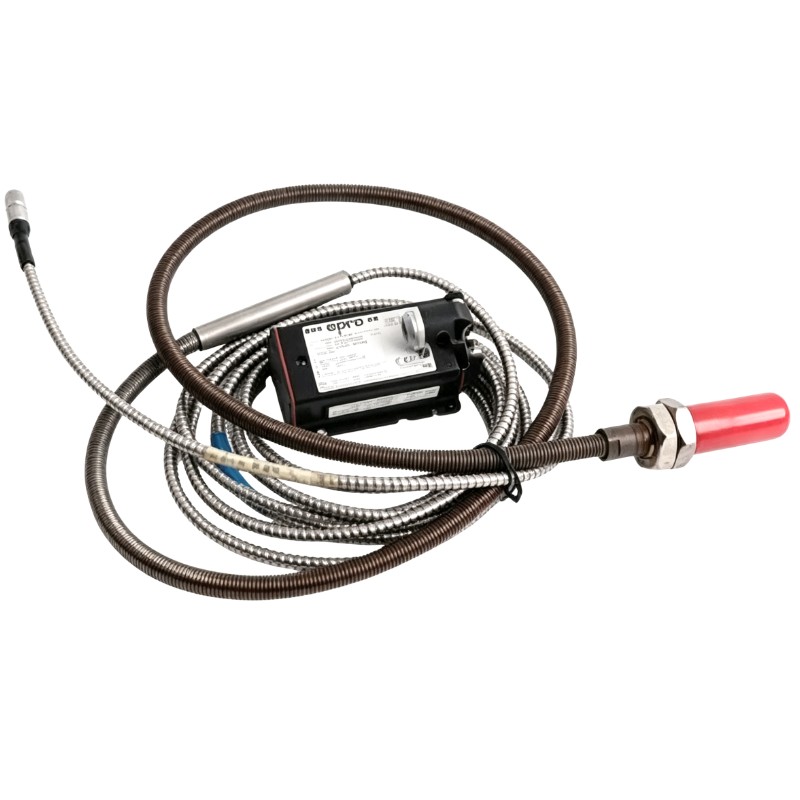
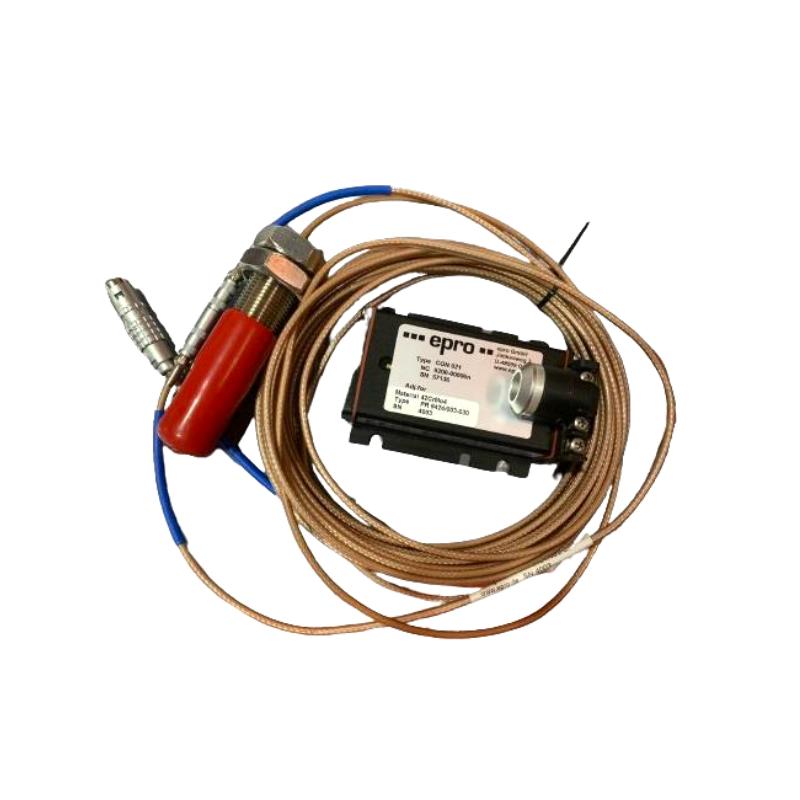
The Epro PR6480/051-000 Eddy Current Sensor is a non-contact displacement measurement sensor designed for industrial machinery monitoring and condition assessment. It belongs to the Epro PR6480 sensor family, which is used in applications requiring the measurement of relative movement between a sensor probe and a conductive target.
Eddy-current sensing technology is particularly useful in rotating machinery because it can measure shaft displacement without requiring physical contact with the moving component. This makes it suitable for monitoring applications where continuous measurement, minimal mechanical interference, and reliable signal acquisition are important.
The PR6480/051-000 is associated with a nominal measurement range of 0–5 mm. Its sensor-head diameter is optional, allowing the probe configuration to be selected according to installation requirements. The supplied shipping weight is 3 kg.
In a typical monitoring arrangement, the sensor is positioned near a conductive metal target, such as a rotating shaft. Changes in the distance between the probe and the target affect the sensor’s electromagnetic field. The resulting measurement signal can be processed by a compatible signal-conditioning or machinery-monitoring system.
The PR6480/051-000 is relevant to industrial applications involving rotating equipment, vibration monitoring, shaft displacement measurement, and machinery condition assessment. When selecting this model, engineers should verify the complete probe configuration, measuring range, cable arrangement, connector type, and compatibility with the associated signal-conditioning equipment.
Technical Specifications
| Parameter | Specification |
|---|---|
| Brand | Epro |
| Product Model | PR6480/051-000 |
| Product Type | Eddy Current Sensor |
| Sensor Category | Non-contact displacement sensor |
| Measuring Principle | Eddy-current electromagnetic induction |
| Nominal Measurement Range | 0–5 mm |
| Sensor Head Diameter | Optional |
| Target Material | Electrically conductive materials |
| Typical Application | Shaft displacement and vibration monitoring |
| Installation Type | Non-contact probe installation |
| Shipping Weight | 3 kg |
| Product Configuration | Verify probe and accessory details before ordering |
Note: The 0–5 mm range is associated with the PR6480/051 measuring version in available product information. Confirm the exact calibrated range and electrical characteristics against the documentation supplied with the specific probe. The 3 kg figure is the supplied shipping weight, not necessarily the weight of the sensor alone.
Function and Working Principle
The PR6480/051-000 uses the eddy-current measurement principle. This technology measures the distance between a probe and a conductive target by detecting changes in an electromagnetic field.
Unlike contact-based displacement sensors, an eddy-current probe does not need to touch the measured surface. This makes it suitable for continuous monitoring of rotating shafts and other moving conductive components.
1. Electromagnetic Field Generation
An eddy-current sensor contains a coil inside its probe. When the associated electronic circuit supplies an alternating electrical signal to the coil, it generates an electromagnetic field around the sensor head.
When a conductive metal target enters this field, electrical currents known as eddy currents are induced in the target material.
The strength of these currents depends on several factors, including the distance between the probe and the target, the target material, and the characteristics of the sensor system.
2. Displacement Detection
As the distance between the probe and the conductive target changes, the electromagnetic interaction also changes.
The sensor system detects this change and converts it into a measurement signal representing the relative displacement of the target.
For rotating machinery, the probe can be positioned near a shaft surface to detect changes in shaft position. These measurements can help identify abnormal movement, shaft vibration, or changes in the mechanical condition of the equipment.
3. Non-Contact Measurement
One of the main advantages of eddy-current technology is that the sensor does not require physical contact with the measured component.
This is particularly important when monitoring rotating shafts, where a contact-based measurement method could introduce wear or interfere with normal equipment operation.
Non-contact measurement also allows continuous observation without requiring the sensor to move with the target.
4. Signal Conditioning
The probe normally operates as part of a complete measurement system rather than as an isolated instrument.
Associated signal-conditioning electronics process the sensor response and provide a usable output for monitoring equipment. Depending on the installed system, the resulting signal can be used for displacement measurement, vibration analysis, alarm generation, and condition monitoring.
The exact converter, cable, and monitoring-module combination must be verified for the PR6480/051-000 configuration.
5. Continuous Machinery Monitoring
When installed at suitable measurement locations, the sensor can provide ongoing information about the relative position of rotating components.
This information can help maintenance teams identify developing mechanical problems and investigate changes in equipment operating conditions.
The measurement data becomes more useful when evaluated alongside operating speed, load conditions, vibration trends, and other machinery parameters.
Role in Industrial Machinery Monitoring Systems
The Epro PR6480/051-000 can serve as a measurement component within a broader machinery protection or condition-monitoring arrangement.
Its main purpose is to provide information about the relative position of a conductive target. The signal can then be evaluated by compatible monitoring equipment.
Shaft Displacement Monitoring
In rotating machinery, shaft displacement is an important measurement for evaluating mechanical operating conditions.
A correctly installed eddy-current probe can measure the distance between the sensor and the shaft surface. Changes in this distance may indicate shaft movement or changes in the position of the rotating assembly.
Vibration Monitoring
When the probe is positioned appropriately, the measurement signal can contain information about dynamic shaft movement.
Monitoring equipment can process this signal to evaluate vibration characteristics and identify changes from established operating conditions.
The probe itself does not perform a complete vibration diagnosis. Signal processing and interpretation are carried out by the associated monitoring system.
Machinery Protection
Continuous displacement measurements can support machinery protection strategies.
For example, monitoring equipment may compare measured values with configured operating limits. When a measurement exceeds an established threshold, the system can generate an alarm or initiate a protective response according to the plant’s control philosophy.
The alarm and shutdown functions depend on the complete monitoring architecture, not solely on the sensor.
Integration with Plant Monitoring Equipment
The sensor can be used in a machinery-monitoring arrangement that includes compatible signal-conditioning equipment, monitoring modules, control systems, and operator interfaces.
Before integration, engineers should confirm the electrical and mechanical compatibility of the probe, cable, converter, and monitoring module.
Industrial Applications
The PR6480/051-000 is intended for measurement applications involving conductive targets and machinery where non-contact displacement information is required.
1. Steam Turbine Monitoring
Steam turbines contain high-speed rotating assemblies that require continuous mechanical condition monitoring.
Eddy-current probes can be installed at suitable locations to measure shaft displacement and provide information about rotor movement.
The measurement data can help operators and maintenance personnel evaluate changes in shaft position and investigate abnormal operating conditions.
2. Gas Turbine Equipment
Gas turbines operate under demanding mechanical and thermal conditions. Monitoring shaft movement and vibration is important for assessing the condition of rotating components.
A properly configured eddy-current measurement system can provide non-contact shaft displacement information for compatible turbine monitoring applications.
The probe’s temperature, mounting, and environmental requirements must be checked against the actual installation location.
3. Industrial Compressors
Large compressors use rotating shafts and precision mechanical assemblies. Changes in shaft position or vibration may indicate developing mechanical issues.
An eddy-current sensor can support compressor monitoring by measuring relative movement between the probe and the conductive shaft surface.
4. Pumps and Motors
Industrial pumps and motors may operate continuously in production facilities, utilities, and process plants.
Non-contact displacement measurement can be used in suitable installations to observe shaft movement and support maintenance investigations.
The sensor must be positioned correctly and connected to compatible monitoring electronics.
5. Generators and Power Generation Equipment
Generators and associated rotating machinery require monitoring of mechanical operating conditions.
Eddy-current probes can contribute to rotor and shaft monitoring arrangements by providing displacement measurements that can be evaluated by the plant’s machinery-monitoring system.
6. Industrial Test Equipment
Mechanical test benches and laboratory equipment may require accurate measurement of relative displacement.
An eddy-current sensor can be used where the target material, measuring range, mounting arrangement, and signal-processing requirements are compatible.
Installation and System Integration
Correct installation is essential for obtaining stable measurements from the PR6480/051-000.
Because eddy-current sensors operate through electromagnetic interaction with the target, mechanical positioning, target material, cable arrangement, and system calibration all affect measurement performance.
1. Select the Correct Sensor Configuration
The sensor-head diameter is optional. Select the appropriate probe configuration according to the available mounting space and the measurement location.
Before ordering, confirm:
- Sensor-head diameter.
- Probe length and mounting arrangement.
- Required measuring range.
- Cable length and connector configuration.
- Compatibility with the signal-conditioning unit.
- Environmental and temperature requirements.
The complete model designation should be checked to avoid confusion between related PR6480 variants.
2. Prepare the Mounting Location
The sensor should be installed at a suitable distance from the conductive target.
The mounting structure must remain stable during equipment operation. Excessive movement of the probe mounting can introduce measurement errors because the sensor measures relative movement between the probe and the target.
Avoid locations where the probe may be exposed to mechanical impact, excessive vibration of the mounting bracket, or interference from nearby equipment.
3. Check Target Material
Eddy-current sensors require an electrically conductive target.
The target material affects the electromagnetic response and measurement characteristics. Therefore, calibration and system configuration should correspond to the actual shaft or target material.
Using an unsuitable target or an incorrect calibration can produce inaccurate measurements.
4. Connect Compatible Signal-Conditioning Equipment
The probe should be connected to the appropriate signal-conditioning equipment specified for the sensor system.
Check the connector type, cable arrangement, electrical characteristics, and monitoring-module compatibility before installation.
Do not assume that a probe from another manufacturer’s system can be connected directly without verifying the electrical interface.
5. Configure the Measurement Range
The PR6480/051 measuring version is associated with a nominal 0–5 mm range.
The actual usable measurement range and calibration characteristics should be confirmed using the relevant technical documentation.
Set up the monitoring system according to the required measurement range and the expected mechanical movement of the target.
6. Verify the Measurement Signal
After installation, inspect the probe position, cable connections, and signal-conditioning equipment.
Verify that the measurement signal changes consistently when the target position changes within the permitted operating range.
Check for unstable readings, incorrect gaps, electrical interference, and abnormal signal behavior before enabling machinery protection functions.
7. Establish Baseline Measurements
After commissioning, record normal operating measurements under representative machine conditions.
Baseline data provides a reference for future trend analysis. Maintenance personnel can compare later measurements against these values to identify changes in shaft position or vibration behavior.
Compatible System Components
The PR6480/051-000 should be treated as part of a complete measurement system. The following component categories may be relevant, but exact compatibility must be verified against the probe documentation.
| Component | Function | Integration Considerations |
|---|---|---|
| Epro signal converter | Conditions the probe signal | Confirm the correct converter type for the PR6480 configuration |
| Coaxial or sensor cable | Transmits the measurement signal | Verify connector type, cable length, and electrical characteristics |
| Machinery monitoring module | Processes measurement signals | Confirm supported sensor input and calibration |
| Vibration monitoring system | Evaluates machinery condition | Check measurement channels and configuration requirements |
| PLC or control system | Receives relevant process or alarm information | Integration depends on the monitoring system’s available outputs |
| Operator interface | Displays equipment status and alarms | Configure according to the plant monitoring architecture |
| Probe mounting hardware | Secures the sensor near the target | Match the mounting arrangement to the selected probe head |
| Conductive target | Provides the surface for measurement | Verify target material and calibration requirements |
These are system-level component categories, not a statement that the accessories are included with the sensor. Confirm the complete bill of materials before purchasing.
Alternative Models and Replacement Considerations
The PR6480 product family includes different measuring versions and order-code variations. Replacement selection should be based on the required measuring range and the complete probe configuration.
| Model or Series | Description | Replacement Considerations |
|---|---|---|
| PR6480/011-000 | PR6480 eddy-current sensor variant | Associated with a different measuring range; not a direct substitute without checking calibration requirements |
| PR6480/021-000 | PR6480 eddy-current sensor variant | Verify measuring range and system configuration |
| PR6480/031-000 | PR6480 eddy-current sensor variant | Confirm exact calibration and probe specifications |
| PR6480/041-000 | PR6480 eddy-current sensor variant | Check measuring range and mechanical configuration |
| PR6480/051-000 | 0–5 mm measuring version | Target model for this product listing |
| PR6480/051-100 | Related 0–5 mm order-code variant | Do not assume it is identical to the -000 version; verify the complete ordering information |
| PR6480/061-000 | PR6480 eddy-current sensor variant | Associated with a different measuring range |
Before selecting a replacement, compare the probe’s measuring range, head diameter, mounting thread, cable arrangement, connector, calibration characteristics, and compatible signal-conditioning equipment.
A sensor with a similar measuring range may still have a different mechanical or electrical configuration. Replacing a probe without checking these details can lead to installation difficulties or incorrect measurement results.
Key Advantages
Non-Contact Measurement
The eddy-current principle allows the sensor to measure conductive targets without physical contact. This is useful for rotating machinery and other moving components.
Suitable for Displacement Monitoring
The PR6480/051 measuring version is associated with a nominal 0–5 mm range, making it relevant to applications requiring small-range displacement measurement.
Support for Machinery Condition Monitoring
The sensor can provide measurement information for monitoring systems that evaluate shaft movement and vibration-related conditions.
Optional Sensor-Head Diameter
The optional sensor-head configuration allows selection according to installation requirements. The exact available diameters should be confirmed when ordering.
Integration with Monitoring Equipment
When paired with compatible signal-conditioning electronics, the sensor can form part of a broader machinery-monitoring system.
Application in Rotating Equipment
Its non-contact operating principle is suitable for measurement arrangements involving conductive rotating components, including shafts in turbines, compressors, pumps, and generators.
Technical FAQs
1. What is the Epro PR6480/051-000?
The Epro PR6480/051-000 is an eddy-current sensor designed for non-contact displacement measurement in industrial machinery monitoring applications.
2. What is the measurement range of the PR6480/051-000?
Available product information associates the PR6480/051 measuring version with a nominal 0–5 mm range. Confirm the exact calibrated range using the documentation for the supplied unit.
3. Is the sensor-head diameter fixed?
No. The supplied product information identifies the sensor-head diameter as optional. The required diameter should be specified and verified before ordering.
4. Does the sensor require physical contact with the target?
No. Eddy-current sensors operate without physical contact. They detect changes in the electromagnetic interaction between the probe and a conductive target.
5. What materials can the sensor measure?
The measurement principle requires an electrically conductive target. Target material affects the sensor response, so the system should be calibrated for the actual material.
6. Can the PR6480/051-000 measure shaft vibration?
It can provide displacement measurements that contain information about dynamic shaft movement. A compatible monitoring system is required to process and interpret the measurement signal as vibration data.
7. Can this sensor be connected directly to a PLC?
The probe should normally be connected through compatible signal-conditioning or monitoring equipment. PLC integration depends on the available outputs and the design of the complete monitoring system.
8. What is the shipping weight?
The supplied shipping weight is 3 kg. This figure should not automatically be treated as the bare sensor weight.
9. Is the PR6480/051-000 interchangeable with the PR6480/051-100?
Not automatically. Although the two models are associated with the same nominal measuring version, their complete order codes differ. Verify the probe construction, cable arrangement, connector, and system compatibility before substitution.
10. What should be checked before purchasing this sensor?
Confirm the full model number, sensor-head diameter, measuring range, mounting configuration, cable and connector details, compatible converter, and shipping information. For replacement projects, compare the new unit with the original installed probe.
Procurement and Maintenance Recommendations
When purchasing the Epro PR6480/051-000, verify the complete model designation rather than relying only on the PR6480 series name.
The optional sensor-head diameter should be specified according to the existing mounting arrangement. Buyers should also confirm the required measuring range, cable length, connector type, and compatibility with the installed signal-conditioning equipment.
For replacement applications, compare the existing probe’s mechanical dimensions and electrical characteristics with the proposed unit. Even when two sensors have the same nominal measuring range, differences in probe configuration or cable connections may affect compatibility.
During maintenance, inspect the probe mounting, cable condition, connector integrity, and surrounding installation environment. Check that the sensor remains securely positioned and that the target surface is suitable for the selected measurement arrangement.
If the monitoring system produces unstable or unexpected readings, investigate probe clearance, target material, cable connections, electrical interference, and calibration settings before replacing the sensor.
Keep records of the installed model number, probe configuration, calibration information, and baseline measurements. These details can simplify future maintenance and reduce the risk of selecting an incompatible replacement.
Conclusion
The Epro PR6480/051-000 Eddy Current Sensor is a non-contact displacement measurement component for industrial machinery monitoring. Its PR6480/051 measuring version is associated with a nominal 0–5 mm range, while the sensor-head diameter is available as an optional configuration.
The sensor can support shaft displacement measurement and machinery condition monitoring when installed with compatible signal-conditioning and monitoring equipment. For procurement and replacement projects, confirming the complete model designation, probe diameter, cable configuration, and system compatibility is essential for reliable operation.