

ProductPRODUCT
Featured products
Contact Us
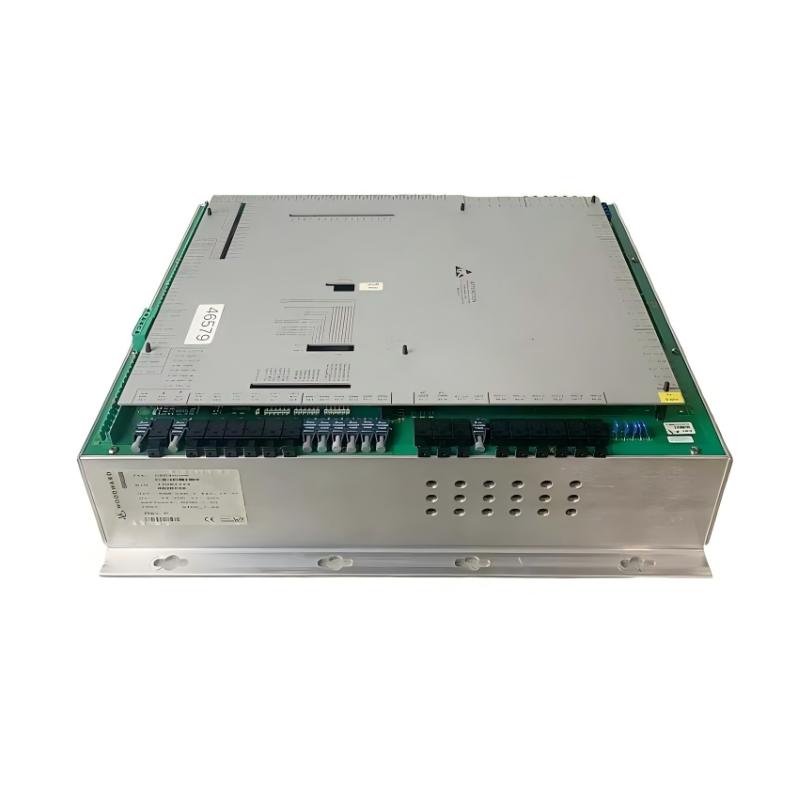
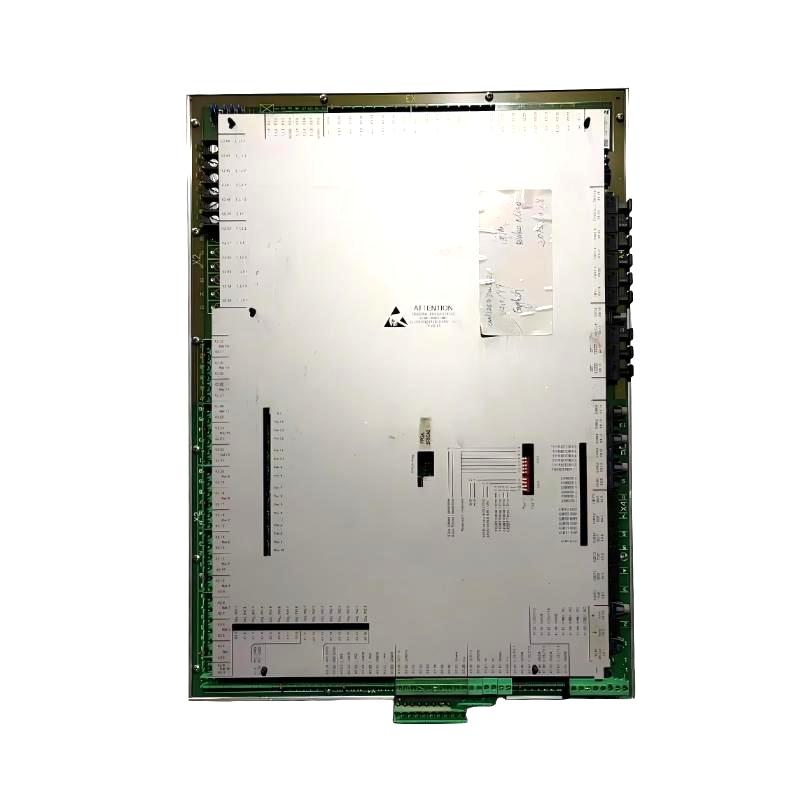
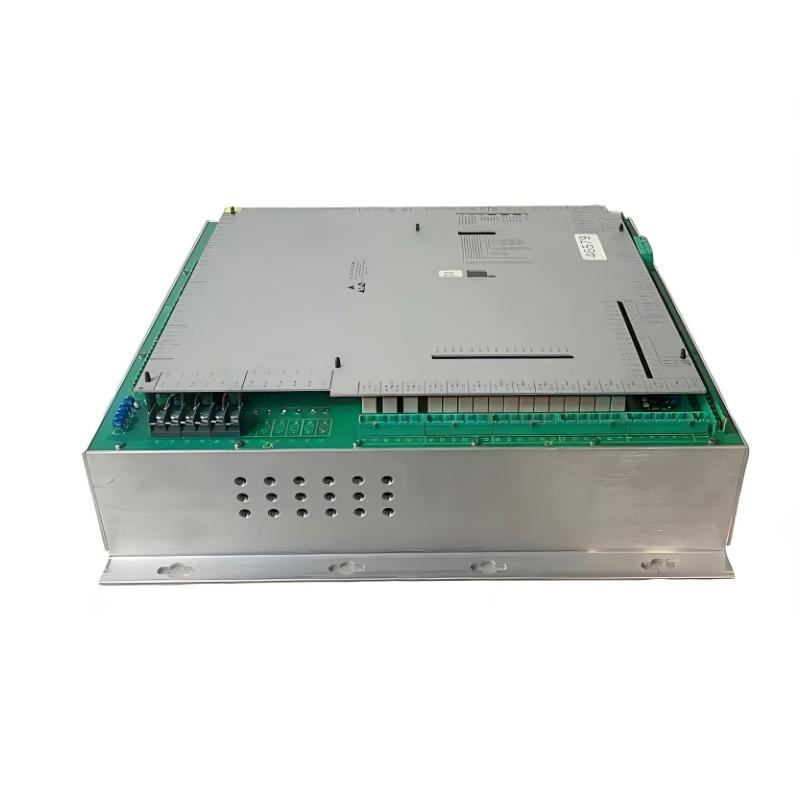
- Woodward
- CSC3HUWB2
- SEG Controller Module
- USA
- 200 x 150 x 75 mm
- 1.8 kg
- Xiamen, China
- New & In Stock
- T/T, PayPal, Western Union
- 1 Year
- 1-3 Working Days
- DHL, UPS, TNT, FedEx and EMS.
- 24-Hour Service
- COO
- 7
Our advantage

Global Logistics
We have a 10-year logistics and express cooperation agreement, so our products can be shipped to any place in the world.

Brand new and original
Our products are imported in bulk from the place of origin. Because of the cooperative relationship, our products are all original and 100% new.

24-hour service
We provide 7*24 hours service to our customers. We will be there whenever you need us.

Price advantage
All our products are priced very favorably because we have our own warehouse and supply.
| Company Information | |||
| [email protected] | |||
| Mobile | +8615980777398 | ||
| +8615980777398 | |||
| 15980777398 |
Product Overview
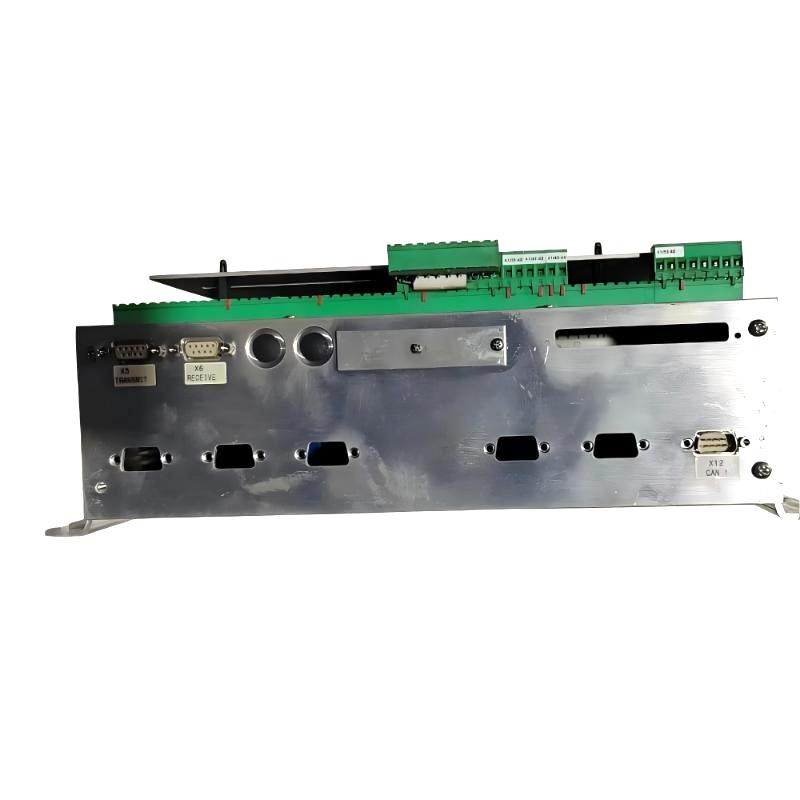
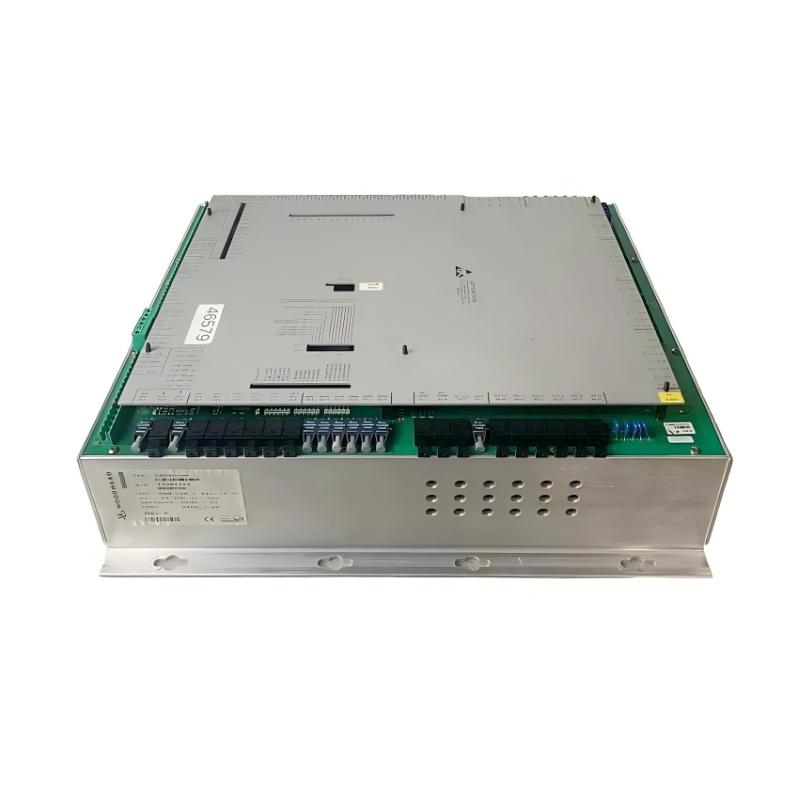
The Woodward CSC3HUWB2 SEG Controller Module is an industrial control component associated with Woodward’s CSC3 control equipment family. It is intended for use in industrial control environments where reliable equipment operation, operator interaction, and system-level monitoring are important.
Woodward develops control and protection solutions for industrial engines, turbines, generators, and power generation systems. Components within its control platforms may support functions such as equipment supervision, operating parameter management, status indication, and communication with other control devices.
The CSC3HUWB2 model is associated with the CSC3 platform. Available product descriptions identify it as an enhanced version of the CSC3-HU-W-B unit, with references to an updated operator display and improvements in communication stability, diagnostic functions, and data logging. However, product listings also use the description SEG Controller Module. The exact function and hardware configuration should therefore be confirmed against the unit’s nameplate and the applicable Woodward documentation before installation or replacement.
In an industrial control system, a controller-related module must work correctly with the associated control hardware, software, power supply, and field devices. Selecting the correct hardware revision is particularly important when maintaining an existing installation.
The CSC3HUWB2 may be relevant to maintenance and spare-parts procurement for CSC3-based equipment. Before ordering, buyers should verify the full model designation, revision, connector arrangement, and system compatibility.
Technical Specifications
| Parameter | Specification |
|---|---|
| Brand | Woodward |
| Manufacturer | Woodward |
| Model | CSC3HUWB2 |
| Product Description | SEG Controller Module |
| Product Family | CSC3 |
| Product Category | Industrial Control Module |
| Product Function | Control-system component; exact role depends on hardware configuration |
| Dimensions Provided | 200 × 150 × 75 mm |
| Weight Provided | 1.8 kg |
| System Compatibility | Verify against the installed CSC3 control system |
| Hardware Revision | Confirm from product nameplate |
| Power Supply | Verify from the exact unit documentation |
| Communication Interface | Verify from the exact hardware version |
| I/O Configuration | Confirm from the unit’s terminal layout and documentation |
| Installation | According to the applicable Woodward hardware instructions |
Important: Publicly available product listings do not consistently identify the CSC3HUWB2’s exact function or specifications. The dimensions and weight above are the supplied listing values. Electrical ratings, communication protocols, and I/O details should be confirmed against the actual unit rather than assumed from descriptions of related models.
Function and Working Principle
The CSC3HUWB2 is associated with the Woodward CSC3 control platform. Its role in a particular installation depends on the hardware version and the way the overall control system is configured.
1. Control-System Coordination
Industrial control systems coordinate different equipment functions through controllers, operator interfaces, sensors, and output devices. A module within this architecture may contribute to the exchange of operating information or the execution of designated control functions.
For a CSC3 installation, engineers should identify the module’s assigned role from the system drawings and hardware documentation. This prevents an operator-interface component from being mistakenly treated as a main control processor or a dedicated output module.
2. Operator Information and System Monitoring
Some descriptions of the CSC3HUWB2 identify it as an enhanced HMI control display unit. In this role, the hardware would provide an operator-facing interface for viewing system information and interacting with supported control functions.
An operator interface can help personnel review equipment status, access operating parameters, and identify abnormal conditions. The available screens and commands depend on the system software, configured permissions, and connected controller.
The precise display functions of an individual unit should be verified using its installed firmware and system documentation.
3. Communication with Other Control Devices
Industrial control equipment exchanges information through defined electrical interfaces and communication protocols. These connections allow control components to share status information, receive commands, and support system-level monitoring.
Descriptions of the CSC3HUWB2 reference communication improvements compared with an earlier CSC3-HU-W-B version. However, the exact protocol, port arrangement, and supported communication settings should be checked against the hardware revision.
4. Diagnostic and Data-Logging Functions
Some product descriptions associate the Version 2 unit with enhanced fault diagnosis and historical data logging. These capabilities can help maintenance personnel review operating events and investigate abnormal system behavior.
The actual diagnostic records and logging functions depend on the installed software and the configuration of the associated CSC3 system.
Role in Industrial Control Systems
A control-system component is only one part of a complete industrial automation installation. Its function must be understood in relation to the controller, operator interface, power supply, communication network, and field equipment.
Integration with the Main Controller
The main controller executes the control logic for the associated machine or process. Other modules may provide operator interaction, signal handling, or communication functions.
When installing the CSC3HUWB2, engineers should confirm whether the unit is intended to operate as an operator interface or another type of controller-related module. The distinction determines its wiring, configuration, and commissioning requirements.
Operator Interface and Monitoring
Where configured as an HMI component, the module can provide an interface between operating personnel and the control system. Operators may use the supported interface to view process information, review alarms, or access permitted operating functions.
The HMI should not be assumed to replace the main controller. Safety-critical control logic and equipment protection must remain implemented in the appropriate control and protection hardware.
Communication with External Equipment
Industrial control installations often exchange information with other automation devices, monitoring systems, and supervisory equipment. Communication architecture depends on the protocols and physical interfaces supported by each installed component.
Before connecting the CSC3HUWB2 to an external device, verify the interface type, wiring arrangement, addressing requirements, and supported protocol in the applicable documentation.
Maintenance and Troubleshooting
A correctly identified module helps maintenance personnel locate faults and replace equipment without introducing unnecessary configuration changes.
The full model number, hardware revision, firmware information, connector layout, and system configuration should be recorded before removing an existing unit.
Industrial Applications
The Woodward CSC3 platform is associated with industrial control applications. The CSC3HUWB2 may be encountered in installations where CSC3-related control and operator-interface equipment is used.
1. Power Generation Systems
Power generation facilities use control systems to coordinate equipment operation and provide operators with information about operating conditions.
Control-related modules can form part of the wider system architecture responsible for monitoring and managing generator-related equipment. The exact contribution of the CSC3HUWB2 depends on its verified hardware role.
2. Industrial Engine Control
Industrial engines require coordinated control of operating conditions, alarms, and associated auxiliary equipment. A suitable control-system interface can help operators review system information and interact with supported functions.
Any connection to engine-control logic must follow the manufacturer’s specified system architecture.
3. Turbine-Related Control Installations
Turbine installations rely on coordinated control and protection systems to manage operating conditions. Components used in these systems must be selected and configured according to the equipment design.
For applications involving turbines, the CSC3HUWB2’s exact function should be verified rather than inferred from the general SEG product description.
4. Generator and Auxiliary Equipment Monitoring
Industrial generator installations may include operator displays, controllers, signal interfaces, and supervisory equipment. These components work together to provide operational visibility and support maintenance activities.
A compatible CSC3 system component may contribute to this arrangement when specified by the original equipment design.
5. Industrial Automation Maintenance
Legacy industrial installations often require replacement modules to maintain existing equipment. Accurate identification of the CSC3HUWB2 is important when sourcing a spare part for an established system.
A replacement should match the original hardware version and system requirements, not simply the general product family.
Installation and System Integration
Installation should follow the hardware-specific Woodward documentation. The following considerations provide a general framework for handling a control-system module.
1. Confirm the Model and Hardware Revision
Check the complete CSC3HUWB2 model designation on the product label. Record the serial number, hardware revision, firmware information, and any additional identification codes.
Compare these details with the existing unit and the system’s hardware list. Do not assume that CSC3HUWB and CSC3HUWB2 are interchangeable without a compatibility check.
2. Verify Power Requirements
Confirm the correct supply voltage, polarity, current requirements, and grounding arrangement from the documentation for the exact hardware revision.
Do not apply a nominal voltage based only on specifications published for another CSC3 model. Incorrect power connections can damage electronic components or cause unstable operation.
3. Inspect Connectors and Wiring
Before installation, inspect connectors, terminal blocks, cables, and mounting points for damage or contamination.
Ensure that wiring corresponds to the system drawings. Keep communication and signal cables routed according to the manufacturer’s electromagnetic compatibility recommendations.
4. Check Communication Configuration
If the module communicates with another CSC3 device or an external system, confirm the supported interface and configuration parameters.
Verify the cable type, connector pinout, communication settings, and system addressing before commissioning. Never assume that two modules with similar product names use identical communication arrangements.
5. Mounting and Environmental Conditions
The supplied dimensions are 200 × 150 × 75 mm, with a listed weight of 1.8 kg. Confirm these measurements against the actual unit before planning panel space or replacement work.
Provide secure mounting and suitable protection against vibration, dust, moisture, and excessive temperature. The required enclosure and environmental conditions should be determined from the applicable Woodward documentation.
6. Commissioning and Functional Checks
After installation, inspect the wiring and mounting, restore power according to the approved procedure, and verify that the module starts correctly.
Where the module is used as an operator interface, check display operation, communication status, alarm presentation, and permitted operator functions. Where its role differs, perform the relevant checks defined by the system documentation.
Record the final configuration and commissioning results for future maintenance.
Compatible System Components
The CSC3HUWB2 should be treated as part of a complete control-system arrangement. The following table identifies general component categories that may be relevant. It does not imply that every listed component is directly compatible with every CSC3HUWB2 revision.
| Component | Function | Compatibility Considerations |
|---|---|---|
| CSC3 main controller | Executes system control logic | Confirm the supported hardware and firmware combination |
| Operator interface | Displays system information and accepts operator input | Verify whether the CSC3HUWB2 is configured for this role |
| 24 V DC power supply | Supplies low-voltage control equipment where specified | Confirm the exact voltage and current requirements |
| Communication cables | Connect compatible control devices | Verify connector type, pinout, and cable specification |
| Digital input modules | Receive discrete field signals | Confirm system architecture and supported I/O hardware |
| Digital output modules | Control compatible external devices | Verify output ratings and protection requirements |
| Sensor interfaces | Provide process or equipment measurements | Confirm signal types and controller compatibility |
| Supervisory monitoring system | Provides higher-level operational visibility | Verify supported communication protocols and configuration |
| Control cabinet | Houses and protects system components | Confirm dimensions, mounting, ventilation, and environmental requirements |
Alternative Models and Replacement Considerations
When replacing a CSC3HUWB2, the first priority is to establish the actual function of the installed unit. A replacement for an HMI display may not be suitable for a controller module, even if both products belong to the same system family.
| Related Product or Replacement Option | Consideration |
|---|---|
| Woodward CSC3-HU-W-B | Related earlier designation; confirm hardware and firmware compatibility |
| Woodward CSC3HUWB2 | Exact model replacement; verify revision and connector arrangement |
| Other CSC3 operator-interface units | Consider only after checking display, communication, and software compatibility |
| Other CSC3 control modules | Not automatically interchangeable; confirm the module’s intended system role |
| Updated Woodward control-system hardware | May be considered for a broader upgrade, subject to engineering review |
Before selecting a replacement, compare:
- Full model and part number.
- Hardware revision and firmware version.
- Physical dimensions and mounting arrangement.
- Power supply requirements.
- Connector types and terminal assignments.
- Communication interfaces and supported protocols.
- System software compatibility.
- Display and operator functions, if applicable.
- Configuration and commissioning requirements.
For critical applications, obtain confirmation from the equipment manufacturer or an authorized technical support provider before substituting a different model.
Key Advantages
CSC3 System Association
The CSC3HUWB2 is associated with the Woodward CSC3 equipment family and may be used in installations designed around this platform.
Version Identification
The Version 2 designation is associated in some product descriptions with an enhanced CSC3 interface configuration. Confirm the actual revision and functions from the unit documentation.
Potential Diagnostic Support
Available descriptions refer to enhanced fault-diagnosis functions. These may help maintenance personnel review system conditions when supported by the installed configuration.
Potential Data-Logging Capability
Some listings describe historical data logging for the Version 2 unit. The available records and retention behavior should be checked in the relevant system documentation.
Industrial Control Environment
The module is intended for use in industrial control equipment, where correct integration, stable operation, and reliable maintenance procedures are important.
Spare-Parts Replacement
Accurate model identification supports procurement and maintenance of existing CSC3 installations, particularly where the original equipment configuration must be preserved.
Technical FAQs
1. What is the Woodward CSC3HUWB2?
The CSC3HUWB2 is a Woodward component associated with the CSC3 control platform. Some suppliers describe it as a SEG Controller Module, while other product descriptions identify it as an enhanced HMI control display unit. Its exact function should be confirmed from the unit label and system documentation.
2. What is the difference between CSC3HUWB and CSC3HUWB2?
The CSC3HUWB2 is described by some suppliers as a Version 2 development of the CSC3-HU-W-B unit. Reported improvements include communication stability, diagnostic functions, data logging, and display operation. Confirm the actual differences against the applicable hardware and firmware documentation.
3. What are the dimensions of the CSC3HUWB2?
The supplied listing dimensions are 200 × 150 × 75 mm. Verify the physical measurements against the actual unit before designing a mounting arrangement.
4. What is the weight of the module?
The supplied product weight is 1.8 kg. Confirm whether this figure represents the net unit weight or the packaged shipping weight.
5. What power supply does it require?
The exact power requirement should be confirmed from the label and documentation for the installed hardware revision. Do not rely on specifications published for a different CSC3 product.
6. Does the CSC3HUWB2 support communication with other controllers?
Product descriptions refer to communication improvements, but the exact protocols and physical interfaces should be verified from the hardware documentation. Check the connector arrangement and supported configuration before connecting it to another controller.
7. Can it replace a CSC3HUWB?
Not automatically. Although the model designations are related, hardware revision, firmware, connector layout, and system compatibility must be checked before replacement.
8. What should be checked before purchasing?
Confirm the complete model number, hardware revision, product condition, connector arrangement, dimensions, and system compatibility. For used or refurbished equipment, request clear photographs and available functional-test information.
9. Is the CSC3HUWB2 a main controller or an HMI?
Available descriptions are inconsistent. Some identify it as a SEG Controller Module, while another describes it as an enhanced HMI control display unit. The actual role must be determined from the product nameplate, terminal layout, and the system’s hardware documentation.
10. Where can technical documentation be obtained?
Woodward provides technical support resources and legacy product documentation. Search by the complete product designation and confirm that the document applies to the exact hardware revision.
Procurement and Maintenance Recommendations
When sourcing the Woodward CSC3HUWB2, verify the full part number and identify whether the required unit is a controller-related module or an operator-interface component. This distinction is important because the two functions may have different power, communication, wiring, and configuration requirements.
For replacement projects, compare the existing unit with the proposed spare part. Check the nameplate, revision, connectors, mounting dimensions, firmware information, and system compatibility. Do not rely solely on a supplier’s product title.
For used or refurbished units, request photographs of the front panel, rear connectors, nameplate, and circuit-board identification where appropriate. Ask for available functional-test information and confirm the warranty and return conditions.
During maintenance, keep connectors clean and secure, maintain suitable cabinet conditions, and document any changes to system configuration. Follow the manufacturer’s procedures for isolation, removal, installation, and commissioning.
Conclusion
The Woodward CSC3HUWB2 is a CSC3-family industrial control component used in Woodward-related control-system applications. Available product descriptions associate the model with enhanced Version 2 functionality, including references to operator display, diagnostics, and data logging, although supplier descriptions differ regarding its exact product role.
For industrial maintenance and spare-parts procurement, the complete model number, hardware revision, connector arrangement, and system compatibility should be verified before ordering. The supplied dimensions of 200 × 150 × 75 mm and weight of 1.8 kg can be used as listing information, subject to confirmation against the actual unit.