

ProductPRODUCT
Featured products

Contact Us
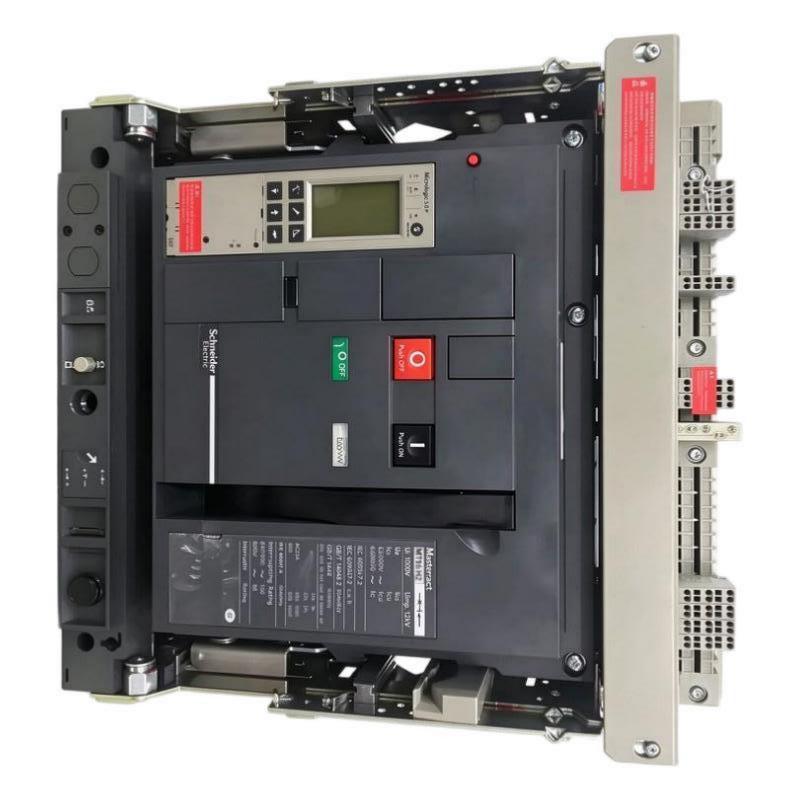
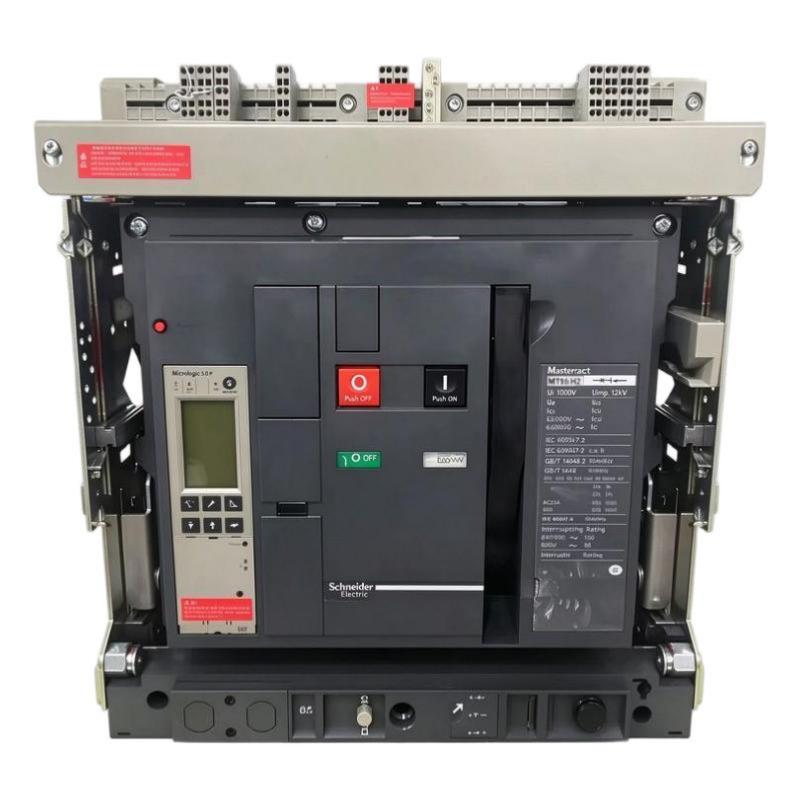
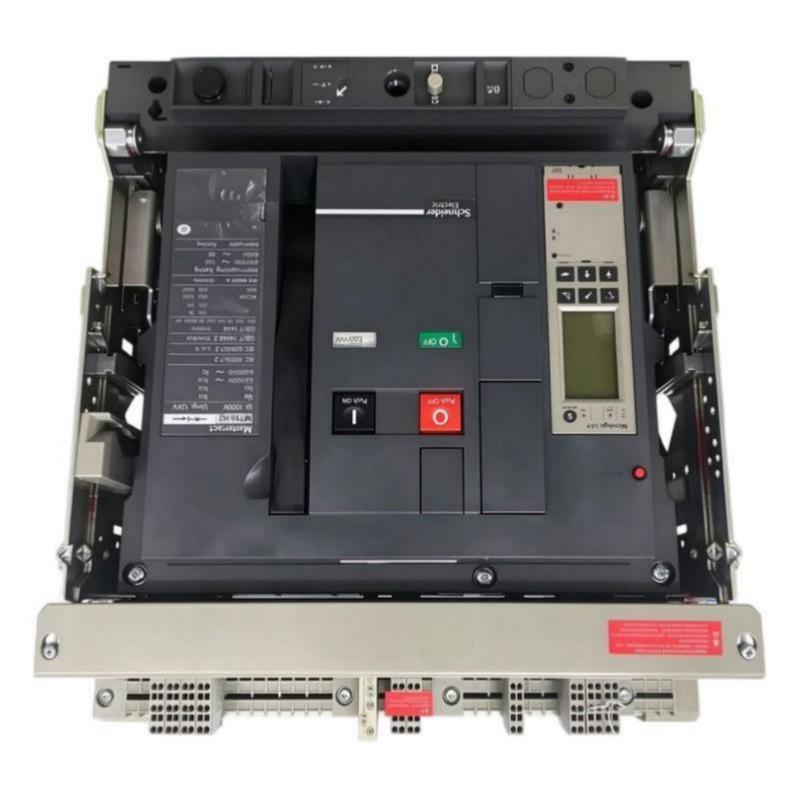
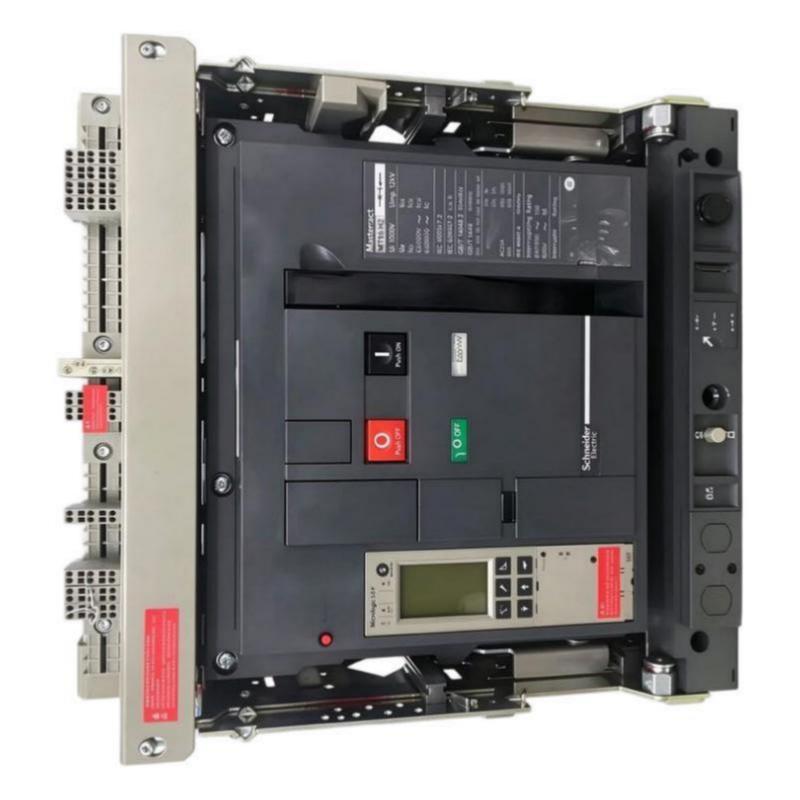
- Schneider
- MT16H2
- Circuit Breaker
- France
- 352 x 422 x 297 mm
- 50 kg
- Xiamen, China
- New & In Stock
- T/T, PayPal, Western Union
- 1 Year
- 1-3 Working Days
- DHL, UPS, TNT, FedEx and EMS.
- 24-Hour Service
- COO
- 4
Our advantage

Global Logistics
We have a 10-year logistics and express cooperation agreement, so our products can be shipped to any place in the world.

Brand new and original
Our products are imported in bulk from the place of origin. Because of the cooperative relationship, our products are all original and 100% new.

24-hour service
We provide 7*24 hours service to our customers. We will be there whenever you need us.

Price advantage
All our products are priced very favorably because we have our own warehouse and supply.
| Company Information | |||
| [email protected] | |||
| Mobile | +8615980777398 | ||
| +8615980777398 | |||
| 15980777398 |
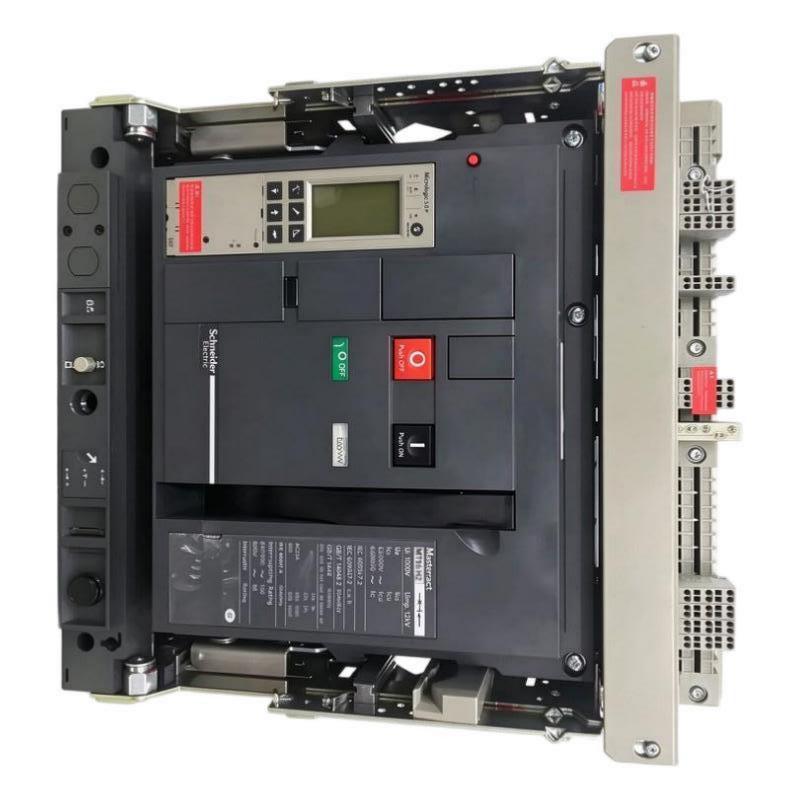
Product Overview
The Schneider Electric MT16H2 Circuit Breaker is an industrial power distribution protection product associated with high-current circuit breaker applications. Circuit breakers are essential components in industrial electrical systems because they help protect conductors, switchgear, and connected equipment against overloads and short circuits when correctly selected and installed.
In industrial facilities, a circuit breaker provides a means of switching and isolating an electrical circuit while also responding to specified fault conditions. Depending on its design and protection configuration, it can help limit equipment damage, support electrical system selectivity, and improve the safety and reliability of power distribution.
The MT16H2 designation resembles the Schneider Electric MasterPact 16H2 high-current breaker designation. A closely matching MasterPact MTZ2 16H2 configuration is rated at 1600 A and offers a high short-circuit breaking capacity. However, MT16H2 alone may not identify the complete orderable product, pole configuration, mounting arrangement, or installed trip unit. Buyers should verify the full catalog number and nameplate before treating these specifications as confirmed for a particular unit.
High-current circuit breakers are commonly used in main distribution boards, industrial switchboards, power distribution assemblies, and other installations where large electrical loads require coordinated protection. Selection depends on the rated current, system voltage, available fault current, protection requirements, and installation conditions.
For maintenance and replacement projects, accurate product identification is particularly important. Similar-looking breakers can differ in their electrical ratings, trip units, terminal arrangements, mounting styles, and accessories. A suitable replacement must meet the electrical and mechanical requirements of the existing switchgear.
Technical Specifications
| Parameter | Specification |
|---|---|
| Brand | Schneider Electric |
| Product Designation | MT16H2 |
| Product Type | Industrial Circuit Breaker |
| Product Family Reference | Similar designation to MasterPact 16H2 |
| Rated Current | 1600 A for the referenced MasterPact MTZ2 16H2 configuration |
| Maximum Rated Operational Voltage | Up to 690 V AC for the referenced configuration |
| Rated Ultimate Short-Circuit Breaking Capacity | Up to 100 kA at 415 V AC for the referenced MTZ2 16H2 configuration |
| Network Frequency | 50/60 Hz for the referenced configuration |
| Protection Application | Industrial power distribution |
| Mounting | Must be verified against the exact unit |
| Pole Configuration | Must be verified against the exact unit |
| Trip Unit | Must be verified against the exact unit |
| Dimensions Provided | 352 × 422 × 297 mm |
| Weight Provided | 50 kg |
| Identification Note | Full catalog number required to confirm exact specifications |
Important: The 1600 A and 100 kA ratings above refer to a closely matching MasterPact MTZ2 16H2 configuration, not a confirmed specification for every product listed simply as MT16H2. Verify the nameplate and manufacturer documentation before technical selection or installation. The supplied dimensions and weight are retained as listing parameters.
Function and Working Principle
A circuit breaker monitors electrical conditions and interrupts the circuit when a detected fault meets its configured trip criteria. Its principal functions include overload protection, short-circuit interruption, switching, and electrical isolation where the device is appropriately rated and installed.
1. Overload Protection
An overload occurs when a circuit carries more current than intended for a sustained period. This can cause conductors, terminals, and connected equipment to overheat.
A suitably configured circuit breaker can detect an overload and disconnect the affected circuit. The trip characteristics must match the protected conductors, load profile, and applicable electrical design requirements.
In a high-current distribution system, the protection settings should be coordinated with downstream breakers and the thermal limits of the electrical installation.
2. Short-Circuit Protection
A short circuit can produce an extremely high current over a very short period. Without effective protection, the resulting thermal and electromagnetic forces can damage busbars, cables, switchgear, and connected equipment.
A high-current circuit breaker is designed to interrupt fault currents within its rated capabilities. The selected breaking capacity must be sufficient for the prospective short-circuit current at the installation point.
The referenced MasterPact MTZ2 16H2 configuration provides a 100 kA ultimate breaking capacity at 415 V AC. This value must not be applied to an unidentified MT16H2 unit without confirming the exact breaker model and rating.
3. Switching and Isolation
Industrial circuit breakers also provide a means of switching electrical circuits. Depending on the product design and its certification, they may be suitable for isolating equipment during maintenance.
Isolation procedures must follow the applicable electrical safety rules. Opening a circuit breaker should not automatically be treated as proof that all hazardous energy has been removed. Personnel must verify the isolation state and follow the required lockout and voltage-testing procedures.
4. Protection Coordination
In a multi-level electrical distribution system, the main breaker and downstream breakers should be coordinated so that a fault can be cleared by the appropriate protective device.
Proper coordination can help reduce unnecessary interruption to unaffected equipment. Engineers should review trip curves, short-time withstand ratings, instantaneous protection, and the available fault current when designing or modifying the distribution system.
The exact coordination options depend on the installed trip unit and the breaker configuration.
Role in Industrial Power Distribution Systems
High-current circuit breakers are important in facilities where large electrical loads are supplied through main distribution boards or industrial switchgear. Their role extends beyond simply switching power: they form part of the overall protection strategy for the electrical network.
Main Distribution Protection
A main breaker can protect an incoming feeder or distribution section against specified overcurrent conditions. It may be installed upstream of smaller branch breakers that supply individual machines, control panels, or production areas.
The required rating depends on the load calculation, cable capacity, system voltage, and prospective fault current.
Industrial Switchgear
High-current breakers are often integrated into switchboards and metal-enclosed switchgear assemblies. In these installations, the mechanical arrangement, busbar connections, terminal clearances, and interlocking systems must match the specified breaker design.
A breaker cannot be considered mechanically interchangeable with another unit solely because the rated current is the same.
Protection of Production Equipment
Industrial plants use circuit breakers to protect electrical distribution circuits supplying motors, drives, transformers, heating systems, and automation equipment.
The breaker must be selected according to the electrical characteristics of the circuit and coordinated with the equipment’s own protective devices. A circuit breaker is not a substitute for motor overload protection or other specialized protection where these are required.
Power System Reliability
Correctly selected and maintained circuit breakers help limit the consequences of electrical faults and support reliable operation of the facility.
The overall reliability of the distribution system also depends on preventive maintenance, connection integrity, environmental conditions, fault studies, and the condition of associated switchgear.
Industrial Applications
1. Main Low-Voltage Distribution Boards
A 1600 A-class breaker may be used in a main distribution board where the calculated load and electrical design require this current rating.
It can provide protection and switching for an incoming supply or a major distribution section. The required breaking capacity must be determined from the actual system fault level.
2. Industrial Manufacturing Plants
Manufacturing facilities often distribute power to multiple production lines, large machines, utility systems, and auxiliary equipment.
A suitably rated main or feeder circuit breaker can form part of the protection architecture for these loads. Proper coordination helps isolate faults while reducing the impact on other operating areas.
3. Data Centers and Critical Facilities
Data centers and other critical facilities require carefully engineered power distribution systems. High-current circuit breakers may be used in switchgear supplying distribution sections, transformers, or other major electrical loads.
The breaker must be selected for the facility’s load profile, fault current, selectivity requirements, and operating arrangement. Critical applications may also require redundancy and monitoring systems beyond the capabilities of a single breaker.
4. Commercial and Infrastructure Buildings
Large commercial buildings, transportation facilities, and infrastructure installations may use high-current breakers in main electrical distribution equipment.
Appropriate selection requires compliance with applicable standards, system voltage, load requirements, fault calculations, and switchgear specifications.
5. Industrial Utility Systems
Pumping stations, water treatment plants, process utilities, and large ventilation systems may rely on high-current distribution equipment to supply multiple loads.
Circuit breakers can help protect the distribution circuits feeding these systems. The exact application must be evaluated against the breaker ratings and the electrical characteristics of the installation.
Installation and System Integration
Installation of a high-current circuit breaker should be performed by qualified electrical personnel using the manufacturer’s instructions and applicable electrical codes.
1. Verify the Complete Product Identification
Before installation, record the full catalog number, serial or identification information, pole configuration, rated current, voltage rating, and trip unit details.
The MT16H2 designation by itself is insufficient to confirm every specification. Compare the nameplate with the switchgear drawings and the original equipment documentation.
2. Confirm Electrical Ratings
Verify the system voltage, continuous load current, prospective short-circuit current, and required protection settings.
The breaker must have an adequate breaking capacity for the installation point. The current rating alone does not determine whether the breaker is suitable for a particular distribution system.
3. Check Mounting and Mechanical Compatibility
The supplied dimensions are 352 × 422 × 297 mm, with a listed weight of 50 kg.
Before preparing the switchgear or planning a replacement, verify the dimensions, terminal orientation, mounting arrangement, connection pitch, and required clearances against the exact model.
A difference in fixed versus drawout construction, pole count, or terminal arrangement may prevent a replacement from fitting the existing assembly.
4. Inspect Electrical Connections
Busbar and cable connections must comply with the manufacturer’s requirements for conductor size, terminal preparation, tightening torque, and clearances.
Poor connections can lead to overheating and premature failure. Connection inspections should be performed only under appropriate isolation and safety procedures.
5. Configure and Verify Protection Settings
If the breaker uses an electronic trip unit, confirm the installed unit’s model and available protection functions. Review the long-time, short-time, instantaneous, and ground-fault settings where applicable.
Protection settings must be based on the electrical design and coordination study. Do not copy settings from another breaker without confirming that the equipment and circuit conditions are equivalent.
6. Commission the Installation
Before returning the breaker to service, qualified personnel should verify the mechanical operation, connections, interlocks, protection settings, and required test results.
Commissioning records should document the breaker identity, test procedure, protection configuration, and any deviations from the original design.
Compatible System Components
The circuit breaker operates as part of a wider electrical distribution assembly. The exact compatible components depend on the confirmed breaker family and configuration.
| Component | Function | Compatibility Considerations |
|---|---|---|
| Industrial switchgear | Houses and supports the breaker | Verify the exact frame, mounting, and connection arrangement |
| Busbar assembly | Distributes electrical power | Check current capacity, connection pitch, and clearances |
| Electronic trip unit | Provides configured protection functions | Confirm the exact compatible trip unit and its ratings |
| Current sensors or transformers | Provide current information for protection or metering | Verify compatibility with the breaker and protection system |
| Upstream protective device | Provides coordinated protection for the supply circuit | Review fault levels and selectivity requirements |
| Downstream circuit breakers | Protect branch circuits and equipment | Coordinate trip characteristics with the main breaker |
| Auxiliary contacts | Provide breaker status to monitoring or control systems | Confirm the supported accessory type and wiring |
| Shunt trip or undervoltage release | Provides additional trip or release functions where fitted | Verify exact accessory compatibility and control voltage |
| Electrical monitoring system | Measures or reports distribution conditions | Confirm available signals and communication accessories |
| Grounding system | Provides the required protective earthing arrangement | Follow the installation design and applicable codes |
These are typical system components rather than a statement that every accessory is included with the MT16H2 listing.
Alternative Models and Replacement Considerations
When replacing an existing high-current circuit breaker, the closest model name is not sufficient to establish interchangeability.
| Alternative or Related Option | Consideration |
|---|---|
| Schneider Electric MasterPact MTZ2 16H2 | A related 1600 A-class product designation; verify pole count, mounting, breaking capacity, and full catalog number |
| Schneider Electric MasterPact MTZ1 16H2 | A related product family with different physical and electrical configurations depending on the model |
| Schneider Electric MasterPact MTZ2 variants | May differ in pole count, fixed or drawout construction, neutral arrangement, trip unit, and accessories |
| Other Schneider Electric high-current breakers | Require full electrical, mechanical, and protection coordination checks before substitution |
| Equivalent breakers from another manufacturer | Require engineering assessment of ratings, dimensions, connections, protection functions, and applicable standards |
Before approving a replacement, compare:
- Rated operational voltage and continuous current.
- Ultimate and service short-circuit breaking capacity.
- Short-time withstand current and required selectivity.
- Number of poles and neutral arrangement.
- Fixed or drawout mounting configuration.
- Trip unit type and available protection functions.
- Busbar connections, terminal spacing, and phase arrangement.
- Auxiliary contacts, release coils, and monitoring accessories.
- Physical dimensions, weight, and switchgear compatibility.
- Applicable IEC or other required product standards.
A replacement must be suitable for the complete electrical system, not merely similar in appearance or current rating.
Key Advantages
High-Current Distribution Capability
The related MasterPact 16H2 range includes configurations designed for high-current power distribution. The appropriate model can protect major feeders and distribution sections when correctly selected.
Overload and Short-Circuit Protection
A properly configured breaker helps disconnect circuits under specified fault conditions, reducing the risk of damage to conductors and electrical equipment.
Integration into Industrial Switchgear
High-current breakers can be incorporated into engineered switchgear and distribution boards, provided that the mounting and connection arrangements match the selected unit.
Protection Coordination
When coordinated with upstream and downstream devices, the breaker can contribute to selective fault clearing and help limit unnecessary interruption to unaffected circuits.
Maintainability
Accurate identification, suitable inspection procedures, and documented protection settings can support maintenance planning and reduce the risk of incorrect replacement.
Support for Industrial Electrical Safety
When properly installed and maintained, a suitable circuit breaker forms part of the facility’s electrical protection strategy. Overall safety still depends on correct system design, grounding, isolation procedures, and qualified maintenance.
Technical FAQs
1. What is the Schneider Electric MT16H2 Circuit Breaker?
MT16H2 is the designation supplied for this listing. It resembles the designation used for Schneider Electric MasterPact 16H2 high-current circuit breakers. The complete orderable model must be verified before assigning exact electrical specifications.
2. What is the rated current?
A closely matching MasterPact MTZ2 16H2 configuration is rated at 1600 A. Confirm the nameplate of the actual MT16H2 unit before using this value for engineering or purchasing decisions.
3. What is the short-circuit breaking capacity?
The referenced MasterPact MTZ2 16H2 configuration has an ultimate short-circuit breaking capacity of 100 kA at 415 V AC. The applicable value varies with the exact model and operating voltage.
4. What is the maximum operating voltage?
The related MTZ2 16H2 configuration supports a rated operational voltage of up to 690 V AC. The exact rating for the listed unit must be checked against its nameplate and technical documentation.
5. What are the dimensions and weight?
The supplied listing gives dimensions of 352 × 422 × 297 mm and a weight of 50 kg. Verify the exact model’s dimensional drawing and confirm whether the weight refers to the breaker itself or a shipping configuration.
6. Can this breaker be used in a 1600 A distribution system?
Only if the complete breaker ratings, protection settings, fault-current capability, and switchgear installation meet the system requirements. A 1600 A nominal rating alone does not establish suitability.
7. Can MT16H2 replace a MasterPact MTZ2 16H2?
Do not assume interchangeability from the designation alone. Verify the full catalog number, mounting style, pole configuration, trip unit, terminal arrangement, accessories, and electrical ratings.
8. Does the circuit breaker include an electronic trip unit?
This cannot be confirmed from the shortened MT16H2 designation alone. Check the actual unit and its bill of materials to establish which trip unit and protection functions are installed.
9. What should be checked when purchasing a used breaker?
Confirm the full model number, nameplate ratings, mechanical condition, terminals, accessories, trip unit, and available inspection or test records. For critical applications, qualified personnel should assess the breaker before installation.
10. Is the 50 kg weight suitable for a product listing?
It is consistent with the net weight listed for the referenced MasterPact MTZ2 16H2 fixed, three-pole configuration. Verify the exact model and packaging basis before publishing the weight as a confirmed specification.
Procurement and Maintenance Recommendations
For procurement, begin by confirming whether the product is a MasterPact MTZ2 16H2 or another breaker represented by the shortened MT16H2 designation. Request a clear nameplate photograph and the full catalog number before confirming price, stock, or technical compatibility.
Check the rated current, operating voltage, short-circuit breaking capacity, trip unit, pole count, mounting style, and connection arrangement. Confirm whether the breaker includes auxiliary contacts, release coils, monitoring accessories, or other options required by the existing switchgear.
For used or refurbished equipment, request details of the operating condition, inspection history, functional testing, and warranty terms. Check for visible damage, corrosion, abnormal wear, and signs of overheating, but do not rely on visual inspection alone for a high-current protection device.
During maintenance, follow the manufacturer’s specified inspection and testing procedures. Record the breaker identity, protection settings, test results, and any replacement parts. Electrical testing and servicing should be carried out by qualified personnel using suitable equipment and safety procedures.
Before replacing a breaker, ensure that the proposed unit is compatible with the entire switchgear assembly and the system protection study. If the original configuration cannot be confirmed, obtain engineering review rather than relying on the shortened model name.
Conclusion
The Schneider Electric MT16H2 Circuit Breaker listing refers to a high-current industrial circuit breaker. A closely matching MasterPact MTZ2 16H2 configuration is rated at 1600 A and provides up to 100 kA ultimate short-circuit breaking capacity at 415 V AC.
Because MT16H2 alone does not establish the exact catalog number or configuration, the final specifications should be confirmed against the actual nameplate and manufacturer documentation. Careful verification of electrical ratings, protection functions, mounting dimensions, and accessories is essential for safe procurement, installation, and replacement in industrial power distribution systems.