

ProductPRODUCT
Featured products
Contact Us
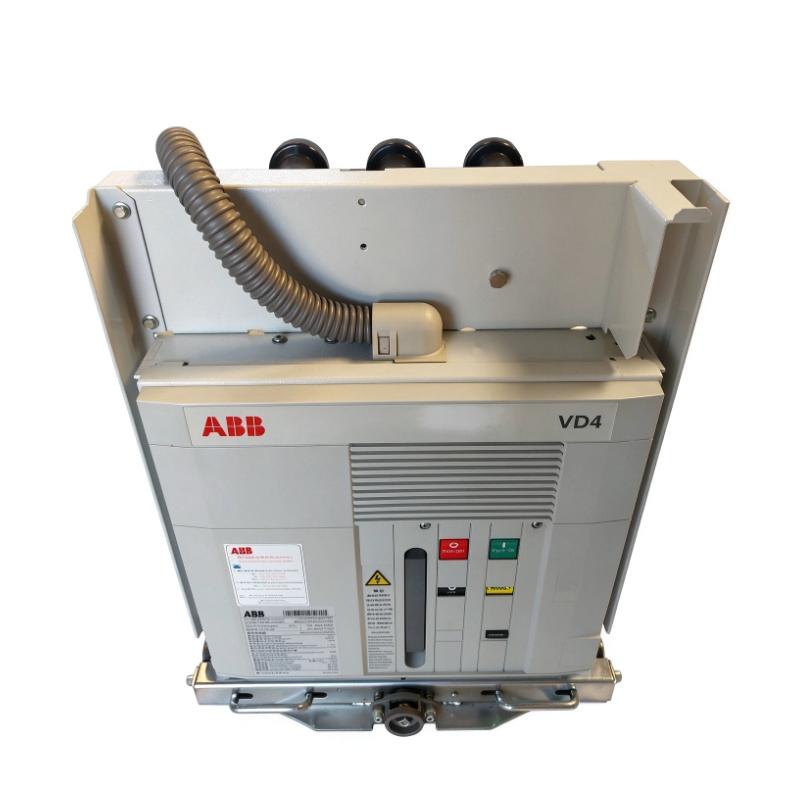
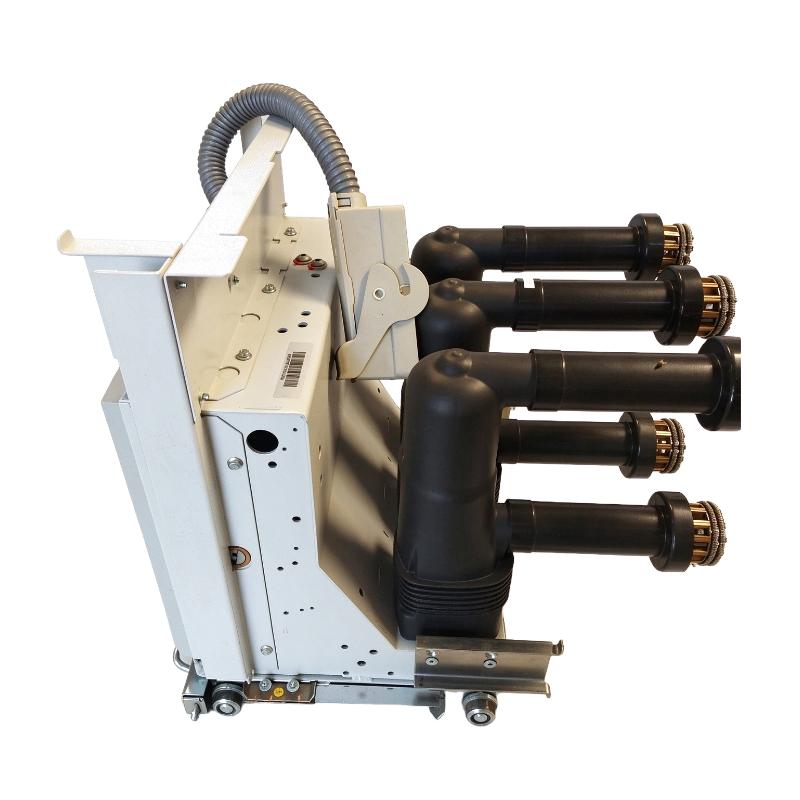
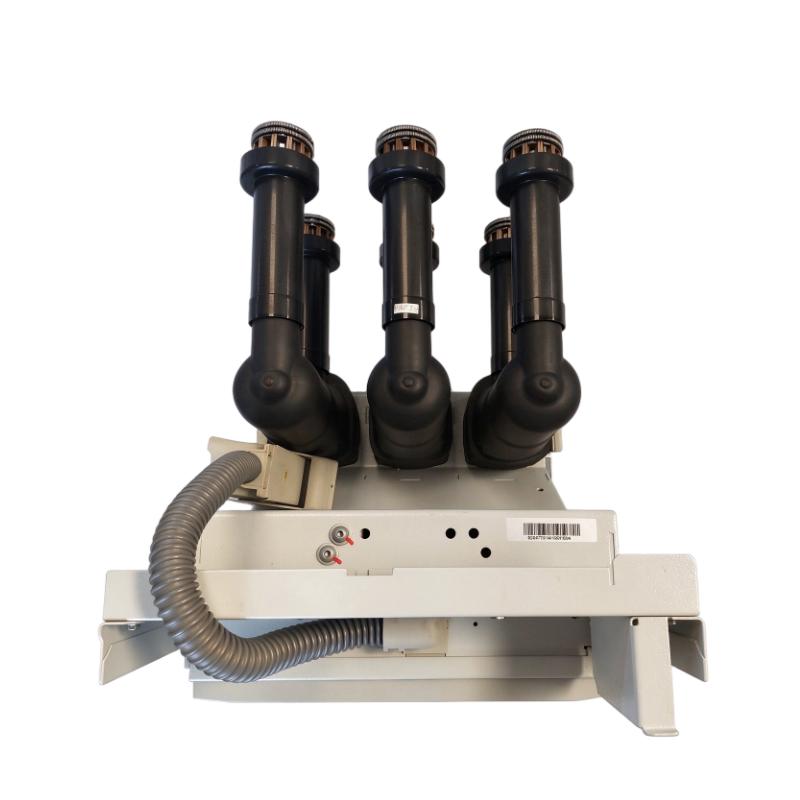
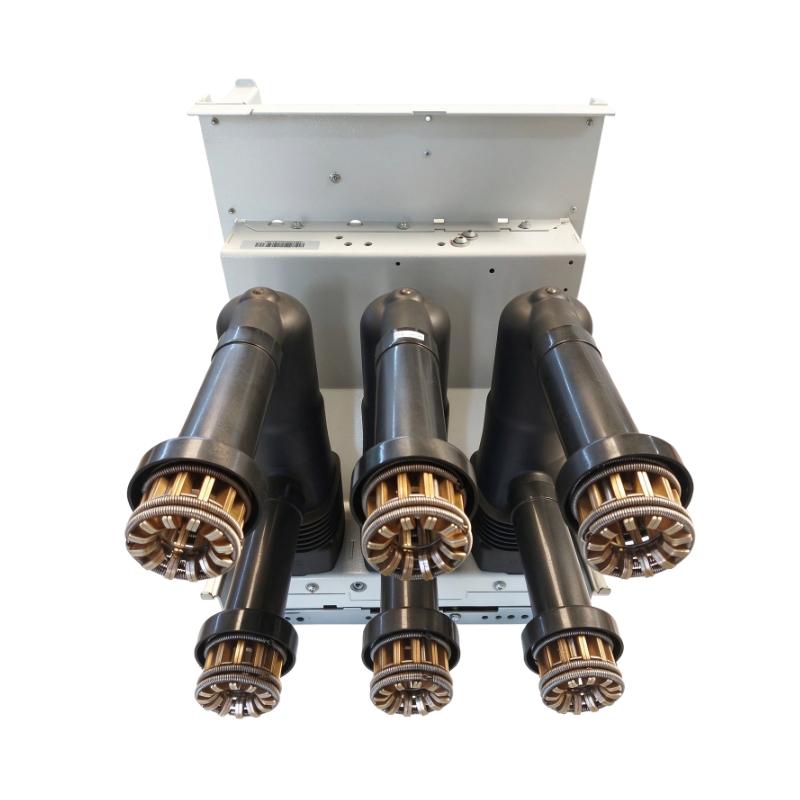
- ABB
- VD4/P 12.16.25
- Medium Voltage Vacuum Circuit Breaker
- Sweden (SE)
- 662 × 503 × 628 mm
- 116 kg
- Xiamen, China
- New & In Stock
- T/T, PayPal, Western Union
- 1 Year
- 1-3 Working Days
- DHL, UPS, TNT, FedEx and EMS.
- 24-Hour Service
- COO
- 9
Our advantage

Global Logistics
We have a 10-year logistics and express cooperation agreement, so our products can be shipped to any place in the world.

Brand new and original
Our products are imported in bulk from the place of origin. Because of the cooperative relationship, our products are all original and 100% new.

24-hour service
We provide 7*24 hours service to our customers. We will be there whenever you need us.

Price advantage
All our products are priced very favorably because we have our own warehouse and supply.
| Company Information | |||
| [email protected] | |||
| Mobile | +8615980777398 | ||
| +8615980777398 | |||
| 15980777398 |
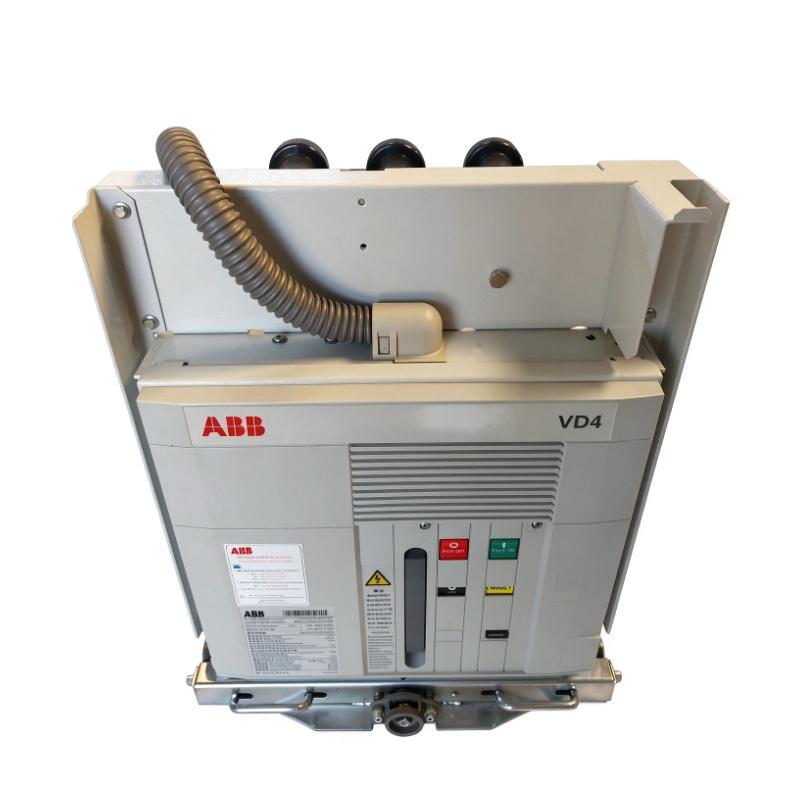
Product Overview
The ABB VD4/P 12.16.25 Medium Voltage Vacuum Circuit Breaker is a withdrawable switching and protection device for medium-voltage power distribution systems. It uses vacuum interrupters to extinguish electrical arcs during switching and fault interruption, helping protect transformers, cables, motors, and other equipment connected to the distribution network.
This configuration belongs to the ABB VD4 family and has a rated voltage of 12 kV, a rated current of 1600 A, and a rated short-circuit breaking current of 25 kA. These ratings make it relevant to medium-voltage switchgear installations where the circuit breaker must handle normal load switching and interrupt fault currents within its specified operating limits.
The VD4/P uses a spring-operated mechanical mechanism to open and close the main contacts. Its withdrawable arrangement allows the breaker to be moved between designated operating and disconnected positions in compatible switchgear, supporting maintenance and isolation procedures when the complete installation is correctly configured.
For maintenance engineers, selecting the correct VD4/P variant requires more than matching the rated voltage. Rated current, short-circuit breaking capacity, pole spacing, switchgear compartment design, control voltage, auxiliary contacts, and interlocking arrangements must also match the application. The 12.16.25 designation identifies a specific electrical configuration that should not be substituted with another VD4 model solely because it belongs to the same product family.
Technical Specifications
| Parameter | Specification |
|---|---|
| Manufacturer | ABB |
| Product Type | Medium Voltage Vacuum Circuit Breaker |
| Model | VD4/P 12.16.25 |
| Product Series | ABB VD4 |
| Circuit Breaker Type | Withdrawable Vacuum Circuit Breaker |
| Rated Voltage | 12 kV |
| Rated Current | 1600 A |
| Rated Short-Circuit Breaking Current | 25 kA |
| Rated Short-Time Withstand Current | 25 kA, 3 s |
| Rated Making Capacity | 63 kA peak |
| Rated Frequency | 50/60 Hz |
| Rated Power-Frequency Withstand Voltage | 28 kV |
| Rated Lightning Impulse Withstand Voltage | 75 kV |
| Arc-Extinguishing Medium | Vacuum |
| Operating Mechanism | Spring-operated mechanical mechanism |
| Applicable Standard | IEC 62271-100 |
| Dimensions | 662 × 503 × 628 mm |
| Weight | 116 kg |
Product Features
- Vacuum arc interruption: Uses vacuum interrupters to extinguish arcs when the main contacts separate, supporting controlled interruption of load and fault currents.
- 12 kV voltage class: Intended for compatible medium-voltage distribution systems operating within the specified ratings.
- 1600 A rated current: Supports continuous current within the applicable operating and installation conditions.
- 25 kA short-circuit breaking capacity: Defines the specified symmetrical fault-current interruption capability.
- Spring-operated mechanism: Provides the mechanical energy required for breaker opening and closing operations.
- Withdrawable construction: Supports movement between designated switchgear positions when installed in a compatible compartment.
- Mechanical and electrical interlocking: Works with the associated switchgear interlocks to prevent prohibited operating sequences.
- Maintenance-oriented architecture: Allows the breaker to be isolated and withdrawn according to the switchgear manufacturer’s procedures.
Working Principle
The VD4/P 12.16.25 interrupts electrical circuits through vacuum arc-extinguishing technology combined with a spring-operated mechanism.
During normal operation, the main contacts remain closed, allowing current to flow through the breaker into the connected load. When an opening command is issued by the control circuit or protection system, the operating mechanism releases stored mechanical energy and separates the contacts.
As the contacts open under load or fault conditions, an electrical arc forms between them. The vacuum interrupter controls the arc, and interruption occurs around the natural current zero under the breaker’s specified operating conditions. The dielectric strength between the separated contacts then recovers to withstand the voltage across the open circuit.
The main operating sequence can be summarized as follows:
Protection Relay or Control Command → Operating Mechanism → Main Contact Separation → Vacuum Arc Interruption → Circuit Isolation
During a fault, the protection relay detects an abnormal electrical condition and sends a trip command to the breaker. The operating mechanism opens the contacts, interrupting the fault current within the breaker’s rated capabilities. The relay and breaker perform different functions: the relay identifies the fault and issues the command, while the circuit breaker physically interrupts the current.
Closing follows the corresponding mechanical sequence. When a valid closing command is received and the required permissive conditions are satisfied, the mechanism closes the main contacts to restore the circuit. Spring charging, auxiliary contacts, trip coils, closing coils, and interlocks support the operating sequence according to the installed configuration.
The vacuum interrupter, operating mechanism, protection relay, and switchgear interlocks must all function correctly for the complete protection arrangement to operate as intended.
Role in the Medium-Voltage Control and Protection Architecture
The ABB VD4/P 12.16.25 acts as the primary switching and fault-interruption device in a compatible medium-voltage switchgear assembly. It works with current transformers, voltage transformers where applicable, protection relays, control circuits, and the switchgear’s mechanical and electrical interlocks.
A typical protection arrangement is:
Medium-Voltage Supply → Current and Voltage Sensing → Protection Relay → VD4/P Circuit Breaker → Protected Feeder or Electrical Load
| System Component | Function |
|---|---|
| VD4/P 12.16.25 | Switches the circuit and interrupts fault current within its rated capabilities |
| Protection Relay | Detects configured electrical faults and issues trip commands |
| Current Transformers | Provide current signals for protection and measurement |
| Voltage Transformers | Provide voltage signals where required by the protection scheme |
| Trip Coil | Initiates the breaker-opening operation |
| Closing Coil | Initiates the breaker-closing operation |
| Auxiliary Contacts | Provide breaker-status feedback to control and monitoring circuits |
| Mechanical and Electrical Interlocks | Prevent prohibited operating sequences |
| Switchgear Compartment | Provides the compatible mounting, connection, and isolation arrangement |
| Control and Monitoring System | Receives status information and supports remote operation where configured |
The breaker does not independently determine every fault condition. Its protection performance depends on the coordinated operation of the sensing devices, protection settings, control circuits, operating mechanism, and switchgear installation.
Industrial Applications
| Application | Typical Use |
|---|---|
| Medium-Voltage Substations | Switching and protecting distribution feeders |
| Industrial Power Distribution | Controlling power supplied to plant distribution circuits |
| Transformer Feeders | Interrupting transformer supply circuits when required by the protection scheme |
| Motor Feeders | Switching compatible medium-voltage motor circuits |
| Manufacturing Facilities | Protecting electrical distribution equipment in industrial plants |
| Chemical Processing | Supporting medium-voltage distribution for process equipment |
| Oil and Gas Facilities | Switching and protecting compatible plant power circuits |
| Power Generation Auxiliary Systems | Controlling selected medium-voltage auxiliary distribution circuits |
| Commercial and Infrastructure Facilities | Supporting medium-voltage switchgear applications |
| Electrical Retrofit Projects | Replacing an existing breaker when ratings and switchgear interfaces match |
Application suitability must be assessed against the system voltage, available fault current, load characteristics, protection coordination, and switchgear design. A breaker with a matching voltage rating may still be unsuitable if its interrupting capacity or mechanical interface does not meet the installation requirements.
Installation and Maintenance
- Verify the complete model designation: Confirm VD4/P 12.16.25 and check the rated current, short-circuit breaking capacity, and other nameplate information before installation.
- Check switchgear compatibility: Confirm that the compartment, withdrawable mechanism, primary contacts, and required interfaces match the specific breaker configuration.
- Review electrical ratings: Verify system voltage, prospective short-circuit current, load current, frequency, and the protection scheme before commissioning.
- Follow electrical isolation procedures: De-energize the relevant circuits, apply the required lockout/tagout measures, and verify the absence of voltage before performing maintenance.
- Inspect the breaker mechanism: Check for visible mechanical damage, abnormal wear, loose components, or evidence of improper handling.
- Examine the primary contacts: Inspect the primary disconnect contacts and associated interfaces according to the approved maintenance procedure.
- Check the vacuum interrupters: Perform the specified inspection and testing procedures. Use the prescribed test methods and acceptance limits rather than relying on visual inspection alone.
- Verify the operating mechanism: Check spring charging, opening and closing operations, mechanical indicators, and the applicable operating sequence.
- Test the control circuits: Verify the trip coil, closing coil, auxiliary contacts, control supply, and associated wiring against the approved circuit diagrams.
- Inspect the interlocks: Confirm that mechanical and electrical interlocks operate correctly and prevent prohibited racking, opening, or closing sequences.
- Perform functional and protection tests: Check breaker operation, trip commands, status feedback, and protection coordination before returning the equipment to service.
- Record maintenance results: Document test results, defects, corrective actions, operating counts where available, and the final commissioning status.
All inspection, testing, and servicing should follow the applicable ABB instructions and site electrical safety requirements. Do not return the breaker to service if its operating mechanism, insulation performance, interlocks, or protection circuits fail the prescribed checks.
Compatible System Components
The VD4/P 12.16.25 must be installed in a switchgear configuration that matches its electrical ratings, withdrawable arrangement, pole spacing, primary contacts, and operating interfaces.
| Component | Function |
|---|---|
| Compatible Medium-Voltage Switchgear | Houses the breaker and provides the required primary and secondary interfaces |
| Protection Relay | Detects configured faults and initiates circuit interruption |
| Current Transformers | Supply current measurements to protection and metering circuits |
| Voltage Transformers | Supply voltage measurements when required by the protection design |
| Trip and Closing Coils | Operate the breaker through the control circuit |
| Auxiliary Contact Assembly | Provides breaker position and operating-status signals |
| Spring-Charging Motor | Charges the operating mechanism where motorized charging is fitted |
| Mechanical Interlocking Assembly | Enforces permitted mechanical operating sequences |
| Electrical Control Circuit | Coordinates breaker commands, permissives, and status feedback |
| Busbar and Feeder Connections | Connect the breaker to the switchgear’s medium-voltage circuit |
Recommended Related Models
The following models are related VD4 family configurations. They are not automatic replacements for VD4/P 12.16.25; electrical ratings and switchgear interfaces must be checked individually.
| Model | Product Type | Key Difference |
|---|---|---|
| ABB VD4/P 12.12.25 | Medium Voltage Vacuum Circuit Breaker | 12 kV family variant with a different rated-current configuration |
| ABB VD4/P 12.16.20 | Medium Voltage Vacuum Circuit Breaker | 12 kV, 1600 A family variant with a 20 kA short-circuit breaking rating |
| ABB VD4/P 12.16.32 | Medium Voltage Vacuum Circuit Breaker | 12 kV, 1600 A family variant with a 31.5 kA short-circuit breaking rating |
| ABB VD4/P 12.20.25 | Medium Voltage Vacuum Circuit Breaker | 12 kV family variant with a different rated-current configuration |
| ABB VD4/W 12 | Medium Voltage Vacuum Circuit Breaker | Related withdrawable VD4 family configuration |
| ABB VD4 12.16.25 | Medium Voltage Vacuum Circuit Breaker | Related 12 kV, 1600 A, 25 kA VD4 configuration; mounting and interface compatibility must be confirmed |
Key Advantages
- Uses vacuum interruption technology for medium-voltage switching and fault interruption.
- Combines a 12 kV voltage class with a 1600 A rated-current configuration.
- Provides a specified 25 kA short-circuit breaking capability.
- Uses a spring-operated mechanism for controlled opening and closing.
- Supports withdrawable operation in compatible switchgear assemblies.
- Integrates with external protection relays and switchgear control circuits.
Technical FAQs
What do the ratings in VD4/P 12.16.25 indicate?
The designation identifies a VD4/P configuration in the 12 kV voltage class, with a rated current of 1600 A and a rated short-circuit breaking current of 25 kA. These ratings must be considered together with the switchgear configuration and the installation’s prospective fault current.
Can the VD4/P 12.16.25 interrupt a 25 kA fault?
Its specified rated short-circuit breaking current is 25 kA under the applicable test conditions. The actual application must also satisfy the relevant system voltage, operating sequence, transient recovery voltage, and installation requirements.
What is the difference between the trip coil and the closing coil?
The trip coil initiates the opening operation when commanded by the protection or control circuit. The closing coil initiates the closing operation when the required conditions are satisfied. Their control voltages and electrical connections must match the installed breaker configuration.
What must be verified before replacing an existing VD4 breaker with this model?
Check the rated voltage, continuous current, short-circuit breaking capacity, pole spacing, primary contact arrangement, withdrawable mechanism, control voltage, auxiliary contacts, and interlocking interfaces. Confirming the complete switchgear compatibility is necessary even when both breakers belong to the VD4 family.