

ProductPRODUCT
Featured products
Contact Us
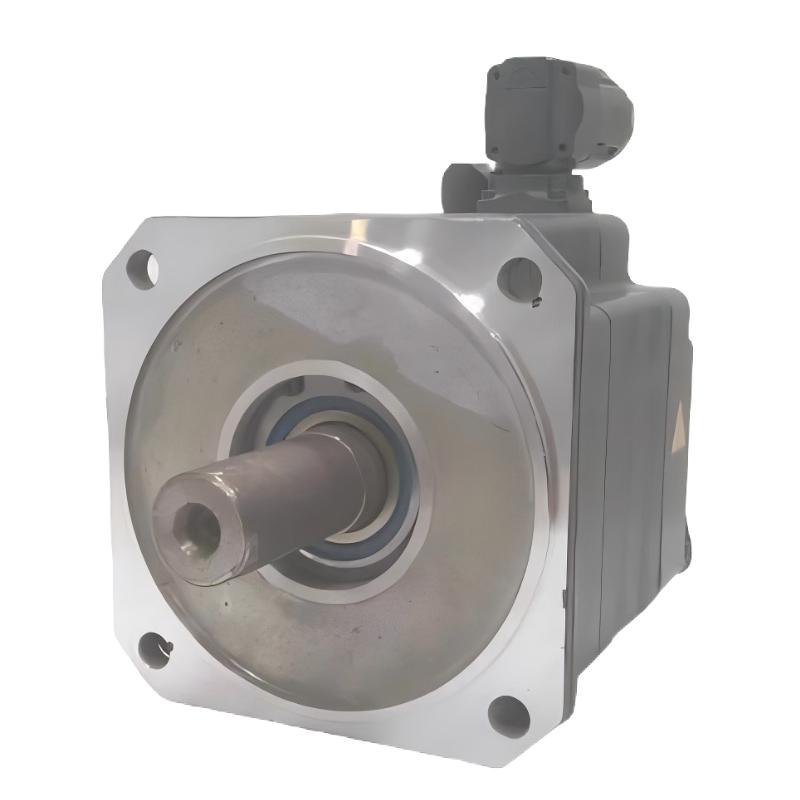
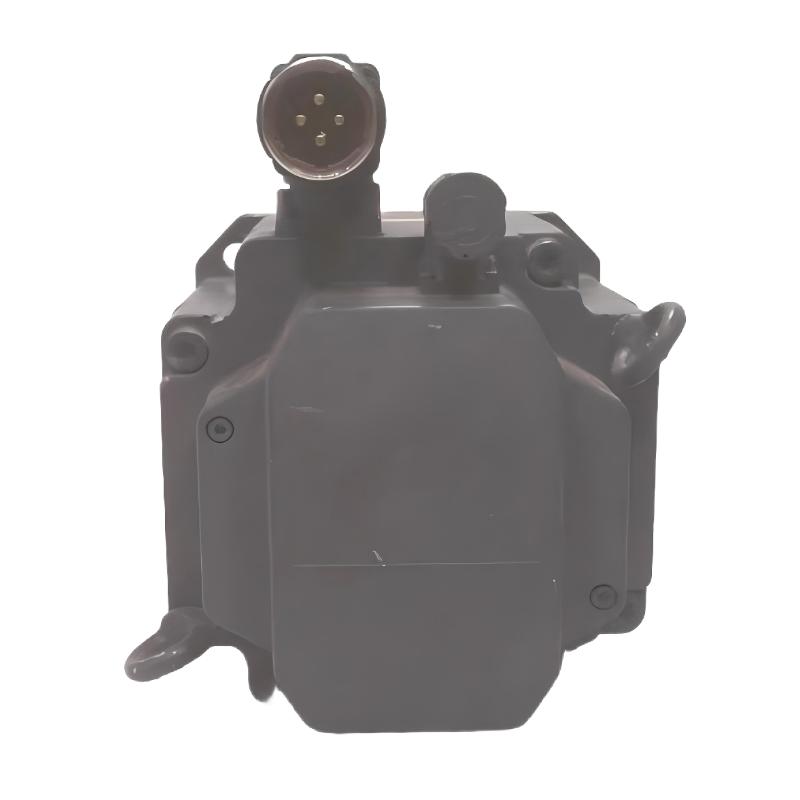
- Siemens
- 1FK7101-5AF71-1AG3
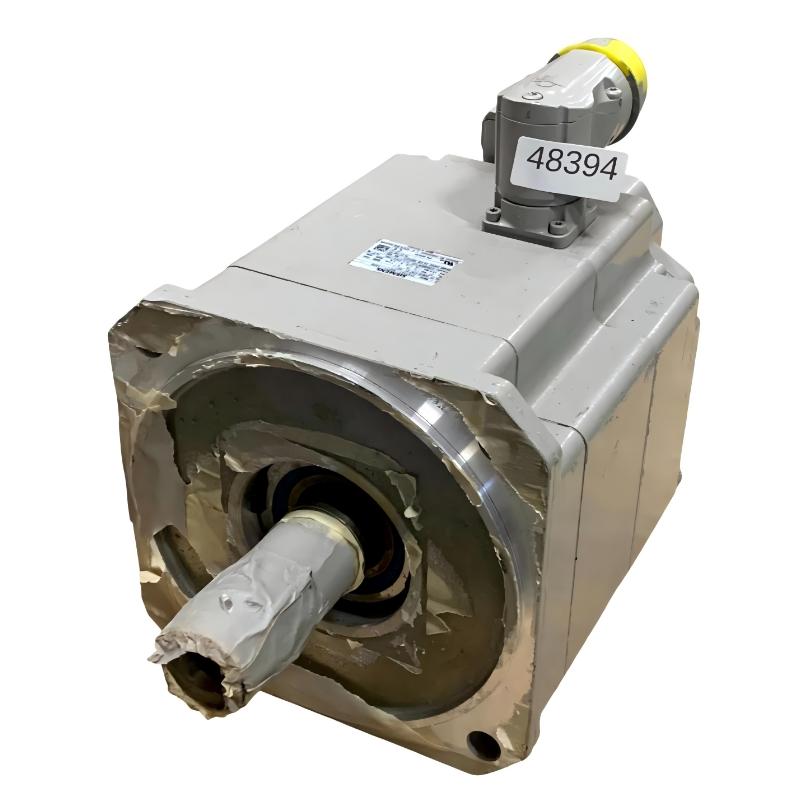
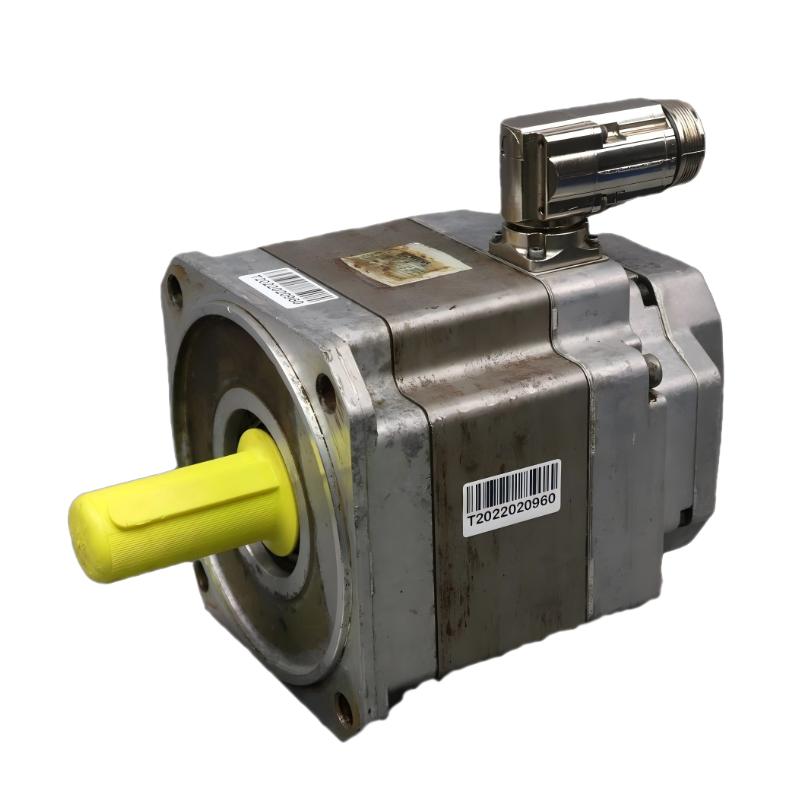
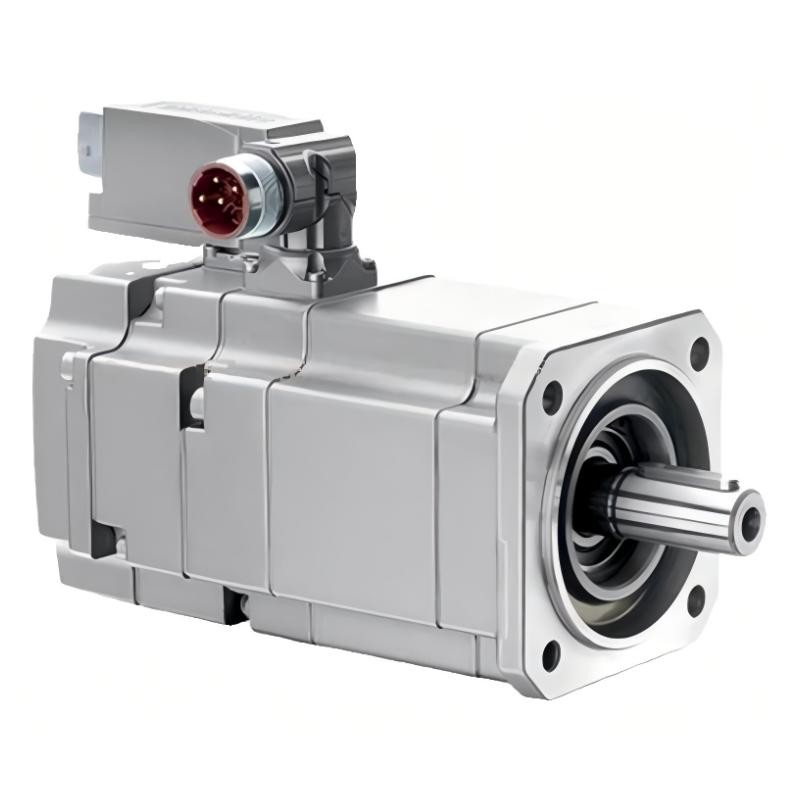
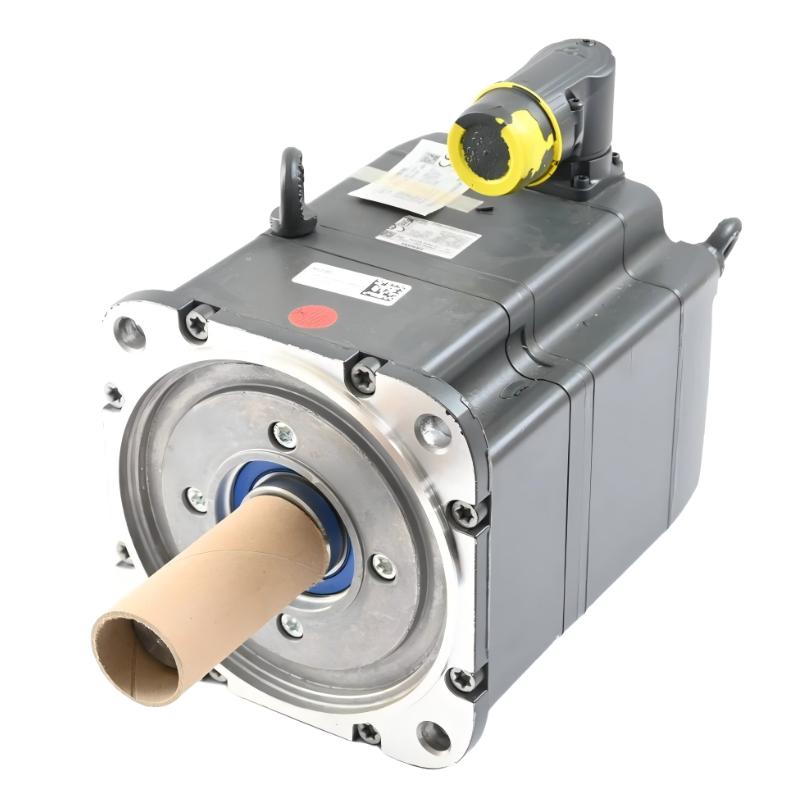
- SIMOTICS S Synchronous Motor
- Germany
- 300 mm x 200 mm x 150 mm
- 23kg
- Xiamen, China
- New & In Stock
- T/T, PayPal, Western Union
- 1 Year
- 1-3 Working Days
- DHL, UPS, TNT, FedEx and EMS.
- 24-Hour Service
- COO
- 8
Our advantage

Global Logistics
We have a 10-year logistics and express cooperation agreement, so our products can be shipped to any place in the world.

Brand new and original
Our products are imported in bulk from the place of origin. Because of the cooperative relationship, our products are all original and 100% new.

24-hour service
We provide 7*24 hours service to our customers. We will be there whenever you need us.

Price advantage
All our products are priced very favorably because we have our own warehouse and supply.
| Company Information | |||
| [email protected] | |||
| Mobile | +8615980777398 | ||
| +8615980777398 | |||
| 15980777398 |
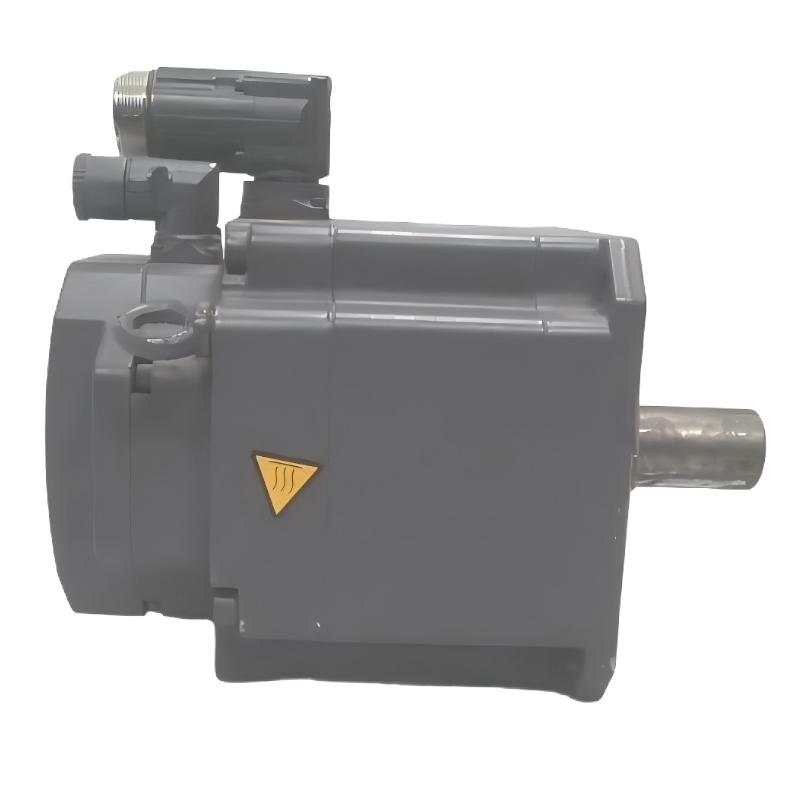
Siemens 1FK7101-5AF71-1AG3 Servo Motor — Product Overview, Technical Specifications, Applications and Advantages
1. Product Overview
The Siemens 1FK7101-5AF71-1AG3 is a SIMOTICS S synchronous servo motor belonging to the 1FK7 Compact series. It is designed for industrial automation systems that require controlled movement, stable torque delivery, accurate speed regulation, and repeatable positioning.
This motor is intended for use with a compatible servo drive and motion controller. In a closed-loop system, the encoder supplies feedback to the drive, allowing it to regulate motor speed and position according to the programmed commands. This makes the motor suitable for machinery that performs repetitive movements, coordinated production cycles, and controlled acceleration and deceleration.
The 1FK7 Compact series is commonly considered for machine tools, packaging equipment, automated assembly machinery, material-handling systems, and special-purpose industrial machines. The suitability of any particular motor depends on the required torque, speed range, load inertia, duty cycle, feedback interface, and installation conditions.
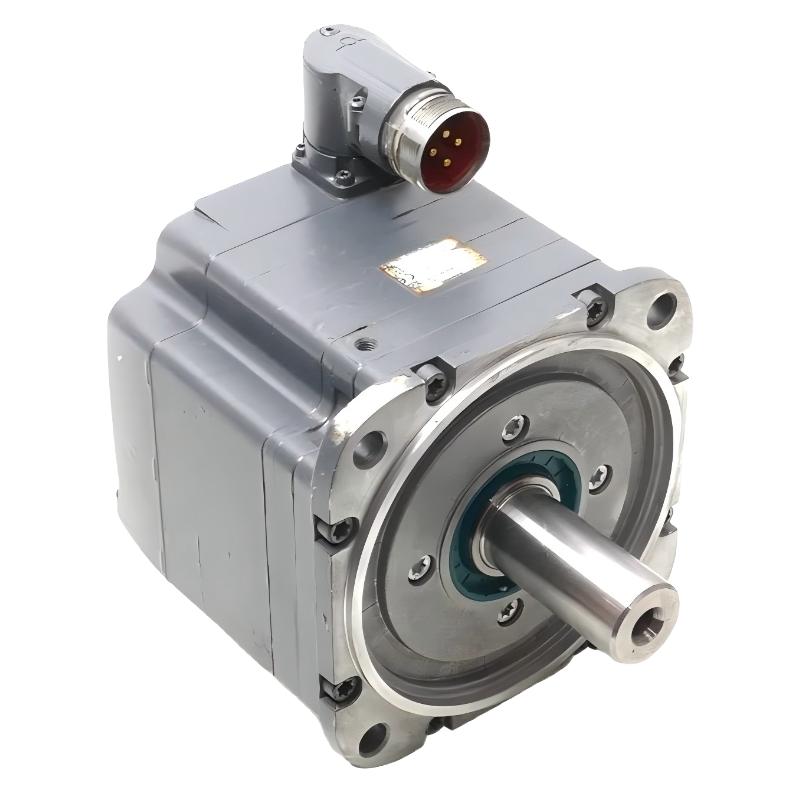
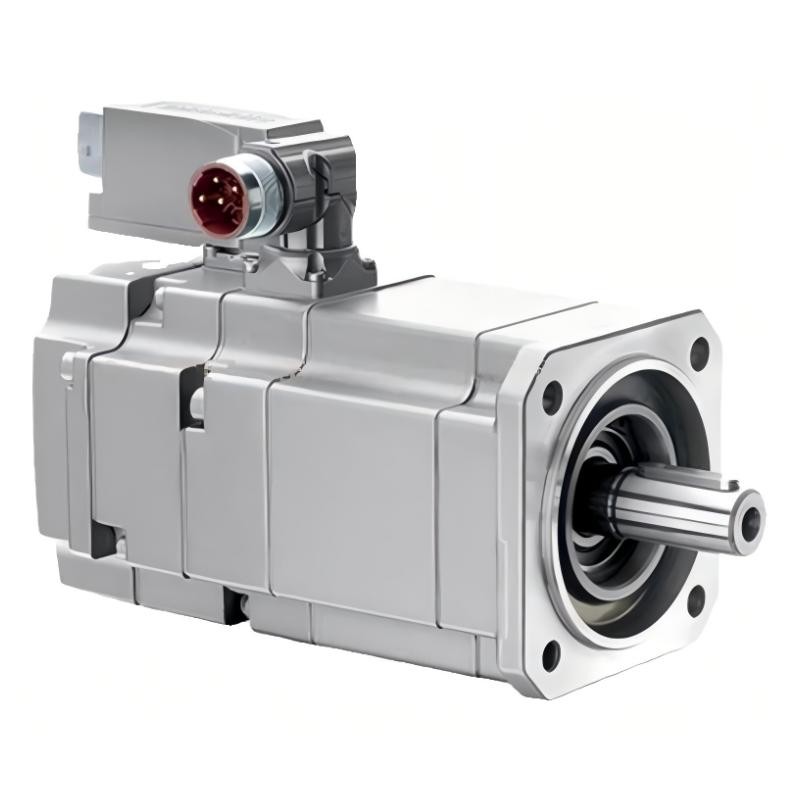
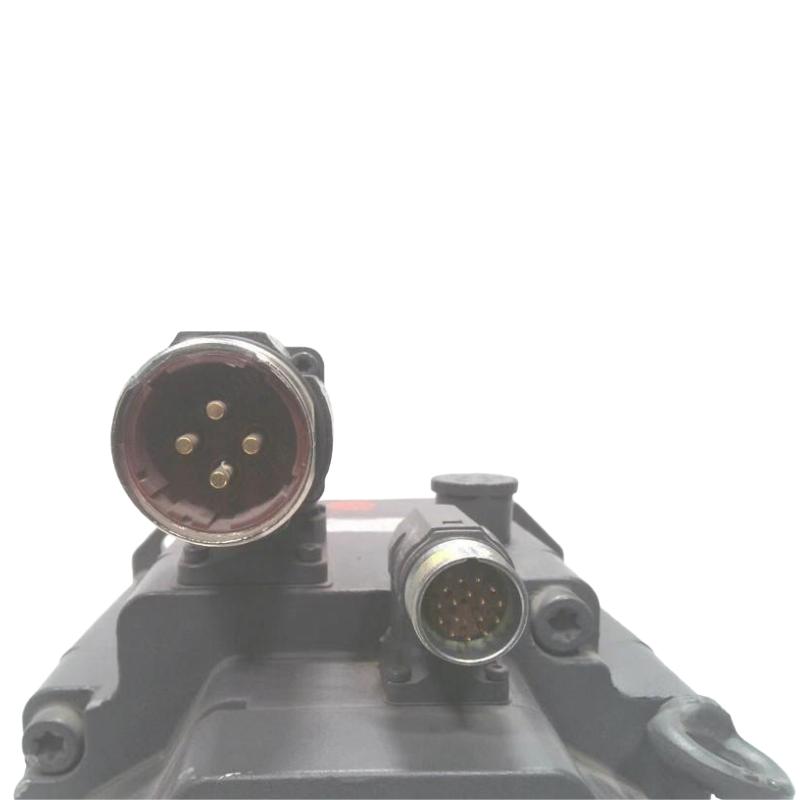
The 1FK7101-5AF71-1AG3 is specified with natural cooling, an incremental SIN/COS encoder, a plain shaft, and IP64 protection. Its power and signal connectors can be rotated through 270 degrees, which provides additional flexibility when planning cable routing in a confined machine enclosure.
The model does not include a built-in holding brake. This is an important consideration for vertical axes, gravity-loaded mechanisms, and any installation where a load must remain stationary when the drive is disabled.
2. Technical Parameters
The following table presents the principal product characteristics for preliminary identification and engineering assessment. Ratings and mechanical details should be checked against the nameplate and the technical documentation for the complete order number before installation or replacement.
| Parameter | Specification |
|---|---|
| Model | 1FK7101-5AF71-1AG3 |
| Brand | Siemens |
| Product family | SIMOTICS S |
| Product series | 1FK7 Compact |
| Motor type | Synchronous servo motor |
| Motor technology | Permanent-magnet synchronous motor |
| Optimum operating power | Approximately 4.85–4.9 kW |
| Rated speed | 3,000 rpm |
| Rated torque | Approximately 15.5 Nm |
| Static torque at 60 K temperature rise | Approximately 22.4–22.5 Nm |
| Static torque at 100 K temperature rise | 27 Nm |
| Maximum torque | 80 Nm |
| Rated current | Approximately 11.8 A |
| Maximum current | Approximately 63 A; confirm the exact operating conditions |
| Number of poles | 8 |
| Maximum permissible mechanical speed | 5,000 rpm |
| Cooling method | Natural cooling |
| Mounting arrangement | IM B5; IM V1 and IM V3 arrangements are listed |
| Encoder type | Incremental encoder |
| Encoder signal | SIN/COS, 1 Vpp |
| Encoder resolution | 2,048 pulses per revolution |
| Shaft design | Plain shaft |
| Shaft tolerance | N |
| Holding brake | Not fitted |
| Protection rating | IP64 |
| Connector arrangement | Power and signal connectors, rotatable through 270° |
| Shaft height | 100 mm |
| Approximate net weight | 21.0 kg |
| Overall dimensions | Confirm from the dimensional drawing for the exact variant |
| Flange dimensions | Confirm from the dimensional drawing |
| Shaft diameter and extension | Confirm from the dimensional drawing |
| Drive compatibility | Requires a compatible servo drive and feedback interface |
| Typical application | Industrial motion control and automated machinery |
2.1 Power and Torque
The motor has a rated torque of approximately 15.5 Nm at a rated speed of 3,000 rpm. Its optimum operating power is approximately 4.85–4.9 kW, making it a candidate for industrial mechanisms that require controlled movement and a useful combination of speed and torque.
Rated torque and static torque describe different operating conditions. The stated static torque of 27 Nm at a 100 K temperature rise should not be interpreted as a continuous torque rating under every operating condition. Continuous performance depends on cooling, ambient temperature, operating speed, current, and the machine’s duty cycle.
The maximum torque rating of 80 Nm represents a peak capability. Its availability depends on the servo drive’s current capacity, the duration of the demand, the motor temperature, and the applicable operating limits. For applications with frequent acceleration or heavy intermittent loads, the complete motion profile should be evaluated rather than relying solely on the maximum torque figure.
2.2 Speed and Motion Control
A rated speed of 3,000 rpm makes this motor suitable for many automated positioning and rotary-drive applications. The specified maximum permissible mechanical speed is 5,000 rpm.
The motor’s actual operating speed must remain within the limits of the motor, servo drive, coupling, gearbox, and driven mechanism. If a higher speed is required, the complete system must be checked carefully; a speed limit associated with an inverter or drive does not automatically override the motor’s mechanical limit.
In a closed-loop motion-control system, the drive uses encoder feedback to regulate movement. With correct tuning and suitable mechanical design, the motor can support repeatable positioning, controlled speed changes, and coordinated motion with other axes.
Actual positioning performance depends on more than the motor itself. Mechanical backlash, coupling stiffness, load inertia, controller cycle time, encoder processing, and drive settings all influence the final result.
2.3 Encoder and Feedback
The 1FK7101-5AF71-1AG3 is specified with an incremental SIN/COS encoder using a 1 Vpp signal and a stated resolution of 2,048 pulses per revolution.
The encoder provides feedback that the servo drive uses for speed regulation and position control. The drive must support the encoder’s electrical interface and signal processing requirements.
When replacing an existing motor, the feedback configuration should be checked before purchase. Two motors with similar power ratings and frame sizes may use different encoder types, and a motor cannot be assumed compatible with the existing drive simply because its mechanical dimensions appear similar.
The reference-position procedure should also be considered. Depending on the controller and application, an incremental encoder system may require a homing operation or an external reference device after startup.
2.4 Cooling and Environmental Protection
The motor uses natural cooling, which means heat is dissipated through its housing and the surrounding air. No dedicated liquid-cooling circuit is specified for this configuration.
Adequate ventilation and installation clearance are important, especially when the motor is enclosed within a machine or installed near other heat-generating components. High ambient temperature, restricted airflow, and repeated high-torque operation can affect the available continuous performance.
The IP64 protection rating indicates protection against dust ingress and splashing water under the conditions covered by the rating. It does not mean the motor can be immersed in water or exposed to high-pressure cleaning. Applications involving heavy moisture, corrosive substances, or washdown procedures require a separate suitability assessment.
2.5 Mechanical Dimensions and Weight
The motor has a stated shaft height of 100 mm and an approximate net weight of 21.0 kg. These figures are useful for initial machine-layout planning, handling arrangements, and preliminary mounting calculations.
The shaft height is not the same as the motor’s overall dimensions. Total length, flange dimensions, bolt-hole locations, shaft diameter, and shaft extension must be confirmed using the exact dimensional drawing.
For a replacement project, the following details should be checked before machining a mounting plate or ordering a coupling:
-
Overall motor length and clearance behind the flange.
-
Flange dimensions, mounting-hole positions, and bolt specifications.
-
Shaft diameter, shaft extension, and coupling interface.
-
Connector orientation and required cable-bending clearance.
-
Mounting structure capacity for a motor weighing approximately 21 kg.
-
Ventilation space around the motor housing.
Exact overall dimensions should not be estimated from the frame designation alone, because different configurations can have different mechanical layouts.
3. Product Introduction
3.1 Designed for Industrial Automation
The Siemens 1FK7101-5AF71-1AG3 is intended for applications in which motor movement must be controlled according to a machine’s operating sequence. These applications may require frequent starts and stops, rapid acceleration, controlled deceleration, repeatable positioning, or synchronized movement between several axes.
A servo motor works as part of a complete drive system. The controller provides movement commands, the servo drive supplies electrical power, and the encoder returns feedback. The drive uses this information to adjust the motor’s operation and reduce deviations between commanded and measured movement.
This arrangement makes the motor suitable for industrial processes in which movement accuracy and repeatability are important to production quality.
3.2 Mechanical Integration
The motor’s flange-mounted design can simplify integration into machinery with a dedicated mounting interface. Its plain shaft is intended for use with a compatible mechanical connection, such as a suitable coupling or transmission arrangement.
Correct alignment between the motor shaft and the driven mechanism is essential. Misalignment can increase bearing loads, generate vibration, produce abnormal noise, and shorten the service life of mechanical components.
The rotatable power and signal connectors provide additional flexibility during installation. This can be useful in compact machinery where the motor is close to a frame, enclosure, cable duct, or neighboring mechanical assembly.
3.3 Feedback-Based Operation
The incremental encoder provides feedback for speed and position regulation. When paired with a compatible servo drive, the motor can execute programmed movement sequences and coordinate its operation with other machine axes.
The final performance depends on the entire motion-control system. Motor selection, load inertia, mechanical stiffness, coupling characteristics, controller settings, and drive tuning must be considered together.
A correctly sized motor with suitable feedback can improve the consistency of repetitive machine operations. However, precise motion cannot be guaranteed by the motor alone if the driven mechanism has excessive backlash, insufficient rigidity, or poorly configured control parameters.
4. Product Applications
4.1 CNC Machine Tools
The 1FK7101-5AF71-1AG3 may be considered for selected CNC positioning axes, feed mechanisms, tool-changing assemblies, and auxiliary machine movements.
In these applications, the servo system must provide controlled movement while responding to changes in load. Motor selection should account for the required feed rate, acceleration, cutting forces where applicable, transmission ratio, and the inertia of the moving components.
The motor’s rated speed and torque make it a candidate for industrial motion systems, but final suitability must be established through load calculations and compatibility checks.
4.2 Packaging and Filling Machinery
Packaging equipment often requires coordinated motion for product feeding, indexing, sealing, cutting, and transfer. Servo motors can regulate the movement of rollers, feeders, and positioning mechanisms according to a programmed production sequence.
The motor can be considered for suitable axes where repeatable positioning and controlled acceleration are important. The drive system should be sized for both the normal operating load and the peak demand during rapid movements.
For high-cycle applications, the thermal duty cycle is particularly important. A motor that meets the required peak torque may still be unsuitable if it cannot dissipate the heat generated by frequent acceleration and deceleration.
4.3 Automated Assembly Equipment
Automated assembly machines use controlled movement to transfer, align, insert, press, and position components. Servo-driven axes can help coordinate these operations and maintain repeatable movement between production stations.
Potential applications include indexing mechanisms, transfer slides, rotary positioning tables, and auxiliary assembly axes.
When selecting a motor for assembly equipment, the designer should consider the required stopping accuracy, load inertia, mechanical compliance, and the amount of torque needed throughout the complete operating cycle.
4.4 Material Handling and Transfer Systems
Servo motors can drive selected transfer mechanisms, conveyor-positioning assemblies, and machine-mounted handling axes. The motor’s feedback system can help regulate movement when products must stop at defined positions or move in coordination with other equipment.
Applications involving vertical movement require particular attention. Since this motor configuration has no built-in holding brake, a suitable external brake or other load-support arrangement may be necessary if the load could move when the motor is de-energized.
The appropriate solution depends on the mechanical design and the machine’s safety requirements.
4.5 Printing, Labeling and Converting Machinery
Printing and converting equipment may require coordinated roller movement, controlled feeding, timed cutting, and synchronized transfer between processing stages.
Servo control can help maintain the timing and speed relationships required by these processes. The motor may be suitable for selected roller drives and auxiliary positioning axes where its torque, speed, feedback interface, and thermal performance meet the application requirements.
Web tension, roller inertia, acceleration profiles, and the synchronization of multiple axes should be included in the motor-sizing process.
4.6 Special-Purpose Industrial Machinery
Custom-built industrial machines often combine several mechanical operations within a limited space. A flange-mounted servo motor can be integrated into a purpose-designed positioning mechanism or controlled rotary assembly.
Potential applications include machine indexing, automated transfer, synchronized feeding, and programmed motion sequences.
For special-purpose equipment, the selection process should begin with the mechanical requirements rather than a model number alone. The motor must match the load, required motion profile, available mounting space, feedback system, and environmental conditions.
5. Product Advantages
5.1 Feedback-Based Motion Control
The incremental encoder provides feedback to the servo drive, supporting controlled speed and position operation. With correct configuration and tuning, the motor can support repeatable movement and coordinated operation with other axes.
This is particularly useful in automated equipment where inconsistent movement can affect production timing, product alignment, or machine throughput.
5.2 Useful Torque Capability
The motor’s stated rated torque of approximately 15.5 Nm and static torque of 27 Nm at a 100 K temperature rise provide useful reference points for industrial drive selection.
Its maximum torque rating may provide additional short-duration capability when the servo drive, motor temperature, and operating cycle permit it. This can be beneficial in applications involving acceleration, deceleration, and intermittent load changes.
The maximum torque should not be treated as a continuous operating rating. Correct sizing requires an assessment of continuous torque, peak torque, operating speed, and thermal conditions.
5.3 Compact Flange-Mount Design
The 100 mm shaft-height frame and flange-mount arrangement can support integration into industrial machines with a defined motor mounting interface.
This design can be convenient where the motor must be installed directly onto a machine housing or mounting plate. Exact flange and shaft dimensions should nevertheless be verified before using the motor as a replacement.
5.4 Flexible Connector Orientation
The power and signal connectors can be rotated through 270 degrees, providing greater flexibility when arranging cables around machine frames and protective covers.
Proper cable routing can simplify installation and servicing while reducing the risk of cables being bent excessively or interfering with moving components.
5.5 Natural Cooling
Natural cooling avoids the need for a dedicated liquid-cooling circuit, which can simplify the overall machine design in suitable operating environments.
Adequate ventilation remains necessary. High ambient temperature, restricted airflow, and continuous high-load operation can affect the motor’s available performance.
5.6 Industrial Protection Rating
The IP64 rating provides protection against dust ingress and splashing water within the limits of the rating. This can be appropriate for many industrial installations that do not require immersion protection or high-pressure washdown resistance.
The complete installation should also consider cable entries, connector seals, environmental contamination, and the protection of the surrounding electrical equipment.
5.7 Integration into Automated Drive Systems
The motor can form part of an industrial servo system with a compatible drive and controller. Such a system can provide programmable speed changes, position control, and coordinated machine movements.
The benefit depends on correct system engineering. A suitable motor, properly matched drive, compatible feedback interface, and well-designed mechanical transmission are all necessary for reliable operation.
6. Brand and Series
| Item | Description |
|---|---|
| Brand | Siemens |
| Product family | SIMOTICS S |
| Series | 1FK7 Compact |
| Product type | Synchronous servo motor |
| Motor technology | Permanent-magnet synchronous |
| Cooling | Natural cooling |
| Mounting | Flange-mounted; specified IM B5 / IM V1 / IM V3 arrangements |
| Feedback | Incremental SIN/COS encoder, 1 Vpp |
| Encoder resolution | 2,048 pulses per revolution |
| Shaft configuration | Plain shaft |
| Holding brake | Not fitted |
| Protection rating | IP64 |
| Main purpose | Industrial speed, torque, and position control |
The SIMOTICS S family is designed for motion-control applications, while the 1FK7 Compact series provides servo motor configurations for a range of industrial machine designs.
The complete order number identifies the motor’s particular configuration. Variations in encoder type, brake arrangement, shaft design, and protection rating can affect both mechanical interchangeability and electrical compatibility.
For this reason, the full model number should always be checked when purchasing a spare motor or replacing an existing unit.
7. Five Related Models for Comparison
The following models are included as possible comparison candidates. They should not be treated as guaranteed direct replacements without checking the complete order code and the relevant technical drawings.
| Model | Series / configuration | Technical parameters | Dimensions and weight | Main comparison point |
|---|---|---|---|---|
| 1FK7101-5AF71-1AG0 | 1FK7 Compact; related configuration | Approximately 4.85–4.9 kW; 3,000 rpm; approximately 15.5 Nm rated torque; incremental SIN/COS encoder; natural cooling; IP64 | 100 mm shaft height; overall dimensions require the exact drawing; approximately 21 kg as a preliminary reference | A closely related configuration for comparison with the target model. Verify the complete order number and interfaces. |
| 1FK7101-5AF71-1AB0 | 1FK7 Compact; brake-equipped configuration | Related 1FK7101 family; exact ratings, encoder details, and brake specification must be confirmed for the full order code | 100 mm shaft-height class; exact length and weight require confirmation | Consider where a holding brake or a different shaft arrangement is required. |
| 1FK7101-5AF71-1UG0 | 1FK7 Compact; resolver-feedback configuration | Related 1FK7101 family; approximately 3,000 rpm and 15.5 Nm are preliminary comparison values; confirm exact variant data | 100 mm shaft-height class; exact dimensions and weight require confirmation | Useful for comparison where resolver feedback is supported by the drive system. |
| 1FK7101-5AF71-1EH0 | 1FK7 Compact; absolute encoder and brake configuration | Related 1FK7101 family; exact rated values and feedback specifications must be confirmed for the complete order code | 100 mm shaft-height class; exact dimensions and weight require confirmation | A candidate to evaluate where absolute feedback and a holding brake are needed. |
| 1FK7083-5AF71-1AG0 | 1FK7 Compact; smaller frame class | Synchronous servo motor; rated power, torque, speed, and feedback depend on the exact configuration | 80 mm shaft-height class as a preliminary frame reference; overall dimensions and weight require confirmation | A smaller-frame comparison for applications where the required torque and inertia permit a smaller motor. |
Selection Notes
The 1FK7101 models share a related frame designation, but the final characters in the order number can indicate differences that matter during installation. Encoder interfaces, holding brakes, shaft arrangements, and protection details should be checked individually.
The 1FK7083 is a smaller-frame comparison candidate. It may be appropriate where installation space is limited, but it should not be assumed to provide the same torque or power as the 1FK7101.
For a replacement project, the most important checks are the mounting dimensions, shaft interface, encoder type, brake requirements, rated torque, speed range, and servo-drive compatibility.
8. Five Other Siemens Servo Motor Models
The following table provides additional models for preliminary comparison across industrial servo motor applications. Exact specifications depend on the complete order number; the table therefore avoids assigning unsupported power, torque, or weight figures to models whose precise variants have not been established.
| Model | Product series / category | Technical parameters | Dimensions and weight | Typical application direction |
|---|---|---|---|---|
| 1FK7042-5AF71 | SIMOTICS S, 1FK7 Compact | Synchronous servo motor; exact power, torque, rated current, and encoder configuration depend on the complete suffix | Smaller-frame class; exact shaft height, overall dimensions, and weight must be confirmed | Compact positioning systems and lighter industrial motion axes, subject to load calculations. |
| 1FK7063-5AF71 | SIMOTICS S, 1FK7 Compact | Synchronous servo motor; exact speed, torque, power, and feedback depend on the selected configuration | Smaller-frame class; exact dimensions and kg weight require the dimensional drawing | General industrial positioning where a smaller motor may meet the torque and inertia requirements. |
| 1FK7080-5AF71 | SIMOTICS S, 1FK7 Compact | Synchronous servo motor; electrical ratings and encoder details depend on the complete order code | 80 mm shaft-height class as a preliminary reference; total dimensions and weight require confirmation | Compact automation machinery and positioning mechanisms requiring a larger frame than smaller motor classes. |
| 1FK7105-5AF71 | SIMOTICS S, 1FK7 Compact | Synchronous servo motor; exact rated power, torque, current, and speed limits must be checked for the complete model | 100 mm shaft-height class as a preliminary reference; overall dimensions and weight require confirmation | Applications requiring a comparison within a similar frame class, subject to exact performance and interface checks. |
| 1FT7105 | SIMOTICS S, 1FT family | Synchronous servo motor family; precise ratings depend on the full configuration and order number | Exact shaft height, overall dimensions, and weight require the selected model’s drawing | An alternative family to evaluate when comparing different servo motor designs for industrial motion systems. |
How to Use These Model Comparisons
The smaller-frame 1FK7 models may be worth evaluating for applications with lower torque demand, reduced installation space, or lower load inertia. However, selecting a smaller motor solely to save space can lead to insufficient acceleration capability or excessive thermal loading.
The 1FK7105 family can be considered when the application calls for a different motor configuration within a similar frame class. The precise torque and power requirements must be checked rather than inferred from the model prefix.
The 1FT family provides another Siemens servo motor category for comparison. It should be evaluated against the same requirements as the 1FK7 motor, including mounting, shaft dimensions, feedback compatibility, torque, speed, and thermal duty.
The figures for exact overall dimensions and weight should be obtained from the complete model’s drawing. Providing a fabricated length or weight would be less useful than identifying the measurement that needs confirmation.
9. Installation and Commissioning
9.1 Mechanical Installation
Before installation, inspect the mounting flange, shaft, coupling, and machine mounting surface. The mounting interface should be clean and properly aligned to avoid introducing unnecessary stress into the motor bearings.
The coupling must match the shaft and driven mechanism. Incorrect alignment can increase vibration, noise, bearing load, and mechanical wear. Fasteners should be tightened according to the applicable installation specifications.
The approximate motor mass of 21 kg should be considered when planning lifting, handling, and mounting arrangements. For equipment with moving motor assemblies, the mounting structure must also withstand the forces generated during acceleration and deceleration.
9.2 Electrical Installation
Confirm that the servo drive supports the motor’s electrical characteristics and incremental SIN/COS feedback interface. Check the connector pin assignments, cable specifications, shielding, grounding, and protective-earth connections before energizing the system.
Power and signal cables should be routed according to the drive system’s installation requirements. Avoid excessive cable bending and ensure that cables cannot contact moving parts or hot machine surfaces.
Incorrect feedback wiring or poor cable shielding can cause encoder faults, unstable operation, or position-control errors. Electrical checks should therefore be completed before attempting high-speed movement.
9.3 Drive Setup
The servo drive must be configured with the correct motor data, feedback settings, current limits, and speed limits. Control-loop tuning should reflect the mechanical load and the application’s motion profile.
Initial testing should be carried out at low speed and with a controlled load. Confirm the direction of rotation, feedback response, motor current, vibration, and stopping behavior before increasing the operating speed.
If the motor is used on a vertical axis or a gravity-loaded mechanism, evaluate the behavior when the drive is disabled or power is lost. Since the model has no built-in holding brake, an appropriate external load-holding arrangement may be required.
10. Maintenance Recommendations
Regular inspection helps identify changes in motor behavior before they develop into production interruptions.
| Inspection item | What to check | Recommended action |
|---|---|---|
| Motor temperature | Unusual heat or changes in normal operating temperature | Review the load, duty cycle, ambient temperature, and ventilation. |
| Vibration and noise | New vibration, rubbing sounds, or abnormal noise | Inspect mounting, coupling alignment, and driven machinery. |
| Power cables | Damaged insulation, loose connections, or excessive bending | Repair or replace damaged components with compatible parts. |
| Encoder cables | Intermittent feedback faults, damaged shielding, or loose connectors | Inspect connectors, grounding, and cable routing. |
| Shaft and coupling | Wear, looseness, or signs of misalignment | Check the coupling and verify mechanical alignment. |
| Mounting hardware | Loose fasteners or movement at the mounting interface | Inspect the mounting arrangement and tighten as specified. |
| Ventilation | Dust accumulation or blocked airflow | Clean the surrounding area and maintain suitable heat dissipation. |
| Servo alarms | Repeated overheating, overcurrent, or feedback alarms | Review the drive diagnostics and identify the underlying cause. |
Maintenance intervals should reflect the operating environment, duty cycle, and machine requirements. Equipment running continuously in a hot or dusty environment may need more frequent inspection than equipment operating intermittently under clean conditions.
11. Important Checks Before Purchasing
Before purchasing or replacing the 1FK7101-5AF71-1AG3, confirm the following points:
-
Complete model number: Verify every character in the order code.
-
Electrical compatibility: Confirm voltage, current, rated torque, speed range, and drive compatibility.
-
Encoder interface: Check that the drive supports the incremental SIN/COS, 1 Vpp feedback arrangement.
-
Shaft dimensions: Confirm the shaft diameter, extension, tolerance, and coupling requirements.
-
Holding requirements: The model does not include a built-in holding brake. Check whether an external brake or other load-support arrangement is needed.
-
Mounting dimensions: Verify flange dimensions, bolt positions, total motor length, and connector clearance.
-
Weight: Use approximately 21.0 kg for preliminary planning, then confirm the exact configuration.
-
Environmental suitability: Check whether IP64 and natural cooling meet the installation conditions.
-
Drive configuration: Confirm that the selected servo drive supports the motor’s feedback and operating characteristics.
-
Unit condition: For a spare or replacement motor, establish whether it is new, refurbished, repaired, or used, and verify the actual configuration.
12. Overall Assessment
The Siemens 1FK7101-5AF71-1AG3 is a 1FK7 Compact synchronous servo motor intended for industrial motion-control systems. Its principal characteristics include approximately 4.85–4.9 kW optimum operating power, a rated speed of 3,000 rpm, approximately 15.5 Nm rated torque, a static-torque rating of 27 Nm at a 100 K temperature rise, incremental SIN/COS feedback, natural cooling, and IP64 protection.
Its main advantages are feedback-based motion control, useful torque capability, a flange-mounted design, and flexible connector orientation. These characteristics make it a candidate for suitable CNC machines, packaging equipment, automated assembly systems, material-handling mechanisms, printing machinery, and special-purpose industrial equipment.
The main selection considerations are the absence of a holding brake, the need for a compatible servo drive, the requirements of natural cooling, and the need to verify the exact mechanical dimensions. Maximum torque and speed values must also be interpreted according to their specified operating conditions.
For a new installation, the motor should be sized against the actual load, required acceleration, speed range, and duty cycle. For a replacement, the complete order number, encoder interface, shaft arrangement, mounting drawing, and drive configuration should be checked before choosing a substitute.