

ProductPRODUCT
Featured products
Contact Us
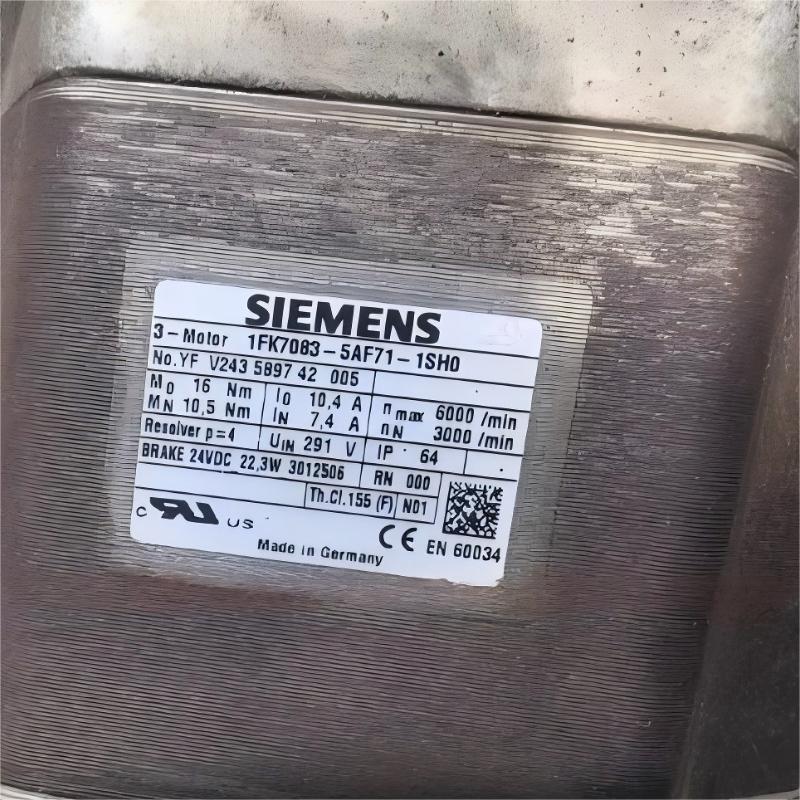
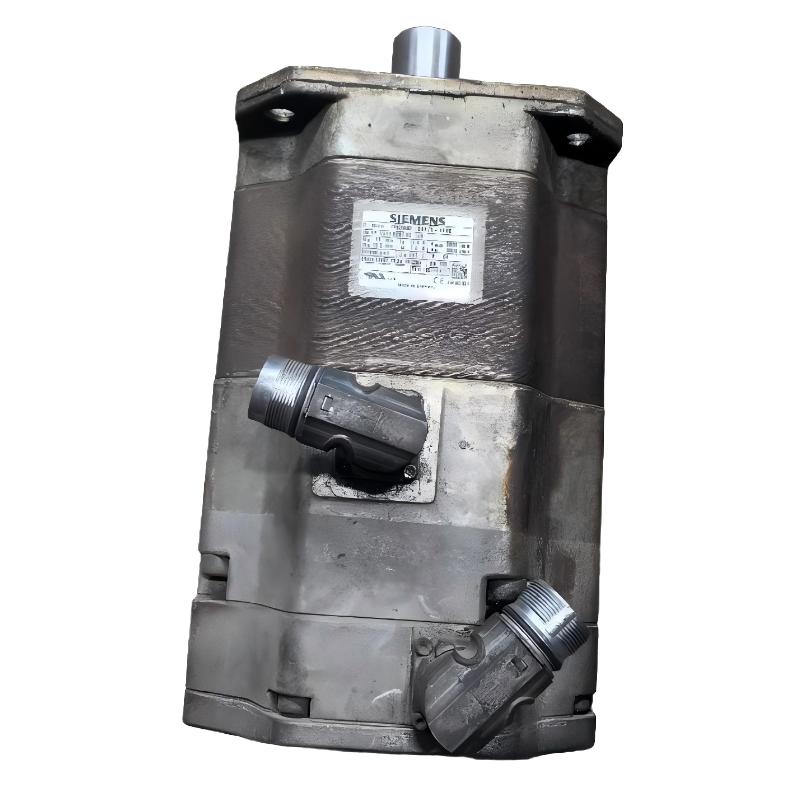
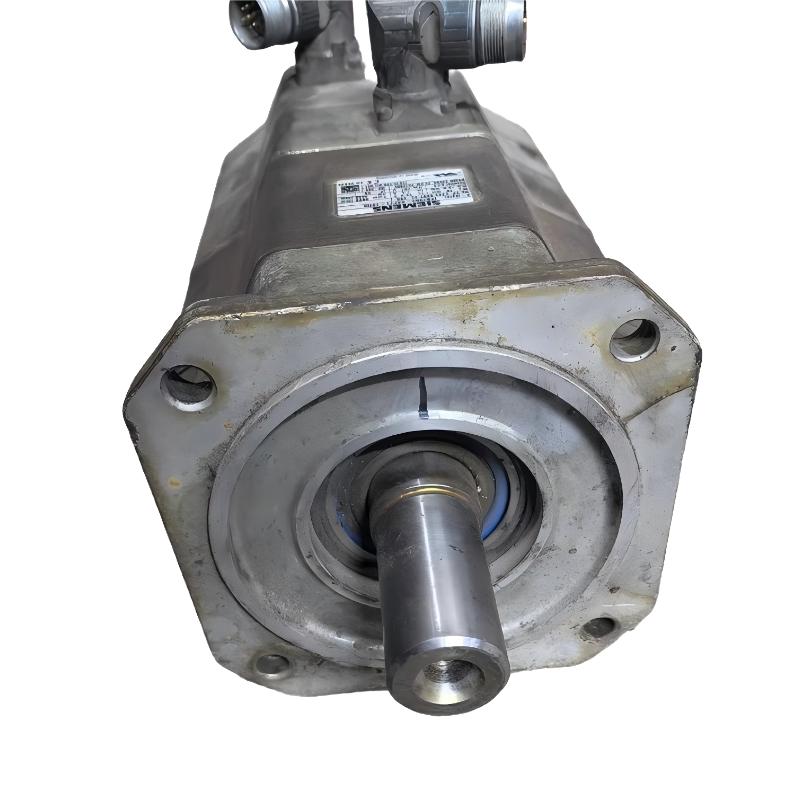
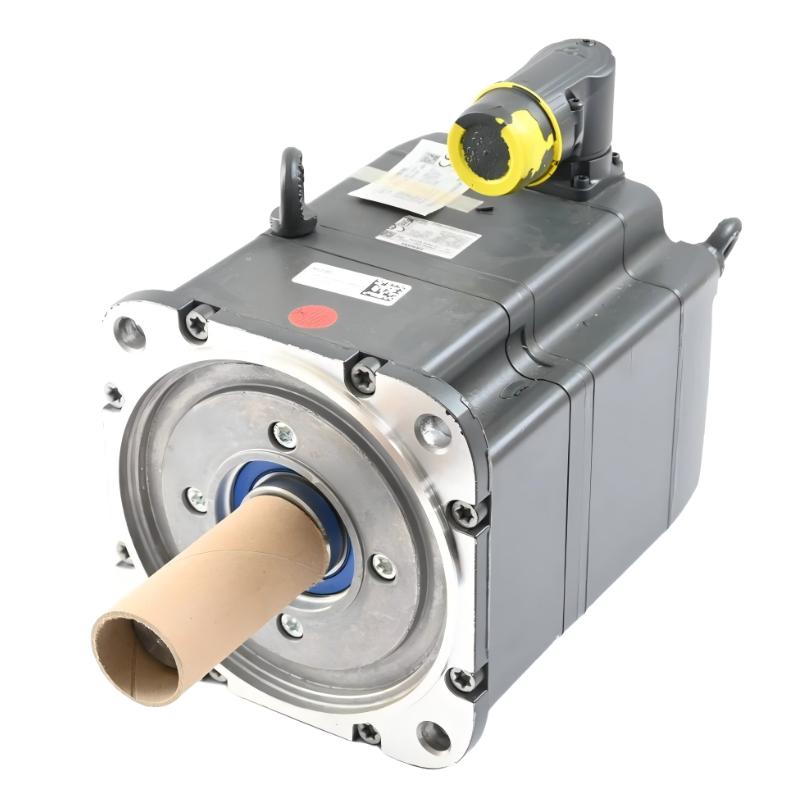
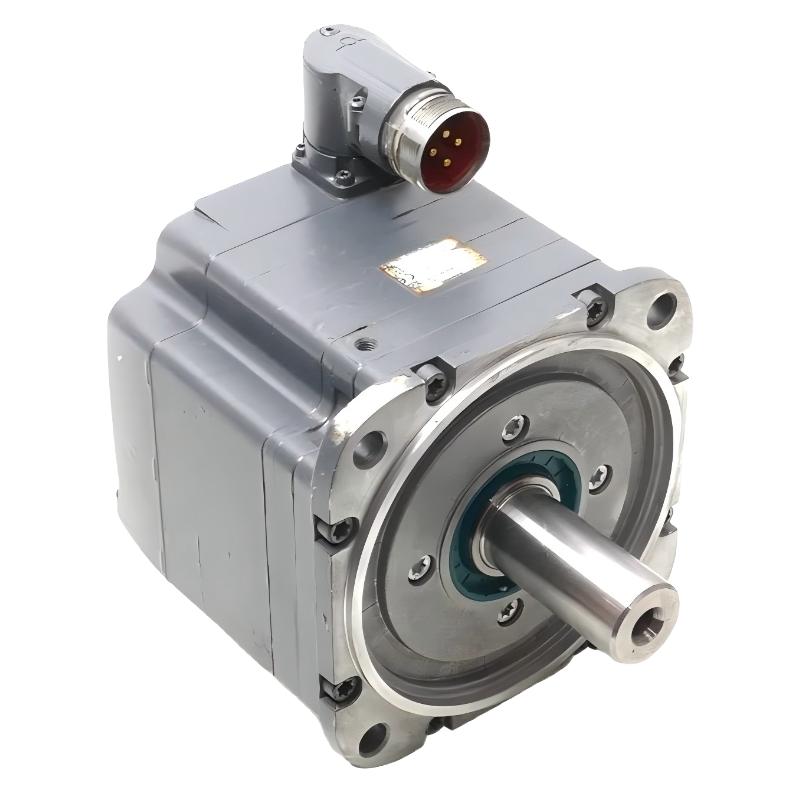
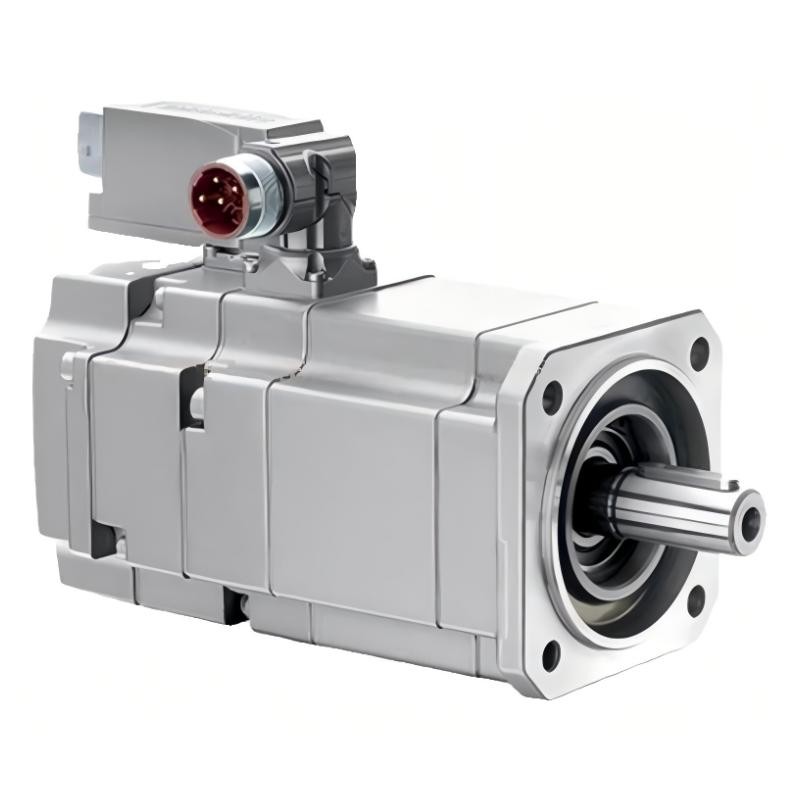
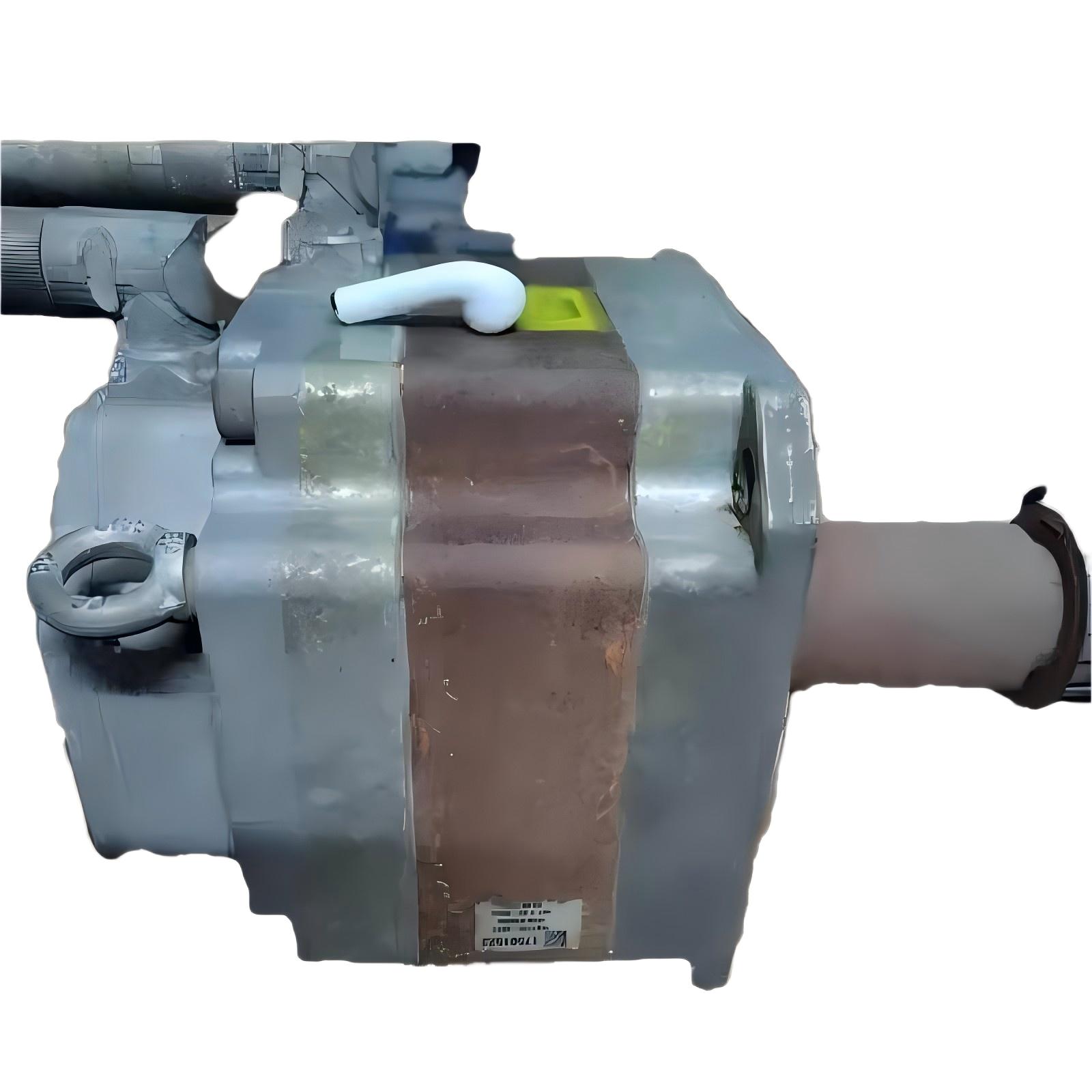
- Siemens
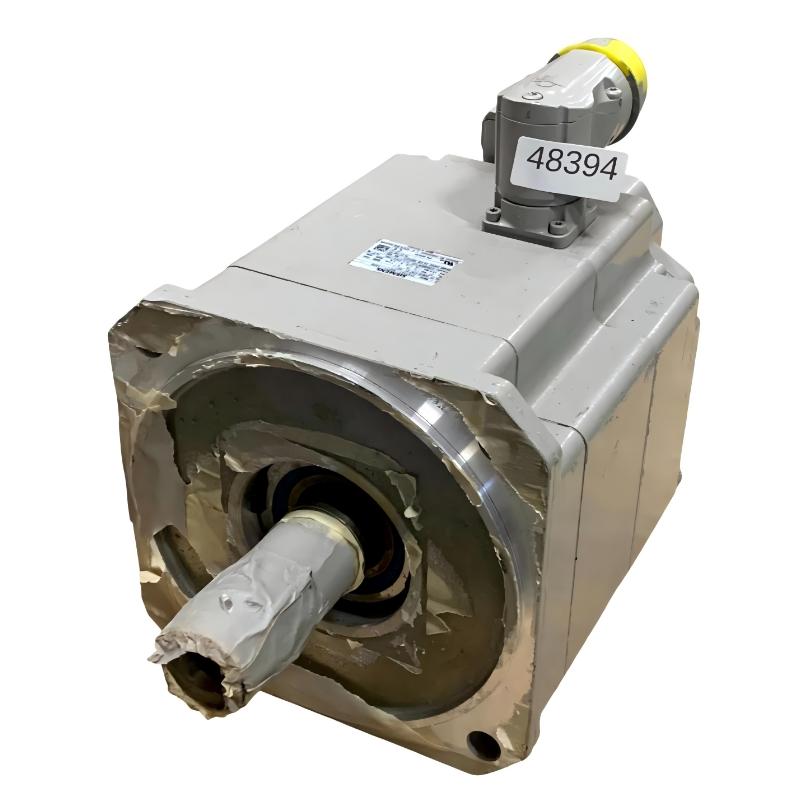
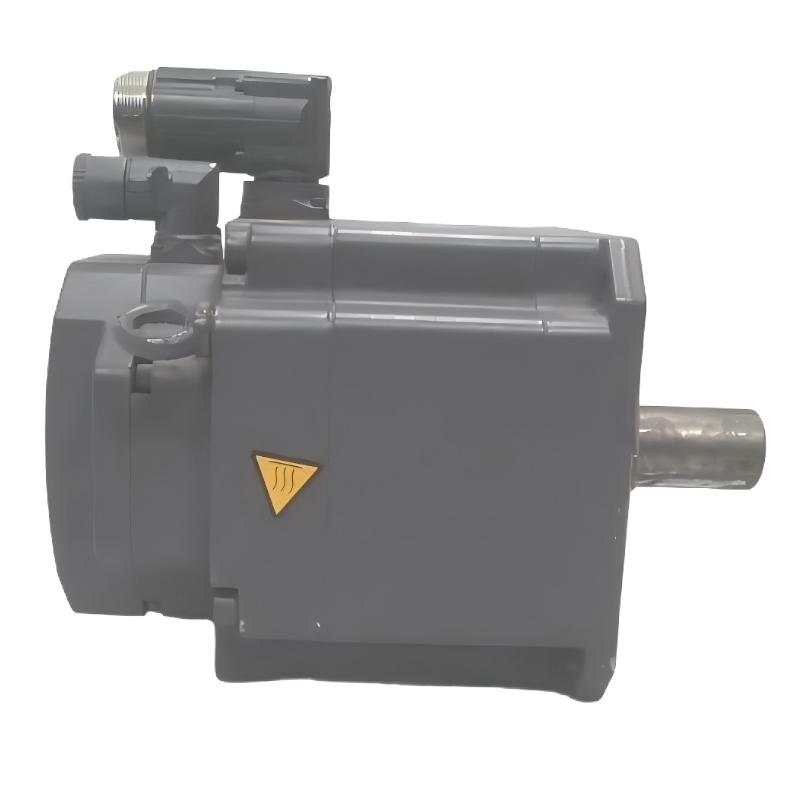
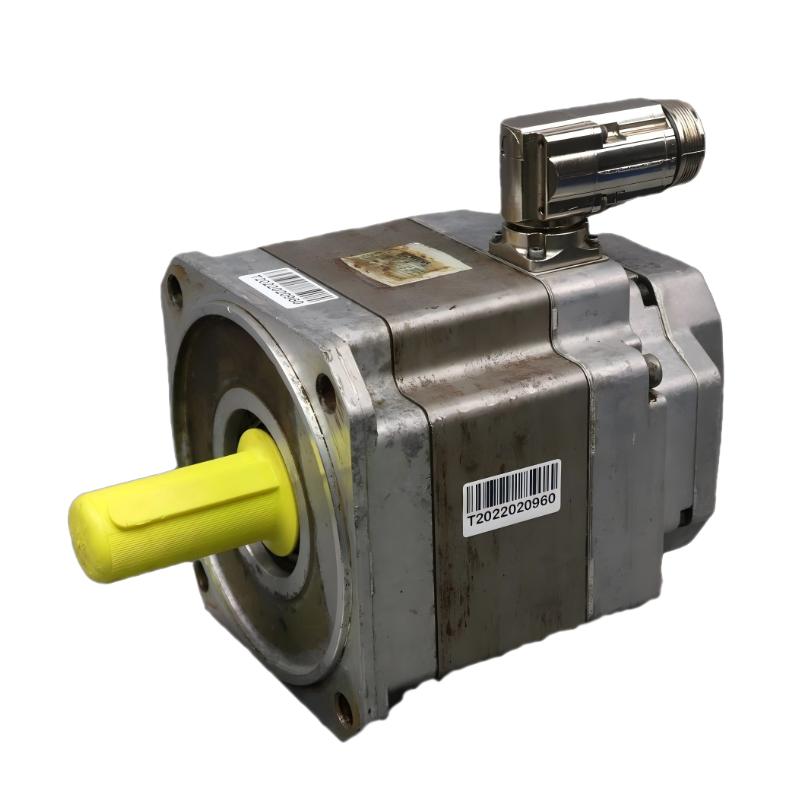
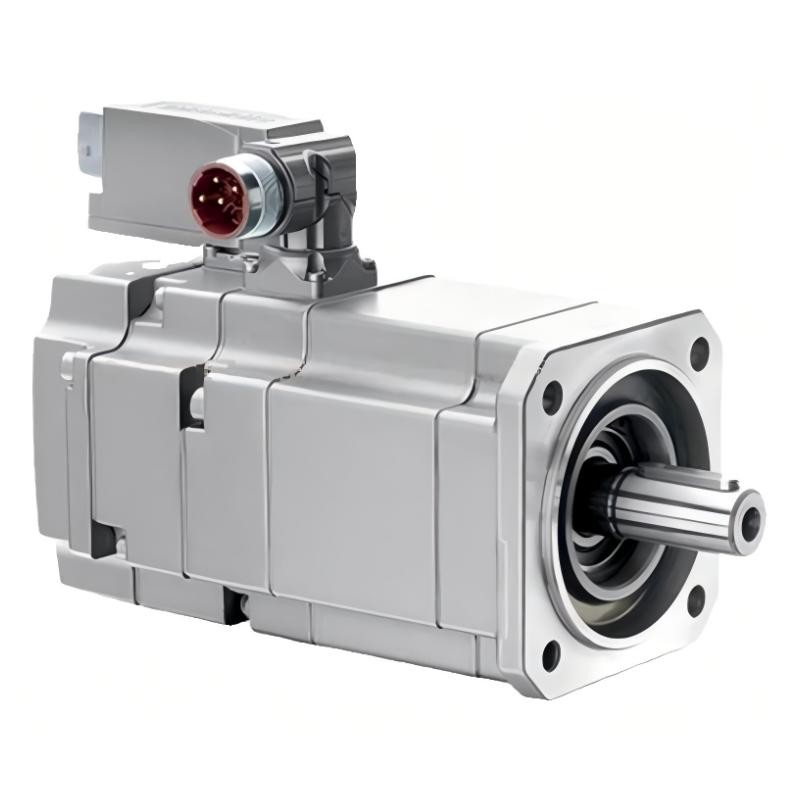
- 1FK7083-5AF71-1SH0
- Compact Synchronous Motor
- Germany
- 180mm x 140mm x 120mm
- 16.5kg
- Xiamen, China
- New & In Stock
- T/T, PayPal, Western Union
- 1 Year
- 1-3 Working Days
- DHL, UPS, TNT, FedEx and EMS.
- 24-Hour Service
- COO
- 8
Our advantage

Global Logistics
We have a 10-year logistics and express cooperation agreement, so our products can be shipped to any place in the world.

Brand new and original
Our products are imported in bulk from the place of origin. Because of the cooperative relationship, our products are all original and 100% new.

24-hour service
We provide 7*24 hours service to our customers. We will be there whenever you need us.

Price advantage
All our products are priced very favorably because we have our own warehouse and supply.
| Company Information | |||
| [email protected] | |||
| Mobile | +8615980777398 | ||
| +8615980777398 | |||
| 15980777398 |
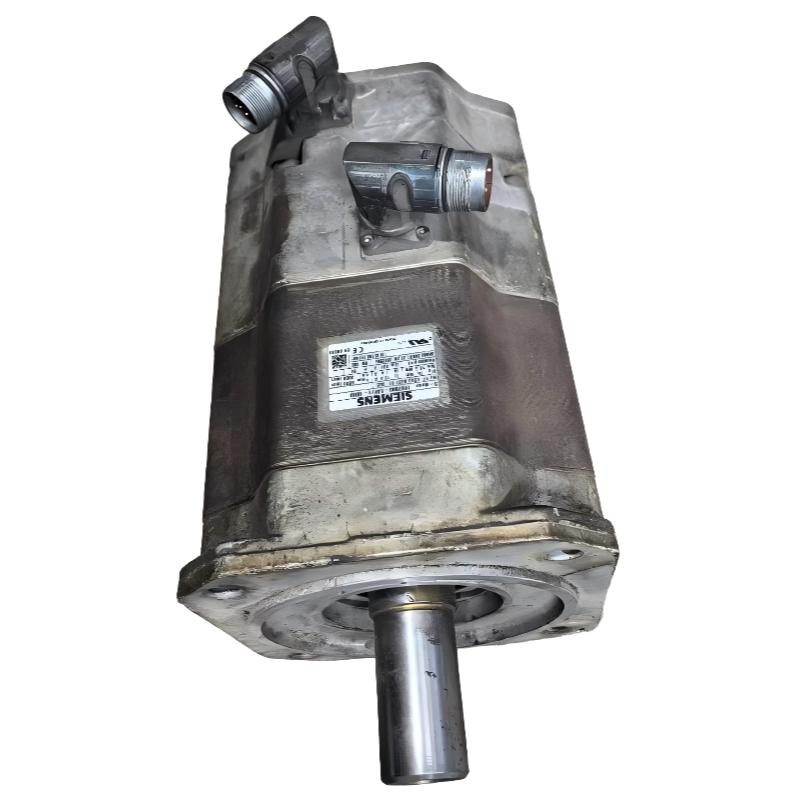
Siemens 1FK7083-5AF71-1SH0 Servo Motor: Detailed Product Description and Technical Specifications
1. Product Overview
The Siemens 1FK7083-5AF71-1SH0 is a synchronous servo motor from the SIMOTICS S 1FK7 Compact product family. It is designed for industrial automation applications that require controlled movement, consistent torque delivery, accurate speed regulation, and reliable positioning.
This motor family is used in automated production equipment, machine tools, packaging systems, material-handling equipment, and other industrial machinery. When paired with a compatible servo drive and correctly configured control system, the motor can support controlled acceleration, deceleration, speed adjustment, and positioning.
The 1FK7 Compact design combines a relatively compact mechanical structure with the performance characteristics required for servo motion control. Its mounting arrangement and rotatable electrical connectors can help simplify integration into industrial machinery, particularly where installation space and cable routing need careful planning.
The complete model number is important when selecting a replacement. Different suffixes within the same motor family can indicate differences in feedback systems, shaft configuration, holding-brake equipment, protection rating, or drive interface. These differences should be checked before ordering or installing the motor.
2. Brand and Product Series
| Item | Description |
|---|---|
| Brand | Siemens |
| Product family | SIMOTICS S |
| Product series | 1FK7 Compact |
| Model number | 1FK7083-5AF71-1SH0 |
| Motor type | Synchronous servo motor |
| Operating principle | Permanent-magnet synchronous technology |
| Cooling method | Natural cooling |
| Mounting arrangement | IM B5; IM V1 and IM V3 arrangements are specified for corresponding configurations |
| Feedback configuration | Resolver-based configuration associated with the 1FK7 family; confirm the exact SH0 variant |
| Shaft configuration | Confirm the exact shaft drawing and ordering-code specification |
| Holding brake | Confirm the exact SH0 configuration |
| Connector arrangement | Power and signal connectors; connector rotation is available on corresponding variants |
| Typical application | Industrial automation and motion control |
The SIMOTICS S family is intended for applications where precise control of motion is required. The 1FK7 Compact series is suitable for evaluating compact servo-motor solutions in machine-building and factory-automation systems.
For maintenance and procurement, the full ordering code should always be retained with the motor nameplate information. This helps distinguish otherwise similar models and reduces the risk of selecting a motor that does not match the installed drive or mechanical assembly.
3. Technical Specifications
The following tables provide reference technical data for the 1FK7083-5AF71 motor family. The exact suffix-specific details of the SH0 version should be verified against its nameplate and dimensional drawing. Values that cannot be reliably assigned to this exact suffix are identified accordingly.
3.1 Basic Technical Parameters
| Parameter | Specification |
|---|---|
| Model | 1FK7083-5AF71-1SH0 |
| Brand | Siemens |
| Series | SIMOTICS S 1FK7 Compact |
| Motor type | Permanent-magnet synchronous servo motor |
| Optimum power | Approximately 3.30 kW |
| Rated speed | 3,000 rpm |
| Rated torque at 100 K temperature rise | 10.5 Nm |
| Static torque at 60 K temperature rise | 13.30 Nm |
| Static torque at 100 K temperature rise | 16.00 Nm |
| Rated current | Approximately 7.4 A for the corresponding motor configuration |
| Number of poles | 8 |
| Efficiency | Approximately 93% for comparable configurations |
| Maximum permissible mechanical speed | 6,000 rpm |
| Maximum permissible inverter speed | 5,900 rpm |
| Maximum torque | Up to 50 Nm under specified limiting conditions |
| Maximum current | Up to 37 A under specified limiting conditions |
| Cooling method | Natural cooling |
| Feedback system | Confirm the exact SH0 feedback specification |
| Holding brake | Confirm the exact SH0 configuration |
| Overall dimensions | Refer to the exact model drawing |
| Shaft height | 80 mm |
| Weight | Confirm the exact SH0 data; related configurations have different weights |
The 3.30 kW optimum-power rating and 3,000 rpm operating point provide a useful starting point for application selection. The actual continuous and peak operating capability depends on the motor’s exact configuration, drive, load profile, and thermal conditions.
3.2 Electrical Characteristics
| Parameter | Reference value |
|---|---|
| Rated current | 7.4 A |
| Stall current at 60 K temperature rise | 8.60 A |
| Stall current at 100 K temperature rise | 10.40 A |
| Torque constant | 1.52 Nm/A |
| Voltage constant at 20°C | 97 V/1,000 rpm |
| Winding resistance at 20°C | 0.40 Ω |
| Rotating-field inductance | 6.0 mH |
| Electrical time constant | 15.50 ms |
| Mechanical time constant | 1.41 ms |
| Thermal time constant | 50 min |
| Shaft torsional stiffness | 105,000 Nm/rad |
| Rotor moment of inertia | Configuration-dependent; verify the exact variant |
| Winding temperature monitoring | KTY84 temperature sensor on corresponding configurations |
| Power connection | Confirm connector details for the exact version |
| Feedback connection | Must match the installed servo drive |
These electrical characteristics are useful when evaluating drive compatibility and estimating dynamic behavior. Final drive sizing should take account of continuous current, peak current, required acceleration, reflected load inertia, braking requirements, and the machine’s duty cycle.
3.3 Mechanical Parameters and Dimensions
| Parameter | Specification |
|---|---|
| Motor frame | Compact servo-motor design |
| Shaft height | 80 mm |
| Mounting arrangement | IM B5 |
| Alternative mounting arrangements | IM V1 and IM V3, where permitted for the configuration |
| Cooling | Natural cooling |
| Radial runout tolerance | Approximately 0.050 mm for comparable versions |
| Concentricity tolerance | Approximately 0.10 mm for comparable versions |
| Axial runout tolerance | Approximately 0.10 mm for comparable versions |
| Vibration severity grade | Grade A on corresponding versions |
| Connector size | Size 1 on comparable configurations |
| Housing color | Anthracite, RAL 7016, on corresponding versions |
| Shaft diameter | Confirm the exact mechanical drawing |
| Shaft extension | Confirm the exact mechanical drawing |
| Flange dimensions | Confirm the exact mechanical drawing |
| Mounting-hole pattern | Confirm the exact mechanical drawing |
| Overall length | Depends on the precise configuration |
| Overall width | Confirm the exact mechanical drawing |
| Overall height | Depends on mounting reference and connector arrangement |
| Motor weight | Confirm the exact SH0 variant |
| Installation clearance | Allow room for connector rotation, wiring, and maintenance |
The 80 mm shaft height is a frame-size reference and should not be interpreted as the motor’s overall height. A proper installation drawing is needed to confirm flange diameter, bolt-hole spacing, shaft dimensions, overall length, and connector clearance.
The exact motor weight should also be confirmed for the SH0 configuration. Related 1FK7083 versions can have different weights depending on the feedback system, shaft design, and holding-brake configuration.
3.4 Operating and Installation Conditions
| Parameter | Recommendation |
|---|---|
| Drive compatibility | Confirm the exact motor and feedback interface are supported |
| Ambient temperature | Follow the motor’s specified operating limits |
| Cooling conditions | Provide sufficient space for natural heat dissipation |
| Mounting surface | Use a rigid, correctly aligned mounting surface |
| Shaft coupling | Match the coupling to the exact shaft dimensions |
| Cable routing | Avoid excessive bending, twisting, tension, or abrasion |
| Brake control | Verify the brake’s electrical rating and control sequence if fitted |
| Load inertia | Calculate the ratio between motor and reflected load inertia |
| Operating duty | Check the continuous and peak torque requirements |
| Maintenance | Inspect connectors, cables, mounting bolts, and mechanical coupling periodically |
4. Product Introduction and Operating Principle
4.1 Permanent-Magnet Synchronous Motor Technology
A permanent-magnet synchronous servo motor uses permanent magnets in its rotor and controlled currents in the stator to generate torque. A compatible servo drive regulates the motor’s electrical current and phase to achieve the commanded motion.
This operating principle is suited to machinery that requires controlled speed, acceleration, and position. The motor can respond to changes in the motion command while the drive manages current and feedback according to the configured control mode.
4.2 Servo Motion Control
In a servo system, the motor is one part of a larger control arrangement. The drive receives motion commands from a controller, regulates motor current, and uses the supported feedback device to manage the movement of the axis.
Depending on the machine design, the system can be configured for speed control, torque control, or position control. Applications involving multiple axes may also coordinate the motion of several motors to synchronize machine operations.
4.3 Feedback and Position Monitoring
Feedback hardware allows a compatible drive to obtain information about the motor’s rotor position. This information is used for commutation and motion control.
The exact feedback device must be confirmed for the 1FK7083-5AF71-1SH0 before installation. A resolver-based version and an encoder-based version may belong to the same general motor family but can require different drive interfaces, cables, and configuration settings.
4.4 Natural Cooling
Natural cooling allows heat to dissipate through the motor housing and surrounding air without relying on a dedicated external cooling fan as the primary cooling method.
This can simplify machine integration. However, the motor still requires adequate ventilation and must be operated within its specified thermal limits. Restricted airflow, high ambient temperature, frequent acceleration, and sustained high torque can increase winding temperature.
5. Main Applications
5.1 CNC Machine Tools
Servo motors are widely used in machine-tool feed axes, positioning mechanisms, and automated tool-handling equipment. Their ability to operate under controlled speed and torque commands makes them suitable for machinery that requires repeatable movement.
For a CNC application, the motor must be selected according to axis inertia, acceleration requirements, cutting forces, transmission design, and the drive’s supported feedback interface.
5.2 Packaging and Filling Equipment
Packaging machines use servo motors for feeding, indexing, cutting, sealing, and product transfer. These operations often require coordinated movement and predictable stopping behavior.
A compatible 1FK7 Compact motor can be considered for such applications when its rated torque, operating speed, thermal characteristics, and feedback configuration meet the machine requirements.
5.3 Automated Assembly Systems
Automated assembly equipment may require precise component positioning, controlled pressing, feeding, and transfer between production stations.
Servo motion control allows machine designers to adjust acceleration and deceleration profiles to suit the process. The final positioning performance depends on the complete system, including the motor, drive, controller, transmission, and mechanical structure.
5.4 Material Handling and Transfer Equipment
Servo motors can be used in transfer mechanisms, automated feeders, indexing tables, and positioning stages. These systems frequently need to move between defined positions while maintaining predictable speed and stopping behavior.
For vertical or gravity-loaded axes, the holding-brake configuration and mechanical safety arrangements must be checked carefully. A brake should not be assumed to provide a complete safety solution by itself.
5.5 Printing and Converting Machinery
Printing and converting systems may require synchronized rollers, controlled material feeding, accurate cutting, and coordinated movement between several axes.
Servo motors can support these functions where the required torque and speed are within the motor’s operating limits. The drive and control system must also support the required synchronization and feedback functions.
5.6 Positioning and Indexing Mechanisms
Positioning equipment requires a motor that can move an axis to specified locations and repeat the motion consistently. Servo systems are often selected for indexing mechanisms, automated fixtures, and production equipment that must follow defined motion profiles.
The choice of motor should account for the load’s inertia, transmission ratio, friction, required cycle time, and permissible settling time.
6. Product Advantages
6.1 Compact Construction
The 1FK7 Compact family is designed for industrial machinery where the motor must fit into a defined installation space. Its compact form can help machine designers arrange multiple axes without unnecessary mechanical bulk.
Actual space savings depend on the mounting flange, connector arrangement, shaft configuration, and the clearance required for installation and maintenance.
6.2 Controlled Speed and Torque
Servo-drive operation allows the motor’s speed and torque to be controlled according to the application. This is useful when machinery needs repeatable acceleration, deceleration, indexing, or synchronized motion.
The motor’s rated data should be considered alongside the application’s peak torque demand and operating cycle. A suitable drive and correct parameterization are essential for achieving the intended performance.
6.3 Industrial Feedback Options
The 1FK7 family includes configurations with different feedback options. This can provide flexibility when designing a new machine or maintaining an existing motion-control system.
However, feedback options are not interchangeable without checking the drive interface, wiring, signal type, and control configuration. The complete model number should be verified before selecting a replacement.
6.4 Flexible Mounting Arrangements
The specified IM B5 arrangement, with IM V1 and IM V3 mounting options for applicable configurations, can support different machine layouts.
The permissible mounting position must be checked against the exact motor instructions. Shaft loading, alignment, cooling, and cable clearance remain important regardless of the mounting arrangement.
6.5 Industrial Mechanical Design
The compact servo-motor construction is intended for integration into industrial machinery. Mechanical alignment, suitable couplings, correct fastening, and proper cable routing help maintain reliable operation.
Routine inspection can also help identify loosened mounting hardware, cable damage, abnormal vibration, or coupling wear before these problems affect production.
6.6 Suitability for Automated Production
Servo motors are particularly useful where machine operations repeat frequently and must follow a controlled motion sequence. With an appropriate drive and controller, a motor can be integrated into a production process that coordinates several operations or axes.
The actual achievable precision depends on the entire machine system rather than the motor alone.
7. Five Related Models in the Same Series
The following models are useful candidates for comparison within the 1FK7083 family. The ratings shown are reference values for comparable 1FK7083 configurations, not a guarantee that every suffix has identical specifications.
| Model | Product series | Reference power | Reference speed | Reference torque | Configuration notes | Dimensions | Weight |
|---|---|---|---|---|---|---|---|
| 1FK7083-5AF71-1SH0 | 1FK7 Compact | Approx. 3.30 kW | 3,000 rpm | 10.5 Nm rated | Exact feedback and brake details to verify | 80 mm shaft height; overall drawing required | Confirm exact variant |
| 1FK7083-5AF71-1SB3 | 1FK7 Compact | Approx. 3.30 kW | 3,000 rpm | 10.5 Nm rated | Resolver configuration; holding brake; keyed shaft on the specified version | 80 mm shaft height; overall drawing required | Approx. 16.5 kg |
| 1FK7083-5AF71-1AG5 | 1FK7 Compact | Approx. 3.30 kW | 3,000 rpm | 10.5 Nm rated | Encoder configuration; no holding brake on the specified version | 80 mm shaft height; overall drawing required | Approx. 14.0 kg |
| 1FK7083-5AF71-1FG5 | 1FK7 Compact | Approx. 3.30 kW | 3,000 rpm | 10.5 Nm rated | Absolute encoder configuration; no holding brake on the specified version | 80 mm shaft height; overall drawing required | Approx. 14.0 kg |
| 1FK7083-5AF71-1DG3 | 1FK7 Compact | Approx. 3.30 kW | 3,000 rpm | 10.5 Nm rated | Incremental encoder configuration with DRIVE-CLiQ interface on the specified version | 80 mm shaft height; overall drawing required | Confirm exact variant |
Model Selection Notes
1FK7083-5AF71-1SB3 is worth comparing where the application needs a brake-equipped motor with a keyed shaft. Confirm that the shaft and brake specifications match the machine before considering it as a replacement.
1FK7083-5AF71-1AG5 may be relevant to applications using the corresponding encoder interface without a holding brake. It should not be substituted for a brake-equipped motor if the axis requires a holding function.
1FK7083-5AF71-1FG5 is an alternative to evaluate when an absolute encoder is needed. The exact encoder and drive interface must be checked against the installed system.
1FK7083-5AF71-1DG3 is a candidate for systems designed around its specified incremental encoder interface. It may require different feedback wiring or drive configuration compared with a resolver-based motor.
These models share a similar family designation, but that does not establish direct mechanical or electrical interchangeability. The complete ordering code and technical drawing should be compared before making a final selection.
8. Five Other Siemens Servo-Motor Models to Consider
The following models provide additional comparison options from the wider Siemens servo-motor range. Exact ratings vary by suffix, feedback device, brake configuration, and other ordering details.
| Model | Product family | Typical selection purpose | Power and torque | Speed | Dimensions | Weight |
|---|---|---|---|---|---|---|
| 1FK7080-5AF71-1AG0 | SIMOTICS S 1FK7 | Smaller-frame option for compact machinery | Confirm exact variant | Confirm exact variant | Confirm drawing | Confirm exact variant |
| 1FK7080-5AF71-1EG0 | SIMOTICS S 1FK7 | Alternative 1FK7 configuration for motion-control systems | Confirm exact variant | Confirm exact variant | Confirm drawing | Confirm exact variant |
| 1FK7063-5AF71-1AG0 | SIMOTICS S 1FK7 | Smaller-frame comparison for lower mechanical space requirements | Confirm exact variant | Confirm exact variant | Confirm drawing | Confirm exact variant |
| 1FK7100-5AF71-1AG0 | SIMOTICS S 1FK7 | Larger-frame option for applications with different torque requirements | Confirm exact variant | Confirm exact variant | Confirm drawing | Confirm exact variant |
| 1FT6086-8AH71-3EG1 | SIMOTICS S 1FT6 | Alternative servo-motor family for industrial motion applications | Confirm exact variant | Confirm exact variant | Confirm drawing | Confirm exact variant |
Comparison Recommendations
1FK7080 series: Consider this frame size when installation space is limited and the application can operate within the selected motor’s torque and thermal limits. Its mechanical dimensions and ratings must be checked against the existing machine.
1FK7063 series: A smaller-frame motor may reduce size and mass, but it may not meet the original motor’s torque, inertia, or duty-cycle requirements. It should only be selected after calculating the load requirements.
1FK7100 series: A larger-frame motor may be worth evaluating when the application requires a different torque capacity or mechanical arrangement. It may require changes to the mounting structure, drive sizing, or cable routing.
1FT6086 series: This is a different servo-motor family and should be treated as an alternative for engineering evaluation, not as an automatic replacement. Feedback compatibility, shaft dimensions, mounting geometry, and rated operating data must be checked.
The exact dimensions and weights for these models should be obtained from their individual specifications. Estimating these values from the model number alone can result in incorrect mechanical planning.
9. Installation and Maintenance Recommendations
9.1 Verify the Complete Model Number
Before ordering, record the full motor designation from the nameplate. Similar-looking model numbers may represent different feedback systems, shaft configurations, brakes, or protection ratings.
9.2 Confirm Drive and Feedback Compatibility
The selected servo drive must support the motor’s electrical characteristics and feedback interface. Confirm the connector pinout, feedback wiring, drive parameters, and motor identification settings before commissioning.
9.3 Check Mechanical Dimensions
Compare the mounting flange, shaft diameter, shaft extension, mounting-hole pattern, and overall length with the existing installation. Allow additional clearance for connector orientation and cable bending.
9.4 Evaluate Load and Duty Cycle
Calculate the continuous torque, peak torque, acceleration, deceleration, and reflected load inertia. The motor should be selected according to the complete operating cycle rather than the nominal power rating alone.
9.5 Check Cooling and Ambient Conditions
Provide adequate ventilation around the motor. High ambient temperature and restricted airflow can reduce the permissible operating load and increase winding temperature.
9.6 Inspect Electrical and Mechanical Connections
Check mounting bolts, shaft coupling, power cables, feedback cables, and connectors during scheduled maintenance. Loose mechanical connections or damaged cables can lead to vibration, feedback faults, or unplanned downtime.
10. Conclusion
The Siemens 1FK7083-5AF71-1SH0 belongs to the SIMOTICS S 1FK7 Compact servo-motor family, intended for industrial automation and controlled-motion applications. The corresponding 1FK7083 motor configuration is associated with a 3.30 kW optimum-power rating, a 3,000 rpm operating point, a 10.5 Nm rated torque, and an 80 mm shaft-height frame.
Its potential advantages include compact construction, servo-drive-based speed and torque control, and suitability for integration into automated machinery. The exact feedback system, holding-brake configuration, protection rating, dimensions, and weight of the SH0 version must be confirmed before ordering or installation.
For replacement projects, the safest approach is to compare the complete model number, nameplate, drive interface, brake requirements, shaft dimensions, mounting drawing, and weight. The related models listed above can help establish a shortlist, but each candidate needs a final compatibility check before being selected.