

ProductPRODUCT
Featured products
Contact Us
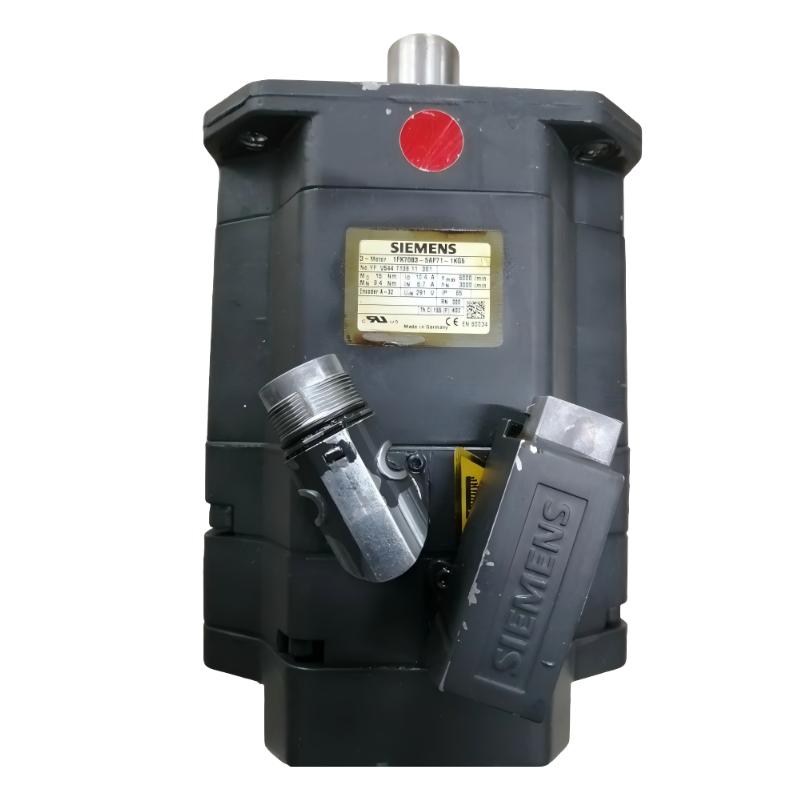
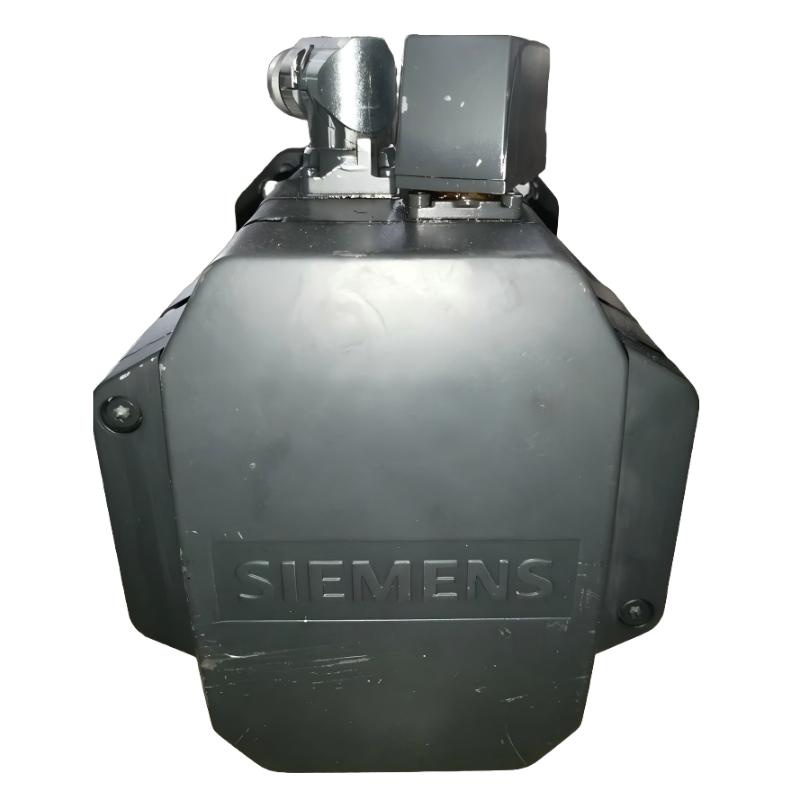
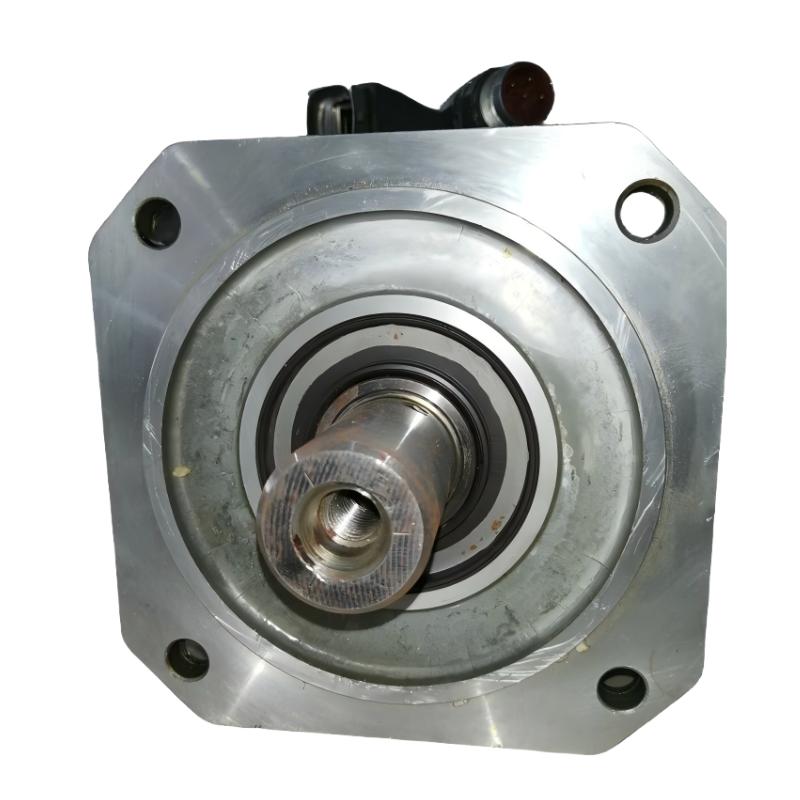
- Siemens
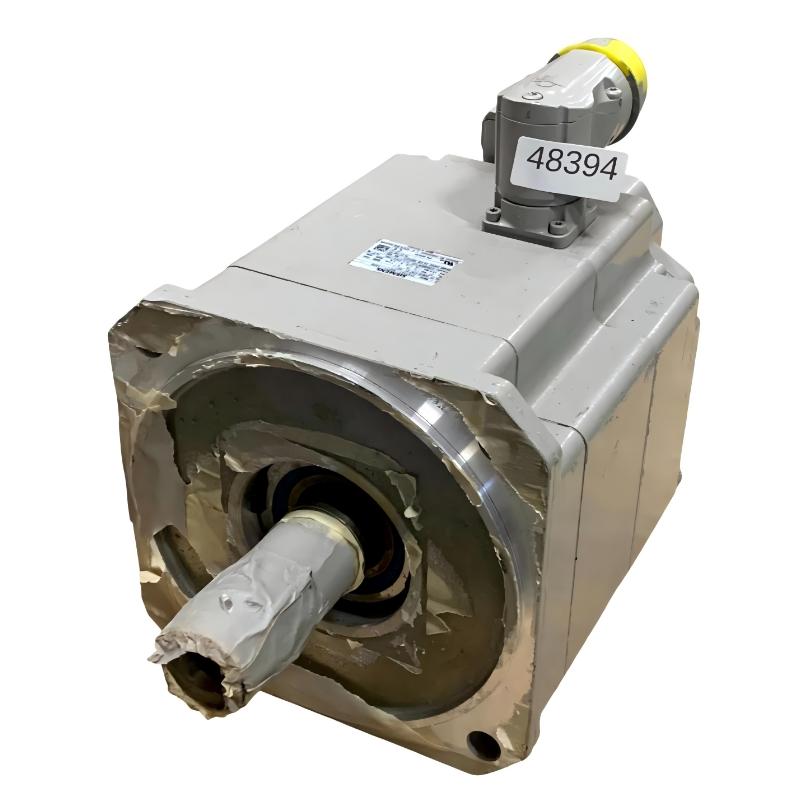
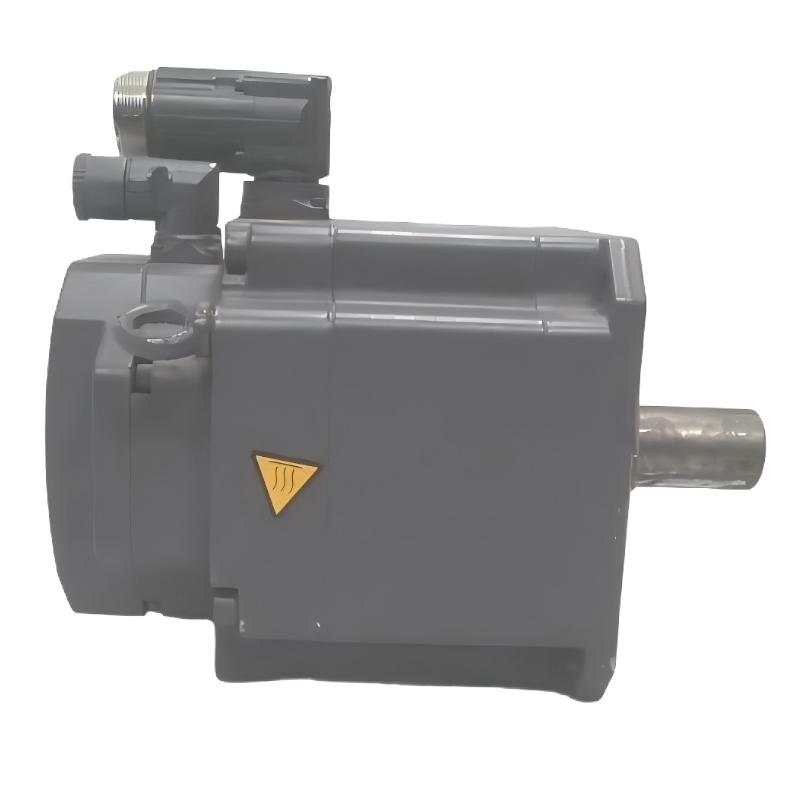
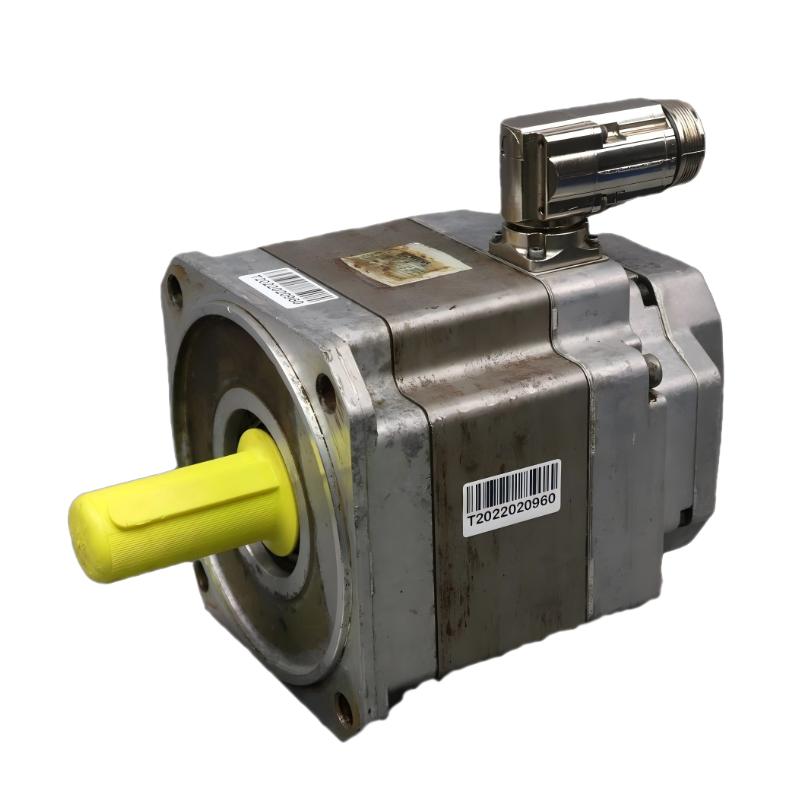
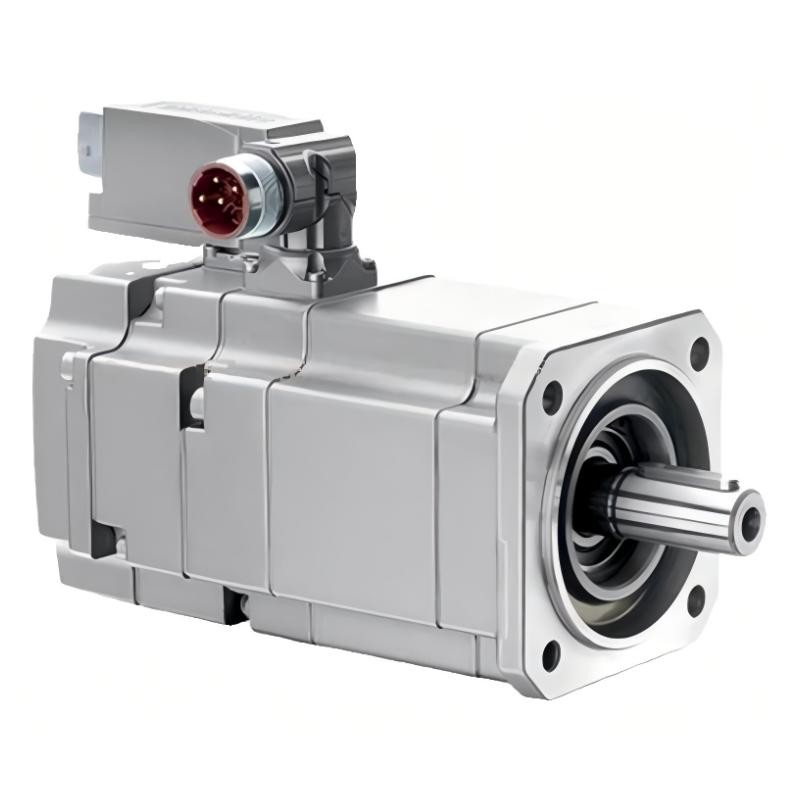
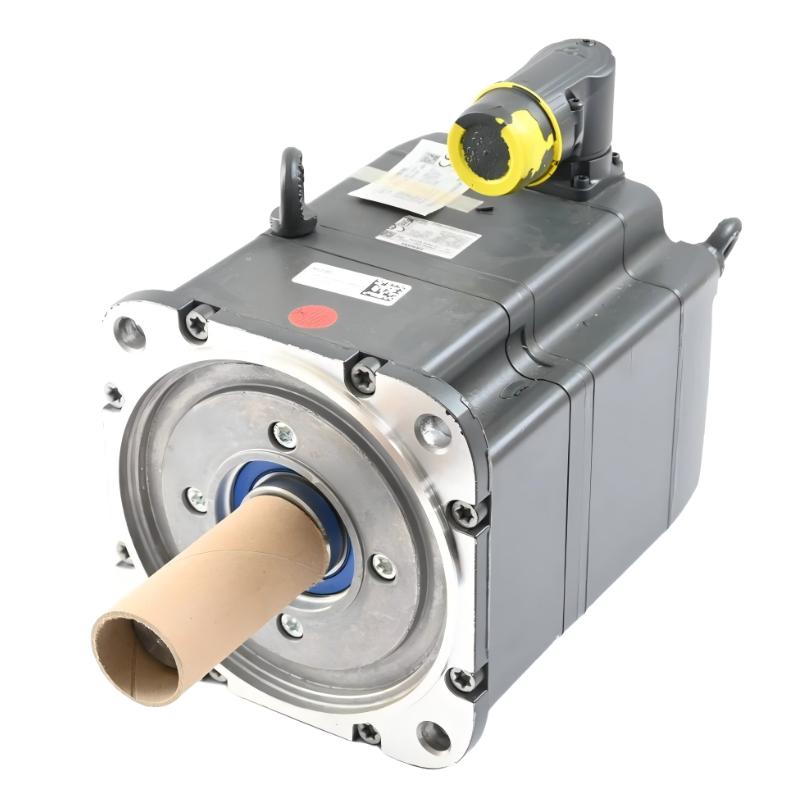
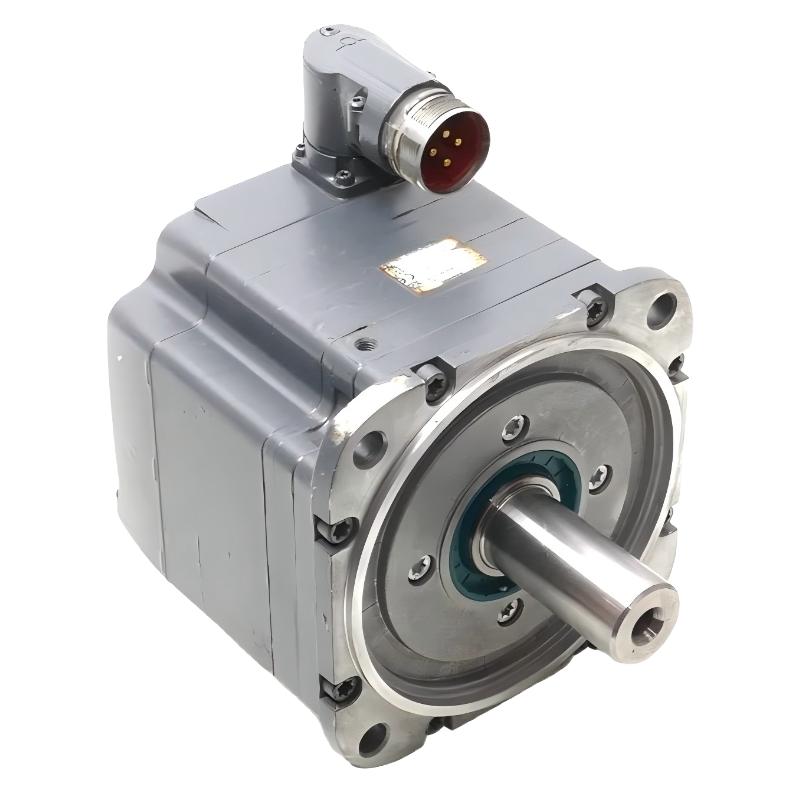
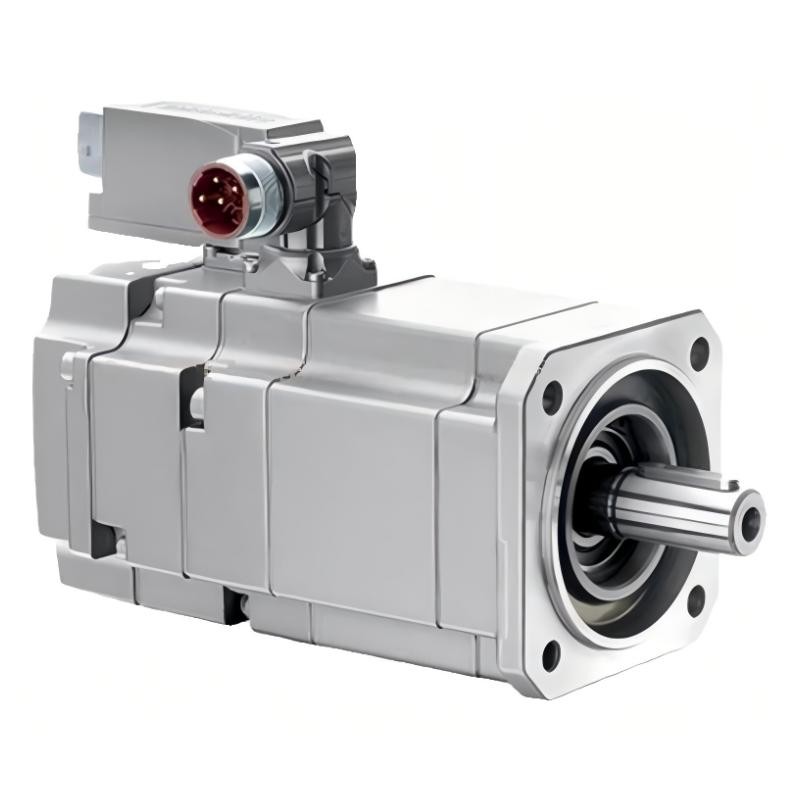
- 1FK7083-5AF71-1KG5
- Compact Synchronous Motor
- Germany
- 180mm x 140mm x 120mm
- 14kg
- Xiamen, China
- New & In Stock
- T/T, PayPal, Western Union
- 1 Year
- 1-3 Working Days
- DHL, UPS, TNT, FedEx and EMS.
- 24-Hour Service
- COO
- 7
Our advantage

Global Logistics
We have a 10-year logistics and express cooperation agreement, so our products can be shipped to any place in the world.

Brand new and original
Our products are imported in bulk from the place of origin. Because of the cooperative relationship, our products are all original and 100% new.

24-hour service
We provide 7*24 hours service to our customers. We will be there whenever you need us.

Price advantage
All our products are priced very favorably because we have our own warehouse and supply.
| Company Information | |||
| [email protected] | |||
| Mobile | +8615980777398 | ||
| +8615980777398 | |||
| 15980777398 |
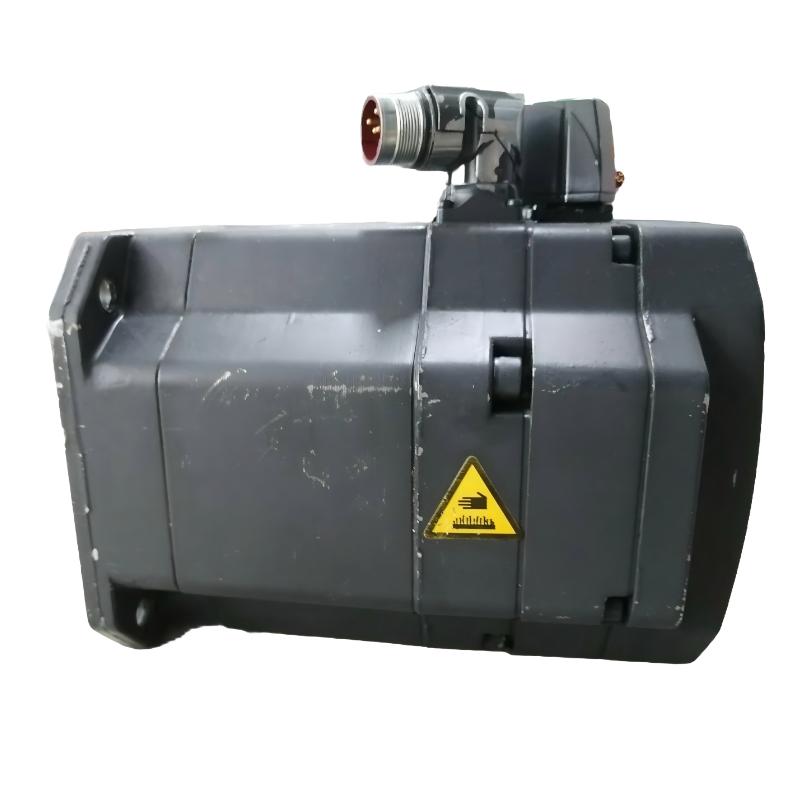
Siemens 1FK7083-5AF71-1KG5 Servo Motor: Detailed Product Description, Technical Specifications, Applications, Advantages, and Related Models
1. Product Overview
The Siemens 1FK7083-5AF71-1KG5 belongs to the SIMOTICS S 1FK7 family of industrial synchronous servo motors. This motor family is designed for precision motion-control applications in which stable torque delivery, controlled speed, repeatable positioning, and reliable operation are important.
Servo motors in this category are commonly integrated into automated production machinery, positioning systems, material-handling equipment, and other industrial applications that require controlled movement. When paired with a compatible servo drive and motion controller, the motor can support accurate speed regulation, coordinated movement, and controlled acceleration and deceleration.
The complete ordering code is important when identifying the motor’s exact configuration. Models with similar 1FK7 designations may differ in feedback technology, shaft design, holding-brake configuration, protection rating, and electrical characteristics. These differences can affect installation, drive compatibility, commissioning, and maintenance.
For this reason, the technical details below distinguish between family-level characteristics, reference values associated with related configurations, and information that must be confirmed for the exact 1KG5 variant. Unverified dimensions or ratings should not be treated as guaranteed specifications.
2. Brand and Product Series
| Item | Description |
|---|---|
| Brand | Siemens |
| Product family | SIMOTICS |
| Product series | SIMOTICS S 1FK7 |
| Product type | Industrial synchronous servo motor |
| Motor technology | Permanent-magnet synchronous motor |
| Intended function | Precision rotary motion control |
| Typical control method | Closed-loop servo control |
| Feedback configuration | Resolver-based feedback with DRIVE-CLiQ interface, subject to exact variant confirmation |
| Typical installation | Industrial machinery and automated production equipment |
| Common system role | Drives a rotary axis, positioning mechanism, or machine transmission |
| Cooling approach | Natural cooling for the related configuration |
| Model number | 1FK7083-5AF71-1KG5 |
The SIMOTICS S 1FK7 series is designed for motion-control tasks where the motor must respond accurately to commands from a compatible drive. In practical applications, the motor, drive, feedback system, mechanical transmission, and controller work together as one motion-control unit.
Selecting the correct motor therefore requires more than comparing power ratings. The control interface, mechanical dimensions, operating cycle, and load characteristics must all be considered.
3. Detailed Technical Parameters
The following table summarizes the principal specifications associated with the 1FK7083-5AF71 family and related configurations. Values identified as references should be confirmed against the exact 1KG5 ordering code before being used for engineering calculations.
| Parameter | Specification |
|---|---|
| Model | 1FK7083-5AF71-1KG5 |
| Brand | Siemens |
| Series | SIMOTICS S 1FK7 Compact |
| Motor type | Permanent-magnet synchronous servo motor |
| Optimum operating power | Approximately 3.3 kW for the related configuration |
| Rated speed | Approximately 3,000 rpm |
| Optimum operating speed | Approximately 3,000 rpm |
| Rated torque | Approximately 10.5 Nm for the related configuration |
| Static torque at 60 K | Approximately 13.30 Nm for the related configuration |
| Static torque at 100 K | Approximately 16.00 Nm for the related configuration |
| Maximum torque | Approximately 50 Nm for the related configuration; confirm the exact operating limits |
| Rated current | Approximately 7.4 A for the related configuration |
| Maximum current | Approximately 37 A for the related configuration; actual limits depend on the drive and motor data |
| Number of poles | 8 for the related configuration |
| Feedback system | Resolver-based configuration; verify the exact feedback specification |
| Feedback interface | DRIVE-CLiQ configuration, subject to exact variant confirmation |
| Cooling method | Natural cooling for the related configuration |
| Mounting arrangement | IM B5; verify permitted vertical mounting arrangements for the exact motor |
| Shaft type | Confirm the exact 1KG5 shaft configuration before ordering |
| Holding brake | Confirm the exact 1KG5 configuration; do not assume that related variants have the same brake arrangement |
| Protection rating | IP65 and drive-end flange IP67 are associated with a related configuration; confirm the exact 1KG5 rating |
| Shaft height | 80 mm for the related frame configuration |
| Connector arrangement | Power and signal connectors; confirm connector orientation and rotation range |
| Temperature monitoring | Confirm the exact winding temperature sensor specification |
| Housing color | Anthracite, RAL 7016, for the related configuration |
| Motor efficiency | Approximately 93% for the related configuration |
| Rotor moment of inertia | Approximately 27.3 kg·cm² for the related configuration |
| Torque constant | Approximately 1.52 Nm/A for the related configuration |
| Winding resistance | Approximately 0.40 Ω at 20°C for the related configuration |
| Inductance | Approximately 6.0 mH for the related configuration |
| Electrical time constant | Approximately 15.50 ms for the related configuration |
| Mechanical time constant | Approximately 1.41 ms for the related configuration |
| Thermal time constant | Approximately 50 minutes for the related configuration |
| Overall dimensions | Must be confirmed from the mechanical drawing for the exact 1KG5 ordering code |
| Net weight | Approximately 14.0 kg is a reference for a related configuration; confirm the exact 1KG5 weight |
Technical note: The values above are useful for preliminary product comparison, but they do not constitute a fully verified specification sheet for the exact 1KG5 model. In particular, shaft type, brake configuration, feedback details, protection rating, dimensions, and weight must be confirmed before finalizing an installation or replacement.
The shaft height of 80 mm is a reference dimension for the related frame size, not the complete external size of the motor. Overall length, flange dimensions, shaft diameter, shaft extension, connector clearance, and cable-bending space require the correct mechanical drawing.
4. Product Introduction
The Siemens 1FK7083-5AF71-1KG5 is associated with the 1FK7 family of compact synchronous servo motors developed for industrial motion-control systems. These motors are designed to provide controlled rotary motion rather than simply operating at a fixed speed.
In a typical installation, the motion controller generates a position, speed, or torque command. The servo drive converts that command into controlled electrical power for the motor, while the feedback system supplies information used to regulate movement. This arrangement allows the machine to perform repeatable positioning and coordinated motion.
A servo motor is especially useful when the operating cycle involves frequent starting, stopping, acceleration, deceleration, or changes in direction. Examples include indexing tables, feed mechanisms, packaging systems, and machine axes that must move between programmed positions.
The 1FK7 Compact family offers a practical solution for equipment designers who need to balance motor performance with installation space. A compact motor can help reduce the size of a drive assembly, simplify machine layout, and support the integration of multiple controlled axes within a limited enclosure.
The feedback configuration is a particularly important aspect of the 1KG5 model. Resolver-based feedback and DRIVE-CLiQ integration must be compatible with the intended drive and control architecture. Even if another motor has similar rated power and mechanical dimensions, a different feedback interface can affect wiring, commissioning, and the control system’s ability to operate the motor correctly.
Cooling and operating conditions also influence the motor’s usable performance. A naturally cooled motor relies on heat dissipation through its housing and mounting environment. Continuous torque capability therefore depends on ambient temperature, installation conditions, operating speed, load profile, and the duration of high-torque operation.
For applications that involve demanding acceleration or frequent reversals, the complete motion profile should be assessed before selecting the motor. Rated power alone does not show whether the motor can handle the required peak torque, load inertia, and thermal duty cycle.
5. Main Product Advantages
5.1 Precise motion control
One of the main advantages of a servo motor is its ability to operate as part of a closed-loop motion-control system. With a compatible drive and feedback configuration, the motor can support repeatable positioning, controlled speed, and coordinated movement.
This is particularly useful in machinery where a small positioning error can affect product quality, cycle time, or the alignment of mechanical components.
5.2 Responsive acceleration and deceleration
Servo-driven systems are designed to respond to changing motion commands. They can accelerate, decelerate, stop, and reverse direction according to the requirements of the programmed operating cycle.
This characteristic is valuable in indexing equipment, automated assembly stations, and production machinery where rapid, repeatable movement is required.
Actual response depends on motor inertia, load inertia, drive capability, controller tuning, and the mechanical transmission.
5.3 Useful torque capability
The related 1FK7083-5AF71 configuration has a reference rated torque of approximately 10.5 Nm, with a higher static torque value under specified thermal conditions.
This provides a useful starting point when evaluating the motor for rotary positioning or moderate-load motion-control tasks. However, static torque, continuous torque, and peak torque are different operating quantities and should not be used interchangeably.
For a practical selection, the torque required during normal operation should be calculated alongside the torque needed for acceleration, deceleration, and any periods of elevated mechanical load.
5.4 Compact mechanical design
The 1FK7 Compact family is intended for installations where motor size and mounting space matter. Its compact design can help equipment manufacturers integrate servo axes into machines with limited space.
A compact assembly may also reduce the distance between the motor and driven mechanism, depending on the machine layout. This can simplify some mechanical arrangements, although the final benefits depend on the transmission and installation design.
5.5 Feedback-system integration
The feedback arrangement is central to the performance of a servo axis. A compatible resolver and drive interface allow the control system to obtain the information needed for motor regulation.
For replacement projects, feedback compatibility should be checked before considering a motor interchangeable. Matching the frame size or nominal power is not sufficient if the original drive requires a different feedback system.
5.6 Industrial protection considerations
The related motor configuration includes industrial protection features intended to help protect the motor against environmental exposure. The exact protection rating of the 1KG5 variant should be confirmed before the motor is used in an environment with dust, moisture, or cleaning requirements.
Protection ratings depend on the complete installation. Connectors, cable entries, mating plugs, seals, and the condition of the housing all contribute to the actual level of protection.
5.7 Integration into automated production equipment
The motor family is intended for applications where controlled movement forms part of a larger automated process. When correctly sized and commissioned, a servo motor can help a machine perform repeatable movements, synchronize different axes, and maintain consistent operating sequences.
The resulting performance depends on the complete system, including the controller, servo drive, feedback configuration, mechanical transmission, and the load itself.
6. Typical Product Applications
6.1 CNC machinery and machining equipment
Servo motors are widely used in machine-tool axes and positioning mechanisms. They may drive feed axes, rotary assemblies, or other components that require controlled movement during a machining cycle.
In these applications, the motor must meet the torque and speed requirements of the mechanism while maintaining the required positioning performance. The transmission ratio, load inertia, acceleration profile, and mechanical stiffness all influence the final result.
6.2 Automated assembly lines
Automated assembly equipment often relies on precise, repeatable movements. Servo motors may be used to operate indexing mechanisms, rotary tables, transfer units, feeding systems, and assembly stations.
The ability to control movement helps the machine position components consistently and coordinate its operations with other equipment. Where several axes operate together, controller configuration and drive compatibility become particularly important.
6.3 Packaging machinery
Packaging equipment can require rapid, repetitive movements to feed materials, position products, operate cutting mechanisms, or synchronize different stages of a packaging process.
A servo motor can provide controlled movement for these tasks when correctly sized for the machine’s operating cycle. High cycle rates must be assessed carefully because frequent acceleration and deceleration can increase both peak torque demand and motor heating.
6.4 Material-handling equipment
Servo motors can be used in selected material-handling mechanisms that require controlled rotary motion or repeatable positioning. These may include transfer systems, indexing units, feed rollers, and positioning assemblies.
For vertical or gravity-loaded mechanisms, the need to maintain position when power is removed must also be considered. A motor without a suitable holding solution should not be assumed capable of safely holding a suspended load.
6.5 Robotic and positioning equipment
Robotic peripherals and industrial positioning equipment often use servo motors to control rotary axes, turntables, and other mechanisms that need coordinated movement.
Motor selection should take into account the load inertia, transmission ratio, acceleration requirements, positioning accuracy, and mechanical stiffness. The motor’s feedback configuration must also be compatible with the control architecture.
6.6 Special-purpose machinery
The 1FK7 family may be considered for special-purpose equipment such as winding systems, precision feeding mechanisms, rotary positioning units, and automated production machines.
In these applications, the suitability of the motor depends on the actual operating profile. A motor that performs well under intermittent positioning loads may require a different assessment when subjected to continuous torque or high-frequency cycling.
7. Installation and Selection Considerations
Before purchasing or installing the 1FK7083-5AF71-1KG5, the following points should be reviewed.
| Selection item | What to check | Why it matters |
|---|---|---|
| Drive compatibility | Supported motor type, feedback interface, current and voltage requirements | Prevents electrical and control-system incompatibility |
| Feedback system | Resolver configuration and DRIVE-CLiQ compatibility | Ensures that the drive can obtain the required motor feedback |
| Mechanical dimensions | Flange, bolt pattern, shaft diameter, shaft extension, overall length | Confirms that the motor can fit the existing machine |
| Weight | Exact net weight from the matching product data | Supports mounting, transport, and structural calculations |
| Load torque | Continuous torque and peak torque during the operating cycle | Prevents undersizing or unsuitable operating conditions |
| Inertia matching | Motor inertia, load inertia, and transmission ratio | Helps maintain stable control and appropriate dynamic response |
| Thermal performance | Ambient temperature, duty cycle, cooling, continuous torque | Reduces the risk of overheating |
| Holding requirements | Whether the machine needs to retain position when power is removed | Determines whether a holding brake or external solution is required |
| Protection rating | Dust, moisture, cleaning, and environmental exposure | Helps ensure that the motor is appropriate for the installation environment |
| Cable arrangement | Connector orientation, cable clearance, and bending radius | Prevents interference during installation and operation |
| Commissioning | Correct motor identification and drive parameters | Supports proper startup and controlled operation |
The exact ordering code should be treated as the primary identifier during a replacement project. If the motor is being installed in an existing machine, the original nameplate and mechanical drawing are especially important.
8. Five Related Models from the Same Series
The following models are related 1FK7083-5AF71 variants. They provide useful comparison points when evaluating feedback options, shaft arrangements, and brake configurations.
The parameters shown are reference values for related configurations. Exact specifications and compatibility must be confirmed for each complete model number.
| Model | Main parameters | Feedback and configuration | Dimensions | Weight |
|---|---|---|---|---|
| 1FK7083-5AF71-1DG3 | Related configuration: approximately 3.3 kW, 3,000 rpm, 10.5 Nm rated torque | Incremental encoder configuration; plain shaft; brake and protection details must be confirmed | Exact drawing required | Approximately 14.0 kg reference |
| 1FK7083-5AF71-1AG0 | Related configuration: approximately 3.3 kW, 3,000 rpm, 10.5 Nm rated torque | Incremental SIN/COS encoder configuration; plain shaft; no-brake version associated with this variant | Exact drawing required | Approximately 14.0 kg reference |
| 1FK7083-5AF71-1AG5 | Related configuration: approximately 3.3 kW, 3,000 rpm, 10.5 Nm rated torque | Absolute encoder configuration; plain shaft; no-brake version associated with this variant | Exact drawing required | Approximately 14.0 kg reference |
| 1FK7083-5AF71-1SB3 | Related configuration: approximately 3.3 kW, 3,000 rpm, 10.5 Nm rated torque | Resolver configuration; keyed shaft and holding brake associated with this variant | Exact drawing required | Approximately 16.5 kg reference |
| 1FK7083-5AF71-1EH0 | Performance depends on the complete motor and feedback configuration | Absolute EnDat encoder configuration; brake and shaft details should be confirmed | Exact drawing required | Approximately 16.5 kg reference |
Comparison guidance
– For feedback compatibility: Start by matching the existing motor’s feedback type and drive interface. This is often the most important consideration when replacing a motor in an established control system.
– For applications requiring a holding brake: Select a confirmed brake-equipped version and verify that its brake ratings meet the machine’s requirements.
– For mechanical replacement: Compare shaft diameter, shaft extension, flange dimensions, mounting-hole positions, and overall length. A similar frame designation does not guarantee that every mechanical detail is identical.
– For environmental protection: Confirm the exact protection rating of the chosen variant, including the connectors and the installed cable arrangement.
9. Five Other Siemens Servo Motor Models to Consider
The following models broaden the comparison beyond the immediate 1FK7083-5AF71 variant group. They should be regarded as candidates for technical evaluation rather than confirmed direct replacements.
| Model | Product series or category | Main selection considerations | Dimensions | Weight |
|---|---|---|---|---|
| 1FK7080-5AF71-1AG0 | SIMOTICS S 1FK7 servo motor | Related compact servo family; compare rated torque, speed, shaft design, feedback, and brake configuration | Exact drawing required | Confirm exact variant |
| 1FK7080-5AF71-1EG0 | SIMOTICS S 1FK7 servo motor | Consider when assessing an alternative configuration within a related motor size; confirm feedback and drive compatibility | Exact drawing required | Confirm exact variant |
| 1FK7063-5AF71-1AG0 | SIMOTICS S 1FK7 servo motor | Smaller-frame candidate for applications where the required torque and dynamic performance permit a smaller motor | Exact drawing required | Confirm exact variant |
| 1FK7100-5AF71-1AG0 | SIMOTICS S 1FK7 servo motor | Alternative frame-size candidate; assess torque, inertia, mounting dimensions, and drive requirements | Exact drawing required | Confirm exact variant |
| 1FT6086-8AH71-3EG1 | SIMOTICS S servo motor | Alternative servo-motor family to evaluate for suitable motion-control systems; confirm all electrical and mechanical interfaces | Exact drawing required | Confirm exact variant |
These models are not guaranteed to share the same rated power, rated torque, dimensions, or weight. Before selecting any of them, compare the full ordering code and confirm the specifications for the actual unit.
10. How to Select the Most Suitable Model
The most appropriate motor depends on the machine’s requirements rather than the model number alone.
If the application requires an exact replacement
Start with the original model number and compare the feedback interface, shaft dimensions, mounting flange, holding-brake configuration, and protection rating. These details determine whether a replacement can be integrated without major changes to the machine.
If the application requires higher torque
Calculate the continuous and peak torque required by the mechanism. Consider acceleration, deceleration, friction, gravity, transmission losses, and the inertia of the load.
A motor with a larger frame is not automatically the correct choice. The servo drive, supply capability, motor inertia, and mechanical transmission must also be suitable.
If the application requires frequent acceleration and stopping
Review the complete motion cycle, including acceleration time, operating speed, dwell time, deceleration, and reversal frequency. Frequent dynamic movements can create substantial peak-current and thermal demands even when the average mechanical power seems moderate.
If the application requires holding position
Determine whether the load must remain in position after the drive is disabled or power is removed. A motor without a suitable holding brake should not be assumed capable of retaining a gravity-loaded mechanism safely.
If the installation has limited space
Use the exact mechanical drawing to compare flange dimensions, shaft geometry, overall length, connector clearance, and cable routing. Do not base a mechanical replacement decision solely on the motor’s shaft height or family designation.
11. Overall Product Evaluation
The Siemens 1FK7083-5AF71-1KG5 is associated with the SIMOTICS S 1FK7 family of compact synchronous servo motors intended for industrial motion control. Its potential applications include automated machinery, positioning systems, machine axes, and production equipment that requires regulated speed and repeatable movement.
The main benefits of this motor family are its compact construction, suitability for closed-loop motion control, useful torque capability, and integration into compatible industrial drive systems. Its performance in an actual machine depends on the selected drive, feedback configuration, load characteristics, mechanical transmission, cooling conditions, and commissioning quality.
The most important consideration is to verify the complete 1KG5 specification before ordering. Related 1FK7 variants may look similar while differing in feedback technology, brake configuration, shaft design, and protection rating.
Dimensions and weight deserve particular attention. The approximately 14.0 kg value in this description is a reference for a related configuration, not a confirmed weight for every 1KG5 unit. Likewise, the complete external dimensions should be taken from the exact model’s mechanical drawing. These details should be confirmed before finalizing mounting arrangements, calculating machine loads, or purchasing a replacement motor.