

ProductPRODUCT
Featured products
Contact Us
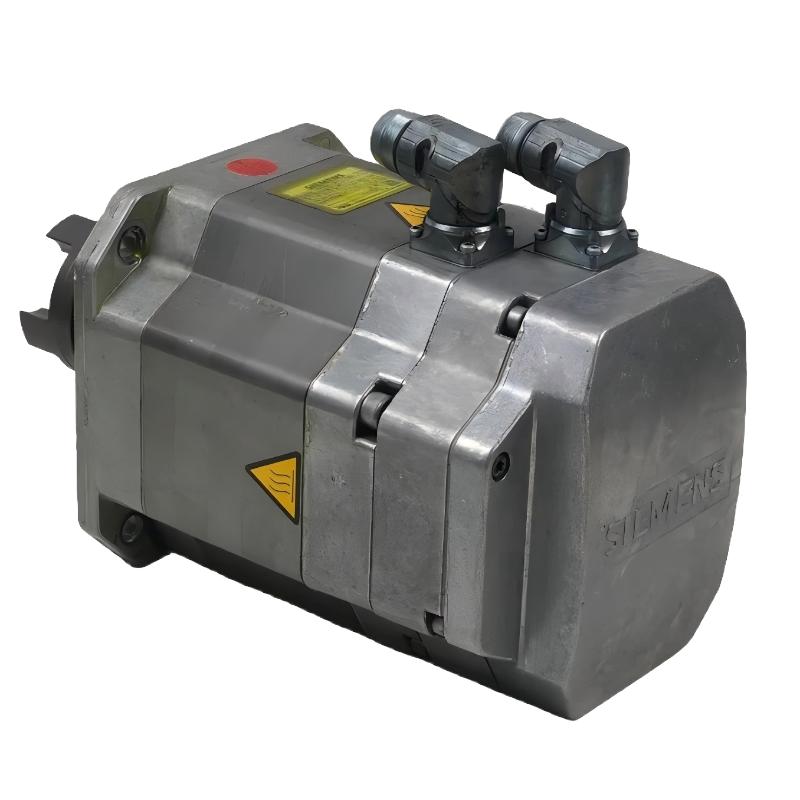
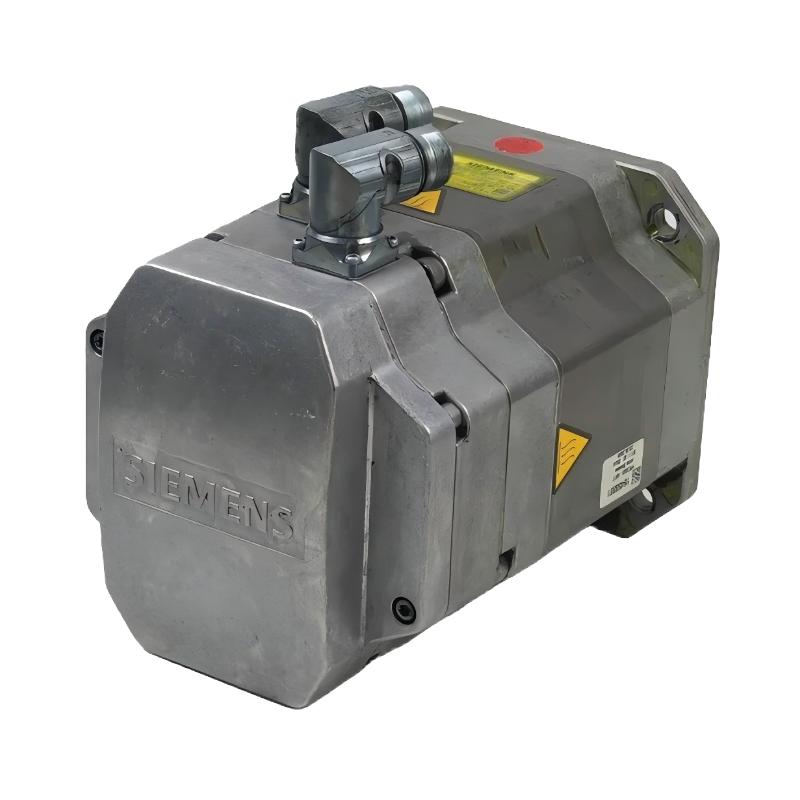
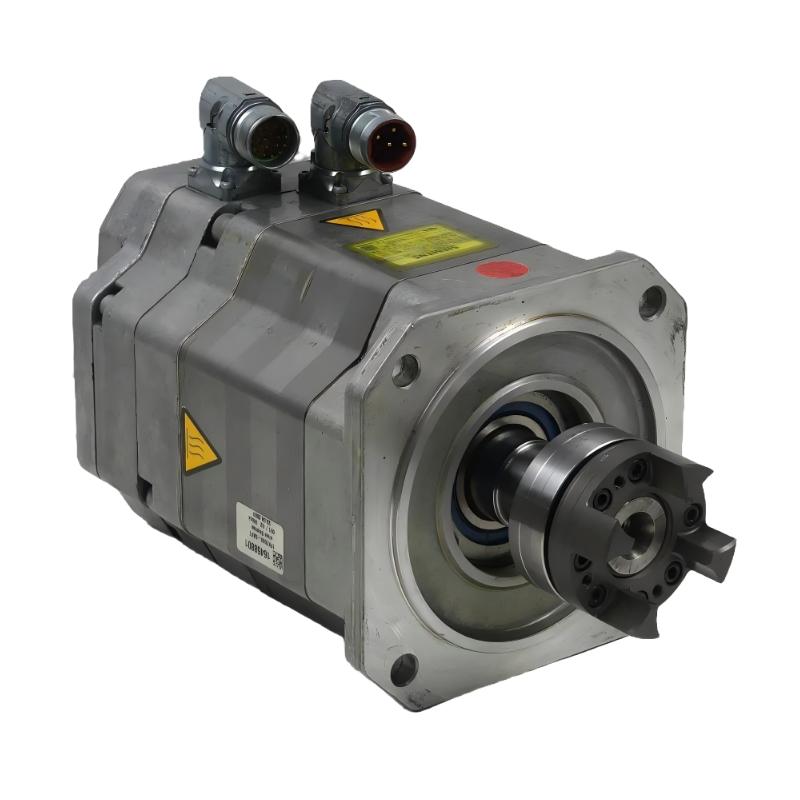
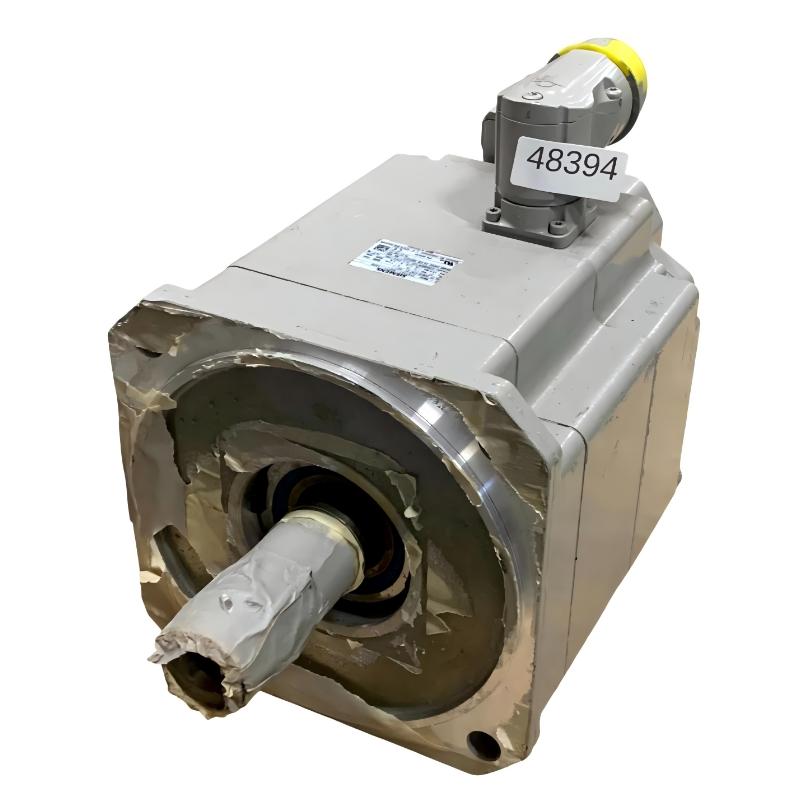
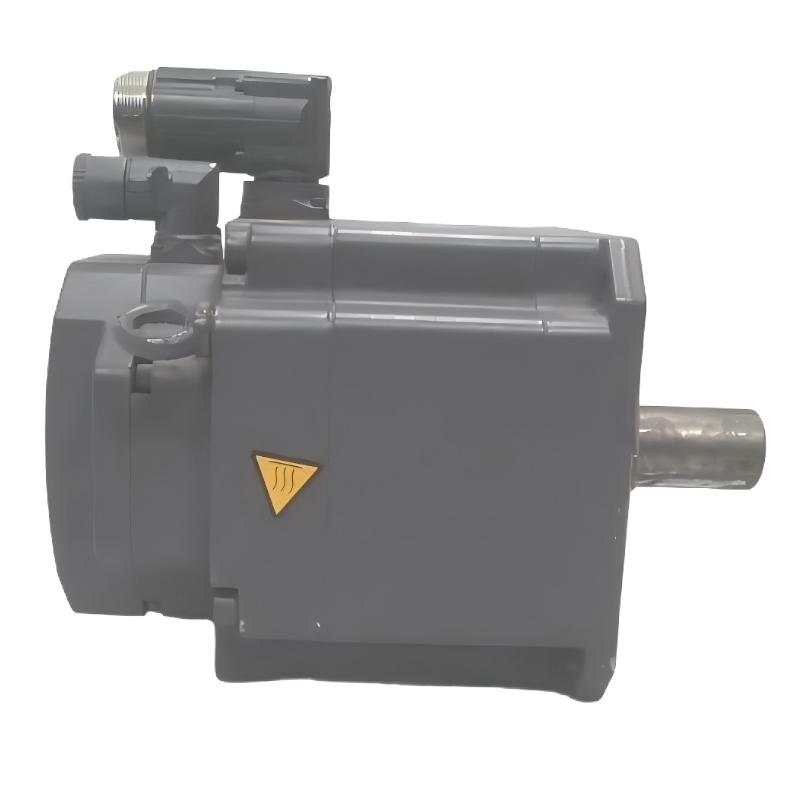
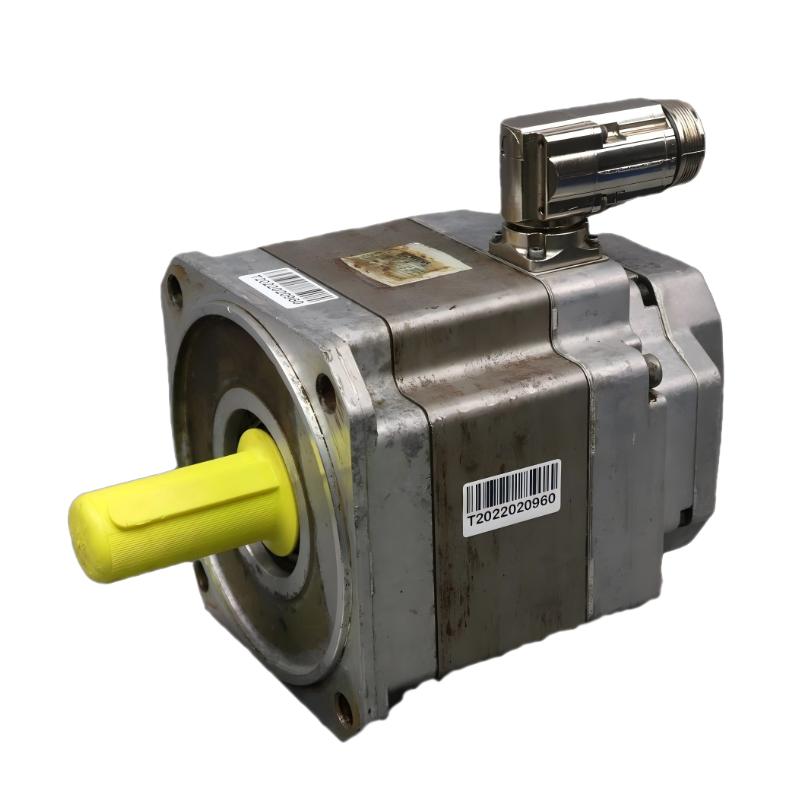
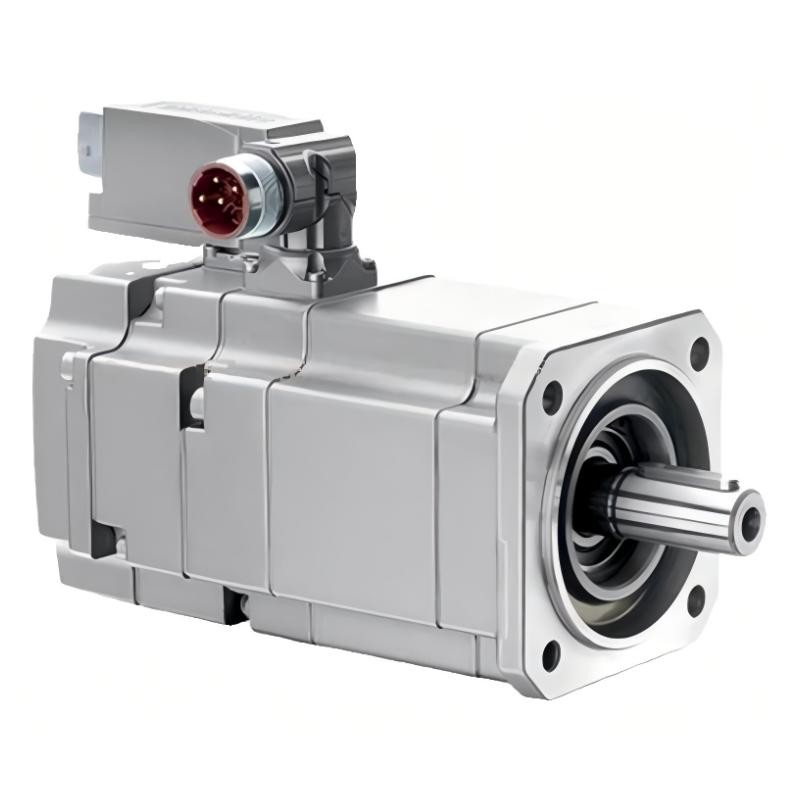
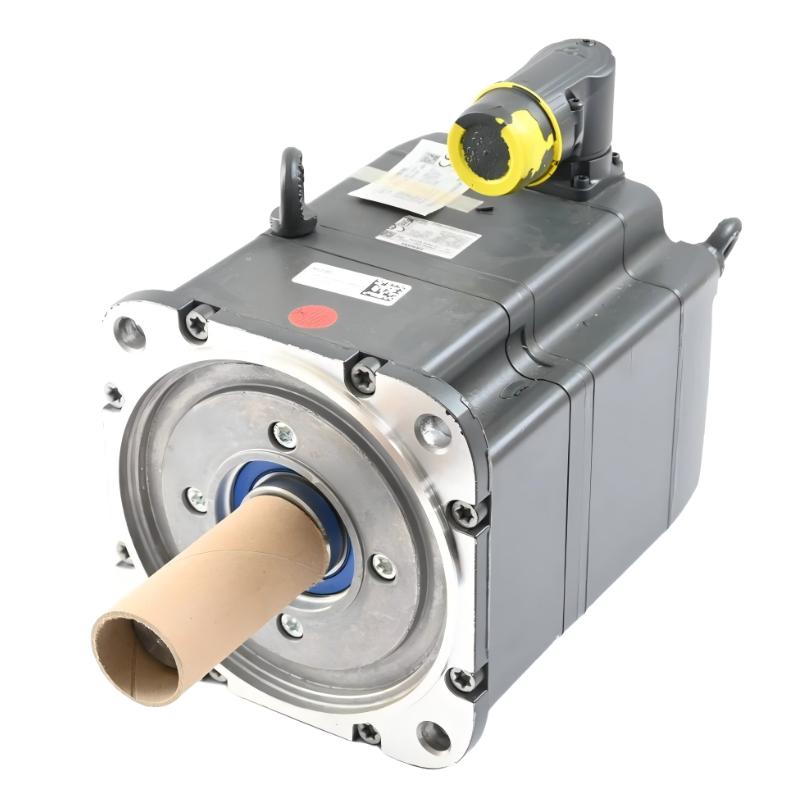
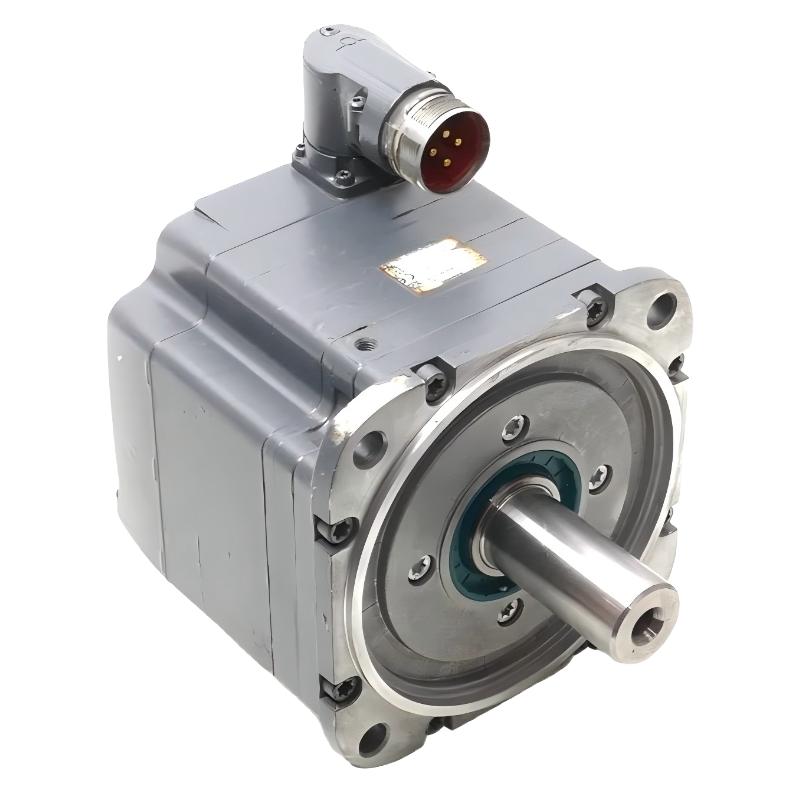
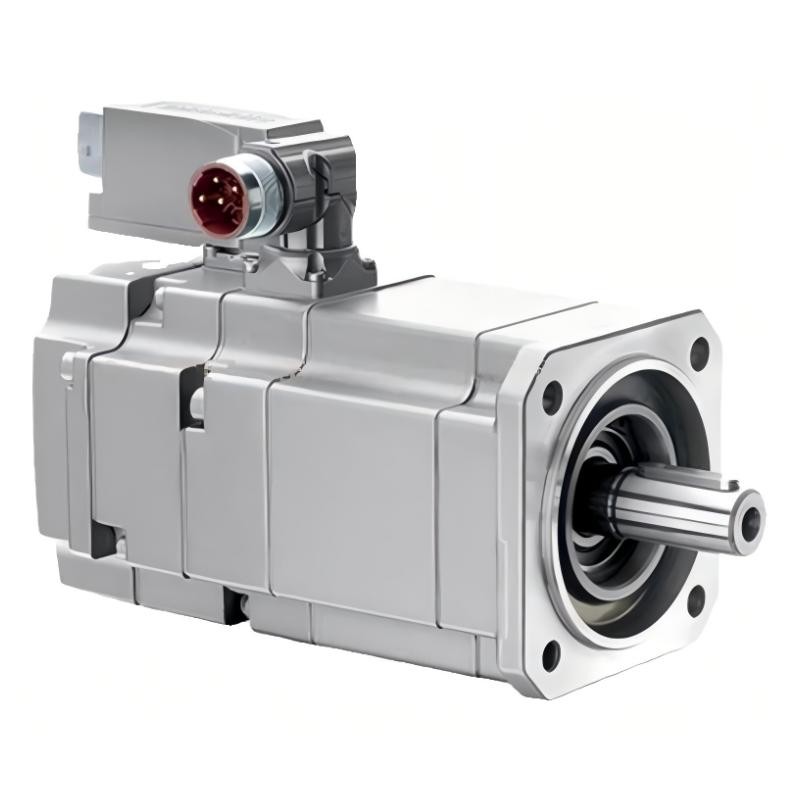
- Siemens
- 1FK7083-5AF71-1AG0
- Compact Synchronous Motor
- Germany
- 270 × 140 × 180 mm
- 10kg
- Xiamen, China
- New & In Stock
- T/T, PayPal, Western Union
- 1 Year
- 1-3 Working Days
- DHL, UPS, TNT, FedEx and EMS.
- 24-Hour Service
- COO
- 7
Our advantage

Global Logistics
We have a 10-year logistics and express cooperation agreement, so our products can be shipped to any place in the world.

Brand new and original
Our products are imported in bulk from the place of origin. Because of the cooperative relationship, our products are all original and 100% new.

24-hour service
We provide 7*24 hours service to our customers. We will be there whenever you need us.

Price advantage
All our products are priced very favorably because we have our own warehouse and supply.
| Company Information | |||
| [email protected] | |||
| Mobile | +8615980777398 | ||
| +8615980777398 | |||
| 15980777398 |
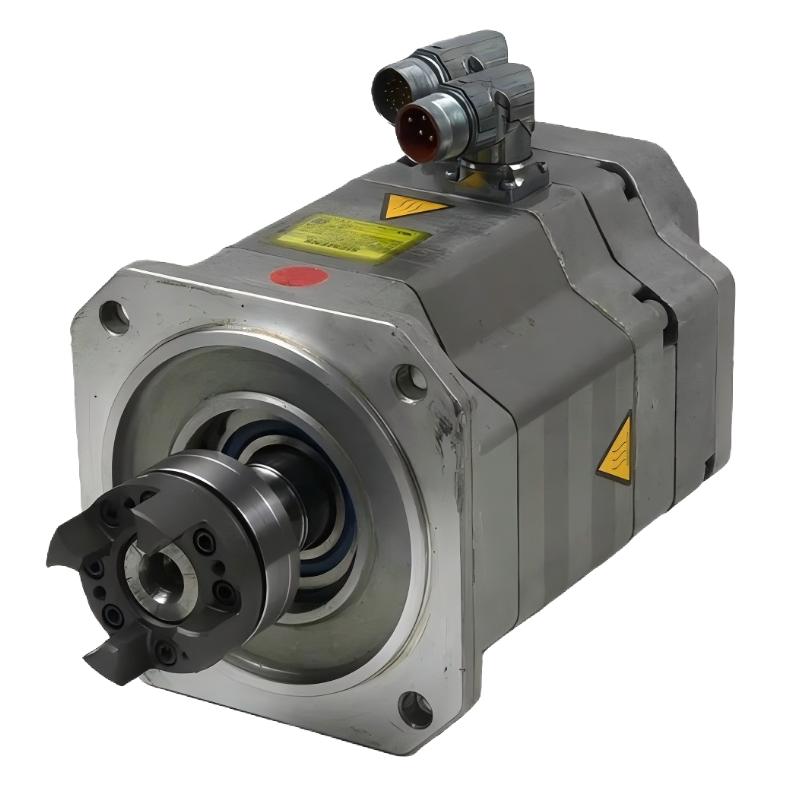
Siemens 1FK7083-5AF71-1AG0 Servo Motor: Complete Technical Guide
1. Product Introduction
The Siemens 1FK7083-5AF71-1AG0 is a permanent-magnet synchronous servo motor in the SIMOTICS S 1FK7 Compact series. It is designed for industrial motion-control applications that require controlled speed, dependable torque, and repeatable positioning.
This model has an optimum power rating of 3.3 kW and a rated speed of 3,000 rpm. Its static torque is specified at 16 Nm under the 100 K temperature-rise condition, making it suitable for evaluating applications that need a balance of speed and torque in a compact motor package.
The motor uses an incremental SIN/COS encoder with a 1 Vpp signal and 2,048 periods per revolution. This feedback system provides the servo drive with information about motor movement and supports closed-loop speed and position control when used with compatible control equipment.
The 1FK7083-5AF71-1AG0 has a plain shaft, natural cooling, an IP64 protection rating, and no integrated holding brake. Its power and signal connectors can be rotated by up to 270 degrees, providing some flexibility when arranging cables within a machine.
This model is particularly relevant to maintenance, replacement, and industrial automation projects using the same motor configuration. Before installation, the full order code should be checked carefully because related 1FK7 motors may have different encoder systems, shaft designs, brakes, and protection ratings.
2. Brand and Product Series
| Item | Specification |
|---|---|
| Model | 1FK7083-5AF71-1AG0 |
| Brand | Siemens |
| Product family | SIMOTICS |
| Product series | SIMOTICS S 1FK7 Compact |
| Motor category | Synchronous servo motor |
| Motor technology | Permanent-magnet synchronous |
| Optimum power | 3.3 kW |
| Rated speed | 3,000 rpm |
| Rated torque at 100 K | 10.5 Nm |
| Static torque at 100 K | 16.0 Nm |
| Encoder | Incremental SIN/COS, 1 Vpp, 2,048 periods/revolution |
| Shaft design | Plain shaft, tolerance N |
| Cooling method | Natural cooling |
| Holding brake | Not fitted |
| Protection rating | IP64 |
| Mounting arrangement | IM B5; also listed for IM V1 and IM V3 |
| Connector arrangement | Power and signal connectors rotatable by 270° |
| Shaft height | 80 mm |
| Net motor weight | 14.0 kg |
The SIMOTICS S 1FK7 series is intended for applications where motors operate under closed-loop control. The drive uses feedback to regulate movement, helping the machine achieve the required speed, torque, and position.
The 1FK7 family contains different motor sizes and configurations. Although several models share a 3,000 rpm rated speed or similar torque ratings, their exact suitability depends on the complete ordering code and mechanical arrangement.
Lifecycle consideration: this exact model has been designated as a discontinued product in the published product information. For existing equipment, it may be relevant as a spare or replacement motor. For a new machine design, a suitable successor should be selected only after checking the electrical, mechanical, encoder, and mounting requirements.
3. Detailed Technical Specifications
3.1 Electrical and Performance Parameters
| Parameter | Specification |
|---|---|
| Model | 1FK7083-5AF71-1AG0 |
| Motor type | Permanent-magnet synchronous servo motor |
| Optimum power | 3.3 kW |
| Rated speed | 3,000 rpm |
| Optimum speed | 3,000 rpm |
| Rated torque at 100 K | 10.5 Nm |
| Static torque at 60 K | 13.3 Nm |
| Static torque at 100 K | 16.0 Nm |
| Rated current | 7.4 A |
| Static current at 60 K | 8.6 A |
| Static current at 100 K | 10.4 A |
| Number of poles | 8 |
| Maximum permissible mechanical speed | 6,000 rpm |
| Maximum permissible inverter speed | 5,900 rpm |
| Maximum torque | 50 Nm |
| Maximum current | 37 A |
| Torque constant | 1.52 Nm/A |
| Voltage constant at 20°C | 97.0 V per 1,000 rpm |
| Winding resistance at 20°C | 0.40 Ω |
| Rotating-field inductance | 6.0 mH |
| Electrical time constant | 15.5 ms |
| Mechanical time constant | 1.41 ms |
| Thermal time constant | 50 minutes |
| Efficiency | Approximately 93% |
| Rotor moment of inertia | 27.3 kg·cm² |
| Shaft torsional stiffness | 105,000 Nm/rad |
The rated torque of 10.5 Nm is the reference torque at the specified rated operating condition. The static torque of 16 Nm is a different value and should not be used as a continuous operating rating without considering the specified thermal conditions.
The maximum torque of 50 Nm is a limiting value rather than a guarantee of continuous output. The actual available torque depends on speed, drive current, temperature, acceleration requirements, and the duration of the load.
The maximum permissible speed is also distinct from the rated speed. Although the motor’s mechanical speed limit is listed as 6,000 rpm, the inverter-related limit is 5,900 rpm. The permitted operating range must be checked against the selected drive and the machine’s load profile.
3.2 Mechanical and Installation Parameters
| Parameter | Specification |
|---|---|
| Model | 1FK7083-5AF71-1AG0 |
| Construction | Compact industrial servo motor |
| Shaft height | 80 mm |
| Shaft design | Plain shaft |
| Shaft tolerance | N |
| Cooling | Natural cooling |
| Protection rating | IP64 |
| Flange mounting | IM B5 |
| Alternative mounting positions | IM V1 and IM V3, subject to installation requirements |
| Connector rotation | Up to 270° |
| Connector size | Size 1 |
| Holding brake | No |
| Temperature monitoring | KTY84 sensor in the stator winding |
| Radial runout tolerance | 0.050 mm |
| Concentricity tolerance | 0.10 mm |
| Axial runout tolerance | 0.10 mm |
| Vibration severity | Grade A |
| Approximate overall dimensions (L × W × H) | Allow approximately 300 × 160 × 200 mm for preliminary space planning only; verify drawing |
| Net motor weight | 14.0 kg |
| Installation clearance | Additional space required for cables, connectors, fasteners, and coupling |
| Mounting surface | Rigid, flat, and aligned flange surface |
The shaft height of 80 mm is a key mechanical reference when matching the motor to a machine. However, it does not determine the full motor length, width, or height. The approximate overall dimensions above are only for early layout planning and should not be used as a final mounting specification.
The confirmed net motor weight is 14.0 kg. The lifting and mounting arrangement should account for this mass, the installation orientation, and the need to support the motor safely while fastening it to the machine.
3.3 Encoder and Feedback Parameters
| Parameter | Specification |
|---|---|
| Model | 1FK7083-5AF71-1AG0 |
| Encoder type | Incremental encoder |
| Signal format | SIN/COS |
| Signal voltage | 1 Vpp |
| Encoder resolution | 2,048 periods per revolution |
| Reference information | C and D tracks |
| Feedback purpose | Motor speed and position feedback |
| Control arrangement | Closed-loop control with a compatible servo drive |
| Absolute position storage | Not provided by the incremental encoder alone |
| Drive compatibility | Must support the specified encoder interface |
The incremental encoder produces signals corresponding to motor rotation. The drive processes these signals to determine movement and regulate the motor’s speed or position.
Unlike an absolute encoder, an incremental encoder does not independently provide a complete absolute position after every power interruption. Depending on the machine’s control design, the system may need a homing sequence or another reference procedure when restarting.
This does not make an incremental encoder unsuitable for precision machinery. It simply means the machine’s referencing strategy and the drive’s feedback interface must be compatible with the intended application.
3.4 Cooling, Protection, and Brake Configuration
| Parameter | Specification |
|---|---|
| Model | 1FK7083-5AF71-1AG0 |
| Cooling method | Natural cooling |
| Protection rating | IP64 |
| Dust protection | Dust-tight enclosure rating |
| Water protection | Protection against splashing water under specified test conditions |
| Integrated holding brake | No |
| Temperature sensor | KTY84 |
| Operating environment | Industrial environments within specified limits |
| External cooling unit | Not inherently required under specified operating conditions |
| Installation requirement | Adequate heat dissipation and suitable environmental protection |
Natural cooling reduces the need for a separate cooling unit, but the motor still needs a suitable installation environment. High ambient temperature, restricted airflow, heavy continuous loading, or repeated high-current acceleration can increase the motor’s thermal stress.
The IP64 rating should not be interpreted as protection against powerful water jets or immersion. If the motor is installed in a washdown area or exposed to aggressive cleaning chemicals, the complete installation requires a separate environmental suitability assessment.
The absence of a holding brake is an important selection detail. If the motor drives a vertical axis or a load that could move when power is removed, the machine may need a separate load-holding mechanism or a different motor configuration with an appropriate brake.
4. Product Structure and Operating Principle
The 1FK7083-5AF71-1AG0 uses permanent magnets in its rotor and controlled electrical currents in its stator windings to produce torque. The servo drive adjusts the current and rotating magnetic field to regulate the motor’s movement.
During operation, the motion controller sends commands to the drive. The encoder reports motor movement, and the drive compares feedback with the commanded speed or position. It then adjusts motor current to reduce the difference between the requested and actual movement.
This closed-loop arrangement is useful for machine axes that need controlled acceleration, accurate stopping, and repeatable movement.
The motor’s performance depends on the complete system. Drive selection, control tuning, mechanical stiffness, coupling alignment, load inertia, and operating temperature all influence how accurately and reliably the motor performs.
Because this version uses an incremental encoder, the control system must also manage the machine’s position reference. Where the machine requires absolute position recovery after power loss, the referencing strategy should be established during system design.
5. Product Applications
5.1 CNC Machine Tools
The motor can be considered for CNC machine-tool axes and auxiliary positioning mechanisms where controlled rotary motion is required. Typical application areas may include feed mechanisms, indexing units, tool-changing equipment, and other machine movements that fit the motor’s torque and speed limits.
The encoder provides feedback for speed and position control. Actual machining accuracy depends on the complete mechanical structure, including screw or belt transmission, coupling stiffness, backlash, and control tuning.
5.2 Packaging Machinery
Packaging equipment frequently requires repeated acceleration, controlled stopping, and synchronization between feeding, cutting, sealing, and transfer mechanisms.
The 1FK7083-5AF71-1AG0 may be suitable for a packaging axis when the required torque, cycle time, and encoder interface match the machine’s design. The machine controller must also provide the necessary reference procedure for the incremental encoder.
5.3 Automated Assembly Systems
Automated assembly equipment often uses servo motors to move fixtures, rotate components, position parts, or coordinate several mechanisms.
The motor’s closed-loop control capability can support repeatable motion. For applications requiring position recovery without a homing sequence, the incremental encoder arrangement must be evaluated carefully.
5.4 Material Handling and Transfer Equipment
The motor may be suitable for positioning tables, transfer mechanisms, indexing systems, and other industrial handling equipment.
Before selection, engineers should calculate the torque required to accelerate the load and account for the inertia of the transmission and driven components. A motor with sufficient rated torque may still be unsuitable if the peak acceleration demand exceeds the motor or drive limits.
5.5 Printing and Converting Machinery
Printing, labeling, and converting machines often require synchronized movement of rollers, feeders, cutters, and other mechanisms.
A servo motor can regulate speed and help coordinate motion with other axes. Suitability depends on the required speed range, load inertia, cycle profile, and control-system compatibility.
5.6 General Industrial Automation
The motor can also be evaluated for special-purpose machinery, automated workstations, rotary positioning devices, and production equipment that requires controlled movement.
It is most appropriate when the machine can use an incremental encoder and does not require a motor-mounted holding brake in the selected configuration.
6. Product Advantages
6.1 Good Balance of Speed and Torque
The motor combines an optimum power rating of 3.3 kW with a rated speed of 3,000 rpm and a rated torque of 10.5 Nm.
This combination can be useful for industrial axes that require both rotational speed and meaningful torque output. The final selection should be based on the actual load profile rather than power alone.
6.2 Closed-Loop Motion Control
The incremental SIN/COS encoder provides feedback to a compatible servo drive. This enables the control system to monitor motor movement and regulate speed or position.
The resulting performance depends on feedback processing, drive tuning, mechanical backlash, and the overall rigidity of the machine.
6.3 Compact Motor Construction
The 80 mm shaft height and compact construction make the motor a candidate for installations where available space is limited.
The complete mechanical drawing should still be checked because the connector position, motor length, mounting flange, and coupling clearance can determine whether it fits a particular machine.
6.4 Plain Shaft for Compatible Couplings
The plain shaft can be used with suitable couplings and transmission components designed for that shaft arrangement.
Compared with a keyed connection, a plain shaft may require a different coupling design. The coupling must transmit the required torque without slipping and must be installed within the permitted alignment and shaft-load limits.
6.5 Natural Cooling
Natural cooling simplifies the cooling arrangement and avoids an inherently necessary external fan or liquid-cooling circuit under the specified operating conditions.
Adequate heat dissipation remains essential. The motor should not be operated at its maximum torque continuously unless the relevant thermal and drive conditions permit it.
6.6 Flexible Connector Orientation
The power and signal connectors can be rotated by up to 270 degrees. This provides flexibility when planning cable routing in a machine enclosure.
The final arrangement must preserve the specified connector orientation limits and cable bend radius, and should avoid mechanical interference during installation or maintenance.
6.7 No Integrated Holding Brake
The absence of an integrated brake can be useful in applications where the load does not require motor-shaft holding when power is removed. It may also simplify brake-control wiring in systems that do not require a motor-mounted brake.
However, it is a disadvantage for applications that need the motor to hold a vertical load. In those cases, a suitable external holding solution or a different motor configuration should be considered.
6.8 Industrial Protection
The IP64 rating provides protection against dust ingress and splashing water under specified test conditions. This is useful for many indoor industrial installations.
For environments with water jets, immersion, aggressive chemicals, or demanding washdown procedures, a higher protection level or additional environmental measures may be necessary.
7. Five Related Models from the Same Series
The following models belong to the same general 1FK7 motor family and provide useful comparison options. They share some performance characteristics but differ in feedback, shaft, brake, or protection configuration.
Dimension figures below are approximate planning values for the 80 mm shaft-height motor class, not verified outline dimensions for every ordering code. Exact mechanical drawings should be used before installation or replacement.
| Model | Rated / optimum power | Rated speed | Rated torque | Encoder configuration | Shaft / brake | Protection | Approx. dimensions (L × W × H) | Weight |
|---|---|---|---|---|---|---|---|---|
| 1FK7083-5AF71-1AG5 | 3.3 kW | 3,000 rpm | 10.5 Nm | AM22DQ absolute encoder, multiturn | Plain shaft; no brake | IP65; flange IP67 | Approx. 300 × 160 × 200 mm; verify drawing | 14.0 kg |
| 1FK7083-5AF71-1SB3 | 3.3 kW | 3,000 rpm | 10.5 Nm | Multipole resolver | Fitted-key shaft; holding brake | IP64 | Approx. 300 × 160 × 200 mm; verify drawing | 16.5 kg |
| 1FK7083-5AF71-1EH0 | 3.3 kW | 3,000 rpm | 10.5 Nm | Absolute encoder configuration; verify interface | Plain shaft; holding brake | IP64 | Approx. 300 × 160 × 200 mm; verify drawing | Confirm exact version |
| 1FK7083-5AF71-1UG5 | 3.3 kW | 3,000 rpm | 10.5 Nm | Resolver with DRIVE-CLiQ interface | Plain shaft; no brake | IP65; flange IP67 | Approx. 300 × 160 × 200 mm; verify drawing | 14.0 kg |
| 1FK7083-5AF71-1DG3 | 3.3 kW | 3,000 rpm | 10.5 Nm | Incremental encoder configuration | Plain shaft; no brake | IP64 | Approx. 300 × 160 × 200 mm; verify drawing | Confirm exact version |
7.1 Model Comparison
1FK7083-5AF71-1AG5
This is a useful alternative when the application requires absolute position feedback rather than the incremental feedback used by the target model. It has similar power, speed, and torque ratings, but the encoder interface and protection configuration differ. The machine’s servo drive must support the exact encoder type.
1FK7083-5AF71-1SB3
This configuration includes a holding brake and fitted-key shaft. It may suit an application that requires the shaft to remain held when the motor is stationary and uses a keyed mechanical transmission. The brake and resolver arrangement must be compatible with the control system.
1FK7083-5AF71-1EH0
This model is a potential comparison where an absolute encoder and holding brake are required. Confirm the exact encoder specification, mounting arrangement, and net weight before treating it as a replacement.
1FK7083-5AF71-1UG5
This version uses a resolver-based feedback arrangement with a DRIVE-CLiQ interface. It may be relevant when the machine supports that feedback configuration and does not require an integrated holding brake.
1FK7083-5AF71-1DG3
This is another model for comparison within the 1FK7083 family. Its incremental feedback configuration makes it necessary to check compatibility with the installed drive and the machine’s referencing procedure.
8. Five Additional Popular Siemens Servo Motor Models
The following models provide a broader comparison across common 1FK7 and 1FT6 motor families. Popularity varies by industry, machine type, and replacement requirements, so this is a practical comparison list rather than a sales ranking.
| Model | Product family | Rated / optimum power | Rated speed | Rated torque | Feedback / configuration | Approx. dimensions (L × W × H) | Weight |
|---|---|---|---|---|---|---|---|
| 1FK7080-5AF71-1AG0 | SIMOTICS S 1FK7 | Approx. 2.14 kW | 3,000 rpm | Approx. 6.8 Nm | Encoder configuration depends on exact version | Approx. 270 × 140 × 180 mm; verify drawing | Approx. 10 kg; confirm |
| 1FK7080-5AF71-1EG0 | SIMOTICS S 1FK7 | Approx. 2.14 kW | 3,000 rpm | Approx. 6.8 Nm | Absolute-encoder configuration | Approx. 270 × 140 × 180 mm; verify drawing | Approx. 10 kg; confirm |
| 1FK7080-5AF71-1DA0 | SIMOTICS S 1FK7 | Approx. 2.14 kW | 3,000 rpm | Approx. 6.8 Nm | DRIVE-CLiQ feedback; fitted-key shaft in the referenced configuration | Approx. 270 × 140 × 180 mm; verify drawing | Approx. 10 kg; confirm |
| 1FK7063-5AF71-1AG0 | SIMOTICS S 1FK7 | Confirm exact version | Confirm exact version | Confirm exact version | Configuration-specific | Verify mechanical drawing | Verify exact configuration |
| 1FT6086-8AH71-3EG1 | SIMOTICS S 1FT6 | Confirm exact version | Confirm exact version | Confirm exact version | Configuration-specific | Verify mechanical drawing | Verify exact configuration |
The 1FK7080 models are lower-rated comparison candidates than the 1FK7083-5AF71-1AG0. They may be suitable for applications with lower torque requirements, but a substitution requires checking the load calculation, peak acceleration demand, shaft connection, encoder compatibility, and mounting dimensions.
The 1FK7063 and 1FT6086 models are included as broader candidates, not as direct replacements. Their exact performance and dimensions should be confirmed against the full ordering code before making a technical or purchasing decision.
9. Selection Guide: Choosing the Right Model
| Application requirement | Recommended selection approach |
|---|---|
| Existing machine already uses 1FK7083-5AF71-1AG0 | Start by matching the exact model code and mechanical drawing |
| Absolute position feedback required | Consider a compatible absolute-encoder configuration such as the relevant 1FK7083 variant |
| Integrated shaft holding required | Select a version with a suitable holding brake or design an appropriate external holding solution |
| Keyed mechanical transmission | Choose a fitted-key shaft configuration that matches the coupling |
| Plain-shaft coupling | Confirm the coupling is designed for the shaft diameter, torque, and load |
| Lower torque demand | Evaluate a lower-rated model such as a compatible 1FK7080 variant |
| Dust and splash exposure | Verify that the motor’s protection rating meets the actual environment |
| Replacement in an existing control system | Confirm feedback interface, drive support, connector pinout, and motor data |
| Space-constrained installation | Use the exact mechanical drawing and include connector and cable clearance |
| Shipping or lifting plan | Use the confirmed net weight of the exact model, not an approximate family value |
10. Installation and Maintenance Recommendations
Drive Compatibility
Confirm that the selected servo drive supports the motor’s rated current, peak current, encoder signals, and operating speed. The motor and drive must be configured as a compatible pair.
Mechanical Installation
The motor flange should be mounted on a rigid, flat surface. Couplings must be aligned correctly, and radial or axial loads should remain within the permitted limits. Poor alignment can cause vibration, bearing wear, and reduced service life.
Encoder and Referencing
Because the 1FK7083-5AF71-1AG0 uses an incremental encoder, establish the machine’s reference procedure in the control program. If the machine needs to recover absolute position after a power interruption without homing, check whether a different encoder configuration is more appropriate.
Cooling and Environmental Protection
Allow enough space for natural heat dissipation. Confirm the ambient temperature and operating duty are within the motor’s specified limits. The IP64 rating should be evaluated against the actual dust, moisture, and cleaning conditions.
Brake Requirements
This model does not include an integrated holding brake. If the motor drives a vertical axis or a load that could move when power is removed, ensure the machine has an appropriate load-holding arrangement.
Weight and Dimensions
Use the confirmed 14.0 kg net motor weight for preliminary handling calculations. The approximate dimensions in this description are not a substitute for a dimensioned mechanical drawing. Verify the complete outline and connector clearance before fabricating mounting hardware.
11. Final Product Summary
The Siemens 1FK7083-5AF71-1AG0 is a 3.3 kW permanent-magnet synchronous servo motor in the SIMOTICS S 1FK7 Compact series. Its principal specifications include a 3,000 rpm rated speed, 10.5 Nm rated torque, 16 Nm static torque at a 100 K temperature rise, an incremental SIN/COS encoder with 1 Vpp signals and 2,048 periods per revolution, natural cooling, an 80 mm shaft height, and IP64 protection.
The motor’s key advantages are its useful balance of speed and torque, compatibility with closed-loop motion control, compact construction, plain-shaft arrangement, and flexible connector orientation. It is suitable for consideration in machine tools, packaging systems, automated assembly equipment, material handling, and other industrial positioning applications.
Its main limitations should also be considered: the incremental encoder may require a referencing procedure after power loss, there is no integrated holding brake, and the protection rating is not intended to imply suitability for immersion or high-pressure washdown.
For replacement work, the most important checks are the complete ordering code, encoder interface, shaft dimensions, drive compatibility, mounting drawing, and required holding function. Related 1FK7 models can have similar torque and speed ratings while differing significantly in these details, so matching the full configuration is essential.