

ProductPRODUCT
Featured products
Contact Us
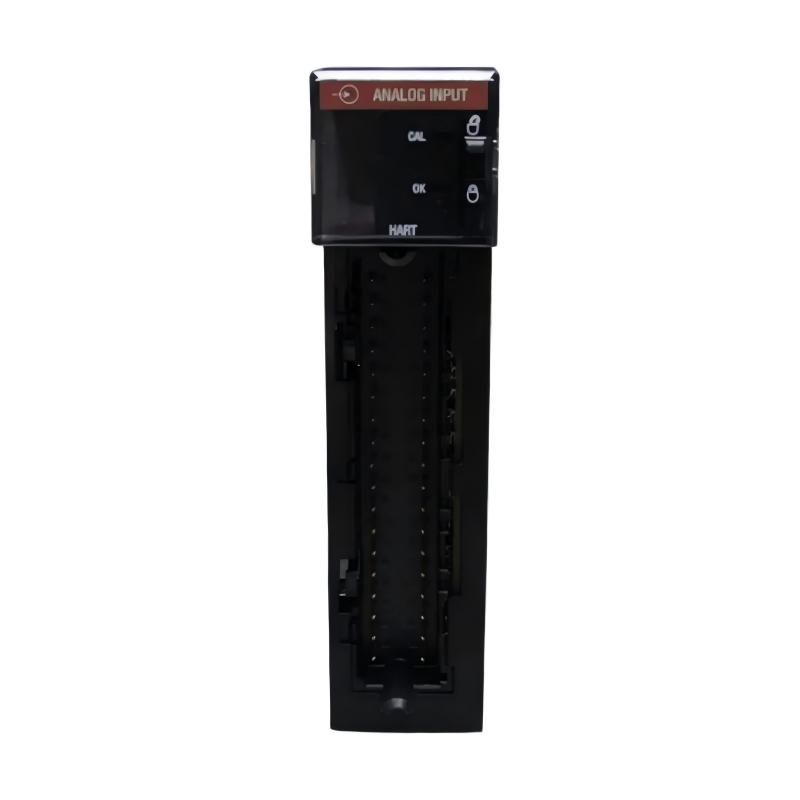
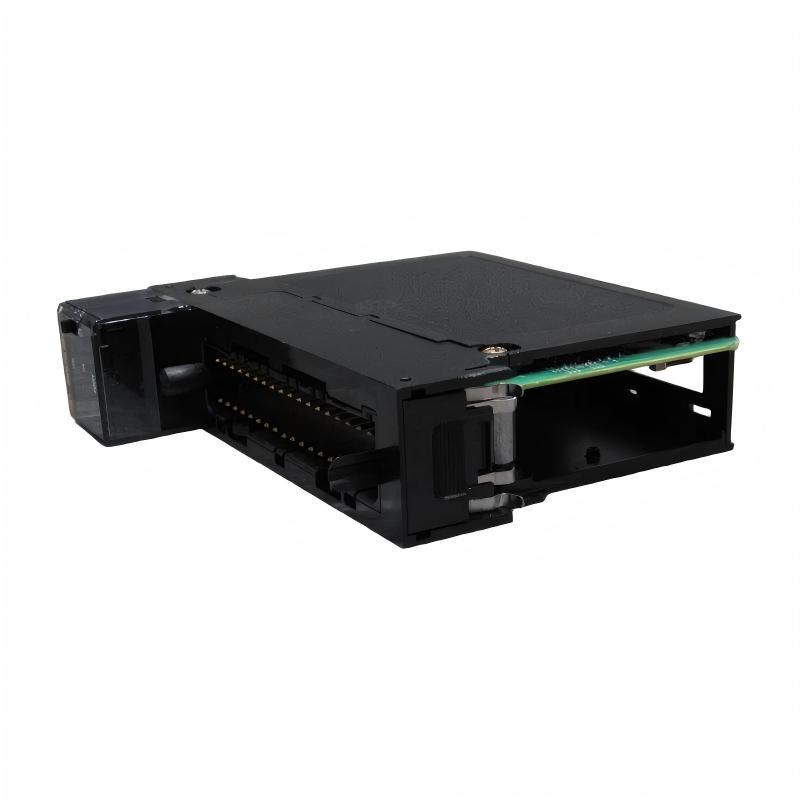
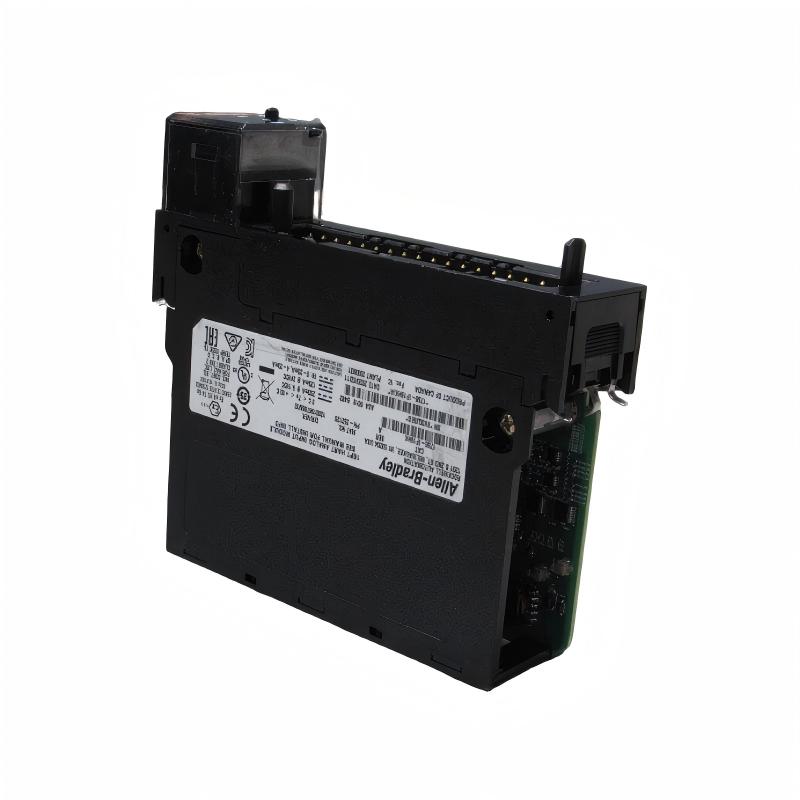
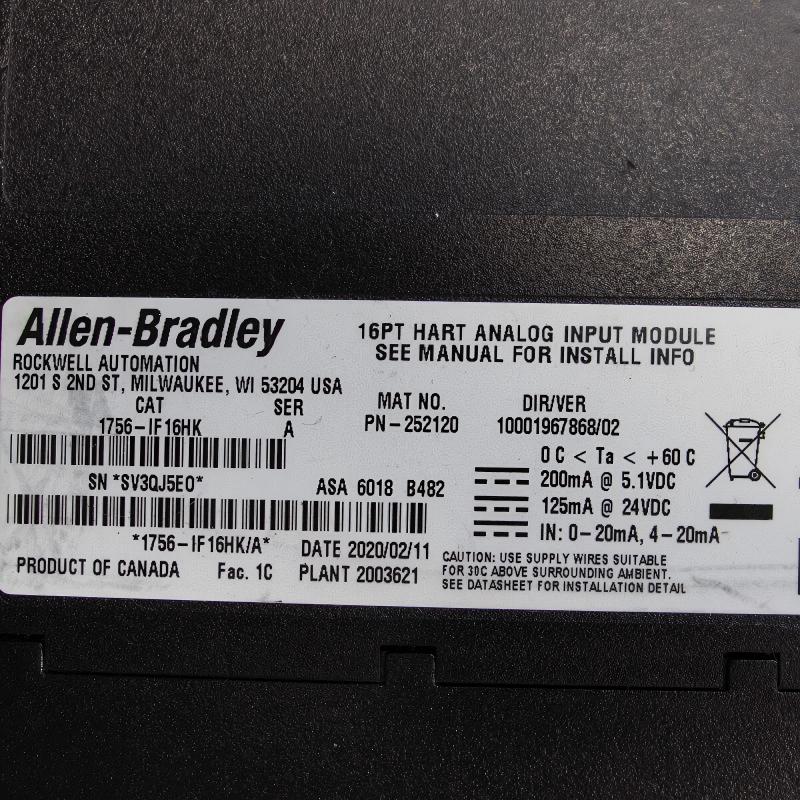
- Allen Bradley
- 1756-IF16HK
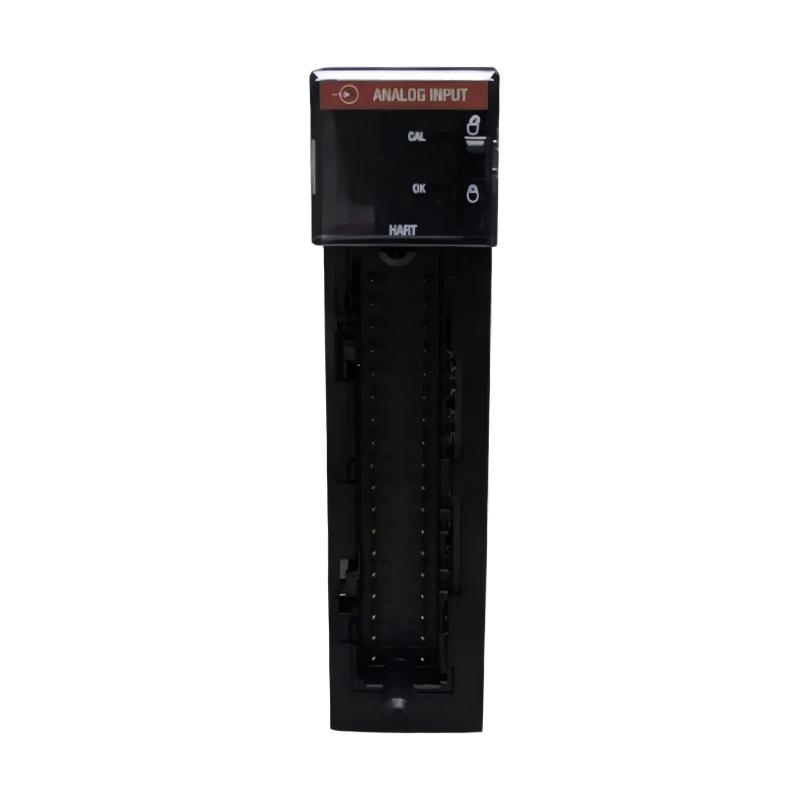
- ControlLogix Analog Input Module
- USA
- 144.57 x 22 x 105.42 mm
- 0.36 kg
- Xiamen, China
- New & In Stock
- T/T, PayPal, Western Union
- 1 Year
- 1-3 Working Days
- DHL, UPS, TNT, FedEx and EMS.
- 24-Hour Service
- COO
- 7
Our advantage

Global Logistics
We have a 10-year logistics and express cooperation agreement, so our products can be shipped to any place in the world.

Brand new and original
Our products are imported in bulk from the place of origin. Because of the cooperative relationship, our products are all original and 100% new.

24-hour service
We provide 7*24 hours service to our customers. We will be there whenever you need us.

Price advantage
All our products are priced very favorably because we have our own warehouse and supply.
| Company Information | |||
| [email protected] | |||
| Mobile | +8615980777398 | ||
| +8615980777398 | |||
| 15980777398 |
1. Product Overview
The Allen-Bradley 1756-IF16HK ControlLogix HART Analog Input Module is designed for industrial process monitoring, instrumentation data acquisition, and distributed control applications. As part of the ControlLogix I/O platform, this 16-channel module enables a programmable automation controller to receive current signals from compatible field instruments and use the measured values for monitoring, process control, alarms, and data management.
The 1756-IF16HK supports standard industrial current input ranges of 0–20 mA and 4–20 mA. It also supports the HART communication protocol, allowing compatible field devices to provide digital instrument information in addition to their analog process signals. This can help maintenance and engineering teams access instrument diagnostics and configuration information within supported control-system architectures.
The module features a conformal coating, which is intended to provide additional protection for electronic components in suitable industrial environments. Its compact form factor makes it appropriate for ControlLogix chassis installations where multiple analog input channels must be integrated into a centralized automation system.
For industrial operators, system integrators, and maintenance teams, the Allen-Bradley 1756-IF16HK offers a practical interface between field instrumentation and controller-based process automation. Typical applications include pressure monitoring, temperature measurement through compatible transmitters, flow measurement, level monitoring, and other process variables represented by current-loop signals.
When selecting this module, users should confirm the exact catalog number, module series, chassis compatibility, terminal-block requirements, and HART configuration needs before installation or replacement.
2. Technical Specifications
| Parameter | Specification |
|---|---|
| Brand | Allen-Bradley |
| Manufacturer | Rockwell Automation |
| Model | 1756-IF16HK |
| Product Series | ControlLogix |
| Product Type | HART Analog Input Module |
| Number of Channels | 16 |
| Input Signal Type | Current |
| Supported Input Ranges | 0–20 mA, 4–20 mA |
| HART Support | Yes |
| Channel Isolation | No isolation between individual input channels |
| Protective Design | Conformally coated |
| Dimensions | 144.57 × 22 × 105.42 mm |
| Weight | 0.36 kg |
| System Integration | Compatible ControlLogix chassis and I/O architecture |
| Typical Applications | Process instrumentation, analog signal acquisition, industrial monitoring |
| Lifecycle Status | Active according to the manufacturer’s product listing |
Note: Dimensions and weight are provided according to the supplied product data. Confirm the physical measurements, module revision, and accessories against the specific unit being purchased.
3. Functions and Working Principle
3.1 Analog Current Signal Acquisition
The main function of the 1756-IF16HK is to acquire analog current signals from compatible field instruments and make the resulting measurement data available to the ControlLogix controller.
In a typical installation, a transmitter measures a process variable such as pressure, flow, liquid level, or temperature. It converts the measurement into a standardized current signal, commonly 4–20 mA. The input module receives the signal, converts it into digital data, and communicates the measurement to the controller through the ControlLogix backplane.
The controller can then use the data in its control logic, calculations, alarm conditions, operator displays, and supervisory monitoring functions.
3.2 Sixteen-Channel Input Capability
The module provides 16 current input channels in one I/O module. This allows multiple field instruments to be connected to a single module, helping reduce the number of individual modules required for an application with many measurement points.
For example, a process skid may need to monitor several pressure transmitters, flow transmitters, and level transmitters. Provided that the instruments and wiring meet the module’s electrical requirements, the 1756-IF16HK can collect signals from multiple measurement points for processing by the controller.
The final channel assignment depends on the control-system design, instrument list, terminal wiring, and application configuration.
3.3 HART Communication Support
HART is a communication protocol used by compatible smart field instruments. It allows digital information to be exchanged over a supported analog current loop.
In addition to the process value represented by the analog signal, HART-capable instruments may provide information such as instrument identification, diagnostic status, configuration parameters, and other supported device data.
The 1756-IF16HK supports HART communication, making it suitable for applications where instrument visibility and maintenance information are important. The exact functions available depend on the connected field device, module revision, controller configuration, and engineering software.
HART support should not be interpreted as universal compatibility with every smart instrument or every asset-management system. Confirm the communication requirements of the actual devices and software before implementation.
3.4 Signal Conversion and Controller Data
Once a current signal reaches an input channel, the module processes it and provides digital measurement data to the controller. The controller program can scale the input into engineering units, such as bar, degrees Celsius, liters per minute, or percentage of tank capacity.
Correct scaling requires accurate instrument range information. For example, a transmitter configured for a particular pressure range must be matched with the corresponding scaling parameters in the controller program. Incorrect scaling can cause displayed values and control calculations to differ from the actual process conditions.
3.5 Status and Diagnostic Monitoring
Module status indicators and supported diagnostic information help maintenance personnel identify certain module conditions and troubleshoot I/O problems.
Depending on the configuration, troubleshooting may involve checking channel values, input wiring, transmitter power, instrument configuration, communication status, and controller diagnostic information. HART-enabled devices may also provide additional diagnostic details through compatible tools.
Diagnostics improve maintenance visibility, but they do not eliminate the need for appropriate instrument testing, wiring inspection, and process verification.
4. Role in Industrial Control Systems
4.1 Interface Between Field Instruments and PLCs
Industrial controllers cannot directly interpret every physical process variable without an appropriate input interface. Analog input modules bridge the gap between field instrumentation and digital control logic.
The 1756-IF16HK receives supported current signals from field devices and transfers measurement information to the ControlLogix controller. The controller can use these values to make decisions, calculate outputs, activate alarms, and coordinate equipment.
This arrangement supports centralized process monitoring while allowing individual field instruments to remain distributed throughout a plant.
4.2 Process Monitoring and Regulation
Accurate process measurements are fundamental to automated regulation. A controller may use pressure, temperature, flow, or level data to maintain a process within its target operating range.
For example, a controller can compare a measured tank level against a setpoint and adjust a compatible output device through the appropriate control logic. Similarly, flow measurements can be used for totalization, production reporting, or flow-control calculations.
The 1756-IF16HK provides the input data needed for these functions. Actual control performance depends on the field instruments, signal quality, controller program, control strategy, and the rest of the automation system.
4.3 Integration with Supervisory Systems
Measurement values collected by the module can be processed by the controller and made available to compatible supervisory systems, such as SCADA or HMI platforms.
Operators can use these values to review live process conditions, investigate abnormal measurements, and make informed operating decisions. Historical records can also support production analysis and maintenance planning when the broader system is configured to collect and store data.
HART device information may extend the available instrument diagnostics when the controller, software, and connected devices support the required integration.
4.4 Support for Maintenance and Troubleshooting
An input module is a critical component of the measurement path. A fault affecting the module, terminal connections, or field wiring may lead to missing, unstable, or incorrect measurements.
By centralizing multiple inputs and providing supported status information, the 1756-IF16HK can help technicians locate problems in the I/O section of a control system. Effective troubleshooting should still examine the complete signal path, including the transmitter, power supply, wiring, terminal block, module configuration, and controller logic.
5. Industrial Applications
5.1 Oil and Gas Processing
Oil and gas facilities use current-loop transmitters to monitor pressure, flow, tank level, and other process variables. The 1756-IF16HK can acquire compatible current signals from these instruments for controller-based monitoring and process management.
HART support can be valuable when compatible field instruments provide diagnostic or configuration information. Because field conditions and safety requirements vary, the complete installation must follow the applicable electrical, hazardous-area, and process-safety requirements.
5.2 Chemical and Petrochemical Plants
Chemical production often requires continuous measurement of multiple process variables. Analog input channels can collect instrument readings used for process calculations, alarms, and closed-loop control.
The 1756-IF16HK can serve as an input interface in suitable ControlLogix-based systems. Engineers should confirm the module’s channel arrangement, electrical characteristics, grounding scheme, and isolation limitations when designing installations in electrically demanding environments.
5.3 Water and Wastewater Treatment
Water treatment facilities commonly monitor flow rates, tank levels, pressure, and other parameters using transmitters with standard current outputs.
The module can collect these signals for pump control, process monitoring, alarm handling, and operational reporting. HART-capable instruments may provide useful maintenance information when the plant’s automation architecture supports it.
5.4 Power Generation and Utilities
Power plants and utility facilities use instrumentation to monitor fluid systems, auxiliary equipment, cooling processes, and other operational parameters.
The 1756-IF16HK can be applied where compatible current-output instruments are integrated into a ControlLogix control system. Application engineers should assess environmental conditions, electrical interference, process criticality, and system availability requirements before selecting the module.
5.5 Pharmaceutical and General Manufacturing
Manufacturing systems may need to monitor temperatures, pressures, flow rates, and other variables as part of automated production sequences.
The module can acquire compatible transmitter signals for process supervision, equipment coordination, and data collection. Where traceability, validation, or regulated manufacturing procedures apply, the system configuration and maintenance records should follow the facility’s established quality requirements.
5.6 Industrial Skids and OEM Equipment
Original equipment manufacturers often integrate several measurement points into packaged equipment, including pump skids, mixing systems, filtration units, and fluid-handling assemblies.
A 16-channel analog input module can help consolidate instrument connections in a ControlLogix-based design. Engineers should confirm that the number of required channels, wiring arrangement, controller capacity, and future expansion plans align with the selected module.
6. Installation and System Integration
6.1 Verify the Exact Catalog Number
Before installation, confirm that the module label reads 1756-IF16HK. Similar catalog numbers may have different input functions, isolation characteristics, or protective designs.
The letter “K” identifies the conformally coated variant in this product family. It should not be treated as evidence that the module has individually isolated input channels.
When replacing an existing module, compare the catalog number, series, firmware or revision requirements where applicable, terminal arrangement, and controller configuration.
6.2 Confirm Chassis and Power Requirements
The module must be installed in a compatible ControlLogix chassis with an appropriate power supply and sufficient available backplane capacity.
Before commissioning, verify the chassis configuration, module placement, controller compatibility, and the applicable electrical specifications for the exact module series. Do not rely on a generic specification if the installed module revision has different requirements.
6.3 Check Terminal Block Requirements
A removable terminal block or compatible wiring assembly may be required to connect field signals. Confirm the correct accessory type and whether it is included with the supplied unit.
Terminal assignments must follow the applicable wiring diagram. Incorrect connections can result in inaccurate readings, channel faults, or damage to connected equipment.
6.4 Wire the Current Loops Correctly
Use the manufacturer’s wiring instructions for two-wire and four-wire transmitters, including the specified positive, negative, and return connections.
Before wiring, verify the transmitter output range, loop power arrangement, polarity, grounding, and common-return design. Do not assume that every instrument can share the same supply or return arrangement without checking the circuit design.
Since individual input channels are not isolated from one another, engineers must pay particular attention to signal commons, grounding, and potential differences between field circuits. If the application requires channel-to-channel isolation, select an appropriate isolated input solution instead of assuming that this module provides it.
6.5 Configure the Input Channels
After installation, configure the module in the engineering environment supported by the specific ControlLogix system. Set up the module identity, channel usage, data handling, and any applicable filtering or HART-related options.
The controller program should scale each channel according to the corresponding instrument range. Verify engineering units, alarm thresholds, and any calculations that use the input data.
Configuration options can differ by module series and software version, so consult the applicable technical documentation for the actual installation.
6.6 Commission and Test the System
A structured commissioning process should include the following checks:
- Verify the catalog number and module installation.
- Inspect terminal connections and field wiring.
- Confirm transmitter power and output-signal compatibility.
- Check module status indicators and controller diagnostics.
- Test representative input values against a calibrated source or known process condition.
- Confirm engineering-unit scaling and alarm behavior.
- Verify HART communication with compatible devices and tools, where required.
- Record the final configuration and commissioning results.
For critical process applications, follow the facility’s approved testing and change-management procedures before returning the system to service.
7. Compatible System Components
The 1756-IF16HK operates as part of a broader automation system. The following component categories may be relevant to a compatible installation.
| Component Category | Purpose | Selection Considerations |
|---|---|---|
| ControlLogix chassis | Houses the I/O module and other system components | Confirm chassis compatibility and available slots |
| ControlLogix controller | Executes control logic and processes input data | Verify controller and project compatibility |
| Compatible chassis power supply | Provides power to the backplane | Check the system power budget |
| Removable terminal block or wiring assembly | Connects field signals to module terminals | Confirm the correct accessory and terminal arrangement |
| Two-wire current transmitter | Sends a process measurement over a current loop | Verify loop power and wiring requirements |
| Four-wire current transmitter | Supplies a current output using its specified power arrangement | Confirm signal and supply wiring |
| HART-compatible field instrument | Provides analog measurement and supported digital information | Verify device and software compatibility |
| HMI or SCADA system | Displays process values and alarms | Configure data mapping and communications |
| Industrial network infrastructure | Connects controllers and supervisory equipment | Confirm network architecture and protocol support |
Compatibility should always be confirmed against the exact controller, chassis, module revision, and engineering environment. The presence of a ControlLogix interface alone does not guarantee that every accessory or software version is suitable.
8. Alternative Models and Replacement Considerations
When selecting an alternative to the 1756-IF16HK, compare signal type, channel count, HART requirements, isolation, protective design, wiring, and control-system compatibility.
| Model | General Description | Important Difference |
|---|---|---|
| Allen-Bradley 1756-IF16H | 16-channel ControlLogix HART current input module | Related HART model; verify the coating, series, and exact hardware requirements |
| Allen-Bradley 1756-IF8HK | 8-channel ControlLogix HART analog input module | Provides fewer input channels |
| Allen-Bradley 1756-IF16 | 16-channel ControlLogix analog input module | General current/voltage input functionality; do not assume equivalent HART support |
| Allen-Bradley 1756-IF16IH | 16-channel isolated HART analog input module | Different isolation characteristics and hardware configuration |
These models are comparison candidates, not automatic drop-in replacements. In particular, the 1756-IF16IH belongs to an isolated-input variant, while the 1756-IF16HK does not provide isolation between individual input channels. Confirm the required electrical and functional characteristics before substituting one model for another.
9. Key Advantages of the Allen-Bradley 1756-IF16HK
9.1 High Channel Density
Sixteen current input channels allow multiple instruments to be connected through a single module, helping organize I/O design in systems with numerous measurement points.
9.2 HART Instrument Support
HART capability can provide access to supported digital information from compatible smart field instruments. This can improve instrument visibility and help maintenance teams investigate device conditions.
9.3 ControlLogix System Integration
The module is designed for the ControlLogix I/O platform, enabling process measurement data to be used by a compatible controller and associated automation applications.
9.4 Conformal Coating
The conformally coated design offers additional protection for electronic components in suitable industrial environments. It does not eliminate the need to observe environmental limits or appropriate installation practices.
9.5 Centralized Process Measurement
By collecting multiple current-loop signals, the module can support centralized monitoring and control of process equipment, subject to the capabilities of the complete automation system.
9.6 Support for Maintenance Workflows
When integrated with compatible devices and engineering tools, HART information and module diagnostics can help technicians investigate measurement problems and maintain instrument availability.
10. Technical FAQs
Q1: What is the Allen-Bradley 1756-IF16HK?
The 1756-IF16HK is a 16-channel HART analog current input module for the Allen-Bradley ControlLogix platform. It receives compatible current signals from field instruments and provides measurement data to the controller.
Q2: How many input channels does the 1756-IF16HK provide?
It provides 16 current input channels. The actual number of instruments that can be connected depends on the application wiring, field-device requirements, and system design.
Q3: Which input ranges does this module support?
The module supports 0–20 mA and 4–20 mA current input ranges. Check the exact module documentation and channel configuration before commissioning.
Q4: Does the 1756-IF16HK support HART communication?
Yes. The module supports HART communication with compatible field instruments. The digital information available depends on the instrument, software, and system configuration.
Q5: Are the input channels individually isolated?
No. The 1756-IF16HK does not provide isolation between individual input channels. If the application requires channel-to-channel isolation, evaluate an appropriate isolated module and verify its specifications.
Q6: What does the “K” suffix mean?
For this model, the “K” suffix identifies the conformally coated version. This protective design should not be confused with electrical isolation between input channels.
Q7: Can the 1756-IF16HK replace a standard 1756-IF16 module?
Not automatically. The 1756-IF16 is a general current/voltage input module, while the 1756-IF16HK is a current input module with HART support and conformal coating. Confirm signal compatibility, HART requirements, wiring, channel configuration, and control-system settings before replacement.
Q8: What should be checked if an input value is incorrect?
Check the transmitter range, loop power, wiring polarity, terminal connections, grounding, module configuration, engineering-unit scaling, and controller logic. If HART communication is also affected, check the device configuration and supported communication path.
Q9: Does the module include the removable terminal block?
Accessory supply can vary by ordering configuration. Confirm whether the required removable terminal block or wiring assembly is included with the particular unit.
Q10: What are the dimensions and weight?
The supplied product data lists dimensions of 144.57 × 22 × 105.42 mm and a weight of 0.36 kg. Confirm these values against the specific unit and packaging details before finalizing cabinet layout or shipping calculations.
11. Procurement and Maintenance Recommendations
Before purchasing an Allen-Bradley 1756-IF16HK, confirm the catalog number, hardware condition, series, conformal-coating variant, and availability of any required accessories. For replacement projects, compare the existing module against the proposed unit and review the controller project before changing the installed hardware.
For maintenance teams, it is useful to retain the module’s configuration records, channel assignments, transmitter ranges, wiring diagrams, and commissioning test results. This information helps reduce troubleshooting time when an instrument or I/O channel develops a problem.
If a module is being sourced for an operating plant, also confirm packaging condition, storage history where relevant, warranty terms, and any inspection requirements that apply to the equipment.
A replacement module should be tested using the facility’s approved commissioning procedures before it is relied upon for normal process control. Where process safety or production continuity is important, follow the site’s change-control and verification requirements.
12. Conclusion
The Allen-Bradley 1756-IF16HK ControlLogix HART Analog Input Module provides 16 current input channels and HART support for compatible industrial field instruments. Its integration with the ControlLogix platform makes it suitable for process monitoring, measurement acquisition, and controller-based automation applications.
The module’s conformally coated design can be beneficial in appropriate industrial environments, while its HART capability can help improve visibility into compatible field instruments. However, correct selection requires attention to input ranges, wiring, chassis compatibility, accessory requirements, and the absence of isolation between individual input channels.
For industrial automation engineers, maintenance personnel, and equipment purchasers, verifying the exact catalog number and system requirements is essential when installing or replacing the 1756-IF16HK. Proper configuration and commissioning help ensure that field measurements are represented correctly in the control system.