

ProductPRODUCT
Featured products
Contact Us
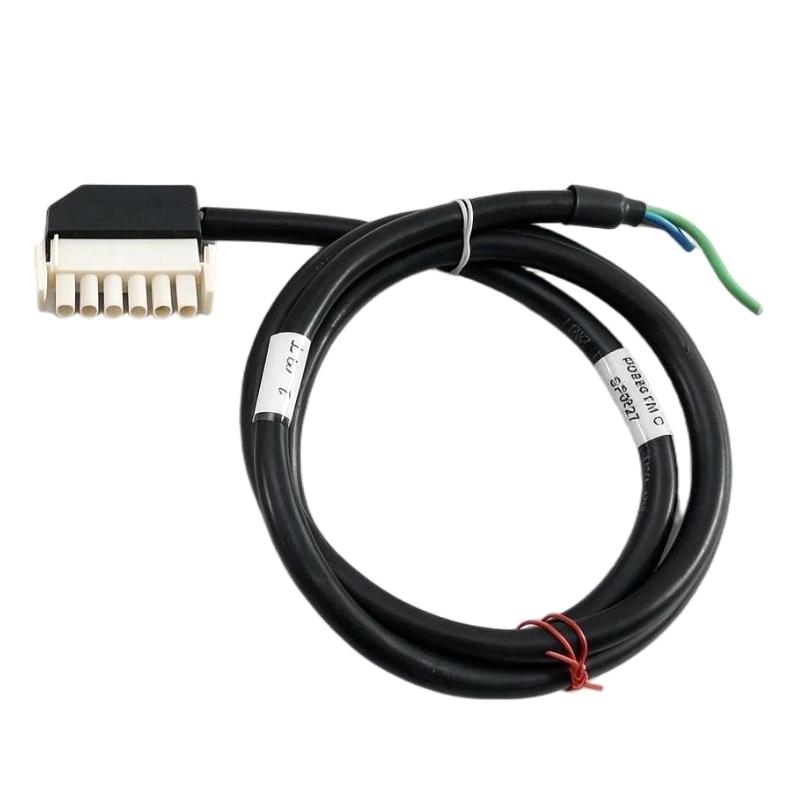
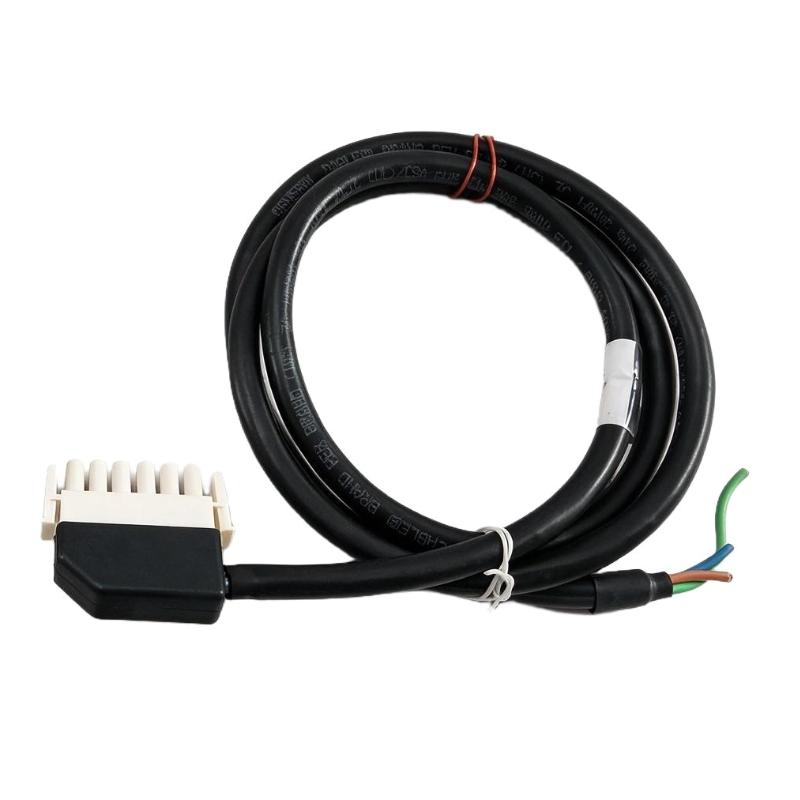
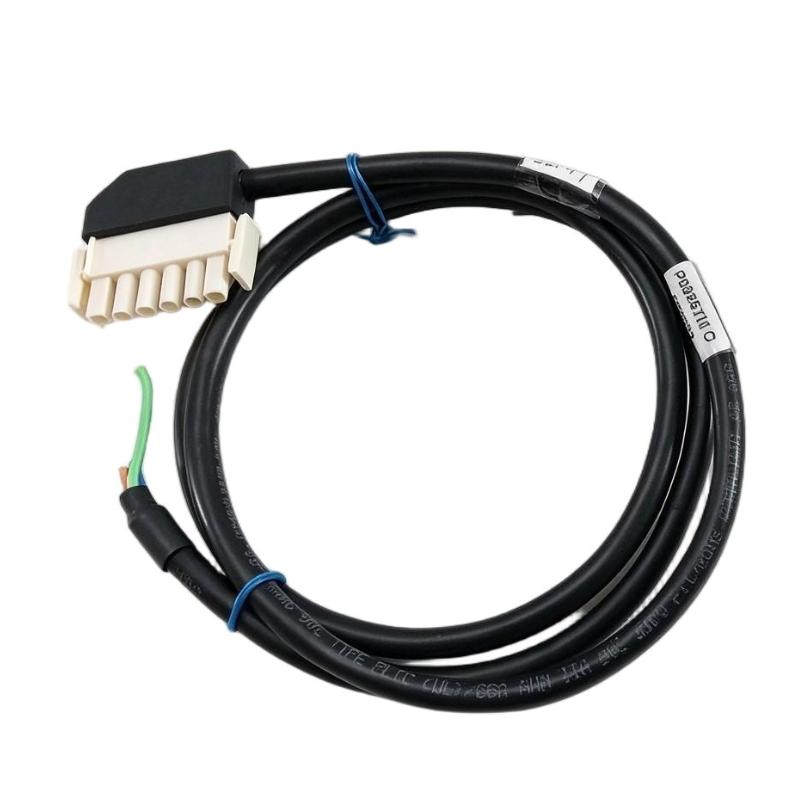
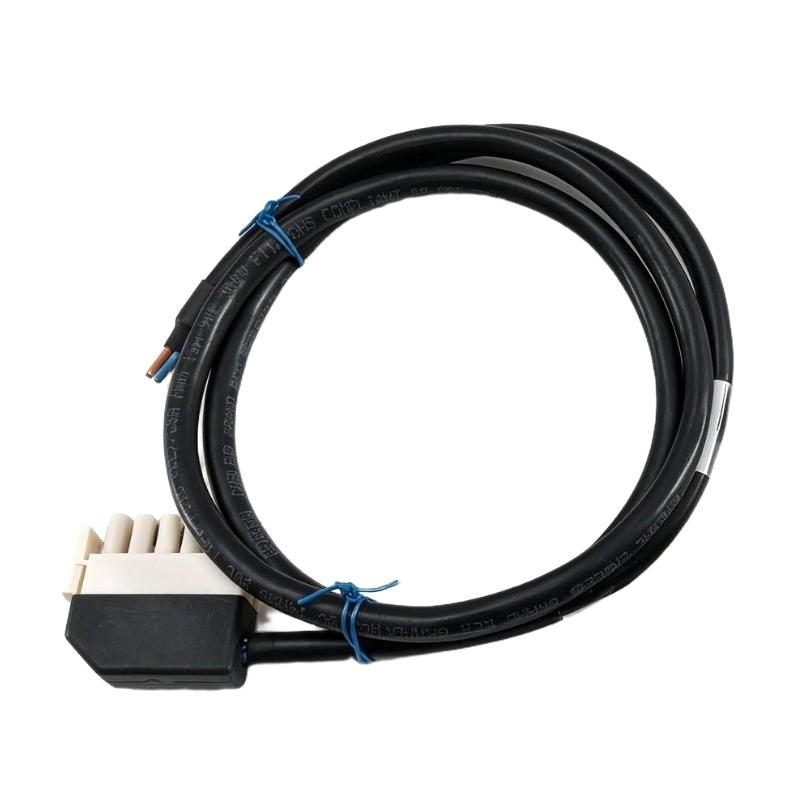
- Foxboro
- RH926TM-8FT
- FPS Power Cable
- USA
- 2.4 meters
- Xiamen, China
- New & In Stock
- T/T, PayPal, Western Union
- 1 Year
- 1-3 Working Days
- DHL, UPS, TNT, FedEx and EMS.
- 24-Hour Service
- COO
- 7
Our advantage

Global Logistics
We have a 10-year logistics and express cooperation agreement, so our products can be shipped to any place in the world.

Brand new and original
Our products are imported in bulk from the place of origin. Because of the cooperative relationship, our products are all original and 100% new.

24-hour service
We provide 7*24 hours service to our customers. We will be there whenever you need us.

Price advantage
All our products are priced very favorably because we have our own warehouse and supply.
| Company Information | |||
| [email protected] | |||
| Mobile | +8615980777398 | ||
| +8615980777398 | |||
| 15980777398 |
Product Overview
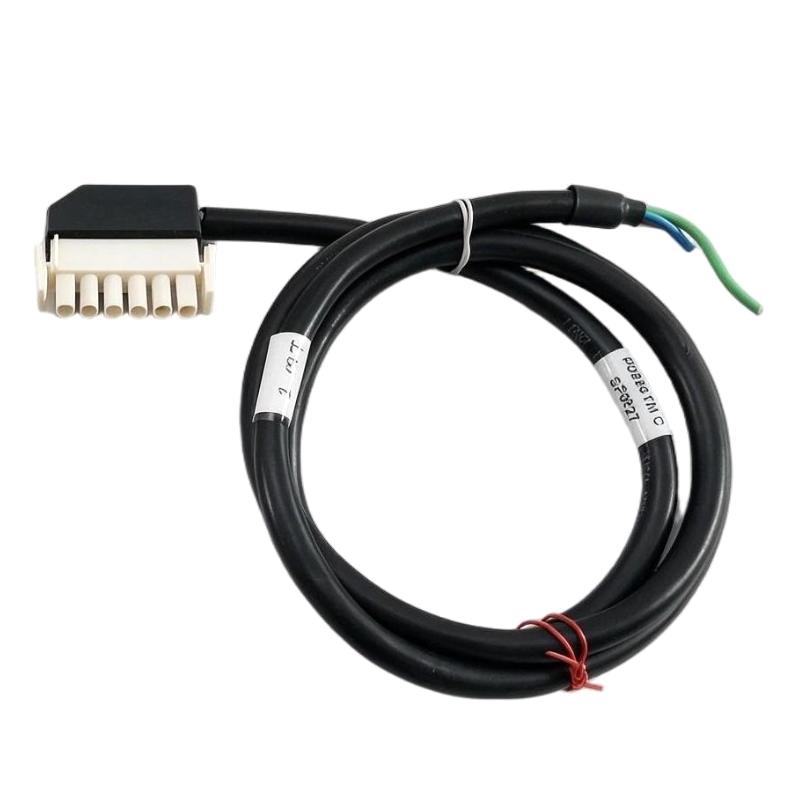
The Foxboro RH926TM-8FT is an AC power cable assembly associated with Foxboro I/A Series industrial control equipment. It is intended for power interconnection within a compatible system configuration, where the correct cable assembly is needed to connect designated power interfaces without altering the cabinet’s established wiring arrangement.
In a distributed control system cabinet, power wiring often runs between the incoming supply connection, power supply hardware, and the equipment receiving power. Using a matching cable assembly helps maintain the intended connection layout and simplifies replacement work when an existing cable becomes damaged or its connectors deteriorate.
The RH926TM-8FT is particularly relevant to maintenance work involving Foxboro FPS power supply arrangements. When a power supply is replaced, the cable must match the required electrical connection, connector configuration, and installation arrangement. A similar-looking cable from another I/A Series subsystem should not automatically be treated as interchangeable, since different assemblies can serve different power interfaces.
Unlike a fieldbus communication cable, this product is identified as a power cable. Its primary function is to carry electrical power between designated connection points rather than transmit process data between fieldbus modules. The connected power supply and receiving equipment determine the electrical requirements of the circuit.
For engineers maintaining an existing control cabinet, the key considerations are the complete part number, the intended power connection, connector compatibility, and the condition of the cable insulation. These checks help prevent incorrect connections during equipment replacement or cabinet refurbishment.
Technical Specifications
| Parameter | Specification |
|---|---|
| Manufacturer | Foxboro |
| Model | RH926TM-8FT |
| Product Family | I/A Series |
| Product Type | FPS Power Cable Assembly |
| Cable Length | 2.4 meters |
| Application | Power interconnection for compatible Foxboro equipment |
| Cable Assembly Type | Pre-terminated power cable |
| Operating Function | Electrical power transmission |
| System Compatibility | Compatible I/A Series FPS configurations |
| Shipping Weight | 3 kg |
Product Features
- Power interconnection: Connects designated power interfaces in compatible Foxboro control-system installations.
- Pre-terminated assembly: Reduces the need to fabricate individual cable terminations during replacement.
- Defined cable length: Supports installations where the distance between the intended connection points is within the available cable reach.
- FPS system application: Suits maintenance work involving compatible power supply arrangements.
- Passive electrical component: Carries power without independently processing signals or executing control logic.
- Replacement-oriented installation: Allows a matching cable assembly to be exchanged while retaining the existing system architecture.
Working Principle
The RH926TM-8FT provides a conductive path between the designated power connection points in a compatible Foxboro I/A Series installation. When connected correctly, its conductors carry the electrical supply required by the receiving equipment.
A simplified connection is:
Power Source / Designated Supply Interface → RH926TM-8FT → Compatible FPS Power Supply Connection
The precise connection points depend on the installed FPS configuration and its wiring arrangement. The cable itself does not regulate voltage, convert power, or provide independent overcurrent protection. Those functions belong to the associated power supply and protective equipment.
In a control cabinet, correct connector engagement and conductor continuity are essential. A loose connector or damaged conductor can interrupt the power path, while an incorrect cable assignment may connect incompatible interfaces. Either condition can cause a power supply to fail to start or connected equipment to lose power.
During troubleshooting, engineers should inspect the cable alongside the supply hardware and connected terminals. If the power supply does not operate as expected, check the incoming supply, cable connections, connector condition, and relevant protection devices before concluding that the power supply itself has failed.
Role in the Foxboro I/A Series FPS Power Architecture
The RH926TM-8FT serves as a power interconnection component within the designated FPS arrangement. It supports the electrical connection between compatible supply interfaces while the power supply and receiving equipment perform their own functions.
Electrical Supply → Designated Power Connection → RH926TM-8FT → Compatible FPS Equipment → Control-System Loads
| System Element | Function |
|---|---|
| RH926TM-8FT | Carries electrical power between designated connection points |
| FPS Power Supply | Supplies the electrical power required by compatible system equipment |
| Power Input Interface | Provides the intended connection to the incoming supply circuit |
| Control-System Hardware | Receives power for its assigned control or I/O functions |
| Protective Devices | Provide the required circuit protection |
| Cabinet Wiring | Connects power equipment according to the electrical design |
| Grounding Arrangement | Provides the required protective grounding where applicable |
Industrial Applications
| Application | Practical Use |
|---|---|
| Foxboro DCS Cabinets | Maintaining power connections within compatible control-system assemblies |
| FPS Power Supply Maintenance | Replacing a matching power cable during service work |
| Process Automation Plants | Supporting power interconnections in established I/A Series installations |
| Chemical Processing Facilities | Maintaining power wiring for distributed control equipment |
| Oil and Gas Control Systems | Connecting designated power interfaces in compatible control cabinets |
| Power Generation | Supporting electrical connections within plant automation systems |
| Control Cabinet Refurbishment | Replacing damaged or deteriorated power cable assemblies |
| Industrial System Repair | Restoring a power connection without redesigning the existing cabinet layout |
Installation and Maintenance
- Verify the complete model reference: Confirm RH926TM-8FT against the installed cable and the applicable system parts documentation.
- Identify the connection points: Establish which power interfaces the cable connects before removing the existing assembly.
- Confirm electrical compatibility: Check the intended supply circuit and receiving equipment requirements against the system wiring documentation.
- Isolate the power circuit: Follow the facility’s lockout and electrical isolation procedures before disconnecting the cable.
- Inspect the existing assembly: Look for damaged insulation, crushed sections, exposed conductors, or signs of overheating.
- Check connector condition: Examine connector housings, contacts, and locking features for damage or contamination.
- Verify cable routing: Ensure the route avoids sharp edges, excessive bending, hot surfaces, and mechanical interference.
- Check the grounding arrangement: Confirm that protective grounding and associated wiring follow the cabinet’s electrical design.
- Connect the replacement cable: Match each connector to its designated interface without forcing or modifying the connection.
- Inspect the surrounding wiring: Check terminal security, protective devices, and nearby cables for signs of damage or incorrect installation.
- Test the power circuit: After completing the required safety checks, restore power according to the commissioning procedure and verify that the connected equipment operates normally.
- Record the maintenance work: Document the replacement part number, connected equipment, inspection findings, and commissioning results.
Compatible System Components
| Component | Function |
|---|---|
| Foxboro RH926TM-8FT | Provides the designated FPS power cable connection |
| Compatible Foxboro FPS Power Supply | Supplies power to the associated control-system equipment |
| Power Input Terminal Assembly | Connects the designated incoming supply circuit |
| I/A Series Control-System Hardware | Receives power for control and I/O functions |
| Power Distribution Components | Distribute electrical power to designated loads |
| Circuit Protection Devices | Protect the power circuit according to the system design |
| Electrical Cabinet | Houses the power supply and associated wiring |
| Protective Grounding Conductors | Provide the required grounding path where applicable |
Recommended Related Models
| Model | Product Type | Typical Application |
|---|---|---|
| Foxboro RH926CM | AC Input Power Cable | Evaluating a related AC power connection with a different cable length |
| Foxboro RH927AQ | AC Input Power Cable | Comparing an alternative AC power cable configuration |
| Foxboro RH927AR | AC Input Power Cable | Evaluating a longer AC input cable arrangement |
| Foxboro RH926KK | Baseplate Power Supply Cable | Connecting compatible power supply hardware to supported modular baseplates |
| Foxboro RH926KL | Baseplate Power Supply Cable | Providing a shorter power connection for compatible baseplates |
| Foxboro RH926KM | Baseplate Power Supply Cable | Evaluating a different baseplate power cable length |
Key Advantages
- Provides a prepared power connection for compatible Foxboro equipment.
- Supports replacement of a matching cable without redesigning the power circuit.
- Helps maintain the intended connection layout in an existing control cabinet.
- Simplifies inspection and replacement of the designated power cable assembly.
Technical FAQs
What is the primary function of the RH926TM-8FT?
It is identified as an FPS power cable assembly for compatible Foxboro I/A Series equipment. Its function is to carry electrical power between designated connection points rather than serve as a fieldbus data cable.
Can the RH926TM-8FT replace another Foxboro power cable with a similar connector?
Not automatically. Confirm the complete part number, connector arrangement, electrical requirements, and intended connection points. Similar connectors do not establish electrical compatibility.
What should be checked if the connected FPS equipment does not receive power?
Inspect the incoming supply, cable seating, connector condition, conductor continuity, and relevant protective devices. If the cable and supply connections are correct, investigate the power supply and receiving equipment according to the system troubleshooting procedure.
How should the cable be handled during power supply replacement?
Isolate the relevant circuit first, identify both connection points, and inspect the cable for insulation or connector damage. After installation, verify the wiring arrangement and test the connected equipment before returning the system to normal operation.