

ProductPRODUCT
Featured products



Contact Us
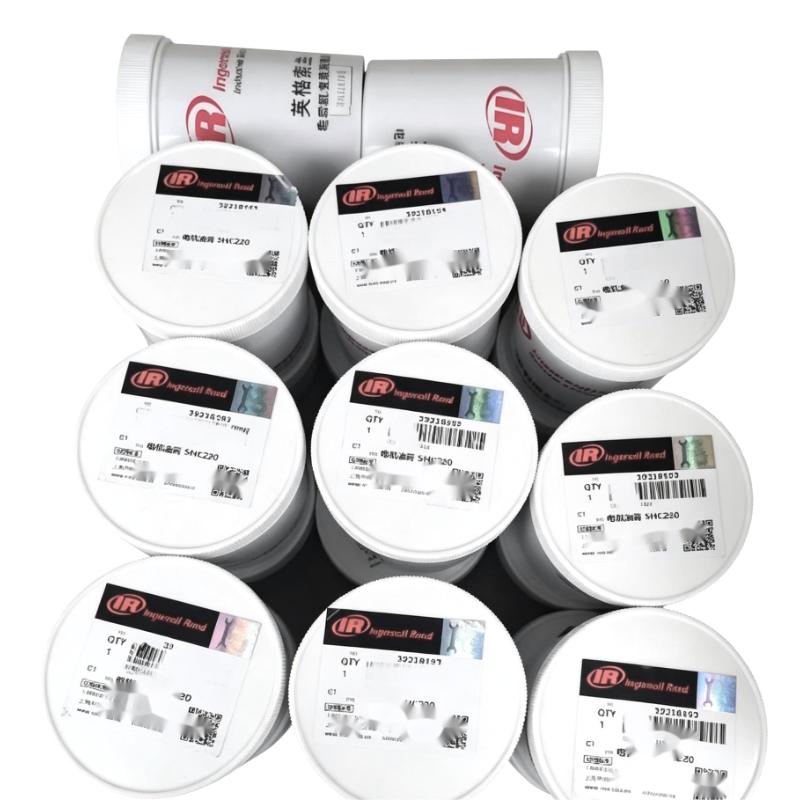
- Ingersoll Rand
- 47555208001 39218193
- High Temperature Grease
- USA
- 95 × 95 × 80 mm
- 0.40 kg
- Xiamen, China
- New & In Stock
- T/T, PayPal, Western Union
- 1 Year
- 1-3 Working Days
- DHL, UPS, TNT, FedEx and EMS.
- 24-Hour Service
- COO
- 3
Our advantage

Global Logistics
We have a 10-year logistics and express cooperation agreement, so our products can be shipped to any place in the world.

Brand new and original
Our products are imported in bulk from the place of origin. Because of the cooperative relationship, our products are all original and 100% new.

24-hour service
We provide 7*24 hours service to our customers. We will be there whenever you need us.

Price advantage
All our products are priced very favorably because we have our own warehouse and supply.
| Company Information | |||
| [email protected] | |||
| Mobile | +8615980777398 | ||
| +8615980777398 | |||
| 15980777398 |
1. Product Overview
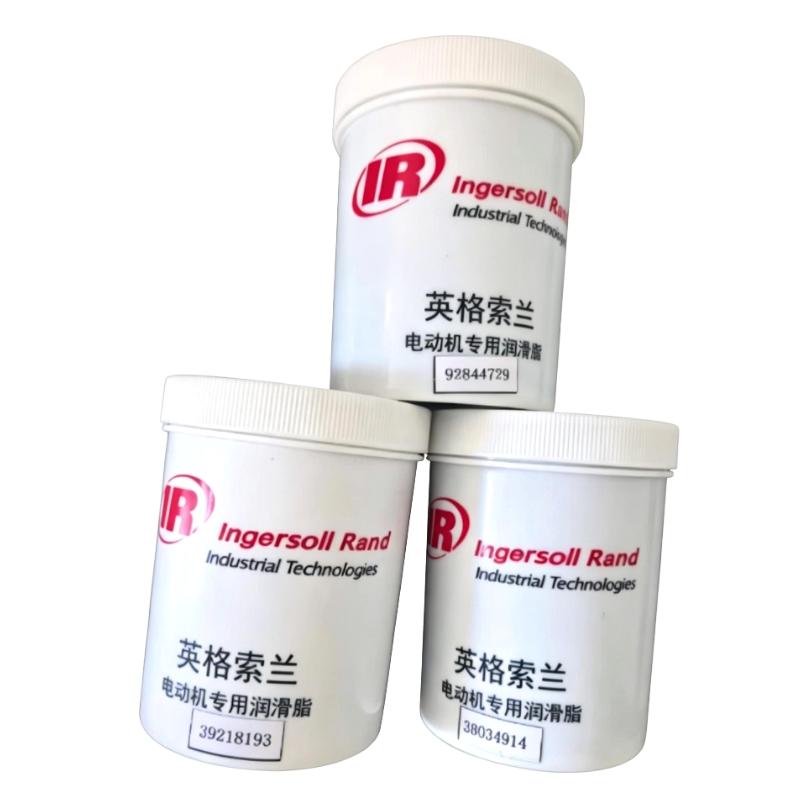
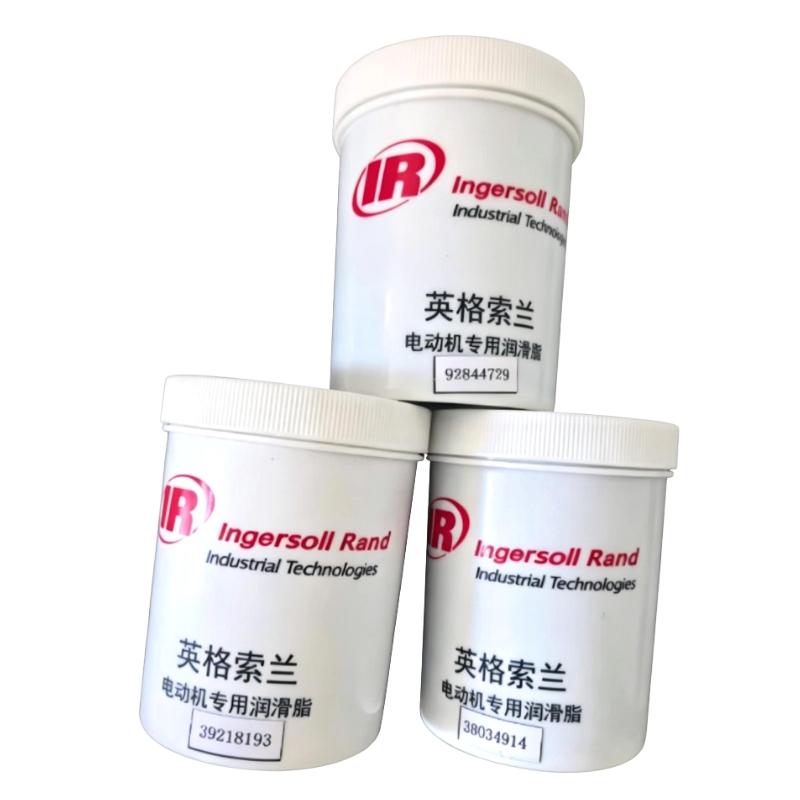
The Ingersoll Rand 39218193 High Temperature Grease is a specialized lubricant designed for designated lubrication requirements in compatible Ingersoll Rand equipment. Lubrication is essential to the reliable operation of rotating machinery because it helps reduce friction, limit wear, and protect moving components under operating loads.
In industrial compressed-air systems, motors, bearings, and other rotating components may experience continuous operation, elevated temperatures, vibration, and mechanical stress. Using the correct grease for the specific application helps maintain an appropriate lubricating film between contact surfaces and supports dependable equipment operation.
Unlike general-purpose lubricants, a high-temperature grease is selected according to the operating conditions and lubrication requirements of the component being serviced. The correct formulation must be compatible with the bearing or motor design, the operating temperature, the mechanical load, and the manufacturer’s maintenance instructions.
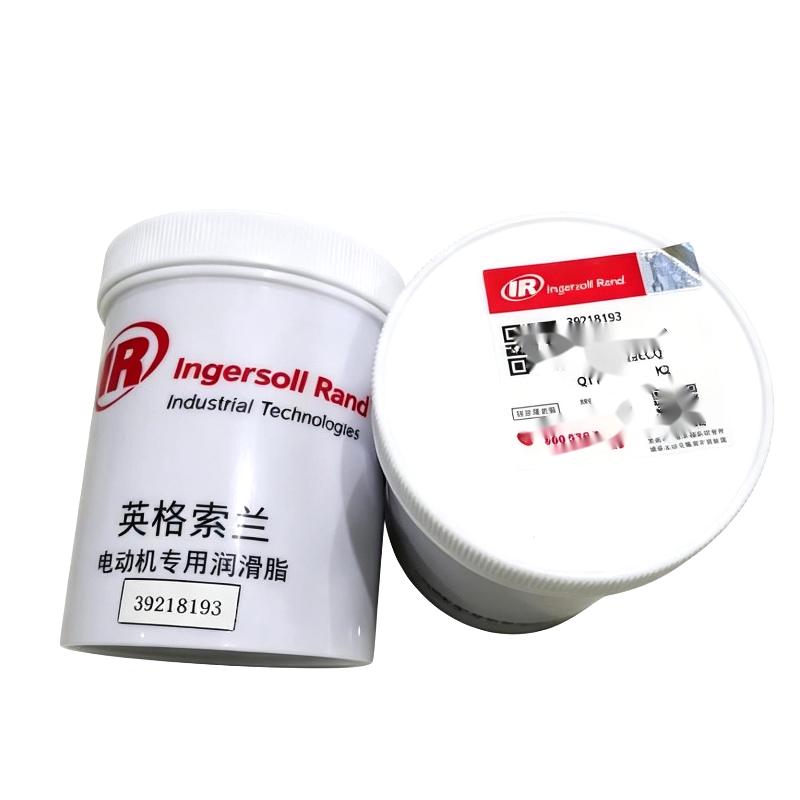
Part number 39218193 is identified in product listings as Ingersoll Rand high-temperature grease and is also described as motor grease in some parts catalogues. The additional number 47555208001 is included in the supplied product information, but its relationship to 39218193 should be confirmed before publication or procurement. These numbers should not automatically be treated as interchangeable product identifiers.
For maintenance departments, service providers, and industrial spare-parts distributors, selecting the correct lubricant is an important part of preventive maintenance. This product page explains the general function of high-temperature grease, its role in equipment maintenance, application considerations, storage requirements, and purchasing checks.
2. Technical Specifications
| Specification | Details |
|---|---|
| Brand | Ingersoll Rand |
| Product Name | High Temperature Grease |
| Primary Part Number | 39218193 |
| Additional Reference Provided | 47555208001 |
| Product Category | Industrial Lubricant / Grease |
| General Application | Designated lubrication points in compatible equipment |
| Associated Equipment | Applicable Ingersoll Rand motor and compressed-air equipment, subject to confirmation |
| Dimensions | 95 × 95 × 80 mm |
| Weight | 0.40 kg |
| Product Form | Grease |
| Lubrication Purpose | Help reduce friction and wear in specified components |
| Exact Grease Formulation | Confirm using the product label and technical documentation |
| Operating Temperature Range | Confirm using the applicable technical data sheet |
| Packaging and Net Quantity | Verify with the supplier |
| Compatibility | Must be confirmed against the equipment manufacturer’s lubrication requirements |
The dimensions and weight above are based on the supplied product information. Actual package dimensions, net grease quantity, and shipping weight may differ depending on packaging.
Part-number note: This page uses 39218193 as the principal product identifier because it is associated with Ingersoll Rand high-temperature grease in product listings. Before publishing 47555208001 as an additional part number, verify whether it is a separate item, a packaging reference, or an associated maintenance-kit number.
3. Function and Working Principle
3.1 Reducing Friction Between Moving Components
When two mechanical surfaces move against each other, friction can produce heat and contribute to material wear. In a properly lubricated bearing or other designated mechanical component, grease helps form a lubricating film between contact surfaces.
This film can reduce direct metal-to-metal contact under suitable operating conditions. It also helps support smoother movement and can contribute to more stable mechanical performance.
The effectiveness of lubrication depends on the correct grease being applied in the correct quantity. Too little grease may provide insufficient protection, while excessive grease can increase churning, heat generation, and mechanical resistance in some bearing arrangements.
3.2 Supporting Operation at Elevated Temperatures
Temperature affects grease consistency, oxidation behavior, oil separation, and service life. Greases intended for elevated-temperature applications are formulated to meet specific thermal and mechanical requirements.
The term high temperature does not mean that every grease is suitable for every hot operating environment. Maximum operating temperature, continuous versus intermittent exposure, bearing speed, load, and relubrication interval all influence product selection.
For this reason, Ingersoll Rand 39218193 should be used only where the equipment’s lubrication instructions specify this product or confirm an approved equivalent. The applicable technical data sheet should be consulted before determining its permissible operating temperature.
3.3 Helping Protect Lubricated Components
Depending on its formulation and intended application, a suitable grease can help limit wear and protect lubricated surfaces. Grease may also help reduce the entry of contaminants into certain lubrication points when the component design and sealing arrangement support this function.
However, grease cannot correct mechanical misalignment, damaged bearings, inadequate cooling, or other underlying equipment problems. Lubrication should be part of a broader maintenance program that includes inspection, condition monitoring, and timely replacement of worn components.
3.4 Maintaining Lubrication Consistency
Grease is a semi-solid lubricant consisting of a base oil, a thickener, and performance additives. Different formulations can have substantially different properties, even when they are all described as high-temperature grease.
Mixing incompatible greases may change consistency, reduce lubrication performance, or create other problems. Maintenance personnel should therefore verify compatibility before changing lubricant types or combining products.
4. Role in Industrial Compressor and Motor Maintenance
Industrial compressors and their associated motors often operate for extended periods. Depending on the equipment design, bearings and other designated components may require periodic lubrication according to operating hours, environmental conditions, and the manufacturer’s maintenance schedule.
Using the specified grease helps maintenance personnel follow a consistent service procedure. It also helps avoid the risks associated with choosing lubricants solely on the basis of price, appearance, or a general description such as “high-temperature grease.”
For maintenance planning, the relevant considerations include:
- The exact compressor or motor model.
- The component requiring lubrication.
- The manufacturer’s specified grease part number.
- The required grease quantity.
- The lubrication interval.
- The actual operating temperature and load.
- Previous lubricant type and service history.
- Any restrictions on mixing or substituting grease products.
When these factors are documented, maintenance teams can make more reliable purchasing decisions and reduce uncertainty during scheduled servicing.
The lubricant’s role is supportive rather than corrective. It helps maintain the intended lubrication conditions, but it does not eliminate the need for bearing inspection, temperature monitoring, vibration analysis, or other applicable maintenance tasks.
5. Industrial Applications
5.1 Electric Motor Maintenance
Electric motors are used throughout industrial plants to drive compressors, pumps, fans, conveyors, and production machinery. Depending on the motor design, bearing lubrication may be required at defined intervals.
The appropriate grease must match the motor manufacturer’s requirements. Some motor bearings have specific grease compatibility, speed, quantity, and relubrication requirements. Using a lubricant simply because it is described as high-temperature grease is not sufficient to establish suitability.
Where the equipment documentation identifies part number 39218193, the specified product can be considered as part of the planned lubrication procedure.
5.2 Industrial Compressed-Air Systems
Compressed-air equipment may operate for long periods to support pneumatic machinery, instrumentation, material handling, and automated production processes. Reliable compressor operation depends on the condition of the compressor, drive motor, cooling system, and other associated components.
Lubrication maintenance should be carried out according to the applicable equipment instructions. The correct grease may be required for specific motor bearings or other designated points, but it should not be confused with compressor oil, airend lubricant, or other fluids used in the machine.
Each lubricant has a specific purpose, and substitution between grease and liquid compressor lubricants is not appropriate.
5.3 Manufacturing Plants
Manufacturing facilities rely on rotating machinery for production lines, assembly equipment, material handling, and plant utilities. Unexpected motor or bearing problems can interrupt production and increase maintenance costs.
A documented lubrication program helps maintenance teams keep track of grease types, service intervals, and component condition. Keeping verified lubricants in stock can also help reduce delays during scheduled maintenance.
5.4 Pumps, Fans, and Auxiliary Machinery
Industrial pumps and fans may contain lubricated bearings or other mechanical components. Whether Ingersoll Rand 39218193 is suitable for a particular pump or fan depends on the component manufacturer’s requirements.
Do not assume that a grease intended for one motor or compressor application is automatically suitable for every rotating machine in the same facility.
5.5 Maintenance and Service Workshops
Industrial maintenance contractors and compressor service providers often need to manage several lubricant types and equipment configurations. Correct product identification helps technicians select the intended material and maintain accurate service records.
For distributors, clear part-number information is also useful when preparing quotations, checking stock, and confirming customer requirements.
6. Installation and Lubrication Guidelines
6.1 Confirm the Required Lubricant
Before use, check the equipment nameplate, maintenance manual, lubrication label, and applicable parts documentation. Confirm that 39218193 is specified for the component being serviced.
If the equipment documentation identifies a different grease, do not substitute this product without approval from the manufacturer or an authorized technical representative.
6.2 Check Product Identification
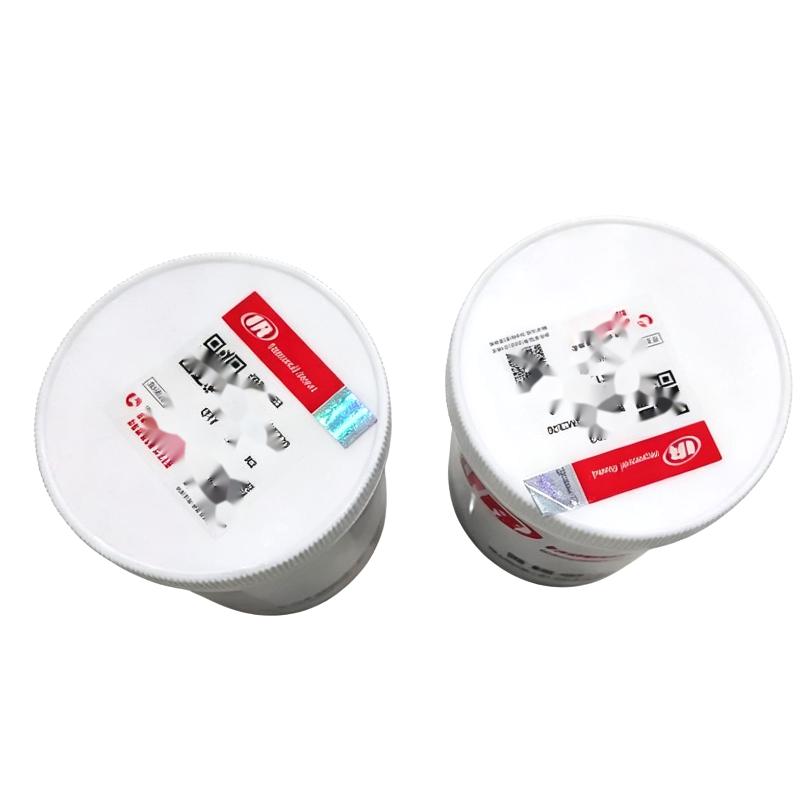
Inspect the container label for the part number, product name, batch information, and other available identification details. Confirm that the packaging is intact and that the product has been stored according to its requirements.
If the product is supplied under the additional reference 47555208001, request confirmation that this number corresponds to the intended grease or packaging configuration.
6.3 Prepare the Equipment
Follow the manufacturer’s safety procedure before performing lubrication work. Depending on the equipment, this may require shutdown, electrical isolation, lockout/tagout, cooling, and protection against unexpected movement.
Never remove a bearing cover, grease fitting, or other component without understanding the associated hazards and service requirements.
6.4 Clean the Lubrication Point
Where the maintenance procedure requires grease to be added through a fitting or designated opening, clean the surrounding area before servicing. This helps reduce the chance of dirt or other contaminants entering the lubrication system.
Use clean tools and dispensing equipment that are suitable for the specified grease. Avoid transferring grease between containers or tools that contain incompatible lubricants.
6.5 Apply the Specified Quantity
Apply the grease quantity and follow the relubrication procedure specified by the equipment manufacturer. The correct amount depends on bearing size, housing design, operating speed, and the intended maintenance procedure.
Do not assume that filling an entire bearing housing with grease provides better protection. Excess grease can cause increased friction and temperature in some applications.
6.6 Check Equipment Condition
After servicing, complete the required inspection and operating checks. Depending on the equipment, these may include listening for abnormal noise, checking bearing temperature, monitoring vibration, and confirming that the lubrication point is correctly closed or sealed.
Record the maintenance date, product part number, quantity used, and any observed abnormalities. This information can help identify recurring problems and improve future maintenance planning.
7. Compatibility With Other Lubricants and Components
Lubricant compatibility should be evaluated carefully. Two greases may have similar colors or general descriptions but use different base oils, thickeners, or additive systems.
Before switching from an existing grease to 39218193, verify the following:
| Check | Why It Matters |
|---|---|
| Base oil and thickener type | Different formulations may not be compatible when mixed |
| Operating temperature | The grease must be suitable for actual service temperatures |
| Bearing speed and load | Lubrication requirements vary with mechanical operating conditions |
| Required grease quantity | Correct quantity helps avoid under- or over-lubrication |
| Seal and material compatibility | The lubricant must be suitable for the component materials |
| Relubrication interval | Service frequency must match the manufacturer’s requirements |
| Manufacturer approval | Confirms that the grease is suitable for the intended equipment |
| Existing lubricant | Helps determine whether a changeover or cleaning procedure is necessary |
If the previous grease is unknown, do not mix it with the new product without technical confirmation. The manufacturer’s instructions may require removal of the old grease or a specific changeover procedure.
8. Recommended Alternatives and Replacement Considerations
When the original grease is unavailable, the replacement must meet the equipment’s lubrication requirements. A general-purpose grease should not be treated as an automatic substitute for a specified high-temperature product.
| Option | Description | Recommendation |
|---|---|---|
| Ingersoll Rand 39218193 | Listed as Ingersoll Rand high-temperature grease | Use where the equipment documentation specifies this product |
| Manufacturer-approved replacement | A grease formally approved for the relevant component and operating conditions | Confirm the exact product designation and application |
| Alternative high-temperature grease | A grease with potentially similar intended service conditions | Do not use without confirming formulation compatibility and manufacturer approval |
| General-purpose grease | Grease designed for broader applications | Not an automatic replacement for a specified motor or high-temperature grease |
When assessing a replacement, compare the relevant technical properties rather than relying on the product name alone. These properties may include base oil, thickener type, consistency grade, temperature limits, oxidation stability, water resistance, and compatibility with seals and bearings.
The correct replacement should be selected for the specific lubrication point, not merely for the overall machine brand.
9. Key Advantages of Correct Lubrication Practices
Reduced Friction and Wear
Appropriate lubrication helps protect moving surfaces from excessive friction and wear under the intended operating conditions.
Support for Bearing and Motor Reliability
Following the specified lubrication procedure helps maintain the condition of lubricated components and can reduce avoidable lubrication-related problems.
Improved Maintenance Planning
Using a verified part number makes it easier to manage stock, document service activities, and prepare for scheduled maintenance.
Better Product Traceability
Keeping records of lubricant identification and batch information can support troubleshooting and help ensure that the correct product is used in future service work.
Reduced Risk of Incorrect Substitution
Verifying lubricant specifications before purchase helps avoid the problems associated with incompatible grease or unsuitable operating characteristics.
These are general benefits of correct lubrication practices. Actual service life and equipment performance depend on the lubricant formulation, operating conditions, component condition, and maintenance quality.
10. Technical FAQs
Q1. What is Ingersoll Rand 39218193 High Temperature Grease used for?
It is identified in product listings as Ingersoll Rand high-temperature grease. Its exact application should be confirmed against the lubrication requirements for the specific motor or equipment being serviced.
Q2. Is part number 47555208001 the same as 39218193?
The supplied product information contains both numbers, but their relationship has not been established here. Verify whether 47555208001 is a separate item, a package reference, or an associated part number before treating them as equivalent.
Q3. Can this grease be used for any industrial motor?
No. Motor grease requirements vary according to bearing design, operating speed, load, temperature, and the manufacturer’s specifications. Use the product only when it is specified or approved for the intended application.
Q4. What are the product dimensions and weight?
The supplied listing gives dimensions of 95 × 95 × 80 mm and a weight of 0.40 kg. Confirm the actual packaging and shipping weight with the supplier when precise logistics information is required.
Q5. What is the maximum operating temperature?
The exact permissible temperature range should be confirmed from the technical data sheet for the specific product. The phrase “high temperature” alone does not establish a numerical operating limit.
Q6. Can it be mixed with another grease?
Do not mix it with another grease unless compatibility has been confirmed. Differences in thickener, base oil, or additives can affect performance.
Q7. How often should the grease be applied?
The correct interval depends on the component design, operating conditions, and manufacturer’s maintenance instructions. Follow the specified schedule rather than using a general interval for every application.
Q8. How should the grease be stored?
Keep the product in its original, properly sealed container and follow the storage instructions on the label or technical documentation. Protect it from contamination, moisture, and unsuitable storage temperatures.
Q9. Is this grease the same as compressor oil?
No. Grease and compressor oil are different lubricant types with different intended uses. Use each product only for the component and lubrication system for which it is specified.
Q10. What information should buyers provide when requesting a quotation?
Provide the exact part number, product description, required quantity, and any available packaging details. If the grease is intended for a specific motor or compressor, include the equipment model and serial number so that application compatibility can be checked.
11. Procurement, Storage, and Maintenance Recommendations
When purchasing Ingersoll Rand 39218193 High Temperature Grease, buyers should confirm the part number and intended application before placing an order. If the item is listed with both 39218193 and 47555208001, ask the supplier to clarify the relationship between the identifiers and confirm the product supplied.
For industrial maintenance teams, the following practices can help improve purchasing accuracy and lubricant management:
- Verify the required grease against the equipment maintenance manual.
- Confirm the complete product and packaging identification.
- Check the technical data sheet for operating limits and compatibility.
- Avoid mixing greases unless compatibility is established.
- Store containers in accordance with the product label.
- Use clean dispensing tools and prevent contamination.
- Record the lubricant used during each maintenance task.
- Follow the prescribed grease quantity and relubrication interval.
- Investigate recurring overheating, vibration, or bearing noise rather than relying on additional grease alone.
For export-oriented spare-parts procurement, clear identification is especially important. The product description, part number, package dimensions, and weight should match the actual item being supplied. Any uncertainty about the secondary part number should be resolved before the product listing is published.
12. Conclusion
Ingersoll Rand 39218193 High Temperature Grease is an industrial lubricant intended for designated lubrication applications where the product is specified. Correct lubricant selection helps support friction control, component protection, and reliable maintenance of compatible equipment.
The supplied product details list dimensions of 95 × 95 × 80 mm and a weight of 0.40 kg. However, the relationship between 39218193 and the additional number 47555208001 should be verified before both are presented as equivalent identifiers.
For dependable results, maintenance personnel should confirm the required lubricant, follow the equipment manufacturer’s instructions, avoid unverified grease substitutions, and maintain accurate service records. Correct identification and application are essential to using this lubricant safely and effectively in industrial maintenance operations.