

ProductPRODUCT
Featured products
Contact Us
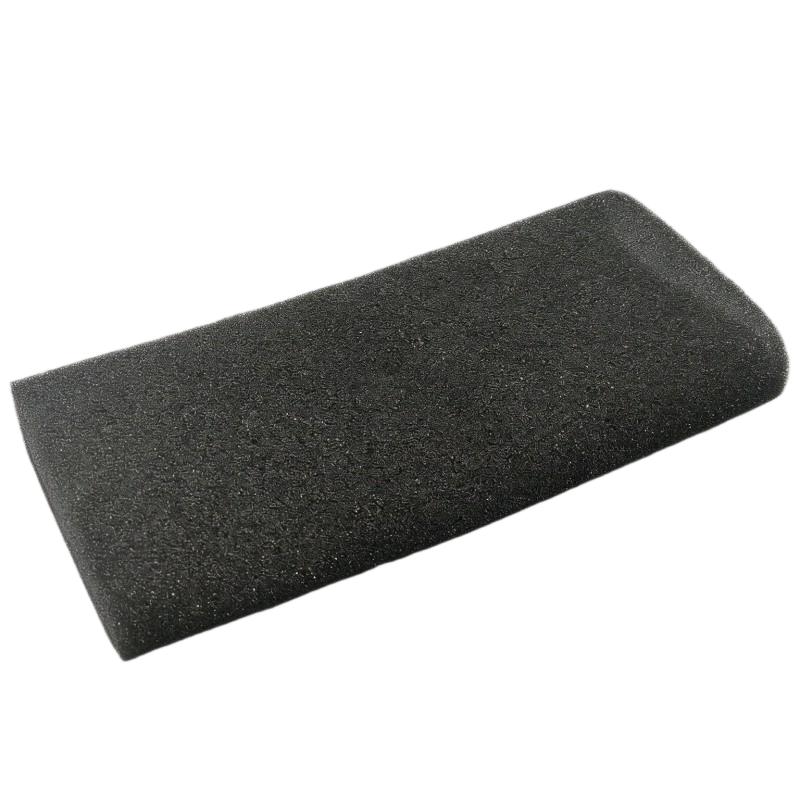
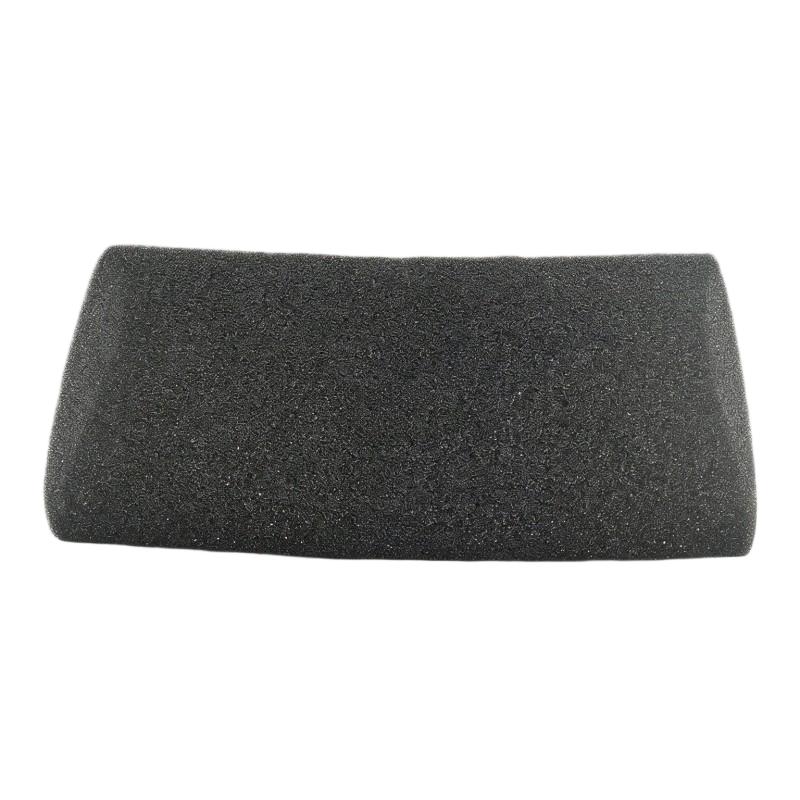
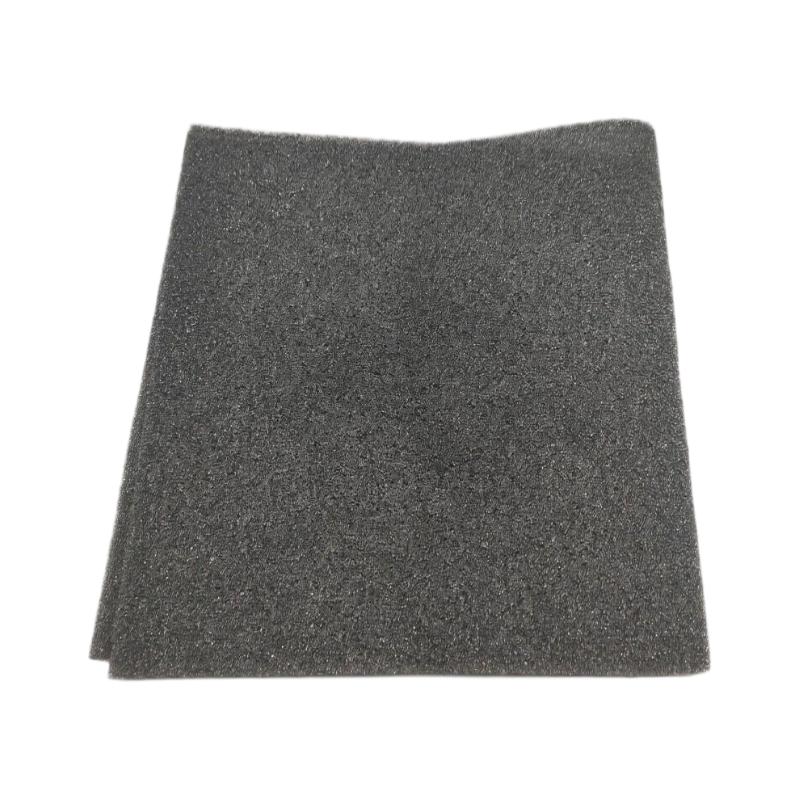
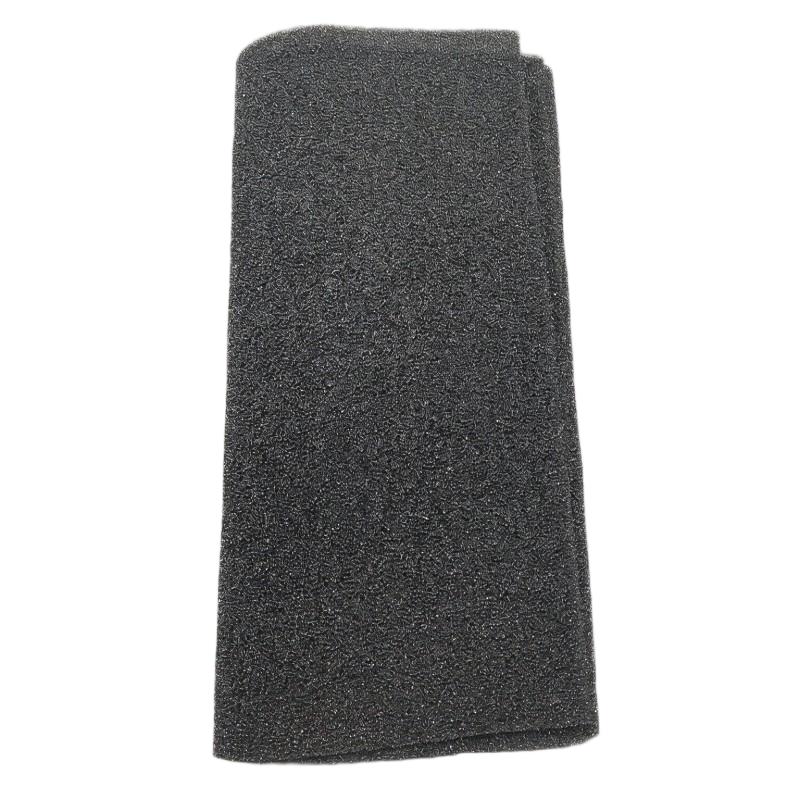
- Ingersoll Rand
- 47556402001 23497001
- Pre-Filter
- USA
- 510 × 510 × 10 mm
- 0.4 kg
- Xiamen, China
- New & In Stock
- T/T, PayPal, Western Union
- 1 Year
- 1-3 Working Days
- DHL, UPS, TNT, FedEx and EMS.
- 24-Hour Service
- COO
- 3
Our advantage

Global Logistics
We have a 10-year logistics and express cooperation agreement, so our products can be shipped to any place in the world.

Brand new and original
Our products are imported in bulk from the place of origin. Because of the cooperative relationship, our products are all original and 100% new.

24-hour service
We provide 7*24 hours service to our customers. We will be there whenever you need us.

Price advantage
All our products are priced very favorably because we have our own warehouse and supply.
| Company Information | |||
| [email protected] | |||
| Mobile | +8615980777398 | ||
| +8615980777398 | |||
| 15980777398 |
Product Overview
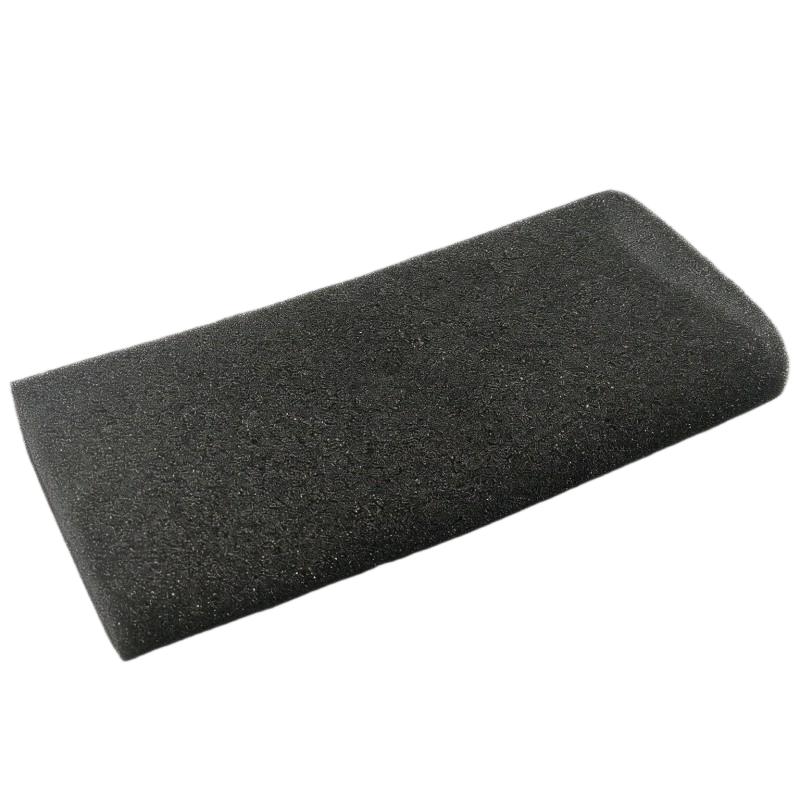
The Ingersoll Rand 23497001 Pre-Filter Pad is an air filtration component designed for use in compatible industrial air compressor equipment. As a preliminary filtration layer, a pre-filter pad helps capture airborne dust and larger particles before they reach downstream filter media or sensitive equipment areas. Maintaining an effective pre-filtration stage can help reduce contamination buildup, support reliable airflow, and improve the service life of the main filtration components.
In industrial compressed-air installations, airborne contamination can enter through ventilation openings, cooling-air inlets, and other air intake points. Dust, fibers, and environmental particles may accumulate inside equipment cabinets or on downstream filter surfaces if they are not intercepted effectively. A suitable pre-filter pad provides an initial barrier against this contamination and supports routine preventive maintenance.
The 23497001 part number is associated with an Ingersoll Rand pre-filter pad. Before ordering, buyers should confirm the part number against the equipment’s parts documentation and the identification label on the installed component. This is particularly important when multiple filter pads or panel filters are used across different compressor series or equipment generations.
For maintenance teams, industrial distributors, and spare-parts procurement departments, selecting the correct pre-filter is an important step in maintaining consistent equipment operation. The replacement should match the original component’s dimensions, construction, airflow requirements, and installation arrangement.
The Ingersoll Rand 23497001 Pre-Filter Pad is suitable for consideration when servicing compatible equipment that specifies this part number. It can be incorporated into a planned maintenance program to help control dust accumulation and maintain the intended filtration arrangement.
Technical Specifications
| Parameter | Specification |
|---|---|
| Brand | Ingersoll Rand |
| Part Number | 23497001 |
| Additional Number Provided | 47556402001 — verify compatibility |
| Product Name | Pre-Filter Pad |
| Product Category | Air Compressor Filtration Component |
| Component Type | Pre-filter pad / filter mat |
| Dimensions | 510 × 510 × 10 mm |
| Weight | 0.4 kg |
| Primary Function | Preliminary filtration of airborne particles |
| Installation Type | Confirm mounting method and retaining arrangement on the target equipment |
| Application | Compatible industrial air compressor or ventilation filtration assemblies |
| Replacement Basis | Equipment model, serial number, parts list, and original part number |
The dimensions and weight above are based on the supplied product information. Buyers should verify the measurements against the existing component before purchasing. Filter material, filtration efficiency, airflow rating, operating temperature, and service interval should be confirmed from the applicable equipment documentation rather than assumed from the part number alone.
Function and Working Principle
1. Preliminary Particle Capture
A pre-filter pad serves as an initial filtration stage. As air passes through the filter material, some airborne particles are captured within or on the surface of the media. The precise capture efficiency depends on the material structure, particle size, airflow velocity, and condition of the filter.
The primary purpose of this stage is to reduce the amount of larger airborne contamination reaching downstream components. It should not automatically be treated as a substitute for a fine air filter, oil filter, or compressed-air treatment element.
2. Support for Downstream Filtration
In a multi-stage filtration arrangement, the pre-filter and main filter perform complementary functions. The pre-filter intercepts a portion of the incoming particulate load, while the downstream filtration stage provides the level of filtration required by the equipment design.
When the pre-filter is correctly selected and maintained, it can help limit premature contamination of downstream filter surfaces. This may reduce the frequency of unnecessary cleaning or replacement, depending on operating conditions and the overall filtration design.
3. Airflow Considerations
A filter pad must allow the required airflow to pass through the intended path. As dust accumulates, resistance to airflow may increase. Excessive restriction can affect ventilation performance or place additional demand on fans and other airflow-related components.
For this reason, maintenance personnel should inspect the pre-filter at the interval specified by the equipment manufacturer. A pad that appears heavily contaminated, damaged, compressed, or blocked should be evaluated for replacement.
4. Protection Against Environmental Dust
Industrial facilities may contain metal particles, textile fibers, paper dust, mineral dust, or other airborne contaminants. A pre-filter pad can help reduce the amount of this material entering a compatible filtration or ventilation assembly.
The pad’s actual protective performance depends on its design and location. It should be installed only in the position intended by the equipment manufacturer and should not be used in an application requiring a different filtration grade.
Role in Industrial Air Compressor Systems
Industrial air compressors often operate for extended periods and may be installed in environments with variable dust levels, temperature, and ventilation conditions. Maintaining the filtration system is therefore an important part of equipment reliability management.
The 23497001 Pre-Filter Pad can serve as a preliminary barrier in compatible equipment. Its role is different from that of a compressor inlet air filter, oil filter, or air-oil separator. These components handle different streams and functions, so identifying the correct filter type is essential.
A pre-filter pad may support the following maintenance objectives when installed in the correct location:
- Reduce the amount of airborne dust entering a designated ventilation or filtration path.
- Help limit contamination buildup on downstream filter media.
- Support consistent airflow through the intended equipment assembly.
- Reduce the risk of dust accumulation around sensitive internal components.
- Make routine inspection and replacement easier as part of a planned maintenance schedule.
The pre-filter should be viewed as one element in the overall equipment protection strategy. It does not replace regular servicing, proper ventilation, or maintenance of the compressor’s primary filtration and lubrication systems.
Industrial Applications
Manufacturing Facilities
Manufacturing plants commonly generate airborne dust from machining, material handling, packaging, and general production activity. A suitable pre-filter pad can help manage airborne particles entering compatible equipment ventilation or filtration assemblies.
Automotive and Metalworking Plants
Metalworking and automotive facilities may contain fine dust, fibers, and other airborne contaminants. Regular inspection of the pre-filter can help maintenance personnel identify contamination buildup before it becomes excessive.
Textile and Packaging Operations
Textile fibers, paper fragments, and packaging dust can accumulate around industrial machinery. A correctly fitted pre-filter pad can provide an initial filtration barrier in the equipment location for which it was designed.
Warehousing and Material Processing
Warehouses and material-processing environments may experience changing dust levels due to vehicle movement, material transfer, and ventilation conditions. Inspection frequency should reflect the actual operating environment rather than relying solely on a fixed calendar schedule.
General Industrial Compressed-Air Installations
The part may be relevant to maintenance programs for compatible Ingersoll Rand equipment that specifies 23497001. Actual suitability depends on the equipment model and the position of the filter within the assembly. The part number alone should not be used to conclude that it fits every Ingersoll Rand compressor.
Installation and System Integration
Correct installation is necessary to maintain the intended airflow path and filtration performance. Before replacing the pre-filter pad, maintenance personnel should consult the equipment service manual and follow the site’s safety procedures.
Step 1: Identify the Installed Component
Record the part number on the existing pad or in the equipment parts list. Confirm whether 23497001 is the required replacement. If the equipment documentation references a different part number, investigate whether a documented supersession or approved equivalent exists before proceeding.
Step 2: Isolate the Equipment as Required
Follow the manufacturer’s shutdown and isolation procedure. If access requires opening an electrical enclosure or approaching moving machinery, apply the appropriate lockout/tagout and electrical safety procedures. Do not remove a filter from equipment that must remain energized or operating unless the manufacturer’s procedure explicitly permits it.
Step 3: Inspect the Filter Housing
Check the mounting frame, retaining clips, sealing surfaces, and surrounding area. Look for deformation, damaged retainers, excessive dust buildup, or gaps that could allow air to bypass the filter. Clean the housing using an approved method before fitting the replacement.
Step 4: Verify Dimensions and Orientation
Compare the replacement with the removed component. The supplied dimensions are 510 × 510 × 10 mm, but dimensions alone do not guarantee compatibility. Check the required shape, edge construction, thickness, orientation, and retention method.
Step 5: Install the Replacement Pad
Fit the pad into the designated frame or housing according to the equipment manufacturer’s instructions. Ensure that it lies flat, is securely retained, and does not obstruct the designed airflow path. Avoid folding, stretching, cutting, or compressing the material unless the approved installation instructions specifically allow it.
Step 6: Inspect the Completed Installation
Before returning the equipment to service, verify that all covers and retainers are properly secured. Check that no tools, packaging, or loose material remain in the equipment. Restart the system according to the applicable procedure and confirm normal operation.
Step 7: Record the Maintenance Activity
Document the replacement date, installed part number, equipment identification, and any observed contamination or damage. These records can help maintenance teams identify recurring environmental problems and optimize inspection intervals.
Compatible System Components
The following components may form part of a related industrial compressor or equipment filtration system. This table describes general component roles and does not assert that every component is directly compatible with every installation.
| Component | Function | Relationship to the Pre-Filter Pad |
|---|---|---|
| Main Air Filter | Removes airborne contaminants from the designated air intake | May operate downstream or in a separate filtration path, depending on equipment design |
| Ventilation Fan | Moves cooling or ventilation air through the equipment | Airflow may pass through a pre-filter where specified |
| Filter Housing or Frame | Supports and retains the filter media | Must match the pad’s physical design and mounting arrangement |
| Sealing Strip or Retainer | Helps secure the filter and limit bypass around its edges | Should be inspected during replacement |
| Air Compressor Assembly | Provides compressed air for industrial processes | The correct filter arrangement depends on the specific model |
| Maintenance Panel or Access Cover | Provides access to the filter location | Must be correctly refitted after servicing |
The parts list for the target equipment remains the controlling reference for compatibility. A pre-filter pad should not be installed in an oil circuit or compressed-air process line unless the equipment documentation explicitly identifies it for that application.
Alternative Models and Replacement Considerations
A replacement should be selected by verified compatibility, not by visual similarity alone. Filter pads can differ in material, thickness, dimensions, airflow resistance, and retention design even when they look similar.
| Replacement Option | When to Consider It | Verification Required |
|---|---|---|
| Ingersoll Rand 23497001 | When the equipment parts list specifies this part number | Confirm model, serial number, dimensions, and installation location |
| Manufacturer-Documented Superseding Part | When the original part number has been formally replaced | Confirm the supersession through applicable equipment documentation |
| Approved Equivalent Pre-Filter Pad | When a compatible alternative is permitted by the equipment requirements | Compare dimensions, filtration properties, airflow, material, and mounting method |
| Other Ingersoll Rand Pre-Filter Panels | When servicing a different equipment model or filter assembly | Do not assume cross-compatibility; verify the exact model and part number |
The additional number 47556402001 supplied with this listing should be treated as unconfirmed until it is matched to the manufacturer’s parts documentation. Avoid presenting it as a verified equivalent or superseding number without supporting evidence.
Key Advantages of Proper Pre-Filter Maintenance
Helps Control Airborne Contamination
A serviceable pre-filter pad can capture part of the airborne particulate load entering the designated equipment area. This helps support the intended contamination-control strategy.
Supports Downstream Filter Service Life
By intercepting some particles before they reach downstream filtration components, a pre-filter may help reduce their contamination burden. Actual service-life benefits depend on the system design and working environment.
Helps Maintain Designed Airflow
A clean, correctly fitted filter pad supports the airflow path specified for the equipment. Routine inspection helps identify restrictions or installation problems before they affect operation.
Supports Preventive Maintenance
Pre-filter inspection is a relatively straightforward maintenance task. Including it in a documented maintenance schedule helps technicians identify contamination trends and plan replacement work.
Simplifies Spare-Part Identification
Using the correct part number, dimensions, and equipment identification helps reduce ordering errors. This is especially important for facilities maintaining multiple compressor models or older equipment.
Inspection and Maintenance Recommendations
The service interval for the pre-filter pad should follow the equipment manufacturer’s instructions and the actual operating environment. There is no single replacement interval suitable for every installation.
During routine inspection, check for:
- Visible dust accumulation or blockage.
- Tears, holes, deformation, or deterioration of the media.
- Damage to the filter frame or retaining components.
- Gaps around the edges that could allow unfiltered air to bypass the pad.
- Unexpected airflow restriction or changes in ventilation performance.
- Repeated contamination shortly after replacement.
If the equipment operates in a dusty environment, inspections may need to be more frequent. A filter pad should not be cleaned and reused unless the manufacturer’s instructions explicitly permit the cleaning method. Improper cleaning can damage the media or change its filtration characteristics.
Store replacement pads in clean, dry packaging and protect them from crushing, moisture, oil, and other contaminants before installation. During procurement, confirm the required quantity, packaging condition, delivery requirements, and identification markings.
Technical FAQs
1. What is the Ingersoll Rand 23497001 Pre-Filter Pad?
It is a pre-filter pad associated with compatible Ingersoll Rand equipment. It serves as an initial barrier for airborne particles in the designated filtration or ventilation path.
2. What are the dimensions of this product?
The supplied dimensions are 510 × 510 × 10 mm. Buyers should compare these measurements with the existing filter and confirm the required mounting arrangement before ordering.
3. What is the stated weight?
The supplied weight is 0.4 kg. Actual shipping weight may differ due to packaging.
4. Is 47556402001 a confirmed equivalent part number?
This relationship has not been independently verified. Confirm it against the equipment’s parts documentation or with a qualified Ingersoll Rand parts supplier before listing both numbers as equivalent.
5. Can this pad replace the main compressor air filter?
Not automatically. A pre-filter pad and a main air filter may have different filtration specifications and installation locations. Use the pad only where the equipment documentation specifies it.
6. How often should the pre-filter be replaced?
Follow the maintenance schedule for the applicable equipment. Inspection frequency should also account for dust levels, operating hours, and the observed condition of the pad.
7. Can a dirty pre-filter affect equipment operation?
A heavily contaminated pad may restrict airflow or reduce ventilation performance, depending on its location. Regular inspection helps identify excessive buildup before it becomes a problem.
8. How can buyers confirm the correct replacement?
Check the part number on the existing component, the compressor or equipment model, the serial number, and the manufacturer’s parts list. Physical dimensions are useful for confirmation but should not be the only selection criterion.
9. Is the pre-filter suitable for every Ingersoll Rand compressor?
No universal compatibility should be assumed. The correct application depends on the equipment series and the filter assembly design.
10. What information should be included in a spare-parts inquiry?
Provide the part number, equipment model, serial number, required quantity, and any available measurements. If the replacement is intended to supersede an older part number, include the original label or parts-list reference to support verification.
Procurement Recommendations
When purchasing the Ingersoll Rand 23497001 Pre-Filter Pad, buyers should prioritize accurate identification and application compatibility. A product listing should clearly distinguish verified part numbers from unconfirmed cross-references and should present dimensions and weight as applicable product data.
For international procurement, it is useful to confirm the following before placing an order:
- Required part number and equipment model.
- Dimensions and mounting configuration.
- Quantity required for the maintenance schedule.
- Product condition and packaging requirements.
- Availability of a manufacturer-documented replacement or approved equivalent.
- Shipping weight and export packing requirements.
- Any documentation required by the receiving maintenance department.
Industrial distributors should avoid guaranteeing compatibility based only on the brand name or approximate dimensions. Confirming the equipment identification before shipment can reduce incorrect orders, return costs, and maintenance delays.
Conclusion
The Ingersoll Rand 23497001 Pre-Filter Pad is a preliminary filtration component intended for compatible industrial equipment. By helping capture airborne particles in the designated airflow path, a correctly selected and maintained pad can support contamination control, protect downstream filtration stages, and contribute to reliable equipment maintenance.
The supplied product data identifies the pad as 510 × 510 × 10 mm with a weight of 0.4 kg. These values should be checked against the existing component and equipment documentation before purchase. The additional number 47556402001 also requires verification before it is advertised as an equivalent part number.
For maintenance teams and spare-parts buyers, the most reliable approach is to confirm the part number, equipment model, serial number, and installation requirements before ordering. Correct identification and timely replacement help maintain the intended filtration arrangement and support dependable industrial operation.