

ProductPRODUCT
Featured products
Contact Us
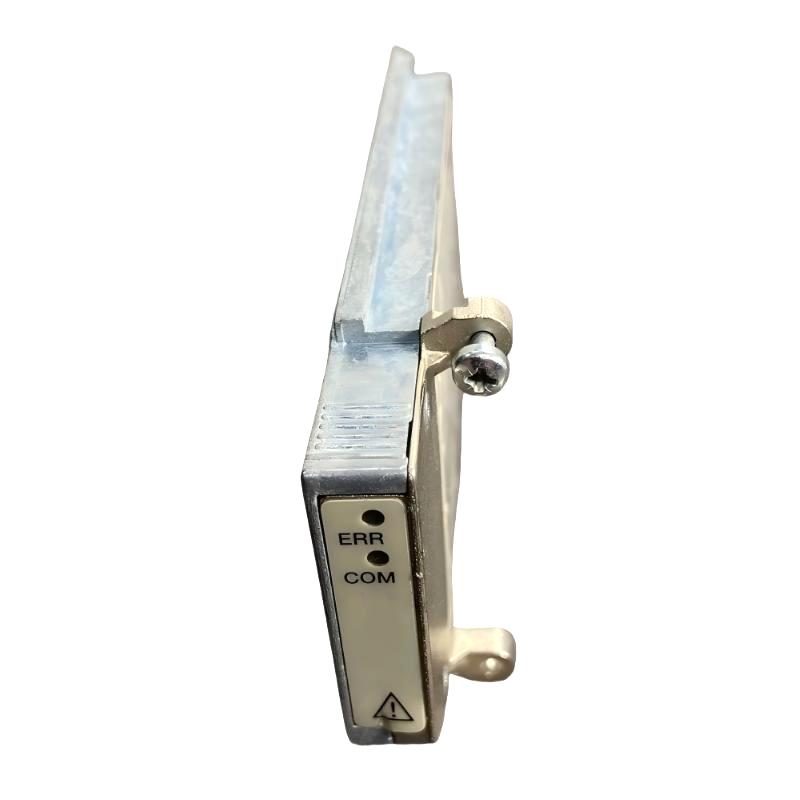
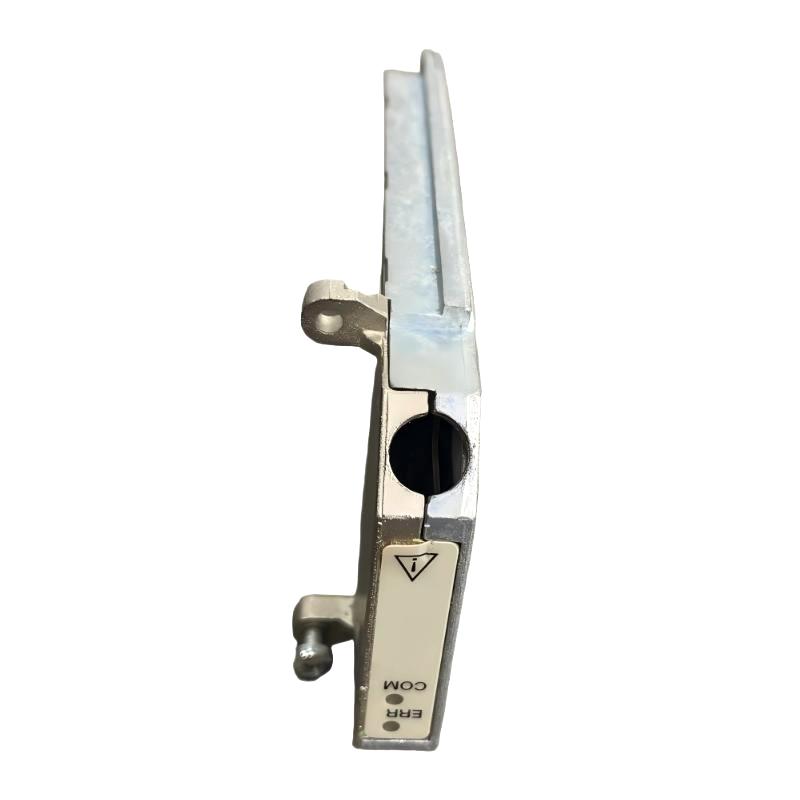
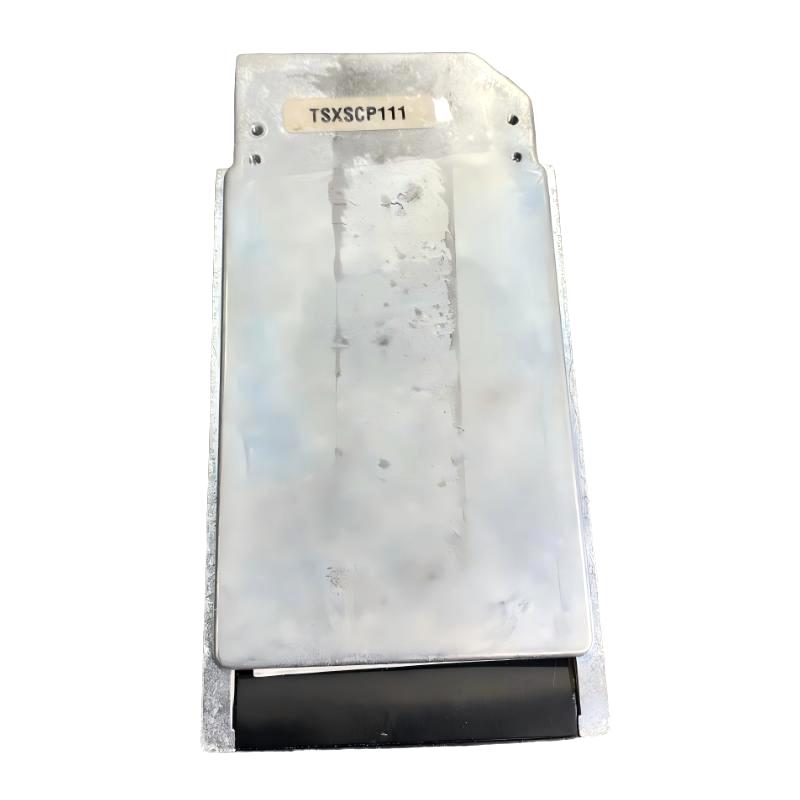
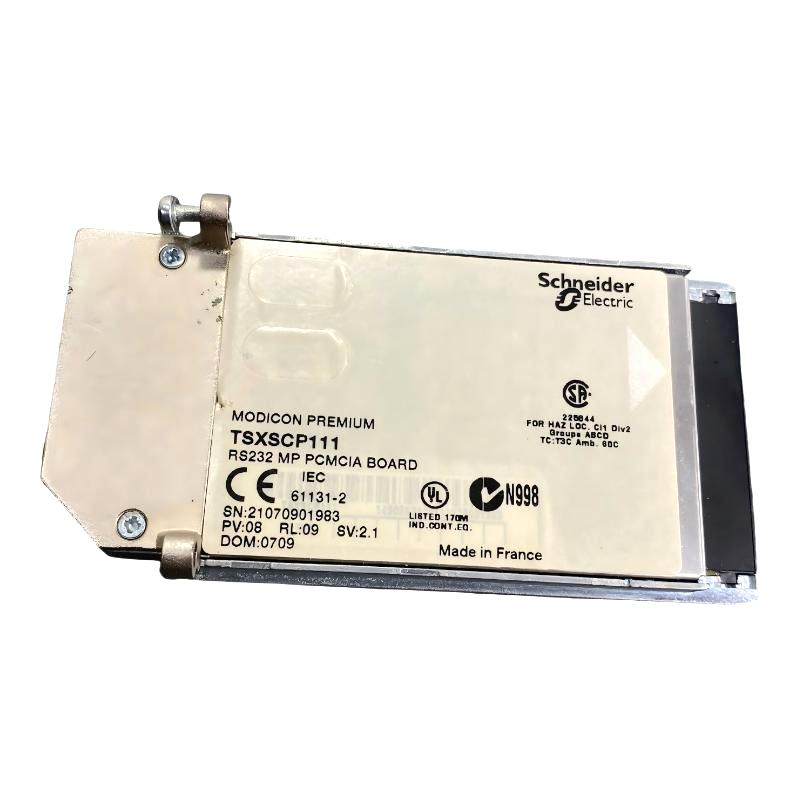
- Schneider
- TSXSCP111
- PCMCIA Card
- France
- 170 x 155 x 35 mm
- 0.105 kg
- Xiamen, China
- New & In Stock
- T/T, PayPal, Western Union
- 1 Year
- 1-3 Working Days
- DHL, UPS, TNT, FedEx and EMS.
- 24-Hour Service
- COO
- 2
Our advantage

Global Logistics
We have a 10-year logistics and express cooperation agreement, so our products can be shipped to any place in the world.

Brand new and original
Our products are imported in bulk from the place of origin. Because of the cooperative relationship, our products are all original and 100% new.

24-hour service
We provide 7*24 hours service to our customers. We will be there whenever you need us.

Price advantage
All our products are priced very favorably because we have our own warehouse and supply.
| Company Information | |||
| [email protected] | |||
| Mobile | +8615980777398 | ||
| +8615980777398 | |||
| 15980777398 |
1. Product Overview
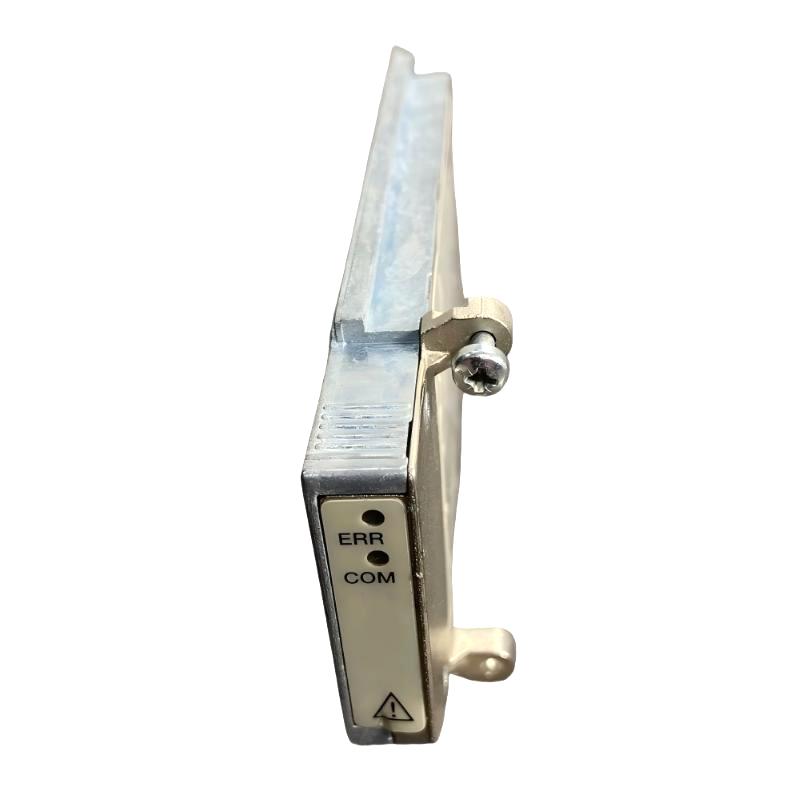
The Schneider Electric TSXSCP111 PCMCIA Card is a serial communication accessory designed for compatible Modicon Premium programmable logic controller (PLC) systems and Atrium coprocessor configurations. It provides an RS-232 D physical interface and supports Modbus, Uni-Telway, and character-mode communication.
In industrial automation, communication interfaces allow PLCs to exchange data with external equipment such as computers, operator terminals, compatible controllers, communication devices, and other serial-connected equipment. A suitable communication card can extend the connectivity of an established PLC platform without requiring the entire control system to be redesigned.
The TSXSCP111 uses the PCMCIA Type III form factor. It is designed to be installed in a compatible host location, such as a supported Premium processor or TSXSCY21601 communication module. The card provides the physical serial interface required for supported communication protocols, while the host PLC or coprocessor remains responsible for its own control and processing functions.
The card supports Modbus, Uni-Telway, and asynchronous character-mode communication. These capabilities allow it to serve different communication purposes, depending on the connected equipment and the system configuration. Modbus can be used for supported data exchange with compatible devices, Uni-Telway serves Schneider Electric’s legacy communication architecture, and character mode supports asynchronous serial data exchange.
The TSXSCP111 is particularly relevant to industrial facilities that continue to operate Modicon Premium PLC systems. It may be needed when maintaining an existing serial communication link, replacing a failed communication accessory, or restoring a legacy automation installation.
Because this is an older communication component, buyers should verify the exact model, the host device, the required communication protocol, and the cable arrangement before ordering. A physically similar PCMCIA card may use a different electrical interface and may not be compatible with the original system.
2. Technical Specifications
| Parameter | Specification |
|---|---|
| Brand | Schneider Electric |
| Model | TSXSCP111 |
| Product Type | PCMCIA Serial Communication Card |
| Product Family | Modicon Premium Automation Platform |
| Card Format | PCMCIA Type III |
| Physical Interface | RS-232 D |
| Supported Protocols | Modbus, Uni-Telway, character mode |
| Compatible Host Equipment | Supported Premium processor and TSXSCY21601 |
| Related PLC Compatibility | TSX 37-21/22, subject to the applicable configuration |
| Typical Application | Serial communication between a compatible PLC host and external equipment |
| Operating Voltage | 5 V DC through the host interface |
| Typical Current Consumption | 140 mA at 5 V DC |
| Dimensions | 170 × 155 × 35 mm, as supplied |
| Net Weight | 0.105 kg |
| Connection Accessories | Compatible RS-232 cables, selected according to the connection type |
| Product Status | Legacy product; confirm current regional lifecycle and availability |
Dimension note: The supplied dimensions of 170 × 155 × 35 mm match the packaging measurements listed in product documentation. They should not be treated as the card’s bare physical dimensions. The stated weight of 0.105 kg is the product net weight; shipping weight may be higher.
3. Function and Working Principle
3.1 RS-232 Serial Communication
The primary communication interface of the TSXSCP111 is RS-232 D. RS-232 is a serial communication standard traditionally used for point-to-point connections between compatible electronic devices.
In an industrial installation, a supported PLC host can use the card to exchange serial data with external equipment. Depending on the selected protocol and cable arrangement, the connected equipment may include a computer, terminal, modem, or compatible industrial device.
The card provides the physical communication interface, but the actual data exchange depends on the host configuration, communication parameters, protocol selection, and the capabilities of the connected equipment.
Correct configuration is essential. Parameters such as baud rate, data format, parity, and communication mode must match the requirements of the application and the remote device.
3.2 Modbus Communication
Modbus is a widely used industrial communication protocol for exchanging data between compatible controllers and devices.
When the TSXSCP111 is configured for a supported Modbus application, the host system can communicate with compatible equipment over the RS-232 interface. Depending on the implementation, this may involve reading status information, exchanging register data, or transmitting commands.
The card does not independently execute the PLC program or determine the meaning of application data. The host controller and its software configuration define how communication data is processed and used.
The exact Modbus operating mode and supported functions must be confirmed from the system configuration and the documentation for the connected equipment.
3.3 Uni-Telway Communication
Uni-Telway is associated with Schneider Electric’s legacy industrial communication architecture. The TSXSCP111 supports Uni-Telway communication for compatible installations.
This can be important in established plants where PLCs and other devices continue to rely on an existing Uni-Telway communication arrangement. Retaining the appropriate communication card may help maintain the original interface without requiring an immediate platform migration.
Before replacing a card, confirm the host configuration, connected devices, communication settings, and cable type. Protocol support alone does not guarantee that a replacement will work in every Uni-Telway network arrangement.
3.4 Character-Mode Communication
The TSXSCP111 also supports character mode, which provides asynchronous serial data exchange.
In this mode, the application communicates through a stream of characters rather than relying on a higher-level industrial protocol such as Modbus. This can be useful for supported terminal-oriented devices and other equipment designed to exchange serial character data.
The communication application must define the expected data format and processing behavior. The card provides the physical interface, while the host software determines how received and transmitted characters are interpreted.
3.5 Integration with the PLC Host
The TSXSCP111 is a communication accessory rather than a standalone PLC or an independent control processor.
It is installed in a compatible host location, such as a supported Premium processor or TSXSCY21601. The host system manages the card and integrates its communication functions into the overall automation configuration.
This arrangement allows a compatible legacy PLC system to communicate with supported external equipment while retaining the existing processor and application architecture.
4. Role in Industrial Automation Systems
4.1 Connecting PLC Systems to External Devices
Industrial automation installations often contain equipment from different generations or manufacturers. A serial communication interface can provide a practical link between a PLC and compatible external devices.
The TSXSCP111 can support this role in systems designed around the Modicon Premium platform. Its usefulness depends on the communication protocol, electrical interface, and cable arrangement required by the application.
4.2 Supporting Legacy Communication Networks
Many factories retain older communication networks because they remain functional and are integrated with production equipment, operator procedures, and existing control software.
Replacing a communication accessory with the correct model may help restore a failed connection while minimizing changes to the rest of the system.
For legacy installations, the TSXSCP111 may therefore be relevant to spare-parts procurement, equipment repair, and planned maintenance.
4.3 Enabling Data Exchange with Computers and Terminals
A compatible serial interface can be used for communication with supported computer-based equipment, terminals, or other serial devices.
Depending on the application, this may support diagnostic access, character-based data exchange, or industrial communication tasks. The supported function is determined by the host, software, protocol, and connected device rather than by the card alone.
4.4 Maintaining Existing Control Architecture
Replacing an established PLC platform can require substantial work, including program conversion, wiring changes, new communication configuration, commissioning, and production downtime.
Where the original system remains suitable for its application, maintaining the existing communication accessory can be a more limited intervention. The TSXSCP111 can be considered when the requirement is to restore a supported serial communication function in a compatible legacy installation.
5. Industrial Applications
Manufacturing and Production Lines
Manufacturing systems use PLCs to coordinate machine sequences, monitor operating conditions, and exchange information with connected equipment.
Where a compatible Modicon Premium PLC requires an RS-232 connection, the TSXSCP111 may provide the communication interface for supported serial devices.
Machine Tools and Industrial Equipment
Machine tools and dedicated industrial equipment may use serial interfaces for data exchange, diagnostics, or communication with external control devices.
The TSXSCP111 may be relevant to installations where the original design specifies an RS-232 PCMCIA communication card and a supported protocol.
Packaging and Material Handling
Packaging machinery and material-handling systems may incorporate controllers, terminals, or auxiliary equipment that exchange data through serial connections.
In a compatible legacy PLC architecture, the TSXSCP111 can support the required serial interface. The precise application depends on the connected equipment and the communication configuration.
Process and Utility Equipment
Process equipment and utility systems sometimes retain legacy PLC hardware for monitoring and control. Serial communication may be used to exchange supported data with external equipment.
The TSXSCP111 can be useful when maintaining an established Modicon Premium installation, provided that the application uses the card’s supported interface and protocol.
Maintenance and Diagnostic Applications
Industrial maintenance teams may need to restore serial connectivity for diagnostic equipment, terminals, or other supported devices.
The TSXSCP111 can serve as a replacement part when the original system explicitly requires this model. Before ordering, technicians should verify whether the fault originates from the card, cable, host interface, remote device, or communication configuration.
6. Installation and System Integration
Correct installation requires verification of the host device, PCMCIA slot, serial cable, and communication settings. The TSXSCP111 should only be installed in equipment explicitly supporting this card.
6.1 Confirm the Host Device
The TSXSCP111 is intended for compatible Modicon Premium processors and supported Atrium coprocessor configurations, including use with the TSXSCY21601 where specified.
Check the exact host model and the applicable hardware documentation before installation. Do not assume that any device with a PCMCIA slot will support this card.
6.2 Verify the PCMCIA Type
The TSXSCP111 uses the PCMCIA Type III format. Confirm that the host device supports the required card type and that the installation position is correct.
A card’s physical form factor alone does not establish compatibility. The electrical interface, host support, and communication functions must also match the application.
6.3 Select the Correct Serial Cable
The cable must match the card’s RS-232 interface and the remote device’s connection requirements.
Cable selection depends on the communication arrangement, connector type, cable length, and whether the connection is between compatible data-terminal equipment or involves a modem or other communication device.
Compatible legacy cable references include TSXSCPCD1030 and TSXSCPCD1100 for specified point-to-point connections, and TSXSCPCC1030 for certain modem-based connections. Confirm the exact wiring and application requirements before ordering a cable.
Do not substitute a cable based solely on connector appearance. Incorrect wiring can prevent communication or cause connection problems.
6.4 Configure Communication Parameters
Verify that the host application and the remote device use matching communication settings.
Depending on the selected mode, these may include baud rate, parity, data bits, stop bits, protocol configuration, and application-specific parameters.
For Modbus or Uni-Telway applications, also confirm the addressing and network configuration relevant to the installation. For character mode, ensure that the transmitting and receiving applications agree on the expected data format.
6.5 Follow Power-Down Installation Procedures
The PCMCIA card must be installed or removed with the host device powered down, in accordance with the applicable hardware instructions.
Before working on the PLC, isolate the equipment according to the site’s safety procedures and prevent unexpected machine movement. Never assume that the card can be inserted or removed while the controller is energized.
6.6 Test Communication After Installation
After installation, restore power in accordance with the commissioning procedure and verify the host’s status.
Test the required communication function with the connected equipment. Confirm that the expected data is transmitted and received, and investigate any communication errors before returning the system to normal operation.
If communication fails, check the card seating, cable wiring, remote-device settings, protocol configuration, and host compatibility. A replacement card will not resolve a fault caused by incorrect cabling or an incompatible communication setup.
7. Compatible System Components
The following table identifies related components and equipment categories. Exact compatibility must be confirmed against the host hardware and the original communication design.
| Component or Family | Function | Integration Considerations |
|---|---|---|
| Modicon Premium Processor | Executes the PLC application and manages supported communication accessories | Verify the processor model and supported PCMCIA card |
| TSXSCY21601 | Compatible communication module / host location | Confirm card support and installation requirements |
| TSX 37-21/22 | Related TSX Micro PLC configurations listed for compatibility | Verify the exact host and application arrangement |
| TSXSCPCD1030 | Specified RS-232 connection cable, 3 m | Confirm connector and point-to-point application |
| TSXSCPCD1100 | Specified RS-232 connection cable, 10 m | Confirm cable length and connection requirements |
| TSXSCPCC1030 | Cable for specified modem-based connections | Verify remote-device type and wiring arrangement |
| Compatible Modbus Device | Exchanges data through supported Modbus communication | Confirm protocol settings and supported functions |
| Compatible Uni-Telway Device | Communicates through the supported Uni-Telway architecture | Verify network arrangement and device compatibility |
| Compatible Serial Terminal or Computer | Exchanges data through supported character-mode communication | Confirm electrical interface, cable, and data format |
This table is a selection guide, not a guarantee that every listed component can be used together in every installation. Always verify the original system configuration before purchasing accessories.
8. Recommended Alternative Models and Replacement Considerations
When replacing the TSXSCP111, the main priority is to preserve the required physical interface and communication function. A card that supports the same protocol but uses a different electrical interface may not be a suitable substitute.
| Model or Option | Description | Replacement Considerations |
|---|---|---|
| TSXSCP111 | Original PCMCIA Type III RS-232 D communication card | Preferred starting point for a compatible existing installation |
| TSXSCP114 | Related PCMCIA communication card using an RS-485/RS-422-compatible interface | Different physical interface; not a direct RS-232 replacement |
| BMXNOM0200 | Modicon X80 serial communication module with RS-232/RS-485 capabilities | Modernization candidate requiring platform and system migration assessment |
TSXSCP111: Same-Model Replacement
For an existing system specifically designed around the TSXSCP111, sourcing the exact model is generally the most straightforward option to investigate.
Confirm the card label, connector condition, compatibility with the host, and the required cable. For used or refurbished units, ask for photographs of the actual product and details of any functional testing.
TSXSCP114: Different Physical Interface
The TSXSCP114 belongs to the related PCMCIA serial communication card family but uses an RS-485/RS-422-compatible interface rather than the TSXSCP111’s RS-232 D interface.
Although the cards are related, they should not be considered interchangeable without redesigning or verifying the physical connection and communication arrangement. Interface type, isolation characteristics, wiring, and remote-device requirements must all be assessed.
BMXNOM0200: Modernization Candidate
The BMXNOM0200 is a Modicon X80 serial communication module that supports RS-232 or RS-485 communication options in its supported configuration.
It may be relevant when evaluating a migration from legacy Premium hardware to a newer automation platform. However, it is not a direct PCMCIA replacement for the TSXSCP111. The host PLC, rack, power supply, communication configuration, cables, control program, and connected equipment must be assessed as part of the migration.
For installations where the original Premium system must remain operational, an exact TSXSCP111 replacement may be more appropriate than an immediate platform change.
9. Key Advantages
Multiple Serial Communication Modes
The TSXSCP111 supports Modbus, Uni-Telway, and character mode, enabling several types of serial communication within compatible legacy installations.
RS-232 D Interface
The RS-232 D interface provides a defined physical communication method for supported point-to-point connections and compatible serial equipment.
Integration with Modicon Premium
The card is designed for specified Modicon Premium processor and Atrium coprocessor configurations, helping maintain the original communication architecture where the hardware is still in service.
Compact PCMCIA Type III Format
The PCMCIA Type III form factor allows installation in compatible host equipment without requiring a separate standalone communication enclosure.
Useful for Legacy Maintenance
The TSXSCP111 may be important for maintaining serial connectivity in established industrial systems. Correct identification can help reduce the risk of ordering a card with the wrong physical interface.
10. Technical FAQs
Q1: What is the Schneider TSXSCP111?
The TSXSCP111 is a PCMCIA Type III serial communication card for compatible Modicon Premium PLC and Atrium coprocessor configurations. It provides an RS-232 D interface.
Q2: Which protocols does the TSXSCP111 support?
The card supports Modbus, Uni-Telway, and character-mode communication. The selected protocol and its configuration must be compatible with the host application and connected equipment.
Q3: What is the operating voltage and current consumption?
The card receives 5 V DC through its compatible host interface and has a specified typical current consumption of 140 mA at 5 V DC.
Q4: Which PLC systems can use the TSXSCP111?
The card is designed for specified Modicon Premium processors and compatible Atrium coprocessor configurations. Product information also lists TSX 37-21/22 and TSXSCY21601 compatibility. Confirm the exact hardware arrangement before installation.
Q5: Which cables can be used with the TSXSCP111?
Specified cable options include TSXSCPCD1030 and TSXSCPCD1100 for certain point-to-point connections, and TSXSCPCC1030 for specified modem-based connections. The correct cable depends on the remote device and communication topology.
Q6: Can the TSXSCP111 be replaced by the TSXSCP114?
Not as a direct replacement in an RS-232 installation. The TSXSCP114 uses an RS-485/RS-422-compatible interface. The physical layer, wiring, and remote equipment must be checked before considering any substitution.
Q7: Can the TSXSCP111 be replaced by BMXNOM0200?
The BMXNOM0200 is a serial communication module for the Modicon X80 platform, not a direct PCMCIA replacement. It may be considered as part of a broader PLC migration, subject to engineering and compatibility checks.
Q8: What are the supplied dimensions and weight?
The supplied listing gives dimensions of 170 × 155 × 35 mm and a net weight of 0.105 kg. The dimensions correspond to the package measurements in product documentation rather than the bare card dimensions.
Q9: What should be checked before purchasing?
Verify the model number, host compatibility, RS-232 interface, protocol requirements, cable type, and product condition. For used or refurbished cards, request actual product photographs and information about testing and warranty.
11. Procurement and Maintenance Considerations
The TSXSCP111 is a specialized communication accessory. Before purchasing, confirm that it matches the installed PLC host and the required serial communication function.
Important procurement checks include:
- Exact part number: Verify TSXSCP111 rather than a related model such as TSXSCP114.
- Host compatibility: Confirm the processor or communication module supports the card.
- Physical interface: Ensure RS-232 D is the required interface.
- Protocol requirements: Confirm whether the application uses Modbus, Uni-Telway, or character mode.
- Cable compatibility: Verify the cable part number, length, connectors, and wiring arrangement.
- Product condition: Establish whether the card is new old stock, used, or refurbished.
- Testing and warranty: Request information about functional testing and the supplier’s warranty and return policy.
- Lifecycle planning: Consider long-term spare-parts availability and whether a future PLC migration is appropriate.
For legacy systems, retaining the original communication configuration can reduce the risk of unexpected integration issues. If the original card is unavailable, evaluate alternatives based on both the electrical interface and the overall PLC architecture rather than protocol names alone.
12. Conclusion
The Schneider Electric TSXSCP111 PCMCIA Card is a serial communication accessory for compatible Modicon Premium PLC and Atrium coprocessor systems. With an RS-232 D interface and support for Modbus, Uni-Telway, and character mode, it enables communication with supported external equipment in established industrial automation installations.
Its primary value is maintaining serial connectivity in legacy PLC systems where the original hardware architecture remains in service. Correct host compatibility, interface selection, cable wiring, and communication configuration are essential for successful operation.
When sourcing a replacement, verify the exact TSXSCP111 model and the requirements of the existing installation. Related cards and modern serial modules may offer similar communication functions, but differences in physical interface and PLC platform mean they should not be treated as direct substitutes without a proper compatibility assessment.