

ProductPRODUCT
Featured products
Contact Us
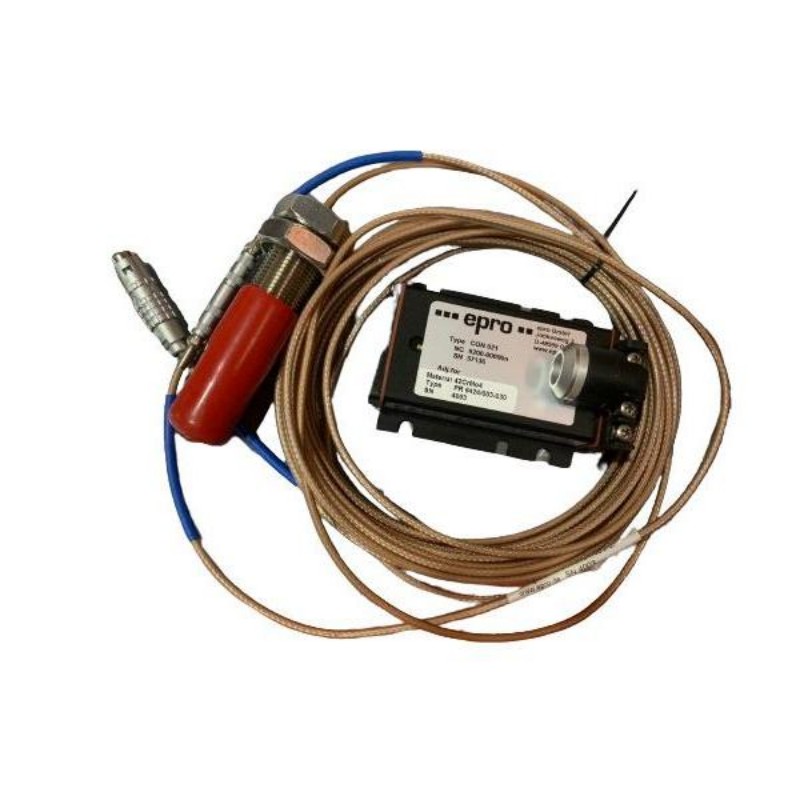
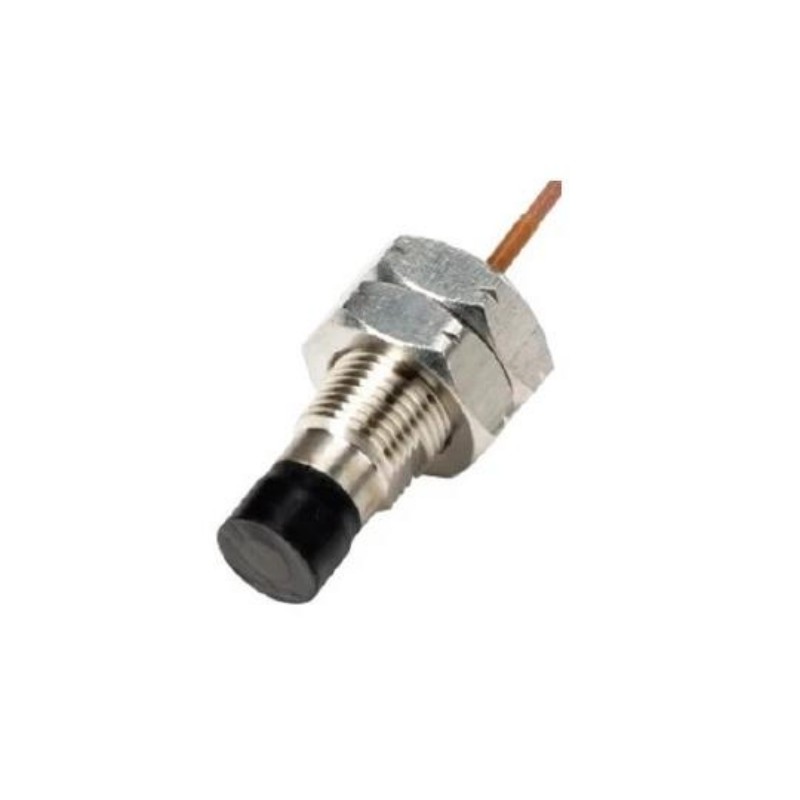
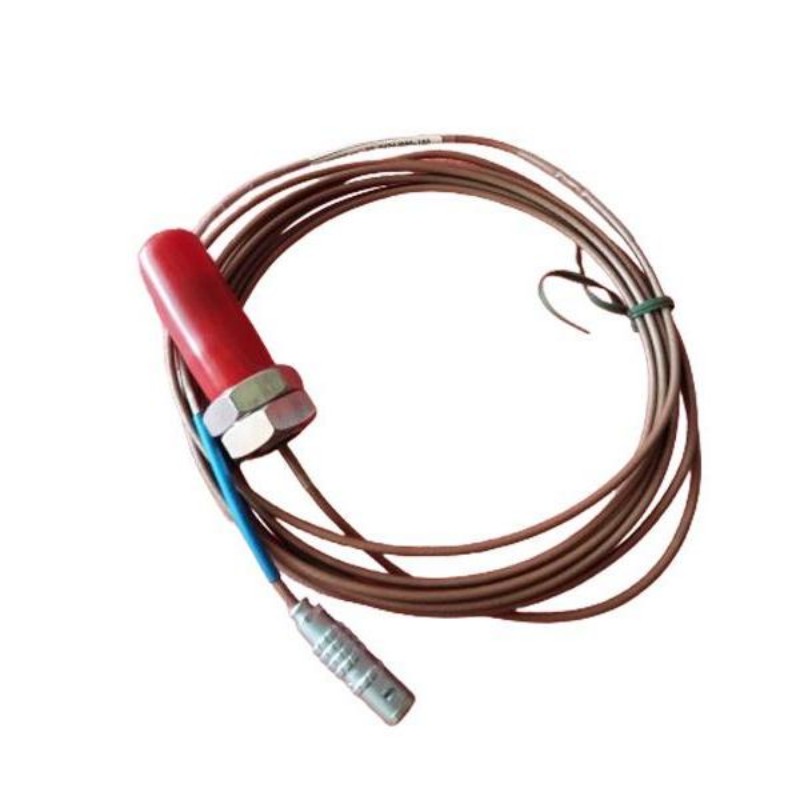
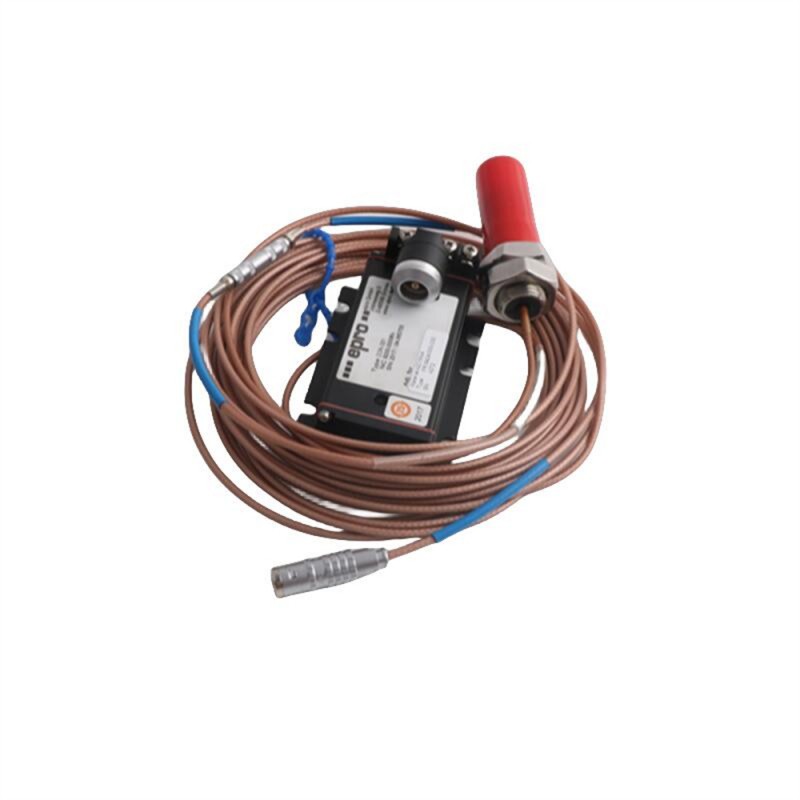
- Epro
- PR6424/007-100
- 16 mm Eddy Current Sensor
- Germany
- 16 mm
- 0.2 kg
- Xiamen, China
- New & In Stock
- T/T, PayPal, Western Union
- 1 Year
- 1-3 Working Days
- DHL, UPS, TNT, FedEx and EMS.
- 24-Hour Service
- COO
- 4
Our advantage

Global Logistics
We have a 10-year logistics and express cooperation agreement, so our products can be shipped to any place in the world.

Brand new and original
Our products are imported in bulk from the place of origin. Because of the cooperative relationship, our products are all original and 100% new.

24-hour service
We provide 7*24 hours service to our customers. We will be there whenever you need us.

Price advantage
All our products are priced very favorably because we have our own warehouse and supply.
| Company Information | |||
| [email protected] | |||
| Mobile | +8615980777398 | ||
| +8615980777398 | |||
| 15980777398 |
1. Product Overview
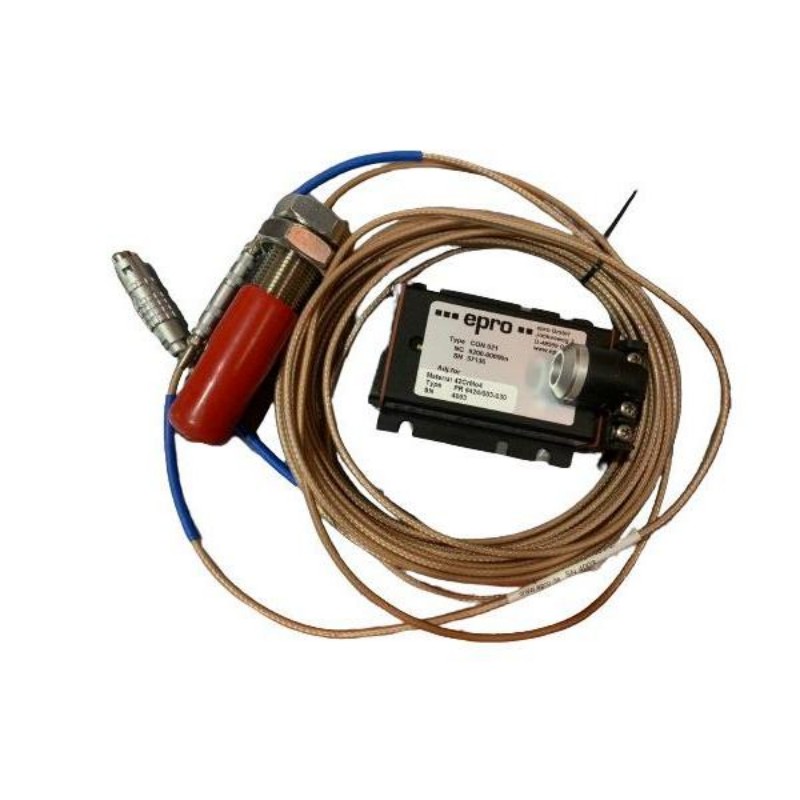
The Epro PR6424/007-100 is a 16 mm eddy current sensor designed for non-contact displacement measurement and industrial machinery monitoring applications. As part of the Epro PR6424 sensor family, it is intended for use in measurement arrangements where reliable proximity sensing and the observation of relative movement between a probe and a conductive target are important.
Eddy current sensors are widely used in industrial environments to monitor shaft movement, measure mechanical displacement, and support the condition monitoring of rotating equipment. Unlike contact-based measurement devices, an eddy current sensor can measure the position of a suitable conductive target without requiring physical contact. This measurement principle makes the technology useful for machinery operating continuously or at high rotational speeds, where direct mechanical contact could introduce wear or interfere with the measurement process.
The PR6424/007-100 has a specified sensor head diameter of 16 mm and a listed weight of 0.2 kg. These physical characteristics are useful when checking installation clearances, mounting arrangements, spare-part requirements, and equipment handling considerations.
For maintenance teams, system integrators, and industrial spare-parts purchasers, confirming the complete model designation is essential. Although products in the same sensor family may share a similar measuring principle and general application, their suffixes can represent differences in configuration or compatibility. The PR6424/007-100 should therefore be selected according to the requirements of the existing measurement system and the equipment manufacturer’s documentation.
2. Technical Specifications
| Parameter | Specification |
|---|---|
| Brand | Epro |
| Model | PR6424/007-100 |
| Product Type | Eddy Current Sensor |
| Sensor Head Diameter | 16 mm |
| Weight | 0.2 kg |
| Measurement Principle | Eddy current-based non-contact measurement |
| Primary Function | Displacement and proximity measurement of suitable conductive targets |
| Typical Application Area | Industrial machinery monitoring and measurement systems |
| Exact Measurement Range | Confirm against the model-specific technical documentation |
| Sensitivity and Output Characteristics | Confirm against the applicable sensor system documentation |
| Cable and Connector Configuration | Verify before ordering |
| Compatible Signal Converter | Confirm the required model and system configuration |
| Operating Temperature Range | Confirm before installation |
| Mounting and Thread Details | Verify against the product drawing and installation instructions |
The sensor head diameter and weight are the supplied model-specific specifications. Other electrical, mechanical, and environmental parameters should be checked against the applicable technical documentation rather than inferred from the product family’s general characteristics.
3. Function and Working Principle
3.1 Eddy Current Measurement Technology
An eddy current sensor operates through electromagnetic interaction between the probe and a conductive target. When the sensor is supplied with the appropriate excitation signal, it produces an alternating electromagnetic field near its sensing face. When a conductive object enters this field, circulating electrical currents known as eddy currents are induced in the target.
These currents affect the electromagnetic characteristics of the sensor. As the distance between the probe and target changes, the interaction also changes. A suitable measurement system can interpret this change and convert it into a displacement-related signal.
This method enables non-contact measurement without requiring the target to touch the probe. Depending on the complete sensor system’s design and calibration, the measured displacement may be used to monitor shaft position, vibration, relative movement, or other mechanical conditions.
3.2 Non-Contact Displacement Measurement
In an industrial installation, the PR6424/007-100 may be positioned opposite a suitable conductive surface. When the target moves toward or away from the sensor, the electromagnetic coupling changes. The associated electronics interpret the response according to the configured measurement characteristics.
The quality and accuracy of the result depend on more than the sensor alone. Target material, target geometry, probe mounting, measurement gap, cable arrangement, signal conditioning, and calibration can all influence the final measurement.
For this reason, the sensor should be installed as part of a compatible measurement system rather than treated as an independently interchangeable electronic component.
3.3 Role of Signal Conditioning
Depending on the installation, an eddy current probe may require a compatible extension cable and signal converter or driver. These components work together to establish the intended electrical characteristics and provide a usable output to a monitoring instrument or control system.
Before integrating the PR6424/007-100, engineers should confirm the required converter, cable type, cable length, connector arrangement, and calibration requirements. The exact compatible configuration must be established from the documentation for this model and the existing monitoring equipment.
4. Role in Industrial Control and Machinery Monitoring
Eddy current sensors provide measurement information that can help operators and maintenance engineers understand the mechanical condition of industrial equipment. When correctly installed and connected to a compatible monitoring system, displacement measurements can support equipment protection, condition assessment, and maintenance planning.
4.1 Rotating Machinery Monitoring
Rotating machines may experience shaft movement caused by operating loads, bearing clearances, thermal changes, imbalance, misalignment, or other mechanical conditions. Non-contact displacement measurement can provide information about the relative position and movement of a shaft or another suitable conductive target.
When used in an appropriately engineered monitoring arrangement, the sensor can contribute to identifying changes in machine behavior. Alarm thresholds, trip limits, and diagnostic conclusions must be established using the requirements of the machine and the monitoring system.
4.2 Mechanical Position Measurement
In applications where a conductive component moves relative to a fixed mounting point, an eddy current sensor can provide position-related information without direct mechanical contact. This can be useful where friction, repeated contact, or physical wear would be undesirable.
The actual measurement range and installation geometry must be confirmed before using the PR6424/007-100 for a particular position measurement task.
4.3 Support for Condition-Based Maintenance
Continuous or periodic measurements can help maintenance teams compare current machine behavior with established operating baselines. Significant changes may indicate that further inspection is appropriate.
However, a displacement measurement alone does not identify every possible failure mode. Reliable diagnosis generally requires the measurement to be interpreted alongside operating conditions, historical trends, other instrumentation, and equipment-specific maintenance procedures.
4.4 Integration with Monitoring and Control Equipment
The sensor may form part of a larger instrumentation arrangement connected to machinery monitoring equipment. The complete system can supply measurements for display, trend analysis, alarms, or other functions supported by the receiving equipment.
The PR6424/007-100 should not be assumed to provide a direct PLC-compatible output on its own. Output format, signal conditioning, and interface compatibility depend on the complete configured system.
5. Industrial Applications
5.1 Turbine and Power Generation Equipment
Power generation equipment often requires reliable monitoring of mechanical movement and rotating components. Eddy current measurement technology is used in suitable applications to observe relative shaft displacement and support machinery condition monitoring.
For installations involving turbines, generators, or associated equipment, engineers must confirm that the sensor’s electrical configuration, mounting dimensions, environmental ratings, and measurement characteristics meet the requirements of the specific machine.
5.2 Pumps and Compressors
Industrial pumps and compressors operate under changing loads and process conditions. Non-contact displacement measurement can be useful for observing the movement of selected rotating components where the sensor arrangement has been designed for that purpose.
The sensor’s compatibility with the target surface, available installation space, and monitoring equipment should be verified before deployment.
5.3 Industrial Motors and Driven Equipment
Large motors and coupled machinery may require monitoring of shaft movement or relative displacement. A properly configured eddy current measurement system can provide information that supports inspection and maintenance decisions.
Selection should take into account the operating speed, mechanical arrangement, measurement objective, and the requirements of the complete monitoring system.
5.4 Industrial Machinery and Process Plants
Beyond power generation and rotating machinery, eddy current sensing technology can be used in specialized industrial measurement systems where a conductive target and suitable measurement geometry are available.
Potential applications include equipment testing, displacement observation, and selected machine-position measurements. Suitability depends on the model’s verified specifications and the characteristics of the application.
5.5 Maintenance and Spare-Parts Management
The PR6424/007-100 may also be relevant to maintenance organizations responsible for keeping existing industrial instrumentation operational. When a sensor needs replacement, the exact model code, head diameter, weight, cable arrangement, and associated electronics should be checked against the installed unit.
A similar-looking probe is not necessarily a valid replacement. Confirming the complete configuration before purchase helps reduce the risk of installation delays and measurement-system incompatibility.
6. Installation and System Integration
Correct installation is essential for obtaining stable and meaningful measurement results. The following considerations should be reviewed before installing the Epro PR6424/007-100.
6.1 Verify the Mechanical Installation
Confirm the required mounting dimensions, available clearance, probe orientation, mounting hardware, and target location. The specified 16 mm sensor head diameter can help with preliminary space planning, but it does not establish the complete mounting-thread or housing dimensions.
Use the applicable product drawing to determine the actual mounting arrangement.
6.2 Confirm the Target Material
Eddy current measurement depends on electromagnetic interaction with a conductive target. Target material and geometry can influence the sensor’s response and calibration.
Verify that the intended target is suitable for the configured system. Where measurements are critical, use the target material and calibration conditions specified by the equipment documentation.
6.3 Establish the Correct Measurement Gap
The distance between the probe face and the target is an important installation parameter. The operating gap must fall within the valid measurement region for the complete sensor system.
Do not use a generic gap value simply because another PR6424 variant uses it. Confirm the correct gap and measuring range for the PR6424/007-100 and its associated electronics.
6.4 Check Cables and Connections
Inspect the required cable type, extension cable, connector arrangement, and routing requirements. Avoid installing unverified cable combinations, as electrical characteristics and cable length may affect the measurement system.
Follow the manufacturer’s instructions for grounding, shielding, electrical connections, and separation from potential sources of interference.
6.5 Verify the Signal Converter
Before connecting the sensor to existing monitoring equipment, confirm the converter or driver model and its compatibility with the probe configuration. Do not assume that a converter used with another PR6424 suffix is automatically compatible with the PR6424/007-100.
6.6 Perform Commissioning Checks
After installation, verify the mechanical position, electrical connections, calibration, and output behavior. Compare the resulting signal with the expected response documented for the configured system.
Where the sensor is part of a machine-protection system, commissioning and acceptance testing should follow the applicable equipment procedures. Protection settings should not be changed solely to accommodate an unverified replacement sensor.
7. Compatible System Components
The PR6424/007-100 may be used in a measurement arrangement containing several related components. The table below identifies component categories that may need to be evaluated; it does not establish specific part-number compatibility.
| Component Category | Purpose | Verification Required |
|---|---|---|
| Eddy Current Sensor | Detects changes in the position of a suitable conductive target | Confirm the exact probe configuration |
| Extension Cable | Connects the probe to the associated electronics where required | Confirm cable model, length, and electrical compatibility |
| Signal Converter or Driver | Conditions the probe signal for measurement and monitoring | Verify the exact compatible model |
| Machinery Monitoring Instrument | Receives and processes measurement information | Confirm input type and supported configuration |
| Control or Data Acquisition System | Uses supported measurement signals for display, alarms, or analysis | Verify interface and signal requirements |
| Mounting Hardware | Secures the probe in the intended measurement position | Confirm dimensions and mechanical requirements |
The complete measurement chain should be considered when evaluating a replacement. A probe that physically fits may still be unsuitable if its electrical characteristics or required signal-conditioning components differ from those of the installed system.
8. Recommended Models for Comparison
The following models are comparison candidates from related or adjacent Epro sensor families. They should not be regarded as confirmed direct replacements for the PR6424/007-100 without a model-by-model compatibility check.
| Model | Product Family or Type | Comparison Purpose |
|---|---|---|
| Epro PR6424/007-000 | PR6424 eddy current sensor | Compare the complete ordering code and configuration |
| Epro PR6424/007-021 | PR6424 eddy current sensor | Review the differences between suffix variants |
| Epro PR6424/007-030 | PR6424 eddy current sensor | Compare installation and system requirements |
| Epro PR6424/006-100 | PR6424 eddy current sensor | Compare the different suffix configuration |
| Epro PR6423 Series | Eddy current sensor family | Evaluate where a different probe-size family may be relevant |
| Epro PR6425 Series | Related eddy current sensor family | Investigate only where its documented characteristics meet the application requirements |
The model suffix is an important part of the ordering designation. Before selecting an alternative, compare the measurement range, sensitivity, linearity, probe dimensions, cable configuration, converter compatibility, temperature limits, calibration requirements, and applicable equipment documentation.
A model from another series should only be considered when its documented specifications and complete system configuration satisfy the intended application.
9. Key Advantages
Non-Contact Measurement
Eddy current sensing measures the position of a suitable conductive target without requiring physical contact. This can reduce the mechanical interference associated with contact-based measurement methods.
Compact Sensor Head
The specified 16 mm sensor head diameter provides a useful reference for checking installation space and assessing whether the probe can be accommodated by the intended mounting arrangement.
Suitability for Machinery Monitoring
Eddy current measurement technology is commonly used in industrial instrumentation for observing displacement and mechanical movement. When correctly configured, it can contribute to machinery condition monitoring.
Integration into a Complete Measurement System
The sensor can be evaluated as part of a wider arrangement involving cabling, signal conditioning, monitoring equipment, and control interfaces. Correct component selection is essential for reliable system performance.
Useful for Replacement and Maintenance Planning
The model designation and supplied physical specifications provide a starting point for identifying the component during spare-parts planning, maintenance, and procurement.
Support for Trend-Based Maintenance
When incorporated into a suitable monitoring arrangement, displacement measurements can help maintenance personnel compare current behavior with historical baselines and identify changes that warrant further investigation.
10. Technical FAQs
Q1: What is the Epro PR6424/007-100?
The Epro PR6424/007-100 is a 16 mm eddy current sensor intended for non-contact measurement applications involving suitable conductive targets. It can be used in appropriately configured industrial measurement and machinery monitoring systems.
Q2: What is the sensor head diameter?
The specified sensor head diameter is 16 mm.
Q3: What is the weight of the PR6424/007-100?
The supplied product information lists the weight as 0.2 kg.
Q4: What is the operating principle of this sensor?
It uses eddy current technology. An electromagnetic field interacts with a conductive target, and changes in the interaction are used by the associated measurement electronics to determine displacement or position-related information.
Q5: Can the PR6424/007-100 measure shaft displacement?
Eddy current sensors are used for shaft-displacement measurement in suitable installations. Whether this particular model meets a given shaft-monitoring requirement depends on its verified measurement characteristics, mounting arrangement, target material, and compatible signal-conditioning equipment.
Q6: Can the sensor connect directly to a PLC?
Direct connection should not be assumed. The required signal converter or driver and the output interface depend on the complete system configuration. Confirm the available signal type and the PLC input requirements before integration.
Q7: Is an extension cable required?
That depends on the approved sensor configuration and the associated electronics. Verify whether an extension cable is required and confirm its exact model and length from the system documentation.
Q8: Is the PR6424/007-100 interchangeable with the PR6424/007-030?
Interchangeability cannot be confirmed from the model names alone. The electrical characteristics, cable arrangement, measurement specifications, calibration, and associated converter requirements must be compared before substitution.
Q9: What should be checked before purchasing a replacement?
Confirm the complete model code, sensor head diameter, weight, mounting arrangement, cable and connector configuration, compatible signal converter, measurement requirements, and the installed system’s documentation.
Q10: What information is still needed for detailed engineering selection?
Important parameters include the verified measurement range, sensitivity, linearity, frequency response, operating temperature limits, target-material requirements, cable configuration, and converter compatibility. These should be obtained from the model-specific documentation before final selection.
11. Procurement and Replacement Considerations
When sourcing the Epro PR6424/007-100, procurement teams should record the full model designation exactly as marked on the component or its original documentation. The 16 mm sensor head diameter and 0.2 kg weight can support initial identification, but these details alone are not sufficient to establish complete interchangeability.
For replacement projects, compare the new component with the installed probe and the associated measurement electronics. Check the physical mounting arrangement, cable and connector details, converter compatibility, and calibration requirements before placing an order.
For critical machinery, it is also advisable to confirm the intended application and the equipment manufacturer’s approved configuration. An apparently similar sensor may not provide the expected output or measurement response if it is paired with incompatible electronics.
Accurate model identification and careful verification help reduce procurement errors, avoid unnecessary commissioning delays, and support reliable maintenance of existing industrial monitoring systems.
12. Conclusion
The Epro PR6424/007-100 is a 16 mm eddy current sensor with a listed weight of 0.2 kg. Its non-contact measurement principle makes it relevant to suitable industrial displacement measurement and machinery monitoring applications.
Successful application depends on selecting the correct probe configuration, confirming the conductive target and installation geometry, and using compatible cabling and signal-conditioning equipment. For replacement and procurement purposes, the complete model code should always be checked rather than relying on appearance or family-level similarities.
By verifying the model-specific technical parameters and the requirements of the complete measurement chain, maintenance engineers and industrial buyers can make a more informed decision about using the PR6424/007-100 in an existing or planned measurement system.