

ProductPRODUCT
Featured products
Contact Us
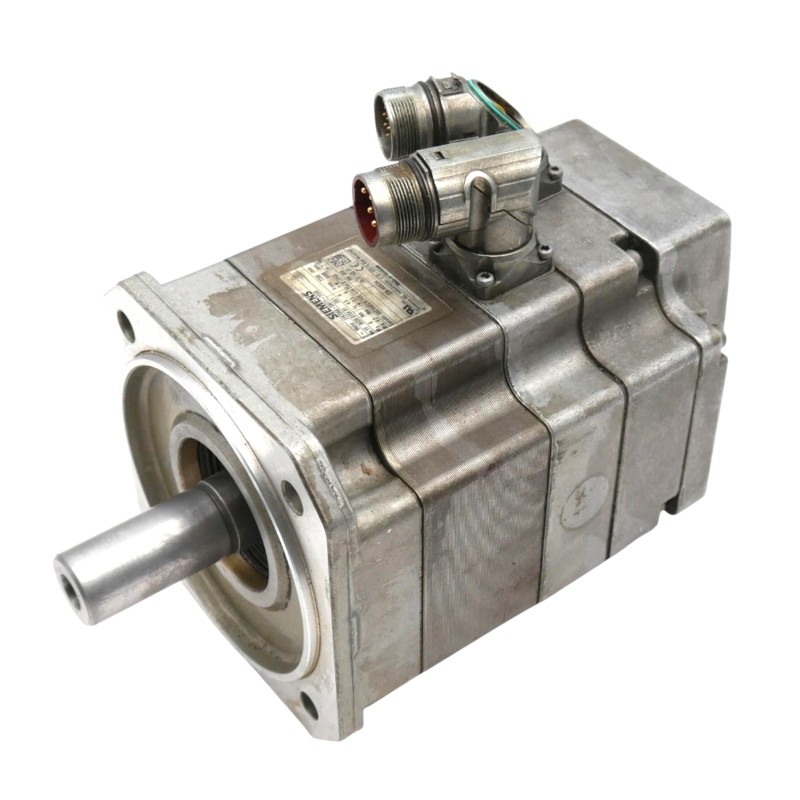
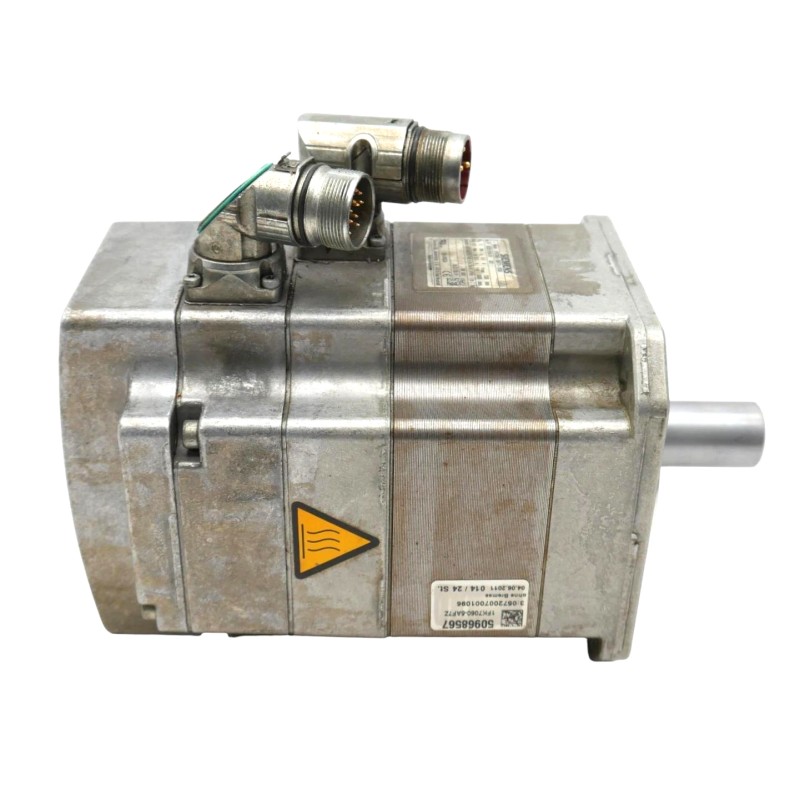
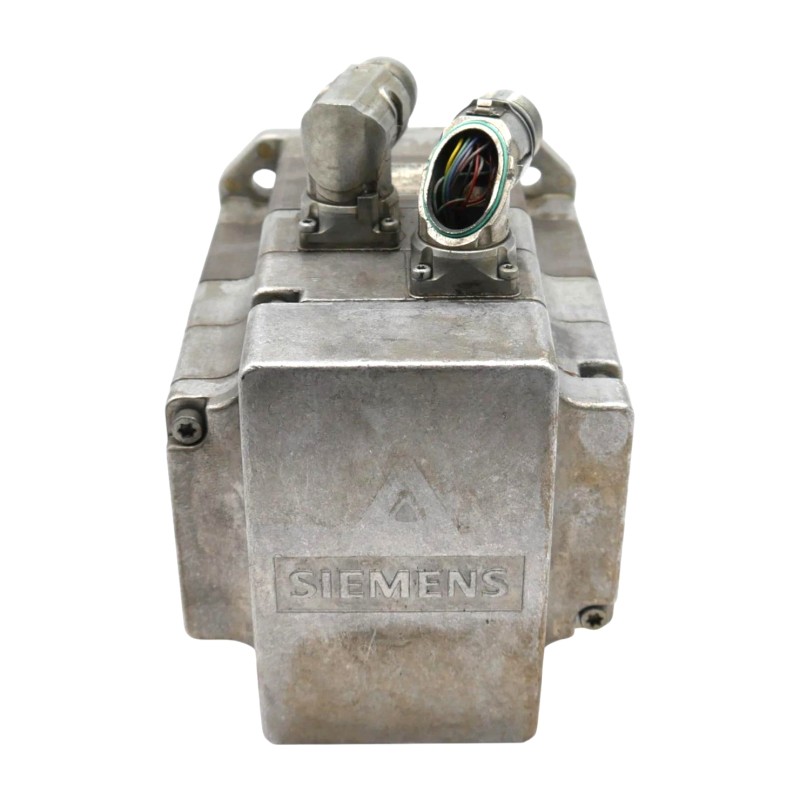
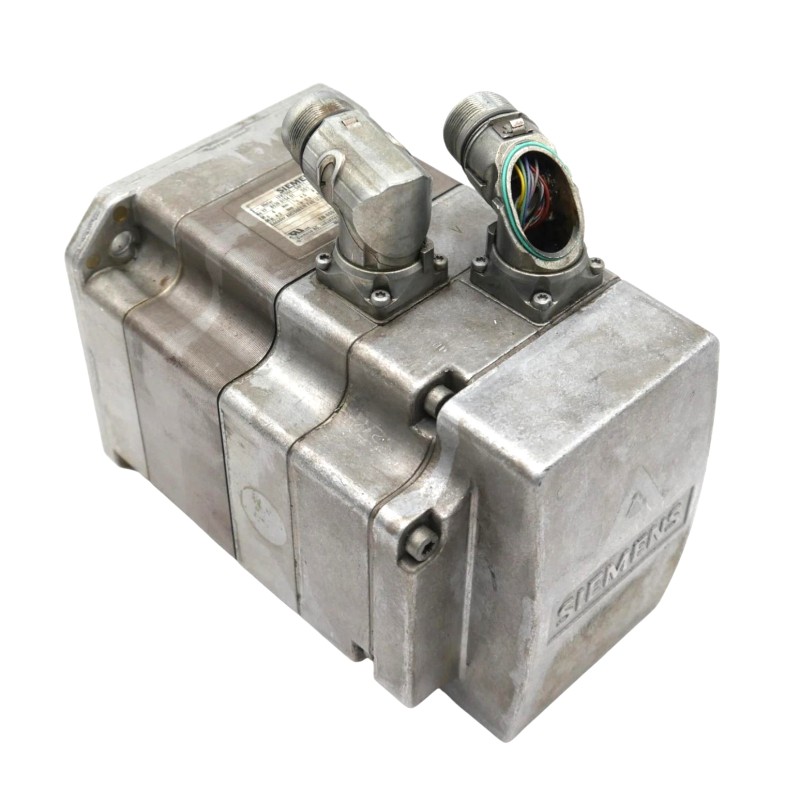
- Siemens
- 1FK7060-5AF71-1EG0
- Synchronous Servo Motor
- Germany
- 63 mm
- 7.003 kg
- Xiamen, China
- New & In Stock
- T/T, PayPal, Western Union
- 1 Year
- 1-3 Working Days
- DHL, UPS, TNT, FedEx and EMS.
- 24-Hour Service
- COO
- 4
Our advantage

Global Logistics
We have a 10-year logistics and express cooperation agreement, so our products can be shipped to any place in the world.

Brand new and original
Our products are imported in bulk from the place of origin. Because of the cooperative relationship, our products are all original and 100% new.

24-hour service
We provide 7*24 hours service to our customers. We will be there whenever you need us.

Price advantage
All our products are priced very favorably because we have our own warehouse and supply.
| Company Information | |||
| [email protected] | |||
| Mobile | +8615980777398 | ||
| +8615980777398 | |||
| 15980777398 |
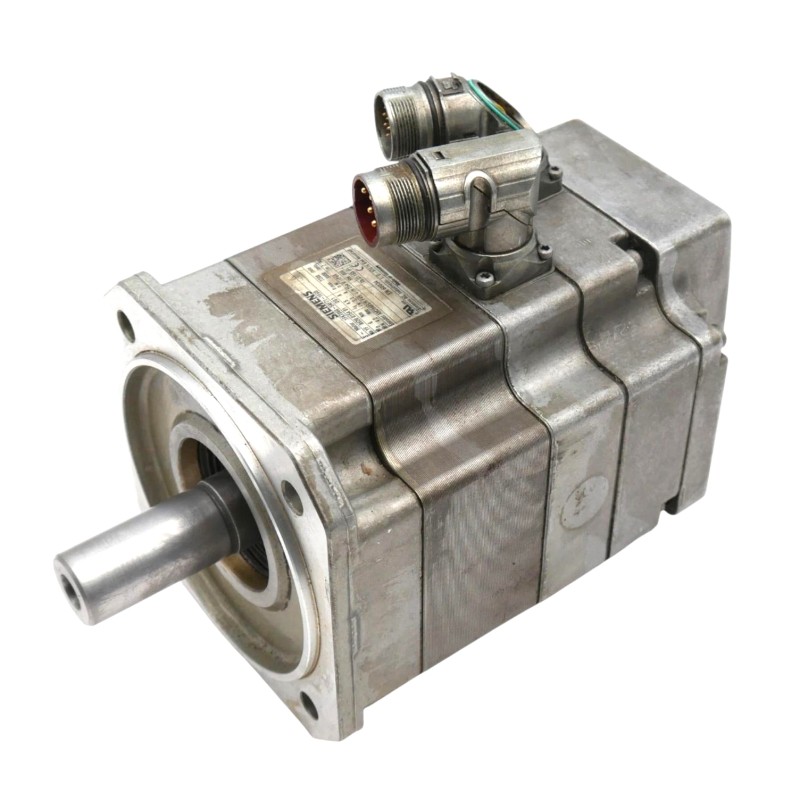
Product Overview
The Siemens 1FK7060-5AF71-1EG0 SIMOTICS S Synchronous Servo Motor belongs to the 1FK7 Compact motor family, a range of permanent-magnet synchronous motors used in applications that require controlled rotary motion and coordinated operation with a servo drive. Its 63 mm shaft-height class makes it relevant to machine designs where the motor must fit a defined mounting arrangement while delivering repeatable movement under changing operating loads.
In an automated production line, a servo motor may position a workpiece beneath a tool, move a packaging mechanism through a repeatable cycle, or drive a feed axis that must stop at a specified position. These tasks require more than simply rotating a shaft. The drive must regulate motor current and speed, while feedback allows the control system to monitor rotor position and coordinate motion with the machine sequence.
The 1FK7060-5AF71-1EG0 is associated with the 1FK7 Compact platform and a nominal operating speed of 3,000 rpm. The motor’s performance in a particular machine depends on the selected drive, its current capability, the load inertia, the transmission arrangement, and the required duty cycle. For indexing applications, acceleration and deceleration profiles are just as important as the rated operating point.
Mechanical integration deserves particular attention. The motor must be matched to the driven mechanism through a suitable coupling, gearbox, belt drive, or other transmission. Shaft alignment, radial loading, torsional behavior, and mounting rigidity all affect the accuracy of the completed axis. A motor that meets the nominal torque requirement can still produce poor motion quality if the mechanical connection introduces excessive backlash or vibration.
The complete order number also matters when selecting a replacement. Variations within the 1FK7 family can differ in encoder configuration, shaft design, holding brake, connector arrangement, and protection characteristics. These differences influence drive compatibility and commissioning requirements, so the exact motor designation and installed configuration should be checked before substitution.
For maintenance teams, the practical objective is to preserve the relationship between the motor, its feedback system, and the drive configuration. Replacing a servo motor with a visually similar unit without confirming these details can result in incorrect feedback interpretation, unexpected motion behavior, or an inability to enable the axis.
Technical Specifications
| Parameter | Specification |
|---|---|
| Manufacturer | Siemens |
| Model | 1FK7060-5AF71-1EG0 |
| Product Type | SIMOTICS S Synchronous Servo Motor |
| Product Family | SIMOTICS S 1FK7 Compact |
| Motor Type | Permanent-Magnet Synchronous Motor |
| Primary Function | Controlled rotary motion in servo-driven machinery |
| Rated Speed | 3,000 rpm |
| Rated Power | Approximately 1.5 kW |
| Rated Torque | Approximately 4.7 Nm |
| Static Torque at 100 K Temperature Rise | 6 Nm |
| Rated Current | Approximately 3.7 A |
| Number of Poles | 8 |
| Cooling Method | Natural Cooling |
| Shaft Height | 63 mm |
| Mounting Arrangement | IM B5 flange mounting family; verify the exact configuration |
| Drive Compatibility | Compatible servo drive selected according to motor data and feedback configuration |
| Feedback System | Verify the encoder configuration against the exact order number and motor nameplate |
| Holding Brake | Verify the exact configuration before replacement |
| Protection Rating | Confirm against the exact motor variant |
| Dimensions | Not specified |
| Weight | 7.003 kg |
Product Features
- Permanent-magnet synchronous design: Supports controlled rotary motion when operated with a compatible servo drive.
- Compact 1FK7 motor platform: Fits machine designs built around the corresponding frame and mounting arrangement.
- 63 mm shaft-height class: Helps engineers identify the appropriate motor mounting envelope for an existing machine.
- 3,000 rpm rated operating point: Suits servo applications requiring controlled rotation within the motor’s specified operating range.
- Defined torque characteristics: Supports axis sizing when the required acceleration, load torque, and duty cycle are known.
- Drive-based motion regulation: Works with a compatible servo drive to regulate current and motor speed.
- Feedback-based positioning: The configured feedback system enables the drive to monitor motor motion for closed-loop control.
- Natural cooling: Relies on the specified motor cooling arrangement and adequate installation conditions.
- Machine-integration compatibility: Can be incorporated into positioning, feed, and synchronized motion applications when the complete drive system is correctly selected.
- Configuration-specific replacement: Requires the exact encoder, shaft, brake, and connector details to be checked before a replacement is approved.
Working Principle
The 1FK7060-5AF71-1EG0 converts electrical energy into controlled rotary motion through a permanent-magnet synchronous motor design. Its rotor contains permanent magnets, while the stator windings generate a rotating magnetic field when energized by the servo drive. The interaction between these magnetic fields produces torque at the shaft.
Motion Command → Servo Drive → Motor Stator → Rotor Rotation → Mechanical Load
The control system sends a motion command to the drive, specifying the required position, speed, or torque behavior. The drive regulates the current supplied to the motor windings to produce the requested motion. During acceleration, it must provide sufficient torque to overcome both the load torque and the inertia of the rotating components.
Feedback is essential when the axis requires accurate positioning or coordinated motion. The motor’s configured feedback system supplies information used by the drive’s control loops. The exact encoder type and interface must match the motor variant and drive configuration; they should not be inferred from the 1FK7 family name alone.
Consider a packaging machine that indexes a film feed mechanism between sealing operations. The controller requests a defined movement, the drive accelerates the motor, and feedback allows the control system to regulate the movement toward the target position. The mechanism then decelerates and settles before the next operation begins. Incorrect tuning, excessive mechanical backlash, or unsuitable load inertia can lead to overshoot, vibration, or longer settling times.
The motor’s thermal behavior also affects continuous operation. Current produces heat in the windings, and the permissible operating duty depends on the motor’s thermal characteristics and the installed cooling conditions. Repeated high-torque acceleration cycles may impose a different thermal load from steady rotation, even if both applications operate at similar average speeds.
The motor must therefore be evaluated as part of the complete servo axis. Drive sizing, feedback compatibility, mechanical transmission, motion profile, and thermal loading all contribute to the final positioning performance.
Role in a Siemens SIMOTICS S Servo Drive System
The 1FK7060-5AF71-1EG0 acts as the electromechanical element of a servo-controlled axis. The drive regulates motor current and motion, while the machine controller coordinates the axis with sensors, actuators, and other production operations.
Machine Controller → Servo Drive → 1FK7060-5AF71-1EG0 → Coupling or Transmission → Machine Axis
| System Component | Function |
|---|---|
| Siemens 1FK7060-5AF71-1EG0 | Converts electrical power into controlled rotary motion |
| Servo Drive | Regulates motor current and executes the configured motion-control loops |
| Machine Controller | Generates position, speed, or torque commands according to the machine sequence |
| Motor Feedback System | Supplies motion information required by the configured drive control system |
| Power Connection | Carries the motor supply from the servo drive |
| Signal Connection | Carries the applicable feedback signals between the motor and drive |
| Mechanical Coupling | Transfers motor torque to the driven mechanism |
| Gearbox or Belt Transmission | Adjusts speed, torque, or motion transfer where required |
| Machine Axis | Performs the required positioning or rotary movement |
| Temperature Monitoring Circuit | Monitors motor temperature through the configured sensor and drive interface |
The exact feedback, brake, and connector arrangements must be established from the motor’s complete order designation before commissioning or replacement.
Industrial Applications
| Application | Typical Use |
|---|---|
| Packaging Machinery | Driving film feeds, indexing mechanisms, and synchronized packaging movements |
| Automated Assembly | Positioning workpieces and tooling during repeatable assembly sequences |
| Material Handling | Controlling transfer mechanisms and positioning axes |
| Printing Equipment | Regulating feed rollers and synchronized rotary movements |
| Labeling Machines | Driving mechanisms that require repeatable positioning between product cycles |
| Industrial Robotics Auxiliary Axes | Operating compatible rotary or positioning mechanisms within a larger automated cell |
| Machine Tools | Driving selected feed or positioning axes when the torque and speed requirements are suitable |
| Inspection Equipment | Positioning components or fixtures for repeatable measurement operations |
| Automated Production Lines | Coordinating rotary movement with sensors and machine-cycle timing |
| Special-Purpose Machinery | Providing controlled motion in application-specific servo mechanisms |
The motor should be selected according to the axis load, acceleration profile, required positioning accuracy, operating duty, and drive compatibility. Applications with high inertia or frequent reversals require particular attention to peak torque, current limits, and thermal loading.
Installation and Maintenance
- Verify the complete motor designation: Confirm that the replacement carries the exact 1FK7060-5AF71-1EG0 order number and matches the required machine configuration.
- Check drive compatibility: Verify the motor data, feedback interface, and applicable drive configuration before connecting the replacement.
- Inspect the mounting flange: Check the mounting surface, fastener locations, and alignment features for damage or contamination.
- Examine the motor shaft: Inspect the shaft and mating coupling for wear, damage, or signs of fretting before installation.
- Align the mechanical transmission: Ensure that the motor and driven mechanism are correctly aligned to avoid excessive radial or axial loading.
- Verify the encoder connection: Confirm the feedback connector, pin assignment, and configured encoder type against the exact motor documentation.
- Check the power connection: Verify the motor cable, connector condition, grounding arrangement, and connection requirements before energizing the drive.
- Inspect the holding brake configuration: If the installed variant includes a brake, confirm its electrical requirements and release behavior before commissioning.
- Review the drive parameters: Check motor identification data, feedback settings, current limits, speed limits, and the applicable control-loop configuration.
- Perform a controlled initial test: Run the axis at a suitable low speed or with a controlled commissioning movement while monitoring feedback and drive diagnostics.
- Monitor temperature and vibration: Check for abnormal heating, mechanical resonance, unexpected noise, or changes in motion behavior during operation.
- Record maintenance findings: Document the installed motor designation, drive settings, feedback configuration, and any corrective work performed.
If the replacement motor cannot be identified correctly by the drive, stop commissioning and verify the exact encoder and motor configuration. Repeatedly changing parameters without confirming the hardware can introduce additional faults or cause unexpected movement.
Related Components
| Component | Function |
|---|---|
| Siemens 1FK7060-5AF71-1EG0 | SIMOTICS S synchronous servo motor for controlled rotary motion |
| Compatible Siemens Servo Drive | Supplies regulated motor current and controls motion |
| Machine Motion Controller | Generates axis commands and coordinates machine sequences |
| Motor Power Cable | Connects the motor to the servo drive’s power output |
| Motor Feedback Cable | Carries the applicable encoder signals to the drive |
| Mechanical Coupling | Transfers motor torque to the connected mechanism |
| Precision Gearbox | Adjusts torque and speed when required by the axis design |
| Linear Motion Mechanism | Converts rotary motion into linear displacement where applicable |
| Motor Mounting Hardware | Secures the motor to the machine structure |
| Protective Grounding Connection | Provides the required protective electrical connection |
| Temperature Monitoring Interface | Supports monitoring of motor winding temperature through the configured sensor system |
Recommended Related Models
| Model / Product Reference | Product Type | Typical Application |
|---|---|---|
| Siemens 1FK7060-5AF71-1EG0 | SIMOTICS S Synchronous Servo Motor | Replacement or maintenance of the matching motor configuration |
| Siemens 1FK7060-5AF71-1FG2 | SIMOTICS S 1FK7 Compact Servo Motor | Related 63 mm shaft-height motor configuration; verify encoder and brake differences |
| Siemens 1FK7060-5AF71-1FB3 | SIMOTICS S 1FK7 Compact Servo Motor | Related configuration with an absolute encoder and holding brake |
| Siemens 1FK7060-5AH71-1FG2 | SIMOTICS S 1FK7 Compact Servo Motor | Related higher-speed motor variant for applications requiring a different speed range |
| Siemens 1FK7063-5AF71-1 | SIMOTICS S 1FK7 Compact Servo Motor | Related motor frame option for applications requiring a different motor configuration |
| Siemens 1FK7080-5AF71-1 | SIMOTICS S 1FK7 Compact Servo Motor | Larger frame option for applications with different torque and mounting requirements |
| Siemens SINAMICS S120 Servo Drive | Servo Drive System | Regulates compatible servo motors in coordinated motion applications |
Key Advantages
- Supports controlled rotary motion in servo-driven machinery.
- Uses a permanent-magnet synchronous motor design for regulated torque and speed.
- Fits applications built around the corresponding 1FK7 Compact mounting configuration.
- Can be integrated into positioning and synchronized motion systems with compatible drive equipment.
- Supports feedback-based motion regulation when paired with the correct encoder interface.
- Allows maintenance teams to match replacement decisions to the complete motor configuration.
Technical FAQs
What should be checked before replacing the 1FK7060-5AF71-1EG0 with another 1FK7 motor?
Compare the full order number, encoder interface, shaft design, holding-brake configuration, connector arrangement, and protection requirements. Motors within the same 1FK7 family can have different electrical and mechanical options, so a similar frame size alone does not establish interchangeability.
How can an incorrect encoder configuration affect servo commissioning?
The drive may fail to identify the feedback system, report encoder faults, or interpret rotor position incorrectly. Verify the encoder type and interface against the installed motor before enabling the axis. Do not assume that a related motor variant uses the same feedback arrangement.
Why can a correctly sized servo motor still produce positioning errors?
Positioning errors may result from mechanical backlash, coupling misalignment, excessive load inertia, inappropriate control-loop tuning, or incorrect feedback configuration. Inspect the mechanical transmission and drive diagnostics before concluding that the motor itself is defective.
What factors determine whether this motor can operate continuously at the required load?
Continuous operation depends on the required torque, speed, duty cycle, ambient conditions, cooling arrangement, and drive current limits. Evaluate the actual motion profile rather than relying only on the nominal power rating, particularly when the machine performs frequent acceleration, deceleration, or reversal cycles.