

ProductPRODUCT
Featured products
Contact Us
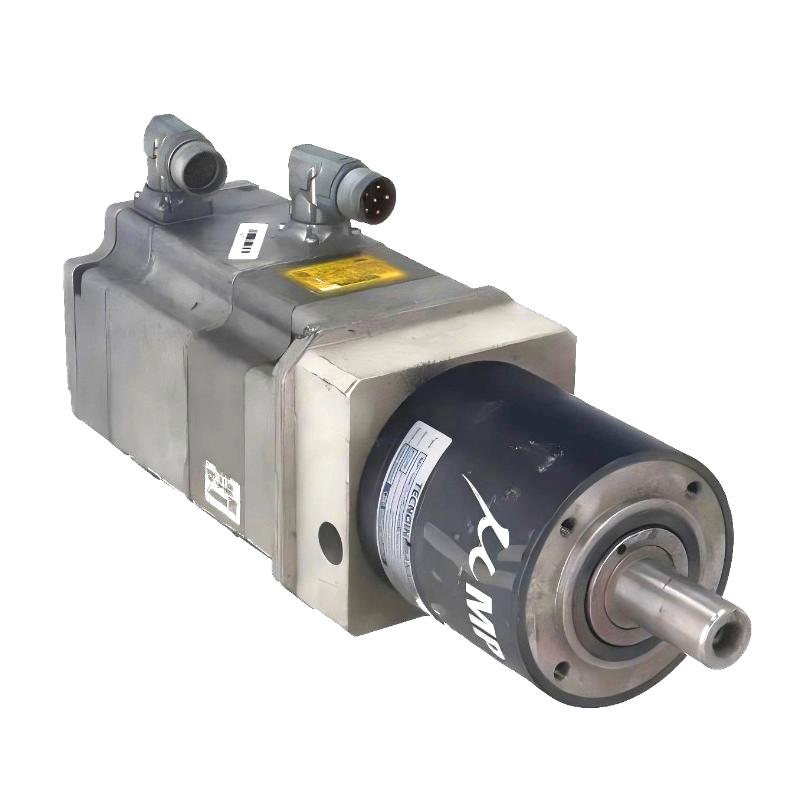
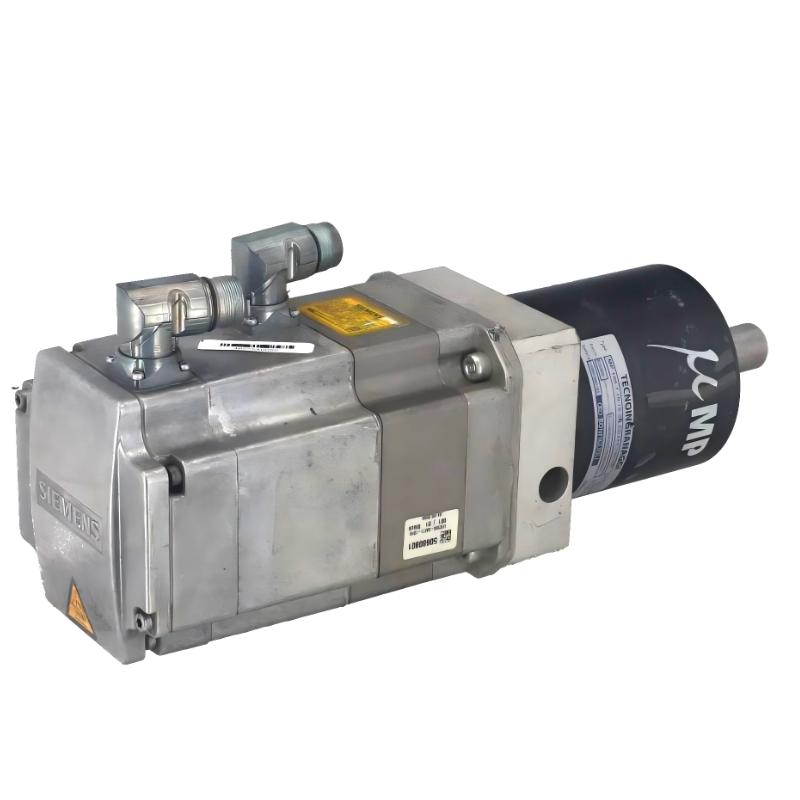
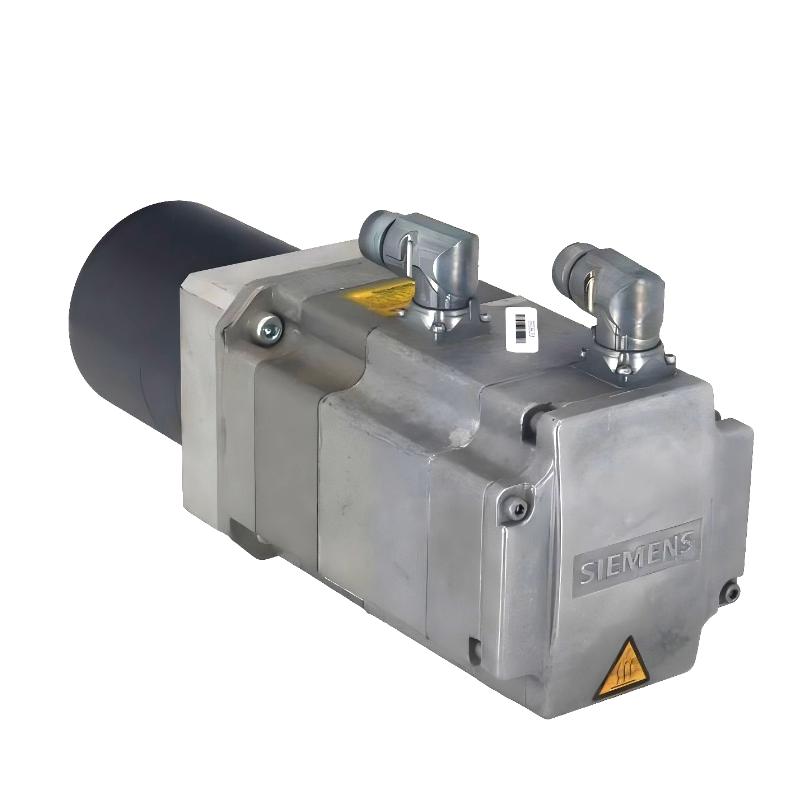
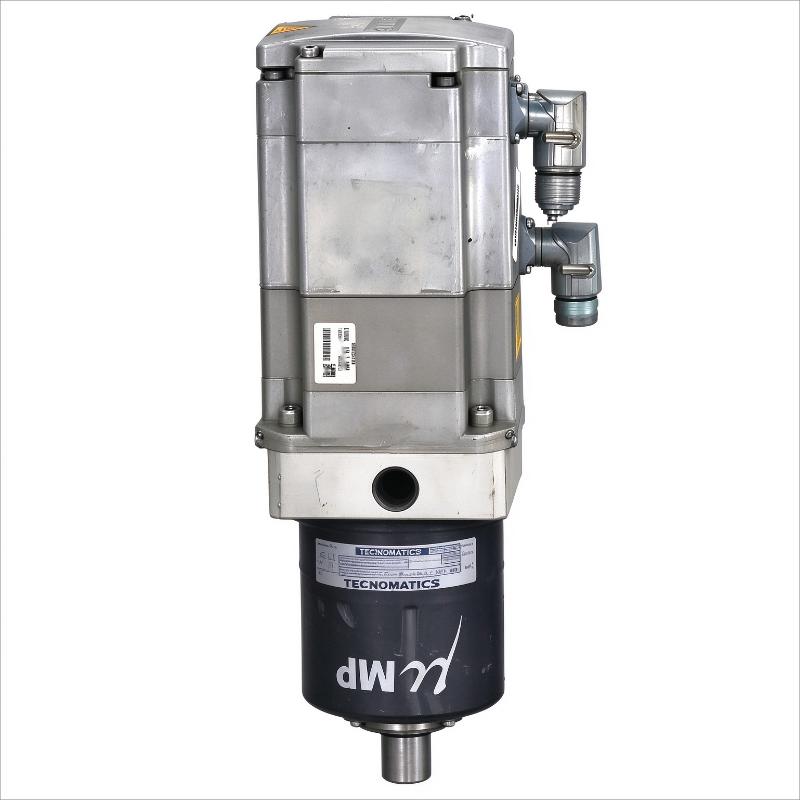
- Siemens
- 1FK7060-5AF71-1SH0
- Synchronous Servo Motor
- Germany
- 63 mm
- 8.302 kg
- Xiamen, China
- New & In Stock
- T/T, PayPal, Western Union
- 1 Year
- 1-3 Working Days
- DHL, UPS, TNT, FedEx and EMS.
- 24-Hour Service
- COO
- 4
Our advantage

Global Logistics
We have a 10-year logistics and express cooperation agreement, so our products can be shipped to any place in the world.

Brand new and original
Our products are imported in bulk from the place of origin. Because of the cooperative relationship, our products are all original and 100% new.

24-hour service
We provide 7*24 hours service to our customers. We will be there whenever you need us.

Price advantage
All our products are priced very favorably because we have our own warehouse and supply.
| Company Information | |||
| [email protected] | |||
| Mobile | +8615980777398 | ||
| +8615980777398 | |||
| 15980777398 |
Product Overview
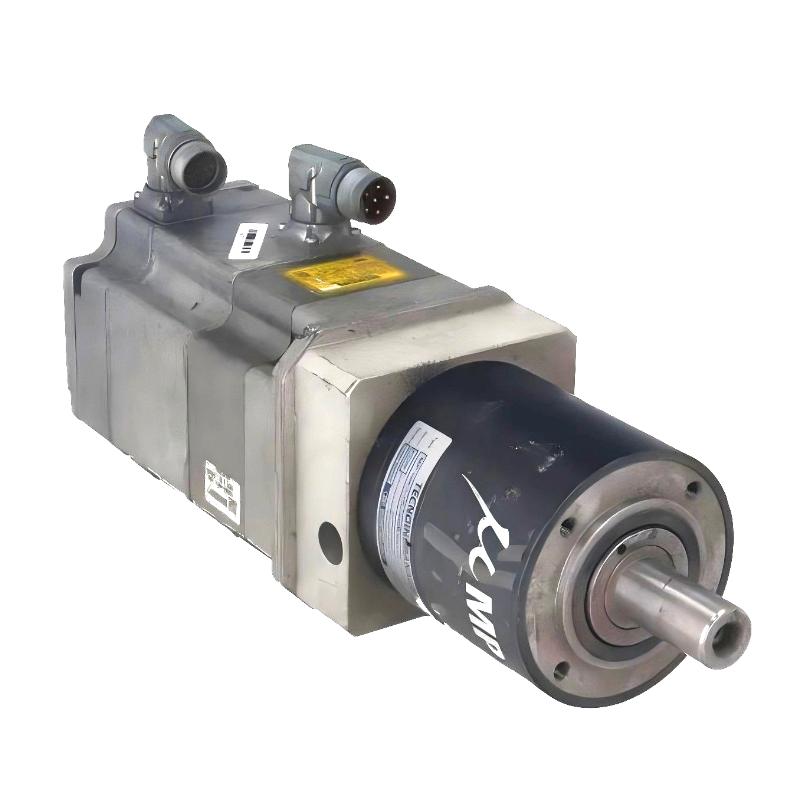
The Siemens 1FK7060-5AF71-1SH0 SIMOTICS S Synchronous Servo Motor is a permanent-magnet synchronous motor in the SIMOTICS S 1FK7 Compact family. It combines a resolver-based feedback system with an integrated holding brake, making it suitable for servo-driven machinery that requires controlled rotary motion and mechanical shaft retention at standstill.
In an automated assembly station, the motor may position a fixture beneath a fastening tool, move a component between processing stages, or drive an indexing mechanism through a repeatable cycle. The servo drive controls acceleration, speed, and stopping behavior, while the feedback system supplies rotor-position information. Where the machine must retain its position after movement, the integrated brake adds a separate holding function.
The 1FK7060-5AF71-1SH0 uses an eight-pole motor configuration and a multipole resolver. Unlike an encoder that reports position through digital or incremental signals, the resolver generates electrical signals corresponding to rotor position. Compatible drive equipment processes these signals as part of the motor-control loop. Correct resolver wiring and drive configuration are essential for stable operation.
The motor has a plain shaft rather than a fitted-key shaft. Torque is transferred through a suitable coupling selected for the shaft interface, load, and operating speed. This arrangement is useful where the machine transmission is built around a compatible coupling, but alignment and coupling selection remain important to prevent unnecessary bearing loads and vibration.
The integrated holding brake is particularly relevant to mechanisms that must remain stationary during pauses in the production cycle. It can hold the shaft when engaged within its rated limits, but it is not intended to replace controlled servo deceleration. Brake release and engagement must be coordinated with the drive so that the motor does not move unexpectedly when the brake is released.
The motor belongs to the 63 mm shaft-height class and uses natural cooling. Its performance in a machine depends on the complete axis configuration, including drive capacity, load inertia, coupling stiffness, operating cycle, and thermal conditions. For replacement work, the resolver interface, brake arrangement, shaft design, and mounting configuration should match the machine’s requirements.
Technical Specifications
| Parameter | Specification |
|---|---|
| Manufacturer | Siemens |
| Model | 1FK7060-5AF71-1SH0 |
| Product Type | SIMOTICS S Synchronous Servo Motor |
| Product Family | SIMOTICS S 1FK7 Compact |
| Motor Technology | Permanent-Magnet Synchronous Motor |
| Motor Frame | 1FK7060 |
| Rated Speed | 3,000 rpm |
| Rated Power | 1.48 kW |
| Rated Torque at 100 K Temperature Rise | 4.7 Nm |
| Static Torque at 100 K Temperature Rise | 6.0 Nm |
| Number of Poles | 8 |
| Cooling Method | Natural Cooling |
| Feedback System | Multipole Resolver |
| Shaft Design | Plain Shaft |
| Holding Brake | Integrated holding brake |
| Mounting Arrangement | IM B5, IM V1, IM V3 |
| Electrical Connections | Power and signal connectors |
| Connector Orientation | Rotatable by 270° |
| Temperature Monitoring | KTY84 temperature sensor in the stator winding |
| Protection Rating | IP64 |
| Vibration Severity Grade | Grade A |
| Shaft Height | 63 mm |
| Weight | 8.302 kg |
Product Features
- Permanent-magnet synchronous motor: Converts regulated electrical input into rotary torque for servo applications.
- Multipole resolver feedback: Supplies rotor-position signals for compatible drive control.
- Integrated holding brake: Helps retain the shaft at standstill within the brake’s specified operating limits.
- Plain-shaft construction: Supports torque transmission through a suitable coupling.
- Natural cooling: Uses the motor’s specified thermal arrangement without a separate motor-mounted fan.
- 270° rotatable connectors: Allows the power and signal connection orientation to be adjusted during installation.
- Winding temperature monitoring: The integrated KTY84 sensor supports thermal monitoring through compatible drive equipment.
- 63 mm shaft-height class: Fits machine layouts built around the corresponding motor frame.
- Servo-drive integration: Supports controlled speed, torque, and positioning when paired with compatible Siemens equipment.
Working Principle
The 1FK7060-5AF71-1SH0 produces torque through the interaction between its permanent-magnet rotor and the magnetic field generated by the stator windings. A compatible servo drive regulates current in the windings, controlling how the motor accelerates, rotates, and decelerates.
Motion Command → Servo Drive → Stator Magnetic Field → Rotor Movement → Mechanical Load
When the machine controller requests a movement, the drive processes the command and supplies controlled current to the motor. The resulting torque moves the connected mechanism. During positioning, the drive adjusts the motor output as the axis approaches the target, allowing the machine to complete its movement according to the configured motion profile.
The multipole resolver provides electrical signals associated with rotor position. The drive interprets these signals to regulate motor operation. If the feedback wiring is incorrect or the drive is configured for a different feedback system, the motor may fail to commission or may generate feedback-related faults.
The holding brake operates independently of the motor’s normal torque-generation principle. When engaged, it applies mechanical holding force to resist shaft rotation. During normal movement, the brake must be released according to the drive and machine-control sequence. The motor should first establish the required torque before the brake is released, and the shaft should reach an appropriate standstill condition before the brake is engaged.
For example, a positioning axis may move a fixture to a loading point and stop while an operator or another machine mechanism performs the next operation. The servo drive brings the axis to the target position. Once the required conditions are met, the brake can engage to help retain the shaft. When the next movement is commanded, the brake is released in a coordinated sequence and servo control resumes.
The plain shaft transfers torque through a compatible coupling. Misalignment can increase bearing loads, vibration, and mechanical wear, while excessive backlash can reduce positioning repeatability. The coupling must therefore suit the required torque, speed, and mechanical arrangement.
Natural cooling also influences the operating duty. Repeated acceleration, high load torque, and frequent reversals can produce substantial winding heat. The KTY84 temperature sensor supports monitoring of winding temperature, helping the drive system respond to thermal conditions according to its configuration.
Role in a Siemens SIMOTICS S Servo Drive System
The 1FK7060-5AF71-1SH0 serves as the rotary actuator in a servo-controlled axis. The drive regulates motor current and motion, the resolver supplies rotor-position feedback, and the machine controller coordinates the axis with the production sequence. The integrated holding brake provides an additional shaft-holding function when the motor is stationary.
Machine Controller → Compatible Servo Drive → 1FK7060-5AF71-1SH0 → Mechanical Coupling → Machine Axis
| System Component | Function |
|---|---|
| Siemens 1FK7060-5AF71-1SH0 | Converts electrical input into controlled rotary movement |
| Compatible Siemens Servo Drive | Regulates motor current and executes motion-control functions |
| Machine Controller | Generates motion commands and coordinates machine operations |
| Multipole Resolver | Supplies rotor-position signals to the drive |
| Integrated Holding Brake | Helps retain the shaft at standstill |
| Motor Power Cable | Supplies electrical power from the drive |
| Resolver Signal Connection | Transmits feedback signals to compatible drive equipment |
| Brake Control Circuit | Coordinates brake release and engagement with the axis sequence |
| KTY84 Temperature Sensor | Supports monitoring of stator winding temperature |
| Mechanical Coupling | Transfers torque from the plain shaft to the driven mechanism |
| Machine Axis | Performs the required positioning or rotary movement |
The motor, feedback system, brake, and drive must operate as a coordinated assembly. The holding brake is not a substitute for the drive’s motion-control functions or any additional safety measures required by the machine.
Industrial Applications
| Application | Typical Use |
|---|---|
| Packaging Machinery | Driving indexing mechanisms and positioning material between processing stages |
| Automated Assembly | Moving fixtures and tooling into repeatable working positions |
| Machine Tools | Operating compatible feed or positioning axes |
| Printing Equipment | Controlling feed mechanisms and synchronized rotary movements |
| Labeling Systems | Positioning products and feed mechanisms during production cycles |
| Material Handling | Driving rotary transfer mechanisms and positioning equipment |
| Industrial Indexing Tables | Moving workpieces between stations and retaining position during processing |
| Inspection Equipment | Positioning parts and fixtures for repeatable measurements |
| Automated Production Lines | Coordinating servo movements with sensors and machine-cycle timing |
| Vertical Positioning Mechanisms | Supporting controlled movement where a suitable holding arrangement is required |
The integrated holding brake is useful when the shaft must remain stationary between movements. Applications involving suspended loads or hazardous movement after power loss still require an assessment of the complete load-holding and safety arrangement.
Installation and Maintenance
- Inspect the motor designation: Confirm that the installed motor matches the 1FK7060-5AF71-1SH0 configuration and the machine’s electrical and mechanical interfaces.
- Check drive compatibility: Ensure that the selected servo drive supports the motor data and multipole resolver feedback system.
- Prepare the mounting flange: Clean the mounting surface and inspect the flange and fastening points for damage or contamination.
- Inspect the plain shaft: Check the shaft surface and coupling interface for wear, scoring, or damage before assembly.
- Align the coupling: Align the motor and driven shaft within the coupling manufacturer’s permitted tolerances to limit vibration and bearing stress.
- Connect the motor power cable: Inspect the power connector, cable condition, protective grounding, and electrical connections before energizing the system.
- Connect the resolver feedback: Check the signal wiring and connector engagement, then confirm that the drive receives valid feedback.
- Integrate the holding brake: Connect the brake circuit and coordinate its release and engagement with the drive-control sequence.
- Configure motor parameters: Set the appropriate motor and feedback parameters and confirm that the drive identifies the motor correctly.
- Test the axis at low speed: Check movement direction, feedback response, stopping behavior, and brake operation under controlled conditions.
- Monitor temperature and vibration: Investigate abnormal heating, unusual noise, vibration, or changes in positioning performance during operation.
- Record maintenance findings: Document the motor designation, drive settings, resolver status, brake test results, and corrective work performed.
If the axis moves unexpectedly when the brake releases, investigate the brake-control timing, drive torque establishment, feedback status, and external load. Brake wear or incorrect sequencing should be addressed before returning the machine to normal operation.
Related Components
| Component | Function |
|---|---|
| Siemens 1FK7060-5AF71-1SH0 | SIMOTICS S synchronous servo motor with multipole resolver and holding brake |
| Compatible Siemens Servo Drive | Controls motor current, speed, and positioning |
| Machine Motion Controller | Coordinates servo movements with the production sequence |
| Resolver Signal Cable | Carries rotor-position signals to the drive |
| Motor Power Cable | Supplies electrical power to the motor |
| Brake Control Circuit | Coordinates holding-brake release and engagement |
| Shaft Coupling | Transfers torque from the plain shaft to the machine mechanism |
| Precision Gearbox | Adjusts output speed and torque when required |
| Motor Mounting Hardware | Secures the motor to the machine structure |
| Protective Grounding Connection | Provides the required protective electrical connection |
Recommended Related Models
| Model / Product Reference | Product Type | Typical Application |
|---|---|---|
| Siemens 1FK7060-5AF71-1SH0 | SIMOTICS S Synchronous Servo Motor | Resolver-feedback configuration with plain shaft and integrated holding brake |
| Siemens 1FK7060-5AF71-1SG0 | SIMOTICS S 1FK7 Compact Servo Motor | Related resolver-based motor configuration without an integrated holding brake |
| Siemens 1FK7060-5AF71-1KH5 | SIMOTICS S 1FK7 Compact Servo Motor | Related motor configuration with a different feedback arrangement and holding brake |
| Siemens 1FK7060-5AF71-1KG5 | SIMOTICS S 1FK7 Compact Servo Motor | Related absolute-encoder configuration with plain shaft |
| Siemens 1FK7060-5AF71-1FB3 | SIMOTICS S 1FK7 Compact Servo Motor | Related motor configuration with an absolute encoder, fitted-key shaft, and holding brake |
| Siemens SINAMICS S120 | Servo Drive System | Servo control for compatible positioning and coordinated-motion applications |
Key Advantages
- Provides controlled rotary motion for automated machinery.
- Uses multipole resolver feedback for rotor-position monitoring.
- Includes an integrated holding brake for suitable standstill applications.
- Supports coupling-based torque transmission through a plain shaft.
- Integrates with compatible Siemens servo-drive equipment.
- Includes winding-temperature monitoring through a KTY84 sensor.
Technical FAQs
What distinguishes the 1FK7060-5AF71-1SH0 from the 1SG0 version?
The key configuration difference is the integrated holding brake. The 1SH0 version includes a brake, while the 1SG0 version is the corresponding resolver-based configuration without an integrated holding brake. This distinction matters when the machine must retain shaft position while stationary.
How should the resolver and holding brake be handled during commissioning?
The resolver must be connected and recognized correctly by the compatible drive. The brake circuit must also be integrated into the control sequence so that the brake releases only when the motor can take control of the load and engages under appropriate standstill conditions. Both functions should be tested independently and as part of the complete axis.
Can the motor’s holding brake replace the machine’s safety braking system?
Not automatically. The holding brake is intended to retain the shaft within its specified limits, rather than provide normal deceleration or satisfy every safety requirement. Applications involving vertical loads or hazardous movement require a risk-based assessment of the complete machine and its load-holding provisions.
What maintenance checks help preserve positioning accuracy?
Inspect the coupling alignment, shaft interface, resolver connection, drive diagnostics, and brake operation. Mechanical backlash, loose connections, feedback faults, and brake problems can all affect axis behavior. Monitoring temperature and vibration also helps identify developing issues before they cause extended downtime.