

ProductPRODUCT
Featured products



Contact Us
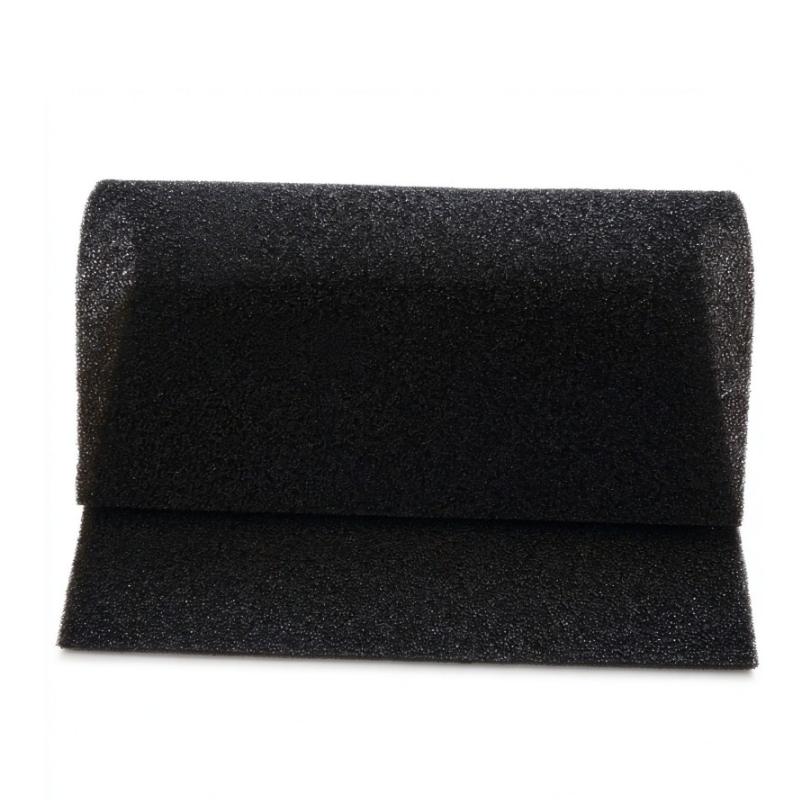
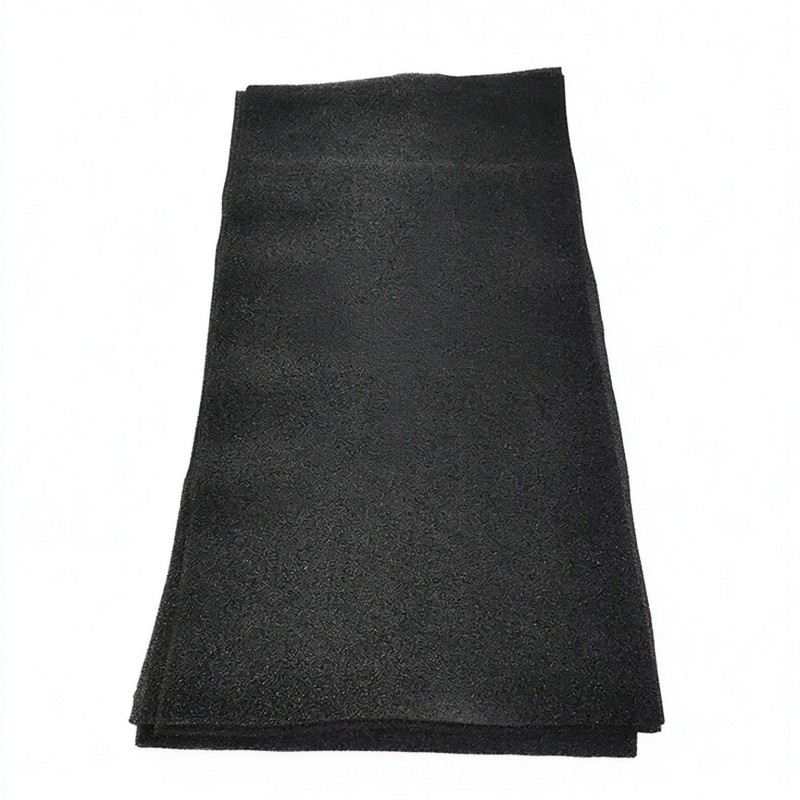
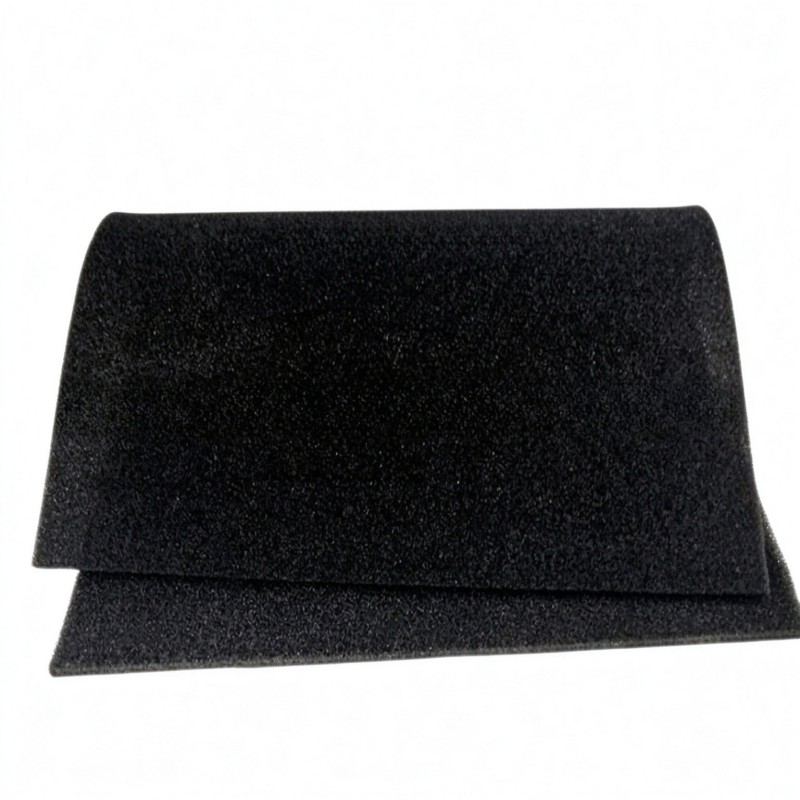
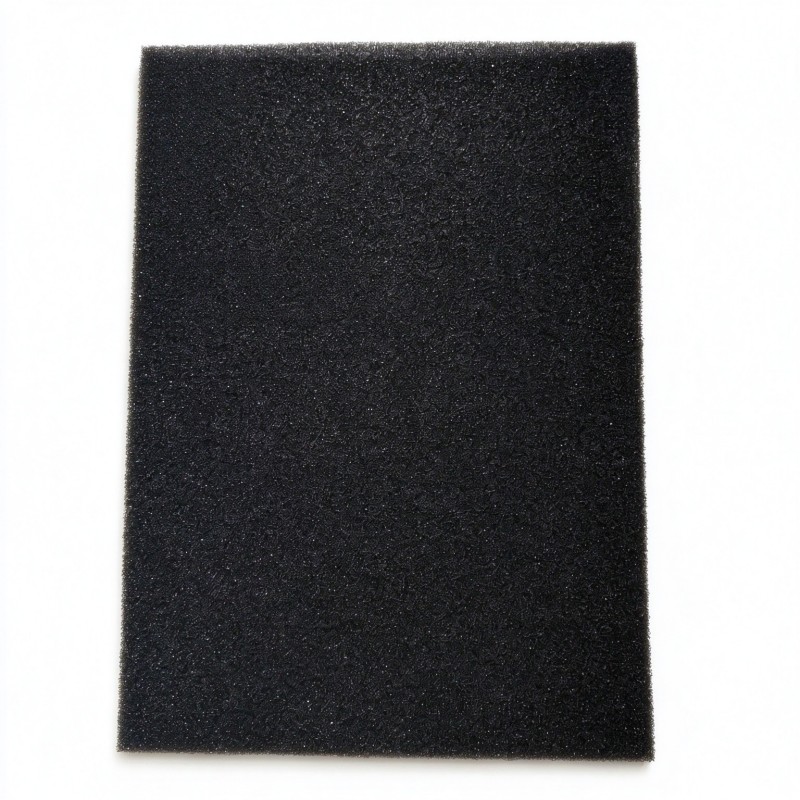
- Ingersoll Rand
- 47572172001 23523772
- Filter Pad
- USA
- 10 × 880 × 1420 mm
- 0.227 kg
- Xiamen, China
- New & In Stock
- T/T, PayPal, Western Union
- 1 Year
- 1-3 Working Days
- DHL, UPS, TNT, FedEx and EMS.
- 24-Hour Service
- COO
- 4
Our advantage

Global Logistics
We have a 10-year logistics and express cooperation agreement, so our products can be shipped to any place in the world.

Brand new and original
Our products are imported in bulk from the place of origin. Because of the cooperative relationship, our products are all original and 100% new.

24-hour service
We provide 7*24 hours service to our customers. We will be there whenever you need us.

Price advantage
All our products are priced very favorably because we have our own warehouse and supply.
| Company Information | |||
| [email protected] | |||
| Mobile | +8615980777398 | ||
| +8615980777398 | |||
| 15980777398 |
1. Product Overview
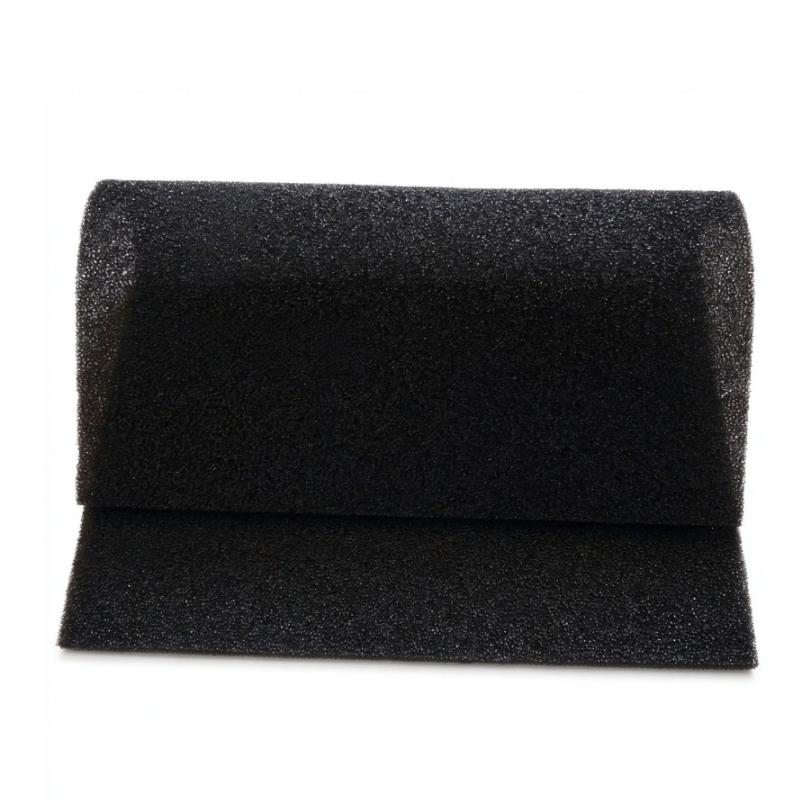
The Ingersoll Rand 47572172001 23523772 Filter Pad is an industrial filtration component designed for use in equipment where air filtration and the management of airborne particles are required. Filter pads can help capture dust and other suspended contaminants before they enter protected equipment areas, supporting cleaner operating conditions and helping reduce contamination-related maintenance.
With a specified thickness of 10 mm and dimensions of 880 × 1420 mm, this filter pad is a large-format filtration component. Its lightweight construction, with a listed weight of 0.227 kg, can make handling and replacement more convenient during routine equipment servicing.
For industrial users, selecting the correct filter pad is important for maintaining suitable airflow, reducing contaminant accumulation, and supporting reliable equipment operation. Before ordering a replacement, confirm the complete part number, dimensions, material requirements, and intended installation location against the existing component and equipment documentation.
2. Technical Specifications
| Parameter | Specification |
|---|---|
| Brand | Ingersoll Rand |
| Part Number | 47572172001 |
| Reference Number | 23523772 |
| Product Type | Filter Pad |
| Dimensions | 10 × 880 × 1420 mm |
| Thickness | 10 mm |
| Width | 880 mm |
| Length | 1420 mm |
| Weight | 0.227 kg |
| Product Category | Industrial Filtration Component |
Note: The specifications above are based on the supplied product information. Filter material, filtration efficiency, airflow resistance, temperature limits, and exact equipment compatibility should be verified before installation.
3. Function and Working Principle
A filter pad works by allowing air to pass through a porous filtration medium while retaining a portion of the particles carried by the airflow. Its performance depends on the filter material, structure, particle characteristics, air velocity, and operating environment.
The Ingersoll Rand 47572172001 23523772 Filter Pad may serve several general filtration purposes, depending on the equipment in which it is installed.
Particle Capture
The filtration medium helps collect airborne dust and other particles. Reducing contaminant entry can help protect downstream areas and maintain cleaner internal equipment conditions.
Airflow Support
A suitable filter pad allows air to pass through the filtration area while controlling particle entry. A clogged or incorrectly installed pad may restrict airflow, so inspection and timely replacement are important.
Equipment Protection
Dust accumulation can affect cooling passages, ventilation paths, and other sensitive equipment areas. Appropriate filtration helps reduce contamination risks and can support more stable equipment operation.
Routine Maintenance
Filter pads are generally serviceable components that can be inspected and replaced as part of a preventive maintenance program. Replacement intervals should be based on operating conditions, inspection results, and the equipment manufacturer’s maintenance guidance.
4. Applications in Industrial Equipment
Industrial filter pads may be used in ventilation, air intake, cooling, and other filtration arrangements. The precise application of this Ingersoll Rand part should be confirmed using the equipment model and original parts documentation.
Potential application areas for filter-pad components include:
- Industrial air filtration: Capturing airborne particles before air enters a protected space or equipment assembly.
- Ventilation systems: Helping maintain cleaner airflow through designated ventilation paths.
- Equipment cooling arrangements: Reducing dust entry where filtered air is used for cooling or ventilation.
- Industrial machinery maintenance: Providing a replaceable filtration medium during scheduled servicing.
- Compressed-air equipment environments: Supporting filtration arrangements where specified by the equipment design. The filter pad should not be assumed to be a compressed-air line filter unless the application is confirmed.
Correct application identification is essential. A filter pad intended for ventilation or ambient-air filtration should not automatically be substituted for an oil filter, compressed-air process filter, or another pressure-rated filtration element.
5. Installation and Replacement Guide
Correct installation helps the filter pad perform as intended and reduces the risk of air bypass or unnecessary airflow restriction.
Step 1: Confirm the Replacement Part
Check that the replacement is identified as Ingersoll Rand 47572172001, reference number 23523772. Compare the new pad with the removed component, including its dimensions, thickness, shape, and material appearance.
Step 2: Shut Down the Equipment Safely
Follow the equipment manufacturer’s shutdown and isolation procedures before opening the filter housing or access panel. Allow moving components to stop and ensure the work area is safe.
Step 3: Remove the Used Filter Pad
Open the relevant access area and carefully remove the old filter pad. Avoid shaking accumulated dust into nearby equipment or allowing debris to enter downstream passages.
Step 4: Inspect the Filter Housing
Check the housing, frame, sealing surfaces, and surrounding airflow path for dust buildup, deformation, damage, or obstructions. Clean the area using a method appropriate for the equipment and the contaminants present.
Step 5: Install the New Filter Pad
Position the replacement pad according to the original installation arrangement. Ensure that it lies flat, covers the intended filtration area, and is secured by the designated frame or retaining mechanism. Do not stretch, fold, or compress the pad unless the equipment design specifically requires it.
Step 6: Reassemble and Inspect
Reinstall the cover or retaining components. Check for gaps around the edges that could allow unfiltered air to bypass the pad.
Step 7: Return the Equipment to Service
Restore the equipment according to the approved startup procedure. Check for abnormal airflow, unusual noise, warning indications, or other changes that may suggest incorrect installation or excessive airflow restriction.
6. Common Filter Pad Problems and Troubleshooting
Reduced Airflow
Possible causes: Dust accumulation, a blocked airflow path, an incorrectly fitted pad, or a filter medium unsuitable for the application.
Recommended action: Inspect the pad and surrounding passages. Replace a loaded pad according to the applicable maintenance procedure, and confirm that the replacement matches the equipment requirements.
Dust Buildup Downstream
Possible causes: A damaged pad, gaps around the filter frame, incorrect installation, or a replacement with unsuitable filtration characteristics.
Recommended action: Inspect the entire filter perimeter and retaining arrangement. Confirm that the pad is seated correctly and that the selected replacement is appropriate for the intended filtration duty.
Deformation or Physical Damage
Possible causes: Improper handling, excessive compression, moisture exposure, unsuitable operating conditions, or mechanical interference.
Recommended action: Replace a damaged pad and investigate the cause before returning the equipment to normal operation.
Frequent Replacement
Possible causes: High airborne dust concentrations, an unsuitable maintenance interval, or operating conditions that differ from the original application assumptions.
Recommended action: Review inspection records and environmental conditions. Follow the equipment manufacturer’s recommendations when determining the appropriate service interval.
7. Preventive Maintenance Recommendations
A consistent maintenance routine can help maintain filtration performance and reduce avoidable equipment issues.
- Inspect regularly: Check the pad for visible dust loading, tears, deformation, and uneven seating.
- Monitor airflow: Where the equipment provides airflow or differential-pressure indicators, review them according to the manufacturer’s procedures.
- Maintain the housing: Remove accumulated dust from the filter compartment without contaminating downstream equipment.
- Replace damaged pads promptly: Do not continue using a torn or poorly fitted pad where it can compromise filtration.
- Keep replacement parts identified: Store part numbers and inspection records to reduce the risk of incorrect replacement.
- Use suitable storage conditions: Protect unused filter pads from moisture, dust, crushing, and other damage before installation.
- Follow documented service intervals: The correct replacement frequency depends on the application and operating environment; it should not be assumed from dimensions alone.
Cleaning and reusing the pad should only be considered if the filter design and manufacturer instructions explicitly permit it. Some filter media may be damaged by washing, blowing with compressed air, or other cleaning methods.
8. Compatibility and Replacement Considerations
When sourcing an Ingersoll Rand 47572172001 23523772 Filter Pad, confirm more than the product name. Two filter pads with similar dimensions may differ in material, filtration performance, airflow resistance, or intended service conditions.
Before purchasing, verify the following:
| Checkpoint | What to Confirm |
|---|---|
| Part identification | 47572172001 and reference number 23523772 |
| Physical dimensions | 10 × 880 × 1420 mm |
| Filter material | Must meet the original equipment requirements |
| Filtration characteristics | Confirm the required efficiency and particle-capture performance |
| Airflow requirements | Ensure the pad is suitable for the system’s operating airflow |
| Installation method | Confirm frame, sealing, and retention requirements |
| Operating environment | Check applicable temperature, humidity, and contamination conditions |
| Equipment compatibility | Verify against the equipment model or original parts list |
An alternative filter pad should not be selected based on size alone. Differences in material thickness, density, and filtration properties can affect system airflow and contamination control.
9. Key Benefits of Correct Filter Pad Selection
Using the correct replacement filter pad can support:
- Contamination control: Helps reduce airborne particle entry into designated equipment areas.
- Reliable airflow: A correctly sized and maintained pad helps avoid unnecessary restrictions caused by clogging or improper installation.
- Equipment protection: Appropriate filtration can reduce dust accumulation in protected areas.
- Simplified servicing: A clearly identified replacement part supports more organized maintenance and inventory management.
- Consistent maintenance practices: Routine inspection and replacement can help maintenance teams identify filtration problems before they affect equipment operation.
These benefits depend on selecting the appropriate filter medium and using it in the intended application.
10. Frequently Asked Questions
What is the Ingersoll Rand 47572172001 23523772 Filter Pad?
It is an industrial filter pad identified by part number 47572172001 and reference number 23523772. Its supplied dimensions are 10 × 880 × 1420 mm, and its listed weight is 0.227 kg.
What are the dimensions of this filter pad?
The supplied dimensions are 10 mm thick, 880 mm wide, and 1420 mm long.
How often should the filter pad be replaced?
The replacement interval depends on dust concentration, operating hours, airflow conditions, and the equipment manufacturer’s maintenance requirements. Inspect the pad regularly and replace it when it becomes damaged or reaches the applicable service limit.
Can a generic filter pad replace this part?
Not automatically. A generic pad should only be used after confirming dimensional fit, material, filtration performance, airflow resistance, and equipment compatibility.
Can the filter pad be cleaned and reused?
This depends on the filter material and design. Unless the manufacturer confirms that cleaning is permitted, replacement is the safer approach when the pad is clogged or damaged.
What should be checked before ordering?
Confirm both part identifiers, the 10 × 880 × 1420 mm dimensions, the required filter characteristics, and compatibility with the intended equipment.
11. Conclusion
The Ingersoll Rand 47572172001 23523772 Filter Pad is a lightweight, large-format filtration component with supplied dimensions of 10 × 880 × 1420 mm and a listed weight of 0.227 kg. Correct part identification, careful installation, and regular condition checks help maintain effective filtration and suitable airflow in the intended equipment.
For replacement planning, verify the complete part number and application requirements against the existing filter and equipment documentation. Choosing a compatible filter pad based on both physical dimensions and filtration characteristics helps support dependable maintenance and long-term equipment performance.