

ProductPRODUCT
Featured products
Contact Us
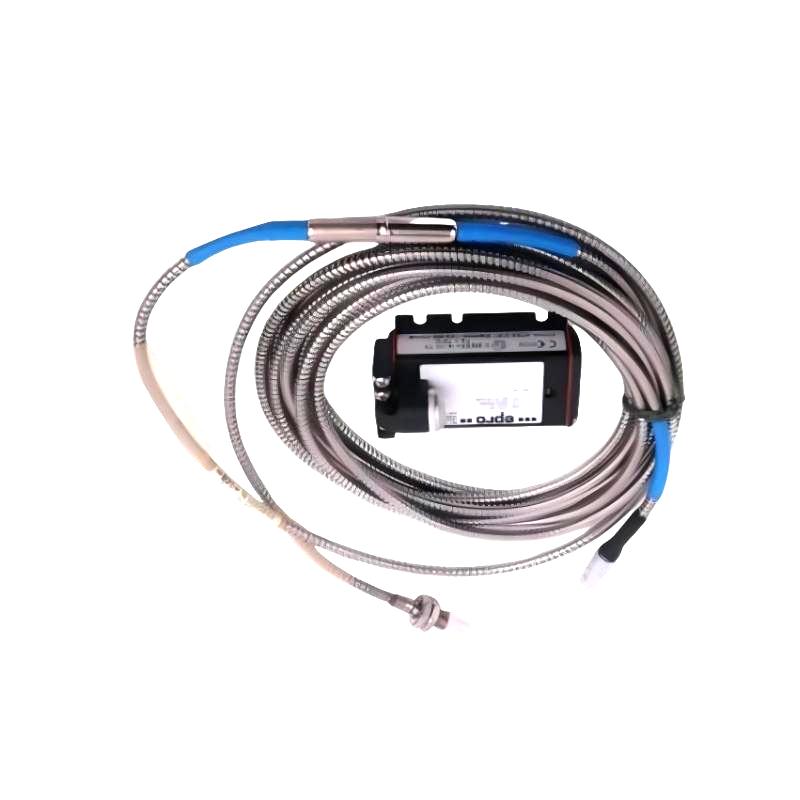
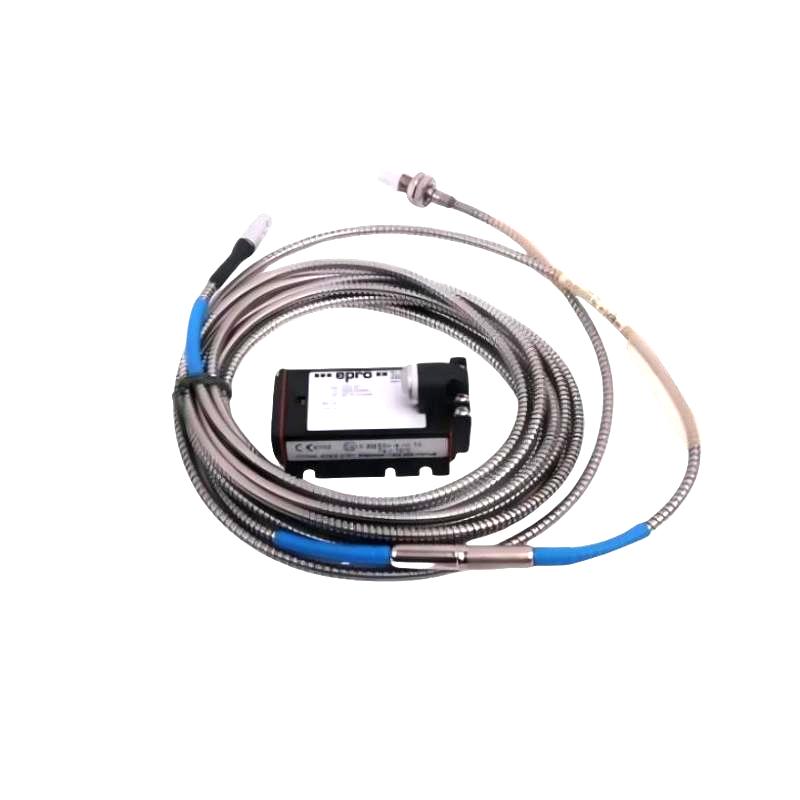
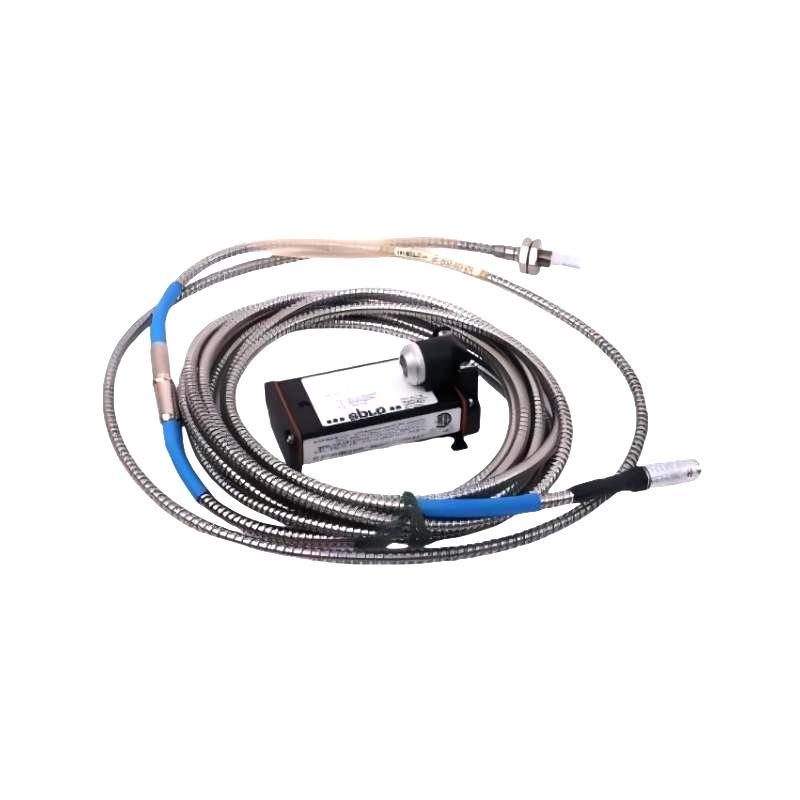
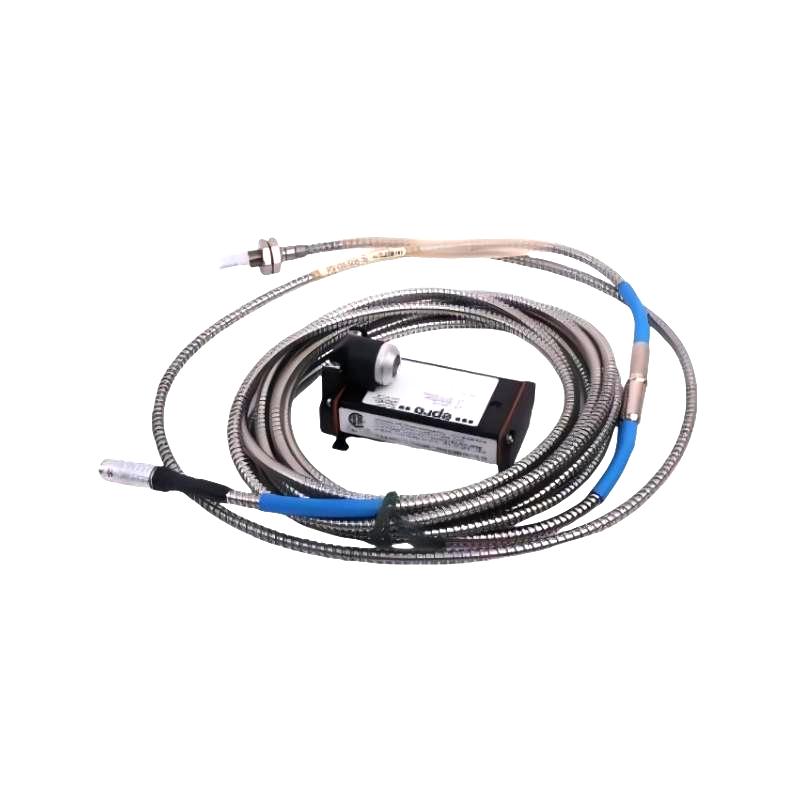
- Epro
- PR6424/003-101
- 16 mm Eddy Current Sensor
- Germany
- 16 mm
- 0.2 kg
- Xiamen, China
- New & In Stock
- T/T, PayPal, Western Union
- 1 Year
- 1-3 Working Days
- DHL, UPS, TNT, FedEx and EMS.
- 24-Hour Service
- COO
- 5
Our advantage

Global Logistics
We have a 10-year logistics and express cooperation agreement, so our products can be shipped to any place in the world.

Brand new and original
Our products are imported in bulk from the place of origin. Because of the cooperative relationship, our products are all original and 100% new.

24-hour service
We provide 7*24 hours service to our customers. We will be there whenever you need us.

Price advantage
All our products are priced very favorably because we have our own warehouse and supply.
| Company Information | |||
| [email protected] | |||
| Mobile | +8615980777398 | ||
| +8615980777398 | |||
| 15980777398 |
1. Product Overview
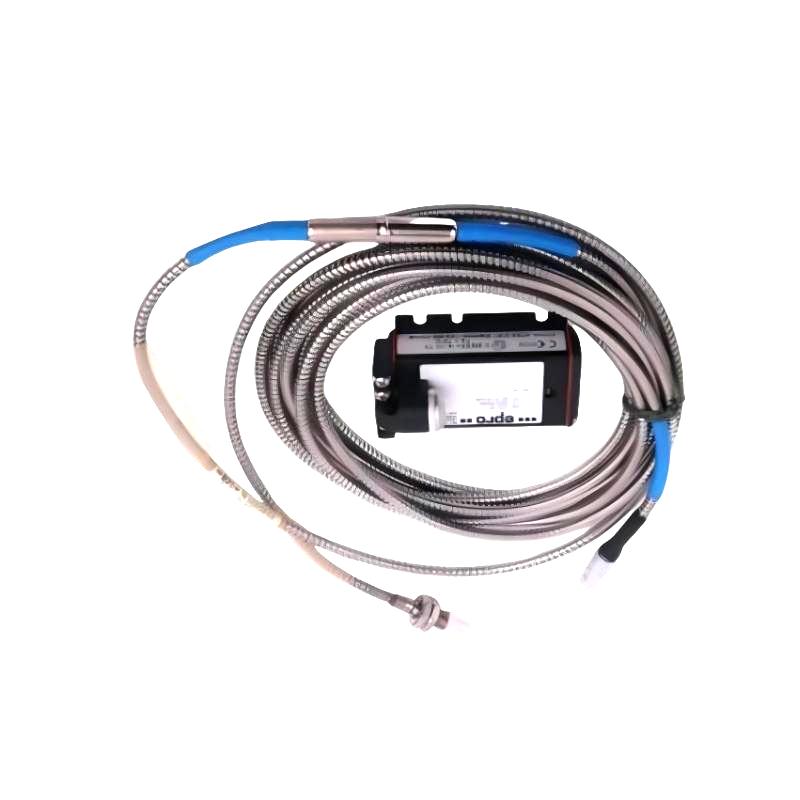
The Epro PR6424/003-101 16 mm Eddy Current Sensor is an industrial sensing component designed for non-contact measurement applications involving conductive metal targets. Eddy current sensing technology is commonly used in industrial machinery monitoring to measure relative displacement, shaft movement, and vibration without direct contact with the monitored surface.
Rotating equipment such as turbines, compressors, pumps, and other critical machinery operates under changing loads and mechanical conditions. Continuous measurement of shaft movement can help engineers evaluate operating behavior, identify abnormal trends, and support condition-based maintenance strategies.
The Epro PR6424/003-101 has a specified sensor head diameter of 16 mm and a listed weight of 0.2 kg. These dimensions are useful when assessing installation space, mounting hardware, access for maintenance, and spare-parts requirements.
Selecting the correct sensor configuration is important for reliable measurement. Although sensors may share similar dimensions or belong to the same product series, their measurement characteristics, electrical interfaces, and associated accessories may differ. The exact specifications of the PR6424/003-101 should therefore be verified before installation or replacement.
This guide covers the sensor’s working principle, industrial applications, installation considerations, troubleshooting methods, and replacement selection criteria.
2. Technical Specifications
| Parameter | Specification |
|---|---|
| Brand | Epro |
| Model | PR6424/003-101 |
| Product Type | Eddy Current Sensor |
| Sensor Head Diameter | 16 mm |
| Weight | 0.2 kg |
| Measurement Technology | Eddy current, non-contact measurement |
| Target Type | Suitable conductive metal surfaces |
| Typical Application | Displacement and machinery movement monitoring |
| System Integration | Requires verification of compatible electronics and cabling |
Technical note: The measuring range, sensitivity, frequency response, output characteristics, operating temperature range, cable configuration, and signal-conditioning requirements are not specified here. Confirm these details against the applicable product documentation before selecting or commissioning the sensor.
3. Function and Working Principle
The Epro PR6424/003-101 uses the principle of eddy current measurement. This technology detects changes in the distance between a probe and a conductive target by analyzing changes in their electromagnetic interaction.
3.1 Electromagnetic Field Generation
An eddy current probe contains a sensing coil that produces an alternating electromagnetic field when operated with compatible electronics. When the probe is placed near a conductive metal surface, the electromagnetic field induces circulating electrical currents within the target material.
These currents, known as eddy currents, affect the field generated by the probe. Their behavior depends on factors such as target material, probe-to-target distance, and the characteristics of the measurement system.
3.2 Distance and Displacement Detection
As the target moves relative to the sensor, the electromagnetic interaction changes. Compatible signal-conditioning electronics detect these changes and convert them into a measurement signal.
Within the specified calibrated range, the signal can be used to monitor relative movement or changes in the position of a conductive component.
The quality of the measurement depends on correct calibration, suitable target characteristics, stable mounting, and compatible electronic equipment. The precise measurement range and signal relationship must be established for the exact configuration.
3.3 Non-Contact Measurement
The sensor does not need to touch the target to measure its movement. This makes eddy current technology useful for rotating machinery, where direct contact could introduce wear or interfere with normal operation.
Reliable non-contact measurement still requires correct alignment, a suitable target surface, appropriate cable installation, and stable signal conditioning.
4. Role in Industrial Machinery Monitoring Systems
Eddy current sensors can provide displacement-related signals for machinery monitoring systems. The PR6424/003-101 should be applied only where its verified technical characteristics meet the requirements of the intended installation.
Shaft Displacement Monitoring
Shaft displacement measurements help engineers evaluate the relative position of rotating components. Changes in readings may prompt further investigation of bearing conditions, mechanical clearances, alignment, or other operating factors.
Stable probe mounting and the correct probe-to-target gap are essential for obtaining meaningful data.
Shaft Vibration Monitoring
Suitable eddy current sensors can provide signals used to monitor shaft vibration. Compatible monitoring equipment evaluates signal changes to help identify unusual operating behavior.
The sensor’s suitability for a particular vibration application depends on its verified measuring range, frequency response, calibration, and associated electronics.
Condition Monitoring
Measurement trends can be compared over time to help identify changes in machine behavior. Persistent or unexpected changes may indicate that further inspection is necessary.
Sensor readings should be assessed alongside operating speed, process load, temperature, historical measurements, and other diagnostic information. A measurement change alone does not establish the cause of a mechanical fault.
Integration with Machinery Protection Systems
In a properly designed system, sensor measurements may contribute to machinery protection or diagnostic functions. Alarm processing, trip logic, and shutdown actions are performed by the associated monitoring and protection equipment, not by the sensor alone.
5. Industrial Applications
5.1 Turbine Monitoring
Industrial turbines operate under demanding mechanical and thermal conditions. Shaft displacement and vibration measurements can provide information about machine behavior and help engineers investigate abnormal trends.
Before applying the PR6424/003-101 to a turbine, verify the required measurement range, mounting geometry, environmental limits, and compatibility with the installed monitoring equipment.
5.2 Compressor Monitoring
Compressors may experience changes in shaft movement due to mechanical wear, alignment issues, lubrication conditions, or varying process loads. Suitable non-contact sensors can contribute to a wider condition monitoring strategy.
Correct probe positioning and stable mounting are important for avoiding misleading readings.
5.3 Pumps and Rotating Machinery
Industrial pumps and related rotating equipment may require shaft movement or vibration measurements. Eddy current sensing can be considered when the target material, installation geometry, and operating conditions are appropriate.
5.4 Power Generation Equipment
Power generation facilities rely on the dependable operation of rotating machinery. Displacement measurements can support the assessment of shaft behavior and provide useful data for maintenance and diagnostic activities.
5.5 Continuous Process Industries
Manufacturing and process facilities depend on stable equipment operation to maintain productivity. Properly integrated sensor measurements can help technicians identify unusual trends and determine when further inspection is needed.
The suitability of this particular model should be confirmed against its verified technical specifications and the requirements of the complete measurement system.
6. Installation and System Integration
Correct installation is essential for obtaining stable and repeatable measurements from the Epro PR6424/003-101.
6.1 Verify the Complete Model Number
Before installation, confirm the complete part number and inspect the sensor for visible damage. Ensure that the selected model matches the measurement requirements and the installed electronic equipment.
Do not select a replacement based only on the 16 mm head diameter. Other sensor characteristics may affect interchangeability.
6.2 Inspect the Mounting Location
The sensor should be installed on a stable mounting structure. Movement of the probe holder can affect the measurement because the sensor may detect movement of the mounting point as well as movement of the target.
Check available clearance, mounting hardware, target alignment, and cable routing before installation.
6.3 Establish the Correct Probe Gap
Position the sensor according to the applicable installation procedure. The gap between the probe and target must remain within the calibrated operating range throughout the expected target movement.
Do not use a generic gap value without verifying that it applies to this model and its associated electronics.
6.4 Check the Target Surface
Eddy current sensing requires a suitable conductive target. Material composition, geometry, surface condition, and runout may influence measurement behavior.
Inspect the target for damage, deposits, and irregularities that could affect the signal. Ensure that the probe cannot contact moving machinery during operation.
6.5 Verify Cable and Electronic Compatibility
Connect the sensor using the specified cable and compatible signal-conditioning equipment. Check cable integrity, connector condition, grounding, shielding, and routing according to the system requirements.
Avoid routing measurement cables close to strong electrical interference sources where the installation design requires separation.
Do not connect the probe directly to a PLC or monitoring input unless the electrical interface is explicitly confirmed to be compatible.
6.6 Perform Commissioning Checks
After installation, verify the measurement signal using the approved commissioning procedure. Check baseline stability, configuration settings, and the response to target movement under appropriate test conditions.
Where the sensor is part of a machinery protection system, complete the required channel verification and protection-system checks before returning equipment to service.
6.7 Document Installation Details
Record the model number, mounting position, cable configuration, connected electronics, calibration information, and initial measurement values. These records help maintenance teams diagnose future problems and confirm replacement compatibility.
7. Troubleshooting Common Problems
Measurement problems can originate from the sensor, cable, target surface, mounting arrangement, signal-conditioning electronics, or monitoring system. Troubleshooting should examine the complete measurement chain before replacing components.
Problem 1: No Measurement Signal
Possible causes:
- Loose or damaged cable connections.
- Incorrect wiring or connector configuration.
- Incompatible or unpowered signal-conditioning equipment.
- Incorrect monitoring channel settings.
- Faulty sensor or associated electronics.
Recommended checks:
- Verify the status and power supply of the compatible electronic unit.
- Inspect cables and connectors for physical damage.
- Confirm the wiring arrangement against the applicable documentation.
- Check the receiving channel and configuration settings.
- Perform approved diagnostic tests to isolate the cause.
Problem 2: Unstable or Fluctuating Readings
Possible causes:
- Loose sensor mounting.
- Excessive shaft runout or mechanical vibration.
- Electrical interference.
- Damaged or incorrectly routed cable.
- Incorrect probe-to-target spacing.
Recommended checks:
- Inspect the probe holder and fastening points.
- Check cable routing and connector condition.
- Verify probe alignment and target surface condition.
- Compare signal variations with machine operating conditions.
- Review grounding and shielding arrangements.
Unstable readings do not necessarily mean the sensor has failed. Mechanical movement and electrical problems elsewhere in the measurement chain can produce similar symptoms.
Problem 3: Incorrect Measurement Values
Possible causes:
- Incorrect calibration or scaling.
- Probe gap outside the calibrated range.
- Unsuitable target material or geometry.
- Incompatible signal-conditioning electronics.
- Incorrect replacement model.
Recommended checks:
- Confirm the complete model number.
- Verify the applicable calibration and measurement range.
- Inspect the target and mounting geometry.
- Review signal-conditioning and channel settings.
- Compare the readings with an approved reference measurement where practical.
Problem 4: Intermittent Signal Loss
Intermittent readings may result from damaged cable conductors, loose connectors, cable movement, electrical interference, or unstable power to the associated electronics.
Inspect the complete cable path and connector interfaces. Replace damaged components with compatible parts and verify signal stability after repair.
Problem 5: Problems After Sensor Replacement
A replacement sensor may have the same nominal head diameter but different calibration characteristics, electrical properties, or cable requirements.
Before returning the machine to service, confirm the full model number, signal-conditioning compatibility, probe gap, wiring, and monitoring-system settings. Complete the required calibration and commissioning procedure.
8. Compatible System Components
The Epro PR6424/003-101 should be evaluated as part of a complete measurement chain. The required accessories and electronics depend on the specific monitoring architecture.
| Component | Function | Verification Requirement |
|---|---|---|
| Compatible signal conditioner | Operates with the probe and provides the required measurement signal | Verify electrical and calibration compatibility |
| Extension cable, if required | Connects the sensor to the designated electronics | Confirm cable type, length, connectors, and configuration |
| Probe mounting hardware | Maintains the sensor’s position and alignment | Check mechanical fit and environmental suitability |
| Monitoring system | Receives and evaluates measurement data | Verify input type, scaling, and channel settings |
| Diagnostic or protection equipment | Uses measurement data for monitoring, alarms, or protection | Confirm supported inputs and approved configuration |
Do not assume compatibility from the PR6424 series designation alone. Verify the requirements of the exact sensor model and the installed electronic equipment before purchasing accessories or integrating the probe.
9. Recommended Replacement and Alternative Selection
When the Epro PR6424/003-101 is unavailable, select a replacement based on documented technical compatibility rather than appearance alone.
| Replacement Option | When to Consider It | Key Verification Points |
|---|---|---|
| Exact PR6424/003-101 replacement | Preferred when maintaining the existing installation | Confirm the complete model number and configuration |
| Verified compatible model from the same series | When the exact model is unavailable | Compare measuring range, sensitivity, frequency response, cable arrangement, and electronics |
| Alternative eddy current sensor system | When redesigning the measurement installation | Evaluate the probe, signal conditioner, cable, mounting, and monitoring interface as a complete system |
For critical rotating machinery, replacement selection should follow the site’s engineering approval process. Substituting another model may require changes to calibration, channel configuration, or commissioning procedures.
10. Key Advantages
Non-Contact Measurement
Eddy current technology measures suitable conductive targets without direct contact, avoiding the contact wear associated with mechanical measuring devices.
Compact Sensor Head
The specified 16 mm head diameter provides a useful reference for evaluating mounting space and installation arrangements.
Support for Machinery Monitoring
Eddy current sensing is commonly used for displacement and vibration-related measurements when the sensor and associated electronics meet application requirements.
Contribution to Condition-Based Maintenance
When integrated into a suitable monitoring system, measurement trends can help maintenance teams identify abnormal changes and plan further diagnostic checks.
Useful Physical Identification Data
The specified weight of 0.2 kg and the complete model number support spare-parts identification, installation planning, and maintenance documentation.
Potential for Industrial System Integration
The sensor can be considered for existing monitoring installations when the required electrical, mechanical, and calibration compatibility has been verified.
11. Technical FAQs
Q1: What is the Epro PR6424/003-101?
The Epro PR6424/003-101 is a 16 mm eddy current sensor intended for non-contact measurement applications involving suitable conductive targets.
Q2: What is the sensor head diameter?
The specified sensor head diameter is 16 mm.
Q3: What is the weight of the PR6424/003-101?
The listed weight is 0.2 kg.
Q4: Can this sensor be used for shaft vibration monitoring?
Eddy current sensors are commonly used in shaft vibration monitoring when installed with suitable geometry and compatible electronics. Confirm the exact model’s frequency response, measuring range, and system requirements before use.
Q5: Can the sensor connect directly to a PLC?
Direct connection should not be assumed. Verify whether signal-conditioning electronics are required and confirm that the resulting output matches the PLC or monitoring-system input.
Q6: What should be checked before replacing the sensor?
Confirm the complete model number, measuring range, calibration characteristics, cable configuration, target requirements, mounting arrangement, and compatibility with the associated electronics.
Q7: What causes unstable sensor readings?
Possible causes include loose mounting, excessive target movement, electrical interference, cable damage, incorrect probe positioning, or a problem with the signal-conditioning electronics.
Q8: Does the sensor require calibration?
The measurement system must be configured and verified according to the requirements of the sensor and associated electronics. Follow the approved calibration and commissioning procedure for the specific installation.
Q9: Is another 16 mm sensor automatically compatible?
No. The same head diameter does not guarantee equivalent electrical characteristics, calibration, measuring range, or cable requirements.
Q10: What maintenance checks are recommended?
Inspect the sensor mounting, cables, connectors, and signal stability at intervals appropriate to the application. Investigate unexpected changes in readings and follow the site’s maintenance procedures.
12. Conclusion
The Epro PR6424/003-101 16 mm Eddy Current Sensor is an industrial sensing component intended for non-contact measurement applications involving conductive targets. Its specified 16 mm sensor head diameter and 0.2 kg weight provide useful physical reference information for installation planning and spare-parts identification.
Reliable measurement depends on correct probe positioning, a suitable target surface, compatible signal-conditioning electronics, proper cable installation, and verified calibration. These factors should be checked before installation, commissioning, or replacement.
For industrial maintenance teams, system integrators, and spare-parts purchasers, confirming the complete model designation and technical requirements helps reduce compatibility risks and supports dependable machinery monitoring.