

ProductPRODUCT
Featured products
Contact Us
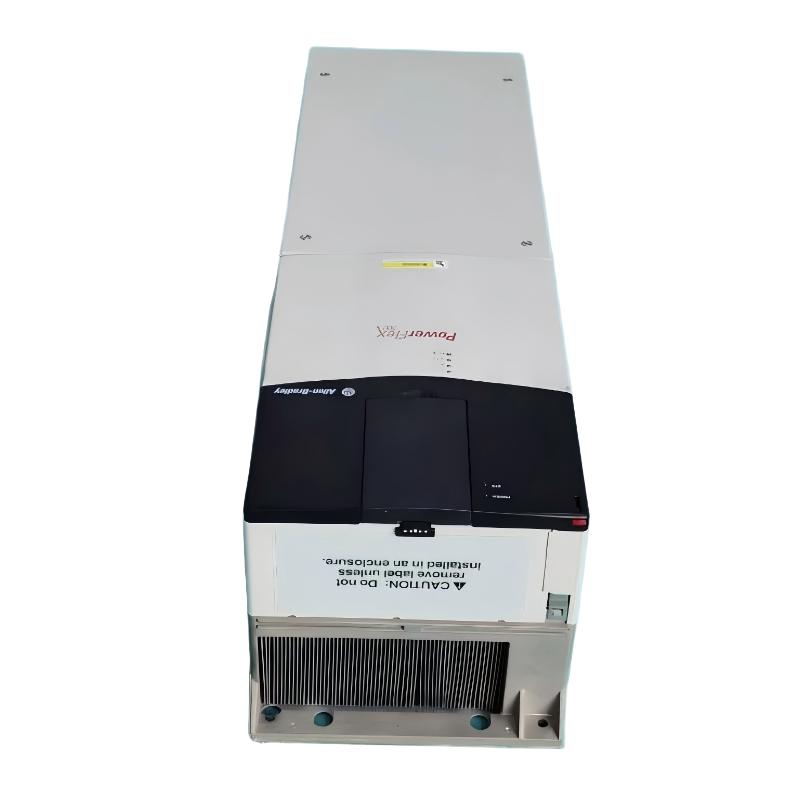
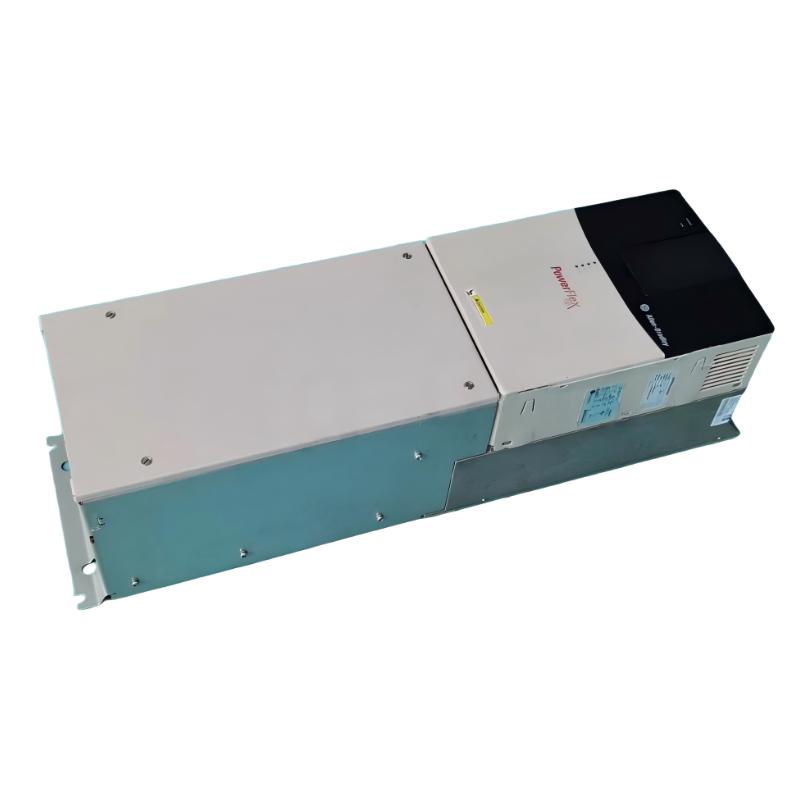
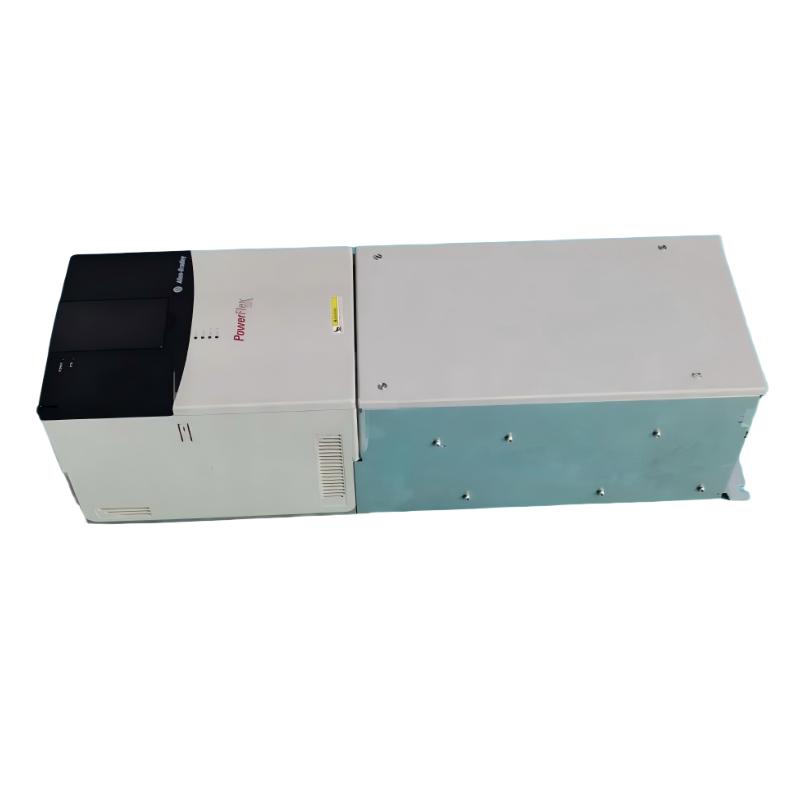
- Allen Bradley
- 20BC105A3ANNACC0
- PowerFlex AC Drive
- USA
- 689.6 × 308.9 × 275.4 mm
- 37.19kg
- Xiamen, China
- New & In Stock
- T/T, PayPal, Western Union
- 1 Year
- 1-3 Working Days
- DHL, UPS, TNT, FedEx and EMS.
- 24-Hour Service
- COO
- 20
Our advantage

Global Logistics
We have a 10-year logistics and express cooperation agreement, so our products can be shipped to any place in the world.

Brand new and original
Our products are imported in bulk from the place of origin. Because of the cooperative relationship, our products are all original and 100% new.

24-hour service
We provide 7*24 hours service to our customers. We will be there whenever you need us.

Price advantage
All our products are priced very favorably because we have our own warehouse and supply.
| Company Information | |||
| [email protected] | |||
| Mobile | +8615980777398 | ||
| +8615980777398 | |||
| 15980777398 |
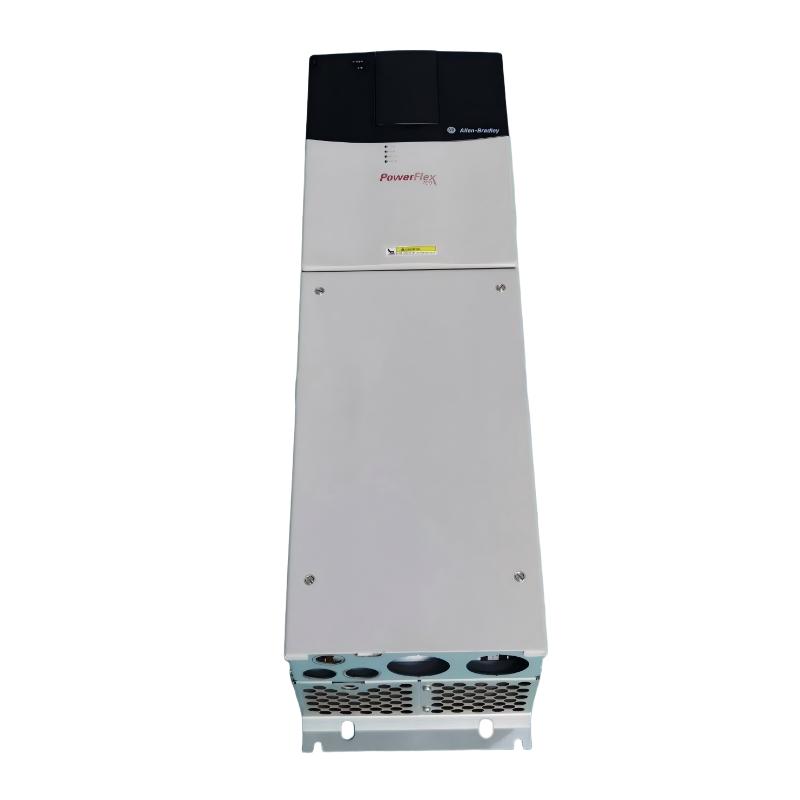
Allen-Bradley 20BC105A3ANNACC0 AC Drive: Technical Specifications, Product Overview, Applications, Advantages, and Related Models
1. Product Overview
The Allen-Bradley 20BC105A3ANNACC0 is a catalog-numbered industrial AC drive associated with the PowerFlex 700 product family. It belongs to the category of variable frequency drives (VFDs), which regulate the speed and operating characteristics of AC motors in industrial machinery.
Variable frequency drives are widely used in manufacturing plants, material handling systems, processing equipment, and other industrial installations where motor speed must be adjusted to match changing operating conditions. By controlling the frequency and voltage supplied to a motor, a drive can provide adjustable speed, controlled acceleration, and configurable deceleration.
The complete catalog number is important because individual characters may represent differences in voltage class, control hardware, feedback options, communication interfaces, and other configuration details. Two drives from the same product family can have similar power ratings while differing significantly in their available connections and control functions.
The following profile describes the product family, the main technical considerations, typical industrial applications, and potential alternatives. Since exact mechanical and electrical data for the complete catalog number cannot be independently verified here, unconfirmed specifications are identified accordingly rather than presented as guaranteed nameplate values.
2. Brand and Product Series
|
Parameter |
Description |
|---|---|
|
Model |
|
|
Brand |
Allen-Bradley |
|
Product series |
PowerFlex 700 |
|
Product category |
Industrial AC variable frequency drive |
|
Main function |
Variable-speed control of AC motors |
|
Typical installation |
Industrial control cabinet or suitable electrical enclosure |
|
Control purpose |
Motor speed regulation, acceleration management, and operating control |
|
Industrial sector |
Manufacturing, material handling, processing, and general automation |
|
Configuration type |
Catalog-specific drive configuration |
|
Replacement considerations |
Voltage, output current, motor power, control interface, feedback, communications, enclosure, and mechanical dimensions |
2.1 Brand Profile
Allen-Bradley is an industrial automation brand known for motor control equipment, programmable controllers, operator interfaces, and related factory automation products.
Its AC drive products are used in machinery that requires adjustable motor speed and coordinated control of mechanical processes. The choice of drive depends on the motor’s electrical characteristics, the driven load, the operating environment, and the level of automation required.
2.2 Product Series: PowerFlex 700
The PowerFlex 700 family is designed for industrial AC motor control applications requiring adjustable operating speed and configurable control functions.
Depending on the selected model and installed options, the series can support speed regulation, motor monitoring, programmable acceleration and deceleration, fault diagnostics, and integration with industrial control systems.
Typical applications include conveyors, pumps, fans, mixers, and various types of production machinery. The actual capabilities of an individual drive must be assessed from its full catalog number and installed hardware.
3. Detailed Technical Specifications
The following table summarizes the known electrical and functional characteristics associated with catalog number 20BC105A3ANNACC0.
|
Parameter |
Specification |
|---|---|
|
Model |
20BC105A3ANNACC0 |
|
Brand |
Allen-Bradley |
|
Series |
PowerFlex 700 |
|
Drive type |
AC variable frequency drive |
|
Rated supply voltage |
400 V AC nominal |
|
Drive voltage class |
380–480 V AC |
|
Input phases |
Three-phase |
|
Output phases |
Three-phase |
|
Rated output current |
105 A |
|
Normal-duty motor rating |
55 kW |
|
Mains frequency |
50 Hz nominal |
|
Input frequency tolerance |
47 Hz minimum listed tolerance |
|
Maximum output frequency |
420 Hz |
|
Typical efficiency |
97.5% at rated current and nominal line voltage |
|
Control type |
Standard control |
|
Internal communication module |
ControlNet coaxial |
|
Feedback option |
No feedback option specified |
|
Brake IGBT |
Not fitted |
|
Internal braking resistor |
Not included |
|
Analog inputs |
2 |
|
Analog outputs |
2 |
|
Digital inputs |
6 |
|
Digital outputs |
3 |
|
Enclosure protection |
IP20 |
|
NEMA enclosure classification |
Type 1 |
|
Maximum ambient operating temperature |
50°C under specified conditions |
|
Relative humidity |
5–95%, non-condensing |
|
Maximum altitude without derating |
1,000 m |
|
Relative input voltage tolerance |
±10% |
|
Frame size |
Frame 5 |
|
Operator interface |
Control element provided; exact display arrangement should be confirmed against the unit |
|
EMC configuration |
Configuration-dependent; confirm the exact filter and choke arrangement |
|
Dimensions (H × W × D) |
Exact dimensions not confirmed for this complete catalog number |
|
Net weight (kg) |
Exact net weight not confirmed |
|
Shipping weight (kg) |
Not confirmed |
|
Mounting |
Industrial panel or cabinet installation according to the applicable mechanical drawing |
|
Lifecycle status |
Discontinued product family |
3.1 Input Voltage and Power Supply
The drive is designed for a three-phase industrial AC supply in the 380–480 V voltage class, with a nominal voltage of 400 V AC.
This voltage range is commonly encountered in industrial motor-control installations. Before installation, the actual supply voltage must be checked against the drive’s nameplate and the site’s electrical design.
The input circuit must also be properly protected. Cable sizing, circuit protection, grounding, and short-circuit considerations should follow the equipment requirements and applicable electrical standards.
3.2 Output Current and Motor Power
The rated output current is 105 A, with a stated normal-duty motor power of 55 kW.
The output current rating is a key parameter when selecting a drive. Motor power alone does not establish compatibility because motors with the same nominal kilowatt rating may have different full-load currents, efficiency levels, power factors, and overload requirements.
|
Electrical parameter |
Rated value |
Selection significance |
|---|---|---|
|
Supply voltage |
400 V AC nominal |
Must match the available industrial supply |
|
Drive voltage class |
380–480 V AC |
Defines the applicable supply range |
|
Output current |
105 A |
Must accommodate motor current and load conditions |
|
Motor power |
55 kW normal duty |
Provides a preliminary motor-sizing reference |
|
Mains frequency |
50 Hz |
Must be considered when configuring the motor |
|
Maximum output frequency |
420 Hz |
Upper capability, not a recommended normal operating point |
|
Typical efficiency |
97.5% |
Indicates conversion efficiency under specified rated conditions |
The 55 kW rating should be treated as a normal-duty rating rather than a universal rating for every load. Applications with frequent starts, high starting torque, or sustained overloads require an additional duty assessment.
3.3 Standard Motor Control
The catalog configuration identifies standard control. This should not automatically be interpreted as having every advanced motor-control function available in other configurations of the PowerFlex 700 family.
The appropriate control method depends on the motor, load, speed-regulation requirements, and operating conditions. Where precise speed control or feedback-based operation is required, the drive’s supported control modes and hardware options should be checked before selection.
3.4 Communication and Signal Interfaces
The specified drive includes a ControlNet coaxial communication module. This is a significant feature when the unit is part of an existing industrial automation network.
The listed interface arrangement includes two analog inputs, two analog outputs, six digital inputs, and three digital outputs.
These signals can be relevant to functions such as start/stop commands, speed references, operating status, and process monitoring, depending on the actual wiring and programmed configuration.
The presence of a particular communication module does not guarantee compatibility with every controller or network. Existing network hardware, addressing, communication settings, and controller support should be checked before a replacement is installed.
3.5 Braking Configuration
The catalog data identifies the drive as having no integrated brake IGBT and no internal braking resistor.
This is important for applications that need rapid deceleration or regularly transfer mechanical energy back toward the motor drive during slowing.
Where braking performance is critical, the engineer should calculate the required stopping time and evaluate the load’s inertia, duty cycle, and potential regenerative energy. A suitable braking solution may require additional equipment or a different drive configuration.
3.6 Enclosure and Environmental Conditions
The drive has an IP20 enclosure rating and a NEMA Type 1 classification.
These classifications are intended for appropriate indoor industrial installations and do not mean that the drive is waterproof or suitable for direct washdown.
The listed maximum ambient temperature is 50°C under the specified conditions. Actual permissible operation may depend on mounting, ventilation, load, switching settings, and derating requirements.
Dust, moisture, contamination, and excessive heat can shorten equipment life. A suitable cabinet and cooling arrangement should be provided wherever the installation environment requires additional protection.
3.7 Dimensions and Weight
Dimensions and weight are important for cabinet planning, mechanical installation, transport, and replacement work.
Although related frame-5 configurations provide a useful starting point for preliminary planning, the precise height, width, depth, and weight of 20BC105A3ANNACC0 have not been established here. Related catalog numbers should not be assumed to have identical mechanical details.
|
Mechanical parameter |
Specification |
|---|---|
|
Height (mm) |
Not confirmed for the exact model |
|
Width (mm) |
Not confirmed for the exact model |
|
Depth (mm) |
Not confirmed for the exact model |
|
Net weight (kg) |
Not confirmed for the exact model |
|
Shipping weight (kg) |
Not confirmed |
|
Frame |
Frame 5 |
|
Mounting-hole pattern |
Verify against the correct mechanical drawing |
|
Cabinet clearance |
Follow the installation requirements for the exact frame |
|
Cooling clearance |
Follow the applicable installation instructions |
|
Lifting requirements |
Determine from the verified equipment weight and installation plan |
For an actual replacement project, the complete dimensional drawing and weight specification should be obtained before the cabinet layout or lifting arrangements are finalized.
4. Product Introduction
The 20BC105A3ANNACC0 is an industrial drive designed to control the operation of AC motors in machinery and production equipment.
In a conventional fixed-speed installation, the motor generally operates at a speed determined by the supply frequency, motor design, and load. When a variable frequency drive is introduced, the motor’s operating speed can be adjusted by changing the output frequency and controlling the electrical output supplied to the motor.
This provides greater flexibility in applications where production speed, material flow, or process demand changes during operation.
For example, a conveyor may require a low speed during loading and a higher speed during normal production. A pump may need to respond to changing fluid demand, while a fan may operate at reduced speed during periods of lower ventilation demand.
The drive’s control system manages the output according to configured parameters and command signals. Proper configuration allows the motor to accelerate and decelerate according to the requirements of the driven machine.
The product’s 105 A current rating and 55 kW normal-duty power rating place it in a substantial industrial motor-control category. Its communication interface and signal connections also make it relevant to installations where motor control is integrated into a broader automation system.
Because the product family has been discontinued, the unit is particularly relevant to existing installations, maintenance planning, replacement projects, and industrial equipment refurbishment.
5. Main Product Functions
5.1 Adjustable Speed Regulation
The drive can regulate motor speed within its configured operating limits.
Adjustable speed is useful when a machine must operate at different rates according to production demand. It may also reduce the need for mechanical speed adjustment in applications where the process can be controlled electrically.
5.2 Acceleration and Deceleration Control
Programmable acceleration and deceleration settings allow the motor to change speed over a defined period.
Gradual acceleration can help reduce mechanical shock, particularly in conveyor systems, pumps, and machines with substantial rotating inertia.
The selected ramp settings must be appropriate for the driven load. Excessively short stopping times may create overvoltage or braking problems, especially when the load contains significant stored energy.
5.3 Motor and Drive Monitoring
Drive monitoring and fault information can help maintenance personnel assess operating conditions and investigate abnormal behavior.
Depending on the active parameters and system integration, useful information may include operating frequency, current, drive status, and fault conditions.
Such information can support maintenance decisions, but it does not eliminate the need for physical inspection of the motor, cabling, cooling system, and driven equipment.
5.4 Industrial Network Communication
The specified ControlNet coaxial interface can be relevant to installations that use compatible network architecture.
When properly integrated, a communication interface can allow a control system to exchange commands and operating information with the drive.
Network compatibility must be confirmed at the system level. A communication module should not be assumed to work with a different network simply because both are used in industrial automation.
5.5 Analog and Digital Signal Processing
The listed analog and digital signal connections provide options for machine control and status monitoring.
Analog signals may be used for adjustable references or process values, while digital signals may be used for discrete commands and operating states.
Their exact use depends on the configured parameters, terminal assignments, and external control hardware.
5.6 High-Power Motor Operation
The 105 A output-current rating and 55 kW normal-duty motor rating allow the drive to serve appropriately sized industrial motors.
Applications must still be checked for starting torque, overload demand, cooling, operating speed, and electrical compatibility before the drive is selected.
6. Product Applications
6.1 Conveyor and Material Handling Systems


Conveyor systems require consistent movement of materials between production stages. A variable frequency drive can adjust conveyor speed to match the throughput of the production line and help coordinate the movement of products between machines.
Typical applications include:
-
Assembly-line conveyors.
-
Packaging and sorting systems.
-
Material transfer equipment.
-
Industrial feeding machinery.
-
Warehouse and production handling systems.
For these applications, the drive can help reduce abrupt starts and stops. The actual benefits depend on the mechanical design, load inertia, and programmed acceleration and deceleration settings.
6.2 Pumps and Fluid Handling Systems


Pumping applications often experience changing flow and pressure requirements. When the process permits variable-speed operation, the drive can adjust motor speed to match the required operating point.
Potential applications include water circulation, industrial fluid transfer, process cooling, and selected water treatment systems.
In suitable centrifugal pump applications, speed regulation can reduce energy consumption compared with continuously operating the motor at full speed while controlling flow through throttling alone.
The installation must still account for minimum pump speed, motor cooling, pressure regulation, cavitation, and the possibility of hydraulic shock during stopping.
6.3 Industrial Fans and Blowers


Industrial ventilation systems frequently need to respond to changes in airflow demand.
A drive can adjust fan speed to suit the operating requirements of the building or process. This can be useful in factory ventilation, exhaust systems, air circulation, and selected dust extraction applications.
Energy savings depend on the fan design and operating point. Where airflow demand varies substantially, reducing speed may provide a meaningful reduction in electricity consumption.
6.4 Mixing and Processing Equipment
Mixing and processing machinery often needs different speeds at different stages of operation.
A drive can provide adjustable speed for blending, agitation, and other motor-driven processes. The appropriate selection depends on the required torque, material viscosity, motor characteristics, and the process’s speed-control requirements.
Where a mixer must start under a heavy load, the drive’s current rating and overload capabilities must be checked carefully.
6.5 General Manufacturing Machinery
The drive may also be considered for suitable industrial machinery used in production and processing environments.
Typical examples include auxiliary production equipment, mechanical handling systems, selected machine tools, and other motor-driven equipment requiring adjustable speed.
Its suitability depends on the motor rating, control method, communication interface, braking requirements, and installation environment.
7. Product Advantages
|
Advantage |
Technical description |
Practical benefit |
|---|---|---|
|
Adjustable motor speed |
Allows operating frequency to be changed within configured limits |
Better control of production speed |
|
Controlled acceleration |
Supports programmed speed ramps |
Can reduce starting shock |
|
Controlled deceleration |
Allows the stopping profile to be configured |
Helps manage mechanical stopping behavior |
|
Industrial current capacity |
105 A rated output current |
Supports appropriately sized industrial motors |
|
Motor power capability |
55 kW normal-duty rating |
Suitable for compatible medium-to-high-power applications |
|
Network integration |
ControlNet coaxial communication module |
Useful in compatible existing automation systems |
|
Signal connections |
Two analog inputs, two analog outputs, six digital inputs, and three digital outputs |
Supports a range of machine-control arrangements |
|
Operating diagnostics |
Drive monitoring and fault information |
Assists maintenance and troubleshooting |
|
Adjustable process operation |
Motor speed can be matched to suitable process requirements |
May improve production flexibility |
|
Industrial enclosure |
IP20 / NEMA Type 1 |
Appropriate for suitable protected installations |
7.1 Greater Production Flexibility
Adjustable motor speed allows equipment to operate at different rates without necessarily changing mechanical transmission components.
This is useful when a production line handles different materials, requires different throughput rates, or operates according to varying process conditions.
7.2 Reduced Mechanical Shock
Starting a large motor directly across the supply can produce sudden torque and mechanical stress.
A properly configured drive can manage acceleration more gradually. This may reduce stress on couplings, belts, gears, shafts, and other mechanical components.
The actual improvement depends on the driven machine and the control settings.
7.3 Potential Energy Savings
The drive can reduce motor speed when the application does not require full output.
This can be particularly beneficial for suitable centrifugal pumps and fans. The amount of energy saved depends on the operating profile, equipment characteristics, and process requirements.
A variable frequency drive should not be assumed to reduce energy consumption in every application. Some constant-torque loads may continue to require substantial power even at lower speeds.
7.4 Improved Maintenance Visibility
Operating status and fault information can help maintenance personnel investigate problems more systematically.
When the drive is integrated into a compatible control system, selected operating information may be available for monitoring and troubleshooting.
A well-planned maintenance program should still include inspections of electrical connections, cooling systems, motors, and driven machinery.
7.5 Integration with Existing Industrial Systems
The ControlNet coaxial interface is relevant when the drive is installed in a compatible existing network.
Keeping the original communication arrangement may reduce the amount of redesign required during a replacement, although network compatibility and configuration must be verified.
8. Five Recommended Models from the Same Series or Related Configurations
The following five candidates are intended for comparison when maintaining, replacing, or upgrading a PowerFlex 700 installation.
Exact mechanical data are included only where a reliable figure is available for the specified catalog variant. A model in the same family is not necessarily a direct replacement.
|
No. |
Recommended model |
Series |
Main electrical parameters |
Control and interface characteristics |
Dimensions (H × W × D) |
Weight (kg) |
|---|---|---|---|---|---|---|
|
1 |
20BC105A3ANNANC0 |
PowerFlex 700 |
400 V AC class, 105 A, 55 kW normal duty |
Related configuration; confirm exact control and terminal options |
689.6 × 308.9 × 275.4 mm |
37.19 kg |
|
2 |
20BC105A3ANNANN0 |
PowerFlex 700 |
400 V AC, 105 A, 55 kW, three-phase |
Standard control; full keypad configuration listed for this variant |
Not confirmed |
14.51 kg listed; verify before handling |
|
3 |
20BC105A3ANNARC0 |
PowerFlex 700 |
400 V AC class, 105 A, 55 kW |
Related configuration with remote I/O and vector-control features indicated for the variant |
Not confirmed |
Not confirmed |
|
4 |
20BC105A0ANNANC0 |
PowerFlex 700 |
400 V AC class, 105 A, 55 kW normal duty / 45 kW heavy duty |
Related 105 A configuration; verify control options and suffix differences |
Not confirmed |
Not confirmed |
|
5 |
20BC105A0ANNANA0 |
PowerFlex 700 |
400 V AC class, 105 A, 55 kW normal duty / 45 kW heavy duty |
Related configuration; confirm I/O and control arrangement |
Not confirmed |
Not confirmed |
Mechanical specification note: The reported weight for model 20BC105A3ANNANN0 differs substantially from that listed for the related 20BC105A3ANNANC0. The figures should not be treated as interchangeable or assumed to represent the same packaging condition. Confirm the nameplate, frame, mechanical drawing, and actual equipment weight before installation or transport.
8.1 Model 20BC105A3ANNANC0
This model is a closely related PowerFlex 700 drive with the same general 400 V class, 105 A current rating, and 55 kW normal-duty power class.
Its listed dimensions are 689.6 × 308.9 × 275.4 mm, and its listed weight is 37.19 kg.
It may be useful when evaluating a replacement with a similar electrical rating. However, the complete control configuration, communication options, braking requirements, and terminal arrangement must be compared before it is selected.
8.2 Model 20BC105A3ANNANN0
This is another related 105 A PowerFlex 700 catalog variant.
The listed configuration includes a full keypad and RS-485, with a 400 V supply class and 55 kW motor rating.
It may be worth considering where the required operator interface and control arrangement differ from the target unit. Confirm the communication and control requirements before assuming compatibility.
8.3 Model 20BC105A3ANNARC0
This related configuration is a candidate for evaluation where remote I/O and vector-control features are relevant.
Its suitability depends on the required motor-control performance, signal connections, and external control architecture.
It should not be selected solely because its model number begins with the same characters as the target model.
8.4 Model 20BC105A0ANNANC0
This catalog variant is relevant for comparison within the 105 A PowerFlex 700 product class.
Its stated ratings are 55 kW normal duty and 45 kW heavy duty. These ratings provide a useful starting point when comparing applications that need a similar power class.
The actual suffix-dependent control and communication options should be checked against the target installation.
8.5 Model 20BC105A0ANNANA0
This model is another related catalog configuration in the same general voltage and current class.
It may be worth evaluating for replacement planning where the motor power and current requirements remain unchanged but the required control interface differs.
A detailed comparison should include the drive’s terminals, I/O, control hardware, feedback options, and physical dimensions.
9. Five Popular Allen-Bradley Models for Comparison
The following models represent related AC drive families used in industrial motor control. They cover different application sizes and control requirements, so they should be regarded as comparison candidates rather than direct substitutes for the 105 A PowerFlex 700.
|
No. |
Model |
Product series |
Voltage class |
Electrical parameters |
Typical applications |
Dimensions (H × W × D) |
Weight (kg) |
|---|---|---|---|---|---|---|---|
|
1 |
25B-D017N104 |
PowerFlex 525 |
480 V class |
Catalog-specific current and power rating; verify the nameplate |
General-purpose machinery and conveyors |
Not confirmed |
Not confirmed |
|
2 |
25B-D024N104 |
PowerFlex 525 |
480 V class |
Catalog-specific current and power rating; verify the nameplate |
Pumps, fans, and industrial machinery |
Not confirmed |
Not confirmed |
|
3 |
20F11NC015JA0NNNNN |
PowerFlex 753 |
Catalog-dependent 400 V class |
Confirm current, motor power, and installed options |
Industrial process and machine control |
Not confirmed |
Not confirmed |
|
4 |
20G11NC022JA0NNNNN |
PowerFlex 755 |
Catalog-dependent 400 V class |
Confirm current, motor power, and installed options |
Demanding industrial motor-control applications |
Not confirmed |
Not confirmed |
|
5 |
22B-D017N104 |
PowerFlex 40 |
480 V class |
Catalog-specific current and power rating; verify the nameplate |
Compact machinery and simpler speed-control applications |
Not confirmed |
Not confirmed |
These models cover a range of drive architectures, but the catalog numbers alone should not be used to assume a specific replacement rating. Exact output current, power, enclosure, and dimensions must be confirmed for each unit.
9.1 PowerFlex 525
The PowerFlex 525 family is intended for general-purpose motor-control applications where compact installation and flexible machine integration are important.
It can be considered for smaller conveyors, auxiliary pumps, fans, and other machinery whose motor requirements fall within the selected drive’s ratings.
A PowerFlex 525 should not be assumed to replace a 55 kW PowerFlex 700 without a complete electrical and mechanical assessment.
9.2 PowerFlex 753
The PowerFlex 753 family is designed for industrial motor-control applications that may require more advanced configuration and integration capabilities.
It is worth evaluating when a project requires a different control architecture or a modernized installation. The selected drive must still match the motor’s current, power, overload duty, and operating requirements.
9.3 PowerFlex 755
The PowerFlex 755 family is another candidate for more demanding industrial motor-control systems.
Depending on the selected model and installed options, it can support applications requiring broader configuration choices and integration with industrial control equipment.
A migration from PowerFlex 700 to PowerFlex 755 may require changes to cabinet layout, wiring, parameters, communications, and commissioning procedures.
9.4 PowerFlex 40
The PowerFlex 40 family is associated with compact general-purpose motor control.
It can be appropriate for smaller machinery where the available current, power, and control features are sufficient. It should not be considered an automatic substitute for a 105 A drive.
9.5 Comparing the Product Families
|
Selection factor |
PowerFlex 700 |
PowerFlex 525 |
PowerFlex 753 |
PowerFlex 755 |
PowerFlex 40 |
|---|---|---|---|---|---|
|
Main application |
Industrial AC motor control |
Compact general-purpose control |
Industrial process and machine control |
Advanced industrial motor control |
Compact motor control |
|
Target motor size |
Depends on configuration; target is 55 kW normal duty |
Depends on selected rating |
Depends on selected rating |
Depends on selected rating |
Depends on selected rating |
|
Replacement compatibility |
Favorable when matching the original catalog configuration |
Requires rating and interface checks |
Requires rating and interface checks |
Requires rating and interface checks |
Requires rating and interface checks |
|
Communication |
Depends on installed module |
Depends on configuration |
Depends on installed options |
Depends on installed options |
Depends on configuration |
|
Cabinet modification |
May be limited for a matching frame and configuration |
May be required |
May be required |
May be required |
May be required |
|
Best selection priority |
Preserve electrical and control compatibility |
Compact installation |
Industrial application requirements |
Broader control requirements |
Simpler, appropriately sized loads |
10. Installation and Commissioning Recommendations
10.1 Verify the Motor Nameplate
Before installing the drive, record the motor’s rated voltage, current, frequency, power, speed, and connection arrangement.
The motor’s full-load current and load characteristics should be compared with the drive’s ratings. A nominally similar power rating does not guarantee that the motor and drive are compatible.
10.2 Check the Electrical Supply
Confirm that the supply is three-phase and within the drive’s specified voltage range.
The installation must also provide suitable grounding, overcurrent protection, wiring, and short-circuit protection. These requirements should be established from the actual drive configuration and the applicable electrical regulations.
10.3 Review Cabinet Cooling
The drive requires adequate cooling to operate reliably.
Cabinet temperature, airflow, clearance, and the heat generated by other equipment should all be considered. Where several drives operate in the same enclosure, the combined heat load may require additional ventilation or cooling.
10.4 Configure the Motor and Drive Parameters
Before normal operation, set the motor nameplate parameters, operating limits, acceleration and deceleration ramps, and relevant protection functions.
Incorrect configuration can lead to nuisance trips, excessive current, poor speed regulation, or unsafe operating conditions.
10.5 Check Network Compatibility
The target configuration includes a ControlNet coaxial communication module.
Before connecting it to an existing network, confirm controller compatibility, addressing, communication settings, and the availability of any necessary network hardware.
If the replacement drive uses a different communication interface, additional engineering work may be required.
10.6 Evaluate Braking Requirements
Because the specified configuration has no integrated brake IGBT and no internal braking resistor, the application’s stopping requirements need particular attention.
Loads with high inertia or frequent rapid stopping may require additional braking equipment or an alternative drive configuration.
10.7 Plan Preventive Maintenance
Regular inspections should cover cooling fans, ventilation passages, electrical terminals, contamination, unusual noise, overheating, and fault history.
Maintenance intervals should be adjusted to the operating environment, machine duty cycle, and condition of the installed equipment.
11. Product Lifecycle and Replacement Planning
The PowerFlex 700 20B product family has been discontinued. For existing installations, this makes replacement planning an important part of equipment maintenance.
A discontinued drive may still be available through existing inventories or specialist industrial equipment channels, but availability, condition, and warranty arrangements can vary.
For a replacement project, the engineering team should consider three main options.
|
Replacement approach |
Main benefit |
Main consideration |
|---|---|---|
|
Matching PowerFlex 700 catalog variant |
May preserve much of the existing electrical and control arrangement |
Confirm exact hardware, condition, and compatibility |
|
Alternative drive in the same general power class |
May provide a path for maintaining the motor-control function |
Wiring, communications, mounting, and parameters may differ |
|
Modernized drive installation |
Provides an opportunity to review control architecture and maintenance requirements |
May require broader engineering changes and commissioning |
The best option depends on whether the priority is restoring an existing machine quickly, preserving compatibility with the current control system, or upgrading the installation for long-term operation.
12. Final Technical Summary
The Allen-Bradley 20BC105A3ANNACC0 is a PowerFlex 700 AC drive with a 400 V nominal supply, 105 A rated output current, and 55 kW normal-duty motor rating.
Its main characteristics include three-phase input and output, a maximum output frequency of 420 Hz, typical efficiency of 97.5% under specified rated conditions, IP20 / NEMA Type 1 protection, and a ControlNet coaxial communication interface.
The listed signal arrangement includes two analog inputs, two analog outputs, six digital inputs, and three digital outputs. The catalog configuration does not include an integrated brake IGBT or an internal braking resistor.
For related-model comparisons, the 20BC105A3ANNANC0, 20BC105A3ANNANN0, and 20BC105A3ANNARC0 are useful candidates to evaluate, along with related 20BC105A0 configurations. For broader modernization, PowerFlex 753 and PowerFlex 755 may be considered when their electrical ratings and control capabilities suit the application.
The exact dimensions and net weight of the target catalog number remain unconfirmed. Those details should be checked against the correct mechanical drawing before the drive is ordered, mounted, transported, or used as a replacement for existing equipment.