

ProductPRODUCT
Featured products
Contact Us
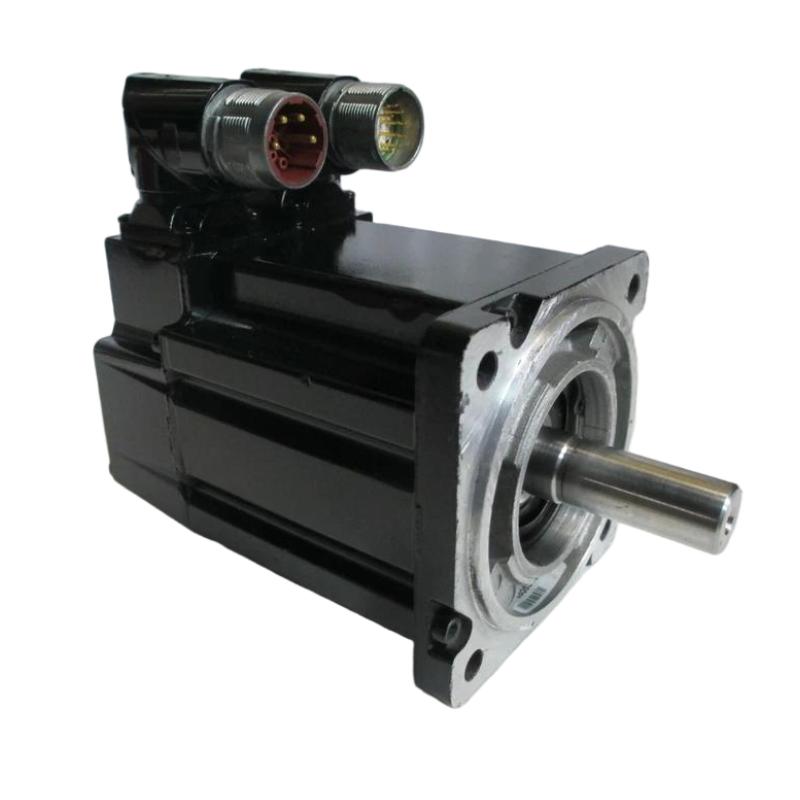
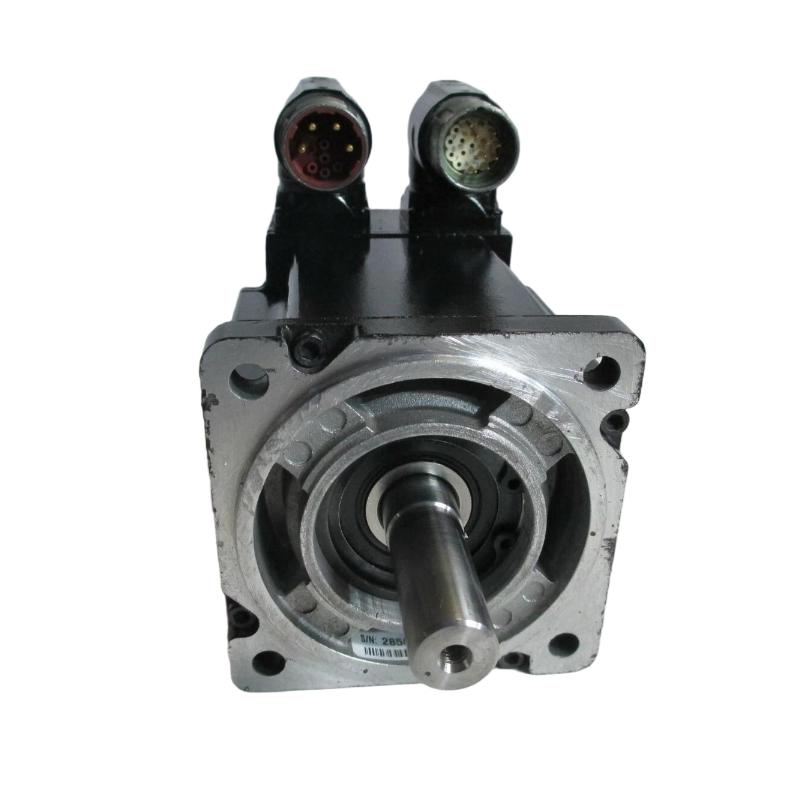
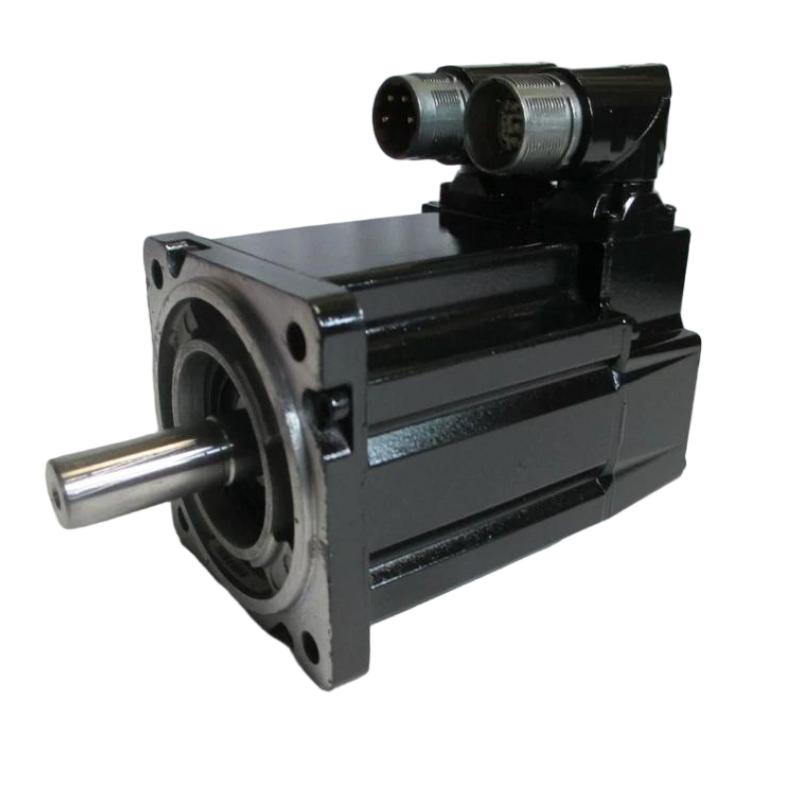
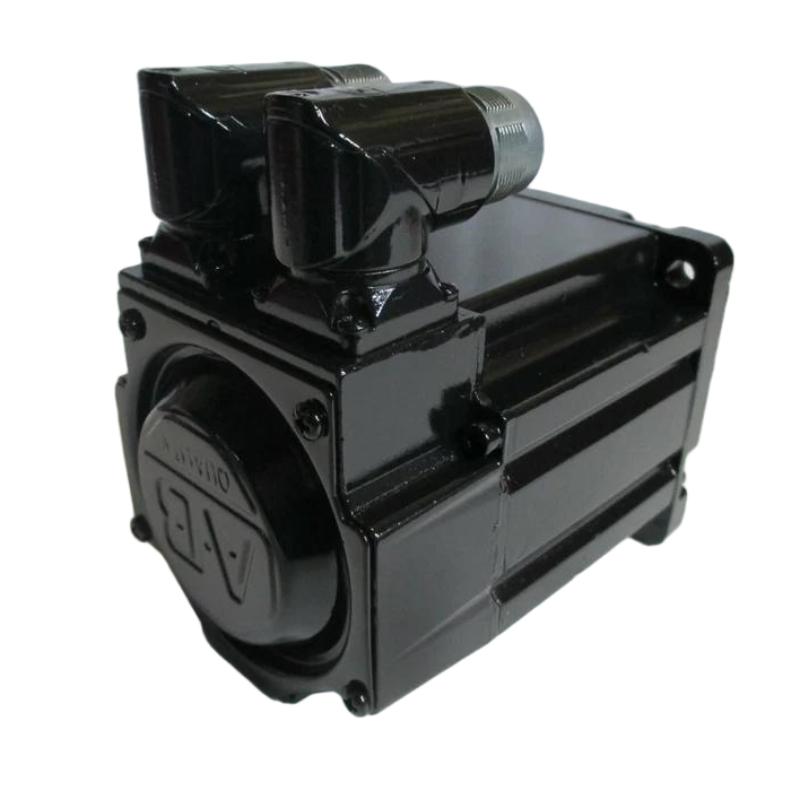
- Allen Bradley
- MPL-B310P-MK72AA
- Servo Motor
- USA
- 100 mm
- 2.7 kg
- Xiamen, China
- New & In Stock
- T/T, PayPal, Western Union
- 1 Year
- 1-3 Working Days
- DHL, UPS, TNT, FedEx and EMS.
- 24-Hour Service
- COO
- 4
Our advantage

Global Logistics
We have a 10-year logistics and express cooperation agreement, so our products can be shipped to any place in the world.

Brand new and original
Our products are imported in bulk from the place of origin. Because of the cooperative relationship, our products are all original and 100% new.

24-hour service
We provide 7*24 hours service to our customers. We will be there whenever you need us.

Price advantage
All our products are priced very favorably because we have our own warehouse and supply.
| Company Information | |||
| [email protected] | |||
| Mobile | +8615980777398 | ||
| +8615980777398 | |||
| 15980777398 |
Product Overview
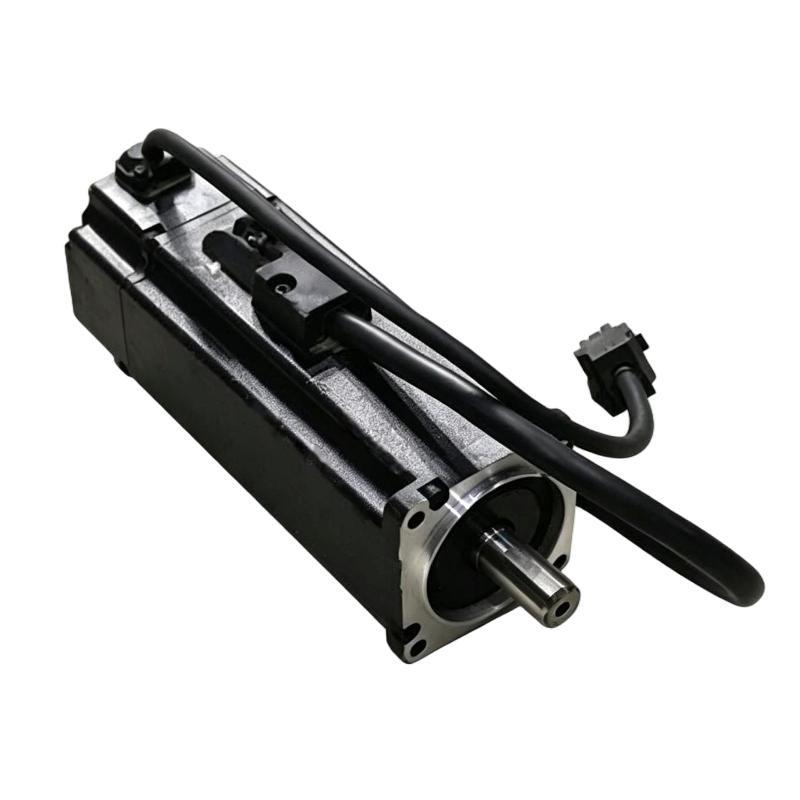
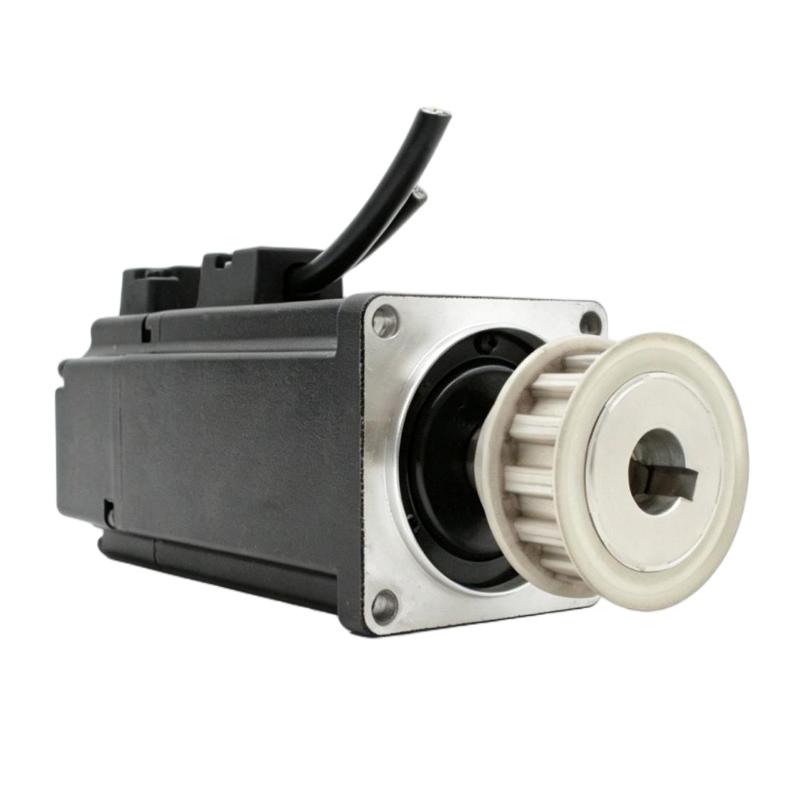
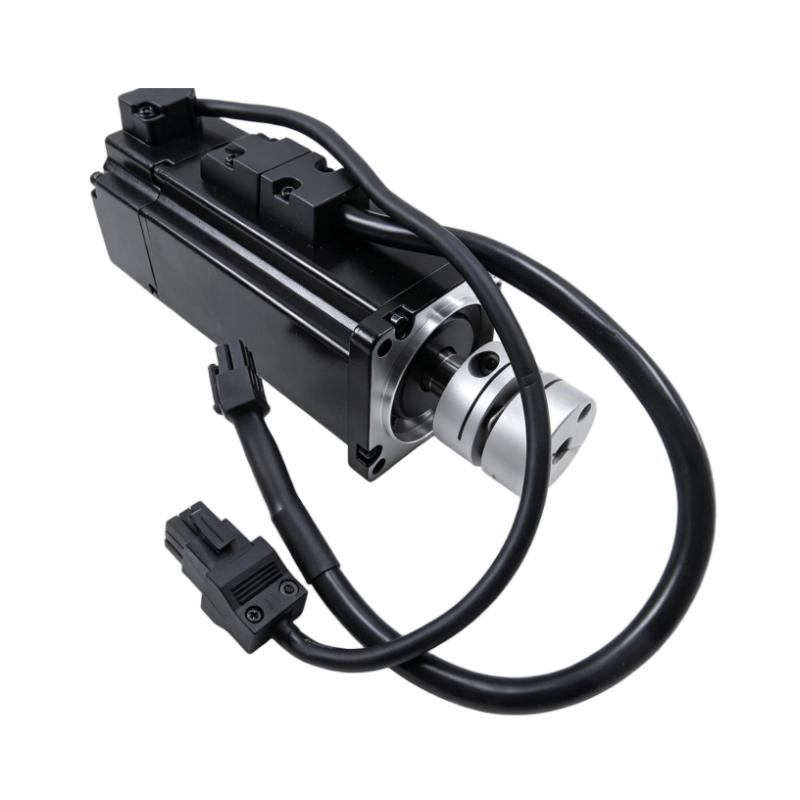
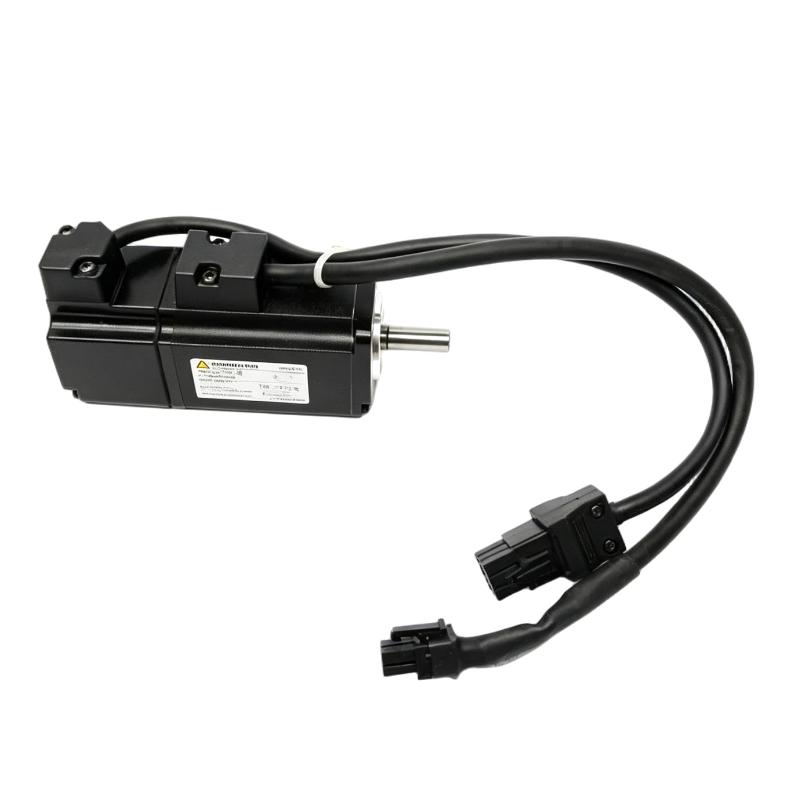
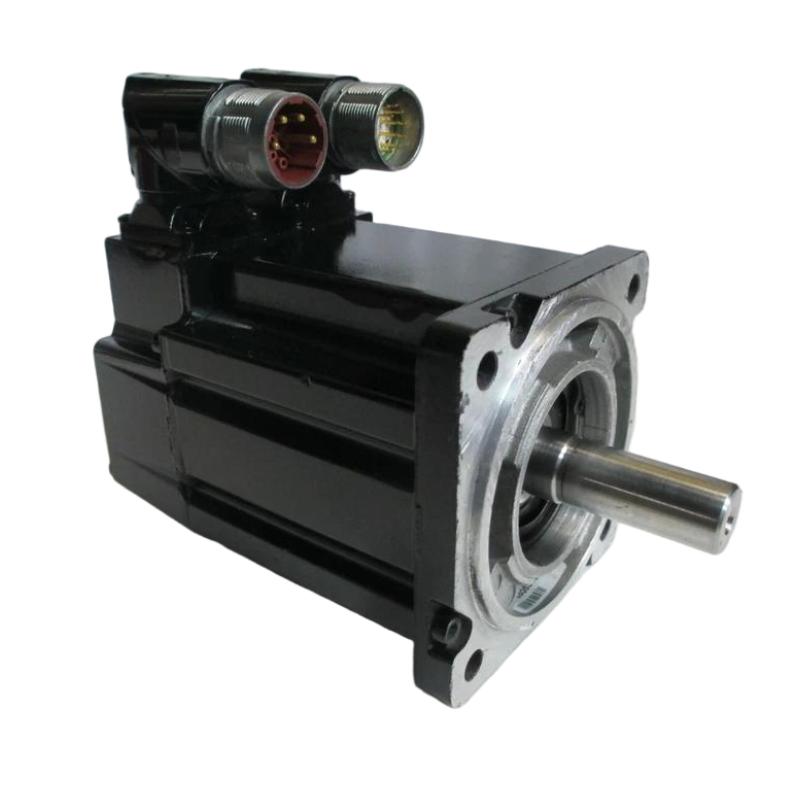
The Allen Bradley MPL-B310P-MK72AA Servo Motor is an industrial motion-control component designed for applications that require accurate positioning, controlled acceleration, and repeatable rotational movement. As part of the Allen-Bradley Kinetix motion-control ecosystem, MPL-series servo motors are associated with automated machinery where coordinated motor operation, dynamic response, and reliable motion performance are important.
Servo motors are commonly used with compatible servo drives and feedback devices to create a closed-loop motion-control system. In this arrangement, the drive regulates motor operation while receiving feedback about the motor’s position or movement. The controller coordinates the motion sequence according to the application’s requirements, allowing machinery to perform positioning, indexing, speed regulation, and synchronized movement.
The MPL-B310P-MK72AA is identified by the supplied product description as a servo motor with a 100 mm frame size and a weight of 2.7 kg. Its compact frame can be useful in machine designs where mounting space, mechanical integration, and moving-system mass must be considered together.
For applications requiring dependable positioning and repeatable motion, selecting the correct motor is only one part of the engineering process. The motor must also be matched to a suitable servo drive, feedback arrangement, power and feedback cables, mechanical coupling, and controller configuration. The complete model designation should be verified before purchase or installation to ensure that the motor’s electrical and mechanical characteristics meet the requirements of the intended system.
Technical Specifications
| Parameter | Specification |
|---|---|
| Manufacturer | Allen-Bradley |
| Product Brand | Allen-Bradley / Rockwell Automation |
| Model Number | MPL-B310P-MK72AA |
| Product Type | Servo Motor |
| Product Series | MPL Servo Motor Series |
| Frame Size | 100 mm |
| Weight | 2.7 kg |
| Primary Function | Controlled rotational motion for industrial automation |
| Control Method | Closed-loop servo control when used with a compatible drive and feedback system |
| Typical System Role | Motion actuator in a servo-control arrangement |
| Drive Compatibility | Must be verified against the complete motor catalog number |
| Mechanical Integration | Confirm shaft, mounting, coupling, and load requirements |
| Electrical Integration | Confirm rated voltage, current, feedback, and connector specifications |
| Typical Applications | Automated machinery, positioning systems, packaging, and material handling |
Specification note: The frame size and weight above are based on the supplied product information. Rated power, continuous and peak torque, rated speed, feedback type, brake configuration, shaft dimensions, connector type, and exact drive compatibility should be confirmed using the full catalog number and the applicable motor documentation.
What Is the Allen Bradley MPL-B310P-MK72AA Servo Motor?
A servo motor is designed to operate as part of a motion-control system in which movement is regulated according to a command. Unlike a conventional motor installation that may operate primarily at a fixed speed, a servo system can adjust motor movement to meet a defined position, velocity, or torque requirement within the capabilities of the motor and drive.
The Allen Bradley MPL-B310P-MK72AA is identified as an MPL-series servo motor. In a typical industrial installation, a motion controller sends commands to a compatible servo drive. The drive supplies controlled electrical power to the motor and uses the supported feedback arrangement to regulate motion.
This architecture is useful when machinery must move components accurately and repeatedly. Applications may include positioning a mechanical axis, moving packaging material, coordinating machine stations, or synchronizing motion between multiple axes.
A typical servo-control arrangement can be represented as:
Motion Controller → Compatible Servo Drive → Servo Motor → Mechanical Load
Feedback from the motor or supported feedback system returns to the drive or control architecture, depending on the equipment configuration. This information helps the system regulate movement and identify deviations between commanded and actual operation.
The exact feedback technology and electrical configuration of the MPL-B310P-MK72AA should be verified before designing or modifying the system.
Function and Working Principle
1. Motion Command Reception
The motion controller defines the desired movement based on the machine sequence or production requirements. Commands may describe a target position, movement speed, acceleration profile, or coordinated motion sequence.
The controller’s role is to determine what the axis should do. The servo drive and motor work together to carry out that command.
2. Electrical Power Conversion
The compatible servo drive converts its incoming electrical supply into controlled motor power. It regulates the output according to the command and the motor’s electrical characteristics.
Correct motor-drive matching is essential. The drive must support the motor’s rated electrical requirements and feedback arrangement, and the system must be configured using the appropriate motor data.
3. Electromagnetic Torque Generation
When supplied with controlled electrical power, the motor produces rotational torque. This torque accelerates, decelerates, or maintains the movement of the connected mechanical load.
Actual torque and speed capability depend on the motor’s verified ratings, the servo drive, the supply conditions, and the mechanical characteristics of the application.
4. Feedback-Based Motion Regulation
In a compatible closed-loop system, feedback information is used to compare actual movement with the commanded movement. The drive adjusts motor operation to reduce the difference between the requested and measured behavior.
This feedback-based regulation supports repeatable positioning and controlled movement. Performance depends on correct tuning, mechanical rigidity, load inertia, feedback integrity, and the characteristics of the complete motion system.
5. Coordinated Machine Operation
The controller can coordinate the motor with other axes, sensors, actuators, and production equipment. This allows the servo motor to participate in synchronized processes rather than operate as an isolated component.
Examples include indexing a conveyor, positioning a cutting head, moving a packaging mechanism, or coordinating a transfer axis with another machine station.
Role in Industrial Motion-Control Systems
The Allen Bradley MPL-B310P-MK72AA can serve as the mechanical actuator in an appropriately configured servo-control system. The motor converts controlled electrical power into physical movement, while the drive and controller manage how that movement is performed.
A complete motion-control installation generally includes several interconnected elements.
| System Component | Function |
|---|---|
| Servo Motor | Produces rotational movement and torque |
| Servo Drive | Regulates motor power and motion response |
| Motion Controller or PLC | Executes the machine sequence and motion commands |
| Feedback System | Provides supported information about motor movement or position |
| Motor Power Cable | Supplies electrical power to the motor |
| Feedback Cable | Transfers feedback signals where required by the design |
| Mechanical Coupling | Connects the motor shaft to the driven mechanism |
| Gearbox or Transmission | Adapts speed and torque when required |
| Machine Structure | Supports the motor and mechanical load |
| Engineering Software | Supports configuration, commissioning, and diagnostics |
The exact components depend on the machine architecture. Connector types, cable assemblies, feedback interfaces, and drive compatibility must be verified for the complete motor catalog number.
Industrial Applications
Packaging Machinery
Packaging equipment frequently requires controlled movement for film feeding, indexing, product transfer, cutting, sealing, and positioning. A properly sized servo system can support repeatable motion and coordinated machine sequences.
The motor must be selected according to the required cycle rate, load inertia, torque profile, and positioning accuracy.
Automated Assembly Equipment
Assembly machinery may use servo motors to position workpieces, move fixtures, actuate mechanisms, or coordinate multiple production steps. Controlled acceleration and repeatable movement can improve process consistency when the complete system is correctly engineered.
Material Handling Systems
Servo motors can be incorporated into transfer units, indexing tables, automated handling equipment, and positioning axes. In these applications, the motor must provide sufficient torque and speed for the load while meeting the required stopping and positioning behavior.
Printing and Converting Machinery
Printing and converting equipment may require synchronized motion for feeding, indexing, tension-related mechanisms, or material positioning. Servo control can help coordinate movement between machine sections, provided the motor, drive, and control system are suitable for the task.
Machine Tools and Automated Production Equipment
Certain machine-tool and production applications use servo motors for controlled axis movement, positioning mechanisms, and auxiliary machine functions. Suitability depends on the required dynamic response, mechanical arrangement, and the motor’s verified ratings.
Pick-and-Place Systems
Automated pick-and-place machinery uses controlled movement to transfer components between locations. A servo motor may drive a rotary or linear mechanism through an appropriate transmission, depending on the system design.
Special-Purpose Machinery
Custom automation equipment often combines several servo axes with sensors, pneumatic devices, and discrete control elements. The MPL-B310P-MK72AA may be considered for such an application only after confirming that its torque, speed, feedback, mounting, and electrical specifications meet the machine requirements.
Installation and Mechanical Integration
Correct installation affects positioning performance, vibration, service life, and overall machine reliability.
Confirm the Motor Identity
Before installation, verify the complete catalog number MPL-B310P-MK72AA against the motor nameplate and the existing machine documentation.
Check the suffix characters carefully. Similar-looking servo motors may differ in winding characteristics, feedback options, shaft configuration, brake arrangement, or connector design. Physical resemblance alone does not establish interchangeability.
Verify Mounting Requirements
The supplied frame size is 100 mm. Confirm the actual mounting dimensions, pilot diameter, bolt pattern, shaft dimensions, and required clearances before preparing the machine structure.
The mounting surface should be sufficiently rigid to support the motor and withstand operating forces. Misalignment or inadequate structural support can increase vibration and bearing loads.
Check Shaft and Coupling Alignment
The motor shaft must be connected to the driven mechanism using an appropriate coupling or transmission. Alignment should follow the requirements of the motor and coupling manufacturers.
Excessive radial or axial loading can reduce bearing life and impair motion performance. Where a gearbox, belt drive, screw mechanism, or other transmission is used, its load characteristics should be included in the motor-sizing process.
Review the Mechanical Load
Before commissioning, assess the load inertia, friction, acceleration requirements, operating cycle, and expected duty. A motor that is mechanically compatible may still be unsuitable if the required torque or speed exceeds its ratings.
The motor should be selected using verified performance data rather than frame size alone.
Electrical Installation and Servo Drive Integration
Confirm Drive Compatibility
Select a servo drive that explicitly supports the MPL-B310P-MK72AA motor’s electrical characteristics and feedback arrangement. Verify the motor’s rated voltage, current, power, speed, torque, and feedback requirements before connecting it.
Do not assume that every Allen-Bradley servo drive supports every MPL-series motor variant.
Verify Power and Feedback Cables
Use compatible motor power and feedback cables with the correct connectors and electrical ratings. Inspect cable routing, shielding, grounding, and separation from noise-producing conductors according to the applicable installation requirements.
Incorrect cable selection or damaged connectors can cause feedback faults, intermittent operation, electrical interference, or failure to start.
Configure the Motor Parameters
Enter or select the correct motor identity in the drive configuration environment. Confirm the configured motor data against the nameplate and the applicable product documentation.
Incorrect motor parameters can affect torque regulation, speed control, tuning, and protection behavior.
Check Protective Grounding
Protective grounding and bonding must follow the applicable electrical codes and equipment instructions. Before servicing, isolate the relevant power sources and follow the machine’s lockout and stored-energy discharge procedures.
A servo drive’s DC bus may retain hazardous energy after incoming power has been disconnected. Wait for the specified discharge period and verify safe conditions before handling electrical connections.
Perform Initial Commissioning
Commissioning should begin with the machine in a safe state and the mechanical load controlled. Check the drive configuration, feedback status, direction of rotation, command scaling, and motor response according to the system procedure.
Begin with conservative motion commands where permitted by the commissioning process. Confirm that the axis moves in the expected direction and stops correctly before progressing to full operating conditions.
Servo Motor Sizing and Performance Considerations
Choosing a servo motor requires more than checking frame size and physical weight. The motor must meet the application’s electrical, mechanical, and dynamic requirements.
Torque Requirements
Determine the torque needed to accelerate the load, overcome friction, and maintain the required movement. Account for the transmission ratio and mechanical efficiency when calculating the torque at the motor shaft.
Continuous torque and peak torque are different parameters. The motor must support the required operating profile without exceeding its permitted limits.
Speed Requirements
Confirm the required operating speed and the speed range needed during acceleration, steady movement, and deceleration. Check the motor’s verified speed rating and ensure the selected drive can support the intended operating point.
Load Inertia
Load inertia affects how quickly the motor can accelerate and decelerate the mechanism. A large mismatch between motor inertia and reflected load inertia may make tuning more difficult or reduce dynamic performance.
The appropriate solution may require changes to the transmission, motion profile, or motor selection.
Duty Cycle and Thermal Performance
Repeated acceleration, deceleration, and holding operations produce a thermal load that must be considered during sizing. Review the duty cycle and the motor’s continuous and peak operating limits.
An application that works during a short test may still exceed the motor’s thermal capacity during continuous production.
Mechanical Accuracy
Positioning performance depends on the complete system, including motor feedback, drive tuning, coupling stiffness, transmission backlash, machine rigidity, and external forces. The motor alone does not determine the final accuracy of the machine.
Troubleshooting the MPL-B310P-MK72AA Servo Motor
When a servo axis fails to operate correctly, inspect the complete motion-control chain before deciding that the motor must be replaced.
Motor Does Not Start
Possible causes include:
- Servo drive not enabled
- Missing or incorrect power supply
- Active drive fault
- Incorrect motor configuration
- Feedback connection problem
- Controller command not being issued
- Incorrect interlock or machine permissive
- Mechanical obstruction
Review drive status and fault information first. Confirm that the controller is issuing the intended command and that all required enabling conditions are satisfied.
Servo Fault or Feedback Alarm
A feedback-related alarm may be associated with an incompatible configuration, damaged cable, loose connector, incorrect feedback selection, electrical interference, or a fault in the feedback system.
Check the exact drive alarm description and follow the relevant diagnostic procedure. Avoid replacing the motor until the feedback cable, connector, drive configuration, and other possible causes have been investigated.
Excessive Vibration
Excessive vibration may result from mechanical misalignment, an unsuitable coupling, loose mounting hardware, load imbalance, resonance, poor tuning, or an application that exceeds the motor’s intended operating conditions.
Inspect the mechanical assembly and review the drive’s tuning and diagnostic information. Changes to tuning parameters should be made by qualified personnel using a controlled commissioning procedure.
Positioning Errors
Positioning errors may be caused by excessive mechanical backlash, load movement, incorrect scaling, unsuitable motion profiles, feedback issues, or insufficient torque during acceleration.
Compare the commanded movement with the actual machine behavior. Inspect the transmission and mechanical connections before concluding that the motor’s internal components are defective.
Motor Overheating
Overheating may result from excessive continuous load, repeated peak-torque demands, inadequate heat dissipation, incorrect drive settings, mechanical binding, or operation outside the specified limits.
Compare the actual operating conditions with the motor’s verified ratings. Do not continue operation when temperature or drive diagnostics indicate a potentially damaging condition.
Intermittent Operation
Intermittent faults may be caused by loose electrical connections, damaged cables, unstable power, feedback interruptions, vibration, or intermittent mechanical resistance.
Inspect connectors and cable routing under safe maintenance conditions. Record drive alarms and operating circumstances to help determine whether the fault is electrical, mechanical, or configuration-related.
Maintenance Recommendations
Routine Visual Inspection
Inspect the motor housing, mounting points, shaft coupling, connectors, and accessible cables for damage, contamination, looseness, or unusual wear.
Cable and Connector Inspection
Check motor power and feedback cables for abrasion, excessive bending, damaged shielding, and loose connections. Replace damaged components with verified compatible parts.
Mechanical Condition Monitoring
Observe vibration, unusual noise, bearing condition, coupling alignment, and signs of excessive mechanical loading. Investigate changes from the machine’s normal operating behavior.
Drive Diagnostic Review
Review available fault history and operating diagnostics. Repeated faults may reveal a developing wiring issue, mechanical problem, configuration error, or application-sizing limitation.
Keep Configuration Records
Maintain records of the motor catalog number, compatible drive, feedback arrangement, cable identifiers, commissioning parameters, and any approved replacement information.
Follow Safe Maintenance Procedures
Disconnect power and follow the machine’s lockout procedure before mechanical or electrical work. Allow stored electrical energy to discharge as specified, and ensure the axis cannot move unexpectedly under gravity or external load.
Maintenance intervals should be established according to the operating environment, duty cycle, machine criticality, and applicable equipment instructions.
Compatible System Components
The MPL-B310P-MK72AA is intended for use in a properly matched servo system. The following component categories may be relevant, but exact part-number compatibility must be confirmed.
| Component Category | Purpose |
|---|---|
| Compatible Allen-Bradley Servo Drive | Supplies controlled power and regulates motor operation |
| Supported Motion Controller | Generates and coordinates motion commands |
| Motor Power Cable | Connects the drive’s motor output to the motor |
| Feedback Cable | Carries supported feedback signals |
| Motor Connector Accessories | Provide the required electrical interface |
| Mechanical Coupling | Connects the motor shaft to the driven load |
| Gearbox or Transmission | Adapts speed and torque when required |
| Mounting Hardware | Secures the motor to the machine structure |
| Engineering Software | Supports drive configuration, tuning, and diagnostics |
| Industrial Network Components | Support controller-to-drive communication where required |
The correct drive, cable, and feedback components should be selected using the full catalog number and the hardware documentation. Do not substitute components based solely on product-family names or similar connector appearances.
Replacement and Procurement Considerations
When sourcing an Allen-Bradley MPL-B310P-MK72AA servo motor, verify the nameplate and compare the complete catalog number with the installed motor.
Important checks include:
- Exact motor catalog number and suffix
- Frame and mounting dimensions
- Shaft and coupling requirements
- Rated power, torque, and speed
- Electrical supply and drive requirements
- Feedback type and connector arrangement
- Brake configuration, if applicable
- Cable and accessory compatibility
- Physical condition and storage history
- Required commissioning and verification tests
The supplied 100 mm frame size and 2.7 kg weight are useful for preliminary mechanical planning and inventory management. They are not sufficient on their own to establish electrical or functional compatibility.
For replacement projects, record the original drive configuration and motion parameters before removing the existing motor. After installation, confirm feedback operation, axis direction, travel limits, and positioning behavior before returning the machine to normal production.
Key Advantages
Supports Controlled Industrial Motion
When integrated with a compatible servo drive and controller, the motor can support commanded movement in automated machinery.
Compact Frame Format
The supplied 100 mm frame size provides a useful reference for machine-layout planning, although the actual mounting pattern and clearances must be confirmed.
Suitable for Integrated Servo Systems
The motor can form part of a coordinated motion-control arrangement when its electrical, feedback, and mechanical characteristics match the rest of the system.
Supports Repeatable Machine Operations
Servo-based motion control can help machinery perform repeatable positioning and coordinated movement when the complete system is correctly sized, configured, and maintained.
Serviceability Through Proper Documentation
Recording the full model number, drive configuration, cable details, and commissioning parameters helps simplify future troubleshooting and replacement.
Technical FAQs
What is the Allen Bradley MPL-B310P-MK72AA?
It is identified as an Allen-Bradley MPL-series servo motor intended for industrial motion-control applications.
What is the frame size of the MPL-B310P-MK72AA?
The supplied frame size is 100 mm.
How much does this servo motor weigh?
The supplied weight is 2.7 kg.
Does the motor require a servo drive?
For a typical servo-control application, it operates with a compatible servo drive that regulates motor power and motion. The specific drive must be verified against the motor’s electrical and feedback specifications.
Can this motor be used with any Allen-Bradley servo drive?
No. Compatibility depends on the complete motor catalog number, drive capability, feedback interface, electrical ratings, and system configuration. Confirm the supported pairing before installation.
What can cause a servo motor to fail to start?
Potential causes include an unenabled drive, active faults, incorrect motor configuration, missing power, feedback problems, controller-command issues, or a mechanically obstructed load.
Why is feedback important in a servo system?
Feedback allows the compatible control system to evaluate actual motion and regulate the motor according to the commanded behavior. The exact feedback technology used by this model should be confirmed from its documentation.
Can another MPL-series motor replace the MPL-B310P-MK72AA?
Not automatically. A replacement must match the required torque, speed, electrical characteristics, feedback configuration, mounting dimensions, shaft arrangement, and any brake or connector requirements.
What should be checked before replacing the motor?
Verify the full catalog number, inspect the motor and cable connections, review drive diagnostics, check mechanical alignment, and confirm that the replacement is compatible with the existing drive and controller.
Conclusion
The Allen Bradley MPL-B310P-MK72AA Servo Motor is identified as an MPL-series motion-control motor for industrial automation applications. When integrated with a compatible servo drive, feedback arrangement, and controller, a servo motor can support controlled rotation, positioning, and coordinated movement in automated machinery.
The supplied specifications list a 100 mm frame size and a 2.7 kg weight, providing useful reference information for preliminary mechanical planning. Reliable performance, however, depends on correct motor sizing, verified drive compatibility, proper installation, accurate configuration, and systematic commissioning.
Before purchasing or replacing the MPL-B310P-MK72AA, verify its complete catalog designation and all relevant electrical, mechanical, and feedback specifications. Careful component matching and documented maintenance procedures help support dependable motion control and reduce avoidable downtime in industrial automation systems.