

ProductPRODUCT
Featured products
Contact Us
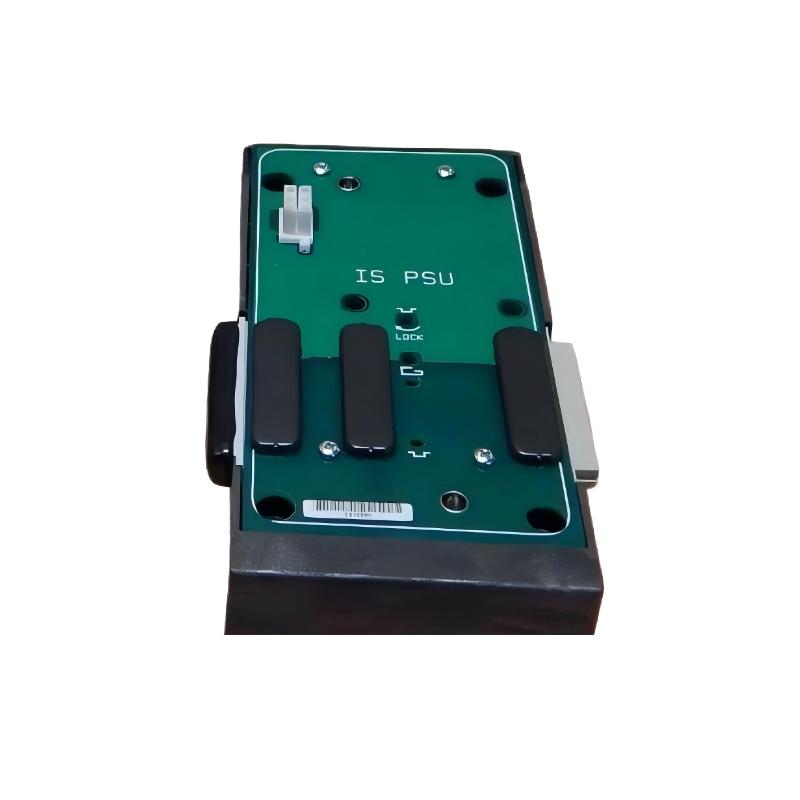
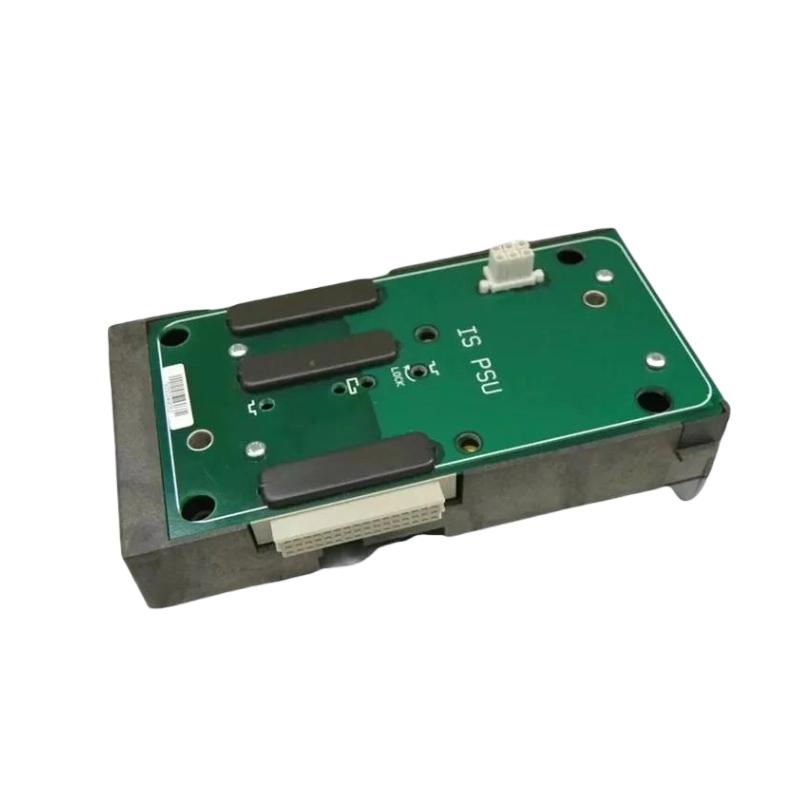
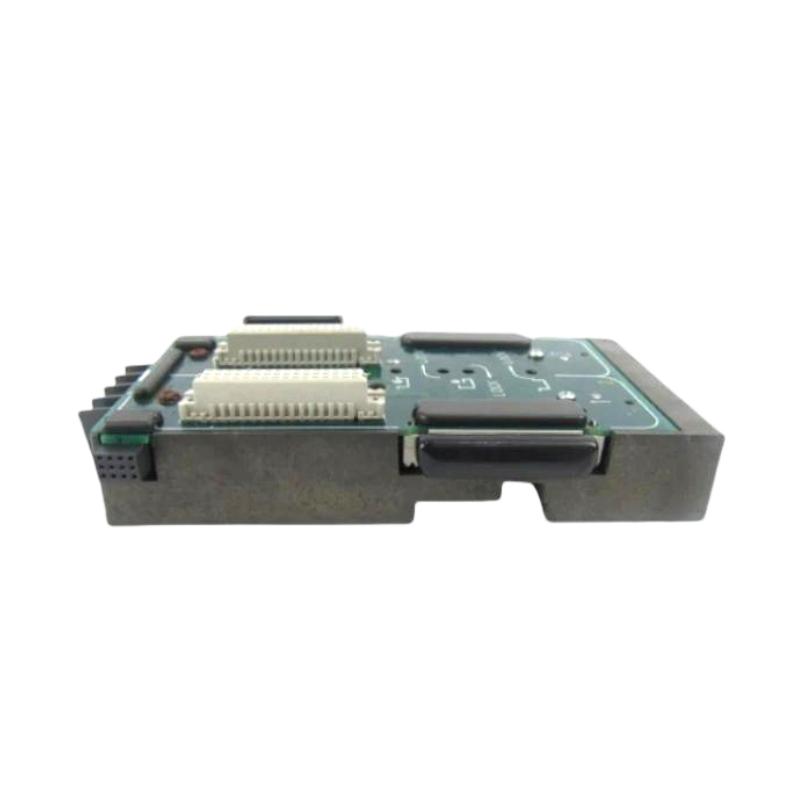
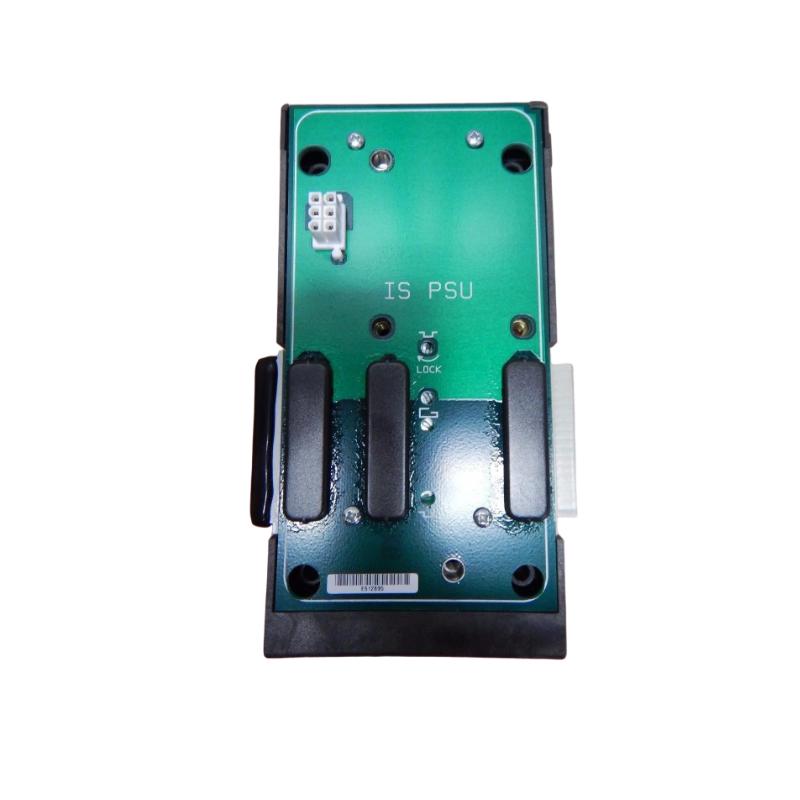
- Emerson
- VE5010
- I/O Module Supply and Carrier
- USA
- 165 × 84 × 31 mm
- 0.2 kg
- Xiamen, China
- New & In Stock
- T/T, PayPal, Western Union
- 1 Year
- 1-3 Working Days
- DHL, UPS, TNT, FedEx and EMS.
- 24-Hour Service
- COO
- 6
Our advantage

Global Logistics
We have a 10-year logistics and express cooperation agreement, so our products can be shipped to any place in the world.

Brand new and original
Our products are imported in bulk from the place of origin. Because of the cooperative relationship, our products are all original and 100% new.

24-hour service
We provide 7*24 hours service to our customers. We will be there whenever you need us.

Price advantage
All our products are priced very favorably because we have our own warehouse and supply.
| Company Information | |||
| [email protected] | |||
| Mobile | +8615980777398 | ||
| +8615980777398 | |||
| 15980777398 |
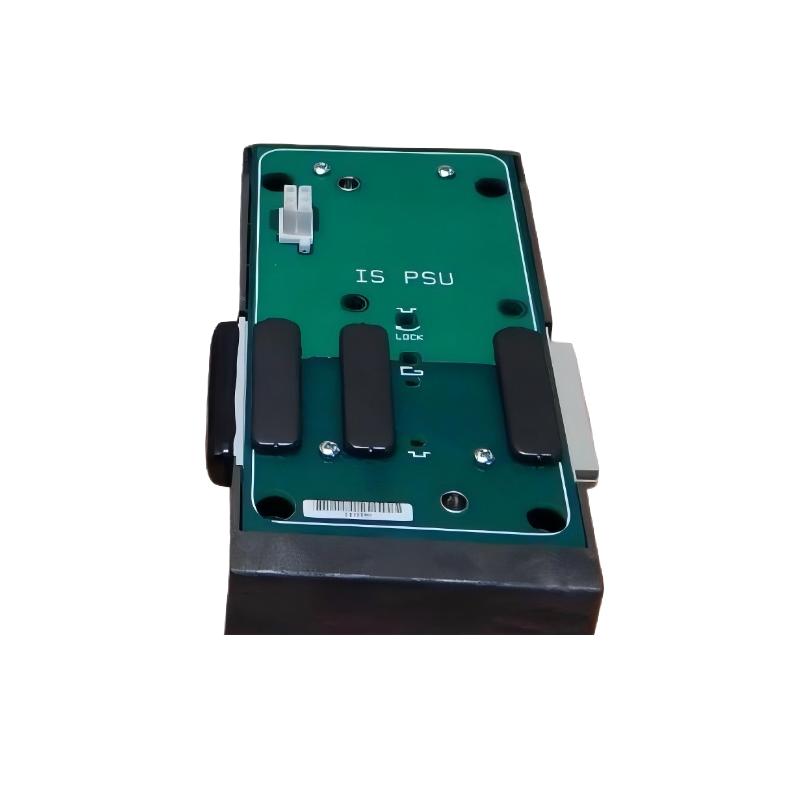
Product Overview
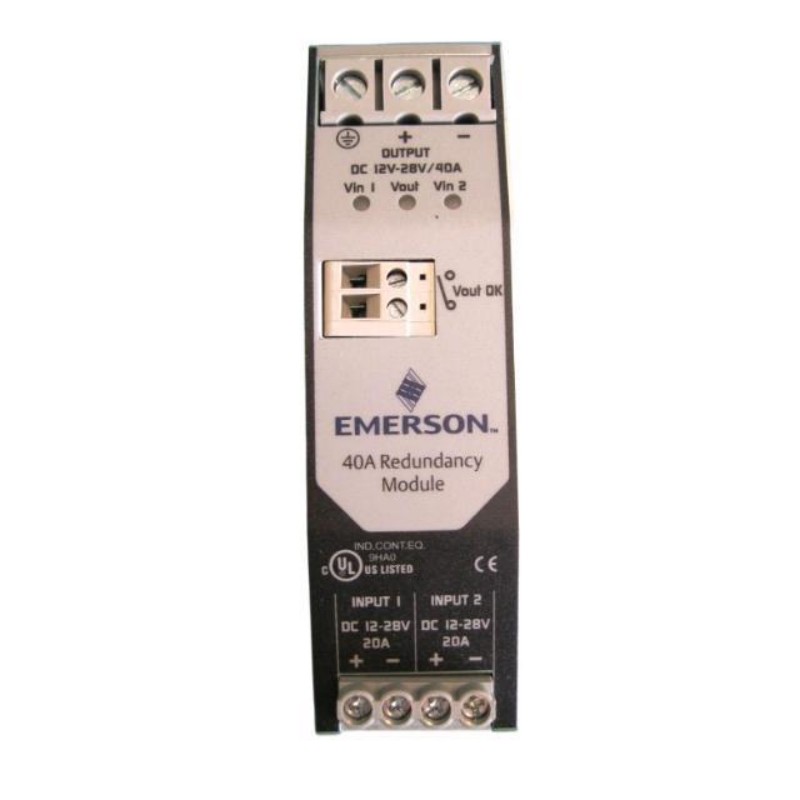
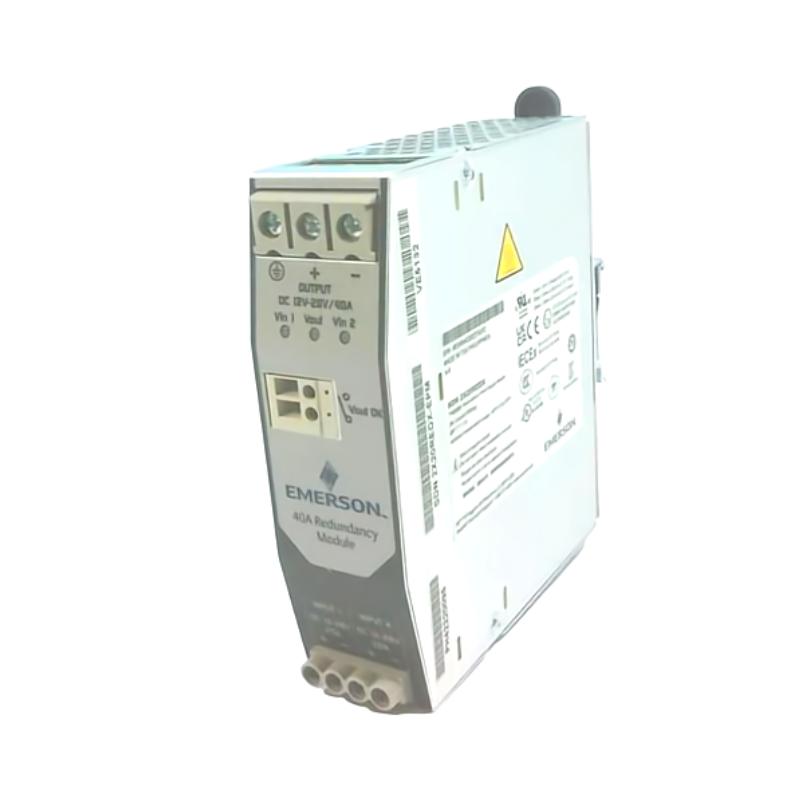
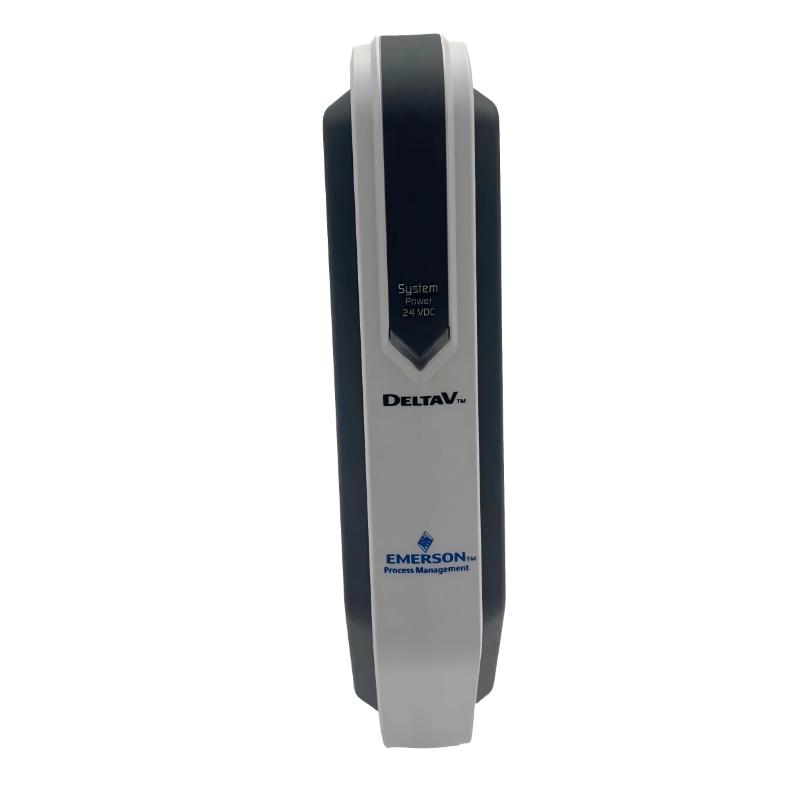
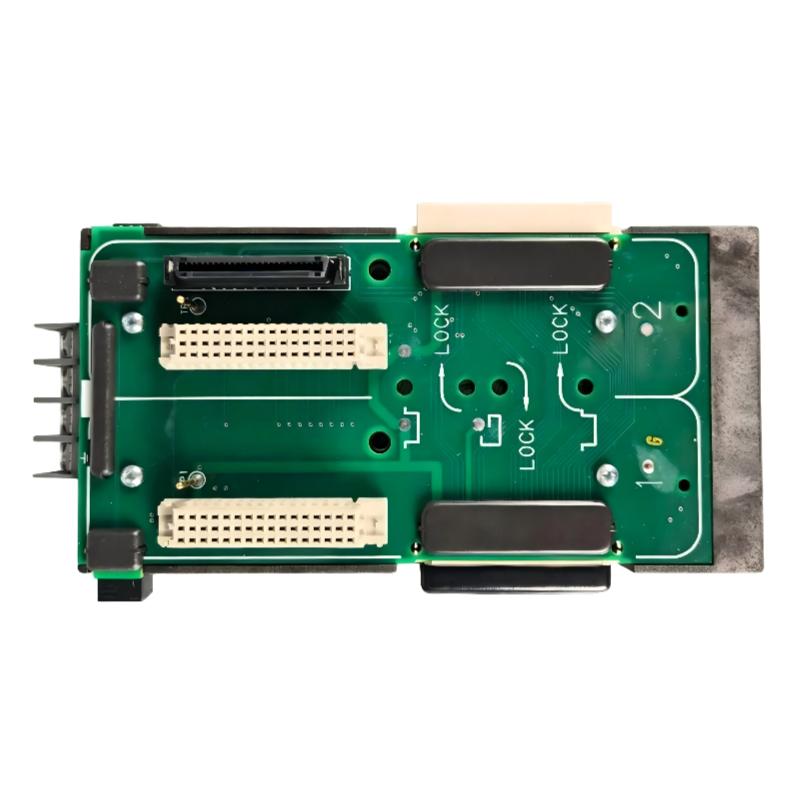
The Emerson VE5010 is a 24 VDC input I/O module supply and carrier used in the DeltaV M-series intrinsically safe I/O architecture. It provides the mounting and supply interface required for compatible M-series I/O hardware, helping establish the physical connection between the I/O subsystem and its associated power arrangement.
In a process-control cabinet, the VE5010 can form part of an I/O installation where field signals must be brought into the DeltaV control system through compatible I/O modules. The carrier provides the physical platform for the associated hardware, while the 24 VDC input supply arrangement supports the subsystem’s power requirements. Its role is therefore different from that of an individual analog or digital signal module: it supports the I/O hardware infrastructure rather than directly processing a field measurement.
The VE5010 is particularly relevant when assembling or maintaining an M-series intrinsically safe I/O rack. Correct carrier placement, power wiring, module compatibility, and the overall I/O layout all affect the installation. It belongs to the M-series hardware family, so the intended controller, carrier, and I/O architecture must be checked as a complete system.
Technical Specifications
| Parameter | Specification |
|---|---|
| Brand | Emerson |
| Model | VE5010 |
| Product Type | 24 VDC Input I/O Module Supply and Carrier |
| Product Series | DeltaV M-series |
| I/O Architecture | M-series Intrinsically Safe I/O |
| Input Supply | 24 VDC |
| Hardware Function | I/O module supply and carrier |
| Installation Role | Mounting and supply interface for compatible I/O hardware |
| System Compatibility | DeltaV M-series I/O architecture |
| I/O Signal Processing | Not an individual analog or digital signal-processing module |
| Dimensions | 165 × 84 × 31 mm |
| Weight | 0.2 kg |
Product Features
24 VDC input arrangement: The VE5010 uses a 24 VDC input supply arrangement for the associated I/O hardware. The power source and wiring must match the requirements of the intended M-series installation.
Combined supply and carrier function: Its role combines the supply interface and carrier hardware, helping organize the physical and power arrangement of the I/O subsystem.
M-series hardware integration: The VE5010 belongs to the DeltaV M-series intrinsically safe I/O family. It should be selected for a compatible M-series architecture rather than treated as a universal carrier for every DeltaV I/O generation.
Cabinet-level installation: The carrier supports the arrangement of I/O hardware within the control-system installation. Adequate access for wiring, module installation, and maintenance should be considered during cabinet layout.
Infrastructure rather than field-signal processing: Unlike an analog input, analog output, or discrete I/O card, the VE5010’s primary role is to support the I/O hardware and supply arrangement. It does not replace the individual modules required to interface with process instruments.
Working Principle
The VE5010 operates as part of the DeltaV M-series I/O hardware infrastructure. A compatible 24 VDC supply is connected to the designated input arrangement, and the carrier provides the physical interface for the associated I/O subsystem. The individual I/O modules installed in the system handle their respective field signals and communicate with the DeltaV control architecture through the appropriate hardware connections.
For example, a process plant may use intrinsically safe I/O modules to interface with instruments installed in designated hazardous-area applications. The VE5010 supports the supply and carrier arrangement within that I/O installation, while the selected input or output modules perform the actual signal interfacing. The correct module types, carrier layout, and system configuration depend on the plant’s instrumentation requirements.
During installation or troubleshooting, the VE5010 should be considered alongside the 24 VDC supply, compatible M-series I/O hardware, carrier arrangement, and system wiring. A problem affecting the supply or carrier interface can affect the operation of the associated I/O hardware even when the field instruments themselves are functioning correctly.
Role in a DeltaV M-Series I/O Architecture
The VE5010 provides a supporting hardware role in the M-series intrinsically safe I/O subsystem. It is part of the physical and power arrangement that allows compatible I/O hardware to be installed as part of the DeltaV control system.
| System Component | Function | Relationship to VE5010 |
|---|---|---|
| DeltaV Controller | Executes control strategies and coordinates system operation | Processes control logic associated with the I/O subsystem |
| 24 VDC Power Source | Supplies input power | Feeds the VE5010’s designated supply input |
| VE5010 Supply and Carrier | Supports I/O hardware mounting and supply arrangement | Provides the carrier and supply interface within the M-series installation |
| Intrinsically Safe I/O Modules | Interface with compatible field instruments and signals | Occupy the appropriate positions within the I/O architecture |
| Field Instruments | Measure process variables or receive control commands | Connect through the relevant I/O modules |
| I/O Wiring | Carries field and system signals | Must be routed and terminated according to the system design |
| Cabinet Grounding Arrangement | Establishes the required grounding and bonding | Supports the electrical installation in accordance with applicable system requirements |
| Engineering Workstation | Configures and diagnoses the control system | Supports configuration and troubleshooting of the wider DeltaV system |
Industrial Applications
| Application | System Requirement | Use of VE5010 |
|---|---|---|
| Process Instrumentation Cabinets | Organized installation of compatible I/O hardware | Supports the supply and carrier arrangement for M-series I/O |
| Chemical Processing Plants | Integration of field instrumentation into a distributed control system | Forms part of an M-series intrinsically safe I/O installation |
| Oil and Gas Facilities | Structured I/O hardware for process monitoring and control | Supports the physical I/O subsystem used with compatible field interfaces |
| Refinery Control Systems | Cabinet-based installation of process I/O | Provides the supply and carrier interface for the applicable M-series hardware |
| Industrial Utility Systems | Integration of process measurements and equipment status | Supports the I/O hardware infrastructure serving compatible instruments |
| Existing DeltaV M-Series Installations | Maintenance or replacement of I/O infrastructure | Can be considered when the installed system specifically requires the VE5010 configuration |
Installation and Maintenance
- Verify the complete model reference: Confirm that the required component is VE5010 and that the system documentation calls for the M-series 24 VDC input I/O module supply and carrier.
- Check system compatibility: Verify that the existing installation uses the compatible DeltaV M-series I/O architecture before fitting the component.
- Confirm the 24 VDC supply: Check the power source, polarity, wiring, and electrical requirements specified for the installation before applying power.
- Inspect the mounting location: Ensure that the carrier position allows the associated I/O hardware to be installed and accessed without interference from adjacent equipment.
- Follow the approved carrier arrangement: Install the VE5010 in the intended position within the M-series I/O layout and observe any required arrangement restrictions.
- Check terminal identification: Confirm the designated power and system connection points against the applicable wiring documentation before terminating conductors.
- Maintain wiring separation: Route power, field, and communication wiring according to the cabinet design and applicable electrical installation requirements.
- Verify grounding and bonding: Confirm that the cabinet and associated hardware use the required grounding arrangement for the installed DeltaV system.
- Inspect associated I/O modules: Verify that the installed modules are compatible with the carrier and intended intrinsically safe I/O architecture.
- Check power before commissioning: Confirm the expected supply conditions and inspect the wiring before energizing the I/O subsystem.
- Review system status after installation: Check the relevant DeltaV hardware and diagnostics to confirm that the associated I/O subsystem is recognized and operating as expected.
- Perform maintenance safely: Isolate power as required before removing or replacing hardware. Inspect connections, mounting, and signs of overheating or physical damage during scheduled maintenance.
Related Components
| Component | Function | Relationship to VE5010 |
|---|---|---|
| VE4012S2B1 | 8-channel analog input module with HART and I/O terminal block | Example of an M-series intrinsically safe I/O module used for analog input signals |
| VE4012S2B2 | 8-channel analog input module with HART and loop-disconnect terminal block | Alternative analog input configuration within the M-series intrinsically safe I/O family |
| VE4013S2B1 | 8-channel analog output module with HART and I/O terminal block | Provides analog output interfacing in the applicable M-series system |
| VE4013S2B2 | 8-channel analog output module with HART and loop-disconnect terminal block | Alternative analog output terminal-block configuration |
| VE4010B1 | 16-channel digital input module for switch or proximity detector signals | Handles compatible discrete input signals |
| VE4011B1 | 4-channel digital output solenoid-driver module with I/O terminal block | Interfaces compatible output loads within the intrinsically safe I/O architecture |
| VE4060C0 | 8-wide carrier without carrier extension cable | Related carrier hardware for the M-series intrinsically safe I/O family |
| VE4060C1 | 8-wide carrier with carrier extension cable | Carrier option for installations requiring the specified extension arrangement |
| VE4070 | LocalBus isolator and carrier | Related M-series hardware used for LocalBus isolation |
Recommended Related Models
| Model | Product Description | Application Context |
|---|---|---|
| VE5010 | 24 VDC Input I/O Module Supply and Carrier | Reference model for the specified M-series supply and carrier function |
| VE4070 | LocalBus Isolator and Carrier | Consider when the system layout requires the corresponding LocalBus isolation hardware |
| VE4060C0 | 8-wide Carrier without Carrier Extension Cable | Carrier option for compatible M-series intrinsically safe I/O arrangements |
| VE4060C1 | 8-wide Carrier with Carrier Extension Cable | Carrier option where the specified extension cable configuration is required |
These components serve different functions within the M-series hardware family. Selection should be based on the required carrier arrangement, supply configuration, I/O module type, and the existing system design.
Key Advantages
- Combined supply and carrier role: Supports the physical and power arrangement of compatible M-series I/O hardware.
- 24 VDC input: Fits installations built around the specified DC supply arrangement.
- M-series integration: Supports the intended DeltaV M-series intrinsically safe I/O architecture.
- Cabinet-level organization: Helps establish an orderly installation for associated I/O hardware.
- Straightforward identification: The VE5010 model reference distinguishes this supply-and-carrier component from individual signal-processing modules.
Technical FAQs
Does the VE5010 process analog or digital field signals?
No. Its specified role is the 24 VDC input I/O module supply and carrier. Individual analog or digital I/O modules perform the field-signal interfacing functions.
What supply input is associated with the VE5010?
The model is specified as a 24 VDC input I/O module supply and carrier. Confirm the exact wiring, polarity, and supply requirements for the installation before connecting power.
Can the VE5010 be used with any DeltaV I/O generation?
It belongs to the DeltaV M-series intrinsically safe I/O architecture. Compatibility should be checked against the installed controller, carrier, and I/O family rather than assumed across different DeltaV hardware generations.
What should be checked when replacing a VE5010?
Confirm the model reference, M-series system compatibility, 24 VDC supply arrangement, carrier position, terminal wiring, and the associated I/O hardware. After installation, check the relevant system diagnostics to verify that the subsystem is operating as expected.