

ProductPRODUCT
Featured products
Contact Us
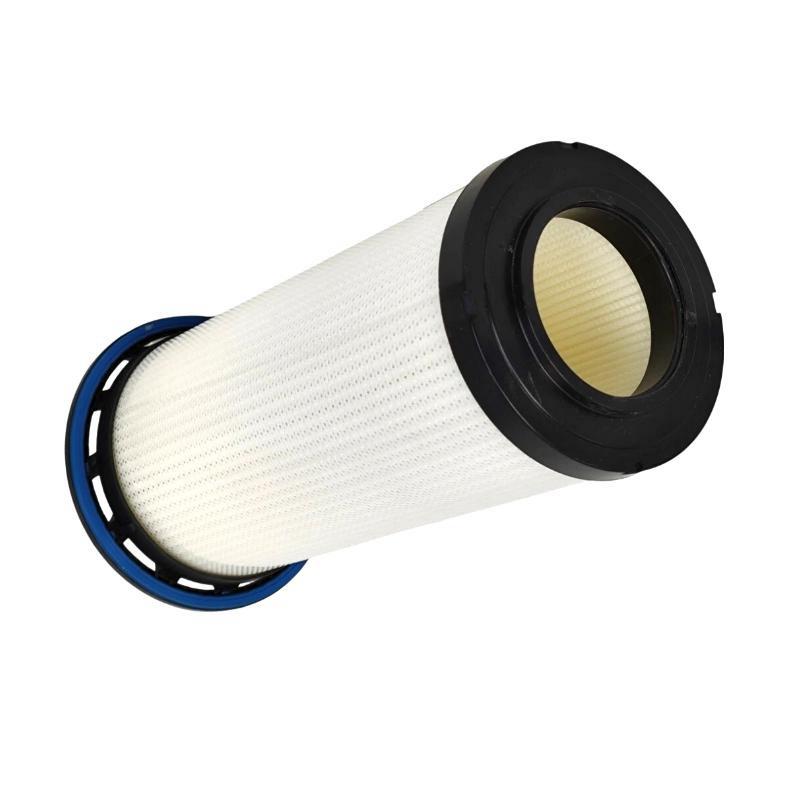
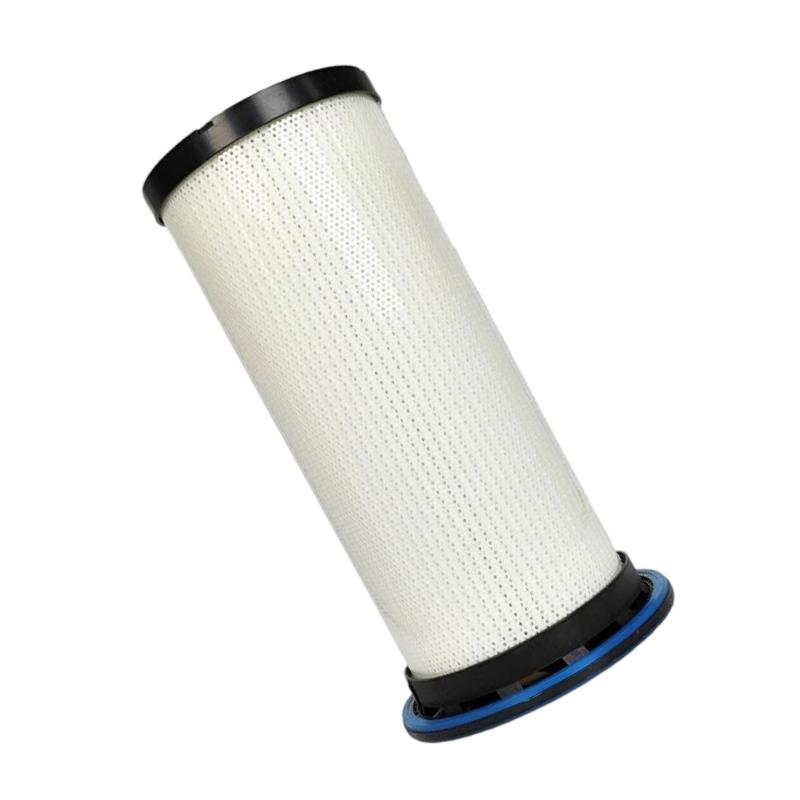
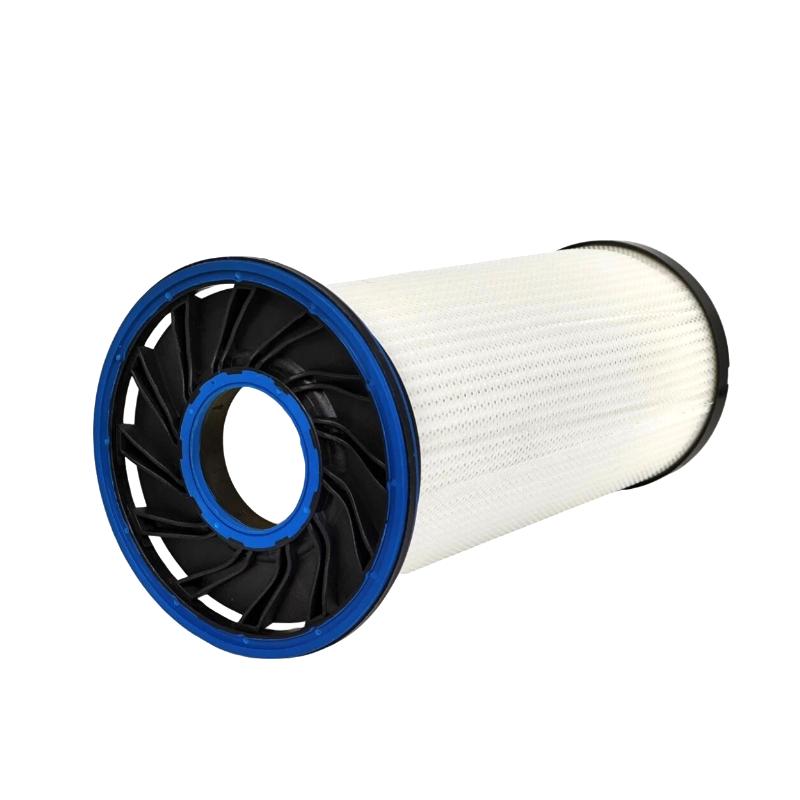
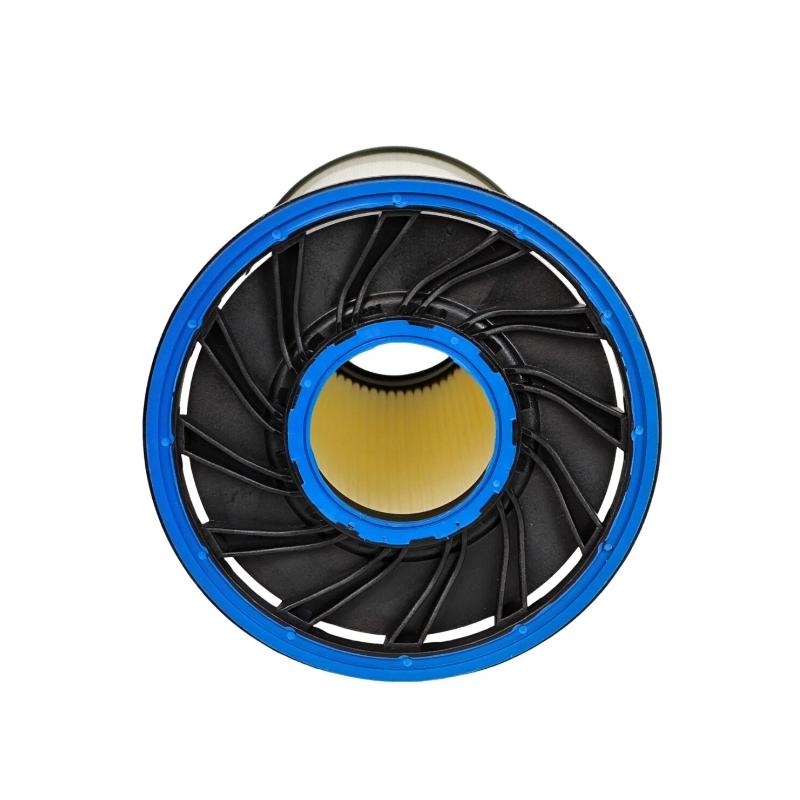
- Ingersoll Rand
- 47555208001 23424922
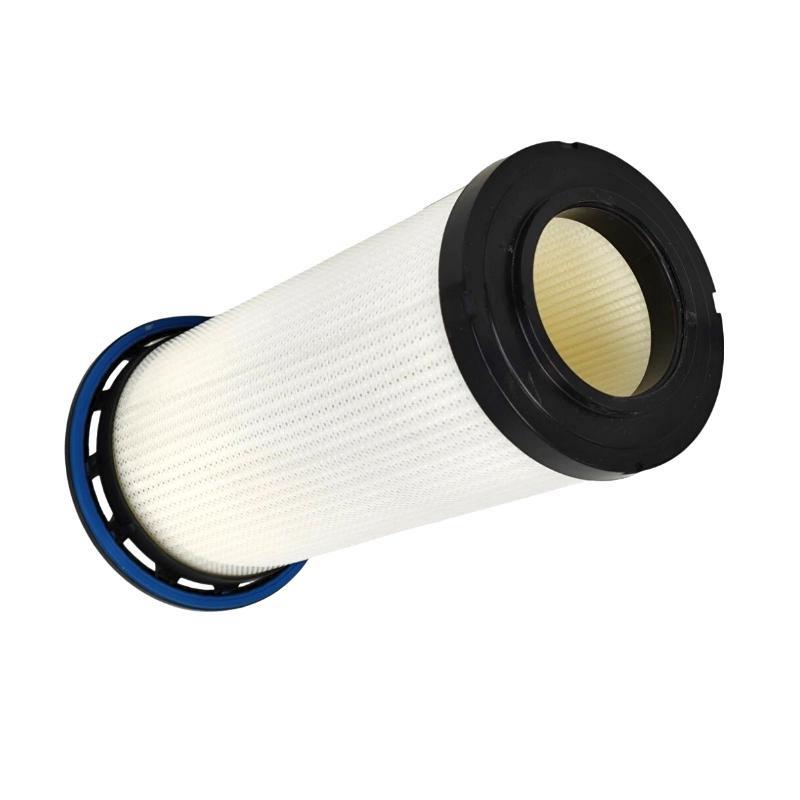
- Oil Filter Element
- USA
- 232.2 × 114.3 × 96.5 mm
- 2.3 kg
- Xiamen, China
- New & In Stock
- T/T, PayPal, Western Union
- 1 Year
- 1-3 Working Days
- DHL, UPS, TNT, FedEx and EMS.
- 24-Hour Service
- COO
- 5
Our advantage

Global Logistics
We have a 10-year logistics and express cooperation agreement, so our products can be shipped to any place in the world.

Brand new and original
Our products are imported in bulk from the place of origin. Because of the cooperative relationship, our products are all original and 100% new.

24-hour service
We provide 7*24 hours service to our customers. We will be there whenever you need us.

Price advantage
All our products are priced very favorably because we have our own warehouse and supply.
| Company Information | |||
| [email protected] | |||
| Mobile | +8615980777398 | ||
| +8615980777398 | |||
| 15980777398 |
Product Overview
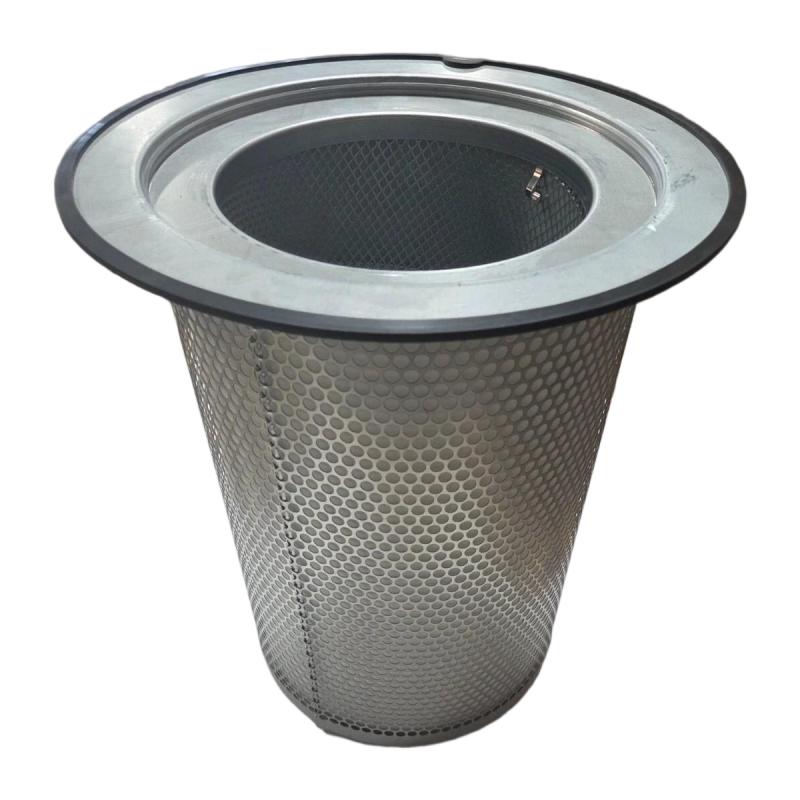
The Ingersoll Rand 47555208001 / 23424922 Oil Filter Element is an industrial filtration component intended for use in compatible compressed-air and compressor lubrication systems. Oil filtration is essential to maintaining the cleanliness of circulating lubricant, protecting internal mechanical components, and supporting stable compressor operation. By retaining contaminants carried by the oil, a suitable filter element helps reduce the risk of premature wear and supports the long-term reliability of industrial equipment.
In compressor systems, lubricating oil performs several important functions, depending on the compressor design. It may lubricate moving components, assist with heat transfer, reduce friction, and contribute to sealing within the compression mechanism. During operation, oil can accumulate particles generated by normal wear, contamination introduced during maintenance, and other debris. If these contaminants circulate through the system, they may accelerate component wear, obstruct oil passages, or compromise equipment performance.
An oil filter element provides a filtration barrier within the lubrication circuit. As oil passes through the filter media, particles are retained according to the element’s filtration characteristics. The filtered oil then continues through the intended circuit, helping maintain suitable lubrication conditions.
The Ingersoll Rand 47555208001 and 23424922 identifiers are provided for this product listing. Before ordering, confirm whether these numbers represent the same element, an alternative part number, or related identifiers for a particular compressor configuration. Compatibility should be established using the equipment model, installed filter markings, and applicable parts documentation.
With listed dimensions of 232.2 × 114.3 × 96.5 mm and a weight of 2.3 kg, this filter element can be identified for inventory planning, replacement preparation, and maintenance logistics.
Technical Specifications
| Parameter | Specification |
|---|---|
| Manufacturer | Ingersoll Rand |
| Part Number | 47555208001 |
| Related Part Number | 23424922 |
| Product Type | Oil Filter Element |
| Product Category | Industrial Compressor Filtration |
| Primary Function | Removal of contaminants from circulating oil |
| Filtration Medium | Confirm the exact media construction for the supplied part |
| Application | Compatible compressor lubrication systems |
| Dimensions | 232.2 × 114.3 × 96.5 mm |
| Weight | 2.3 kg |
| Installation | Installed in the designated filter housing |
| Replacement Requirements | Verify part number, housing fit, sealing arrangement, and equipment compatibility |
The specifications above reflect the supplied product identification and physical data. Filtration rating, flow capacity, operating-pressure limits, temperature range, bypass characteristics, and service interval should be verified for the exact element and compressor application.
What Is an Oil Filter Element?
An oil filter element is a replaceable filtration component installed within a lubrication system. Its purpose is to capture unwanted particles before they can continue circulating with the oil.
Industrial compressors depend on clean lubricant to support reliable mechanical operation. Even when the oil itself remains suitable for service, suspended contaminants can gradually accumulate. These particles may originate from component wear, environmental exposure, maintenance activities, degraded lubricant, or contamination introduced during oil replenishment.
The filter element helps control this contamination by directing oil through a specialized filtration medium. The medium retains particles while allowing oil to pass through within the intended operating range.
A typical filtration arrangement can be represented as:
Oil Reservoir or Lubrication Circuit → Oil Filter Housing → Filter Element → Filtered Oil Supply → Lubricated Components
The actual oil-flow direction and arrangement depend on the compressor’s design. The filter should always be installed in the specified housing and orientation, following the applicable maintenance instructions.
Function and Working Principle
1. Oil Enters the Filter Assembly
During normal operation, the compressor’s lubrication system circulates oil through its designated passages and filtration assembly. The pump or pressure generated by the system moves the oil through the filter according to the equipment’s design.
The filter element must provide the required flow characteristics without creating excessive restriction. An unsuitable element may not provide the intended filtration performance or may interfere with the lubrication circuit.
2. Contaminants Are Retained
As oil passes through the filter medium, suspended particles are captured by the filtration structure. The effectiveness of this process depends on the element’s construction, filtration rating, oil properties, flow rate, and operating conditions.
Potential contaminants include:
- Metallic wear particles
- Dust and environmental debris
- Residues introduced during servicing
- Contamination associated with lubricant degradation
- Other solid particles carried by the oil
The precise particle-retention capability of the 47555208001 / 23424922 element must be confirmed from its technical specification rather than assumed from its dimensions or product name.
3. Filtered Oil Continues Through the Circuit
After passing through the filtration medium, oil returns to the designated lubrication path. The system can then use the filtered lubricant for its intended functions, which may include lubrication, cooling, or sealing, depending on the compressor design.
Correct filtration supports the condition of the lubrication system, but it does not replace the need for suitable oil, proper operating temperatures, and regular maintenance.
4. Contaminants Accumulate During Service
As the element captures particles, retained contamination gradually increases. This can affect the pressure drop across the filter and may eventually reduce its ability to maintain the required flow conditions.
The rate of loading depends on equipment condition, oil cleanliness, operating hours, ambient contamination, and maintenance practices. Filter replacement should follow the manufacturer’s maintenance requirements and any applicable differential-pressure or service indicators.
Role in Industrial Compressor Systems
Oil filtration is an important part of preventive maintenance for industrial compressors. The filter element helps maintain lubricant cleanliness and supports the reliable operation of equipment that depends on circulating oil.
Its principal functions include:
- Retaining suspended particles from circulating oil
- Supporting lubrication-system cleanliness
- Helping reduce contaminant-related mechanical wear
- Contributing to stable compressor operation
- Supporting routine preventive maintenance
- Helping protect compatible downstream lubrication passages
The filter is one part of a larger lubrication system. Overall performance also depends on oil quality, correct oil level, pump condition, seals, hoses, passages, temperature control, and the condition of other filtration components.
A new filter cannot correct problems caused by degraded lubricant, excessive internal wear, a malfunctioning oil pump, or contamination entering the system from another source. A comprehensive maintenance procedure should consider these factors together.
Industrial Applications
Rotary Screw Air Compressors
Many rotary screw compressors use circulating oil for functions such as lubrication, cooling, and sealing. A suitable oil filter helps remove suspended contaminants from the lubrication circuit.
When selecting the 47555208001 / 23424922 element for this type of equipment, confirm that the exact part number matches the compressor model and lubrication-system configuration.
Industrial Compressed-Air Systems
Manufacturing facilities often depend on compressed air for pneumatic tools, actuators, packaging equipment, and process operations. Compressor reliability is therefore important to production continuity.
Maintaining the lubrication system helps support the compressor itself, although an oil filter element should not be confused with a compressed-air particulate filter or an oil-removal filter installed downstream in the air-treatment system.
Manufacturing Plants
Industrial compressors may operate for extended periods in factories, workshops, and production facilities. Scheduled inspection and replacement of lubrication filters can help reduce avoidable maintenance interruptions.
Packaging and Material Handling
Compressed air is commonly used in packaging lines, pneumatic conveying arrangements, and material-handling equipment. Proper compressor maintenance helps maintain the availability of the compressed-air supply for these operations.
General Industrial Utilities
Oil-filter maintenance can also form part of routine service for compressor installations supplying plant utilities, maintenance equipment, and other industrial processes.
In every application, the specific compressor model and the filter’s approved use must be confirmed before installation.
Installation and Replacement Guide
Correct installation helps prevent oil leakage, poor sealing, contamination, and filtration problems. The replacement procedure must follow the instructions for the particular Ingersoll Rand compressor and filter housing.
Step 1: Confirm Part Identification
Before removing the installed element, record its complete part number and inspect the product label. Confirm whether 47555208001 and 23424922 are interchangeable for the intended equipment.
Do not assume that two part numbers are equivalent solely because they appear in the same product listing. Differences in filtration characteristics, seals, dimensions, or operating limits can affect compatibility.
Step 2: Shut Down and Isolate the Equipment
Stop the compressor and follow the manufacturer’s lockout and isolation procedures. Allow the equipment to reach the required safe condition before opening the lubrication system.
Hot oil and pressurized components can cause serious injury. Confirm that the relevant system has been depressurized and cooled as specified by the equipment manufacturer. Never loosen a filter housing while it remains under unsafe pressure.
Step 3: Remove the Used Element
Open the designated filter housing according to the service procedure. Remove the used element carefully and prevent accumulated debris from entering the oil circuit.
Inspect the removed element for abnormal contamination, deformation, damaged seals, or other signs that may indicate an underlying equipment issue.
Step 4: Inspect the Housing and Sealing Surfaces
Check the filter housing, sealing surfaces, and associated connections for damage, contamination, or signs of leakage.
Clean the housing using an approved method. Replace seals or other service parts when required by the manufacturer’s maintenance instructions. Do not use damaged sealing components or improvise a substitute seal.
Step 5: Install the Replacement Element
Verify the new element’s part number and physical condition before installation. Confirm that the dimensions, end connections, seals, and mounting arrangement match the specified configuration.
Install the element in the designated position and orientation. Follow any prescribed seal-lubrication, tightening, or installation-torque requirements. Do not apply an estimated torque or force the element into a housing that does not fit correctly.
Step 6: Restore the System to Service
Reassemble the housing and restore the system according to the approved startup procedure. Check oil level and other required service conditions before restarting the compressor.
Once operation resumes, inspect the filter housing and nearby connections for leakage. Monitor the equipment for abnormal alarms, pressure indications, temperature changes, or other unexpected behavior.
Step 7: Record the Maintenance
Document the replacement date, operating hours, installed part number, and any unusual contamination observed in the used element. These records can help establish maintenance trends and support future troubleshooting.
Troubleshooting Oil Filter Problems
A filter-related symptom should be investigated as part of the complete lubrication system. Replacing the element may resolve a restriction caused by contamination, but other mechanical or lubricant-related issues may require separate attention.
High Filter Differential Pressure
A high pressure difference across a filter may indicate that contaminants have accumulated in the element. Other causes may include unsuitable oil viscosity, abnormal operating conditions, incorrect filter selection, or a problem with the pressure-indication system.
Recommended checks include:
- Review the compressor’s filter-service indicators.
- Confirm that the installed element is the correct part.
- Check the maintenance history and operating hours.
- Verify oil grade and operating temperature.
- Inspect the pressure-indication arrangement where applicable.
- Replace the element according to the manufacturer’s instructions if service limits have been reached.
Do not continue operating equipment outside its permitted lubrication or pressure limits.
Low Oil Flow or Lubrication Warning
A lubrication warning may be associated with a restricted filter, low oil level, a malfunctioning pump, leakage, blocked passages, or another system fault.
Check the oil level and system status according to the equipment’s service procedure. Inspect the filter only after safe isolation and depressurization. If the warning remains after correct filter replacement, investigate the other lubrication-system components rather than repeatedly replacing the element.
Oil Leakage Around the Filter Housing
Leakage may result from a damaged seal, contaminated sealing surface, incorrect element installation, a loose or improperly assembled housing, or an incompatible replacement part.
Shut down the equipment when required by the applicable safety procedure. Inspect the sealing components and housing, then reinstall the correct element according to the specified procedure.
Never attempt to correct a pressurized oil leak by tightening or opening the housing while the system is running.
Persistent Oil Contamination
If oil contamination returns quickly after replacing the filter, the source may be elsewhere in the compressor or maintenance process.
Possible areas to investigate include:
- Excessive internal component wear
- Contaminated replacement oil
- Inadequate cleaning during servicing
- Degraded lubricant
- Contamination entering through an unsuitable maintenance procedure
- Problems in related lubrication components
Inspect the used element and oil condition when appropriate. Recurring contamination should be investigated before the equipment continues operating under potentially damaging conditions.
Filter Element Deformation or Damage
A deformed element may indicate unsuitable operating conditions, incorrect installation, an incompatible replacement, or a problem within the filtration circuit.
Stop and investigate according to the manufacturer’s maintenance procedure. Confirm the exact element specification and check for abnormal restriction or other system conditions before returning the compressor to service.
Maintenance Recommendations
Follow the Approved Service Interval
Replace the oil filter element according to the maintenance schedule for the specific compressor. Actual service requirements may vary with operating hours, duty cycle, environmental conditions, oil type, and contamination levels.
The service interval should not be determined from the filter’s physical dimensions or weight.
Use the Correct Replacement Part
Confirm the full part number and approved application before purchasing or installing an element. If both 47555208001 and 23424922 are shown in the procurement record, establish their relationship before treating them as equivalent.
Monitor Lubrication-System Conditions
Where the equipment provides relevant indicators, monitor oil pressure, filter differential pressure, oil temperature, and service alarms. Investigate unusual trends promptly.
Maintain Oil Cleanliness
Use the specified lubricant and keep containers, filling equipment, and service tools clean. Prevent dirt and debris from entering the lubrication circuit during maintenance.
Inspect Related Components
During scheduled service, inspect accessible hoses, connections, seals, and filter-housing surfaces for signs of leakage, wear, or damage. A filter element is only one part of the complete lubrication system.
Keep Maintenance Records
Record replacement dates, operating hours, filter identification, and observed conditions. Consistent records can help identify recurring contamination, unexpected filter loading, and maintenance issues.
Compatible System Components
The Ingersoll Rand oil filter element operates as part of a compressor lubrication system. Depending on the equipment design, the surrounding system may contain the following components.
| Component | Typical Function |
|---|---|
| Oil Filter Housing | Holds the specified filter element |
| Compressor Lubricating Oil | Provides the required lubrication and other designed functions |
| Oil Pump or Circulation Mechanism | Moves oil through the lubrication circuit |
| Oil Cooler | Controls oil temperature where fitted |
| Oil Separator Assembly | Separates oil from compressed air in applicable compressor designs |
| Seals and Gaskets | Help prevent leakage at designated joints |
| Pressure or Differential-Pressure Indicator | Monitors relevant operating conditions where provided |
| Compressor Controller | Monitors equipment status and manages operating functions |
| Service Kit Components | Support scheduled maintenance where specified |
These are typical component categories, not confirmation that every item is present in every compressor. The actual configuration depends on the equipment model and lubrication-system design.
Replacement and Procurement Considerations
When purchasing the Ingersoll Rand 47555208001 / 23424922 Oil Filter Element, correct identification is essential for filtration performance and safe operation.
Before ordering, verify:
- The compressor model and serial information
- The complete installed filter part number
- Whether 47555208001 and 23424922 are approved equivalents
- Overall dimensions and housing fit
- Seal and connection configuration
- Required filtration performance
- Permitted operating temperature and pressure
- Applicable maintenance instructions
The supplied dimensions are 232.2 × 114.3 × 96.5 mm, and the supplied weight is 2.3 kg. These measurements can assist with warehouse organization, shipping preparation, and preliminary product identification.
However, dimensions and weight alone do not establish compatibility. A filter element that physically fits may still have unsuitable filtration characteristics or operating limits. The approved part specification should take priority over appearance or approximate measurements.
For industrial buyers, it is also useful to record the product’s packaging condition, quantity, part-number markings, and traceability information when receiving replacement elements. Clear identification reduces the risk of installing an incorrect part during scheduled maintenance.
Key Advantages of Proper Oil Filter Maintenance
Helps Control Oil Contamination
A suitable filter element retains contaminants carried by circulating oil, supporting lubrication-system cleanliness within the intended operating conditions.
Supports Mechanical Component Protection
Controlling particulate contamination helps reduce one potential source of wear in equipment that depends on clean lubricating oil.
Contributes to Reliable Compressor Operation
Maintaining the filtration system according to the approved service schedule helps support consistent lubrication and reduce avoidable filter-related interruptions.
Supports Preventive Maintenance Planning
Tracking filter replacement dates, operating hours, and observed contamination helps maintenance teams plan servicing and investigate recurring issues.
Simplifies Replacement Identification
Accurate part-number records and physical specifications make it easier to identify the correct element for future procurement and maintenance activities.
Technical FAQs
What is the Ingersoll Rand 47555208001 oil filter element?
It is an oil filter element identified for industrial filtration applications. Its intended function is to retain contaminants from circulating oil in compatible equipment. The precise approved compressor models should be confirmed before installation.
What is the relationship between part numbers 47555208001 and 23424922?
Both identifiers were supplied for this product listing. Their exact relationship should be confirmed against the installed element and the applicable parts information before they are treated as interchangeable.
What are the dimensions of this filter element?
The supplied dimensions are 232.2 × 114.3 × 96.5 mm.
How much does the filter element weigh?
The supplied weight is 2.3 kg.
Why is oil filtration important in an industrial compressor?
Oil filtration helps remove suspended particles from the lubrication circuit. Contamination control supports lubricant cleanliness and helps reduce the risk of particle-related wear.
When should the oil filter element be replaced?
Replacement should follow the maintenance schedule for the specific compressor and any applicable service indicators. Operating conditions, oil quality, and contamination levels may affect service requirements.
Can a filter with similar dimensions be used as a replacement?
Not necessarily. The replacement must match the approved part specification, filtration characteristics, sealing arrangement, and operating limits. Physical dimensions alone are insufficient to confirm compatibility.
What can cause a filter-related pressure warning?
Potential causes include a loaded filter, unsuitable oil viscosity, abnormal operating conditions, incorrect part selection, or a faulty indicator. Follow the compressor’s diagnostic and maintenance procedure to determine the actual cause.
Does replacing the oil filter correct every lubrication problem?
No. Problems caused by low oil level, degraded lubricant, pump failure, internal wear, leakage, or blocked passages require separate diagnosis. The filter should be assessed as part of the complete lubrication system.
Conclusion
The Ingersoll Rand 47555208001 / 23424922 Oil Filter Element is intended to support oil filtration in compatible industrial compressor lubrication systems. By retaining contaminants carried by circulating oil, a correctly specified element helps maintain lubricant cleanliness and supports the reliable operation of equipment that depends on effective lubrication.
With supplied dimensions of 232.2 × 114.3 × 96.5 mm and a weight of 2.3 kg, the element can be identified for inventory, maintenance, and procurement planning. Reliable service depends on using the correct part, following the approved replacement procedure, maintaining oil cleanliness, and monitoring the condition of the wider lubrication system.
Before ordering or installing the element, verify the relationship between part numbers 47555208001 and 23424922 and confirm compatibility with the intended compressor. Correct identification and systematic maintenance help reduce avoidable filtration problems and support long-term equipment reliability.