

ProductPRODUCT
Featured products
Contact Us
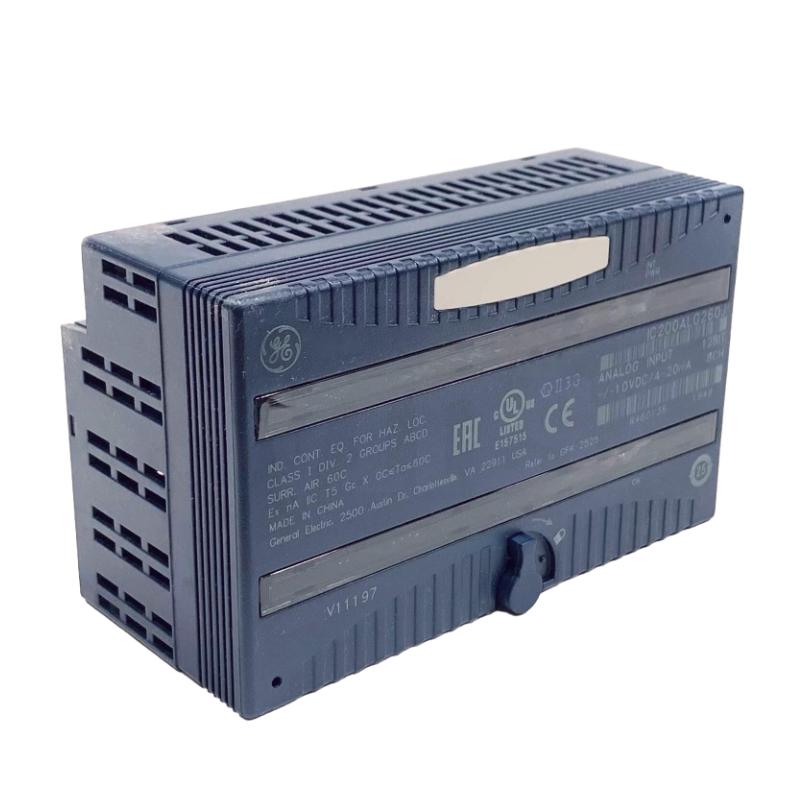
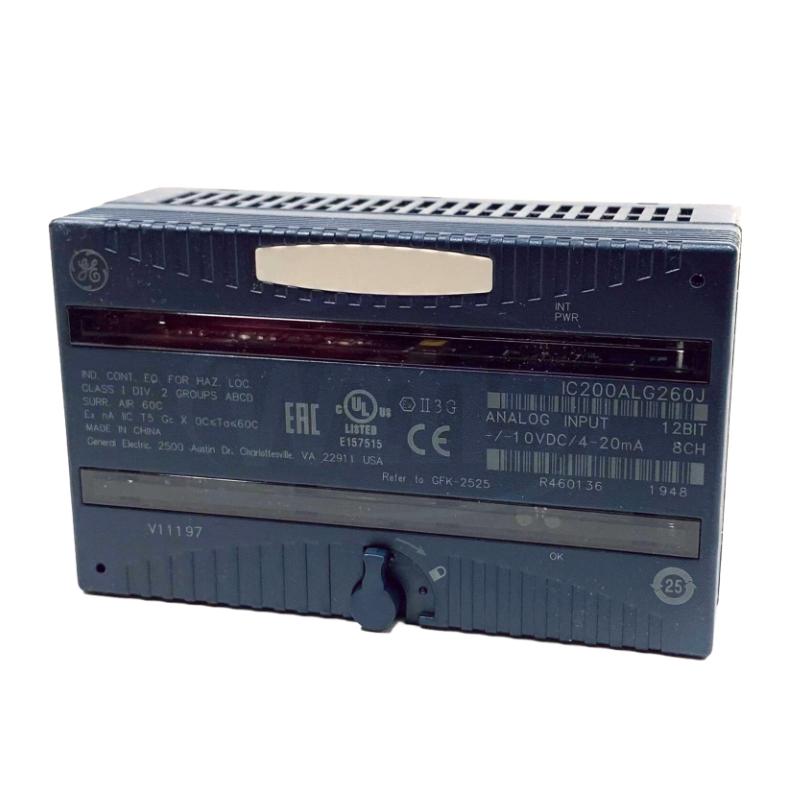
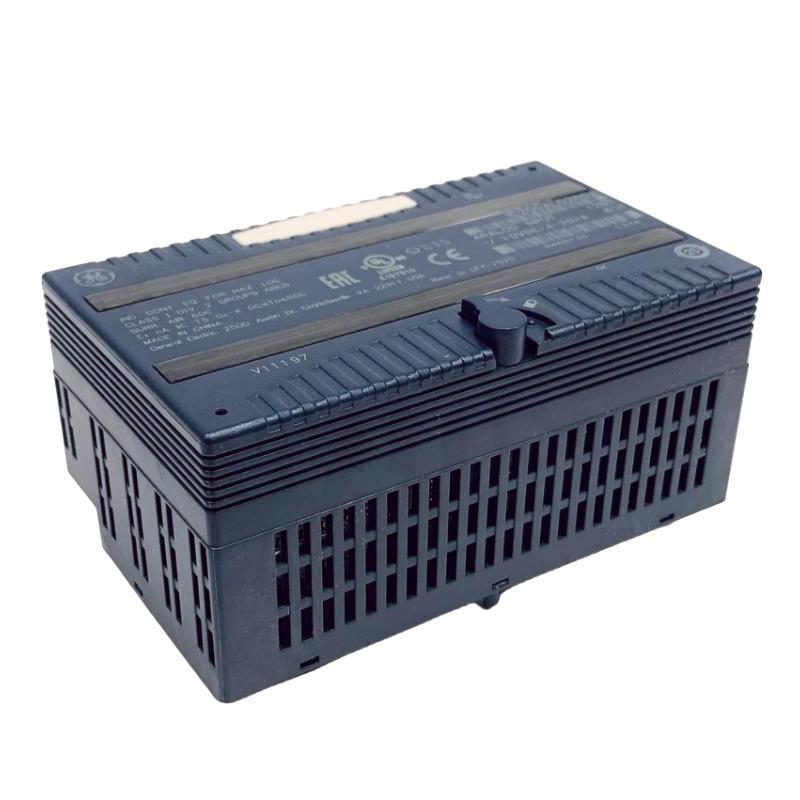
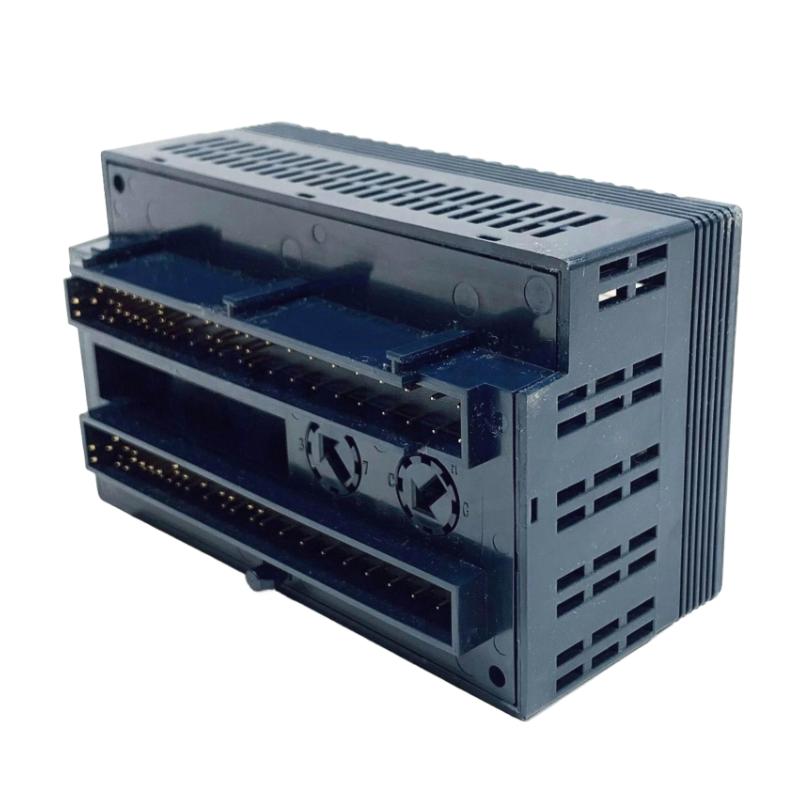
- GE
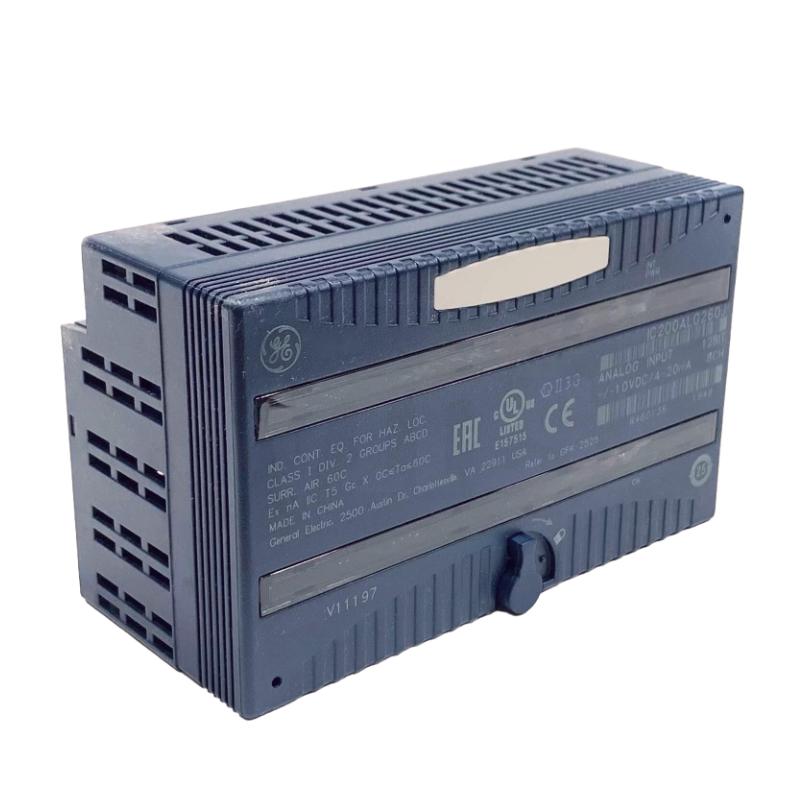
- IC200ALG260J
- Analog Input Module
- USA
- 110 x 66.8 x 50 mm
- 0.25 kg
- Xiamen, China
- New & In Stock
- T/T, PayPal, Western Union
- 1 Year
- 1-3 Working Days
- DHL, UPS, TNT, FedEx and EMS.
- 24-Hour Service
- COO
- 5
Our advantage

Global Logistics
We have a 10-year logistics and express cooperation agreement, so our products can be shipped to any place in the world.

Brand new and original
Our products are imported in bulk from the place of origin. Because of the cooperative relationship, our products are all original and 100% new.

24-hour service
We provide 7*24 hours service to our customers. We will be there whenever you need us.

Price advantage
All our products are priced very favorably because we have our own warehouse and supply.
| Company Information | |||
| [email protected] | |||
| Mobile | +8615980777398 | ||
| +8615980777398 | |||
| 15980777398 |
Product Overview
The GE IC200ALG260J Analog Input Module is an industrial automation component designed for analog signal acquisition within compatible control systems. Analog input modules enable controllers to receive information from field instruments that measure continuously changing process variables, such as temperature, pressure, flow, level, and other operating conditions. By incorporating these signals into a control system, industrial facilities can monitor process performance, evaluate operating conditions, and implement automated control strategies.
Unlike discrete input modules, which primarily detect ON/OFF states, analog input modules handle signals that represent a range of measured values. These signals allow a controller to distinguish between different process conditions rather than simply identifying whether an input is active or inactive. The actual input signal types, supported ranges, channel configuration, and resolution depend on the specific module design and must be confirmed for the installed hardware.
The IC200ALG260J is identified as an analog input module within GE’s VersaMax-related industrial automation product family. Its role is to provide an interface between compatible field instrumentation and the controller’s data-processing environment. Correct integration depends on the electrical characteristics of the connected instruments, the control system configuration, the installation arrangement, and the module’s documented operating requirements.
With supplied dimensions of 110 × 66.8 × 50 mm and a weight of 0.25 kg, the module is suited to applications where compact control hardware is required. These physical specifications are useful for preliminary cabinet planning, spare-parts management, and replacement preparation.
Technical Specifications
| Parameter | Specification |
|---|---|
| Manufacturer | General Electric (GE) |
| Model Number | IC200ALG260J |
| Product Type | Analog Input Module |
| Product Family | GE VersaMax Automation Hardware |
| Primary Function | Analog signal acquisition |
| Signal Category | Analog input |
| Application | Industrial process monitoring and automation |
| Interface Role | Field instrumentation-to-controller interface |
| Dimensions | 110 × 66.8 × 50 mm |
| Weight | 0.25 kg |
| Number of Input Channels | Verify against the applicable hardware documentation |
| Supported Input Signal Types | Verify against the applicable hardware documentation |
| Input Signal Range | Verify against the applicable hardware documentation |
| Resolution and Accuracy | Verify against the applicable hardware documentation |
| Electrical Isolation | Verify against the applicable hardware documentation |
| Controller Compatibility | Confirm the supported host hardware and configuration |
| Installation | Compatible system rack or mounting arrangement, as specified for the hardware |
| Operating Temperature | Verify against the applicable hardware documentation |
The table separates the supplied product identification and physical details from specifications that require confirmation. Signal ranges, channel count, resolution, accuracy, and isolation should not be assumed solely from the model number.
What Is the GE IC200ALG260J?
The GE IC200ALG260J Analog Input Module is intended to support the acquisition of analog information from compatible field devices in an industrial control environment. It serves as an interface between instrumentation and the controller, allowing measurements to become available for monitoring, alarms, data logging, and process-control calculations.
Industrial instruments often represent measured variables through electrical signals. A pressure transmitter, for example, may produce a signal corresponding to the pressure in a pipe, while a temperature transmitter may provide a signal representing the temperature of a vessel or production line. The analog input module receives the supported signal and makes the measurement information available to the control system in a form that can be processed.
A simplified signal path is:
Physical Process → Field Instrument → Analog Input Module → Controller → Monitoring or Control Action
The accuracy and reliability of the overall measurement depend on more than the module itself. Instrument calibration, wiring quality, grounding, electrical interference, input configuration, and the condition of the field device can all affect the final value used by the control system.
Function and Working Principle
1. Receiving Analog Signals
Field instruments monitor physical or process variables and generate electrical signals corresponding to their measurements. The IC200ALG260J provides the analog input interface for compatible signals within the configured automation system.
Before connecting an instrument, engineers should verify the module’s supported signal type, input range, wiring arrangement, and electrical requirements.
2. Signal Conditioning
Analog measurements may be affected by electrical noise, cable resistance, grounding conditions, and interference from nearby equipment. Depending on the module’s design, the input circuitry may provide functions needed to prepare the incoming signal for measurement.
Correct wiring and installation remain important even when the hardware incorporates signal-conditioning features. The specific conditioning and protection functions of the IC200ALG260J should be confirmed from its technical documentation.
3. Analog-to-Digital Conversion
An analog input system typically converts an incoming electrical signal into a digital representation that a controller can process. This conversion allows software to evaluate the measured value, compare it with configured thresholds, and use it in control calculations.
The conversion resolution and accuracy are hardware-specific. They should be considered when selecting an input module for applications requiring precise measurements or narrow control tolerances.
4. Measurement Scaling
The electrical input signal may need to be scaled into engineering units. For example, a transmitter signal may correspond to a pressure range, temperature range, or flow range defined by the application.
The controller or engineering configuration applies the appropriate relationship between the input value and the engineering measurement. Incorrect scaling can produce readings that appear plausible but do not represent the actual process condition.
5. Data Transfer to the Controller
After acquisition and conversion, the measurement data is made available through the supported control-system architecture. The controller can then use the data for display, alarm generation, trend analysis, sequence control, or continuous process regulation, depending on the application.
The exact data exchange method and configuration requirements depend on the host hardware.
Role in Industrial Control Systems
The IC200ALG260J can serve as part of an automation system that collects process measurements and uses them to support operating decisions. Analog input modules are particularly useful where continuous measurements provide more information than simple discrete states.
Within a typical control architecture, different components perform complementary functions:
- Field instruments measure physical or process variables.
- Analog input modules receive supported measurement signals.
- Controllers execute application logic and process the acquired values.
- Operator interfaces present measurements, alarms, and equipment status.
- Engineering software supports configuration, diagnostics, and maintenance where applicable.
- Actuators and output interfaces implement control actions determined by the controller.
For example, a controller may compare a measured process value with a configured target and adjust a compatible control output when the measurement deviates from the desired range. The analog input module supplies measurement data, while the controller and associated output hardware carry out the control strategy.
Industrial Applications
The following examples describe common applications for analog input technology. Suitability for a particular installation depends on the IC200ALG260J’s verified electrical specifications and the design of the host system.
Process Temperature Monitoring
Industrial production systems often require continuous temperature measurements to maintain product quality and protect equipment. Analog input hardware can provide the interface for compatible temperature transmitters or signal-conditioning devices.
Applications may include production vessels, thermal processing equipment, industrial ovens, and utility systems.
Pressure Monitoring
Pressure measurements help operators assess process conditions in pipelines, vessels, hydraulic equipment, and pneumatic systems. An analog input interface can make compatible transmitter signals available to the controller for monitoring and alarm logic.
The transmitter output and module input range must be matched before commissioning.
Flow Measurement
Flow transmitters are widely used in water treatment, chemical processing, utilities, and manufacturing. When the connected instrument provides a supported analog signal, the control system can use the measurement for process monitoring, totalization, or flow-related control strategies.
Liquid-Level Monitoring
Analog measurements can support level monitoring in tanks, reservoirs, and process vessels. The controller may use the measurement to generate alarms or coordinate filling and draining operations.
Water and Wastewater Treatment
Water treatment facilities use instrumentation to monitor variables associated with filtration, pumping, dosing, and other process stages. Analog input modules can help integrate compatible measurements into centralized monitoring and control systems.
Chemical and Process Manufacturing
Manufacturing processes frequently depend on continuous measurement of temperature, pressure, flow, and other variables. Analog input hardware helps provide the measurement data required for process supervision and automated regulation.
General Industrial Equipment
Analog input interfaces may also be used in production machinery, utility systems, environmental monitoring equipment, and industrial test installations where compatible instruments provide continuous electrical signals.
Installation and System Integration
Proper installation helps maintain measurement stability and prevents wiring or configuration errors from affecting process data.
Confirm the Complete Model Number
Before installing or replacing the module, verify the complete IC200ALG260J designation and any revision information marked on the hardware. Confirm that the replacement is suitable for the existing system configuration.
Modules with similar appearances or related product numbers may have different signal characteristics and should not be treated as interchangeable without verification.
Check Host-System Compatibility
Confirm that the module is supported by the intended controller, base, rack, or mounting arrangement. Review the system configuration and any requirements concerning firmware, hardware revisions, or engineering software.
The physical fit alone does not establish electrical or functional compatibility.
Verify Field Instrument Specifications
Before wiring a transmitter or sensor, confirm:
- Signal type and nominal range
- Output characteristics of the field instrument
- Input requirements of the module
- Wiring polarity and terminal assignments
- Power-supply requirements
- Shielding and grounding recommendations
- Required isolation or signal-conditioning equipment
A mismatch between the transmitter output and the module input can result in inaccurate measurements or an unusable signal.
Observe Electrical Safety Requirements
Follow approved isolation and lockout/tagout procedures before installing the module or modifying field wiring. Determine whether external instrument circuits remain energized and verify that all relevant sources of electrical energy have been addressed.
Route Analog Wiring Carefully
Analog signals can be affected by electromagnetic interference, especially when signal cables run near motor feeders, variable-frequency drives, contactors, or other switching equipment.
Where required by the installation design, use suitable shielded instrumentation cable, maintain separation from high-power wiring, and follow the manufacturer’s grounding recommendations. Avoid creating unintended grounding paths through cable shields.
Configure Input Parameters
After installation, configure the input channel or channels according to the supported hardware functions and the connected instruments. Apply the correct engineering range, signal type, scaling, and alarm thresholds within the control system.
Incorrect configuration may cause the controller to display a value that differs significantly from the actual process measurement.
Commission the Measurement Chain
After wiring and configuration, compare the displayed measurement with a suitable reference or known process condition. Verify that the reading changes in the expected direction when the process variable changes.
Check for out-of-range values, unstable readings, incorrect scaling, and diagnostic warnings before placing the system into normal operation.
Troubleshooting the GE IC200ALG260J
Analog measurement faults may originate in the sensor, transmitter, field wiring, power supply, module, configuration, or controller. A systematic approach helps identify the cause without unnecessary component replacement.
No Input Value or Invalid Reading
Possible causes include:
- Disconnected or damaged field wiring
- Missing transmitter power
- Incorrect terminal connections
- Unsupported input signal type
- Incorrect hardware configuration
- A fault in the field instrument or input hardware
Recommended checks: Confirm the instrument’s power and output, inspect the field wiring, verify terminal assignments, and review controller diagnostics. Check that the configured signal type matches the connected instrument.
Reading Remains at Zero or at a Fixed Value
A fixed reading may result from an instrument that is not responding, an open or shorted circuit, incorrect scaling, or a measurement value that is not updating correctly.
Recommended checks: Compare the instrument’s output with the expected value using an approved test procedure. Verify the controller’s input configuration and confirm whether the value changes when the process condition changes.
Unstable or Fluctuating Measurements
Unstable analog readings can be caused by electrical interference, loose connections, poor grounding, damaged cables, an unstable transmitter supply, or fluctuations in the process itself.
Recommended checks: Inspect the wiring and connectors, review cable routing, check the instrument supply, and compare the measurement with an independent reference. Determine whether the fluctuation follows real process changes or appears to be electrical noise.
Incorrect Engineering Values
If the displayed value is consistently higher or lower than the actual process condition, the problem may involve scaling, range configuration, transmitter calibration, or the selected input type.
Recommended checks: Verify the transmitter’s calibrated range and output relationship, review the controller’s scaling parameters, and compare the displayed value with a suitable reference measurement.
Intermittent Input Signal
An intermittent signal may be caused by loose terminals, damaged conductors, vibration, moisture, a deteriorating sensor, or unstable power.
Recommended checks: Review event logs and measurement trends where available. Inspect the field circuit under the appropriate safety procedures and check for changes associated with vibration, temperature, or equipment operation.
Module or Configuration Fault
A hardware diagnostic may indicate a configuration mismatch, installation issue, unsupported hardware combination, or module fault.
Recommended checks: Record the complete diagnostic message, confirm the installed model and revision, verify the system configuration, and follow the applicable troubleshooting procedure for the host platform.
Maintenance Recommendations
A structured maintenance program helps maintain dependable analog signal acquisition and reduce unexpected process interruptions.
Inspect Field Instruments
Check connected instruments for physical damage, contamination, corrosion, loose fittings, and signs of deterioration. Verify calibration according to the instrument’s role and the facility’s maintenance schedule.
Check Signal Wiring
Inspect cable insulation, terminal connections, shielding, and grounding arrangements. Pay particular attention to areas exposed to vibration, heat, moisture, or mechanical movement.
Review Measurement Trends
Trend data can reveal gradual sensor drift, intermittent faults, or changes in process behavior. Compare measurements with historical patterns and independent reference readings when an unexplained deviation occurs.
Maintain the Control Cabinet
Keep the installation environment within the hardware’s specified limits. Protect electronic assemblies from excessive dust, moisture, heat, vibration, and electrostatic discharge during handling and maintenance.
Verify Configuration Records
Maintain accurate records of input assignments, transmitter ranges, scaling factors, alarm thresholds, and hardware revisions. These records support efficient troubleshooting and help prevent configuration errors during replacement.
Plan Replacement Activities
Before replacing the module, document the installed model, wiring arrangement, controller configuration, and observed symptoms. After replacement, repeat the required commissioning checks to confirm that the measurement chain operates correctly.
Compatible System Components
The IC200ALG260J may be integrated into a wider automation system containing several categories of hardware and software. Exact model-level compatibility must be verified for the intended installation.
| Component Category | Function |
|---|---|
| Compatible GE Controller | Processes measurement data and executes control logic |
| Field Transmitters | Convert process variables into supported electrical signals |
| Analog Input Hardware | Receives and acquires analog measurements |
| Base or Mounting Assembly | Provides the required physical and electrical interface |
| Instrument Power Supply | Supplies power to compatible field instruments |
| Signal Conditioner | Adapts a signal when required by the application |
| Operator Interface | Displays process values, trends, and alarms |
| Engineering Software | Supports system configuration and diagnostics |
| Industrial Network | Transfers data between supported automation devices |
| Field Wiring and Terminals | Connects instruments to the control system |
This list describes functional categories rather than confirming specific compatible part numbers. Verify the supported hardware combination, electrical interfaces, and configuration requirements before selecting associated components.
Replacement and Procurement Considerations
When sourcing a replacement GE IC200ALG260J Analog Input Module, verify the full model number and intended application before ordering.
Important considerations include:
- Complete part number and hardware revision
- Supported input signal type and range
- Number of input channels
- Resolution and accuracy requirements
- Electrical isolation and wiring characteristics
- Host-system and mounting compatibility
- Configuration and commissioning requirements
- Environmental operating limits
- Physical dimensions and weight
- Condition and testing status of the supplied unit
The supplied dimensions are 110 × 66.8 × 50 mm, and the listed weight is 0.25 kg. These values can support inventory planning, shipping preparation, and preliminary installation assessment.
A replacement should be selected according to the electrical and functional requirements of the installed system, not merely its product family or physical appearance. Where a different revision or alternative model is being considered, confirm its suitability for the specific controller and field instrumentation.
Key Advantages
Analog Signal Acquisition
The module is designed for analog input applications, allowing compatible field measurements to be incorporated into an industrial control system.
Support for Process Monitoring
Analog measurements provide continuous information that can support process supervision, alarms, trend analysis, and control calculations.
Integration with Automation Architecture
When correctly matched to the host system, the module contributes to the connection between field instrumentation and controller-based automation.
Compact Physical Format
With supplied dimensions of 110 × 66.8 × 50 mm and a weight of 0.25 kg, the module offers a defined physical footprint for planning installation and replacement activities.
Maintainable Measurement System
Clear wiring records, correct scaling, regular instrument checks, and systematic diagnostics can help maintain reliable process data throughout the operating life of the system.
Technical FAQs
What is the GE IC200ALG260J?
The GE IC200ALG260J is identified as an Analog Input Module intended for analog signal acquisition in compatible industrial automation systems.
What does an analog input module do?
It receives supported electrical signals from field instruments and makes the measurement information available to the controller for monitoring, alarms, data processing, and control applications.
What are the dimensions of the IC200ALG260J?
The supplied dimensions are 110 × 66.8 × 50 mm.
How much does the IC200ALG260J weigh?
The supplied weight is 0.25 kg.
Which sensors can be connected to the module?
Compatible sensors and transmitters depend on the module’s verified input signal type, range, wiring arrangement, and electrical requirements. Check these specifications before connecting any instrument.
Why might an analog reading be inaccurate?
Possible causes include incorrect scaling, transmitter calibration errors, wiring faults, electrical interference, an unsuitable signal range, grounding problems, or a hardware issue.
How can an analog input problem be diagnosed?
Check the field instrument, instrument power, wiring, input configuration, scaling parameters, and controller diagnostics. Compare the measurement with a suitable reference before concluding that the module has failed.
Can another GE analog input module replace the IC200ALG260J?
Not automatically. Verify the replacement’s signal characteristics, channel configuration, physical interface, revision requirements, and compatibility with the host system before installation.
What information should be confirmed before commissioning?
Confirm the connected instrument’s output, the module’s supported input characteristics, terminal assignments, scaling configuration, wiring integrity, and the expected measurement range. Complete the required system tests before returning the equipment to service.
Conclusion
The GE IC200ALG260J Analog Input Module is an industrial automation component intended to provide an interface for acquiring analog measurements from compatible field instrumentation. Analog input hardware is an important part of process-monitoring architectures because it allows controllers to work with continuous measurements rather than relying exclusively on discrete equipment states.
With supplied dimensions of 110 × 66.8 × 50 mm and a weight of 0.25 kg, the module provides useful physical specifications for installation planning, maintenance inventories, and replacement logistics. Reliable performance depends on correct instrument selection, suitable electrical connections, accurate scaling, proper controller configuration, and appropriate commissioning procedures.
Before installing or replacing the IC200ALG260J, verify its full identification and the electrical requirements of the connected instruments. Careful compatibility checks and systematic maintenance help preserve measurement quality and support stable operation in industrial automation systems.