

ProductPRODUCT
Featured products
Contact Us
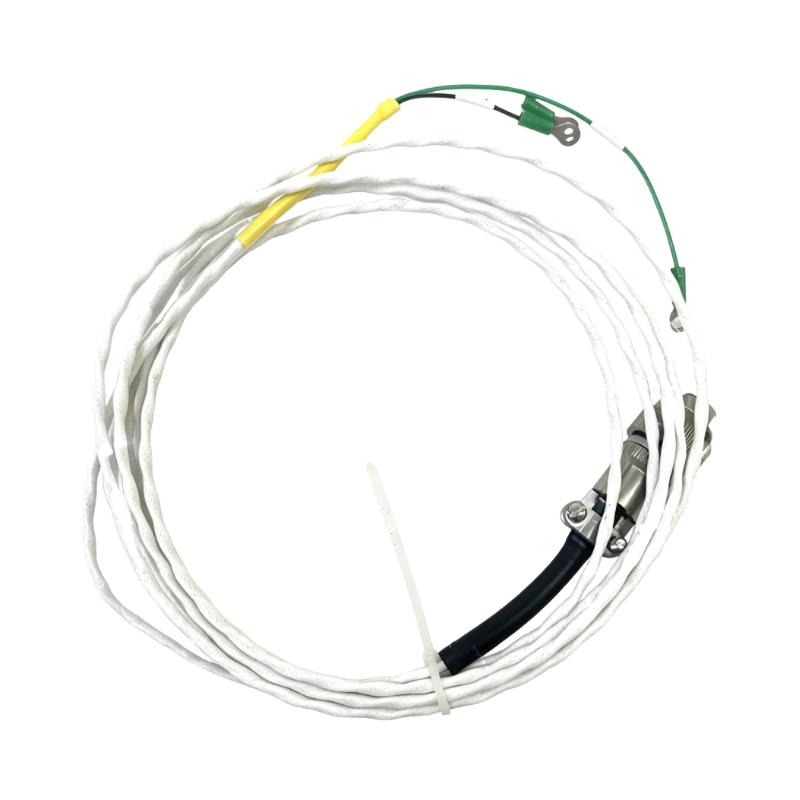
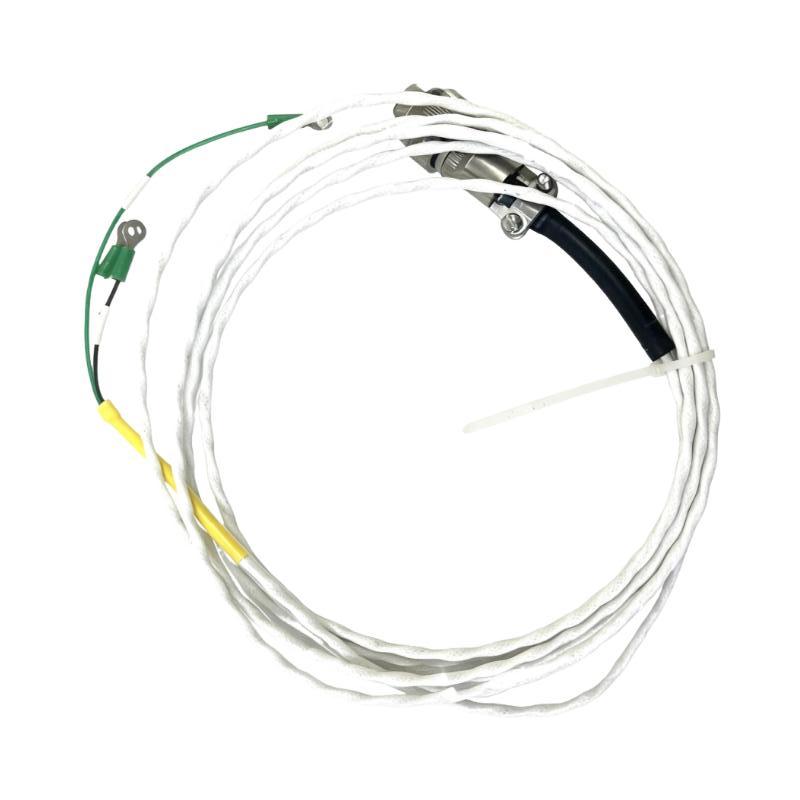
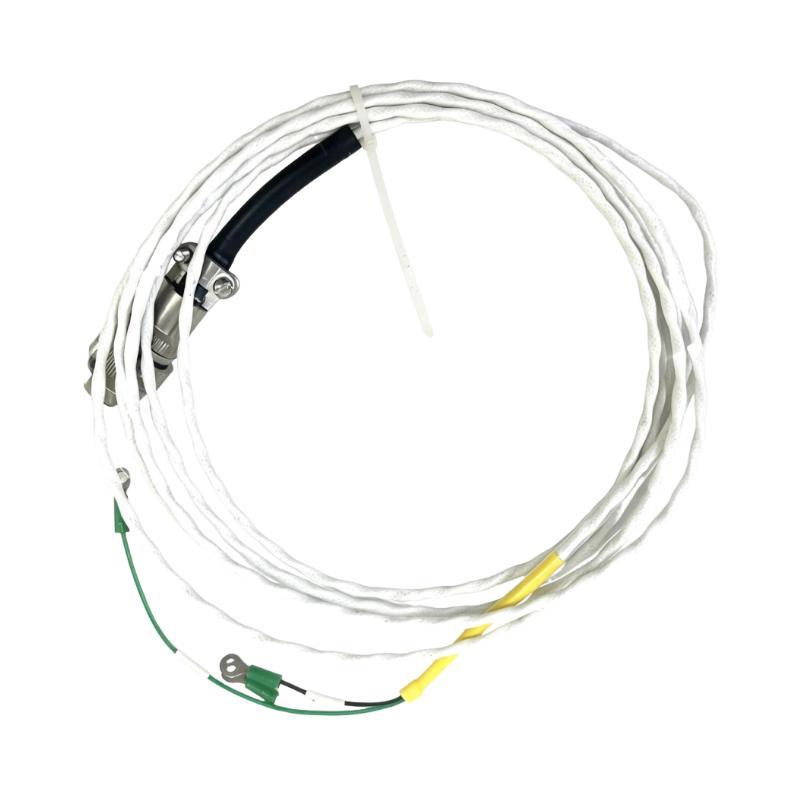
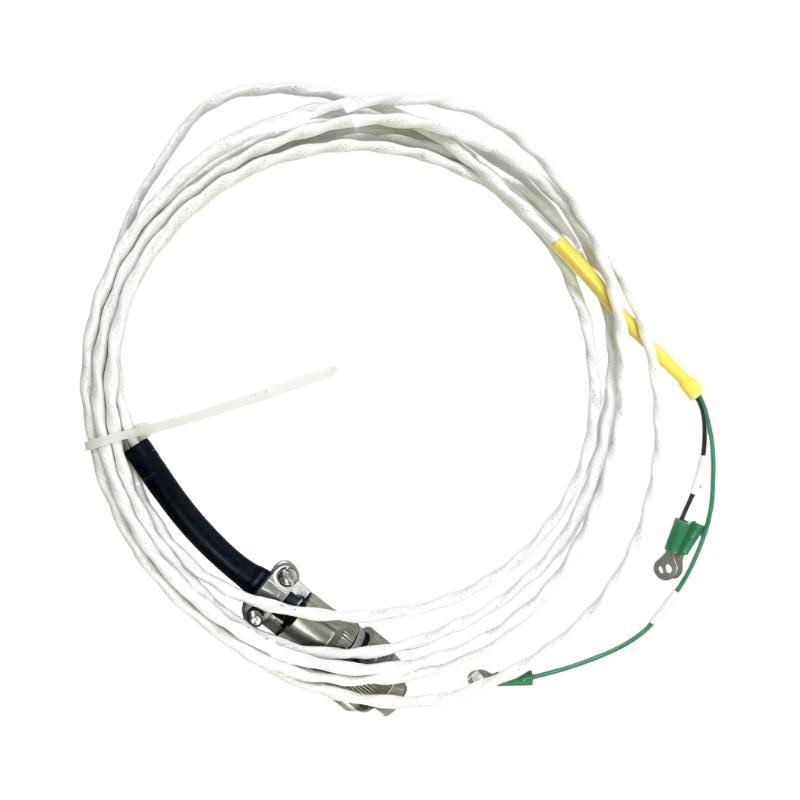
- Bently Nevada
- 9571-20
- Standard Interconnect Cable
- USA
- 20 feet
- 3 kg
- Xiamen, China
- New & In Stock
- T/T, PayPal, Western Union
- 1 Year
- 1-3 Working Days
- DHL, UPS, TNT, FedEx and EMS.
- 24-Hour Service
- COO
- 5
Our advantage

Global Logistics
We have a 10-year logistics and express cooperation agreement, so our products can be shipped to any place in the world.

Brand new and original
Our products are imported in bulk from the place of origin. Because of the cooperative relationship, our products are all original and 100% new.

24-hour service
We provide 7*24 hours service to our customers. We will be there whenever you need us.

Price advantage
All our products are priced very favorably because we have our own warehouse and supply.
| Company Information | |||
| [email protected] | |||
| Mobile | +8615980777398 | ||
| +8615980777398 | |||
| 15980777398 |
Product Overview
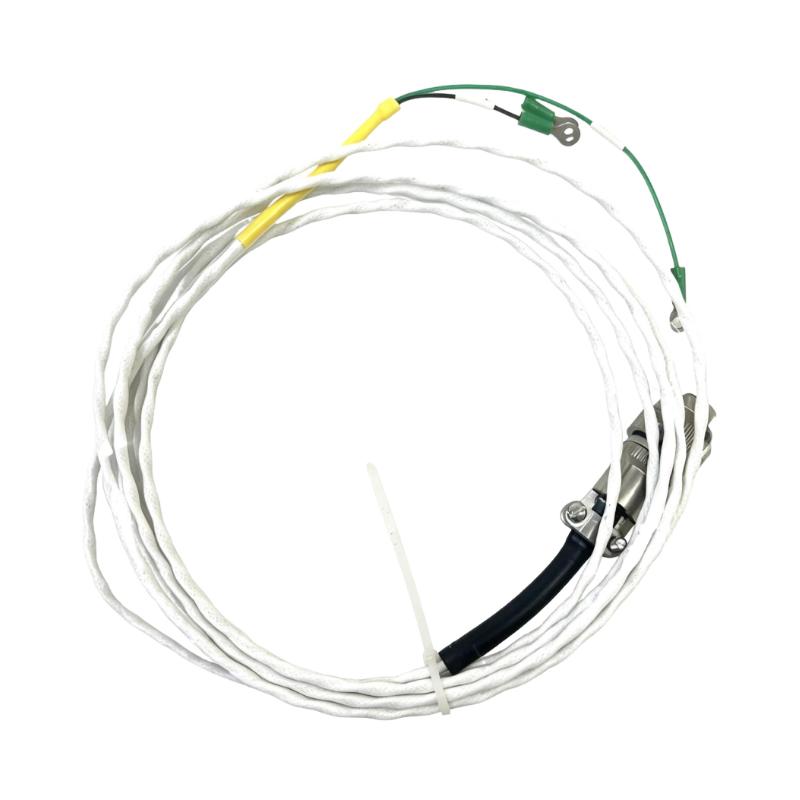
The Bently Nevada 9571-20 Standard Interconnect Cable is an interconnection component used in machinery monitoring installations to carry electrical signals between compatible system components. In industrial condition monitoring, cables are essential to maintaining the signal path between sensors, interface hardware, and monitoring equipment. Selecting the correct cable helps ensure that the connected devices can operate according to the intended system configuration.
In rotating machinery applications, interconnect cables may be used as part of installations monitoring vibration, shaft displacement, and other equipment operating parameters. Their performance depends on the electrical characteristics of the connected devices, the installation environment, and the routing arrangement. Cable selection is therefore an important part of maintaining signal integrity and minimizing problems caused by loose connections, mechanical damage, or electrical interference.
The 9571-20 should be evaluated against the requirements of the specific monitoring system in which it will be installed. Connector configuration, electrical compatibility, routing requirements, and the intended connection between devices should all be considered before using it as a replacement or adding it to an existing installation.
Technical Specifications
| Parameter | Specification |
|---|---|
| Brand | Bently Nevada |
| Model | 9571-20 |
| Product Type | Standard Interconnect Cable |
| Component Category | Industrial interconnection cable |
| Primary Function | Electrical signal interconnection |
| Application | Machinery monitoring system installations |
| Installation Context | Connection between compatible system components |
| Cable Configuration | Standard interconnect cable |
| System Compatibility | Must match the connected equipment and interface requirements |
| Typical Use | Signal transmission within industrial monitoring installations |
| Cable Length | 20 feet |
| Shipping Weight | 3 kg |
Product Features
- Interconnection function: Provides a cable path between compatible equipment components within an industrial monitoring installation.
- Standard cable configuration: Serves as an interconnect component for applications requiring the specified cable arrangement.
- Machinery monitoring support: Can be used in an appropriate monitoring installation where the required connection and electrical characteristics match.
- Installation flexibility: Supports equipment layout planning by allowing connected components to be positioned according to the installation requirements.
- System-dependent compatibility: Requires verification of connector types, pin assignments, electrical characteristics, and the intended connection before installation.
- Maintenance replacement use: Can be considered during cable replacement or system servicing when the complete model number matches the required part.
- Signal path continuity: Helps maintain the intended electrical connection between compatible devices when properly installed and maintained.
Working Principle
An interconnect cable provides a conductive path between the electrical interfaces of two compatible devices. Signals generated by a sensor or monitoring component travel through the cable to the connected equipment, where they can be processed, displayed, recorded, or used by the monitoring system.
The cable’s electrical characteristics and connector arrangement must match the requirements of the connected equipment. Incorrect pin assignments, unsuitable cable characteristics, or poor connections can interfere with signal transmission and may lead to missing data, intermittent readings, or communication faults.
During operation, the cable remains part of the overall signal path rather than performing independent measurement or signal analysis. Its condition can directly affect the continuity of the connection. Damaged insulation, loose connectors, excessive bending, or electromagnetic interference may degrade system performance, making correct installation and periodic inspection important in industrial environments.
Role in a Machinery Monitoring Control Architecture
| System Element | Function |
|---|---|
| Bently Nevada 9571-20 Standard Interconnect Cable | Provides an electrical connection between compatible monitoring system components. |
| Sensor or Measurement Device | Detects the physical parameter being monitored and generates the corresponding signal. |
| Interface or Signal Conditioning Hardware | Receives the connected signal and performs the processing required by the system configuration. |
| Machinery Monitoring System | Processes and evaluates available measurement data for condition monitoring and alarm functions. |
| Plant Control or Supervisory System | Uses information made available by the monitoring system to support equipment oversight and maintenance planning. |
Industrial Applications
- Rotating machinery monitoring: Provides an interconnection path within suitable installations monitoring turbines, compressors, pumps, and motors.
- Power generation facilities: Supports the electrical connections required by compatible machinery monitoring equipment.
- Oil and gas installations: Can be used in monitoring system layouts where the specified cable is suitable for the connected components and operating environment.
- Petrochemical plants: Supports signal interconnection in industrial monitoring installations subject to system requirements.
- Industrial manufacturing: Connects compatible equipment components within machinery condition monitoring arrangements.
- Maintenance and repair operations: Serves as a replacement cable option when the existing cable’s model and connection requirements are confirmed.
- System commissioning: Supports installation of the intended electrical connection between compatible components during equipment setup and testing.
Installation and Maintenance
- Verify the complete model number: Confirm that the cable is identified as Bently Nevada 9571-20 and matches the required item in the system documentation.
- Confirm connector compatibility: Check the connector type, gender, keying, and pin arrangement at both ends before making the connection.
- Check electrical requirements: Verify that the cable’s electrical characteristics are appropriate for the connected devices and intended signal type.
- Inspect the cable before installation: Examine the insulation, connector bodies, contacts, and strain-relief areas for damage or deterioration.
- Plan the cable route: Select a route that avoids moving machinery, sharp edges, hot surfaces, and areas subject to crushing or abrasion.
- Control bending and tension: Avoid tight bends, excessive pulling, twisting, or mechanical loading that could damage the cable or its internal conductors.
- Separate sensitive signal wiring: Where required by the system installation instructions, maintain suitable separation from high-current power cables and other sources of electrical interference.
- Secure the cable: Use suitable supports to prevent the cable from hanging under its own weight or moving excessively under vibration.
- Make connections carefully: Align connectors correctly and secure them according to their specified connection method without forcing or overtightening them.
- Verify signal continuity: After installation, check that the connected equipment receives the expected signal or communication response.
- Investigate intermittent faults: Inspect connectors, cable routing, insulation, and strain-relief points if the system experiences intermittent readings or connection loss.
- Document replacement work: Record the installed model, inspection results, connection checks, and any abnormalities found during commissioning or maintenance.
Related Components
| Component | Function |
|---|---|
| Bently Nevada Monitoring Sensors | Detect physical parameters such as vibration or displacement and supply measurement signals to compatible monitoring equipment. |
| Bently Nevada Signal Conditioning Modules | Process sensor signals before they are evaluated by the monitoring system. |
| Bently Nevada Machinery Monitoring Modules | Acquire and process supported measurement inputs within a compatible monitoring architecture. |
| Bently Nevada System Interface Components | Provide the electrical or signal interfaces required to connect compatible system elements. |
| Industrial Cable Supports and Strain Reliefs | Secure cable routes and reduce mechanical stress at connection points. |
| Compatible Connector Assemblies | Provide the mating electrical interfaces required for the specified cable and connected devices. |
Recommended Related Models
| Model | Product Name | Relationship |
|---|---|---|
| Bently Nevada 9571-20 | Standard Interconnect Cable | The specified model for identification, maintenance, and replacement checks. |
| Bently Nevada 9571 Series | Interconnect Cable Family | Related model family; individual part numbers and connector configurations must be verified. |
| Bently Nevada 3300 XL Extension Cable | Proximity Measurement Extension Cable | A related cable product for compatible eddy current proximity measurement systems; not an assumed substitute for the 9571-20. |
| Bently Nevada 3300 XL Proximitor Sensor | Proximitor Sensor | Related monitoring component used in compatible proximity measurement chains; cable compatibility must be established separately. |
| Bently Nevada 3500 System Interface Components | Machinery Monitoring System Components | Related equipment category for machinery monitoring installations, with compatibility dependent on the actual interface requirements. |
Key Advantages
- Provides an electrical interconnection path for compatible monitoring equipment.
- Supports signal continuity within industrial monitoring installations.
- Can be used for maintenance and replacement when the specified configuration is confirmed.
- Helps connect system components according to the intended equipment layout.
- Supports organized cable routing and equipment integration.
Technical FAQs
1. What is the Bently Nevada 9571-20 Standard Interconnect Cable used for?
It is an interconnect cable intended to provide an electrical connection between compatible system components. Its exact role depends on the connected devices, connector configuration, and electrical requirements of the installation.
2. Can the 9571-20 replace another Bently Nevada cable?
Not automatically. Cables that look similar or belong to the same manufacturer’s product range may differ in connector arrangement, pin assignments, electrical characteristics, or intended application. The complete part number and equipment requirements should be checked before replacement.
3. What can cause intermittent signals through an interconnect cable?
Possible causes include loose or damaged connectors, broken internal conductors, deteriorated insulation, excessive bending, mechanical strain, or electrical interference. Checking the complete cable route and both connection points can help identify the source of the problem.
4. What should be checked before installing the 9571-20?
Verify the complete model number, connector types, pin arrangement, electrical characteristics, and intended connection between the devices. Also inspect the cable for damage and plan a route that protects it from heat, abrasion, vibration, and mechanical stress.