

ProductPRODUCT
Featured products
Contact Us
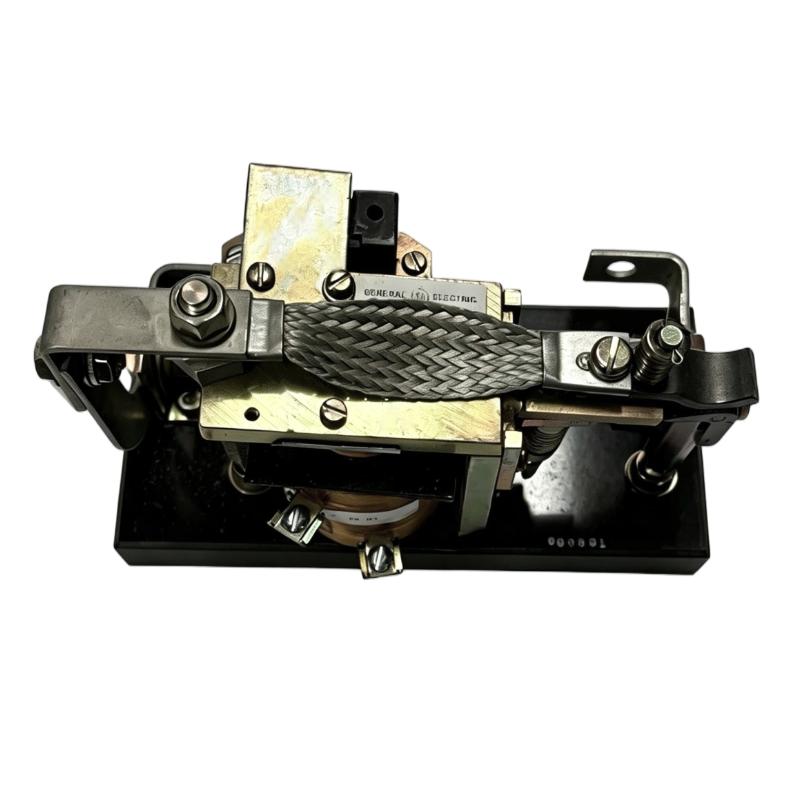
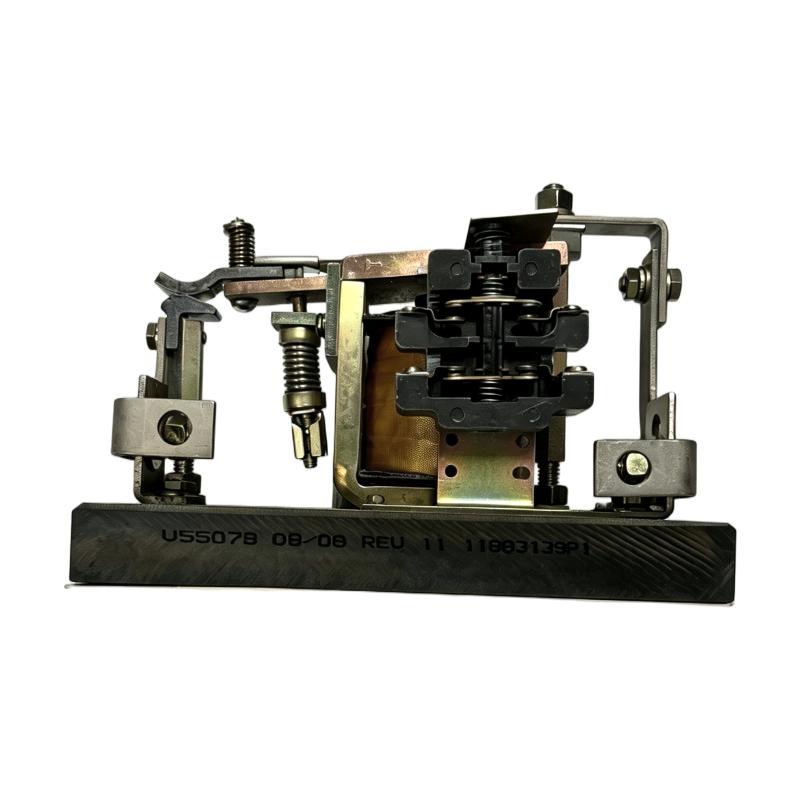
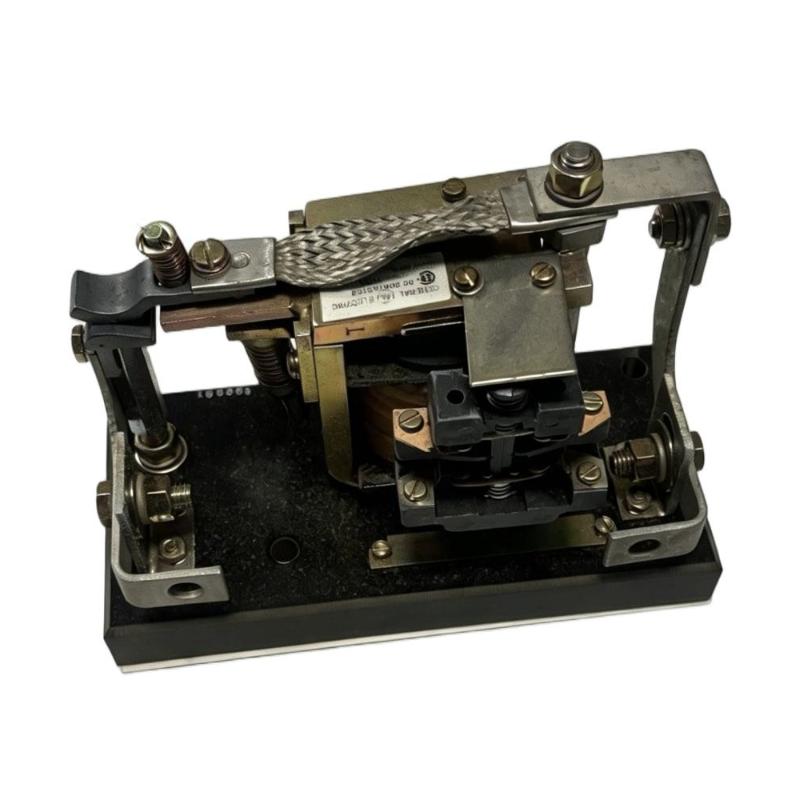
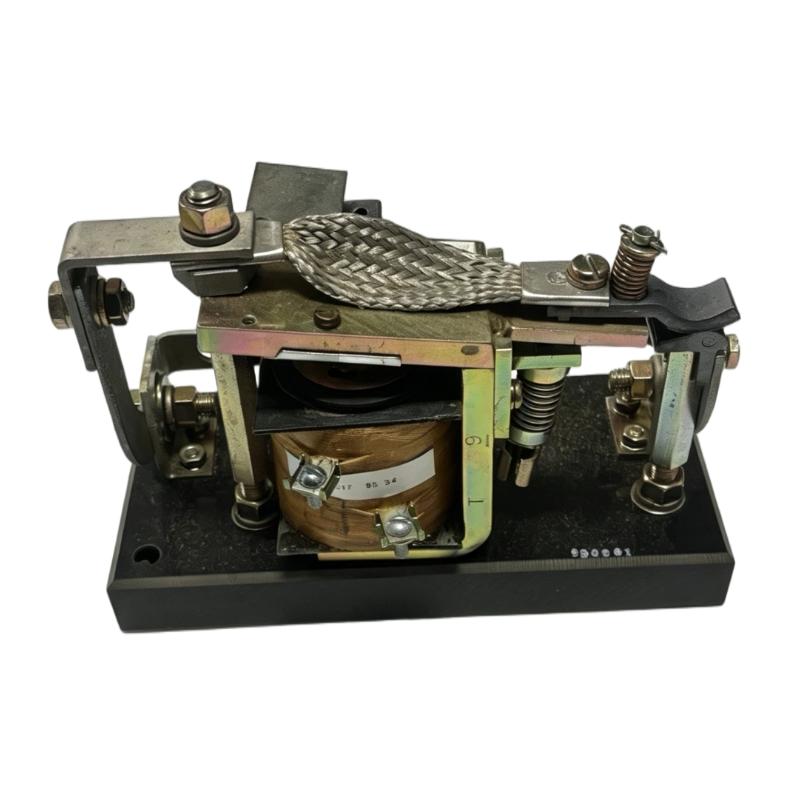
- GE
- IC2800Y109A2
- Time-Delay DC Contactor
- USA
- 145 × 55 × 100 mm
- 0.86 kg
- Xiamen, China
- New & In Stock
- T/T, PayPal, Western Union
- 1 Year
- 1-3 Working Days
- DHL, UPS, TNT, FedEx and EMS.
- 24-Hour Service
- COO
- 6
Our advantage

Global Logistics
We have a 10-year logistics and express cooperation agreement, so our products can be shipped to any place in the world.

Brand new and original
Our products are imported in bulk from the place of origin. Because of the cooperative relationship, our products are all original and 100% new.

24-hour service
We provide 7*24 hours service to our customers. We will be there whenever you need us.

Price advantage
All our products are priced very favorably because we have our own warehouse and supply.
| Company Information | |||
| [email protected] | |||
| Mobile | +8615980777398 | ||
| +8615980777398 | |||
| 15980777398 |
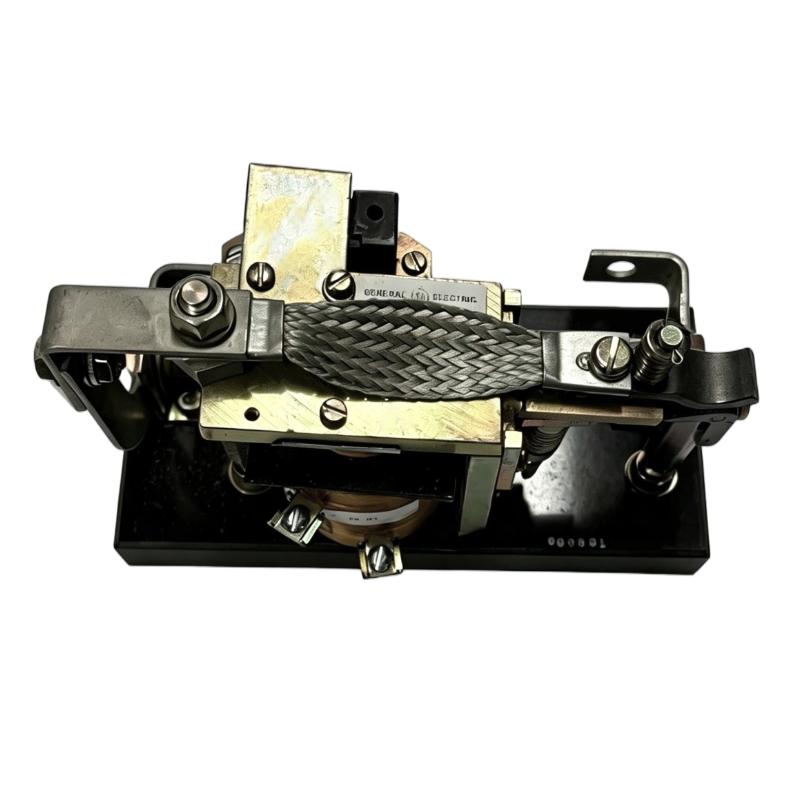
Product Overview
The GE IC2800Y109A2 is a Time-Delay DC Contactor used in DC switching circuits where the timing of contactor operation is part of the equipment control sequence. Unlike a conventional contactor that responds directly to a control command, a time-delay contactor is used when the control circuit requires a defined delay between the initiating signal and the switching action.
This type of contactor can be incorporated into industrial equipment where sequential energization, controlled startup, interlocking, or delayed switching is required. The contactor provides the physical switching function while the associated control circuit determines when the switching sequence begins.
In practical installations, the device may work alongside relays, timers, protection components, DC loads, and other contactors. Troubleshooting therefore normally involves checking both the contactor itself and the timing/control circuit that commands it.
Technical Specifications
| Parameter | Specification |
|---|---|
| Product Model | IC2800Y109A2 |
| Product Type | Time-Delay DC Contactor |
| Series | IC2800 |
| Device Function | Delayed DC Load Switching |
| Dimensions | 145 × 55 × 100 mm |
| Weight | 0.86 kg |
Product Features
- Time-delay switching — Incorporates delayed contactor operation into the associated DC control sequence.
- DC load control — Provides an electromechanical switching path for compatible DC circuits.
- Sequence control integration — Can be used where one electrical operation must occur after another.
- Interlocking applications — Supports control arrangements requiring coordinated switching between electrical devices.
- Industrial contactor construction — Suitable for equipment control panels and DC switching assemblies.
- Control-circuit separation — Allows a control command to operate a dedicated load-switching device rather than switching the load directly.
Working Principle
The IC2800Y109A2 combines contactor switching with a time-delay function. When the initiating control signal is applied, the timing portion of the device establishes the required delay before the contactor changes its switching state.
After the delay period, the contactor operates its power contacts and connects or disconnects the associated DC circuit. When the control condition is removed, the contactor returns according to the behavior of the associated control and timing arrangement.
This type of operation is useful when simultaneous switching could cause undesirable equipment behavior. For example, one DC circuit can be allowed to establish its required condition before another load is energized. During maintenance, technicians should therefore check not only whether the contacts operate, but also whether the timing sequence corresponds to the equipment control logic.
Role in a GE IC2800 DC Control Architecture
| Architecture Layer | Role of IC2800Y109A2 |
|---|---|
| Control Command | Initiates the required switching sequence |
| Timing / Delay Function | Establishes the intended delay before contactor operation |
| IC2800Y109A2 | Performs the delayed DC switching action |
| Auxiliary / Interlock Circuit | Coordinates the contactor with other control devices |
| Protection Circuit | Protects the associated DC control and load circuits |
| DC Load | Receives or loses power according to the contactor state |
The contactor sits between the control logic and the switched DC circuit. Its time-delay behavior makes it particularly useful in sequences where the order or timing of electrical operations matters.
Industrial Applications
| Application | Typical Use |
|---|---|
| DC Motor Control | Delayed connection or disconnection within motor-control sequences |
| Industrial Machinery | Coordinating sequential electrical operations |
| Battery-Powered Equipment | Switching DC loads according to a defined control sequence |
| Control Panels | Adding delayed switching to relay and contactor circuits |
| Power Conversion Equipment | Coordinating auxiliary DC circuits during equipment operation |
| Transportation Equipment | Managing DC loads where controlled switching timing is required |
| Industrial Interlocking | Preventing simultaneous operation of incompatible electrical functions |
Installation and Maintenance
- Confirm the switching application — Verify that the IC2800Y109A2 is appropriate for the intended DC control and load circuit.
- Review the control schematic — Identify the initiating signal, timing path, contactor contacts, load, and interlock connections.
- Isolate the circuit — Disconnect the relevant power sources and follow the equipment’s electrical safety procedures before maintenance.
- Verify device identification — Check the model marking against the equipment documentation before installation.
- Inspect control wiring — Check terminals and conductors for loose connections, damage, corrosion, or overheating.
- Inspect power connections — Verify that the DC load circuit is correctly connected to the contactor terminals.
- Check mechanical operation — Confirm that the contact mechanism moves correctly without sticking or abnormal noise.
- Verify timing behavior — Test the delay under controlled conditions and compare the observed sequence with the equipment’s intended operation.
- Check contact condition — Inspect for excessive wear, pitting, discoloration, or evidence of abnormal arcing.
- Inspect associated protection — Check fuses, circuit breakers, overload protection, and other protective components in the DC circuit.
- Test the complete sequence — Verify that the contactor operates at the correct stage relative to other relays, contactors, or loads.
- Record maintenance results — Document timing observations, contact condition, wiring changes, and replacement work for future troubleshooting.
Compatible System Components
| Component | Relationship |
|---|---|
| GE IC2800 Relay / Contactor Components | Related components for DC switching and control assemblies |
| Control Relays | Can provide the initiating or interlocking control signal |
| Timing Relays | May be used in coordinated sequencing arrangements |
| DC Power Supplies | Provide the required DC control or load power |
| Circuit Protection Devices | Protect the contactor and connected DC circuit |
| Auxiliary Contacts | Provide switching-state feedback or interlocking |
| DC Motors and Loads | Typical equipment controlled through the contactor |
Recommended Related Models
| Model | Product Type | Application Relationship |
|---|---|---|
| GE IC2800Y109A2 | Time-Delay DC Contactor | Delayed DC load switching |
| GE IC2800 Series Contactors | DC Contactor | Related contactor family for DC control applications |
| GE IC2800 Auxiliary Contact Components | Auxiliary Contact | Used for feedback and interlocking functions |
| GE DC Control Relays | Control Relay | Associated components for initiating switching sequences |
| GE DC Switching Contactors | DC Contactor | Related equipment for industrial DC load control |
Key Advantages
- Combines DC contactor switching with a controlled time-delay function.
- Supports sequential control schemes where switching order matters.
- Provides a dedicated switching interface between control logic and DC loads.
- Can be integrated with relays, protection devices, and interlocking circuits.
- Simplifies troubleshooting by separating timing, control, and load-switching functions.
- Suitable for industrial equipment requiring delayed DC switching.
Technical FAQs
What is the purpose of the time-delay function in the IC2800Y109A2?
The time-delay function allows the contactor switching action to occur after a defined interval from the initiating control signal. This is useful for sequential startup, interlocking, and coordinated DC load switching.
How is a time-delay contactor different from a standard DC contactor?
A standard DC contactor normally responds directly to its control command, while a time-delay contactor incorporates a timing function into the switching sequence. The delay can prevent two electrical operations from occurring simultaneously when the equipment requires a specific sequence.
What should be checked if the contactor operates but the timing sequence is incorrect?
Check the control signal, timing circuit, associated wiring, and other devices involved in the sequence. The contactor’s mechanical operation and contact condition should also be inspected to determine whether the problem originates in the timing/control path or the switching mechanism.
Why might a DC load remain energized after the control command is removed?
The cause can be related to the contactor’s intended timing behavior, an incorrect control circuit, a welded or damaged contact, or an external circuit that continues to energize the load. The complete DC switching path should be checked before replacing the contactor.