

ProductPRODUCT
Featured products
Contact Us
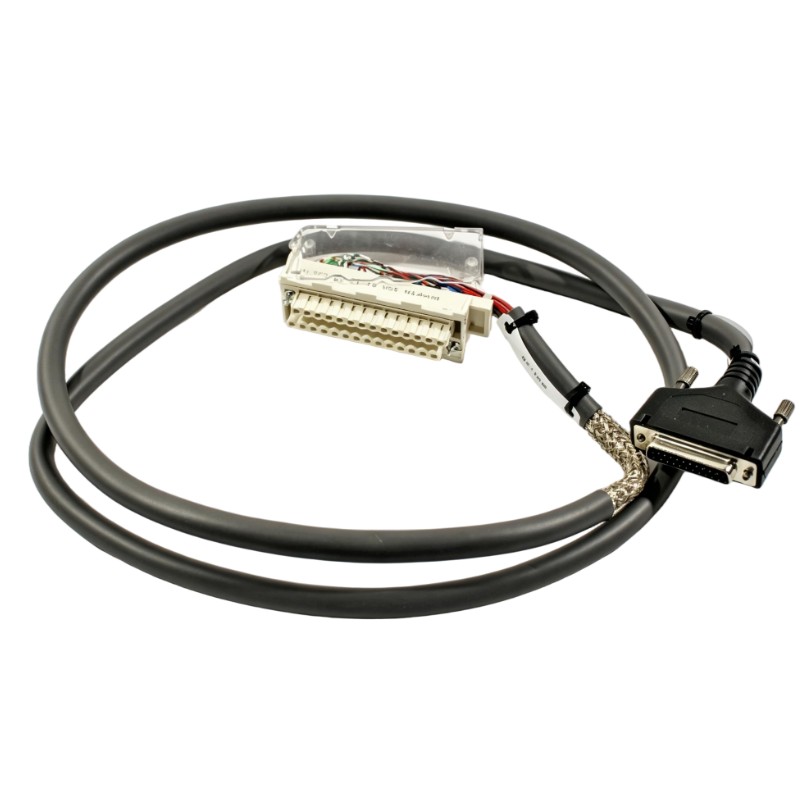
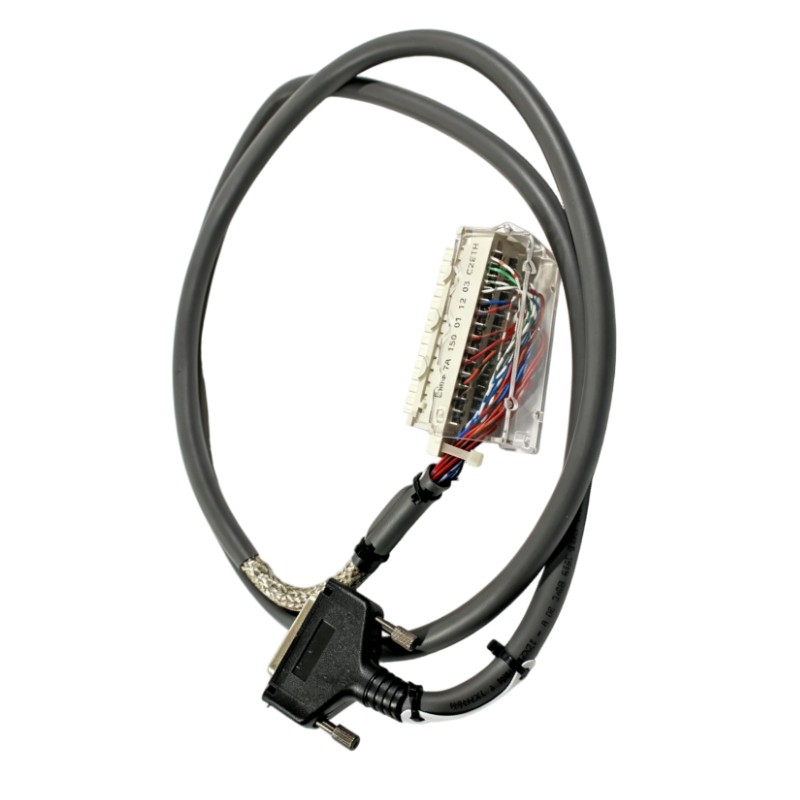
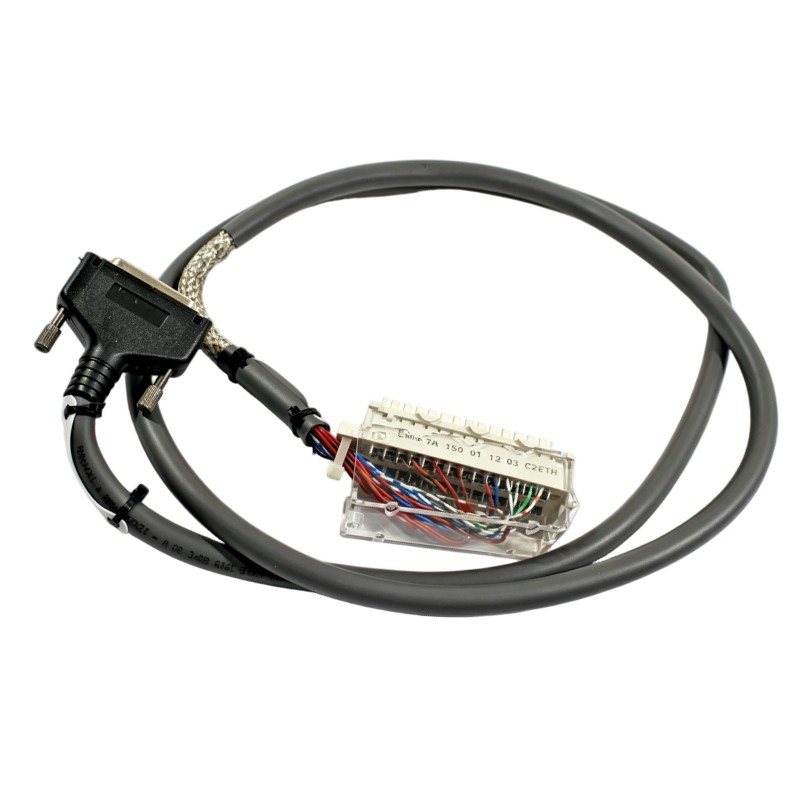
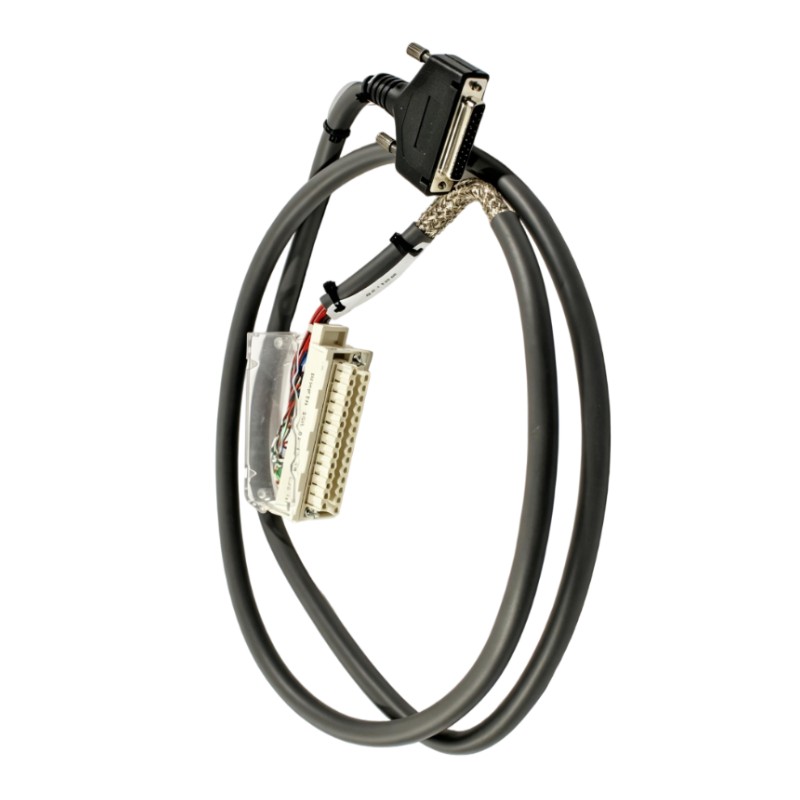
- Schneider
- BMXFTA150
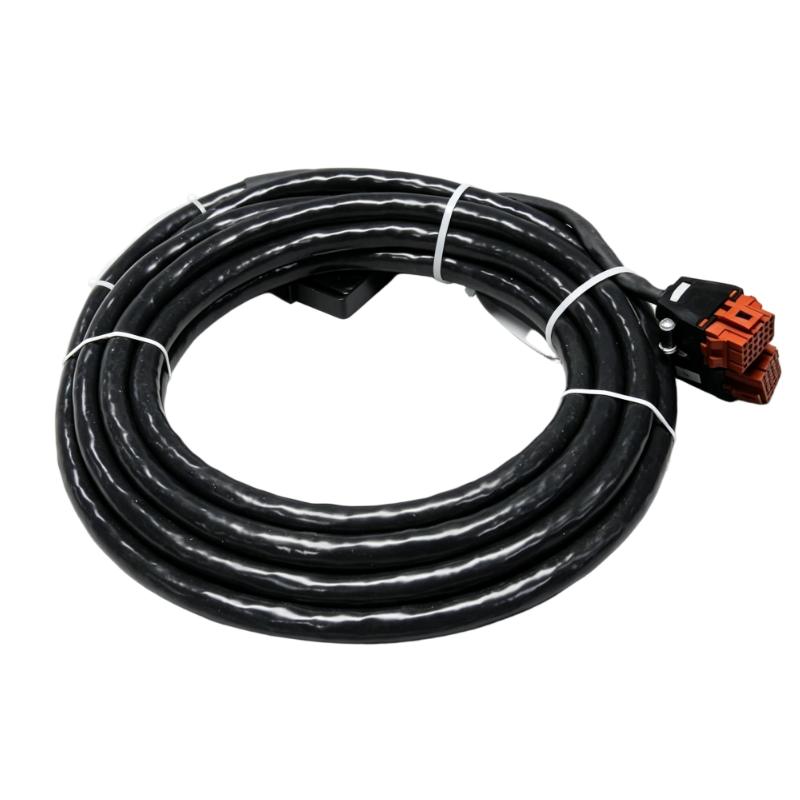
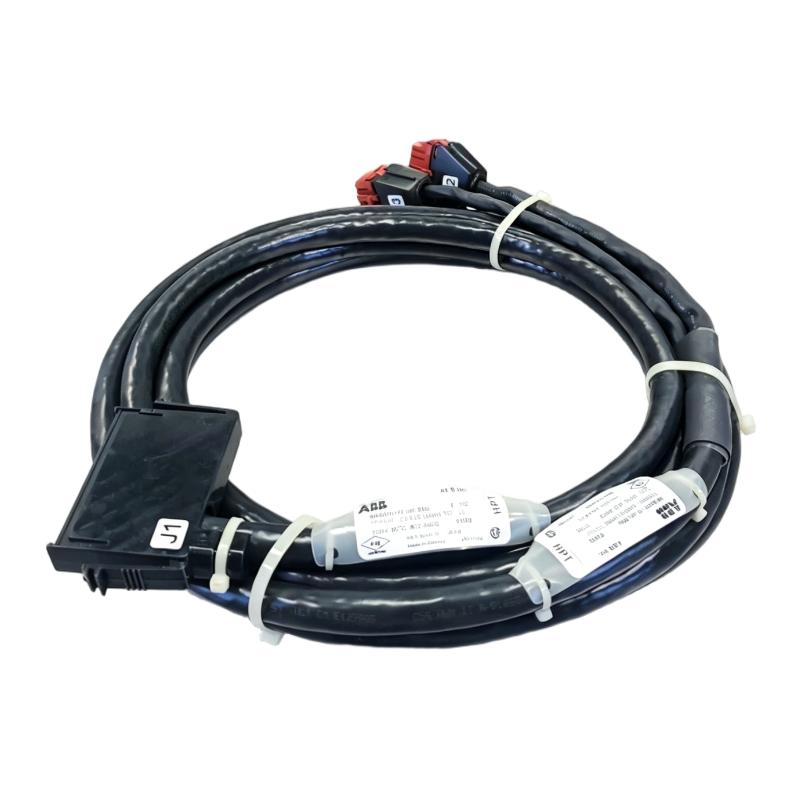
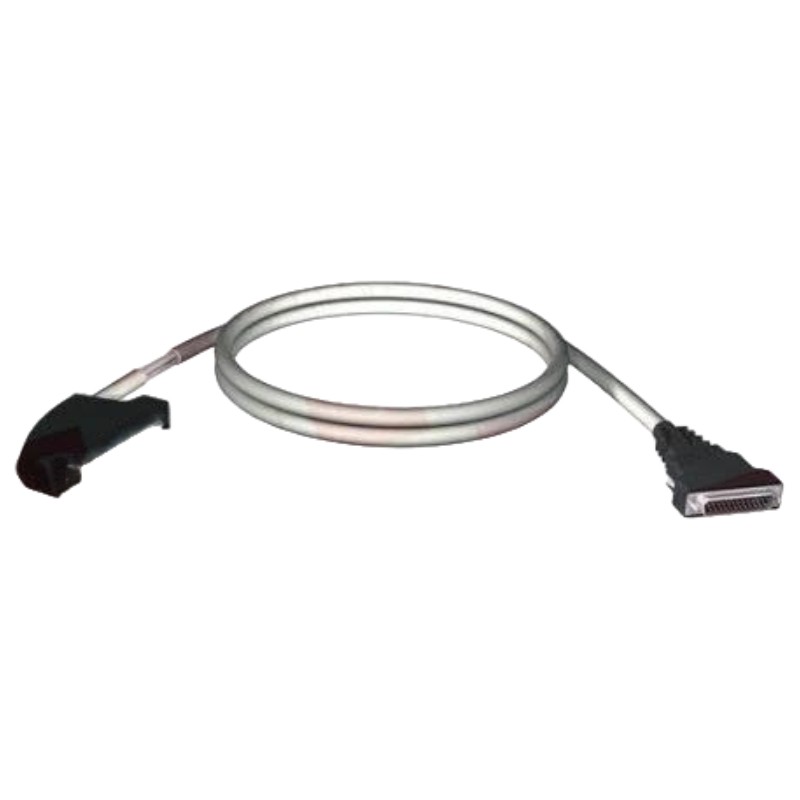
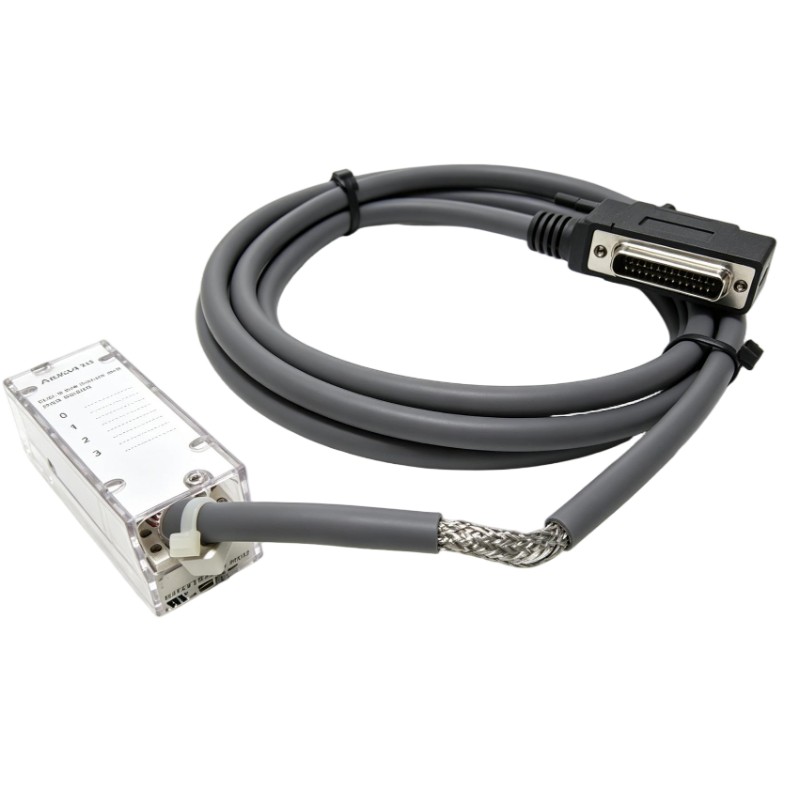
- Cable Assembly
- France
- 1.5 meters
- 0.32 kg
- Xiamen, China
- New & In Stock
- T/T, PayPal, Western Union
- 1 Year
- 1-3 Working Days
- DHL, UPS, TNT, FedEx and EMS.
- 24-Hour Service
- COO
- 4
Our advantage

Global Logistics
We have a 10-year logistics and express cooperation agreement, so our products can be shipped to any place in the world.

Brand new and original
Our products are imported in bulk from the place of origin. Because of the cooperative relationship, our products are all original and 100% new.

24-hour service
We provide 7*24 hours service to our customers. We will be there whenever you need us.

Price advantage
All our products are priced very favorably because we have our own warehouse and supply.
| Company Information | |||
| [email protected] | |||
| Mobile | +8615980777398 | ||
| +8615980777398 | |||
| 15980777398 |
Product Overview
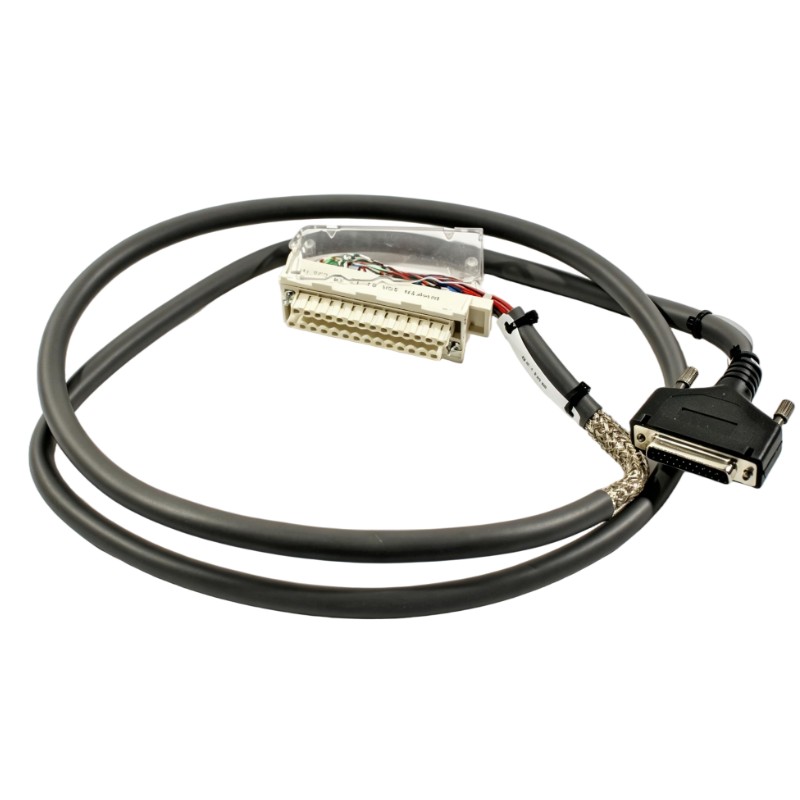
The Schneider BMXFTA150 Cable Assembly is an industrial automation cable assembly designed to provide a reliable physical and electrical connection between compatible Schneider Electric automation components. Cable assemblies are important parts of PLC and control-system installations because they provide structured connections between modules, interfaces, terminal equipment, and other automation devices.
A dedicated cable assembly can simplify installation compared with individually prepared field wiring. It can reduce manual termination work, improve wiring consistency, and make maintenance and replacement procedures more straightforward.
The Schneider BMXFTA150 has a supplied cable length of 1.5 meters and a weight of 0.32 kg. The 1.5-meter length is suitable for installations where connected equipment is positioned within relatively close proximity while still requiring some routing flexibility.
The BMXFTA150 should be installed only with compatible equipment. Exact connector configuration, conductor arrangement, signal characteristics, shielding, pin assignments, and supported equipment combinations should be verified against the applicable Schneider Electric system documentation before installation.
Technical Specifications
| Parameter | Specification |
|---|---|
| Manufacturer | Schneider Electric |
| Model | BMXFTA150 |
| Product Type | Cable Assembly |
| Primary Function | Industrial Automation Interconnection |
| Cable Length | 1.5 meters |
| Weight | 0.32 kg |
| Application | PLC and Industrial Automation Systems |
| Installation | Control Cabinet / Automation Equipment |
| Typical Use | Interconnection of Compatible Automation Components |
The cable length and weight shown above are based on the product information supplied for this article. Detailed electrical and connector specifications should be confirmed for the actual system configuration.
What Is the Schneider BMXFTA150?
The Schneider BMXFTA150 is a dedicated Cable Assembly intended for use within compatible Schneider Electric industrial automation systems.
Modern PLC architectures are composed of multiple modules and interface devices. These components must be connected correctly to exchange signals and operate as a coordinated control system.
A dedicated cable assembly provides a prepared interconnection between compatible components and can eliminate the need for technicians to fabricate an equivalent cable from separate wires and connectors.
A simplified connection can be represented as:
Automation Module → BMXFTA150 Cable Assembly → Compatible Equipment
The exact devices connected by the cable depend on the system architecture and application.
BMXFTA150 Cable Assembly Function
The primary purpose of the BMXFTA150 is to provide a controlled interconnection between compatible automation components.
Depending on the equipment and system configuration, an industrial cable assembly may be used for transferring:
- Control signals
- I/O signals
- Interface signals
- Communication-related signals
- Power-related connections
- Module-to-module signals
The exact electrical function of the BMXFTA150 should be confirmed from the relevant Schneider Electric documentation.
Cable selection should never be based on physical appearance or length alone. The connector arrangement and electrical characteristics must also match the intended equipment.
Role in PLC and Industrial Automation
A typical industrial control system may contain:
- PLC processors
- Digital input modules
- Digital output modules
- Analog input modules
- Analog output modules
- Communication modules
- Interface modules
- Remote I/O equipment
- Terminal assemblies
- HMI systems
These components rely on correctly installed physical connections.
The BMXFTA150 can form part of this architecture when correctly matched to the associated equipment.
A simplified system structure is:
PLC Controller → Interface / I/O Equipment → BMXFTA150 → Connected Automation Device
A correctly installed cable assembly helps maintain signal continuity and organized system wiring.
Why Dedicated Cable Assemblies Are Important
Reduced Wiring Complexity
A prepared cable assembly can reduce manual cable preparation and termination.
Consistent Connections
Using a dedicated assembly can help maintain consistent connections across similar automation installations.
Easier Maintenance
Clearly identified cable assemblies make troubleshooting and replacement easier for maintenance technicians.
Improved Cabinet Organization
Proper cable routing can help maintain a clean and structured control cabinet.
Reduced Wiring Errors
A suitable factory-prepared assembly can reduce errors associated with manually terminating individual conductors.
Industrial Applications
PLC Control Panels
The BMXFTA150 can be used as part of a compatible PLC control-panel installation where a dedicated interconnection is required.
Its 1.5-meter cable length provides flexibility for equipment mounted within the same cabinet or nearby enclosure.
Machine Automation
Industrial machines often contain several control modules and interface devices.
A dedicated cable assembly can help connect compatible equipment while maintaining organized machine wiring.
Manufacturing Systems
Automated production lines depend on reliable connections between controllers, I/O modules, interfaces, and other control equipment.
The BMXFTA150 can form part of such a connection architecture when the system configuration supports it.
Process Automation
Process-control installations frequently use multiple controllers, interface devices, and field-related equipment.
A suitable cable assembly helps establish reliable physical connections between compatible components.
Control-System Expansion
When an existing PLC system is expanded, dedicated cable assemblies can simplify the addition of compatible equipment and help maintain a consistent wiring approach.
1.5-Meter Cable Length
The supplied BMXFTA150 cable length is 1.5 meters.
Cable length is an important factor when planning an automation installation.
A 1.5-meter cable can provide useful routing flexibility without requiring excessive cable length in compact control cabinets.
When designing the installation, consider:
- Distance between connected devices
- Cable tray or duct position
- Cabinet layout
- Connector accessibility
- Door movement
- Maintenance access
- Separation from high-power wiring
- Future equipment servicing
The cable should not be stretched to reach a connector or forced into an unnecessarily tight routing path.
Installation Guidelines
Confirm the Product Identification
Before installation, verify the complete model:
Schneider BMXFTA150
Do not assume that another cable with the same length has the same electrical or connector configuration.
Verify the Mating Equipment
Confirm that both ends of the cable assembly are compatible with the intended equipment.
Inspect the Cable
Before installation, inspect the assembly for:
- Cuts
- Abrasion
- Crushed sections
- Connector damage
- Contamination
- Excessive bending
- Signs of improper storage
Plan the Cable Route
Determine the complete routing path before making the final connection.
Avoid unnecessary mechanical stress and sharp cabinet edges.
Connect the Cable
Align the connectors correctly and insert them carefully.
Do not force a connector into an incompatible interface.
Where a locking mechanism is provided, ensure that the connection is properly secured.
Cable Routing and Signal Integrity
Proper cable routing is important in industrial environments because control cabinets can contain devices that generate electromagnetic interference.
Potential sources include:
- Variable-frequency drives
- Motors
- Contactors
- Relays
- Switching power supplies
- High-current conductors
Where the BMXFTA150 carries sensitive signals, appropriate separation from high-power wiring should be maintained where required by the system design.
Avoid unnecessary parallel routing with motor power cables.
Shielding and grounding requirements should be determined from the actual equipment and system configuration.
The exact shielding construction of the BMXFTA150 should not be assumed without confirming the applicable product documentation.
Connector Handling
The connectors are an important part of the cable assembly and should be handled carefully.
During installation:
- Inspect the mating connectors.
- Confirm their orientation.
- Align the connection carefully.
- Insert the connector without excessive force.
- Secure the connection correctly.
- Ensure the cable is not pulling against the connector.
When removing the cable, disconnect it from the connector rather than pulling on the cable itself.
Improper handling can damage the connector or cable assembly and may result in intermittent system operation.
Commissioning Procedure
After installation, the BMXFTA150 should be checked as part of the complete automation system.
Step 1: Verify the Cable Model
Confirm that the installed assembly is the correct BMXFTA150.
Step 2: Check Cable Condition
Inspect the 1.5-meter cable for visible damage.
Step 3: Verify Connections
Confirm that both ends are fully inserted and secured.
Step 4: Check Cable Routing
Make sure the cable is not pinched, stretched, or exposed to excessive bending.
Step 5: Energize the System
Apply system power according to the applicable equipment commissioning procedure.
Step 6: Verify Signal or System Operation
Check the operation of the connected automation components.
Step 7: Monitor Initial Operation
Observe the system for:
- Signal interruptions
- Communication errors
- Unexpected alarms
- Intermittent behavior
- Connector-related problems
Any abnormal condition should be investigated before normal continuous operation.
Troubleshooting the BMXFTA150
No Signal or Connection
If the connected equipment does not operate as expected, inspect:
- Cable connectors
- Connector engagement
- Cable condition
- Associated equipment
- System configuration
- Power supplies
- Controller diagnostics
The cable should not automatically be identified as the source of the problem.
Intermittent Operation
Intermittent operation may be associated with:
- Loose connectors
- Damaged cable conductors
- Connector contamination
- Mechanical vibration
- Cable movement
- Excessive bending
- Electrical interference
Inspect the complete connection path rather than replacing the cable immediately.
Communication or Interface Errors
If the cable forms part of a communication or interface connection, check:
- Cable compatibility
- Connector condition
- System configuration
- Cable routing
- Grounding
- Shielding
- Nearby sources of electromagnetic interference
Physical Damage
If the cable has been cut, crushed, burned, or severely damaged, replacement of the complete cable assembly is generally preferable to an improvised repair.
A repair may change the electrical or mechanical characteristics of a dedicated industrial cable.
Preventive Maintenance
Regular inspection can help identify potential cable problems before they affect the control system.
Cable Inspection
Inspect the complete 1.5-meter cable for:
- Abrasion
- Cuts
- Cracks
- Crushing
- Heat damage
- Excessive bending
Connector Inspection
Check connectors for:
- Loose engagement
- Physical damage
- Contamination
- Corrosion
- Damaged locking mechanisms
Routing Inspection
Confirm that the cable remains properly routed and is not trapped beneath cabinet components or exposed to unnecessary mechanical stress.
System Monitoring
Repeated communication errors, signal interruptions, or intermittent faults can indicate a problem with the cable, connector, or associated equipment.
Replacement Considerations
When replacing a Schneider BMXFTA150 Cable Assembly, verify the complete model number rather than selecting a replacement based only on cable length.
Important checks include:
- Complete model number
- Cable length
- Connector configuration
- Mating equipment
- Signal function
- Electrical characteristics
- System architecture
- Installation requirements
The supplied product information specifies:
Cable Length: 1.5 meters
Weight: 0.32 kg
A different 1.5-meter cable should not automatically be treated as an equivalent replacement.
Physical Cable Specifications
| Parameter | Value |
|---|---|
| Manufacturer | Schneider Electric |
| Model | BMXFTA150 |
| Product Type | Cable Assembly |
| Cable Length | 1.5 meters |
| Weight | 0.32 kg |
| Application | Industrial Automation |
| Installation | Control Cabinet / Automation Equipment |
The cable length is especially useful when planning the physical arrangement of connected equipment.
Storage and Handling
The BMXFTA150 should be stored in a clean and protected environment before installation.
Avoid exposure to:
- Excessive moisture
- Dust
- Chemical contamination
- Extreme temperatures
- Mechanical impact
- Crushing
- Excessive bending
When handling the cable, do not lift or pull it by the connector.
During storage, avoid tight bends that could place unnecessary stress on the cable or connector assembly.
Engineering Best Practices
Verify the Complete Model
Always confirm BMXFTA150 before installation or replacement.
Match the Connected Equipment
The cable should only be connected to equipment for which it is intended.
Plan the Cable Route
Use the 1.5-meter length efficiently and avoid unnecessary loops or mechanical stress.
Protect the Connectors
Keep connector interfaces clean and avoid excessive insertion or removal force.
Separate Sensitive Wiring
Where required, maintain appropriate separation between signal cables and high-power conductors.
Avoid Sharp Bends
Do not force the cable around sharp cabinet edges or through restricted spaces.
Document the Installation
Recording cable identification and connection points can simplify future maintenance.
Maintain Spare-Part Integrity
Unused cable assemblies should remain protected from mechanical and environmental damage.
Compatible Automation Components
The BMXFTA150 may form part of an automation architecture containing compatible Schneider Electric equipment such as:
- PLC Controllers
- Digital I/O Modules
- Analog I/O Modules
- Communication Modules
- Interface Modules
- Remote I/O Equipment
- Terminal Assemblies
- HMI Systems
- Industrial Control Equipment
The exact compatible components should be confirmed before installation.
Related Schneider Product Categories
| Product Category | Typical Function |
|---|---|
| Modicon PLC Controllers | Centralized automation control |
| Digital I/O Modules | Discrete signal acquisition and control |
| Analog I/O Modules | Continuous process signal handling |
| Communication Modules | Industrial network communication |
| Interface Modules | Equipment and signal interfacing |
| Remote I/O Systems | Distributed field signal processing |
| Cable Assemblies | Dedicated equipment interconnection |
| HMI Systems | Operator monitoring and control |
These categories may be part of the same automation environment but should not be considered direct replacements for the BMXFTA150.
Key Advantages
Dedicated Cable Assembly
The BMXFTA150 provides a prepared interconnection solution for compatible Schneider Electric automation equipment.
1.5-Meter Cable Length
The 1.5-meter length provides practical flexibility for compact control cabinets and nearby automation equipment.
Simplified Installation
A dedicated cable assembly can reduce manual wiring and termination work.
Organized Cabinet Wiring
Proper cable routing can help maintain a clean and serviceable automation cabinet.
Easier Maintenance
A clearly identified cable assembly simplifies replacement and troubleshooting.
Manageable Weight
The supplied weight of 0.32 kg makes the cable practical for installation, handling, and spare-parts management.
Technical FAQs
What is the Schneider BMXFTA150?
The Schneider BMXFTA150 is an industrial Cable Assembly intended to provide an interconnection between compatible Schneider Electric automation components.
What is the cable length of the BMXFTA150?
The supplied cable length is 1.5 meters.
How much does the BMXFTA150 weigh?
The supplied weight is 0.32 kg.
Why use a dedicated automation cable assembly?
A dedicated cable assembly can reduce manual wiring work, improve connection consistency, simplify installation, and make future maintenance easier.
Can another 1.5-meter cable replace the BMXFTA150?
Not necessarily. Cable length alone does not establish compatibility. Connector configuration, electrical characteristics, signal function, and associated equipment must also match.
What should be checked before installation?
Verify the complete model number, connected equipment, connector compatibility, cable condition, routing requirements, and applicable system documentation.
What can cause intermittent operation?
Possible causes include loose connectors, damaged conductors, mechanical stress, vibration, contamination, electromagnetic interference, or problems with the connected equipment.
How should the BMXFTA150 be maintained?
Inspect the cable jacket, connectors, routing, and mechanical condition periodically. Replace the assembly if significant physical damage is identified.
Conclusion
The Schneider BMXFTA150 Cable Assembly is a dedicated industrial interconnection component designed for use within compatible Schneider Electric automation systems. By providing a prepared connection between associated automation equipment, it can simplify installation, reduce manual wiring requirements, and contribute to an organized control-system architecture.
The BMXFTA150 has a supplied 1.5-meter cable length and 0.32 kg weight, making these specifications useful for equipment-layout planning, installation, handling, and spare-parts management.
For dependable operation, the cable should be correctly matched to the associated equipment, installed with appropriate mechanical protection, and routed carefully within the control cabinet or automation installation. Connector condition, cable integrity, electrical interference, and system compatibility should also be considered during commissioning and maintenance.
When purchasing or replacing the Schneider BMXFTA150, the complete model designation should be verified rather than selecting a cable solely because it has the same length. Correct cable identification and proper system integration are essential for reliable industrial automation performance.