

ProductPRODUCT
Featured products
Contact Us
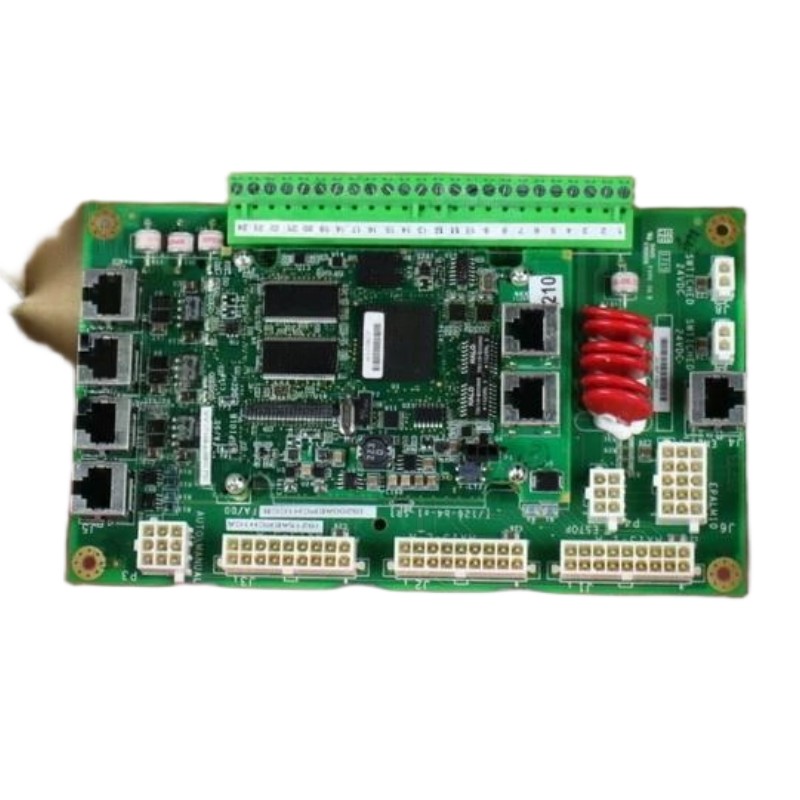
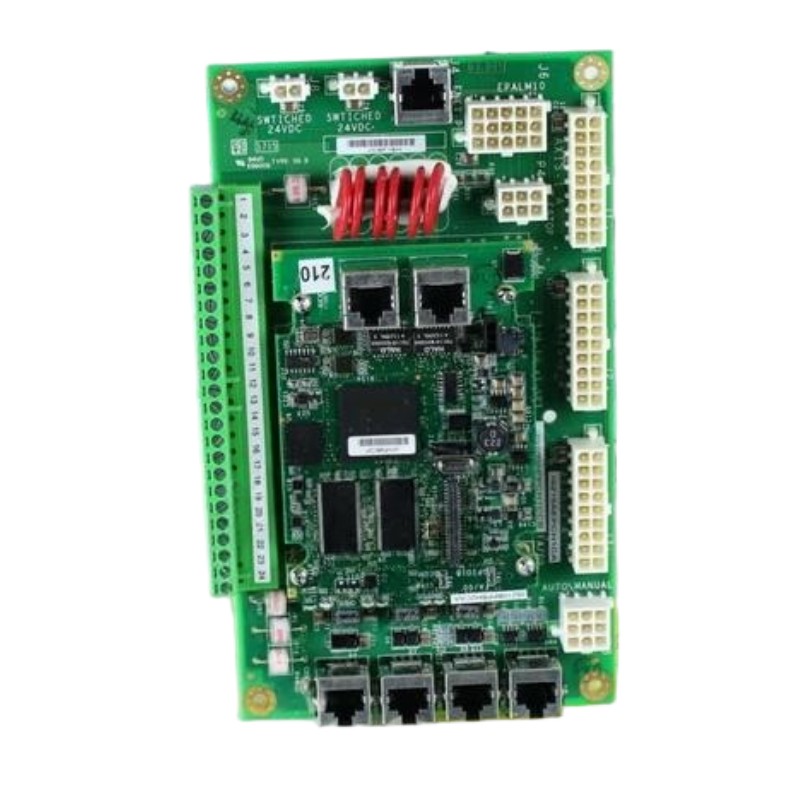
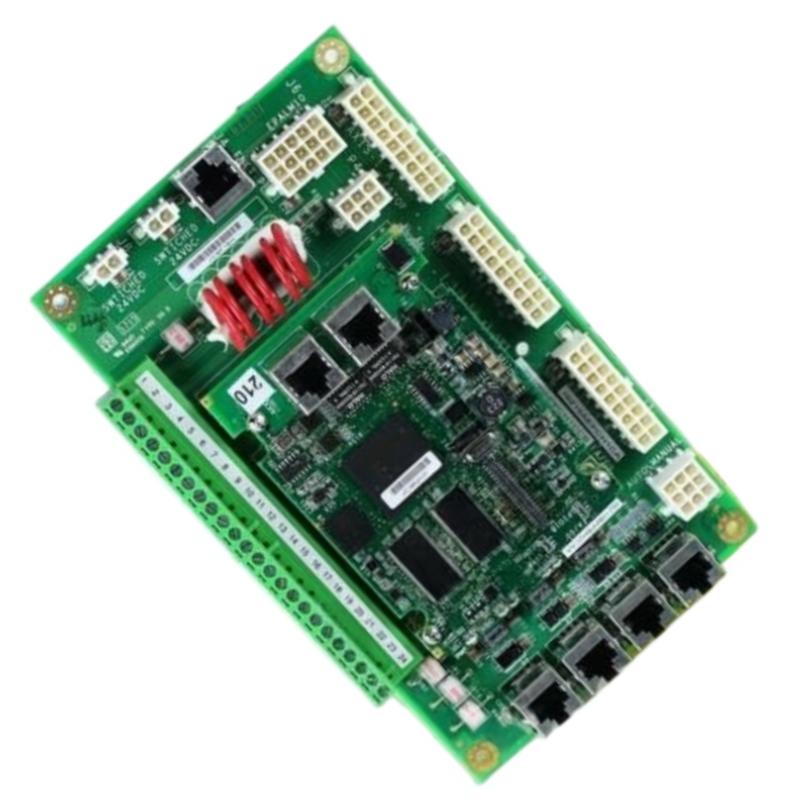
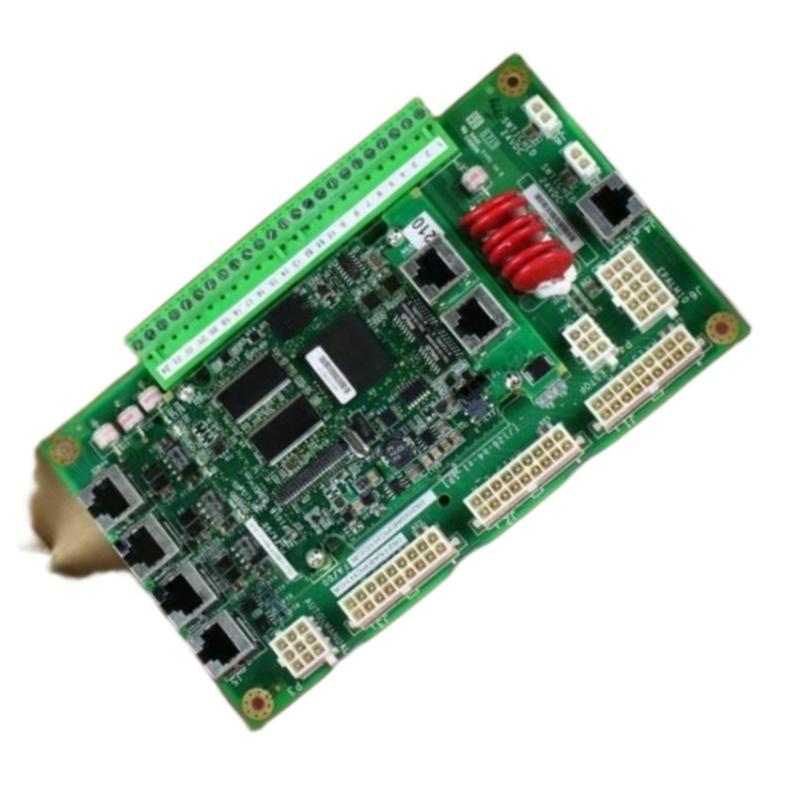
- GE
- IS210AEDBH4A
- Bridge Interface Board
- USA
- 280 x 20 x 140 mm
- 0.3 kg
- Xiamen, China
- New & In Stock
- T/T, PayPal, Western Union
- 1 Year
- 1-3 Working Days
- DHL, UPS, TNT, FedEx and EMS.
- 24-Hour Service
- COO
- 5
Our advantage

Global Logistics
We have a 10-year logistics and express cooperation agreement, so our products can be shipped to any place in the world.

Brand new and original
Our products are imported in bulk from the place of origin. Because of the cooperative relationship, our products are all original and 100% new.

24-hour service
We provide 7*24 hours service to our customers. We will be there whenever you need us.

Price advantage
All our products are priced very favorably because we have our own warehouse and supply.
| Company Information | |||
| [email protected] | |||
| Mobile | +8615980777398 | ||
| +8615980777398 | |||
| 15980777398 |
Product Overview
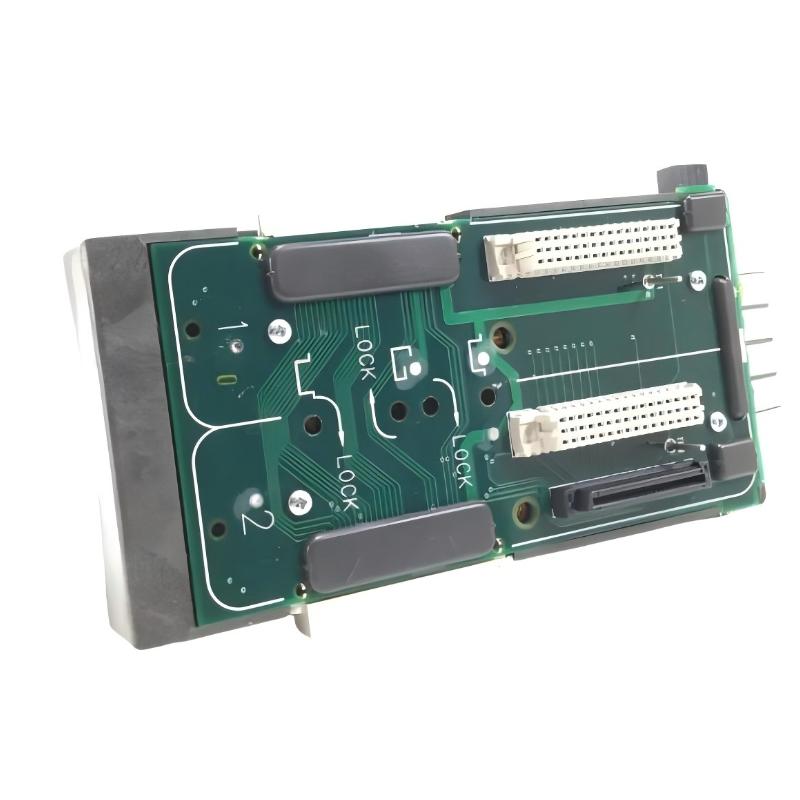
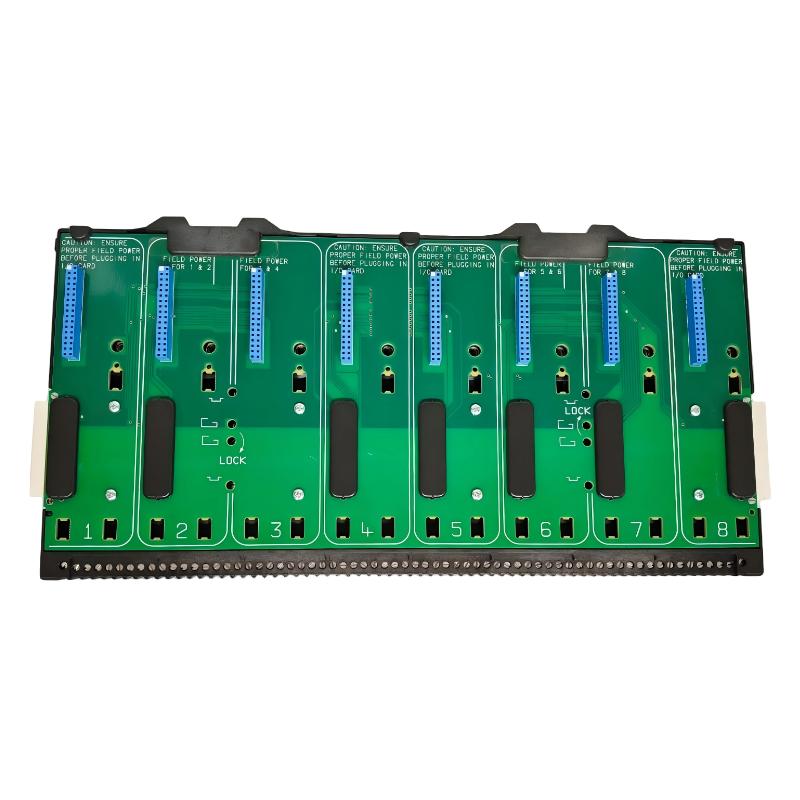
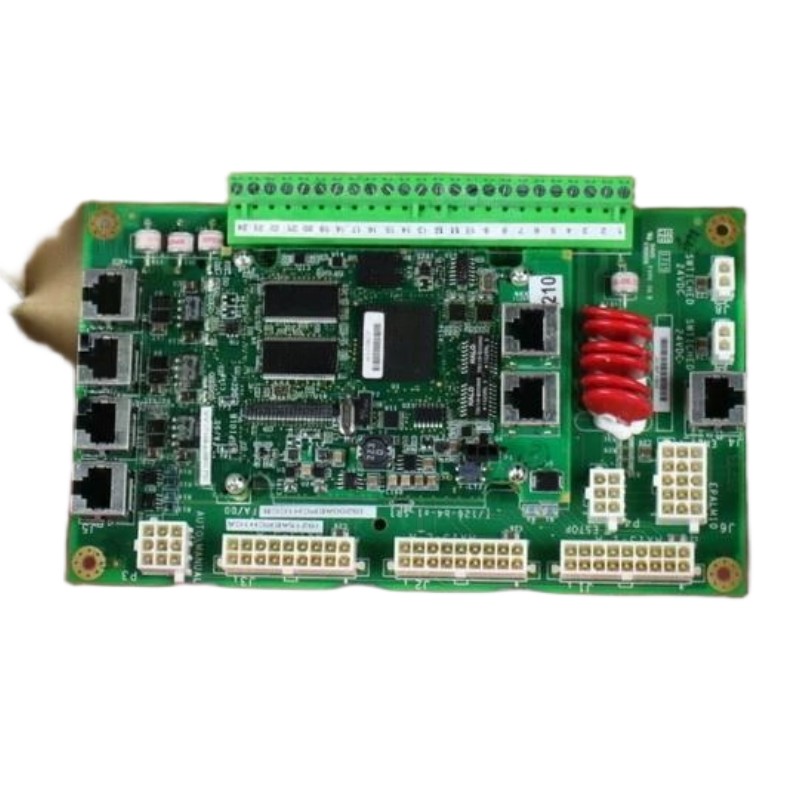
The GE IS210AEDBH4A Bridge Interface Board is a specialized electronic circuit board designed for integration into compatible GE industrial control and automation systems. As part of the GE IS210 series, the board provides bridge interface functionality within a larger control architecture, helping connect associated electronic assemblies and supporting the exchange of control, feedback, monitoring, or interface signals.
Industrial control equipment often consists of multiple dedicated circuit boards, each responsible for a specific part of the overall system. Processor boards handle control logic, I/O assemblies manage field signals, communication boards provide data exchange, and specialized interface boards connect different sections of the equipment. The bridge interface board forms part of this modular architecture.
The GE IS210AEDBH4A has listed dimensions of 280 × 20 × 140 mm and a weight of approximately 0.3 kg. Its narrow board profile is suitable for installation within industrial electronic equipment where available internal space must be used efficiently.
The exact electrical function and system compatibility of an IS210 board depend on the host equipment, hardware revision, connector configuration, and overall system architecture. Therefore, the complete part number should be verified before installation, replacement, or commissioning.
Technical Specifications
| Parameter | Specification |
|---|---|
| Manufacturer | General Electric (GE) |
| Model | IS210AEDBH4A |
| Product Type | Bridge Interface Board |
| Product Family | GE IS210 Series |
| Primary Function | Bridge interface and system interconnection |
| Application | Industrial Control and Automation |
| Board Type | Interface / Control Circuit Board |
| Dimensions | 280 × 20 × 140 mm |
| Weight | 0.3 kg |
| Installation | Compatible GE industrial control equipment |
| System Role | Interface between associated control-system assemblies |
| Typical Application | Industrial control, monitoring, electrical interface and system integration |
What Is the GE IS210AEDBH4A?
The GE IS210AEDBH4A is a specialized Bridge Interface Board intended to operate within a compatible GE industrial control system.
Unlike a general-purpose PLC processor or standard I/O module, an interface board is normally installed as part of a larger electronic architecture. Its purpose is to provide the necessary connection between different functional sections of the control equipment.
In a typical system, control logic may need to exchange information with bridge-related electrical circuitry. The interface architecture provides the pathway through which the relevant signals can be transferred between these sections.
A simplified relationship is:
Control Processor → Interface Electronics → Bridge Circuitry → Associated Equipment
Feedback or status information can then return through the corresponding interface path.
The exact implementation depends on the GE equipment in which the IS210AEDBH4A is installed.
Function and Working Principle
Bridge Interface
The primary role of the IS210AEDBH4A is associated with bridge interface functionality. Within industrial electrical equipment, bridge circuitry may form part of a controlled electrical or power-conversion system.
The interface board provides part of the electronic connection between control circuitry and the associated bridge section.
Signal Interconnection
The board can provide a structured electrical interface between different assemblies. Depending on the host system, these connections may be associated with control, monitoring, feedback, status, or protection functions.
The exact signal definitions should be confirmed against the applicable GE equipment documentation.
Control-System Coordination
Modern industrial systems depend on coordination between multiple electronic assemblies. A specialized interface board allows these assemblies to exchange information while maintaining a modular system structure.
This approach makes equipment easier to organize, maintain, diagnose, and replace at the board level.
Feedback and Monitoring
Where feedback information is part of the host-system architecture, interface circuitry can provide the connection required for information to move between the associated equipment and the control electronics.
This can allow the control system to monitor equipment status and respond according to its programmed operating logic.
Role in GE Industrial Control Systems
The GE IS210AEDBH4A Bridge Interface Board can serve as an interface layer between control electronics and associated bridge or electrical circuitry.
A simplified industrial control architecture can be represented as:
Operator Interface → Control Processor → Interface Board → Bridge / Electrical Equipment
Additional I/O, feedback, communication, and protection assemblies may operate alongside the interface board.
This modular structure provides several practical benefits. Individual boards can be dedicated to specific functions, while the overall system continues to operate as an integrated control platform.
Depending on the host system, the interface architecture can support:
- Control signal transmission
- Feedback signal paths
- Equipment status monitoring
- Bridge-related control functions
- Protection-system coordination
- Internal system communication
- Integration of specialized electronic assemblies
Industrial Applications
Power Generation
GE industrial control platforms are widely associated with power-generation applications. Specialized interface boards can form part of control systems used around generators and associated electrical equipment.
Generator Control
Generator systems require coordination between control logic, electrical equipment, feedback signals, monitoring circuits, and protection functions. Interface boards can contribute to the interconnection of these system sections.
Electrical Power Control
Bridge-related circuitry can be part of systems responsible for controlled electrical power functions. An interface board provides a connection between the control architecture and associated electrical circuitry.
Industrial Automation
Large industrial machines and process systems often use multiple electronic boards to distribute control, monitoring, and interface functions. The IS210AEDBH4A can serve as one element within such a modular architecture when correctly matched to the host equipment.
Equipment Maintenance
Industrial control systems may remain in service for extended periods. Maintaining correctly identified replacement boards is therefore important for minimizing downtime and supporting long-term equipment maintenance.
System Integration
The IS210AEDBH4A should be evaluated as part of the complete GE control-system architecture.
A compatible system may contain several types of electronic assemblies:
| System Component | General Function |
|---|---|
| Control Processor | Executes programmed control logic |
| Bridge Interface Board | Provides bridge-related system interconnection |
| Bridge / Electrical Circuitry | Performs associated electrical functions |
| Feedback Assembly | Provides equipment operating information |
| I/O Interface | Connects external process signals |
| Communication Assembly | Exchanges system data |
| Terminal Board | Provides electrical connection points |
| Power Supply | Supplies required system power |
| Operator Interface | Provides monitoring and control functions |
The exact system configuration depends on the equipment in which the board is installed.
Because different GE circuit boards can have similar physical dimensions, compatibility must be confirmed using the complete part number and system configuration rather than physical appearance alone.
Installation Guidelines
Correct installation is important for reliable operation of the GE IS210AEDBH4A.
Verify the Board Number
Before replacement, technicians should confirm:
- Full board model
- Revision designation
- Board markings
- Connector arrangement
- Existing board position
- Host equipment
- Associated cables
- System configuration
The replacement board should be positively identified as IS210AEDBH4A.
Isolate the Equipment
The associated industrial equipment should be placed into the appropriate maintenance condition before removing the circuit board.
Power isolation and electrical safety procedures should follow the requirements applicable to the host equipment.
Document Existing Wiring
Before removing the existing board, document the position of each cable and connector.
Clear records can help prevent incorrect reconnection during installation.
Inspect Connectors
Check all associated connectors for:
- Loose contacts
- Bent pins
- Corrosion
- Contamination
- Mechanical damage
- Signs of overheating
A connector problem can produce symptoms that appear to originate from the circuit board.
Use ESD Protection
The board should be handled using suitable electrostatic-discharge precautions. Avoid unnecessary contact with exposed electronic components and connector contacts.
Commissioning Procedure
After installation, the board should be commissioned systematically.
1. Verify Mechanical Installation
Confirm that the IS210AEDBH4A is correctly positioned and securely installed.
2. Verify Connections
Check each connector and cable against the installation records.
3. Inspect the Board
Look for visible damage, loose connections, contamination, or installation abnormalities.
4. Restore Power
Restore power according to the applicable GE system startup procedure.
5. Review Diagnostics
Check available alarms and diagnostic information for interface or system-related abnormalities.
6. Verify Functional Operation
Confirm that the associated equipment responds correctly to normal control commands and that expected feedback or status information is available.
Troubleshooting the IS210AEDBH4A
Troubleshooting should evaluate the complete control and signal path rather than assuming the circuit board is automatically the source of a fault.
No Expected Signal
If an associated system does not receive the expected signal, inspect:
- Board connectors
- Cable connections
- Associated power sources
- Control electronics
- Bridge circuitry
- Feedback paths
- System configuration
- Diagnostic information
A disconnected cable can create symptoms similar to a board failure.
Intermittent Operation
Intermittent faults may be associated with:
- Loose connectors
- Cable damage
- Mechanical vibration
- Contamination
- Electrical interference
- Thermal stress
- Aging electronic components
The physical installation should be inspected before replacing the board.
Unexpected Alarm
If an alarm occurs following board installation, verify:
- Correct board model
- Correct revision
- Correct installation location
- Correct cable routing
- Correct connector placement
- Associated equipment condition
- System configuration
Loss of Bridge-Related Function
If a bridge-related function is unavailable, investigate the complete signal chain:
Control Processor → IS210AEDBH4A → Associated Interface → Bridge Circuitry → Equipment
The fault may originate at any point in this chain.
Preventive Maintenance
Regular inspection of the board and surrounding equipment can help reduce unexpected failures.
Connector Maintenance
Inspect connectors for looseness, contamination, corrosion, or mechanical deterioration.
Cable Inspection
Associated wiring should be inspected for:
- Abrasion
- Cuts
- Insulation deterioration
- Excessive bending
- Loose connections
- Heat damage
Cabinet Environment
The electronic assembly should be maintained within the environmental conditions specified for the host equipment.
Excessive dust, moisture, temperature, or vibration can adversely affect electronic control equipment.
Diagnostic Monitoring
Where system diagnostics are available, recurring alarms should be recorded and investigated.
Spare-Part Control
The complete IS210AEDBH4A model designation should be recorded in the spare-parts inventory to avoid confusion with similar GE IS210 boards.
Physical Dimensions and Weight
The listed dimensions of the GE IS210AEDBH4A Bridge Interface Board are:
280 × 20 × 140 mm
The listed weight is:
0.3 kg
These specifications are useful for:
- Spare-parts planning
- Cabinet layout
- Maintenance preparation
- Shipping arrangements
- Inventory management
- Equipment documentation
The compact 20 mm board profile allows the assembly to fit into equipment where internal space is limited.
However, physical dimensions should not be used as the primary method of determining electrical compatibility.
Replacement Considerations
When replacing the GE IS210AEDBH4A, the complete identification of the original board should be verified.
Important details include:
- Full model number
- Revision
- Board markings
- Connector arrangement
- Host equipment
- Board location
- Associated circuit boards
- System configuration
GE IS210 boards may appear similar while serving different electrical functions. A board with the same dimensions should therefore not automatically be considered an acceptable replacement.
For inventory and maintenance purposes, recording the complete IS210AEDBH4A designation helps prevent incorrect component selection.
Related GE Control Components
The IS210AEDBH4A may operate within a broader GE industrial control architecture that can include:
- GE IS200 circuit boards
- GE IS210 interface boards
- Control processor boards
- I/O interface boards
- Feedback assemblies
- Communication boards
- Terminal boards
- Power interface assemblies
- Excitation-related control assemblies
- Industrial control power supplies
The actual combination of components depends on the specific host system.
Engineering Best Practices
Several engineering practices can improve the reliability and maintainability of systems containing the GE IS210AEDBH4A.
Record Complete Identification
Maintenance records should contain the complete board number and applicable revision information.
Document Cable Connections
Cable and connector locations should be documented before board removal.
Maintain Appropriate Spare Parts
Critical industrial equipment can benefit from maintaining correctly identified replacement boards.
Protect the Electronic Environment
Control cabinets should be maintained in a clean environment with suitable thermal management and protection from excessive moisture, dust, and vibration.
Diagnose the Complete System
Repeated interface-board faults should be investigated at the system level. Power supplies, cables, connectors, connected circuitry, environmental conditions, and mechanical vibration can all contribute to board-related symptoms.
Key Advantages
The GE IS210AEDBH4A Bridge Interface Board provides several practical characteristics for compatible industrial control applications:
- Specialized bridge interface functionality
- Integration into GE industrial control architectures
- Compact 280 × 20 × 140 mm form factor
- Listed weight of 0.3 kg
- Suitable for modular electronic control equipment
- Supports interconnection between associated system assemblies
- Useful for industrial maintenance and replacement
- Designed to operate as part of a larger control-system architecture
Technical FAQs
What is the GE IS210AEDBH4A?
The GE IS210AEDBH4A is a Bridge Interface Board designed for integration into compatible GE industrial control and automation equipment.
What is the function of the IS210AEDBH4A?
Its general function is to provide bridge-related interface and electrical interconnection within the associated GE control architecture.
What are the dimensions of the IS210AEDBH4A?
The listed dimensions are 280 × 20 × 140 mm.
How much does the IS210AEDBH4A weigh?
The listed weight is approximately 0.3 kg.
Is the IS210AEDBH4A a PLC?
No. It is a specialized industrial interface circuit board rather than a general-purpose PLC processor.
Can another GE IS210 board replace the IS210AEDBH4A?
Not necessarily. The complete part number, revision, connector arrangement, and host-system requirements should be verified before replacement.
What can cause an IS210AEDBH4A-related fault?
Possible causes include loose connectors, damaged cables, power problems, electrical interference, environmental stress, associated equipment faults, or electronic component failure.
What should be checked before installing a replacement?
Verify the complete model number, board revision, board position, connector arrangement, associated wiring, host equipment, and system configuration.
Where is the IS210AEDBH4A used?
It is intended for compatible GE industrial control systems requiring bridge interface functionality. The specific application depends on the host equipment.
Conclusion
The GE IS210AEDBH4A Bridge Interface Board is a specialized industrial circuit board designed to provide bridge-related interface and interconnection functionality within compatible GE control architectures. By connecting associated electronic assemblies, it can form part of the signal and control pathway between system processors, bridge circuitry, feedback functions, and other industrial equipment.
With listed dimensions of 280 × 20 × 140 mm and a weight of 0.3 kg, the board provides a compact form factor suitable for integration into industrial electronic assemblies.
For maintenance, replacement, and system refurbishment, the complete GE IS210AEDBH4A identification should be carefully verified before installation. Accurate board matching, proper connector documentation, electrostatic protection, controlled commissioning, and systematic troubleshooting are essential for reliable operation of the associated GE industrial control system.