

ProductPRODUCT
Featured products
Contact Us
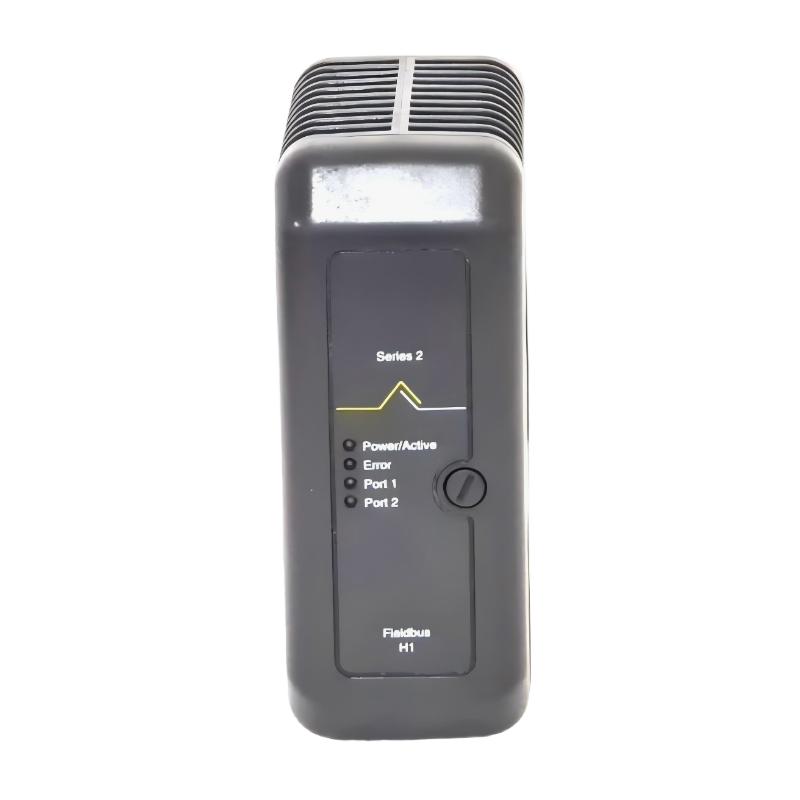
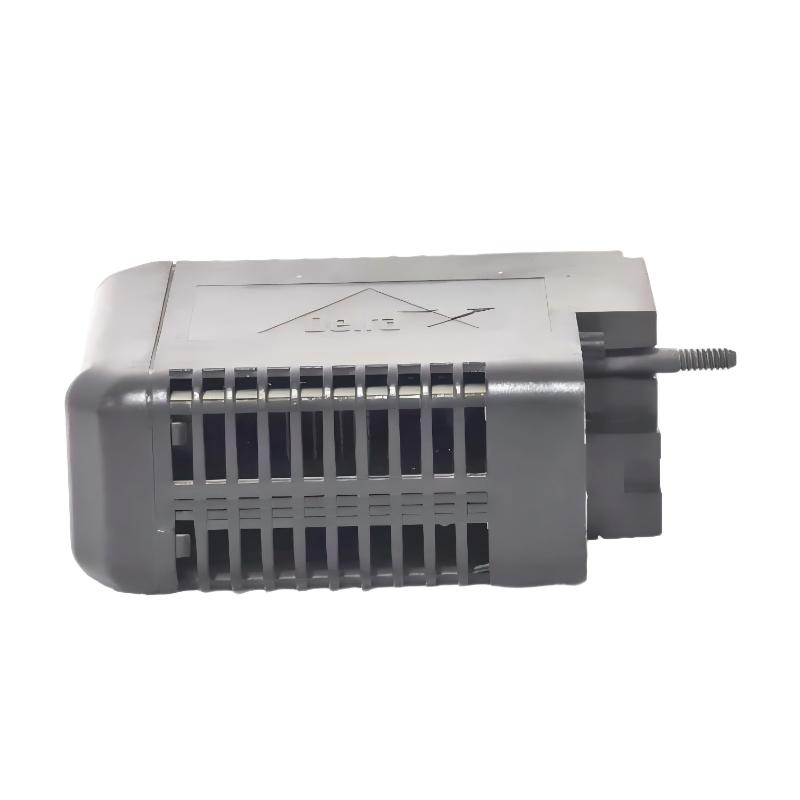
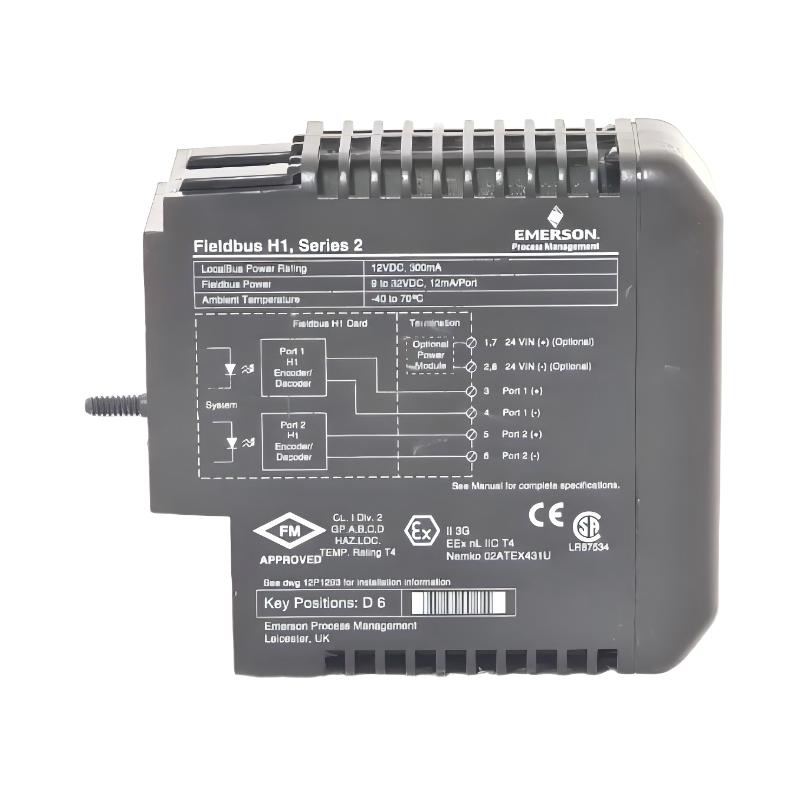
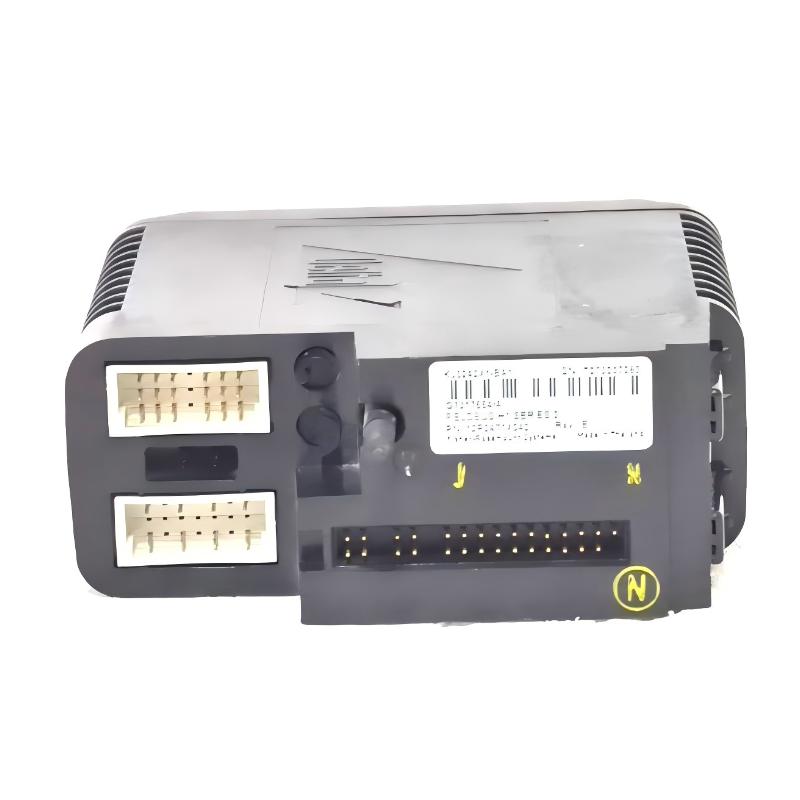
- Emerson
- VE4017P0 KJ3242X1-BA1
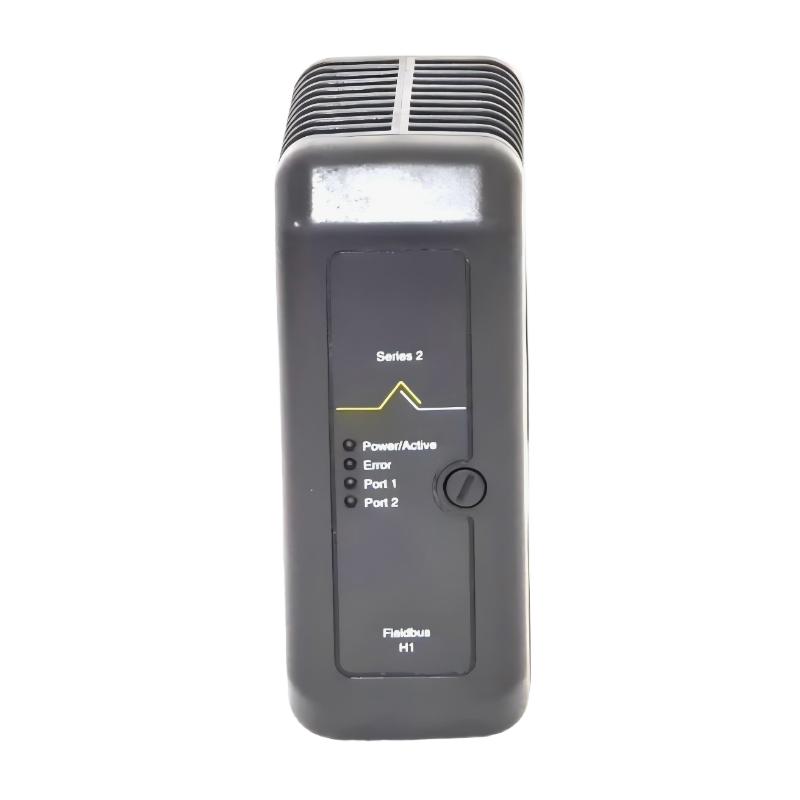
- Fieldbus H1 Bus Card
- USA
- 107 x 41 x 105 mm
- 0.3 kg
- Xiamen, China
- New & In Stock
- T/T, PayPal, Western Union
- 1 Year
- 1-3 Working Days
- DHL, UPS, TNT, FedEx and EMS.
- 24-Hour Service
- COO
- 18
Our advantage

Global Logistics
We have a 10-year logistics and express cooperation agreement, so our products can be shipped to any place in the world.

Brand new and original
Our products are imported in bulk from the place of origin. Because of the cooperative relationship, our products are all original and 100% new.

24-hour service
We provide 7*24 hours service to our customers. We will be there whenever you need us.

Price advantage
All our products are priced very favorably because we have our own warehouse and supply.
| Company Information | |||
| [email protected] | |||
| Mobile | +8615980777398 | ||
| +8615980777398 | |||
| 15980777398 |
Product Overview
The Emerson VE4017P0 KJ3242X1-BA1 Fieldbus H1 Bus Card is an industrial communication interface designed to connect field-level FOUNDATION Fieldbus H1 devices with a compatible Emerson process control architecture. It provides an important communication link between intelligent field instruments and the higher-level control system, allowing process information, device status, diagnostics, and control data to move between field devices and the automation platform.
As part of an Emerson distributed control system environment, the VE4017P0 is intended for applications where digital fieldbus communication is used instead of conventional point-to-point analog wiring. FOUNDATION Fieldbus H1 technology allows multiple intelligent field devices to communicate over a shared field network, reducing wiring requirements while providing access to device-level information.
The associated KJ3242X1-BA1 identification provides an additional hardware reference for the module. For maintenance, replacement, and inventory management, the complete identification should be retained because Emerson automation components can have closely related model numbers with different communication or hardware functions.
The Emerson VE4017P0 KJ3242X1-BA1 has listed dimensions of 107 × 41 × 105 mm and a weight of approximately 0.3 kg. Its compact form factor makes it suitable for integration into industrial control cabinets and modular I/O or communication architectures where space efficiency and reliable network connectivity are important.
Technical Specifications
| Parameter | Specification |
|---|---|
| Manufacturer | Emerson |
| Model | VE4017P0 |
| Part Number | KJ3242X1-BA1 |
| Product Type | Fieldbus H1 Bus Card |
| Communication Technology | FOUNDATION Fieldbus H1 |
| Primary Function | Fieldbus communication interface |
| Application | Industrial process control and automation |
| System Role | Field-device communication |
| Installation | Compatible Emerson industrial control system |
| Dimensions | 107 × 41 × 105 mm |
| Weight | 0.3 kg |
| Typical Applications | Process instrumentation, DCS, plant automation, intelligent field devices |
The exact electrical characteristics, supported segment configuration, power requirements, channel architecture, and hardware revision should be verified against the documentation applicable to the installed VE4017P0 KJ3242X1-BA1 configuration.
What Is the Emerson VE4017P0 KJ3242X1-BA1?
The VE4017P0 KJ3242X1-BA1 is a Fieldbus H1 communication card used to support digital communication between a control system and compatible field instrumentation.
Traditional industrial instrumentation often uses separate wiring for each measurement or control signal. A fieldbus architecture instead allows multiple intelligent devices to share a digital communication network. This makes it possible to transfer process variables together with additional information such as device status, diagnostics, configuration information, and other device data.
The VE4017P0 therefore operates as part of the communication layer connecting field instrumentation to the control architecture.
A simplified architecture can be represented as:
Field Instruments → FOUNDATION Fieldbus H1 Segment → VE4017P0 KJ3242X1-BA1 → Control System → Operator / Engineering Station
The actual system architecture depends on the Emerson platform, I/O arrangement, fieldbus segment design, and installed hardware.
Understanding FOUNDATION Fieldbus H1 Communication
FOUNDATION Fieldbus H1 is a digital communication technology developed for process automation environments. Unlike a conventional analog signal loop that primarily transfers one process variable, a digital fieldbus network can provide communication between multiple intelligent field devices and the control system.
Typical field devices connected to an H1 network can include:
- Pressure transmitters
- Temperature transmitters
- Flow transmitters
- Level instruments
- Valve positioners
- Control valves
- Analytical instruments
- Other compatible intelligent process devices
A fieldbus network can carry process information while also supporting device configuration and diagnostic information.
This capability makes H1 communication particularly valuable in process industries where large numbers of instruments are distributed throughout a plant.
Main Functions of the VE4017P0
Field Device Communication
The primary purpose of the VE4017P0 KJ3242X1-BA1 is to provide the communication interface required for integrating compatible H1 field devices into an Emerson control environment.
The card forms part of the communication path between the field network and the control system.
Digital Process Data Transfer
Fieldbus devices can transmit digital process information to the control system. Depending on the field instrument and configuration, this may include measured variables and associated device information.
Intelligent Instrument Integration
FOUNDATION Fieldbus instruments can provide more information than a simple analog transmitter. Integration through an H1 communication architecture can make device status and diagnostic information available to the control system.
Network-Based Instrumentation
The VE4017P0 supports an architecture in which multiple field devices can communicate through an H1 segment rather than requiring an individual dedicated signal cable for every process variable.
Support for Process Automation
By connecting field-level instrumentation with the control system, the card contributes to centralized process monitoring, control, alarm management, and instrument diagnostics.
Role in an Emerson Distributed Control System
In a process automation environment, the VE4017P0 can be considered part of the interface between the field instrumentation layer and the control-system layer.
A typical architecture consists of several levels:
Process → Sensors and Actuators → H1 Fieldbus → Communication Interface → Controller → Operator Station
At the field level, intelligent transmitters and actuators interact directly with the process.
The H1 network provides digital communication.
The VE4017P0 provides the required interface between the fieldbus network and the compatible Emerson control architecture.
The controller can then use the received information for:
- Process monitoring
- Control strategies
- Alarm generation
- Trend analysis
- Equipment diagnostics
- Instrument management
- Operator visualization
This distributed architecture helps organize process information while reducing dependence on large quantities of individual point-to-point wiring.
Industrial Applications
Oil and Gas
Oil and gas facilities use large numbers of intelligent pressure, temperature, flow, and valve instruments. H1 communication can provide an efficient method for integrating these field devices with centralized process control.
Chemical Processing
Chemical plants require continuous monitoring of process variables and equipment status. Fieldbus communication can support the integration of intelligent instruments while providing additional diagnostic information.
Power Generation
Power plants contain extensive process instrumentation throughout boilers, turbines, auxiliary systems, and balance-of-plant equipment. Digital field communication can simplify the integration of distributed instrumentation.
Water and Wastewater
Water-treatment facilities can use intelligent field devices for monitoring flow, pressure, level, and other process conditions. A fieldbus communication architecture can connect these instruments to centralized automation systems.
Pharmaceutical Manufacturing
Pharmaceutical processes require accurate and traceable process monitoring. Intelligent field instrumentation can provide process measurements together with additional diagnostic information.
Food and Beverage
Processing plants can use fieldbus-connected instrumentation for monitoring temperature, pressure, flow, level, and other process variables.
General Process Automation
The VE4017P0 can be relevant to industrial systems where Emerson control equipment is integrated with compatible FOUNDATION Fieldbus H1 instrumentation.
Fieldbus Network Architecture
A typical H1 installation contains several functional elements.
Field Instruments
Transmitters and other intelligent devices measure process conditions or perform control actions.
H1 Segment
The fieldbus segment provides the physical communication network connecting the field devices.
Power and Segment Infrastructure
Depending on the system design, the fieldbus segment requires appropriate power and network infrastructure.
VE4017P0 Interface
The KJ3242X1-BA1 card provides the communication interface between the fieldbus segment and the Emerson control architecture.
Controller
The control system processes field information and executes configured control strategies.
Operator Interface
Process values, alarms, device status, and diagnostic information can be presented to operators through the appropriate Emerson operator interface.
Installation Guidelines
Correct installation is essential for reliable fieldbus communication.
Verify Hardware Identification
Before installing or replacing the VE4017P0, confirm:
- VE4017P0 model
- KJ3242X1-BA1 part number
- Hardware revision
- Existing card location
- Connector arrangement
- Associated carrier or mounting hardware
- Fieldbus segment connections
- Control-system configuration
The replacement should match the existing system requirements rather than being selected solely by physical appearance.
Mounting
The listed dimensions of the card are:
107 × 41 × 105 mm
The control cabinet should provide adequate space for installation, cable routing, connector access, and maintenance.
Fieldbus Connections
Fieldbus wiring should follow the applicable system design and installation requirements. Correct polarity, shielding, termination, grounding, and segment construction are important for maintaining reliable communication.
Environmental Conditions
The card should be installed in an appropriate industrial control cabinet protected from excessive:
- Dust
- Moisture
- Heat
- Vibration
- Electrical interference
The actual environmental limits should be confirmed from the applicable equipment documentation.
Fieldbus Wiring Considerations
Fieldbus communication is dependent on the quality of the physical network.
Important considerations include:
Cable Selection
Use cable suitable for the installed FOUNDATION Fieldbus H1 architecture.
Shielding
Appropriate shielding practices can help reduce electromagnetic interference from nearby power equipment.
Grounding
Grounding should follow the system design and applicable industrial installation practices.
Segment Termination
Correct network termination is important for maintaining communication signal integrity.
Cable Routing
Fieldbus cables should be routed appropriately and separated from high-power switching conductors where required.
Connection Integrity
Loose terminals, damaged cables, corrosion, or poor connections can cause intermittent communication problems.
Configuration and Commissioning
After the physical installation is complete, the communication system should be commissioned systematically.
Step 1: Verify Hardware
Confirm that the installed card is the correct VE4017P0 KJ3242X1-BA1 configuration.
Step 2: Inspect Connections
Check fieldbus wiring, connectors, shielding, grounding, and associated network components.
Step 3: Verify Segment Configuration
Confirm that the H1 segment has been designed and configured correctly for the connected field devices.
Step 4: Check Device Recognition
The control system should be checked to confirm that expected field devices are recognized and communicating correctly.
Step 5: Verify Process Values
Compare displayed process values with expected operating conditions or an appropriate reference.
Step 6: Check Diagnostics
Review available communication and device diagnostics for abnormal conditions.
Step 7: Confirm Control Operation
If fieldbus data participates in automatic control, verify the complete control loop before placing the system into normal automatic operation.
Troubleshooting the VE4017P0
Fieldbus communication faults should be investigated systematically rather than immediately replacing the communication card.
No Fieldbus Communication
Possible causes include:
- Incorrect fieldbus wiring
- Loose connections
- Incorrect segment configuration
- Network termination problems
- Power or segment infrastructure problems
- Incorrect device configuration
- Card installation problems
- Hardware faults
Check the complete communication path from the field device to the control system.
Intermittent Communication
Intermittent communication can be caused by:
- Loose terminals
- Cable damage
- Electrical interference
- Poor shielding
- Grounding problems
- Network configuration issues
- Unstable segment conditions
- Hardware degradation
Monitoring the communication diagnostics while checking physical connections can help isolate the fault.
One Device Not Communicating
If only one field device is affected, inspect that device and its local connection before replacing the VE4017P0.
Check:
- Instrument power
- Device wiring
- Device configuration
- Fieldbus connection
- Device status
- Segment condition
Multiple Devices Affected
If several devices on the same segment stop communicating simultaneously, investigate the common network infrastructure, segment power, termination, wiring, and interface card.
This approach helps distinguish a network-level problem from an individual instrument fault.
Preventive Maintenance
Regular maintenance can improve the reliability of a fieldbus-based control system.
Inspect Fieldbus Wiring
Check cables and terminals for mechanical damage, looseness, corrosion, or other visible problems.
Check Cabinet Conditions
Maintain suitable cabinet temperature, cleanliness, ventilation, and humidity.
Review Diagnostics
Communication diagnostics and device status information can provide early indications of developing problems.
Monitor Communication Stability
Repeated communication interruptions should be investigated rather than treated as isolated events.
Maintain Spare Hardware
For critical process-control systems, maintaining a correctly identified spare VE4017P0 can reduce downtime during hardware replacement.
Replacement Considerations
When replacing an Emerson VE4017P0 KJ3242X1-BA1 Fieldbus H1 Bus Card, the complete identification should be checked carefully.
Important details include:
- VE4017P0 model
- KJ3242X1-BA1 part number
- Hardware revision
- Existing system platform
- Fieldbus architecture
- Carrier or mounting arrangement
- Connector configuration
- Application configuration
The listed physical dimensions are 107 × 41 × 105 mm, and the listed weight is 0.3 kg.
Physical compatibility alone does not guarantee functional compatibility. Emerson cards with similar dimensions may perform different communication, I/O, or interface functions.
Cabinet Installation and Space Planning
The compact 107 × 41 × 105 mm form factor allows the VE4017P0 to fit within modular industrial control equipment while leaving appropriate space for wiring and maintenance.
During cabinet planning, engineers should consider:
- Card mounting position
- Adjacent modules
- Cable bend radius
- Fieldbus cable routing
- Connector accessibility
- Ventilation
- Service clearance
- Electromagnetic compatibility
- Grounding arrangements
The nominal dimensions describe the card itself and should not be interpreted as the complete cabinet space requirement.
Compatible System Components
The VE4017P0 may form part of a larger process-control architecture containing:
| Component | Typical Function |
|---|---|
| VE4017P0 KJ3242X1-BA1 | Fieldbus H1 communication interface |
| FOUNDATION Fieldbus H1 Devices | Intelligent field instrumentation |
| Fieldbus Segment Infrastructure | Network communication and power distribution |
| Process Controller | Executes control strategies |
| I/O and Interface Hardware | Connects system-level signals and devices |
| Engineering Station | Configuration and system engineering |
| Operator Station | Process visualization and monitoring |
| Control Network | Transfers information between system nodes |
| Field Instruments | Measure or control process conditions |
The exact combination depends on the installed Emerson control architecture.
Related Emerson Models
| Model | General Product Role | Typical Application |
|---|---|---|
| VE4014 | Interface Card / PROFIBUS DP Interface | Industrial communication |
| VE4015 | Multifunction I/O Module | Process I/O |
| VE4016 | DeviceNet Interface Card | Device-level networking |
| VE4017P0 | Fieldbus H1 Bus Card | FOUNDATION Fieldbus communication |
| VE4006P | Serial Interface Module | Serial communication |
| VE4007 | Fieldbus Card | Industrial fieldbus integration |
| VE4009 | ASI Interface Card | AS-Interface communication |
| VE4011B1 | Digital Output Module | Discrete control outputs |
| VE4012S2 | Analog Input Module | Process analog measurement |
| VE4003S2 | Analog Input Card | Analog process signals |
These products may occupy related positions within industrial automation architectures, but they should not be considered direct substitutes for the VE4017P0 unless the complete system configuration and communication requirements have been verified.
Engineering Best Practices
For reliable operation of the Emerson VE4017P0 KJ3242X1-BA1, several engineering practices are recommended.
Maintain Accurate Hardware Records
Record the complete model and part number whenever a card is installed or replaced.
Document Fieldbus Segments
Maintain updated documentation showing field devices, segment connections, and associated control-system interfaces.
Separate Communication and Power Wiring
Appropriate cable routing can reduce electromagnetic interference.
Monitor Device Diagnostics
Intelligent field devices can provide valuable diagnostic information that should be incorporated into maintenance procedures.
Validate Changes Before Operation
Configuration changes should be tested systematically before returning a process to automatic operation.
Keep Correct Spare Parts
A spare should match the exact hardware identification required by the installed system.
Key Advantages
- Supports FOUNDATION Fieldbus H1 communication
- Provides a digital interface between field devices and control architecture
- Supports intelligent field instrumentation integration
- Helps reduce dependence on individual point-to-point signal wiring
- Enables access to process and device information
- Suitable for distributed process automation architectures
- Compact 107 × 41 × 105 mm construction
- Listed weight of 0.3 kg
- Suitable for integration into compatible Emerson control systems
- Supports centralized process monitoring and instrument diagnostics
Technical FAQs
What is the Emerson VE4017P0?
The Emerson VE4017P0 is a Fieldbus H1 bus card designed to provide a communication interface between compatible FOUNDATION Fieldbus H1 field devices and an Emerson industrial control architecture.
What is the part number of the VE4017P0?
The associated part number provided for this configuration is KJ3242X1-BA1.
What communication technology does the VE4017P0 support?
The card is identified as a Fieldbus H1 Bus Card, associated with FOUNDATION Fieldbus H1 process communication.
What is the size of the VE4017P0 KJ3242X1-BA1?
The listed dimensions are 107 × 41 × 105 mm.
How much does the VE4017P0 weigh?
The listed weight is approximately 0.3 kg.
What types of devices can be connected through an H1 network?
Compatible H1 networks can integrate intelligent process instruments such as pressure, temperature, flow, level, analytical, and valve-related devices, depending on the system configuration.
Is the VE4017P0 a PLC?
No. The VE4017P0 is a Fieldbus H1 communication interface card, not a general-purpose PLC CPU.
Can VE4016 replace VE4017P0?
The VE4016 and VE4017P0 are associated with different field communication functions. VE4016 is identified as a DeviceNet interface card, while VE4017P0 is identified as a Fieldbus H1 bus card. They should not be considered interchangeable without verifying the complete control-system architecture.
What should be checked before replacing the card?
Technicians should verify the model number, part number, hardware revision, mounting arrangement, connectors, fieldbus architecture, and control-system configuration before installing a replacement.
What causes H1 communication problems?
Common possibilities include wiring faults, poor connections, network configuration problems, segment infrastructure issues, electrical interference, grounding or termination problems, field-device faults, or communication hardware faults.
Conclusion
The Emerson VE4017P0 KJ3242X1-BA1 Fieldbus H1 Bus Card is an industrial communication component designed to connect compatible FOUNDATION Fieldbus H1 field instrumentation with an Emerson process control architecture. By providing a digital communication path between intelligent field devices and the control system, it supports process monitoring, instrument integration, device diagnostics, and distributed automation.
With listed dimensions of 107 × 41 × 105 mm and a weight of 0.3 kg, the VE4017P0 provides a compact solution for industrial control-system installations. Its role is particularly relevant in process plants where numerous intelligent instruments must communicate with a centralized or distributed control architecture.
For installation, commissioning, troubleshooting, or replacement, the complete VE4017P0 KJ3242X1-BA1 identification should be verified. Reliable operation depends not only on the communication card but also on correct H1 segment design, fieldbus wiring, device configuration, grounding, termination, and the condition of the connected field instrumentation.
When properly integrated into a compatible Emerson automation system, the VE4017P0 can form an important part of the communication infrastructure connecting field-level process information with higher-level control, monitoring, and maintenance functions.