

ProductPRODUCT
Featured products



Contact Us
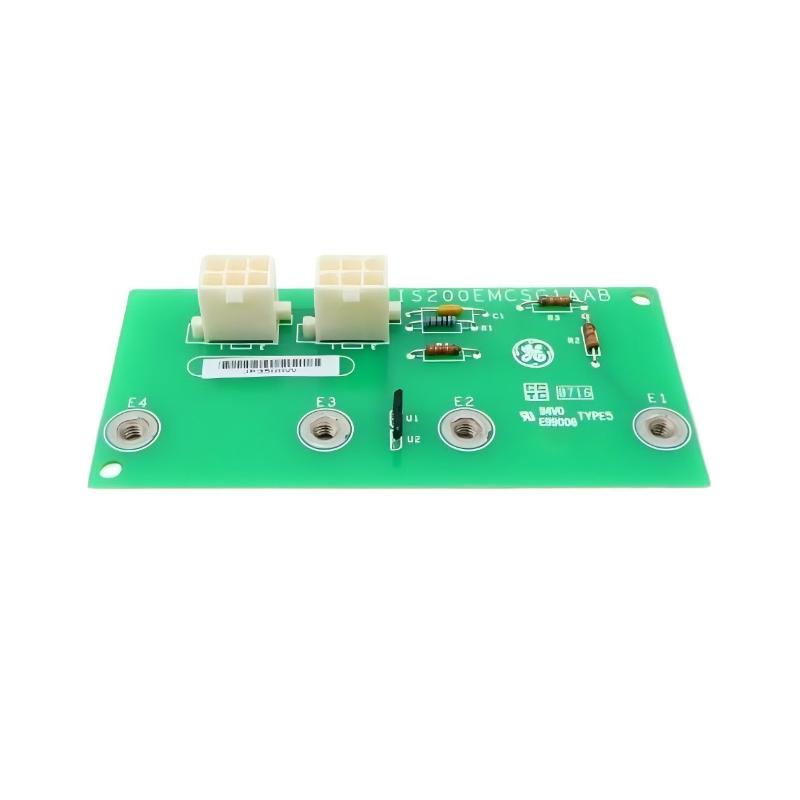
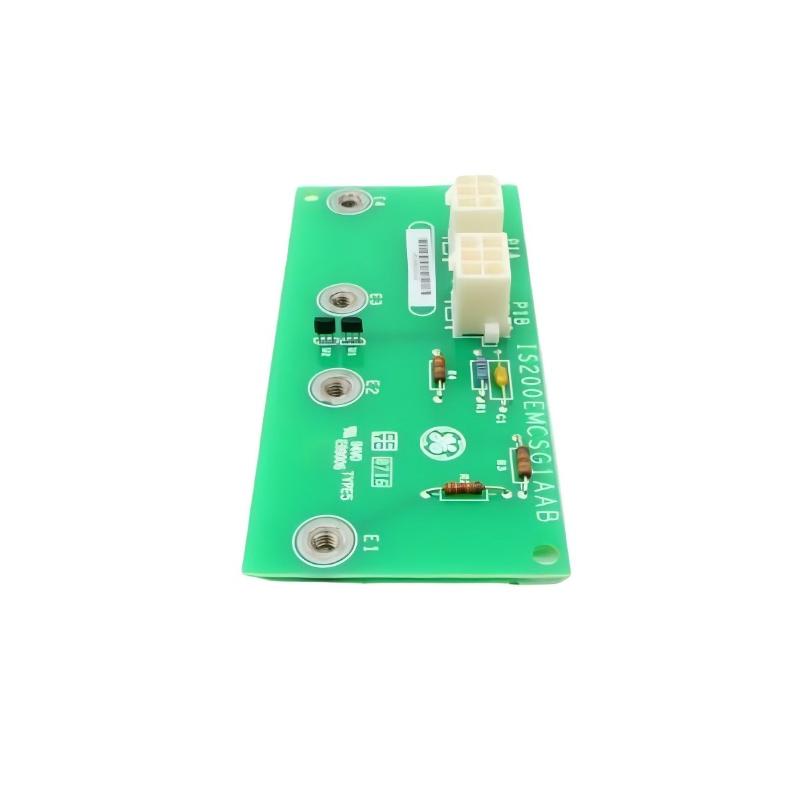
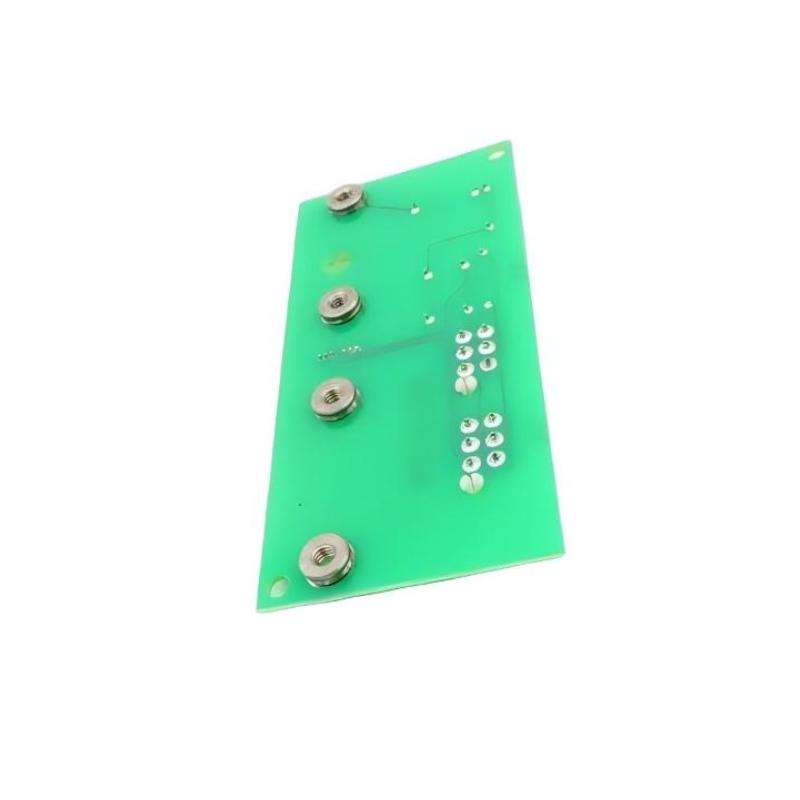
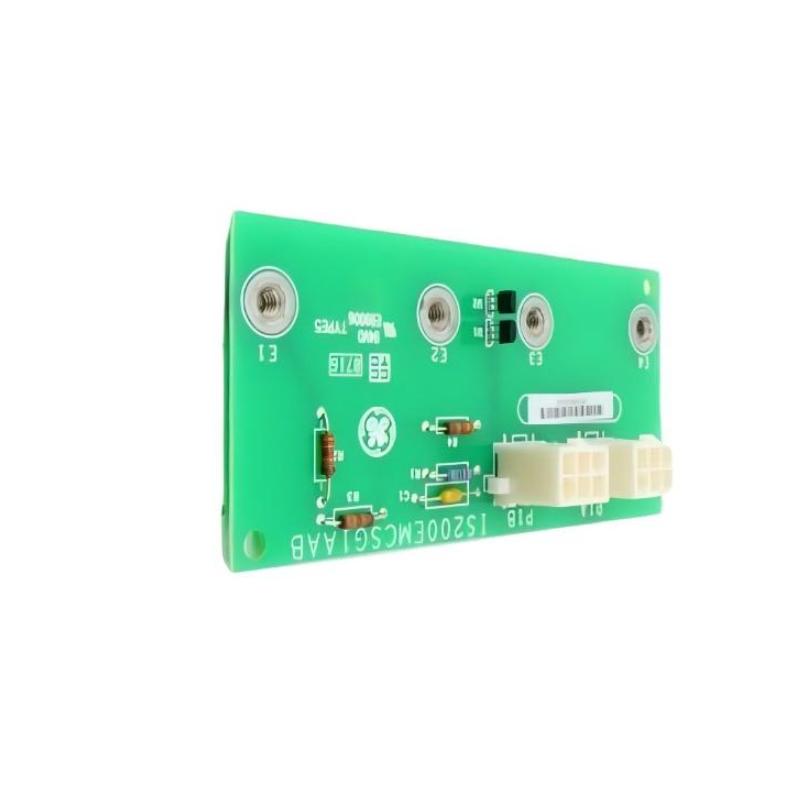
- GE
- IS200EMCSG1AAB
- Conductivity Sensor Board
- USA
- 121.5 × 82 × 20 mm
- 0.33 kg
- Xiamen, China
- New & In Stock
- T/T, PayPal, Western Union
- 1 Year
- 1-3 Working Days
- DHL, UPS, TNT, FedEx and EMS.
- 24-Hour Service
- COO
- 5
Our advantage

Global Logistics
We have a 10-year logistics and express cooperation agreement, so our products can be shipped to any place in the world.

Brand new and original
Our products are imported in bulk from the place of origin. Because of the cooperative relationship, our products are all original and 100% new.

24-hour service
We provide 7*24 hours service to our customers. We will be there whenever you need us.

Price advantage
All our products are priced very favorably because we have our own warehouse and supply.
| Company Information | |||
| [email protected] | |||
| Mobile | +8615980777398 | ||
| +8615980777398 | |||
| 15980777398 |

Product Overview
The GE IS200EMCSG1AAB Conductivity Sensor Board is a specialized electronic interface board designed for industrial measurement and control applications. As part of the GE IS200 family, the board is intended to support conductivity-related sensing and signal-processing functions within a compatible industrial control architecture. It provides an interface between conductivity sensing elements and the control system, allowing measured process conditions to be converted into usable electrical information for monitoring, regulation, and diagnostic functions.
Conductivity measurement is commonly used when an industrial process requires information about the electrical conductivity of a liquid or process medium. Depending on the application, conductivity information can be used to evaluate water quality, chemical concentration, contamination, process consistency, or other operating conditions. A dedicated sensor interface board helps provide a stable connection between field sensing equipment and the electronic control system.
The GE IS200EMCSG1AAB has listed dimensions of 121.5 × 82 × 20 mm and a weight of approximately 0.33 kg. Its compact construction makes it suitable for integration into industrial control equipment where measurement electronics must operate together with other control, monitoring, and interface assemblies.
Technical Specifications
| Parameter | Specification |
|---|---|
| Manufacturer | General Electric (GE) |
| Model | IS200EMCSG1AAB |
| Product Type | Conductivity Sensor Board |
| Product Family | GE IS200 Series |
| Primary Function | Conductivity sensing interface and signal processing |
| Measurement Type | Conductivity |
| Application | Industrial Process Measurement and Control |
| Interface Role | Sensor-to-control-system interface |
| Board Type | Sensor / Measurement Interface Board |
| Dimensions | 121.5 × 82 × 20 mm |
| Weight | 0.33 kg |
| Installation | Compatible GE industrial control equipment |
| Typical Application | Process monitoring and industrial instrumentation |
What Is the GE IS200EMCSG1AAB?
The IS200EMCSG1AAB is a GE conductivity sensor board intended to provide measurement-interface functionality within an industrial control system.
Conductivity sensors measure the ability of a liquid or process medium to conduct electrical current. This property can change significantly with the concentration of dissolved ions, chemicals, salts, and other conductive substances. Industrial systems can therefore use conductivity measurement as an indirect indication of process conditions.
The sensor itself interacts with the process medium, while the electronic interface board provides the necessary connection between the sensing element and the control architecture.
A simplified measurement chain can be represented as:
Process Medium → Conductivity Sensor → IS200EMCSG1AAB → Signal Processing → Control System
The actual signal path and system configuration depend on the equipment in which the board is installed.
Conductivity Measurement Principle
Conductivity is an electrical property that describes how readily a material allows electric current to pass through it. In industrial process applications, conductivity measurement is most commonly associated with liquids containing dissolved ions.
A conductivity sensing arrangement typically uses electrodes or an equivalent sensing structure. The electronic system applies an appropriate excitation and evaluates the resulting electrical response.
The measured conductivity can then be used by a control system to determine whether a process remains within its intended operating range.
For example, changes in conductivity can indicate:
- Changes in dissolved chemical concentration
- Water-quality changes
- Process contamination
- Cleaning or rinsing conditions
- Changes in solution composition
- Variations in process chemistry
The IS200EMCSG1AAB provides an electronic interface for integrating conductivity measurement into the broader control system.
Function and Working Principle
Sensor Signal Acquisition
The conductivity sensor produces an electrical response related to the conductivity of the monitored process medium. The board receives the appropriate sensor signal through its associated interface.
Signal Conditioning
Raw sensor signals may require conditioning before they can be reliably interpreted by the control system. Signal conditioning can involve appropriate amplification, filtering, isolation, or conversion functions depending on the board and host-system architecture.
Measurement Processing
The board supports the conversion of sensor information into a form that can be used by the associated industrial control electronics.
Accurate signal processing is important because conductivity measurements can be relatively sensitive to installation conditions, sensor condition, wiring, and electrical interference.
Control-System Interface
After the measurement has been processed, the information can be transferred to the associated control system. The controller can then use the conductivity value for monitoring, alarms, process regulation, or diagnostic purposes.
Continuous Process Monitoring
In applications where conductivity changes continuously with process conditions, the sensor interface can support ongoing measurement rather than requiring manual sampling.
This makes conductivity sensing useful for automated industrial processes where fast detection of process changes is important.
Role in Industrial Automation
The IS200EMCSG1AAB can serve as part of an instrumentation chain connecting a physical process with an industrial control system.
Modern automation systems often require more than simple discrete ON/OFF signals. Process variables such as pressure, temperature, flow, level, pH, and conductivity provide continuous information about the condition of the equipment and process.
A conductivity sensor board contributes to this measurement architecture.
Its role can be summarized as:
Physical Process → Sensor → Measurement Interface → Control Logic → Operator / Automation Response
This allows conductivity information to become part of a larger automated decision-making process.
For example, a controller may monitor conductivity continuously and initiate an alarm when the measurement moves outside a configured operating range. Depending on the application, the same measurement may also be used as part of a closed-loop control strategy.
Industrial Applications
Water Treatment
Conductivity is a widely used parameter in water-treatment processes. Changes in conductivity can provide information about dissolved ionic material and overall water quality.
A conductivity measurement interface can therefore contribute to automated monitoring and treatment control.
Process Water Monitoring
Industrial facilities frequently monitor process water to detect contamination or changes in water chemistry. Continuous conductivity measurement can provide an early indication of abnormal conditions.
Chemical Processing
Many chemical solutions exhibit conductivity characteristics that change with concentration. Conductivity measurement can therefore be incorporated into process-monitoring systems where solution composition must remain within defined limits.
Industrial Cleaning Systems
Conductivity can help distinguish between different stages of cleaning and rinsing processes. Automated systems may use conductivity changes to determine whether a process has reached the desired condition.
Utilities and Industrial Instrumentation
Conductivity measurement can also be incorporated into utility systems and industrial instrumentation packages where liquid-quality monitoring is required.
Installation and System Integration
The GE IS200EMCSG1AAB should be installed only in a compatible system and according to the applicable equipment maintenance procedures.
Confirm Board Identification
Before replacement, technicians should record the existing board information, including:
- Complete part number
- Revision designation
- Board location
- Connector arrangement
- Sensor wiring
- Associated interface boards
- Control-system configuration
The replacement should be checked against the original IS200EMCSG1AAB identification.
Sensor Wiring
Conductivity measurements depend heavily on proper sensor wiring. Incorrect connections can result in unstable readings, inaccurate measurements, or complete loss of the sensor signal.
All sensor connections should therefore be checked before commissioning.
Sensor Condition
The sensor itself should also be inspected. Deposits, contamination, corrosion, mechanical damage, or improper installation can affect conductivity measurements.
Replacing the electronic board will not correct a problem caused by a damaged or contaminated sensor.
Grounding and Noise Control
Conductivity measurement circuits can be sensitive to electrical noise. Proper grounding, cable routing, and separation from high-power switching conductors can help maintain signal quality.
Commissioning
Following installation, the system should be checked under known process conditions. The measured value should be compared with an appropriate reference or expected process range before the equipment is returned to normal operation.
Troubleshooting the IS200EMCSG1AAB
Conductivity measurement problems should be investigated as a complete sensor-to-controller system.
No Conductivity Signal
If the control system receives no valid conductivity measurement, inspect:
- Sensor connection
- Sensor cable
- Board connectors
- Board power
- Signal interface
- Sensor condition
- Control-system diagnostics
A disconnected sensor can create symptoms similar to an electronic board fault.
Unstable Conductivity Reading
An unstable reading may result from:
- Electrical interference
- Poor sensor connection
- Damaged sensor cable
- Contaminated sensor
- Process turbulence
- Improper sensor installation
- Electronic signal-conditioning problems
The sensor and process environment should therefore be checked before replacing the board.
Reading Too High or Too Low
Incorrect conductivity readings may be caused by sensor condition, incorrect installation, unsuitable measurement configuration, wiring problems, or board-level issues.
A known reference solution or calibrated measurement method can be useful when verifying the measurement chain.
Intermittent Signal
Intermittent measurements can indicate:
- Loose wiring
- Connector problems
- Cable damage
- Vibration
- Temperature-related electronic behavior
- Sensor degradation
- Poor electrical isolation
Monitoring the signal while physically inspecting the cable and connections can help identify intermittent faults.
Maintenance Recommendations
Regular maintenance should cover both the electronic interface and the conductivity sensor.
Inspect the Sensor
The sensing element should be inspected periodically for deposits, scaling, corrosion, or physical damage.
Check Wiring
Sensor cables should be checked for mechanical damage, loose terminals, moisture ingress, and excessive bending.
Maintain Clean Connections
Board and sensor connectors should remain clean and securely connected.
Monitor Measurement Trends
A gradual change in conductivity readings can sometimes be more informative than a sudden fault. Trend monitoring can help identify sensor degradation or process changes before they become major problems.
Control the Installation Environment
The control cabinet should be protected from excessive dust, moisture, heat, and vibration. Maintaining appropriate environmental conditions helps improve the service life of electronic boards.
Compatible System Components
The IS200EMCSG1AAB may operate as part of a broader industrial instrumentation and control system containing several functional layers.
| Component | Typical Function |
|---|---|
| Conductivity Sensor | Detects conductivity of the process medium |
| Sensor Cable | Transfers measurement signals |
| IS200EMCSG1AAB | Conductivity measurement interface |
| Signal-Conditioning Electronics | Processes sensor information |
| Control Processor | Executes monitoring and control logic |
| I/O Interface | Transfers process data to the control system |
| Operator Interface | Displays measurement and alarm information |
| Process Control Equipment | Performs the required control action |
The exact system components depend on the host equipment and application.
Recommended Related GE Models
| GE Model | Product Description | General Role |
|---|---|---|
| IS200EISBH1AAA | Fiber Optic Circuit Board | Industrial communication interface |
| IS200EACFG1B | Exciter AC Feedback Board | Excitation feedback |
| IS200EBKPG1CAA | Exciter Backplane | Board interconnection |
| IS200EGDMH1AGG | Exciter Ground Detector Module | Ground monitoring |
| IS200EHPAG1DCB | Exciter High Voltage Pulse Amplifier | SCR gate-pulse interface |
| IS200DSPXH1CAA | Digital Signal Processor Control Board | Digital control processing |
| IS200DSPXH2CAA | Digital Signal Processor Control Board | Control and communication processing |
These models represent related GE electronic assemblies, but they should not be considered direct replacements for the IS200EMCSG1AAB without confirming the application and system configuration.
Key Advantages
Dedicated Conductivity Measurement Interface
The IS200EMCSG1AAB provides a specialized interface for integrating conductivity sensing into an industrial control architecture.
Compact Construction
With listed dimensions of 121.5 × 82 × 20 mm, the board can be incorporated into equipment where electronic assembly space is limited.
Process Monitoring Capability
Conductivity data can provide valuable information about liquid composition, water quality, contamination, and process changes.
Suitable for Automated Systems
The board supports integration of conductivity information into automated monitoring and control strategies.
Industrial Control Integration
As an IS200-series electronic assembly, the board can form part of a larger GE industrial control architecture when correctly matched to the host system.
Replacement Considerations
When sourcing a replacement for the GE IS200EMCSG1AAB Conductivity Sensor Board, the exact part number should be verified.
Important identification details include:
- Full model number
- Revision designation
- Board markings
- Connector configuration
- Sensor interface
- Existing installation position
- Host equipment
- Associated control hardware
The listed physical dimensions are 121.5 × 82 × 20 mm, with a listed weight of 0.33 kg.
The dimensions and weight are also useful for inventory planning, cabinet-layout preparation, and replacement logistics.
Because GE IS200 boards can have similar physical characteristics but very different electrical functions, physical appearance alone should not be used to determine compatibility.
Technical FAQs
What is the GE IS200EMCSG1AAB?
The GE IS200EMCSG1AAB is a Conductivity Sensor Board designed to provide conductivity measurement interface functionality within compatible industrial control equipment.
What does the IS200EMCSG1AAB measure?
It is associated with conductivity measurement, which can be used to evaluate the electrical conductivity of a process medium such as an industrial liquid or water-based solution.
Why is conductivity important in industrial automation?
Conductivity can provide information about dissolved ionic material, solution concentration, contamination, and changes in process conditions. This makes it useful for automated monitoring and process control.
What are the dimensions of the IS200EMCSG1AAB?
The listed dimensions are 121.5 × 82 × 20 mm.
How much does the IS200EMCSG1AAB weigh?
The listed weight is approximately 0.33 kg.
Is the IS200EMCSG1AAB a PLC module?
No. It is a specialized conductivity sensor and measurement interface board, rather than a general-purpose PLC CPU or conventional digital I/O module.
What can cause an incorrect conductivity reading?
Possible causes include sensor contamination, damaged wiring, incorrect sensor installation, electrical interference, connection problems, process changes, or faults in the measurement electronics.
Can a different GE IS200 board replace the IS200EMCSG1AAB?
A different IS200 board should not be assumed to be interchangeable. The complete model number, revision, interface configuration, and host-system requirements should be verified before replacement.
How should the board be maintained?
Maintenance should include inspection of the circuit board, connectors, sensor wiring, and sensing element. The process sensor should also be kept clean and correctly installed to maintain measurement accuracy.
Conclusion
The GE IS200EMCSG1AAB Conductivity Sensor Board is a specialized measurement-interface component designed to connect conductivity sensing with an industrial control system. By supporting the acquisition and processing of conductivity-related signals, it can contribute to automated monitoring of water quality, chemical concentration, process conditions, and other liquid-related parameters.
With listed dimensions of 121.5 × 82 × 20 mm and a weight of 0.33 kg, the board provides a compact solution for industrial instrumentation and control applications. Its effectiveness depends not only on the electronic board itself but also on the condition of the conductivity sensor, wiring, installation environment, and associated control equipment.
For replacement and maintenance work, the complete GE IS200EMCSG1AAB model designation should be checked carefully before installation. Correct board identification, proper sensor connections, clean measurement interfaces, and appropriate system commissioning are essential for reliable conductivity measurement and stable industrial process control.