

ProductPRODUCT
Featured products



Contact Us
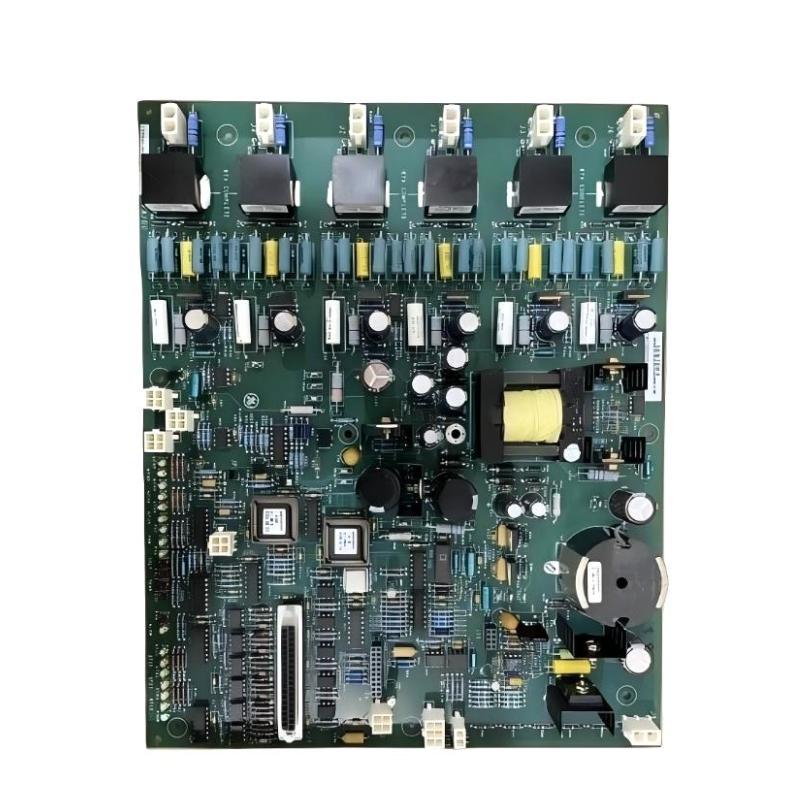
- GE
- IS200EHPAG1DCB
- Exciter High Voltage Pulse Amplifier
- USA
- 250 × 180 × 60 mm
- 1.2 kg
- Xiamen, China
- New & In Stock
- T/T, PayPal, Western Union
- 1 Year
- 1-3 Working Days
- DHL, UPS, TNT, FedEx and EMS.
- 24-Hour Service
- COO
- 5
Our advantage

Global Logistics
We have a 10-year logistics and express cooperation agreement, so our products can be shipped to any place in the world.

Brand new and original
Our products are imported in bulk from the place of origin. Because of the cooperative relationship, our products are all original and 100% new.

24-hour service
We provide 7*24 hours service to our customers. We will be there whenever you need us.

Price advantage
All our products are priced very favorably because we have our own warehouse and supply.
| Company Information | |||
| [email protected] | |||
| Mobile | +8615980777398 | ||
| +8615980777398 | |||
| 15980777398 |
Product Overview
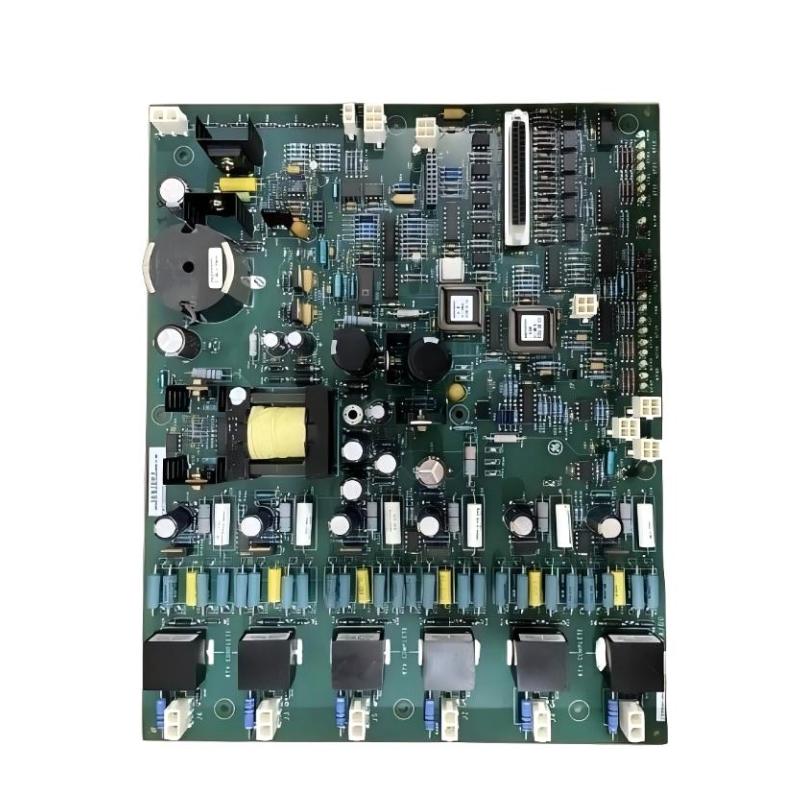
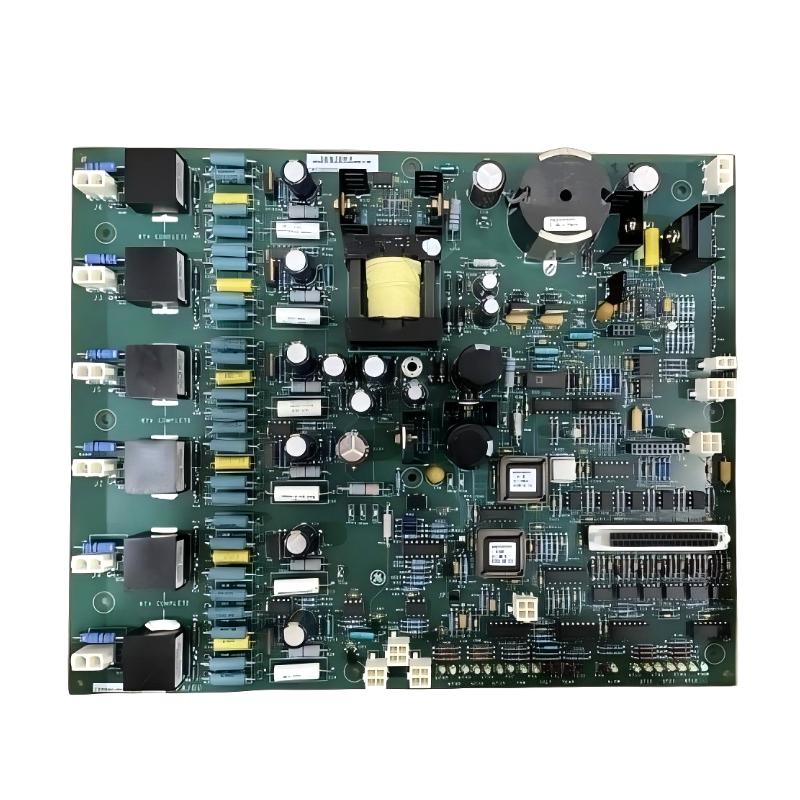
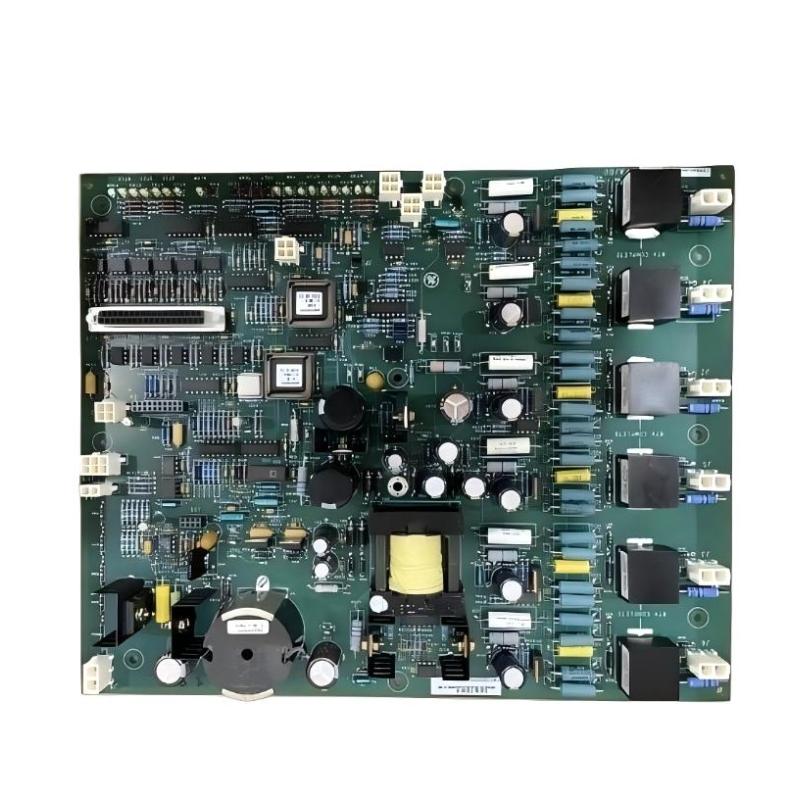
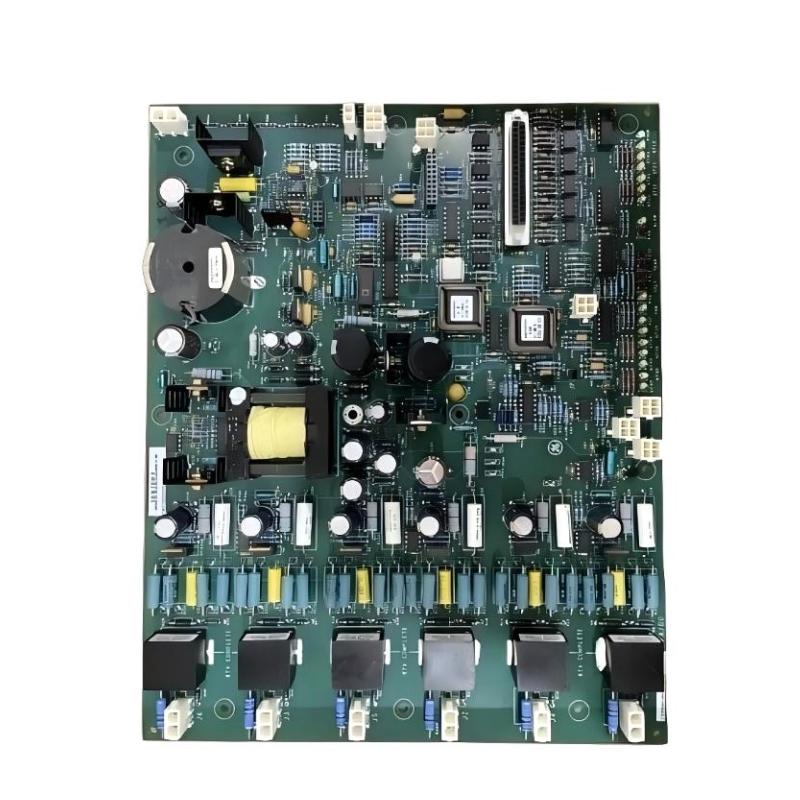
The GE IS200EHPAG1DCB Exciter High Voltage Pulse Amplifier is a specialized control and interface board used within industrial generator excitation systems. As part of the GE excitation control architecture, the board is designed to process and amplify gate-control signals so that low-level control commands can reliably operate the high-power semiconductor devices used in an excitation power bridge. Its primary role is to provide a dependable electrical interface between the excitation control electronics and the thyristor firing stage.
The IS200EHPAG1DCB is particularly important in systems where accurate SCR gate control is required for stable excitation and generator voltage regulation. The board works as an intermediate pulse-amplification stage rather than as a general-purpose PLC I/O module. It receives gate-related commands from the excitation control circuitry and produces suitable firing outputs for the associated power bridge. This allows the excitation system to control the generator field current with the timing and electrical isolation required by high-power industrial equipment.
With a listed physical size of 250 × 180 × 60 mm and a weight of approximately 1.2 kg, the GE IS200EHPAG1DCB is a substantial circuit-board assembly intended for installation within a compatible excitation-system cabinet or rack. Because excitation boards can differ by hardware revision, connector configuration, and system application, replacement should always be matched by complete part number and revision information.
Technical Specifications
| Parameter | Specification |
|---|---|
| Manufacturer | General Electric (GE) |
| Model | IS200EHPAG1DCB |
| Product Type | Exciter High Voltage Pulse Amplifier |
| Product Family | IS200 Series |
| Application | Generator Excitation Control |
| Primary Function | High-voltage gate pulse amplification and SCR firing interface |
| System Association | GE Excitation / EX2100-type excitation architecture |
| Board Type | Electronic Control / Power Interface Board |
| Dimensions | 250 × 180 × 60 mm |
| Weight | 1.2 kg |
| Installation | Industrial excitation cabinet / compatible rack assembly |
| Main Controlled Devices | Thyristors / SCR power bridge devices |
| Signal Role | Gate command amplification and transmission |
| Typical Use | Generator excitation and field control systems |
What Is the GE IS200EHPAG1DCB?
The IS200EHPAG1DCB belongs to the GE IS200 family of industrial control circuit boards. The EHPAG designation identifies the board as an Exciter High Voltage Pulse Amplifier, meaning that its function is closely associated with the gate-firing circuitry of a controlled rectifier or thyristor bridge.
In a generator excitation system, the power bridge must switch semiconductor devices at precisely controlled points in the electrical cycle. The excitation controller determines when the SCRs should conduct, but the control electronics generally cannot directly provide the electrical drive required at the power-device gate interface. A pulse amplifier stage is therefore required.
The IS200EHPAG1DCB provides this interface.
Rather than regulating generator voltage by itself, the board participates in a larger control chain:
Excitation Controller → Gate Command → Pulse Amplifier → SCR Gate Circuit → Power Bridge → Generator Field
This arrangement separates sensitive control electronics from the higher-energy switching section. It also helps provide the signal conditioning, amplification, and isolation required for reliable thyristor firing.
Function and Working Principle
The operating principle of the IS200EHPAG1DCB can be understood by dividing its function into several stages.
1. Gate Command Reception
The excitation control system generates firing commands based on generator voltage, reactive power, field current, system operating conditions, and protection logic. These commands are transmitted to the pulse-amplifier circuitry.
The EHPAG board receives these control signals through its associated system connections. The exact connector assignments depend on the applicable excitation-system configuration and hardware revision.
2. Pulse Conditioning
Before a firing command is transferred to a high-power SCR gate circuit, the signal must be appropriately conditioned. The board’s electronic circuitry processes the incoming pulse so that it can be transferred consistently to the output stage.
Reliable pulse conditioning is particularly important because incorrect timing, insufficient pulse energy, or distorted firing signals can cause incomplete SCR conduction or unstable bridge operation.
3. High-Voltage Pulse Amplification
The central purpose of the EHPAG assembly is to amplify the control pulses to a level suitable for the associated thyristor gate-firing circuitry.
The board incorporates specialized pulse-transfer and amplification circuitry intended to operate in the electrically demanding environment of an excitation power converter. Isolation and pulse-transfer components help separate the control side from the power-switching environment.
4. SCR Gate Firing
The amplified pulses are delivered to the corresponding SCR gate circuits. By controlling the firing angle of the SCR devices, the excitation system can regulate the amount of rectified electrical energy supplied to the generator field.
This directly affects generator excitation and therefore contributes to control of terminal voltage and reactive-power behavior.
5. Coordination With the Excitation Controller
The IS200EHPAG1DCB does not operate as an independent controller. Its operation depends on the broader excitation control architecture.
The controller continuously evaluates system feedback and calculates appropriate firing commands. The pulse amplifier then performs its dedicated signal-interface function, allowing those commands to reach the power bridge.
This division of responsibilities makes troubleshooting more systematic because control faults, pulse-amplifier faults, feedback faults, and power-bridge faults can be investigated as separate portions of the overall system.
Role in Industrial Generator Excitation Systems
The excitation system is fundamental to synchronous generator operation. It controls the generator’s field excitation and helps maintain stable electrical output under changing load conditions.
A high-voltage pulse amplifier such as the GE IS200EHPAG1DCB supports this process by ensuring that firing commands generated by the control system can be properly transferred to the semiconductor power stage.
Its position in the system can be represented as:
Generator Feedback → Excitation Controller → EHPAG Pulse Amplifier → SCR Bridge → Generator Field
A fault in the pulse-amplifier stage can therefore have consequences beyond the board itself. Depending on the failure mode, the excitation bridge may experience missing firing pulses, incorrect firing timing, loss of one or more gate signals, or abnormal excitation behavior.
For this reason, the EHPAG board is an important maintenance component in excitation-system service programs.
Typical Industrial Applications
Power Generation
The most important application area for the IS200EHPAG1DCB is generator excitation. Large synchronous generators require controlled field excitation to maintain appropriate terminal voltage and support stable operation.
The EHPAG board provides part of the electronic interface required to control the excitation power bridge.
Turbine Generator Systems
Steam turbines, gas turbines, and other prime movers may drive synchronous generators equipped with controlled excitation systems. In these installations, reliable gate firing is essential because excitation performance directly affects generator operation.
Utility Power Plants
Utility-scale generating facilities require excitation systems capable of operating continuously under changing load, voltage, and reactive-power conditions. Pulse amplifier boards form part of the control infrastructure that makes precise SCR-based excitation possible.
Industrial Power Generation
Large manufacturing plants, process facilities, refineries, and other industrial sites may operate captive generation equipment. Maintaining the excitation system is critical for generator availability and stable plant electrical power.
Excitation System Modernization
The IS200EHPAG1DCB may also be encountered during maintenance or modernization projects where an existing GE excitation system remains in service and individual control boards need to be replaced.
In these cases, exact board identification is especially important because apparently similar IS200 boards may have different electrical functions or revision configurations.
Installation and System Integration
Installation of the GE IS200EHPAG1DCB should be performed by qualified personnel familiar with industrial generator excitation equipment.
Because the board is part of a high-energy electrical system, simply replacing the circuit board without checking the surrounding excitation equipment may not resolve an underlying fault.
Power Isolation
The excitation cabinet must be placed in an appropriate safe maintenance condition before board replacement. Stored electrical energy and generator-field circuits must be considered during maintenance.
Personnel should follow the plant’s approved lockout/tagout, electrical isolation, discharge, and verification procedures.
Board Identification
Before removing the existing board, record:
- Complete board model number
- Revision information
- Connector arrangement
- Existing wiring
- Board position
- Cable routing
- Associated control and power boards
- Any visible configuration information
The complete IS200EHPAG1DCB designation should be compared with the replacement board.
Connector Inspection
The connectors associated with the pulse amplifier should be inspected for:
- Loose connections
- Damaged contacts
- Oxidation
- Contamination
- Mechanical damage
- Incorrect cable placement
- Signs of overheating
A poor connection can create symptoms that initially appear to be a failed pulse amplifier.
Mechanical Installation
The board should be mounted securely using the correct hardware and positioning method for the host cabinet or rack.
Avoid excessive mechanical force during installation. Circuit boards should never be forced into position if a connector or mounting point does not align correctly.
Post-Installation Verification
After installation, technicians should verify the excitation-system configuration before returning the generator to normal operation.
Recommended checks include:
- Confirm correct board identification.
- Verify all connectors.
- Inspect surrounding boards and wiring.
- Check for abnormal signs of overheating.
- Verify excitation-system diagnostics.
- Confirm appropriate gate-command behavior.
- Perform controlled system testing.
- Monitor generator voltage and excitation response.
Troubleshooting the IS200EHPAG1DCB
A pulse amplifier fault can produce several different symptoms. Because the board works between the control and power sections, troubleshooting should distinguish between an actual EHPAG failure and faults elsewhere in the firing circuit.
Missing SCR Firing Pulses
If one or more firing pulses are absent, technicians should first determine whether the command reaches the pulse amplifier.
Possible causes include:
- Control-system command failure
- Communication or signal-path problem
- Connector problem
- Pulse amplifier circuitry failure
- Gate circuit problem
- SCR gate wiring fault
- Power-bridge fault
Testing the signal at appropriate points in the excitation system can help isolate the problem.
Unbalanced Excitation
If the generator exhibits abnormal excitation behavior, the firing circuits should be examined for missing or incorrectly timed gate signals.
An individual channel problem may result in an unevenly controlled bridge, producing abnormal field-current behavior.
Intermittent Operation
Intermittent failures are often more difficult to diagnose than complete failures.
Potential contributors include:
- Loose connectors
- Thermal cycling
- Aging electronic components
- Contamination
- Vibration
- Poor solder joints
- Damaged wiring
- Unstable upstream control signals
A board that works when cold but fails after thermal stabilization deserves particular attention.
Overheating
Visible discoloration, damaged components, or unusual thermal behavior may indicate a problem either on the board or in an external circuit.
Technicians should investigate the cause rather than automatically replacing the board. Excessive electrical stress from another part of the excitation system can damage a replacement board if the underlying problem remains.
Maintenance Recommendations
Preventive maintenance can significantly improve the reliability of excitation electronics.
Visual Inspection
During scheduled outages, inspect the board and surrounding cabinet for:
- Dust accumulation
- Moisture
- Corrosion
- Discoloration
- Burn marks
- Damaged connectors
- Loose mounting hardware
- Signs of overheating
Environmental Control
Electronic excitation boards should be operated within the environmental conditions specified for the host system. Excessive temperature, humidity, contamination, and vibration can shorten component life.
Connector Maintenance
Connectors should remain properly seated and free of contamination. Cable strain should also be minimized so that mechanical forces are not transferred directly to the circuit-board connectors.
System-Level Testing
Because the EHPAG board is part of a larger excitation architecture, maintenance should include system-level verification rather than only visual inspection.
Reviewing excitation alarms, gate-firing behavior, field-current trends, and generator operating data can help identify developing problems.
Compatible System Components
The IS200EHPAG1DCB should be viewed as one component of a complete GE excitation control system. Depending on the specific installation, related equipment can include:
| Component Category | Typical Function |
|---|---|
| Excitation Controller | Calculates excitation and firing commands |
| Gate Control Electronics | Generates controlled SCR firing signals |
| EHPAG Pulse Amplifier | Amplifies and interfaces gate pulses |
| SCR Power Bridge | Converts controlled electrical power for field excitation |
| Exciter AC Feedback Board | Monitors excitation-side AC voltage/current |
| Exciter Backplane | Provides board interconnection and system interfaces |
| Field Feedback Circuitry | Provides generator field measurement |
| Excitation Protection | Detects abnormal electrical conditions |
| Cooling and Auxiliary Systems | Supports reliable power-conversion operation |
Compatibility should be established from the complete excitation-system configuration rather than from physical appearance alone.
Recommended Related GE Models
| GE Model | General Description | Relationship |
|---|---|---|
| IS200EHPAG1DAB | Exciter High Voltage Pulse Amplifier | Closely related EHPAG board |
| IS200EHPAG1ACB | Exciter Gate Pulse Amplifier | Related excitation pulse-amplifier assembly |
| IS200EHPAG1ABB | Gate Pulse Amplifier Board | Related gate pulse interface |
| IS200EHPAG1ABA | High Voltage Pulse Amplifier | Related high-voltage pulse amplification function |
| IS200EACFG1B | Exciter AC Feedback Board | Excitation feedback component |
| IS200EBKPG1CAA | Exciter Backplane | Provides interconnection for excitation control boards |
| IS200EGDMH1AGG | Exciter Ground Detector Module | Excitation-system monitoring component |
| IS200DSPXH1CAA | Digital Signal Processor Control Board | Control-processing component used in related GE systems |
The models listed above should not automatically be treated as direct drop-in replacements. Different board revisions and system configurations can have different electrical and mechanical characteristics.
Key Advantages of the GE IS200EHPAG1DCB
Precise Gate-Pulse Interface
The board supports the accurate transfer of firing commands from excitation control electronics to the power semiconductor stage.
High-Voltage Excitation Application
Its design is intended for the demanding environment associated with SCR-based generator excitation equipment.
Integration With GE Excitation Architecture
The IS200EHPAG1DCB can form part of a larger GE excitation control and power-conversion system, allowing the pulse-amplification function to work with dedicated controller, feedback, and power-stage hardware.
Supports Reliable SCR Control
Accurate gate firing is essential for controlled rectification. A properly functioning pulse amplifier contributes to stable excitation and predictable generator-field control.
Serviceable Modular Architecture
As a replaceable electronic assembly, the board can be serviced independently when the excitation-system design and maintenance procedures permit board-level replacement.
Replacement Considerations
When sourcing a replacement for the GE IS200EHPAG1DCB, the complete model number should be treated as a critical identification parameter.
The final characters of an IS200 part number can represent important hardware or revision differences. Therefore, replacing a board based only on a general description such as “EHPAG pulse amplifier” is not recommended.
Before purchasing or installing a replacement, compare:
- Full model number
- Revision level
- Board markings
- Connector arrangement
- Physical mounting configuration
- Existing system architecture
- Application and excitation rating
- Associated control boards
- Firmware or configuration requirements where applicable
The stated physical dimensions of the IS200EHPAG1DCB are 250 × 180 × 60 mm, with an approximate weight of 1.2 kg. These values are useful for equipment planning, shipping, cabinet-layout verification, and replacement preparation.
Technical FAQs
What is the GE IS200EHPAG1DCB?
The GE IS200EHPAG1DCB is an Exciter High Voltage Pulse Amplifier board used in industrial generator excitation systems. Its principal role is to amplify and interface firing commands for the excitation power bridge.
What does an EHPAG board do?
An EHPAG board provides the electronic interface between excitation control commands and the gate-firing circuits of high-power semiconductor devices, particularly SCRs used in controlled excitation bridges.
Is the IS200EHPAG1DCB a PLC module?
No. It is not a conventional PLC input/output module. It is a specialized excitation-system circuit board designed for gate-pulse amplification and power-electronic control.
Where is the IS200EHPAG1DCB installed?
It is installed within the appropriate GE excitation-system cabinet, rack, or control assembly according to the specific system design.
What is the weight of the IS200EHPAG1DCB?
The listed weight is approximately 1.2 kg.
What are the dimensions of the board?
The listed dimensions are 250 × 180 × 60 mm.
Can IS200EHPAG1DAB replace IS200EHPAG1DCB?
They are closely related EHPAG pulse-amplifier models, but they should not be assumed to be interchangeable without verifying the exact excitation-system configuration, board revision, connectors, and electrical requirements.
What can cause an EHPAG board fault?
Possible causes include electronic component failure, connector problems, thermal stress, contamination, abnormal electrical conditions, upstream control faults, or problems in the associated gate and power-bridge circuits.
How should the board be replaced?
Replacement should be performed with the excitation system safely isolated and according to the applicable plant maintenance procedures. The existing board’s model, revision, connector locations, wiring, and installation position should be documented before removal.
Conclusion
The GE IS200EHPAG1DCB Exciter High Voltage Pulse Amplifier is an important interface component in industrial generator excitation systems. By amplifying and transferring controlled firing signals to the SCR power stage, it helps connect the excitation controller with the high-power semiconductor bridge responsible for generator field excitation.
Its 250 × 180 × 60 mm form factor and 1.2 kg weight make it a substantial electronic assembly suitable for installation within the corresponding excitation-system architecture. For maintenance teams, understanding its position between the excitation controller and SCR bridge is particularly useful when diagnosing missing gate pulses, abnormal excitation, intermittent operation, or power-bridge control problems.
For replacement applications, the complete GE IS200EHPAG1DCB identification should always be checked against the existing board and excitation-system configuration. Matching the exact model, revision, connector arrangement, and application helps reduce installation risk and supports reliable restoration of generator excitation control.