

ProductPRODUCT
Featured products
Contact Us
- GE
- IC697VAL304
- Analog Output Module
- USA
- 200 × 40 × 150 mm
- 1.36 kg
- Xiamen, China
- New & In Stock
- T/T, PayPal, Western Union
- 1 Year
- 1-3 Working Days
- DHL, UPS, TNT, FedEx and EMS.
- 24-Hour Service
- COO
- 4
Our advantage

Global Logistics
We have a 10-year logistics and express cooperation agreement, so our products can be shipped to any place in the world.

Brand new and original
Our products are imported in bulk from the place of origin. Because of the cooperative relationship, our products are all original and 100% new.

24-hour service
We provide 7*24 hours service to our customers. We will be there whenever you need us.

Price advantage
All our products are priced very favorably because we have our own warehouse and supply.
| Company Information | |||
| [email protected] | |||
| Mobile | +8615980777398 | ||
| +8615980777398 | |||
| 15980777398 |
Product Overview
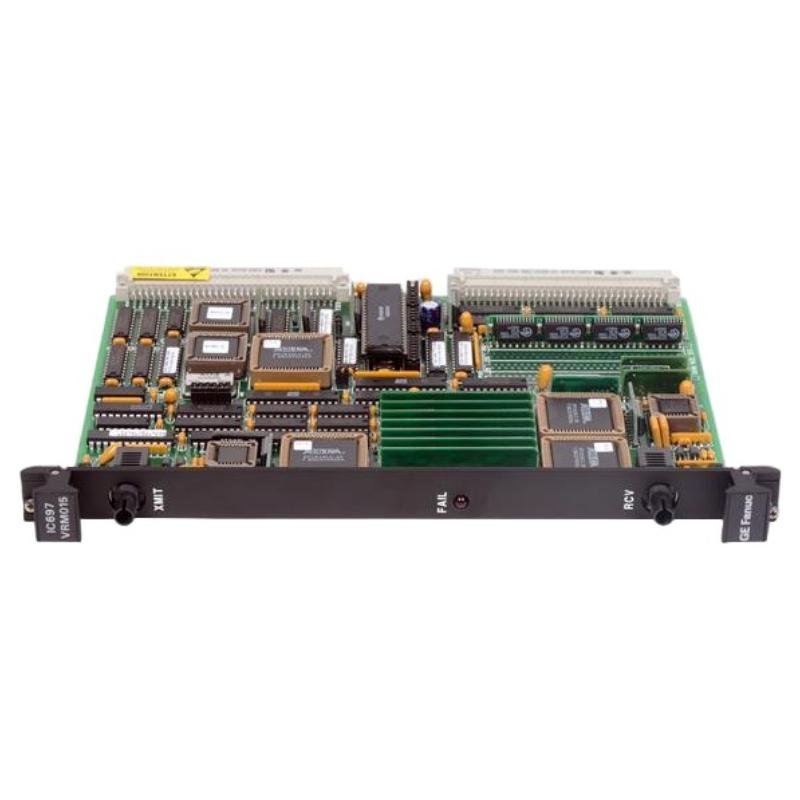
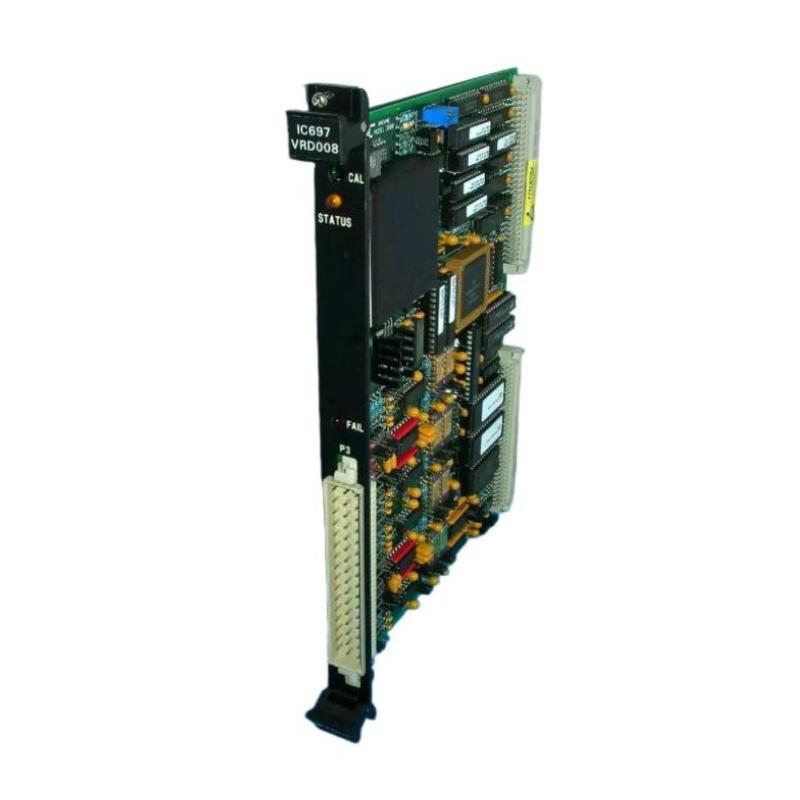
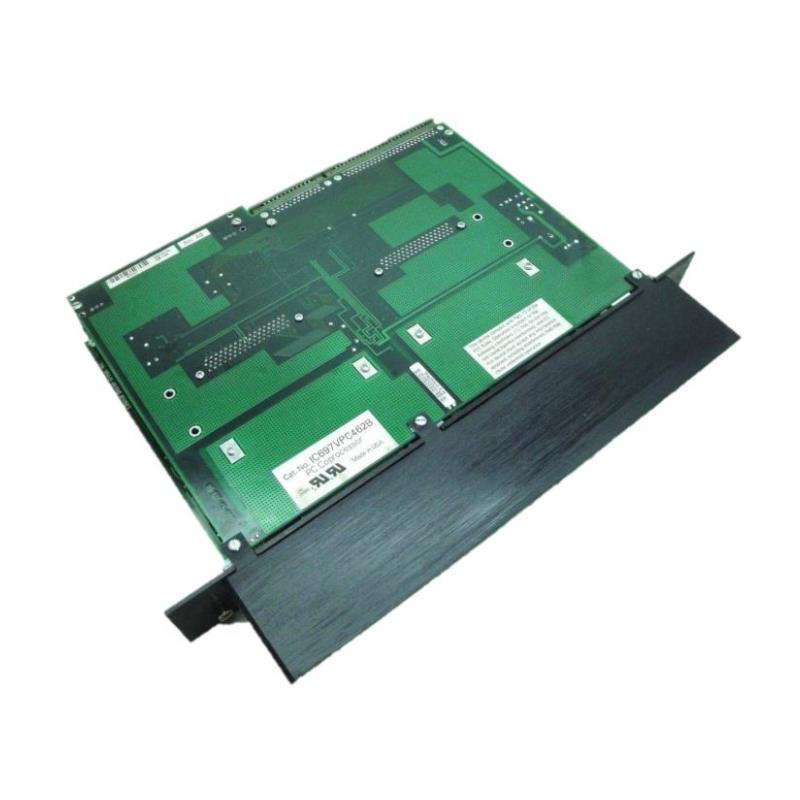
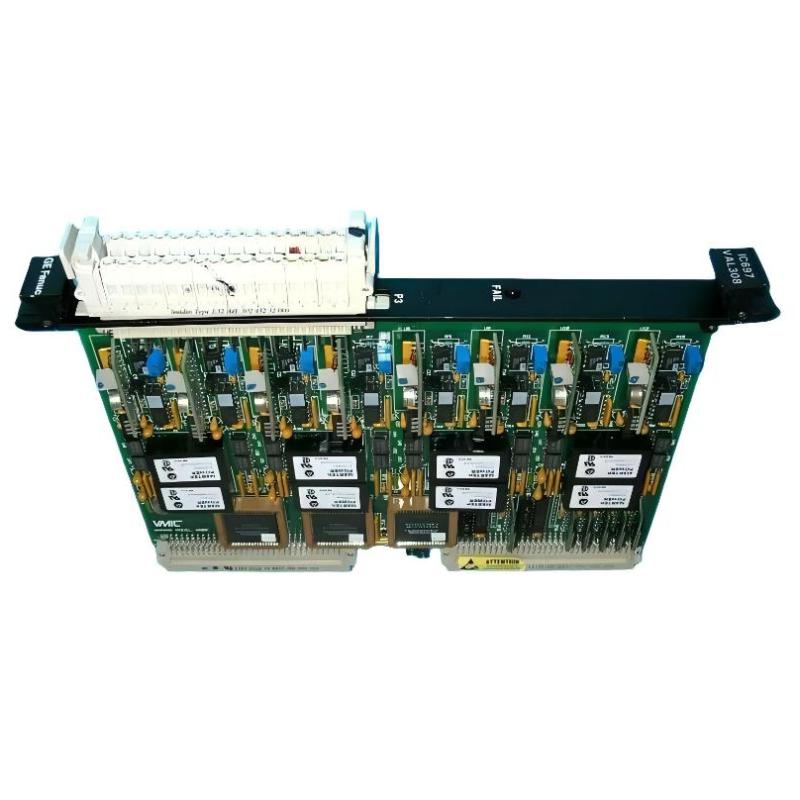
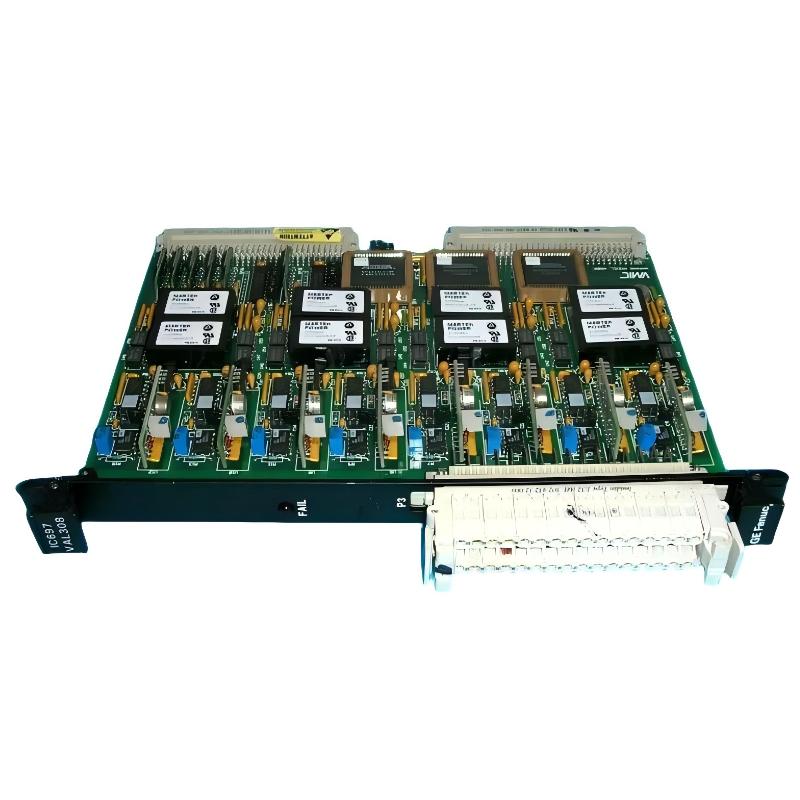
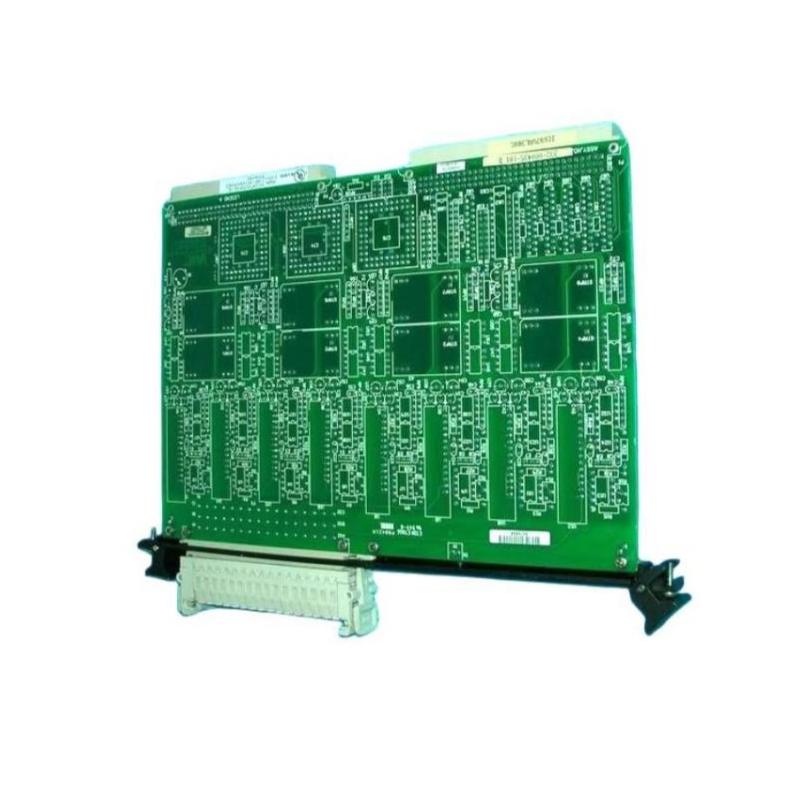
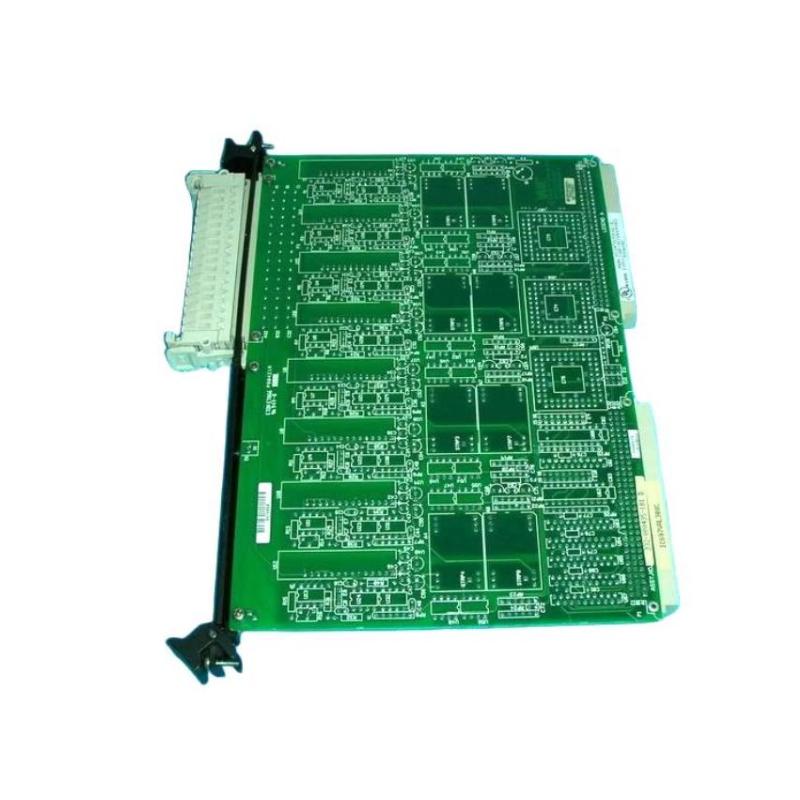
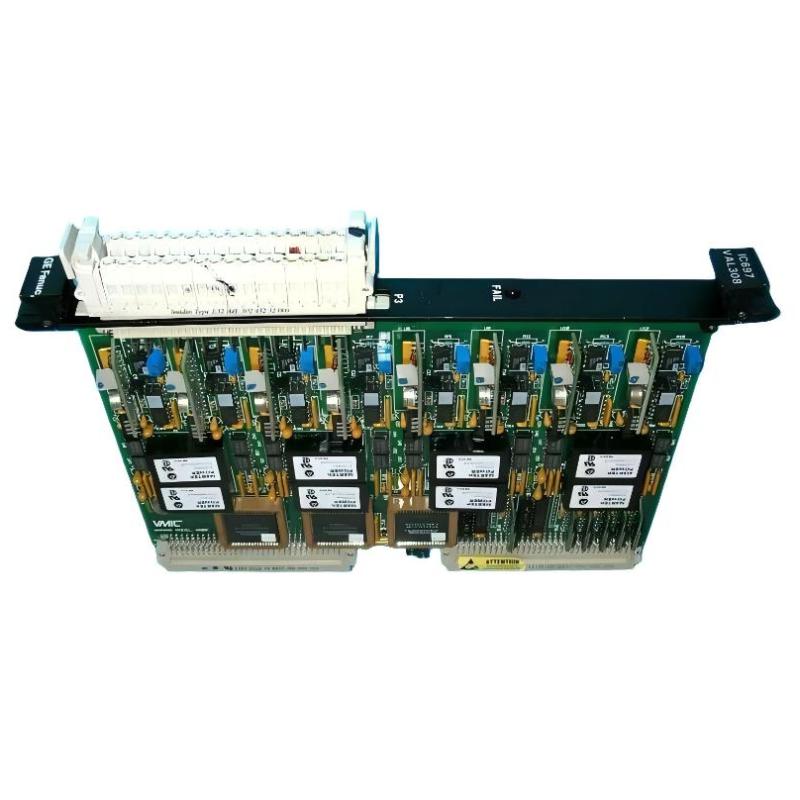
The GE IC697VAL304 Analog Output Module is an industrial analog output module designed for integration with GE Fanuc Series 90-70 PLC control systems. It provides the interface between PLC control logic and field devices that require continuously variable electrical control signals.
While digital output modules are generally used for simple ON/OFF commands, analog output modules allow a PLC to control equipment across a continuously adjustable operating range. This makes the IC697VAL304 suitable for applications involving proportional valves, variable-speed equipment, control devices, process regulators, and other industrial actuators requiring analog control.
The module receives output data from the Series 90-70 PLC CPU through the system backplane. The PLC program determines the required output value based on process measurements, operator commands, programmed setpoints, or control algorithms. The analog output module then provides the corresponding field-level output signal to the connected control device.
A typical application may involve a pressure transmitter connected to an analog input module, with the PLC processing the measured pressure and sending a proportional control signal through the IC697VAL304 to a control valve or variable-speed device.
The IC697VAL304 can therefore form an important part of a closed-loop industrial automation system, connecting PLC-based control calculations with physical process equipment.
With listed dimensions of approximately 200 × 40 × 150 mm and an approximate weight of 1.36 kg, the module provides a compact rack-mounted solution for Series 90-70 PLC installations.
Technical Specifications
| Parameter | Specification |
|---|---|
| Manufacturer | GE Fanuc |
| Model | IC697VAL304 |
| Product Family | Series 90-70 |
| Product Type | Analog Output Module |
| Primary Function | Analog control signal generation |
| Installation Method | PLC Rack Mounted |
| PLC Platform | GE Fanuc Series 90-70 |
| Communication | PLC Backplane Communication |
| Output Function | Continuous analog equipment control |
| Application | Industrial Process Control |
| Dimensions | 200 × 40 × 150 mm |
| Weight | Approximately 1.36 kg |
| Installation Environment | Industrial Control Cabinet |
Engineering Note: Exact output channel count, output signal ranges, resolution, accuracy, isolation characteristics, terminal assignments, load requirements, and other electrical specifications should be verified against the applicable IC697VAL304 technical documentation before installation or replacement.
Function and Working Principle
The main function of the GE IC697VAL304 is to convert PLC-generated control values into analog output signals suitable for compatible industrial field devices.
A simplified control path is:
Industrial Process
↓
Field Sensor / Transmitter
↓
Analog Input System
↓
Series 90-70 PLC CPU
↓
PLC Control Program
↓
IC697VAL304 Analog Output Module
↓
Analog Control Signal
↓
Valve / Drive / Actuator
↓
Industrial Process
The PLC evaluates process measurements and determines the required control output. The IC697VAL304 then provides the corresponding analog signal to the connected field device.
Depending on the application and module configuration, analog output technology can be used for proportional control of:
- Control valves
- Variable-speed equipment
- Dosing equipment
- Positioning devices
- Process regulators
- Industrial actuators
- Other analog-controlled equipment
This architecture allows the PLC to control equipment continuously rather than simply switching devices between two fixed states.
Analog Output Control in Industrial Automation
Analog output signals are particularly useful when an industrial device must respond proportionally to a PLC command.
For example, a PLC may determine that a process requires a control valve to open to a specific percentage.
The control sequence can be represented as:
Process Measurement
↓
PLC Control Algorithm
↓
Required Output Value
↓
IC697VAL304
↓
Analog Control Signal
↓
Control Valve
↓
Process Response
The PLC can continuously update the output according to the changing process condition.
A similar approach can be used to control motor speed through a compatible drive:
Speed Setpoint
↓
PLC
↓
IC697VAL304
↓
Analog Speed Reference
↓
Variable Frequency Drive
↓
AC Motor
↓
Machine
This type of proportional control is widely used in manufacturing and process automation.
Role in Industrial Control Systems
The IC697VAL304 acts as an output interface between the Series 90-70 PLC and analog-controlled field equipment.
A typical automation architecture can be represented as:
Field Sensors
↓
Analog / Digital Input Modules
↓
GE Series 90-70 CPU
↓
PLC Application Program
↓
IC697VAL304 Analog Output Module
↓
Industrial Actuators
↓
Process Equipment
The module allows the PLC to translate software-based control decisions into continuously variable electrical commands.
This is particularly important for closed-loop control systems. In a closed-loop application, the PLC receives a process measurement, compares it with a desired setpoint, calculates the required correction, and sends an updated analog output to the controlled equipment.
For example:
Temperature Measurement → PLC → Control Calculation → Analog Output → Heating Control
or:
Pressure Measurement → PLC → Control Calculation → Analog Output → Valve / Pump Control
The analog output module therefore contributes directly to automated process regulation.
Industrial Applications
Process Manufacturing
Process plants frequently require analog output signals to control continuously variable equipment.
Typical applications include:
- Control valves
- Flow regulators
- Pressure control
- Temperature control
- Dosing systems
- Process equipment
The IC697VAL304 can serve as part of the PLC output architecture for these applications when the field-device requirements match the module configuration.
Water and Wastewater Treatment
Water treatment plants contain many systems that require proportional control.
Potential applications include:
- Chemical dosing pumps
- Control valves
- Pump speed references
- Filtration equipment
- Aeration systems
- Flow regulation
For example, the PLC can calculate a required dosing level and provide an analog control command to a compatible dosing system.
Manufacturing Automation
Industrial machinery often requires continuously variable control of process parameters.
Possible applications include:
- Machine speed control
- Temperature regulation
- Pressure control
- Material feed systems
- Positioning equipment
- Production-line control
The IC697VAL304 allows a Series 90-70 PLC to provide analog control commands to compatible equipment.
Chemical Processing
Chemical manufacturing depends on precise regulation of process variables.
Analog outputs may be used for:
- Flow control valves
- Chemical dosing
- Pump speed references
- Temperature control
- Pressure regulation
- Mixing systems
Accurate process feedback combined with analog output control can help maintain stable operating conditions.
Power Generation and Utilities
Power facilities and industrial utility systems use proportional control for many auxiliary processes.
Potential applications include:
- Cooling-water control
- Fuel-related process equipment
- Valve regulation
- Fan and pump control
- Auxiliary process systems
The PLC can continuously adjust equipment according to operating requirements.
HVAC and Building Systems
Analog control is widely used in large HVAC systems.
Typical applications include:
- Fan speed control
- Valve positioning
- Heating control
- Cooling control
- Damper positioning
- Airflow regulation
A Series 90-70 PLC can use analog process measurements and programmed control logic to determine the required output.
Food and Beverage Processing
Food and beverage production systems require stable control of temperature, flow, pressure, and material handling processes.
Analog output applications can include:
- Flow control
- Temperature regulation
- Pump speed reference
- Mixing control
- Valve positioning
- Production-line control
Installation and System Integration
Correct installation is essential for reliable analog output operation.
Before installing the IC697VAL304, engineers should verify:
- Series 90-70 rack compatibility
- Module position
- PLC hardware configuration
- Output signal requirements
- Connected field-device requirements
- Wiring configuration
- Load characteristics
- Terminal assignments
- Grounding
- Shielding
- Cabinet environment
- Power supply conditions
Analog output circuits can be affected by improper grounding, electromagnetic interference, incorrect wiring, or incompatible field-device requirements.
Recommended Installation Procedure
- Shut down the PLC system according to the approved maintenance procedure.
- Disconnect electrical power where required.
- Verify the Series 90-70 rack configuration.
- Confirm the intended module location.
- Inspect the rack connector.
- Install the IC697VAL304 securely.
- Connect the analog output wiring.
- Verify terminal assignments.
- Confirm field-device compatibility.
- Check wiring polarity and continuity.
- Verify grounding and shielding arrangements.
- Restore system power.
- Confirm that the PLC recognizes the module.
- Verify output addressing and configuration.
- Test each required output channel.
- Compare the commanded value with the field-device response.
- Test automatic control logic.
- Complete system commissioning.
Analog Output Wiring Considerations
Reliable analog control depends on the complete output circuit, not only the PLC module.
Signal Cable Routing
Analog output cables should be routed away from high-current power cables and other major sources of electromagnetic interference whenever practical.
Shielding
Appropriate instrumentation cable and shielding practices can help reduce electrical noise.
Grounding
Grounding should be implemented according to the overall control-system design and applicable electrical requirements.
Field Device Compatibility
The connected actuator, drive, valve positioner, or other field device must be compatible with the analog output characteristics.
Load Requirements
The output circuit must remain within the electrical limits specified for the module and connected equipment.
Terminal Integrity
Loose or corroded terminals can cause unstable output signals or intermittent equipment response.
PLC Programming and Analog Control
The value generated by the IC697VAL304 is normally determined by the Series 90-70 PLC application program.
Typical programming functions include:
- Output scaling
- Setpoint generation
- Process regulation
- PID control
- Limit checking
- Manual control
- Automatic control
- Alarm management
- Equipment interlocking
- Sequence control
A typical closed-loop control sequence is:
Process Variable
↓
Analog Input
↓
PLC Processing
↓
Setpoint Comparison
↓
Control Algorithm
↓
Output Calculation
↓
IC697VAL304
↓
Analog Actuator Command
↓
Process Response
The PLC can continuously update the output as the process changes.
Closed-Loop Process Control
One of the most important applications of an analog output module is closed-loop control.
For example, consider a temperature-control system.
A temperature transmitter provides the current process temperature to the PLC. The PLC compares the measured value with the desired setpoint.
If the temperature is too low, the controller may increase the analog output to a compatible heating control device.
If the temperature is too high, the controller may reduce the output.
The sequence becomes:
Temperature Sensor
↓
Analog Input
↓
Series 90-70 PLC
↓
PID / Control Logic
↓
IC697VAL304
↓
Heating Control Device
↓
Process
This allows the system to automatically respond to changing operating conditions.
Similar strategies can be applied to pressure, flow, level, speed, and other continuously varying variables.
Maintenance and Troubleshooting
Regular inspection of the analog output system can help maintain reliable process control.
Common Symptoms
Possible symptoms include:
- No analog output
- Incorrect output value
- Unstable output
- Unexpected actuator response
- Output value outside the expected range
- Intermittent field-device operation
- PLC configuration errors
- Module diagnostic faults
- Difference between commanded and measured output
Recommended Troubleshooting Procedure
1. Check PLC Status
Verify that the Series 90-70 CPU is operating correctly and that the control program is executing as expected.
2. Check Module Recognition
Confirm that the PLC recognizes the IC697VAL304 and that the module is correctly configured.
3. Verify Output Addressing
Check that the PLC program is writing to the correct output address.
4. Inspect Field Wiring
Check terminals, cable continuity, polarity, shielding, and grounding.
5. Verify the Field Device
Confirm that the connected valve, drive, actuator, or other equipment is functioning correctly.
6. Check Output Scaling
Verify that the PLC’s software scaling corresponds to the desired engineering range.
7. Inspect for Electrical Interference
Check nearby motors, drives, contactors, transformers, and power cables that could affect analog signal integrity.
8. Measure the Output
Use an appropriate electrical test instrument to verify whether the module is generating the expected output.
9. Review Diagnostics
Check available PLC diagnostic information for module or system faults.
10. Replace the Module if Necessary
If testing indicates an internal hardware fault, replace the module with a properly verified compatible unit.
Compatible System Components
| Component | Function |
|---|---|
| GE Series 90-70 CPU | PLC processing and control |
| IC697VAL304 | Analog output control |
| Series 90-70 Rack | Module installation and backplane communication |
| Series 90-70 Power Supply | PLC system power |
| Analog Input Modules | Process measurement |
| Digital Input Modules | Discrete signal acquisition |
| Digital Output Modules | Discrete equipment control |
| Control Valves | Process flow regulation |
| Valve Positioners | Proportional valve positioning |
| Variable Frequency Drives | Motor speed control |
| Dosing Equipment | Chemical or material dosing |
| HMI | Operator interface |
| SCADA System | Supervisory monitoring |
| Industrial Sensors | Process feedback |
Recommended Alternative Models
| Model / Family | Product Type | Typical Application |
|---|---|---|
| IC697VAL304 | Analog Output Module | Series 90-70 analog equipment control |
| Series 90-70 Analog Input Modules | Analog Input Module | Process measurement |
| Series 90-70 Digital Output Modules | Digital Output Module | ON/OFF equipment control |
| Series 90-70 Digital Input Modules | Digital Input Module | Discrete signal acquisition |
| Series 90-70 Communication Modules | Communication Module | PLC networking |
| Series 90-70 CPU Modules | CPU Module | Central PLC processing |
| Series 90-70 Power Supply Modules | Power Module | PLC rack power |
A replacement should be selected according to the complete application requirements. Engineers should verify output signal characteristics, channel configuration, resolution, accuracy, isolation, load requirements, wiring, addressing, and PLC hardware configuration before substituting another analog output module.
Key Advantages
- Designed for GE Fanuc Series 90-70 PLC systems
- Provides analog control signal generation
- Enables proportional control of compatible field equipment
- Supports PLC-based process automation
- Suitable for closed-loop control architectures
- Useful for valve, drive, dosing, and actuator control
- Integrates with Series 90-70 PLC backplane architecture
- Supports continuous process regulation
- Suitable for manufacturing and process industries
- Can be integrated with HMI and SCADA systems
- Compact rack-mounted industrial design
- Dimensions of 200 × 40 × 150 mm
- Approximate weight of 1.36 kg
Technical FAQs
What is the GE IC697VAL304?
The GE IC697VAL304 is an Analog Output Module designed for integration with GE Fanuc Series 90-70 PLC systems. It provides analog control signals to compatible industrial field devices.
What is the primary function of the IC697VAL304?
Its primary function is to generate continuously variable analog output signals based on commands from the Series 90-70 PLC.
What types of equipment can an analog output module control?
Depending on the module’s electrical configuration and the connected equipment, analog outputs can be used for compatible control valves, valve positioners, variable frequency drives, dosing systems, regulators, and other proportional-control devices.
What are the physical dimensions?
The listed dimensions are approximately 200 × 40 × 150 mm.
What is the approximate weight?
The listed weight is approximately 1.36 kg.
Which PLC platform is compatible with the IC697VAL304?
The module is designed for the GE Fanuc Series 90-70 PLC platform.
Why are analog outputs important in industrial automation?
Analog outputs allow a PLC to control equipment across a continuous operating range instead of only switching devices ON or OFF. This is essential for proportional process control.
Can it control a variable frequency drive?
An analog output module can provide a speed or process reference to a compatible variable frequency drive when the electrical signal characteristics of the module and drive are matched correctly.
Can it be used for valve control?
Yes, analog output systems are commonly used to control compatible valve positioners and proportional control valves. The exact output characteristics must be verified before connection.
How should an analog output fault be diagnosed?
Engineers should check PLC operation, module recognition, output addressing, wiring, field-device compatibility, scaling, grounding, shielding, electrical interference, and the actual measured output signal.
What should be verified before replacing the module?
Verify the Series 90-70 rack configuration, output signal characteristics, channel requirements, field-device load requirements, wiring, PLC addressing, configuration, and the specifications of the replacement module.
Conclusion
The GE IC697VAL304 Analog Output Module provides an important interface between GE Fanuc Series 90-70 PLC control logic and continuously variable industrial equipment. By generating analog control signals based on PLC commands, it enables proportional regulation of compatible valves, drives, dosing equipment, actuators, and other field devices.
Analog output technology is fundamental to modern industrial automation because many processes require more than simple ON/OFF control. Speed, pressure, temperature, flow, position, and dosing levels often need to be adjusted continuously according to real-time operating conditions.
The IC697VAL304 can therefore form an important part of closed-loop control architectures in manufacturing plants, process industries, water treatment facilities, utilities, chemical processing systems, HVAC installations, and other automated environments.
With listed dimensions of 200 × 40 × 150 mm and an approximate weight of 1.36 kg, the module provides a compact rack-mounted solution for Series 90-70 control cabinets.
For installation and replacement projects, engineers should verify the exact electrical specifications of the module and connected equipment before wiring. Particular attention should be given to output signal characteristics, load requirements, wiring, grounding, shielding, PLC configuration, and addressing.
When integrated with compatible Series 90-70 CPUs, analog input modules, field transmitters, control valves, variable frequency drives, HMIs, and SCADA systems, the GE IC697VAL304 can provide a dependable analog output interface for industrial process control and automation applications.