

ProductPRODUCT
Featured products
Contact Us
- Siemens
- 6AG1334-3BA10-7AA0
- Power Supply Module
- Germany
- 70 × 125 × 121 mm
- 0.91 kg
- Xiamen, China
- New & In Stock
- T/T, PayPal, Western Union
- 1 Year
- 1-3 Working Days
- DHL, UPS, TNT, FedEx and EMS.
- 24-Hour Service
- COO
- 50
Our advantage

Global Logistics
We have a 10-year logistics and express cooperation agreement, so our products can be shipped to any place in the world.

Brand new and original
Our products are imported in bulk from the place of origin. Because of the cooperative relationship, our products are all original and 100% new.

24-hour service
We provide 7*24 hours service to our customers. We will be there whenever you need us.

Price advantage
All our products are priced very favorably because we have our own warehouse and supply.
| Company Information | |||
| [email protected] | |||
| Mobile | +8615980777398 | ||
| +8615980777398 | |||
| 15980777398 |
Product Overview
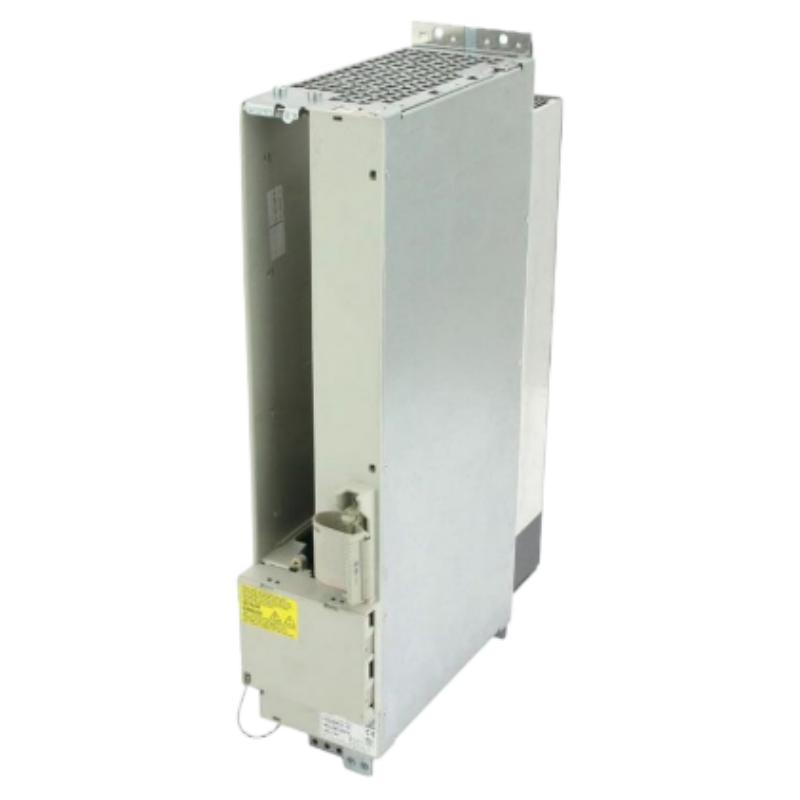
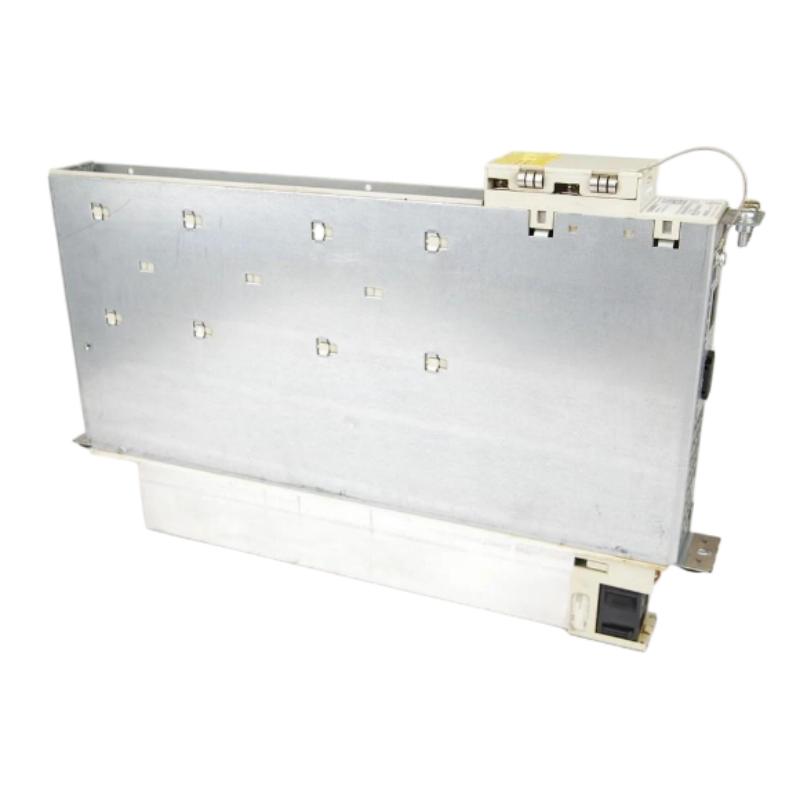
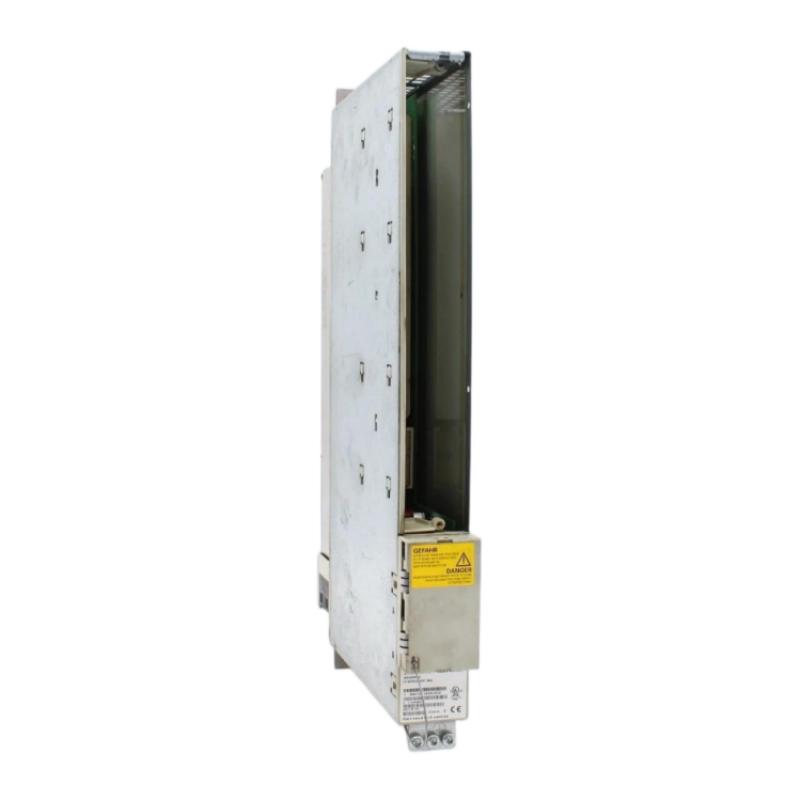
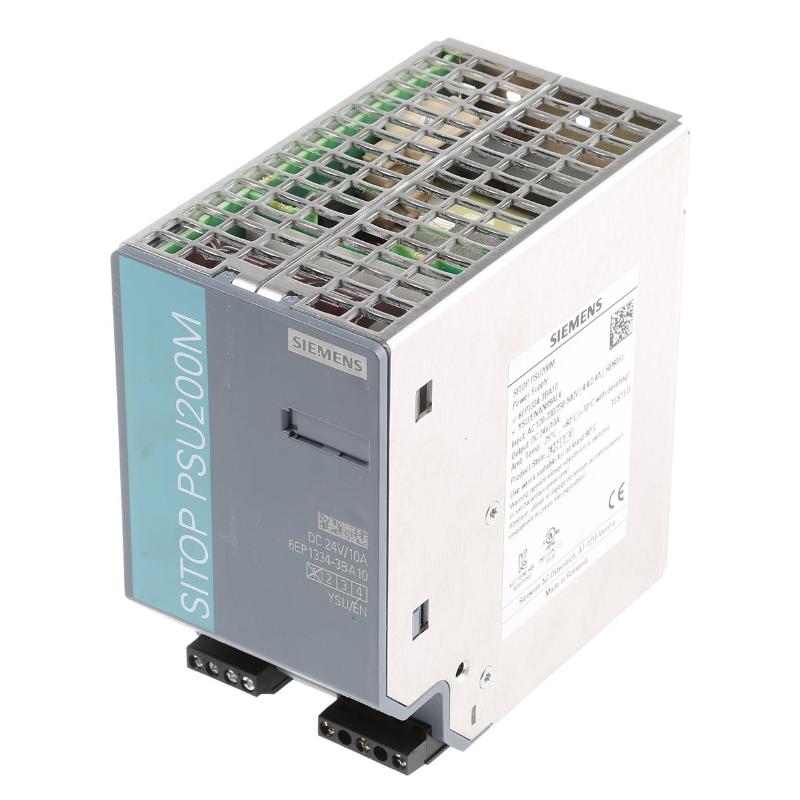
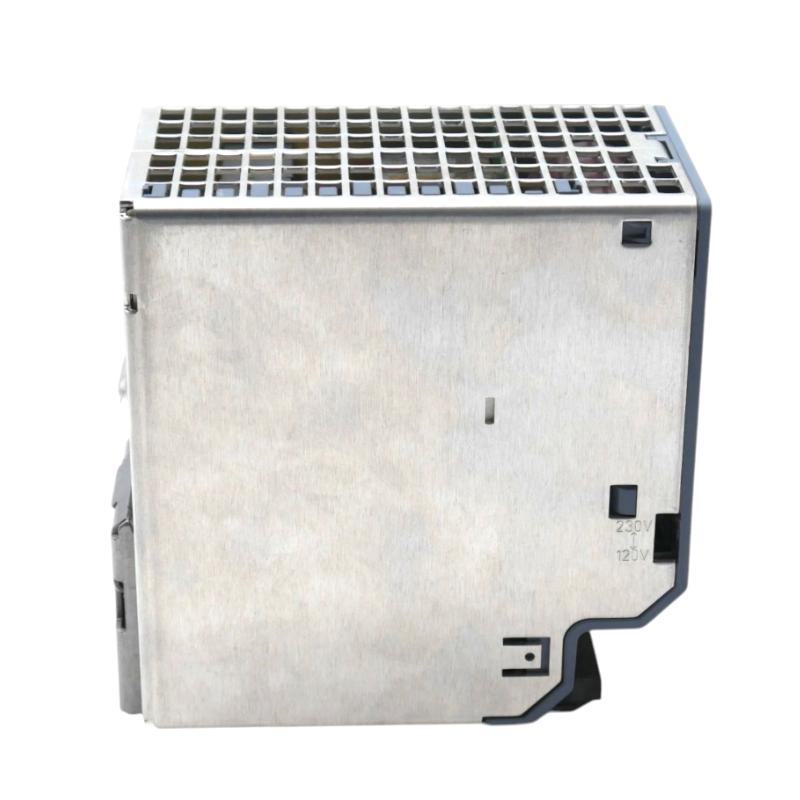
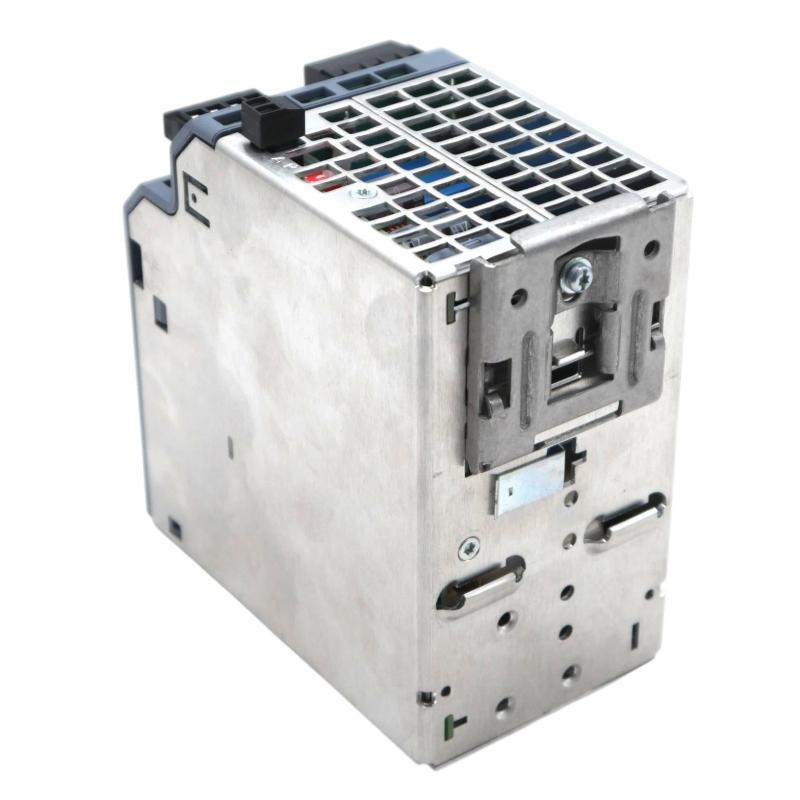
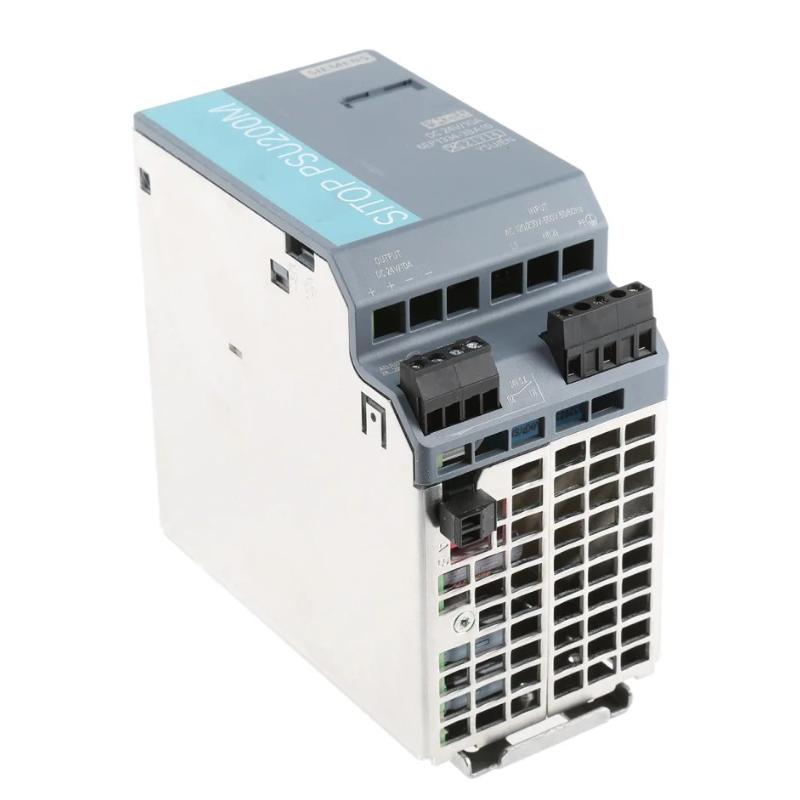
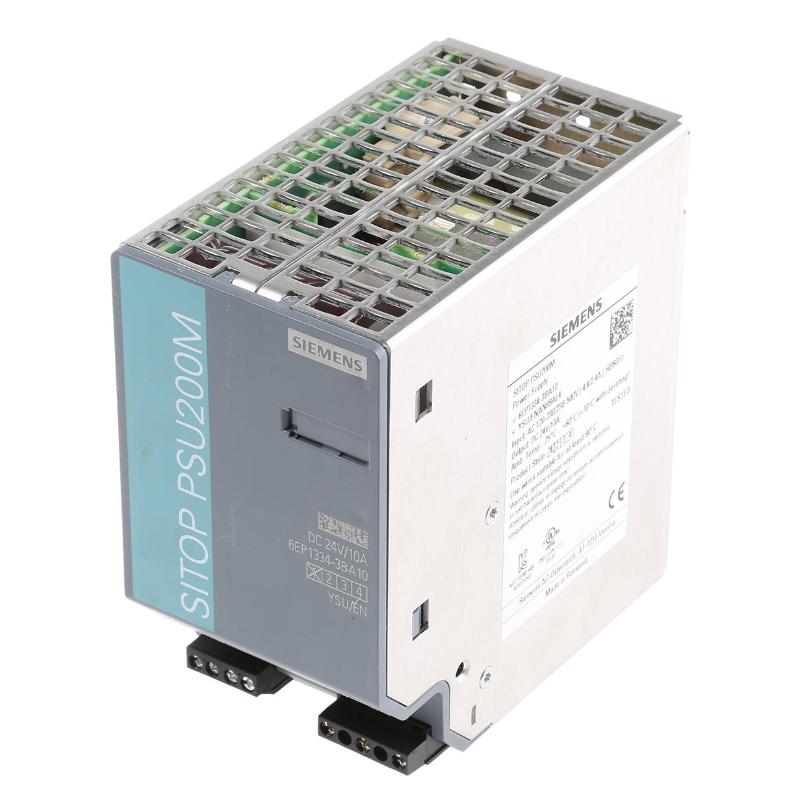
The Siemens 6AG1334-3BA10-7AA0 SIPLUS PS PSU200M Power Supply Module belongs to the SIPLUS PS PSU200M family and serves as a power component for industrial automation installations. Rather than processing field signals or executing PLC logic, it handles the electrical supply required by the connected control-system hardware.
In an automation cabinet, the power supply sits upstream of electronic control equipment. Its output feeds the control-power distribution network, which may include PLC assemblies, I/O modules, communication equipment, interface components, and other electronic loads.
The 6AG1334-3BA10-7AA0 is particularly relevant when maintaining an established Siemens automation installation where the existing power architecture needs a replacement or additional PSU200M unit. Correct selection requires consideration of the system’s power requirements and the equipment connected downstream.
For troubleshooting, engineers should distinguish a power-supply fault from an individual PLC or I/O failure. When several modules exhibit abnormal behavior simultaneously, the common power path should be examined before replacing individual electronic modules.
Technical Specifications
| Parameter | Specification |
|---|---|
| Manufacturer | Siemens |
| Model | 6AG1334-3BA10-7AA0 |
| Product Family | SIPLUS PS PSU200M |
| Product Type | Power Supply Module |
| Primary Function | Automation System Power Supply |
| System Role | Control Power Conversion and Distribution |
| Application | Industrial Automation / Control Systems |
| Dimensions | 70 × 125 × 121 mm |
| Weight | 0.91 kg |
Product Features
The 6AG1334-3BA10-7AA0 is positioned within the power infrastructure of an industrial control system.
Key characteristics include:
- Siemens SIPLUS PS PSU200M power supply module
- Model 6AG1334-3BA10-7AA0
- Intended for industrial automation power applications
- Supports downstream control-system equipment
- Suitable for control cabinet installations
- Forms part of the electrical infrastructure rather than the signal-processing layer
- Useful for PLC system maintenance and replacement
- Suitable for established automation installations
- Can be incorporated into control-system power distribution arrangements
Because the power supply affects downstream electronic equipment, its selection should be based on the complete system configuration rather than physical dimensions alone.
Working Principle
The power supply establishes the electrical path between the upstream source and the automation equipment.
A simplified arrangement is:
Incoming Electrical Supply → SIPLUS PS PSU200M → Control Power Distribution → Automation Loads
The module receives electrical energy from the plant-side power network and processes it into the required control-system supply. The resulting power is then distributed to compatible downstream devices.
Its operation can be considered in several stages:
-
Input Power
The upstream electrical system supplies power to the PSU200M.
-
Power Conversion
Internal conversion circuitry transforms the incoming electrical energy into the required output form.
-
Output Regulation
The power supply maintains controlled output conditions while the downstream load changes within the applicable operating range.
-
Load Supply
The resulting control power is delivered through the cabinet’s distribution network to connected automation equipment.
This makes the PSU200M different from a PLC CPU or I/O module. It does not execute application logic or interpret field signals; instead, it provides the electrical foundation required for those devices to operate.
Role in an Industrial Automation Architecture
The 6AG1334-3BA10-7AA0 occupies the power-management layer of the automation architecture.
A simplified control cabinet can be viewed as:
Plant Power → Power Supply → DC Distribution → PLC / I/O / Communication → Field Equipment
A stable power source is particularly important in systems containing multiple electronic modules. An interruption or abnormal condition in the common supply path can affect several devices simultaneously.
For example, if a PLC CPU, communication module, and several I/O modules become unavailable at approximately the same time, checking the common power-supply and distribution path can be more effective than treating every module as an independent failure.
During system expansion, the same principle applies. Adding control modules increases the electrical demand, so the available power capacity and distribution arrangement should be reviewed before commissioning the expanded system.
Industrial Applications
| Application | Typical Use |
|---|---|
| Factory Automation | Supplying industrial control hardware |
| PLC Control Cabinets | Supporting control-system power distribution |
| Process Automation | Maintaining electronic control infrastructure |
| Production Lines | Powering PLC and associated equipment |
| Machine Control | Supplying automation electronics |
| Industrial Utilities | Supporting control and monitoring systems |
| System Expansion | Providing additional power-system capacity |
| Maintenance Projects | Replacement of existing power hardware |
The actual application depends on the equipment configuration and electrical architecture in which the PSU200M is installed.
Installation and Maintenance
Power-supply maintenance should be performed with the complete cabinet power architecture identified beforehand.
Recommended practices include:
- Confirm the complete part number 6AG1334-3BA10-7AA0.
- Verify that the PSU200M unit matches the intended installation.
- Record the existing power connections before removal.
- Identify all downstream circuits supplied by the unit.
- Isolate the incoming electrical supply before servicing.
- Check terminals for looseness, overheating, or mechanical damage.
- Inspect wiring and cable insulation.
- Review the associated circuit protection.
- Verify grounding arrangements.
- Confirm that downstream loads are within the intended system configuration.
- Install the replacement unit securely.
- Reconnect wiring according to the documented configuration.
- Energize the system under controlled conditions.
- Check downstream PLC and I/O equipment after power restoration.
- Monitor the system for recurring power-related faults.
If multiple modules repeatedly reset or become unavailable, inspect the common power-distribution path, terminals, protection devices, and connected load before replacing individual automation modules.
Related Components
The PSU200M normally forms part of a larger control-system power architecture.
| Component | Function |
|---|---|
| PLC CPU | Executes the automation program |
| I/O Modules | Interfaces with field devices |
| Communication Modules | Provides industrial data communication |
| DC Distribution | Routes control power to connected devices |
| Circuit Protection | Protects power circuits |
| Terminal Blocks | Provides electrical termination |
| Control Cabinet | Houses power and automation hardware |
| Field Interface Components | Connects control hardware with field equipment |
| Grounding System | Provides electrical reference and protection |
The power supply should be evaluated together with these components when investigating system-wide electrical problems.
Recommended Related Models
| Model / Product Family | Product Type | Typical Application |
|---|---|---|
| Siemens 6AG1334-3BA10-7AA0 | SIPLUS PS PSU200M Power Supply Module | Industrial control-system power |
| Siemens SIPLUS PS PSU200M | Power Supply Family | Automation power infrastructure |
| Siemens SIPLUS PS PSU100S | Power Supply Family | Control cabinet power |
| Siemens SIPLUS S7-300 Modules | PLC / I/O Hardware | Industrial automation |
| Siemens SIPLUS Analog I/O Modules | Analog I/O | Process measurement and control |
Key Advantages
- Siemens SIPLUS PS PSU200M power supply module.
- Model 6AG1334-3BA10-7AA0.
- Supports industrial automation power infrastructure.
- Provides a dedicated control-system power function.
- Suitable for control cabinet applications.
- Supports connected PLC, I/O, and electronic automation equipment.
- Useful for maintenance and replacement work.
- Suitable for established industrial control architectures.
Technical FAQs
What makes the PSU200M important to a PLC control cabinet?
The power supply serves as the electrical source for downstream automation hardware. A problem in this common supply path can affect multiple controllers, I/O modules, or communication devices at the same time.
How can engineers distinguish a power-supply problem from an individual module fault?
The fault pattern is useful. If several downstream devices become unavailable together, engineers should inspect the common supply and distribution network. If only one module is affected while the remaining system operates normally, the investigation can be narrowed to that module and its associated connections.
What should be considered before adding more automation hardware to an existing PSU200M-based system?
The additional electrical load should be assessed together with the existing system demand. The power-distribution wiring and protective devices should also be reviewed to ensure that the expanded configuration is appropriate.
Why should power terminals be inspected during routine maintenance?
Loose or degraded terminals can introduce voltage instability, localized heating, intermittent faults, or unexpected equipment resets. A visual and mechanical inspection of the power connections can therefore identify problems before they develop into broader control-system failures.