

ProductPRODUCT
Featured products
Contact Us
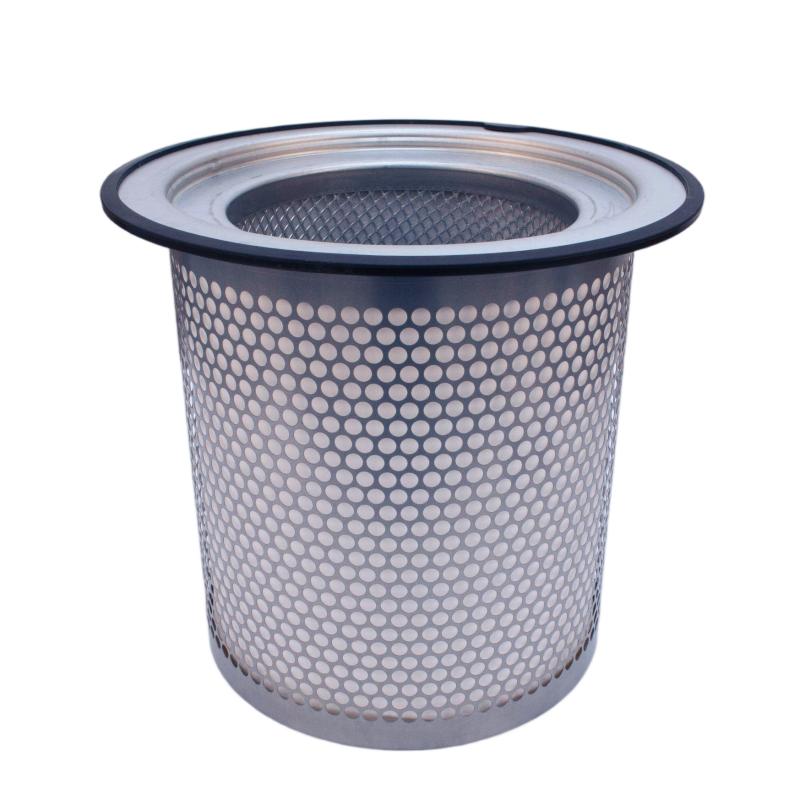
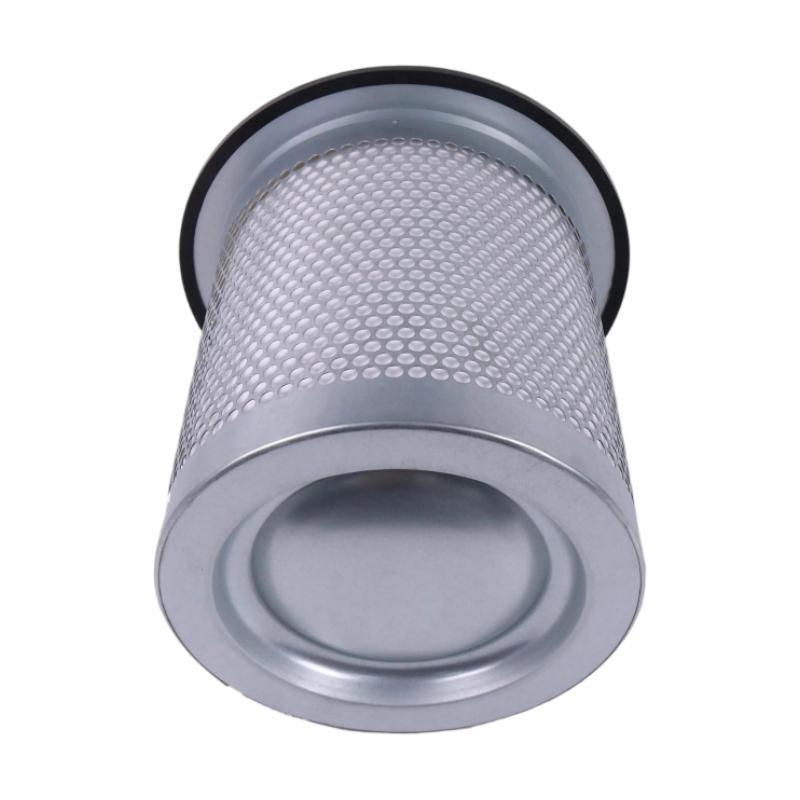
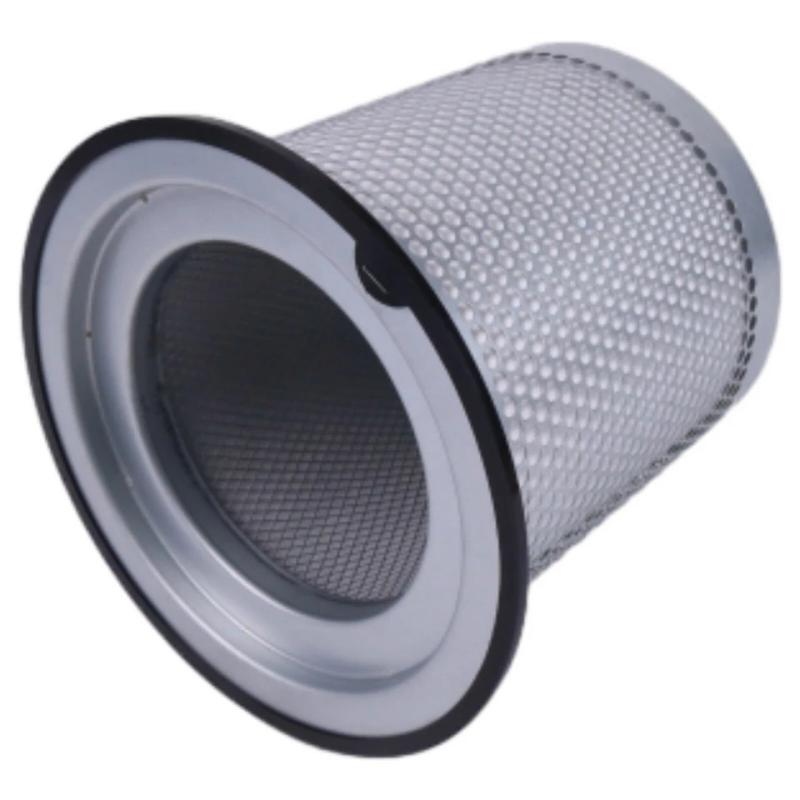
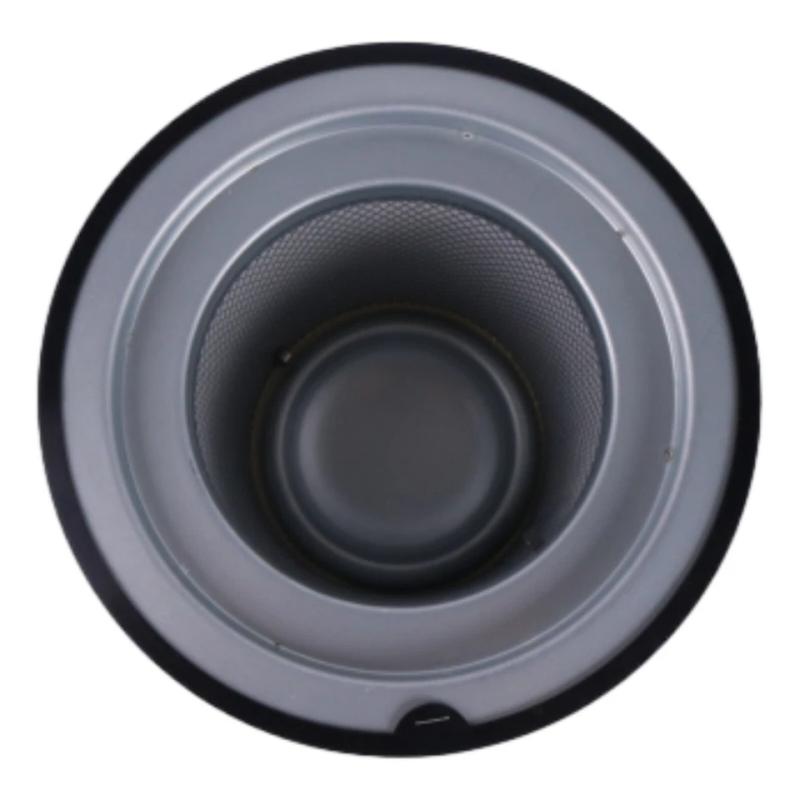
- Ingersoll Rand
- 47704434001 23708423
- Air-Oil Separator
- USA
- 240 mm
- 4.9 kg
- Xiamen, China
- New & In Stock
- T/T, PayPal, Western Union
- 1 Year
- 1-3 Working Days
- DHL, UPS, TNT, FedEx and EMS.
- 24-Hour Service
- COO
- 67
Our advantage

Global Logistics
We have a 10-year logistics and express cooperation agreement, so our products can be shipped to any place in the world.

Brand new and original
Our products are imported in bulk from the place of origin. Because of the cooperative relationship, our products are all original and 100% new.

24-hour service
We provide 7*24 hours service to our customers. We will be there whenever you need us.

Price advantage
All our products are priced very favorably because we have our own warehouse and supply.
| Company Information | |||
| [email protected] | |||
| Mobile | +8615980777398 | ||
| +8615980777398 | |||
| 15980777398 |
Product Overview
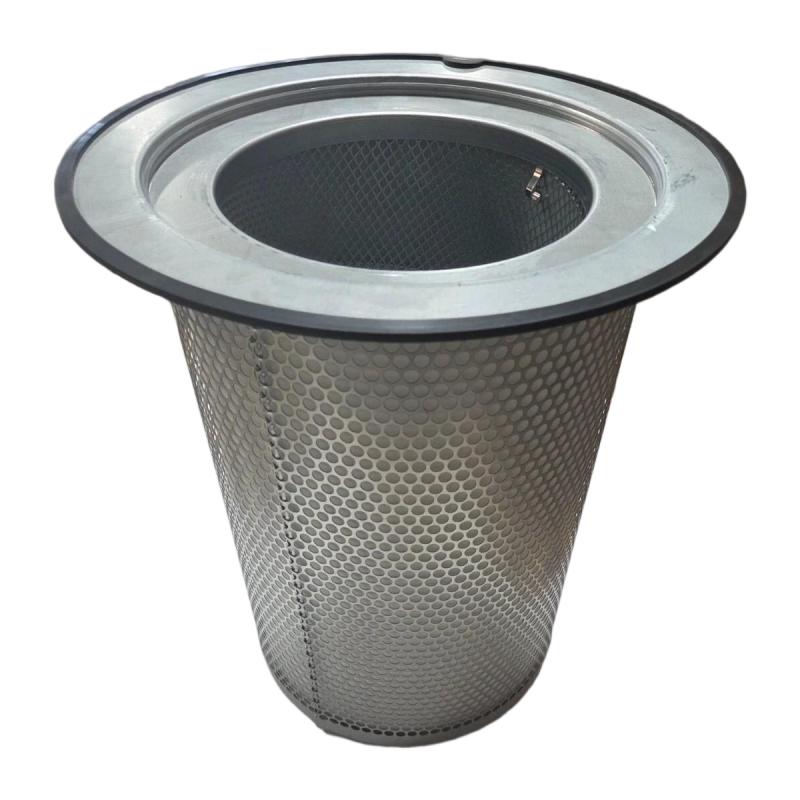
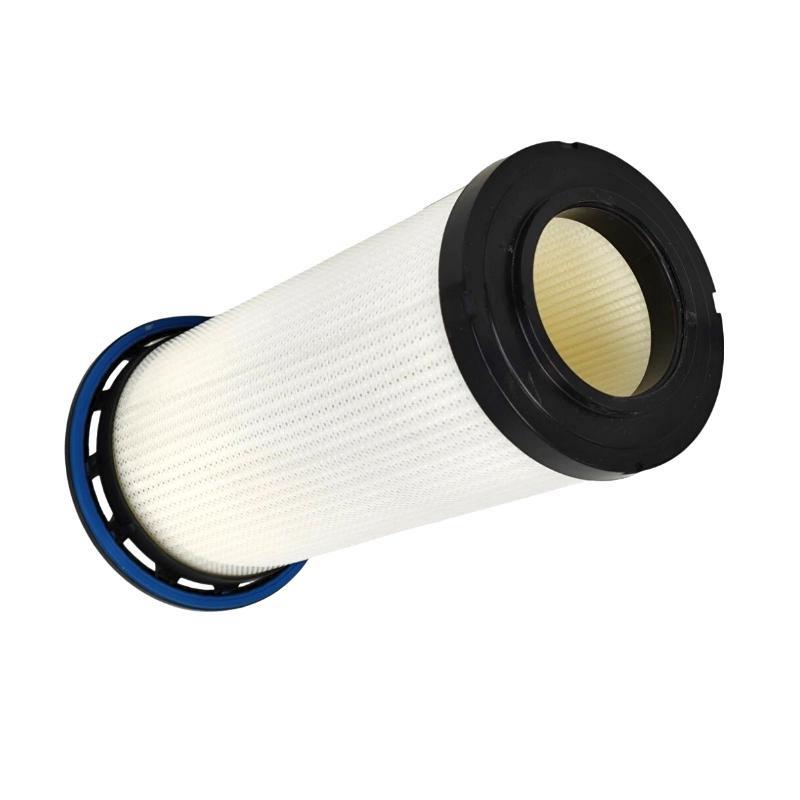
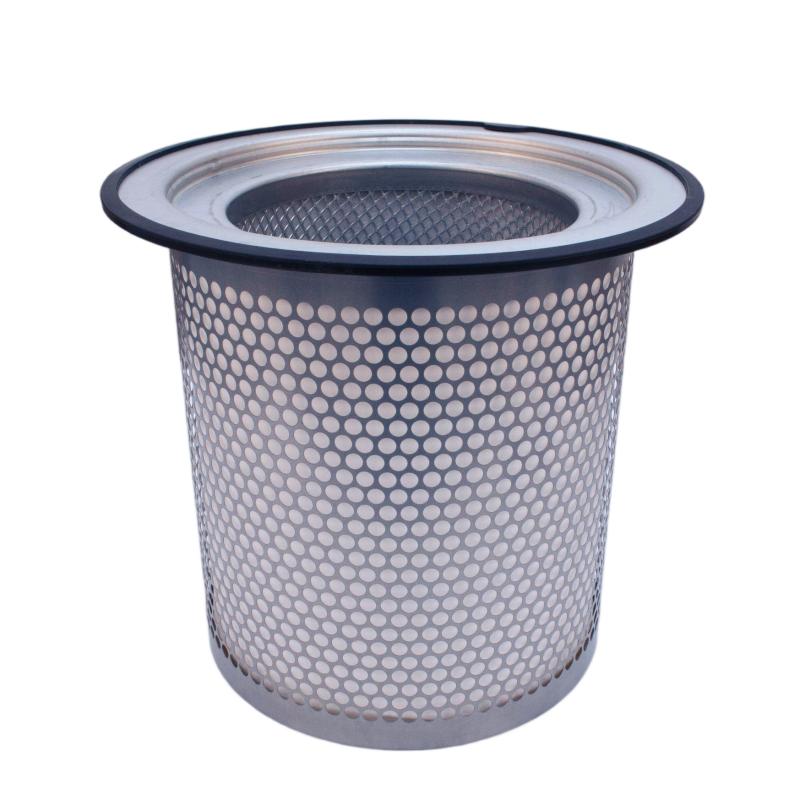
The Ingersoll Rand 47704434001 23708423 Air-Oil Separator is a critical maintenance component used in compatible oil-injected industrial air compressor systems. Its primary function is to separate compressor oil from the compressed-air stream after the air and oil mixture leaves the compressor air end.
During normal operation, oil is circulated through the compressor to lubricate, seal, and cool internal components. After compression, the resulting air-oil mixture must pass through the separator so that most of the entrained oil can be removed before compressed air is delivered to the downstream system.
The 23708423 Air-Oil Separator therefore has an important influence on compressed-air quality, oil consumption, separator pressure drop, and overall compressor operating efficiency.
The supplied specification for this component is an outer diameter of 240 mm and a weight of 4.9 kg. Because air-oil separators are highly configuration-dependent components, the compressor model, serial number, separator housing, sealing arrangement, and applicable part number should be verified before installation.
Product Identification
| Parameter | Specification |
|---|---|
| Manufacturer | Ingersoll Rand |
| Main Reference | 47704434001 |
| Separator Part Number | 23708423 |
| Product Type | Air-Oil Separator |
| Application | Oil-Injected Air Compressor |
| Primary Function | Separation of Oil From Compressed Air |
| Outer Diameter | 240 mm |
| Weight | 4.9 kg |
| Installation Location | Separator Vessel / Separator Housing |
| Maintenance Type | Preventive / Corrective Maintenance |
| Typical Application | Industrial Compressed-Air Systems |
Technical Specifications
| Technical Item | Specification |
|---|---|
| Brand | Ingersoll Rand |
| Reference | 47704434001 |
| Part Number | 23708423 |
| Component Category | Air-Oil Separator |
| Separation Function | Oil Mist and Oil Droplet Removal |
| Outer Diameter | 240 mm |
| Weight | 4.9 kg |
| Installation | Compressor Separator Housing |
| Application | Oil-Injected Compressor |
| Service Purpose | Oil Separation and Air Quality Control |
| Maintenance Type | Separator Replacement |
What Is an Air-Oil Separator?
An air-oil separator is installed downstream of the compressor air end in an oil-injected compressor.
During compression, oil becomes mixed with the compressed air. The mixture enters the separator system where the oil is separated from the compressed air.
A simplified compressor flow path is:
Ambient Air
↓
Intake Filter
↓
Intake Valve
↓
Compressor Air End
↓
Air + Oil Mixture
↓
Air-Oil Separator
↓
Compressed Air
↓
Aftercooler / Downstream Air System
At the same time, separated oil is returned to the compressor oil circuit where appropriate.
Function of the 23708423 Air-Oil Separator
The separator performs several important functions.
Oil Removal
The primary function is to remove oil from the compressed-air stream.
This helps reduce oil carryover into downstream equipment.
Compressed-Air Quality
Effective oil separation helps maintain the required cleanliness of the compressed-air supply for compatible applications.
Oil Recovery
Separated oil can be returned to the compressor oil circuit, helping reduce unnecessary oil loss.
Compressor Efficiency
A separator operating with an appropriate pressure drop can support efficient compressor operation.
A severely restricted separator, however, can increase internal pressure differential and negatively affect compressor performance.
Why Air-Oil Separator Maintenance Matters
The separator is exposed continuously to the compressor’s air-oil mixture. Over time, its filtration and separation performance can deteriorate.
A worn, contaminated, damaged, or incorrectly installed separator can contribute to:
- Increased oil carryover
- Excessive oil consumption
- Increased pressure drop
- Reduced compressor efficiency
- High operating temperature
- Downstream oil contamination
- Compressor performance instability
For this reason, separator condition should be included in the compressor’s preventive maintenance program.
Typical Applications
The 23708423 Air-Oil Separator is intended for compatible Ingersoll Rand compressor configurations.
Typical industrial environments may include:
Manufacturing
Compressed air can be used for:
- Pneumatic tools
- Automated machinery
- Production equipment
- Instrumentation
- Control systems
Process Industries
Oil-injected compressors may support:
- Process air
- Instrument air
- Material handling
- Pneumatic actuators
Workshops
Industrial workshops use compressed air for:
- Pneumatic tools
- Assembly
- Cleaning
- Maintenance operations
Continuous-Duty Compressor Systems
Long operating hours increase the importance of separator inspection and timely replacement.
Installation Guide
1. Confirm Separator Compatibility
Before ordering or installing the separator, verify:
- Compressor model
- Compressor serial number
- Separator vessel
- Existing separator
- Part number 23708423
- Main reference 47704434001
- Separator dimensions
- Sealing arrangement
The 240 mm outer diameter should be treated as a supplied identification specification, not as the only compatibility criterion.
2. Shut Down and Isolate the Compressor
Before separator replacement:
- Stop the compressor.
- Isolate the electrical supply.
- Prevent automatic restart.
- Isolate the compressed-air system.
- Fully release stored pressure.
- Allow hot components to cool.
- Follow site lockout/tagout procedures.
The separator vessel must never be opened while pressurized.
3. Allow the System to Cool
Compressor oil and separator components can reach high temperatures during normal operation.
Allow sufficient cooling time before beginning service.
Use appropriate protective equipment when handling components that may retain heat or oil.
4. Access the Separator Housing
Locate the separator vessel or housing.
Before opening it, inspect:
- Connections
- Vessel condition
- Fasteners
- Sealing surfaces
- Oil lines
- Scavenge system
- Pressure-related components
Document any abnormal condition before disassembly.
5. Remove the Existing Separator
Open the separator housing according to the compressor maintenance procedure.
Carefully remove the old separator.
Because the separator can retain oil, use appropriate handling and spill-control procedures.
Avoid dropping contaminants into the compressor oil system.
6. Inspect the Separator Housing
After removal, inspect the housing for:
- Oil deposits
- Dirt
- Corrosion
- Damage
- Deformation
- Contaminated sealing surfaces
- Foreign material
The housing should be clean before the new separator is installed.
7. Inspect Seals and Gaskets
Check all relevant sealing components.
Look for:
- Cracks
- Cuts
- Flattening
- Hardening
- Deformation
- Oil deterioration
A new separator cannot compensate for a damaged sealing interface.
8. Verify the Replacement Separator
Before installation, inspect the 23708423 separator.
Verify:
- Part number
- Outer diameter
- Physical condition
- Sealing surfaces
- Structural integrity
The supplied outer diameter is:
240 mm
The supplied weight is:
4.9 kg
9. Install the Separator
Position the separator carefully inside the housing.
Verify:
- Correct orientation
- Full seating
- Proper sealing
- Correct alignment
- No mechanical interference
Do not force the separator into the housing.
10. Check the Scavenge Arrangement
Where the compressor design incorporates an oil-scavenge system, inspect the associated components.
Check for:
- Blockage
- Damaged tubing
- Loose connections
- Contamination
- Incorrect routing
A separator can operate poorly if the scavenge system is restricted or incorrectly assembled.
11. Reassemble the Separator Housing
Reinstall:
- Housing cover
- Fasteners
- Gaskets
- Oil lines
- Connections
- Associated components
Tighten components according to the applicable compressor maintenance procedure.
12. Restart the Compressor
After confirming that the separator assembly is correctly installed:
- Remove tools.
- Verify all connections.
- Restore system isolation valves.
- Restore electrical power.
- Start the compressor.
- Allow the compressor to stabilize.
- Monitor operating conditions.
Commissioning Verification
After separator replacement, inspect the following parameters.
Oil Carryover
Check whether downstream compressed air shows abnormal oil contamination.
Separator Pressure Drop
If the compressor provides appropriate pressure-differential monitoring, compare the reading with normal operating conditions.
Oil Level
Verify that compressor oil level is within the expected operating range.
Discharge Pressure
Monitor discharge pressure for abnormal changes.
Operating Temperature
Check compressor operating temperature after the separator reaches normal operating conditions.
Scavenge Operation
Verify that the oil return/scavenge system is operating correctly where applicable.
Troubleshooting Guide
Excessive Oil Carryover
This is one of the most important symptoms associated with separator performance.
Possible causes include:
- Saturated separator
- Incorrect separator installation
- Damaged separator
- Incorrect oil level
- Scavenge-system restriction
- Incorrect compressor operating conditions
- Damaged seals
Begin by checking the separator installation and oil level before replacing additional components.
High Oil Consumption
Possible causes include:
- Separator deterioration
- Excessive oil carryover
- Scavenge-system malfunction
- Oil leakage
- Incorrect oil level
- Operating conditions outside the expected range
Check both internal oil consumption and external leakage.
High Separator Pressure Drop
Potential causes include:
- Contaminated separator
- Separator blockage
- Incorrect separator specification
- Excessive compressor flow
- Improper installation
- Oil contamination
A high pressure drop can increase compressor operating losses.
Compressor Runs Hot
Possible causes include:
- Excessive separator restriction
- Dirty cooler
- High ambient temperature
- Poor ventilation
- Excessive load
- Incorrect oil level
- Compressor cooling-system problems
Do not assume that a high temperature is caused solely by the separator.
Downstream Air Contains Excessive Oil
Possible causes include:
- Separator failure
- Incorrect separator installation
- Damaged sealing system
- Scavenge-system failure
- Excessive oil level
- Compressor air-end problem
Inspect the complete oil-separation system.
Oil Level Drops Rapidly
Potential causes include:
- Oil carryover
- External oil leakage
- Incorrect separator operation
- Scavenge-system problem
- Incorrect oil level measurement
Inspect the compressor for both internal and external oil losses.
Compressor Pressure Becomes Unstable
Possible causes include:
- Separator restriction
- Intake restriction
- Control-system problem
- Pressure-control malfunction
- Excessive downstream demand
A separator issue should be evaluated together with the overall compressor control system.
Separator Cannot Be Removed Easily
Possible causes:
- Oil deposits
- Contamination
- Mechanical binding
- Improper previous installation
- Damaged housing
Do not use excessive force that could damage the separator vessel.
Abnormal Noise After Replacement
Possible causes:
- Incorrect separator seating
- Loose housing components
- Damaged components
- Oil-scavenge problems
- Air leakage
Stop the compressor if the noise indicates potential mechanical damage.
Preventive Maintenance
Monitor Oil Carryover
Regularly monitor compressed-air quality where applicable.
Unexpected increases in oil carryover can provide an early warning of separator deterioration.
Monitor Differential Pressure
If differential-pressure monitoring is available, establish normal operating values and monitor trends.
A gradual increase can indicate separator loading.
Check Oil Level
Maintain the compressor oil level within the correct operating range.
Both excessive and insufficient oil can create abnormal compressor behavior.
Inspect the Scavenge System
Check:
- Scavenge line
- Restrictor
- Connections
- Return path
- Contamination
A restricted scavenge system can contribute to oil carryover even when the separator itself is functioning correctly.
Separator Replacement Checklist
| Inspection Item | Verification |
|---|---|
| Compressor Model | Confirmed |
| Serial Number | Confirmed |
| Main Reference | 47704434001 |
| Separator Part Number | 23708423 |
| Outer Diameter | 240 mm |
| Weight | 4.9 kg |
| Compressor Isolated | Completed |
| Pressure Released | Completed |
| Existing Separator Removed | Completed |
| Separator Housing Inspected | Completed |
| Sealing Surfaces Inspected | Completed |
| Replacement Separator Verified | Completed |
| Separator Correctly Installed | Completed |
| Scavenge System Checked | Completed |
| Housing Reassembled | Completed |
| Compressor Restarted | Completed |
| Oil Carryover Checked | Completed |
| Pressure Drop Checked | Completed |
| Operating Temperature Checked | Completed |
Related Compressor Components
The air-oil separator works together with several other compressor components.
| Component | Typical Function |
|---|---|
| Air Filter | Removes Intake-Air Contaminants |
| Intake Valve | Controls Airflow Into Compressor |
| Compressor Air End | Compresses Air and Circulates Oil |
| Air-Oil Separator | Separates Oil From Compressed Air |
| Oil Filter | Removes Contaminants From Compressor Oil |
| Minimum Pressure Valve | Maintains Minimum System Pressure |
| Temperature Control Valve | Controls Oil Temperature |
| Scavenge System | Returns Separated Oil |
| Cooler | Removes Heat From Compressor System |
Key Advantages
Supports Compressed-Air Quality
Effective oil separation helps reduce oil carryover into downstream compressed-air systems.
Helps Control Oil Consumption
Recovering separated oil can reduce unnecessary oil loss from the compressor system.
Supports Compressor Efficiency
A properly functioning separator helps maintain an appropriate balance between oil separation and pressure drop.
Protects Downstream Equipment
Reduced oil carryover can help protect downstream air-treatment equipment and pneumatic machinery.
Suitable for Preventive Maintenance
The separator can be incorporated into planned compressor service programs.
Clearly Identifiable Physical Specification
The supplied 240 mm outer diameter and 4.9 kg weight provide useful physical identification information when preparing maintenance inventory.
Frequently Asked Questions
What is Ingersoll Rand 23708423?
The 23708423 is an Air-Oil Separator associated with the supplied 47704434001 reference for compatible Ingersoll Rand compressor equipment.
What is the outer diameter?
The supplied outer diameter is:
240 mm
What is the weight?
The supplied weight is:
4.9 kg
What does an air-oil separator do?
It separates oil from the compressed-air stream after compression, helping reduce oil carryover and recover oil for the compressor’s lubrication circuit.
What are common signs of a failing separator?
Typical symptoms can include:
- Increased oil carryover
- High oil consumption
- Increased separator pressure drop
- Compressor overheating
- Downstream oil contamination
Can a dirty separator increase energy consumption?
Yes. A heavily restricted separator can increase pressure drop and make the compressor work harder to maintain the required operating pressure.
Why should the scavenge system be inspected?
A blocked or malfunctioning scavenge system can cause oil to remain in the compressed-air stream and produce symptoms that resemble separator failure.
Should the separator housing be cleaned?
Yes. The housing and sealing surfaces should be inspected and cleaned as appropriate during replacement.
Can this separator fit any Ingersoll Rand compressor?
No. Compatibility must be confirmed against the compressor model, serial number, separator vessel, sealing configuration, and applicable component information.
What should be checked after installation?
Check oil carryover, pressure drop, oil level, operating temperature, discharge pressure, leakage, and the scavenge system where applicable.
Installation Checklist
| Item | Status |
|---|---|
| Correct Separator Identified | ✓ |
| Compressor Isolated | ✓ |
| Pressure Released | ✓ |
| Existing Separator Removed | ✓ |
| Separator Housing Inspected | ✓ |
| Sealing Surfaces Cleaned | ✓ |
| Replacement Separator Verified | ✓ |
| Orientation Confirmed | ✓ |
| Separator Properly Seated | ✓ |
| Scavenge System Checked | ✓ |
| Housing Secured | ✓ |
| Compressor Restarted | ✓ |
| Oil Carryover Checked | ✓ |
| Pressure Drop Checked | ✓ |
| Temperature Checked | ✓ |
| System Performance Verified | ✓ |
Conclusion
The Ingersoll Rand 47704434001 23708423 Air-Oil Separator is a critical maintenance component for compatible oil-injected industrial air compressors. Its primary role is to separate oil from compressed air after the compression process, helping maintain compressed-air quality, control oil consumption, and support efficient compressor operation.
The supplied separator has an outer diameter of 240 mm and a weight of 4.9 kg. These specifications are useful for maintenance planning and component identification, but the compressor model and complete separator configuration should always be verified before replacement.
Correct installation is particularly important because separator performance depends on proper seating, sealing, housing condition, and operation of the associated oil-scavenge system. After replacement, technicians should monitor oil carryover, pressure drop, oil level, temperature, and overall compressor behavior.
When correctly matched to the compressor and installed according to the applicable maintenance procedure, the 23708423 Air-Oil Separator can help maintain reliable oil separation, protect downstream compressed-air equipment, and support stable long-term operation of compatible Ingersoll Rand compressor systems.