

ProductPRODUCT
Featured products
Contact Us
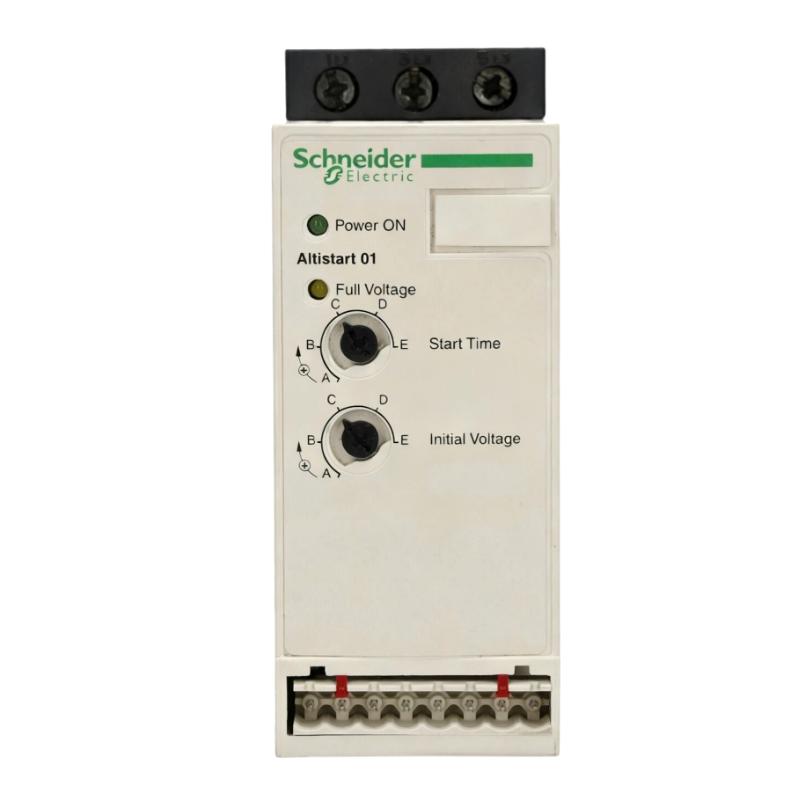
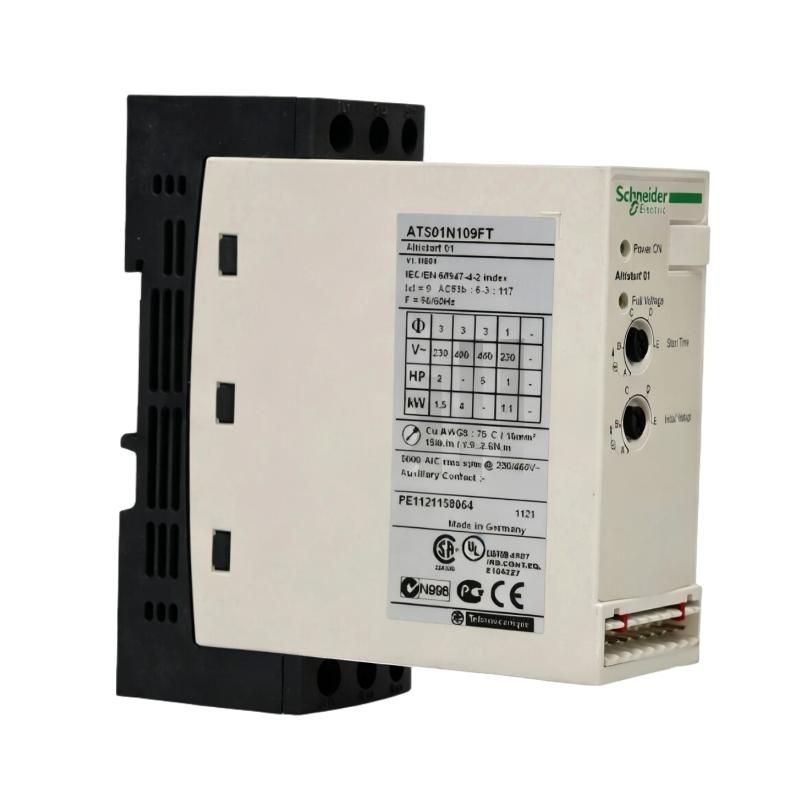
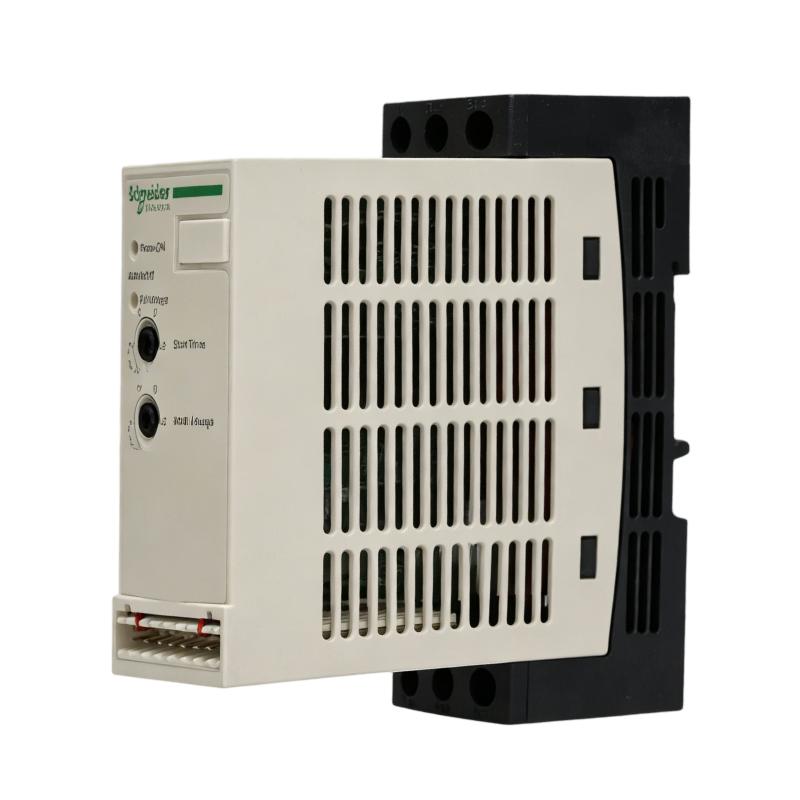
- Schneider
- ATS01N109FT
- Soft Starter
- France
- 124 x 45 x 131 mm
- 0.28 kg
- Xiamen, China
- New & In Stock
- T/T, PayPal, Western Union
- 1 Year
- 1-3 Working Days
- DHL, UPS, TNT, FedEx and EMS.
- 24-Hour Service
- COO
- 79
Our advantage

Global Logistics
We have a 10-year logistics and express cooperation agreement, so our products can be shipped to any place in the world.

Brand new and original
Our products are imported in bulk from the place of origin. Because of the cooperative relationship, our products are all original and 100% new.

24-hour service
We provide 7*24 hours service to our customers. We will be there whenever you need us.

Price advantage
All our products are priced very favorably because we have our own warehouse and supply.
| Company Information | |||
| [email protected] | |||
| Mobile | +8615980777398 | ||
| +8615980777398 | |||
| 15980777398 |
Product Overview
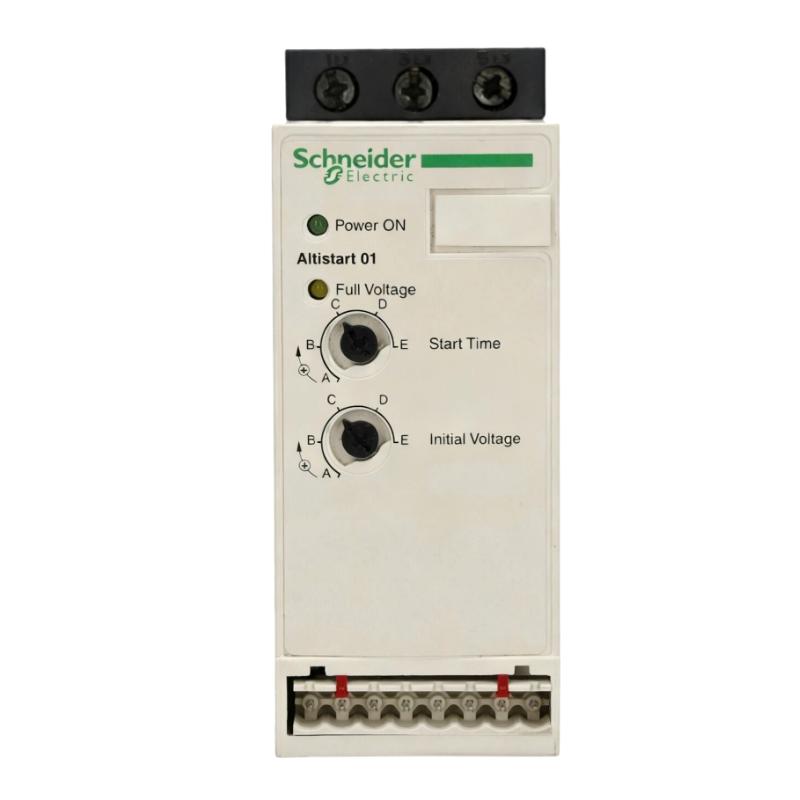
The Schneider ATS01N109FT Soft Starter is a compact motor starting device designed to reduce electrical and mechanical stress during the startup and stopping of three-phase induction motors. By gradually increasing the motor voltage during startup and providing controlled deceleration during stopping, the soft starter helps extend equipment service life, improve operational reliability, and reduce maintenance requirements.
Unlike direct-on-line (DOL) motor starting, which applies full voltage instantly, the ATS01N109FT limits inrush current and minimizes torque shocks. This makes it an ideal solution for light-duty industrial applications such as conveyors, pumps, fans, compressors, packaging equipment, and small production machinery.
The supplied product information identifies the Schneider ATS01N109FT Soft Starter with dimensions of 124 × 45 × 131 mm and a weight of 0.28 kg.
Product Information
- Manufacturer: Schneider Electric
- Model: ATS01N109FT
- Product Type: Soft Starter
- Dimensions: 124 × 45 × 131 mm
- Weight: 0.28 kg
- Application: Three-Phase AC Induction Motors
- Motor Starting Method: Voltage Ramp Soft Start
- Installation: DIN Rail or Control Panel
- Cooling Method: Natural Air Cooling
- Primary Function: Motor Starting and Stopping Control
Technical Specifications
| Parameter | Specification |
|---|---|
| Manufacturer | Schneider Electric |
| Model | ATS01N109FT |
| Product Type | Soft Starter |
| Dimensions | 124 × 45 × 131 mm |
| Weight | 0.28 kg |
| Motor Type | Three-Phase Induction Motor |
| Starting Method | Soft Voltage Ramp |
| Installation | Control Cabinet |
| Cooling | Natural Convection |
| Application | Industrial Motor Control |
Function and Working Principle
The ATS01N109FT controls motor acceleration by gradually increasing the output voltage supplied to the motor.
Typical operating sequence:
Power Supply
↓
ATS01N109FT Soft Starter
↓
Three-Phase Motor
↓
Mechanical Load
During startup, the SCR (Silicon Controlled Rectifier) power circuit progressively increases the motor voltage. This reduces starting current and limits mechanical shock to the driven equipment.
After the motor reaches full operating speed, the soft starter allows the motor to continue normal operation with minimal electrical stress.
Major functions include:
- Reduced starting current
- Smooth motor acceleration
- Controlled stopping
- Reduced mechanical shock
- Improved equipment protection
- Lower maintenance costs
Industrial Applications
The Schneider ATS01N109FT is widely used in:
- Conveyor systems
- Packaging machinery
- Water pumps
- Ventilation fans
- Small air compressors
- Food processing equipment
- Material handling systems
- Textile machinery
- Plastic processing equipment
- General industrial automation
Advantages of Soft Starting
Compared with direct motor starting, the ATS01N109FT provides several operational benefits:
- Lower motor starting current
- Reduced voltage dip
- Longer motor life
- Reduced gearbox wear
- Lower coupling stress
- Reduced bearing damage
- Improved production stability
- Lower maintenance frequency
- Smooth machine startup
- Better protection for connected equipment
Installation Guide
Step 1 – Verify the Equipment
Before installation, confirm:
- Schneider Electric ATS01N109FT
- Correct motor rating
- Proper supply voltage
- Suitable control cabinet
- Compatible application
Inspect the soft starter for shipping damage before installation.
Step 2 – Disconnect Power
Before wiring:
- Turn off the main power supply.
- Lock out the disconnect switch.
- Verify zero voltage.
- Confirm the motor circuit is isolated.
- Wear appropriate personal protective equipment.
Never install or service the soft starter while energized.
Step 3 – Select the Installation Location
Install the soft starter in a clean control cabinet with adequate ventilation.
Avoid locations exposed to:
- Water
- Excessive dust
- Oil mist
- Corrosive gases
- Strong vibration
- Direct sunlight
- High humidity
Maintain adequate clearance around the device for heat dissipation.
Step 4 – Mount the Soft Starter
Secure the ATS01N109FT using the recommended mounting method.
After installation, verify:
- Secure mounting
- Correct orientation
- Adequate ventilation
- Accessible wiring terminals
- Sufficient maintenance space
Step 5 – Connect the Power Circuit
Connect:
- Incoming three-phase power supply
- Motor output terminals
- Protective earth (PE)
Before energizing, verify:
- Tight terminal connections
- Correct cable size
- Proper insulation
- Correct phase sequence
- Reliable grounding
Step 6 – Connect the Control Circuit
Wire the control terminals according to the application requirements.
Typical control functions may include:
- Start command
- Stop command
- Reset
- Status indication
- Fault output
Separate control wiring from power cables where practical to reduce electrical interference.
Step 7 – Configure Startup Parameters
Adjust parameters appropriate for the driven equipment.
Typical settings include:
- Initial voltage
- Acceleration time
- Deceleration time
- Motor starting profile
- Stop mode
Parameter selection should match the characteristics of the motor and mechanical load.
Step 8 – Final Inspection
Before applying power, inspect:
- Power wiring
- Control wiring
- Ground connection
- Terminal tightness
- Mounting hardware
- Cable routing
- Ventilation space
Correct any issues before energizing the system.
Commissioning Procedure
After installation:
- Restore power.
- Observe startup indicators.
- Start the motor.
- Verify smooth acceleration.
- Check motor current.
- Observe motor speed.
- Monitor equipment vibration.
- Confirm normal operation.
- Test stop function.
- Record commissioning results.
Routine Maintenance
Regular inspection should include:
- Terminal tightening
- Cooling air passages
- Dust removal
- Indicator status
- Cable condition
- Ground connection
- Cabinet ventilation
- Mounting hardware
Routine preventive maintenance improves long-term reliability.
Troubleshooting Guide
Problem 1 – Soft Starter Does Not Power On
Possible causes:
- No input voltage
- Blown fuse
- Loose wiring
- Incorrect power supply
- Internal component fault
Diagnostic Procedure
- Verify input voltage.
- Check protective devices.
- Inspect wiring.
- Measure supply voltage.
- Verify terminal connections.
Problem 2 – Motor Does Not Start
Possible causes:
- Incorrect control wiring
- Missing start signal
- Motor wiring fault
- Parameter configuration error
- Overload protection activated
Inspect both the control circuit and motor connections.
Problem 3 – Motor Starts but Accelerates Slowly
Possible causes:
- Long ramp time
- Low starting voltage
- Heavy mechanical load
- Incorrect parameter settings
- Motor fault
Adjust startup parameters according to the application.
Problem 4 – High Starting Current
Possible causes:
- Ramp time too short
- Incorrect parameter configuration
- Oversized load
- Power supply problem
Review motor starting parameters and mechanical load conditions.
Problem 5 – Soft Starter Trips During Startup
Possible causes:
- Motor overload
- Incorrect wiring
- Phase loss
- Short circuit
- Incorrect parameter settings
Identify the fault before restarting the equipment.
Problem 6 – Motor Vibrates During Startup
Possible causes:
- Mechanical imbalance
- Loose coupling
- Improper acceleration settings
- Bearing wear
- Misalignment
Inspect both the electrical and mechanical systems.
Problem 7 – Soft Starter Overheats
Possible causes:
- Poor ventilation
- High ambient temperature
- Dust accumulation
- Overloaded motor
- Cooling obstruction
Clean ventilation paths and verify operating conditions.
Problem 8 – Motor Will Not Stop Smoothly
Possible causes:
- Incorrect stop parameters
- Mechanical load inertia
- Wiring problem
- Control signal fault
Verify the stop configuration and control wiring.
Problem 9 – Frequent Fault Alarms
Possible causes:
- Voltage fluctuations
- Motor overload
- Poor wiring
- Incorrect settings
- Environmental conditions
Review alarm history to determine the root cause.
Problem 10 – Communication or Control Signal Issues
Possible causes:
- Loose control wiring
- Electrical interference
- Incorrect terminal assignment
- Controller malfunction
Inspect the complete control circuit before replacing components.
Fault Diagnosis Flow
A recommended troubleshooting sequence is:
Power Supply
↓
Input Protection
↓
Soft Starter
↓
Control Signals
↓
Motor Wiring
↓
Motor
↓
Mechanical Load
↓
System Operation
Following a logical sequence helps reduce troubleshooting time and unnecessary component replacement.
Replacement Procedure
Preparation
- Turn off power.
- Lock out the power source.
- Verify zero voltage.
- Disconnect control wiring.
- Label all cables.
Removal
- Remove power cables.
- Remove control wiring.
- Release mounting hardware.
- Remove the soft starter.
Installation
- Mount the replacement ATS01N109FT.
- Connect power wiring.
- Connect control wiring.
- Verify grounding.
- Inspect all terminals.
Functional Test
- Restore power.
- Verify indicators.
- Start the motor.
- Monitor acceleration.
- Confirm normal operation.
- Test stopping function.
Preventive Maintenance Schedule
| Maintenance Item | Recommended Action |
|---|---|
| Power Terminals | Inspect and tighten |
| Control Wiring | Check connections |
| Cooling Vents | Clean regularly |
| Cabinet Interior | Remove dust |
| Ground Connection | Verify continuity |
| Indicator LEDs | Check operating status |
| Mounting Hardware | Inspect security |
| Motor Current | Monitor during operation |
| Environmental Conditions | Keep within operating limits |
| Maintenance Records | Update after each service |
Common Installation Mistakes
Incorrect Motor Wiring
Improper motor connections may prevent normal startup.
Loose Terminal Connections
Loose terminals can generate excessive heat and intermittent faults.
Insufficient Ventilation
Poor airflow may lead to overheating and reduced service life.
Incorrect Parameter Settings
Improper acceleration or deceleration settings can affect equipment performance.
Inadequate Grounding
Poor grounding may increase electrical interference and reduce system reliability.
Mixing Power and Control Cables
Running control wiring alongside power cables without separation may introduce electrical noise.
Key Advantages
- Compact industrial design
- Smooth motor acceleration
- Reduced inrush current
- Lower mechanical stress
- Improved motor protection
- Easy panel installation
- Lightweight construction (0.28 kg)
- Compact dimensions (124 × 45 × 131 mm)
- Suitable for a wide range of industrial motor applications
- Helps improve equipment reliability and reduce maintenance costs
Technical FAQs
What is the Schneider ATS01N109FT?
It is a compact soft starter designed for controlled starting and stopping of three-phase AC induction motors.
What are its dimensions?
The supplied dimensions are 124 × 45 × 131 mm.
What is its weight?
The supplied weight is 0.28 kg.
What is the main function of a soft starter?
It gradually increases motor voltage during startup to reduce inrush current and mechanical stress.
Can it reduce mechanical wear?
Yes. Smooth acceleration reduces stress on shafts, gears, couplings, bearings, and driven equipment.
Why does the soft starter trip during startup?
Possible causes include overload, wiring errors, phase loss, incorrect parameter settings, or motor faults.
Why is the motor acceleration too slow?
Acceleration time, starting voltage, heavy loads, or incorrect parameter settings should be checked.
Why is the soft starter overheating?
Poor ventilation, dust buildup, overload conditions, or high ambient temperatures are common causes.
What maintenance is recommended?
Regular inspection of wiring, terminals, ventilation, grounding, cabinet cleanliness, and operating status helps ensure reliable operation.
Conclusion
The Schneider ATS01N109FT Soft Starter is a compact and reliable motor control solution for industrial automation systems. By providing smooth acceleration and controlled stopping, it helps reduce electrical stress, minimize mechanical wear, and improve the operational life of motors and driven equipment.
With dimensions of 124 × 45 × 131 mm and a weight of 0.28 kg, the ATS01N109FT is well suited for compact control cabinets where space efficiency is important. Proper installation, parameter configuration, routine inspection, and systematic troubleshooting contribute to dependable performance, reduced maintenance costs, and improved production reliability.