

ProductPRODUCT
Featured products
Contact Us
- Allen Bradley
- 440N-Z21SS2HN
- Non Contact Switch
- USA
- 8 Pin
- 0.16 kg
- Xiamen, China
- New & In Stock
- T/T, PayPal, Western Union
- 1 Year
- 1-3 Working Days
- DHL, UPS, TNT, FedEx and EMS.
- 24-Hour Service
- COO
- 56
Our advantage

Global Logistics
We have a 10-year logistics and express cooperation agreement, so our products can be shipped to any place in the world.

Brand new and original
Our products are imported in bulk from the place of origin. Because of the cooperative relationship, our products are all original and 100% new.

24-hour service
We provide 7*24 hours service to our customers. We will be there whenever you need us.

Price advantage
All our products are priced very favorably because we have our own warehouse and supply.
| Company Information | |||
| [email protected] | |||
| Mobile | +8615980777398 | ||
| +8615980777398 | |||
| 15980777398 |
Product Overview
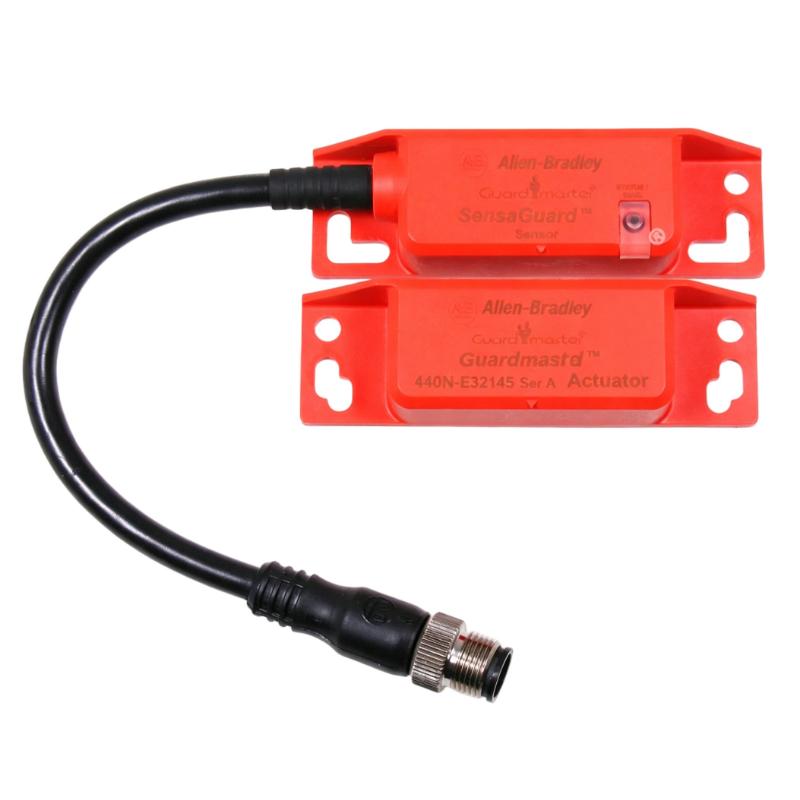
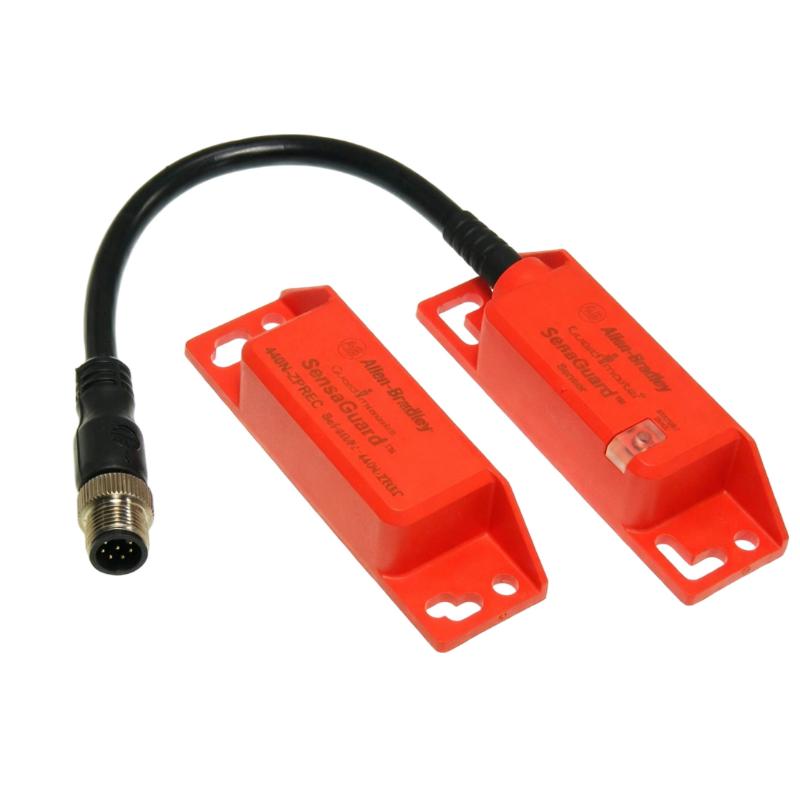
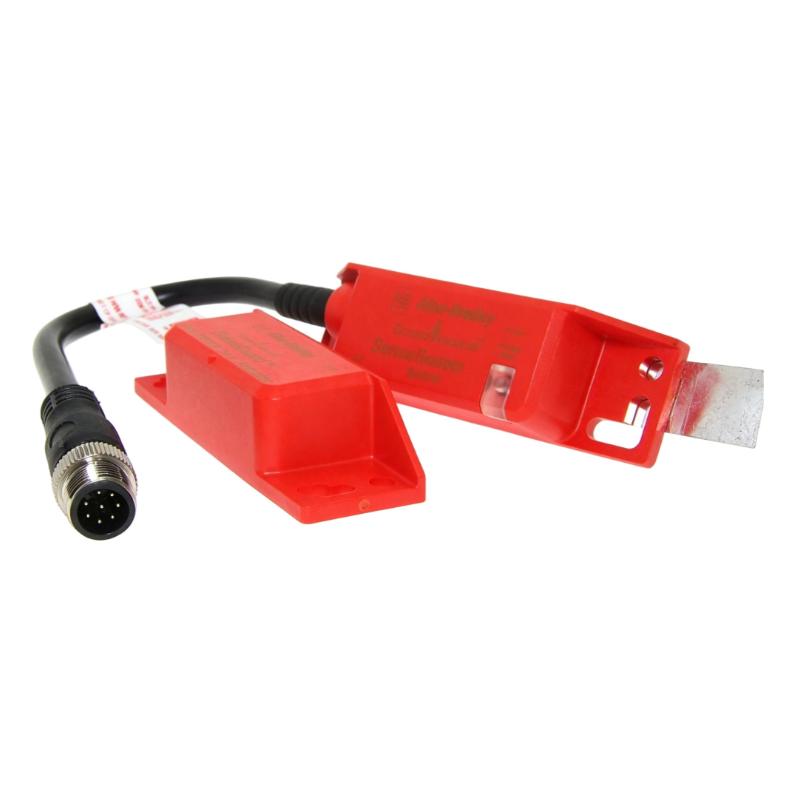
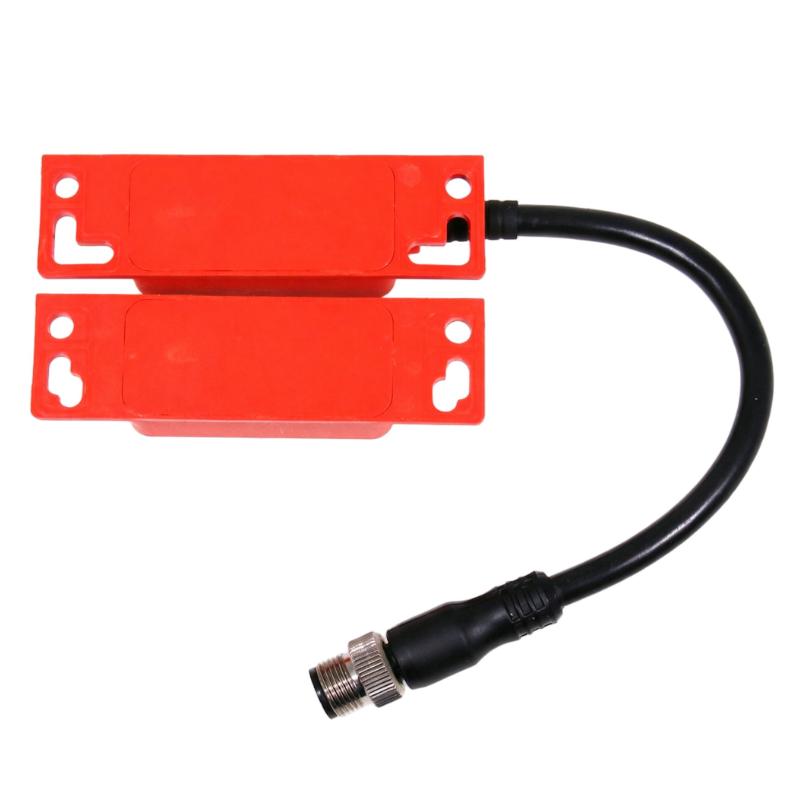
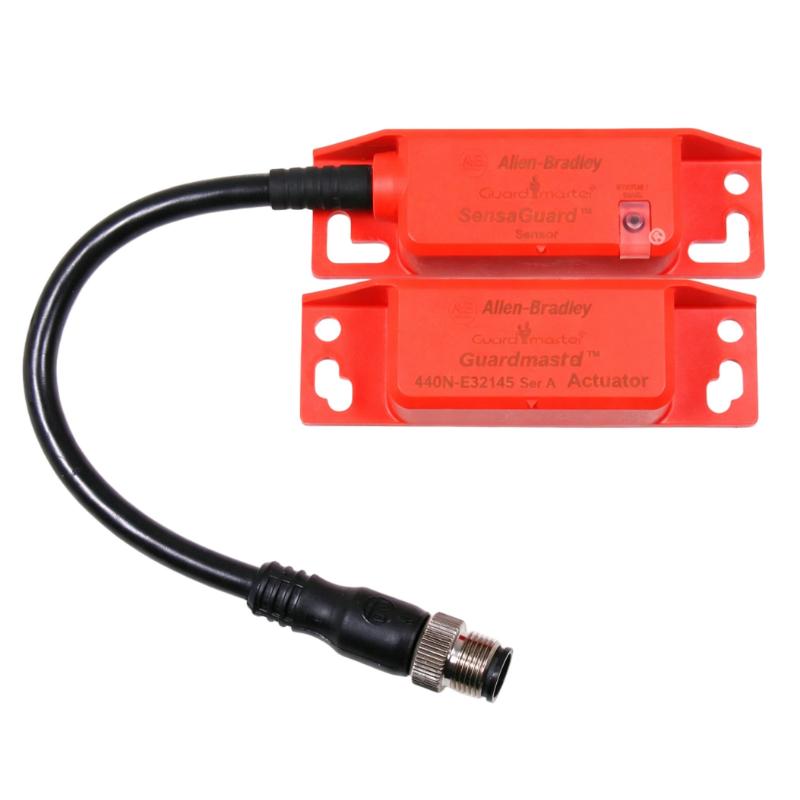
The Allen Bradley 440N-Z21SS2HN Guardmaster 440N Non Contact Switch is a non-contact safety switch used for monitoring the position of machine guards, doors, covers, and other movable protective devices. It belongs to the Guardmaster safety product family and is intended for applications where access to a hazardous machine area needs to be monitored without using a conventional mechanical guard switch.
A non-contact switch is particularly useful when the guard moves frequently, when mechanical wear should be minimized, or when a compact sensing arrangement is preferable. The switch and its corresponding actuator or sensing element are positioned so that the safety system can determine whether the protective device is in the required position.
In a typical machine, the 440N device is connected to a safety relay, safety controller, or compatible safety input circuit. When the guard is opened or the monitored position is lost, the safety system can initiate the configured machine-stop sequence.
This makes the 440N-Z21SS2HN suitable for machinery where guard-position monitoring is part of the overall functional safety design. It should not be treated as a general-purpose proximity sensor; its role is specifically related to machine safeguarding and protective-device monitoring.
Technical Specifications
| Parameter | Specification |
|---|---|
| Manufacturer | Allen-Bradley |
| Model | 440N-Z21SS2HN |
| Product Family | Guardmaster 440N |
| Product Type | Non-Contact Safety Switch |
| Safety Function | Guard / Door Position Monitoring |
| Application | Machine Guarding |
| Connection | 8 Pin |
| System Role | Safety Input Device |
| Typical System | Safety Relay / Safety Controller |
| Dimensions | 8 Pin |
| Weight | 0.16 kg |
Product Features
The 440N-Z21SS2HN is intended for safety-related monitoring of movable guards and access points.
Key characteristics include:
- Allen-Bradley Guardmaster 440N safety switch
- Model 440N-Z21SS2HN
- Non-contact operating principle
- Designed for machine guard monitoring
- Suitable for safety door and access-point applications
- 8-pin connection
- Suitable for integration with safety control systems
- No mechanical contact required between the sensing elements
- Useful where repeated guard movement occurs
- Suitable for industrial machinery safeguarding
- Supports safety-system input monitoring
- Compact safety-device architecture
The switch should be installed as part of a complete safety circuit. Its correct operation depends on the associated safety controller, wiring, guard construction, and safety logic.
Working Principle
The 440N-Z21SS2HN uses a non-contact sensing arrangement to determine whether the monitored guard is in the required position.
A simplified safety chain is:
Machine Guard → Non-Contact Safety Switch → Safety Input → Safety Controller → Machine Safety Function
When the guard is closed and correctly positioned, the switch provides the expected safety-state information to the connected safety system.
When the guard is opened or moves away from the monitored position, the safety circuit detects the change. The safety controller can then execute the programmed response, such as removing the machine’s permission to operate or initiating a controlled stop.
The advantage of non-contact monitoring is that there is no mechanical switching element that must physically engage every time the guard moves. This can be useful on frequently operated machine doors and covers.
However, correct actuator alignment and mounting are important. Excessive movement, incorrect sensing distance, damaged mounting hardware, or improper wiring can cause nuisance trips or prevent the safety circuit from reaching its expected state.
Role in a Machine Safety System
The 440N-Z21SS2HN normally sits at the guard-monitoring layer of a machine safety architecture.
A typical arrangement is:
Protective Guard → 440N Safety Switch → Safety Relay / Safety Controller → Machine Safety Outputs → Actuator / Drive / Contactor
The switch itself does not replace the safety controller. Instead, it supplies information about the state of the protective device so that the safety system can determine whether machine operation should be permitted.
For example, on an automated packaging machine, opening an access door may expose moving mechanisms. The non-contact safety switch detects the guard position, while the safety controller determines the required machine response.
This distinction is important during system troubleshooting. A fault may originate from the switch, its wiring, alignment, safety input, controller configuration, or the final safety output circuit.
Industrial Applications
The 440N-Z21SS2HN can be used in machinery where access doors, covers, or guards require safety monitoring.
| Application | Typical Use |
|---|---|
| Packaging Machines | Monitoring access doors and protective covers |
| Conveyor Systems | Guard-position monitoring around moving equipment |
| Material Handling | Detecting access to hazardous areas |
| Machine Tools | Monitoring protective enclosures |
| Assembly Machines | Safety monitoring of operator access doors |
| Robotic Cells | Monitoring cell access points |
| Automated Production Lines | Guard interlock monitoring |
| Processing Machinery | Protective enclosure monitoring |
The final safety function must be evaluated according to the machine’s risk assessment and applicable safety architecture.
Installation and Maintenance
Installation of a non-contact safety switch requires careful attention to positioning and the complete safety circuit.
Recommended checks include:
- Confirm the complete 440N-Z21SS2HN part number.
- Verify the correct mating sensing component or actuator.
- Check the 8-pin connection arrangement.
- Mount the switch securely to the machine frame.
- Maintain the required sensing alignment.
- Check guard movement throughout its full travel.
- Inspect cables and connectors for mechanical damage.
- Verify the safety-controller input configuration.
- Check that opening the guard produces the expected safety-state change.
- Test the machine’s safety response.
- Inspect mounting hardware periodically.
- Check for excessive vibration or movement.
- Verify that the guard cannot easily defeat the intended sensing arrangement.
- Perform documented safety-function tests according to the machine maintenance procedure.
A safety switch should never be bypassed simply to restore machine production. If the device repeatedly changes state during normal operation, investigate alignment, guard movement, wiring, environmental conditions, and the safety circuit before changing the safety logic.
Related Components
The 440N-Z21SS2HN normally works together with several other components in a machine safeguarding system.
| Component | Function |
|---|---|
| Guard / Safety Door | Physically restricts access to the hazardous area |
| Matching Actuator / Sensing Element | Provides the monitored guard position |
| Safety Relay | Processes safety input conditions |
| Safety Controller | Executes safety logic and diagnostics |
| Safety PLC | Provides programmable safety control |
| Safety Contactor | Disconnects or controls hazardous machine power |
| Motor Starter / Drive | Controls the machine’s motor |
| Emergency Stop Circuit | Provides emergency machine-stop functionality |
| Safety Wiring | Connects field safety devices to the controller |
| Machine Control System | Coordinates normal machine operation |
The exact arrangement depends on the required safety category or performance level and the machine’s risk assessment.
Recommended Related Models
When selecting an alternative or replacement Guardmaster device, the guard type, sensing arrangement, connection method, safety architecture, and environmental requirements should be considered together.
| Model / Product Family | Product Type | Typical Application |
|---|---|---|
| Allen-Bradley 440N-Z21SS2HN | Non-Contact Safety Switch | Guard and door monitoring |
| Allen-Bradley Guardmaster 440N Series | Safety Switch Family | Non-contact guard monitoring |
| Allen-Bradley Guardmaster Safety Switches | Safety Device Family | Machine access protection |
| Allen-Bradley Guardmaster Safety Relays | Safety Control | Processing safety-device signals |
| Allen-Bradley Guardmaster Safety Controllers | Safety Controller | Programmable machine safety |
| Allen-Bradley Safety Contactors | Safety Switching Device | Isolation and machine-stop functions |
For replacement work, the complete catalog number should be checked carefully. A safety switch with a similar appearance may have a different connection, sensing arrangement, actuator, or electrical function.
Key Advantages
- Allen-Bradley Guardmaster 440N safety device.
- Model 440N-Z21SS2HN.
- Non-contact guard monitoring.
- Suitable for safety doors and protective covers.
- 8-pin connection.
- No conventional mechanical switching contact required at the sensing point.
- Suitable for frequently operated machine guards.
- Integrates with safety relays and safety controllers.
- Suitable for automated machinery and robotic cells.
- Supports machine access monitoring.
- Useful for safety-system maintenance and replacement applications.
Technical FAQs
What does a non-contact safety switch monitor on a machine?
The 440N-Z21SS2HN monitors the position of a protective guard or access point. Its purpose is to provide the safety system with information indicating whether the monitored guard is in the required position for machine operation.
Why would a machine use a non-contact switch instead of a mechanical guard switch?
Non-contact sensing avoids repeated mechanical engagement at the sensing point. This can be advantageous on frequently operated doors or covers and on machine designs where physical contact between the switch components is undesirable.
What should be checked if the safety circuit repeatedly trips while the guard remains closed?
Start with the switch-to-actuator alignment, guard movement, mounting stability, cable connections, and safety-controller input. Vibration or movement of the guard can change the sensing relationship and produce intermittent safety-state changes.
Can the 440N-Z21SS2HN directly control the machine motor?
The switch should not be considered a standalone motor controller. It normally provides a safety-state signal to a safety relay, safety controller, or other appropriate safety-control architecture, which then performs the required safety function through the machine’s final control elements.