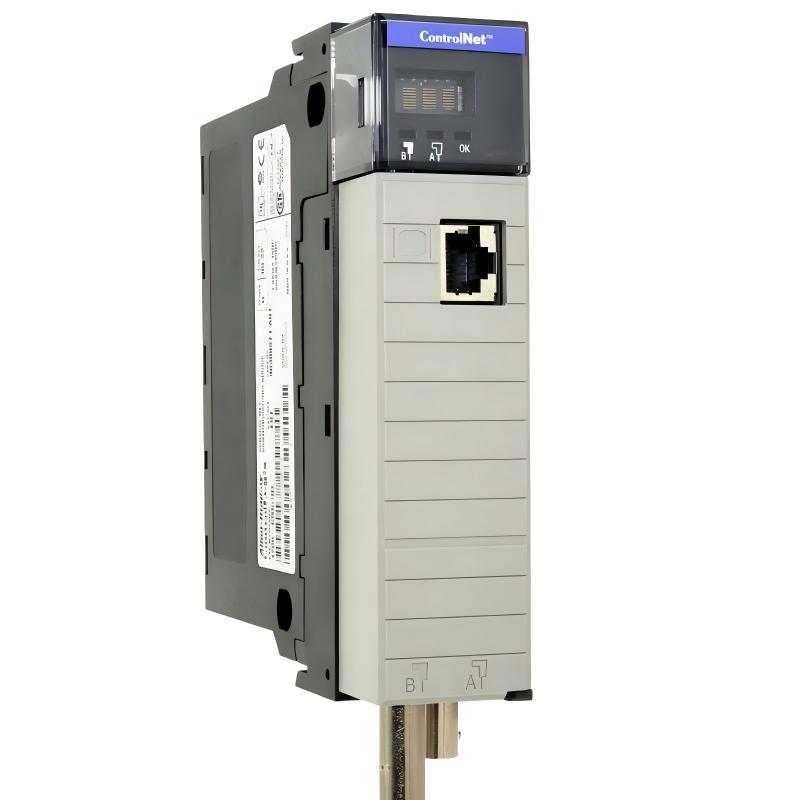
Product Overview
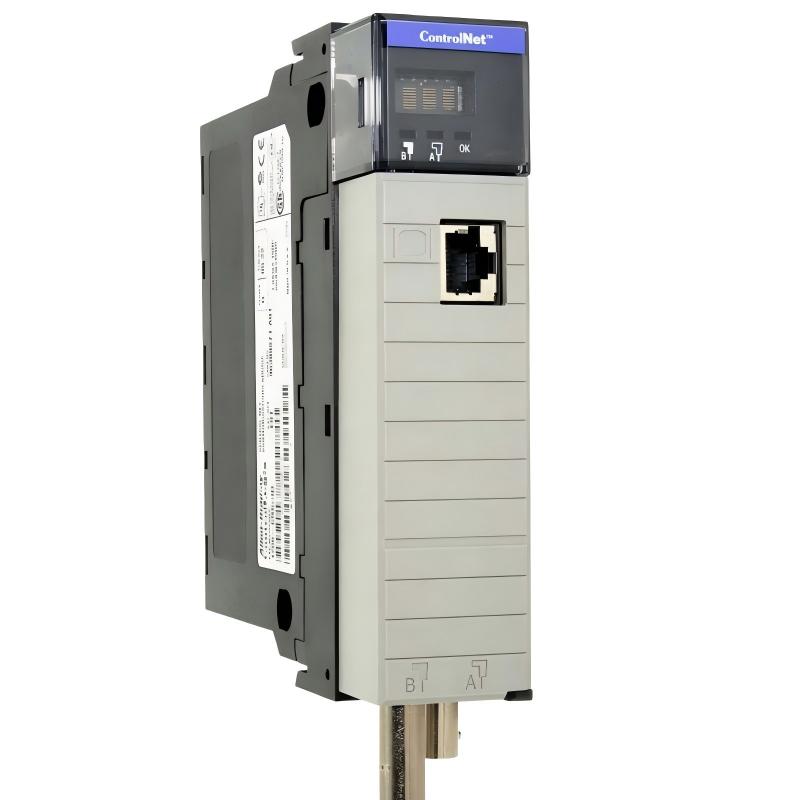
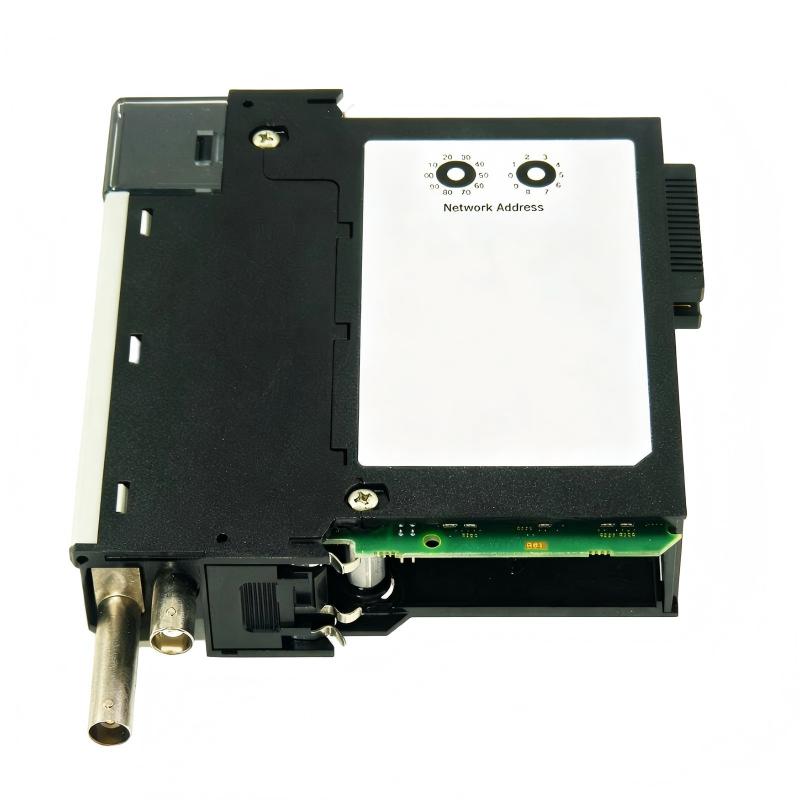
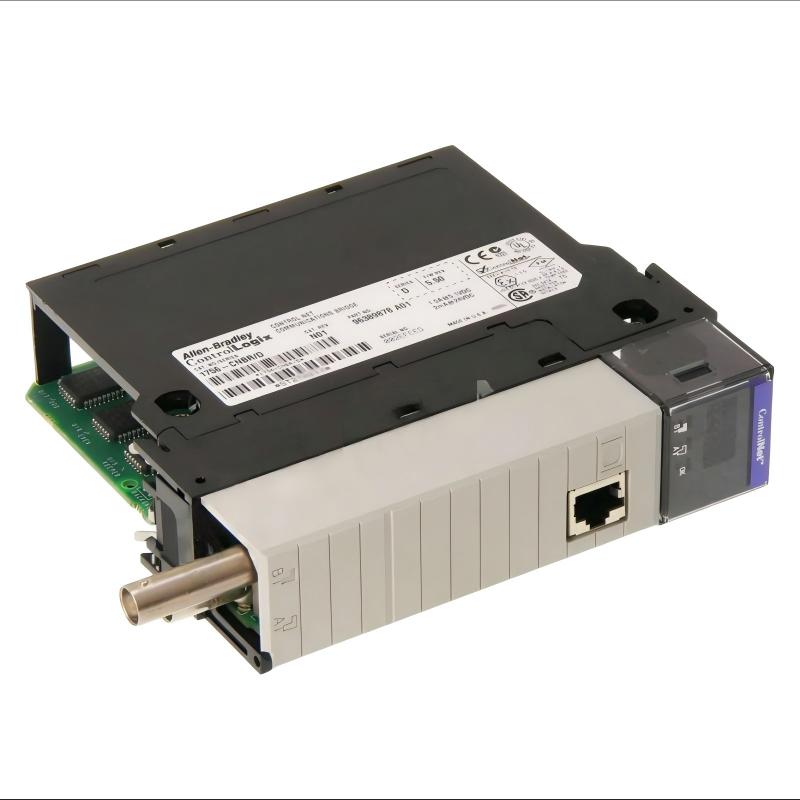
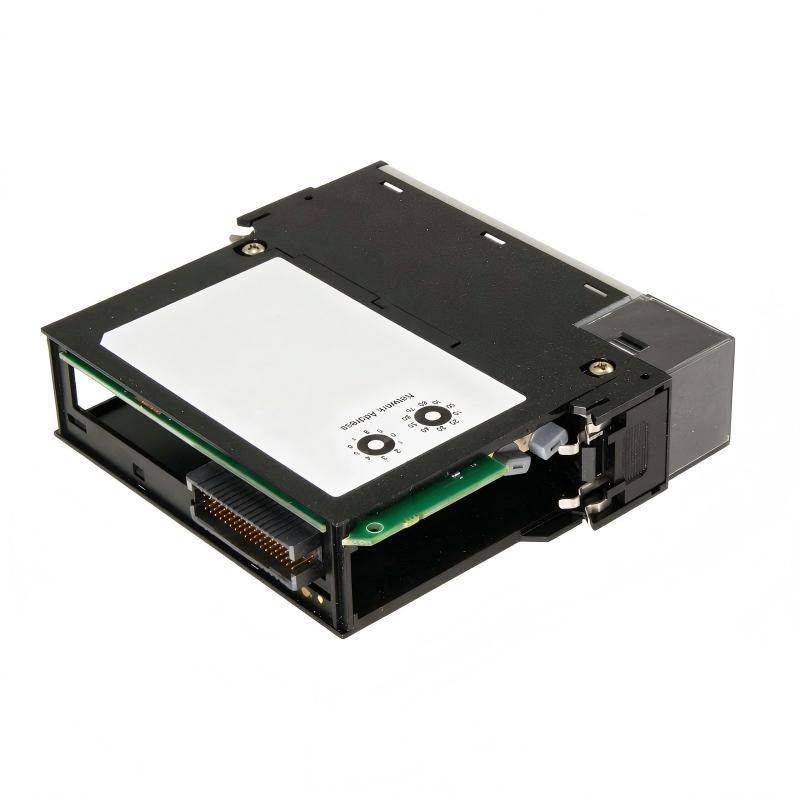
In large-scale industrial automation systems, communication reliability is critical for maintaining continuous production and preventing unexpected downtime. The Allen Bradley 1756-CNBR/D ControlLogix ControlNet Redundant Bridging Module is a specialized communication module designed for ControlLogix automation platforms, providing redundant ControlNet network connectivity for applications that require high availability and fault-tolerant communication.
The 1756-CNBR/D enables ControlLogix systems to maintain stable communication through redundant ControlNet network structures. By supporting dual communication paths, the module helps reduce the impact of network failures and improves overall system reliability.
Unlike standard communication modules, the redundant bridging design provides an additional level of protection for critical industrial processes where communication interruptions may affect production safety, equipment performance, or operational efficiency.
The Allen Bradley 1756-CNBR/D is commonly used in process industries, manufacturing facilities, power systems, and other industrial applications that require continuous operation and reliable network communication.
Technical Specifications
| Parameter |
Details |
| Manufacturer |
Allen Bradley |
| Model |
1756-CNBR/D |
| Product Type |
ControlLogix ControlNet Redundant Bridging Module |
| Platform |
ControlLogix |
| Communication Network |
ControlNet |
| Module Type |
Redundant Network Communication Module |
| Function |
ControlNet communication with network redundancy |
| Communication Method |
Dual ControlNet network connection |
| Installation Type |
ControlLogix Chassis Mounting |
| Dimensions |
144.5 × 34.6 × 130.18 mm |
| Weight |
0.293 kg |
| Application |
High-availability industrial automation systems |
| System Role |
Redundant communication interface |
| Operating Environment |
Industrial control environment |
Function and Working Principle
The Allen Bradley 1756-CNBR/D ControlNet Redundant Bridging Module operates as a high-availability communication interface within ControlLogix automation systems.
The module provides two independent ControlNet communication paths. During normal operation, the system can maintain communication through the active network connection. If one communication path experiences a fault, the redundant network structure helps maintain system connectivity.
The working process can be described as:
ControlLogix Controller → 1756-CNBR/D Module → Redundant ControlNet Network → Remote Devices
The main functions include:
- Providing redundant ControlNet communication
- Maintaining communication availability during network faults
- Connecting ControlLogix systems with distributed devices
- Supporting high-reliability automation architectures
- Improving system fault tolerance
The redundant communication design helps industrial systems continue operation even when individual network components experience problems.
Role in Industrial Control Systems
The Allen Bradley 1756-CNBR/D plays an important role in critical industrial automation architectures where communication reliability is a priority.
In conventional automation systems, a single communication failure may interrupt data exchange between controllers and field devices. The redundant bridging module reduces this risk by providing backup communication capability.
The module typically works together with:
- ControlLogix processors
- ControlLogix redundant chassis systems
- ControlNet network components
- Remote I/O systems
- Industrial operator interfaces
- Process monitoring equipment
A typical redundant communication structure includes:
ControlLogix Controller → 1756-CNBR/D → Primary ControlNet Network + Secondary ControlNet Network → Field Devices
This architecture provides:
- Higher system availability
- Improved communication reliability
- Reduced production interruptions
- Better fault recovery capability
- Enhanced industrial network stability
Industrial Applications
The Allen Bradley 1756-CNBR/D ControlLogix ControlNet Redundant Bridging Module is commonly used in applications requiring continuous operation.
Process Automation
Used for:
- Chemical processing systems
- Continuous production processes
- Distributed control applications
- Critical equipment monitoring
Power Generation Systems
Applied in:
- Power plant automation
- Electrical equipment monitoring
- High-availability control networks
Manufacturing Automation
Supports:
- Large production lines
- Automated manufacturing systems
- Critical machine communication
Oil and Gas Industry
Used for:
- Remote control systems
- Process monitoring
- Safety-related automation applications
Infrastructure Automation
Applied in:
- Water treatment systems
- Industrial facilities
- Large-scale control networks
Installation and System Integration
Proper installation of the Allen Bradley 1756-CNBR/D is essential for achieving reliable redundant communication performance.
Recommended installation procedures include:
- Installing the module into a compatible ControlLogix chassis
- Connecting redundant ControlNet communication channels
- Configuring network parameters correctly
- Verifying module compatibility with the control architecture
- Testing communication redundancy functions
During commissioning, engineers should verify:
- Module status indicators
- Primary and secondary network operation
- Communication switching performance
- Controller connection status
- Network configuration settings
Correct installation helps prevent:
- Communication interruptions
- Network switching failures
- Controller connection problems
- Unexpected system downtime
Compatible System Components
The Allen Bradley 1756-CNBR/D typically works together with the following components:
| Component |
Function |
| ControlLogix Processor |
Executes automation control programs |
| ControlLogix Chassis |
Provides module installation platform |
| Redundant ControlNet Networks |
Provides backup communication paths |
| ControlNet Communication Components |
Supports network connectivity |
| Remote I/O Modules |
Handles distributed field signals |
| HMI Systems |
Provides operator monitoring |
| Industrial Devices |
Connects production equipment |
Together, these components create a high-availability industrial automation network.
Common Failure Symptoms
When the Allen Bradley 1756-CNBR/D ControlNet Redundant Bridging Module experiences problems, the system may show the following symptoms:
| Fault Symptom |
Possible Cause |
| Redundant network switching failure |
Network configuration issue |
| Module fault indicator active |
Hardware or communication problem |
| Loss of communication with devices |
ControlNet connection failure |
| Intermittent data exchange |
Network cable or signal issue |
| Controller communication alarm |
Module configuration problem |
Regular inspection of network connections, module status, and redundancy settings helps maintain system reliability.
Recommended Alternative Models
Depending on system requirements and communication architecture, the following related models may be considered:
| Model |
Type |
Key Feature |
Application |
| Allen Bradley 1756-CNBR/D |
ControlNet Redundant Bridging Module |
Dual ControlNet communication support |
High-availability systems |
| Allen Bradley 1756-CNB/E |
ControlNet Bridging Module |
Standard ControlNet communication |
General ControlLogix networks |
| Allen Bradley 1756-CN2 |
Enhanced ControlNet Module |
Improved network capability |
Advanced automation systems |
| Allen Bradley 1756-EN2T |
Ethernet Communication Module |
Industrial Ethernet integration |
Modern control networks |
| ControlLogix Redundant Communication Modules |
Network Expansion Components |
Fault-tolerant communication |
Critical automation applications |
Key Advantages
- Supports redundant ControlNet communication architecture
- Improves industrial network availability
- Reduces risk of communication downtime
- Provides reliable data exchange for critical systems
- Enhances ControlLogix system flexibility
- Suitable for continuous process applications
- Supports high-reliability automation environments
Technical FAQs
What is the Allen Bradley 1756-CNBR/D used for?
The Allen Bradley 1756-CNBR/D is a redundant ControlNet communication module used to provide reliable network connectivity for ControlLogix systems.
What is the difference between 1756-CNB and 1756-CNBR?
The 1756-CNBR series supports redundant ControlNet network configurations, while standard CNB modules provide single network communication.
Why use redundant ControlNet communication?
Redundant communication reduces the risk of system downtime caused by network failures and improves automation system availability.
Which systems are compatible with the 1756-CNBR/D?
It is designed for ControlLogix platforms and works with processors, chassis systems, remote I/O devices, and ControlNet networks.
Conclusion
The Allen Bradley 1756-CNBR/D ControlLogix ControlNet Redundant Bridging Module is a high-reliability communication solution designed for industrial systems requiring continuous operation and fault-tolerant networking.
With redundant ControlNet communication capability, stable data transmission performance, and strong integration with ControlLogix platforms, it helps improve system availability and reduce the impact of communication failures.
For automation engineers, system integrators, and industrial maintenance teams, the 1756-CNBR/D provides an effective solution for building reliable, scalable, and high-performance industrial control networks.