

ProductPRODUCT
Featured products
Contact Us
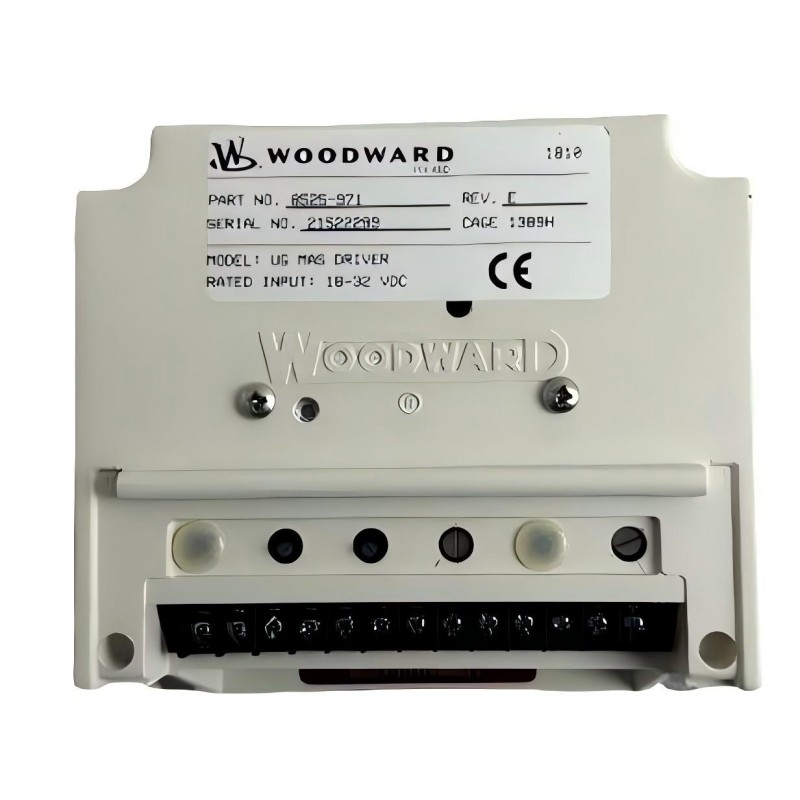
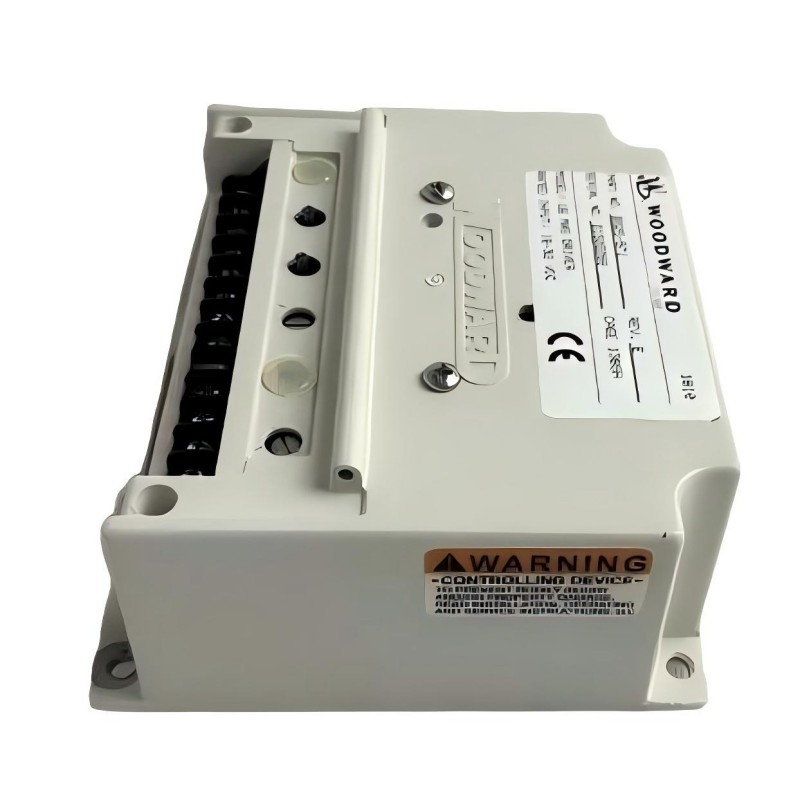
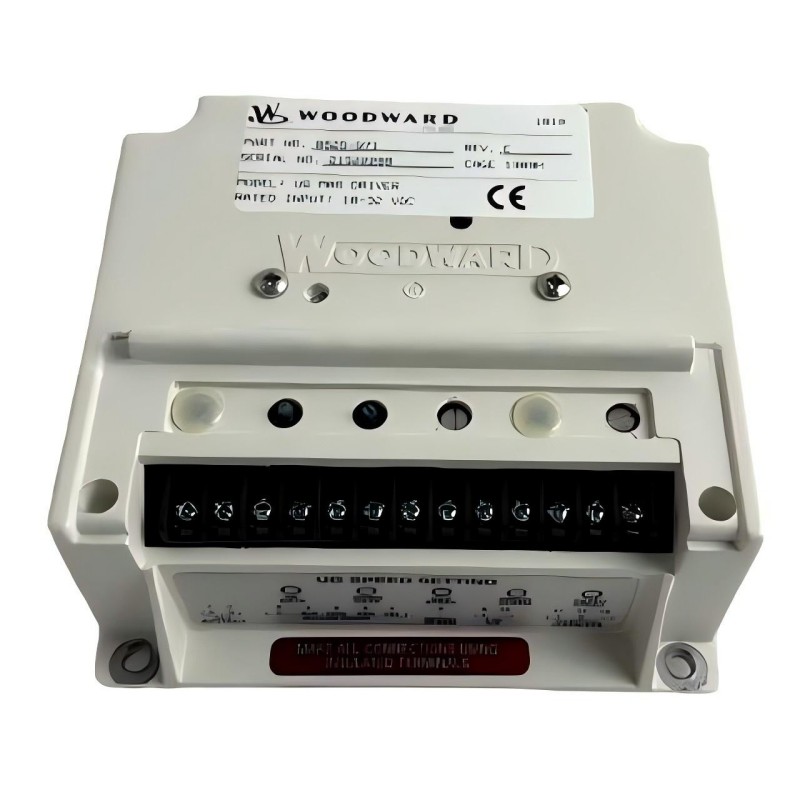
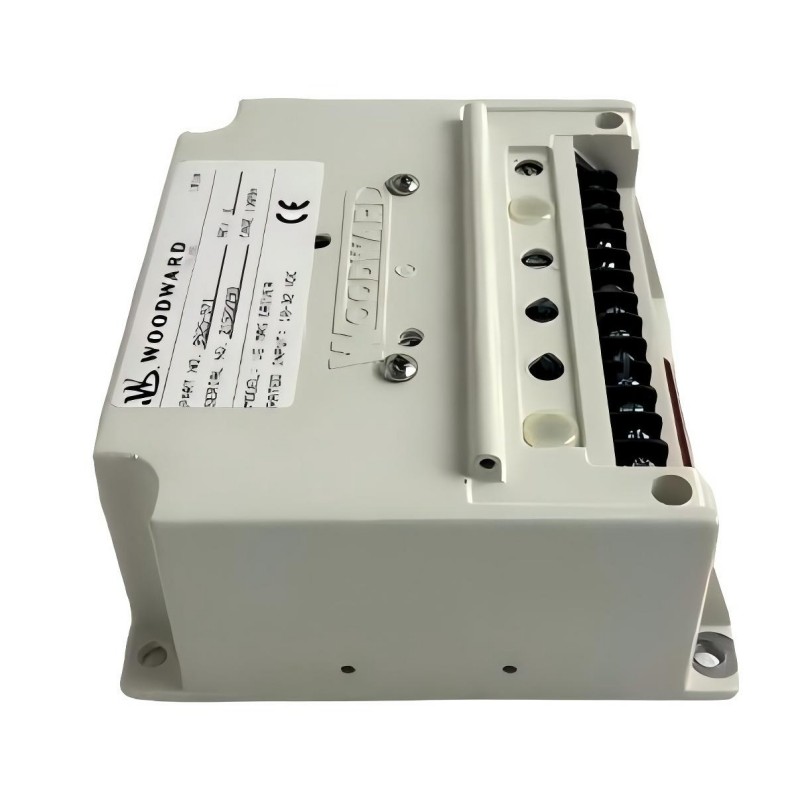
- Woodward
- 8525-971
- UG MAS Driver Governor
- USA
- 150 × 230 × 175 mm
- 1.6 kg
- Xiamen, China
- New & In Stock
- T/T, PayPal, Western Union
- 1 Year
- 1-3 Working Days
- DHL, UPS, TNT, FedEx and EMS.
- 24-Hour Service
- COO
- 6
Our advantage

Global Logistics
We have a 10-year logistics and express cooperation agreement, so our products can be shipped to any place in the world.

Brand new and original
Our products are imported in bulk from the place of origin. Because of the cooperative relationship, our products are all original and 100% new.

24-hour service
We provide 7*24 hours service to our customers. We will be there whenever you need us.

Price advantage
All our products are priced very favorably because we have our own warehouse and supply.
| Company Information | |||
| [email protected] | |||
| Mobile | +8615980777398 | ||
| +8615980777398 | |||
| 15980777398 |
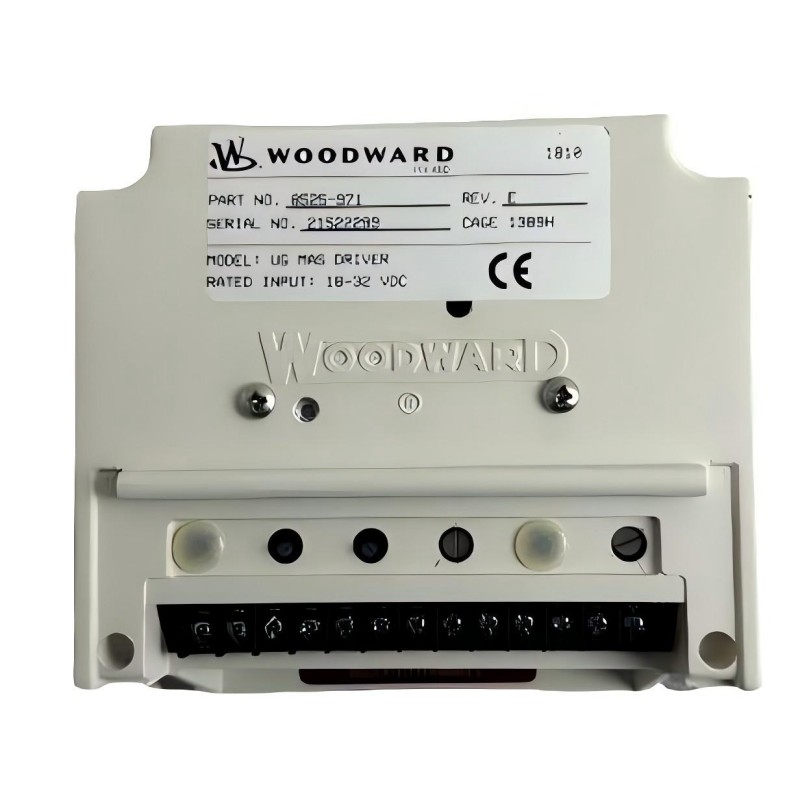
Product Overview
The Woodward 8525-971 is a UG MAS Driver Governor used for mechanical-hydraulic speed and actuator control in engine and prime-mover applications. It combines governor control functions with a mechanical drive arrangement to regulate the output of the connected engine according to operating speed and load conditions.
The governor is suited to engine-driven generator sets, industrial prime movers, and mechanical drive equipment where accurate fuel or actuator positioning is required. In these applications, the governor receives mechanical speed information from the prime mover and converts changes in operating speed into a corresponding control action.
During normal operation, the governor continuously responds to the relationship between engine speed and the selected operating condition. Changes in load affect engine speed, and the governor adjusts the actuator command to increase or decrease fuel or energy input as required.
The UG MAS Driver Governor is particularly useful in installations that require a dedicated governor mechanism between the engine speed-sensing system and the fuel or actuator linkage. It can operate as part of a larger Woodward engine-control arrangement while performing the primary mechanical-hydraulic regulating function.
Technical Specifications
| Parameter | Specification |
|---|---|
| Model | 8525-971 |
| Product Family | UG MAS |
| Product Type | Driver Governor |
| Primary Function | Engine speed and actuator control |
| System Role | Prime-mover governor |
| Control Method | Mechanical-hydraulic |
| Application | Engine, generator, and industrial prime-mover control |
| Dimensions | 150 × 230 × 175 mm |
| Weight | 1.6 kg |
Product Features
- UG MAS Driver Governor for engine and prime-mover control applications.
- Provides mechanical-hydraulic governor functionality.
- Converts engine speed changes into corresponding actuator control movement.
- Suitable for fuel-control and prime-mover speed-regulation systems.
- Can be integrated into engine-driven generator applications.
- Suitable for industrial mechanical-drive equipment.
- Supports continuous correction of engine output as operating conditions change.
Working Principle
The governor uses the rotational speed of the prime mover as its primary feedback condition. Mechanical speed information is transmitted to the governor, where changes in speed influence the internal governing mechanism.
The governor then produces a corresponding hydraulic control action. This output is transferred to the connected actuator or fuel-control linkage, changing the engine’s energy input and bringing operating speed back toward the required value.
Prime Mover → Mechanical Speed Input → 8525-971 UG MAS Governor → Hydraulic Control Output → Actuator / Fuel System → Prime Mover
When load increases, engine speed normally tends to decrease. The governor responds by increasing the actuator command as required. When load decreases and speed rises, the governing action moves in the opposite direction to reduce engine output.
This continuous feedback process allows the governor to regulate engine speed without requiring the primary governing loop to be executed by a digital controller.
Role in an Engine and Generator Control Architecture
The 8525-971 functions directly within the prime-mover speed-control loop. It connects the mechanical speed-sensing mechanism to the actuator or fuel-control system and provides the regulating action required to maintain the engine’s operating speed.
Architecture chain
Engine / Prime Mover → Speed Feedback → 8525-971 Governor → Actuator / Fuel Control → Engine Output → Load
| System Element | Function |
|---|---|
| Engine / Prime Mover | Generates mechanical power |
| Mechanical Speed Input | Transfers rotational-speed information to the governor |
| 8525-971 UG MAS | Processes speed changes through the governor mechanism |
| Hydraulic Control Output | Produces the force required for actuator movement |
| Fuel / Actuator System | Adjusts engine energy input |
| Generator / Mechanical Load | Determines the required engine output |
Industrial Applications
| Application | Typical Use |
|---|---|
| Generator Sets | Regulation of engine speed for stable generator operation |
| Industrial Engines | Continuous mechanical speed control |
| Power Generation | Prime-mover governor control |
| Mechanical Drives | Maintaining engine operating speed under variable loads |
| Pump Drives | Regulation of engine-driven pumping equipment |
| Standby Power | Speed regulation for engine-driven standby generators |
Installation and Maintenance
- Verify that the 8525-971 governor is suitable for the intended engine and actuator arrangement.
- Confirm the mechanical mounting and drive configuration before installation.
- Check the governor drive connection for correct engagement with the prime mover.
- Inspect the actuator linkage for free movement throughout its complete operating range.
- Check linkage alignment and remove any mechanical interference before commissioning.
- Connect the governor output to the specified fuel or actuator mechanism.
- Verify the mechanical and hydraulic connections according to the equipment configuration.
- Start the engine under controlled conditions and observe the initial governing response.
- Check speed recovery following controlled changes in engine load.
- Investigate excessive speed variation, hunting, or slow response before normal operation.
- Inspect the governor drive and actuator linkage during scheduled maintenance.
- After replacement or adjustment, perform a complete speed-control and load-response test before returning the engine or generator to service.
Related Components
| Component | Function |
|---|---|
| Engine Fuel System | Controls the supply of fuel to the prime mover |
| Governor Drive | Transfers mechanical speed information |
| Hydraulic Actuator | Converts hydraulic output into mechanical movement |
| Fuel Control Linkage | Transfers governor movement to the engine fuel mechanism |
| Engine Control Rack | Regulates engine fuel or energy input |
| Generator | Converts mechanical energy into electrical power |
| Speed Sensing Mechanism | Provides rotational feedback |
| Prime Mover | Supplies the mechanical power being regulated |
Recommended Related Models
| Model / Product Family | Product Type | Typical Application |
|---|---|---|
| Woodward UG MAS Series | Driver Governor | Engine and prime-mover speed control |
| Woodward UG Series | Mechanical Hydraulic Governor | Industrial engine control |
| Woodward TG Series | Mechanical Hydraulic Governor | Generator and prime-mover applications |
| Woodward Mechanical Governors | Speed Governor | Mechanical engine regulation |
| Woodward Hydraulic Governors | Hydraulic Governor | Fuel and actuator control |
| Woodward Engine Control Systems | Engine Control System | Engine monitoring and control |
| Woodward Generator Control Systems | Generator Controller | Generator-set control |
| Woodward Hydraulic Actuators | Hydraulic Actuator | Fuel and mechanical actuation |
Key Advantages
- Provides dedicated mechanical-hydraulic speed regulation.
- Converts prime-mover speed changes into direct actuator control.
- Suitable for engine and generator applications.
- Supports continuous response to changing load conditions.
- Interfaces directly with mechanical fuel and actuator systems.
- Suitable for industrial prime movers requiring established governor technology.
Technical FAQs
What role does the driver function serve in the UG MAS governor arrangement?
The driver function provides the mechanical interface between the prime mover’s rotational movement and the governor mechanism. Correct drive engagement is essential because the governor relies on accurate mechanical speed information for its regulating action.
How can load changes affect governor behavior during generator operation?
A sudden increase in generator load can cause engine speed to fall. The governor detects the speed change and adjusts the actuator or fuel-control output to increase engine power. A reduction in load produces the opposite regulating response.
What mechanical conditions should be investigated when governor response becomes sluggish?
The actuator linkage, governor drive, mechanical connections, and fuel-control mechanism should be inspected for binding, excessive friction, misalignment, or mechanical play. Problems outside the governor itself can significantly affect the overall speed-control response.
Why should the governor and actuator be tested as a complete control loop?
The governor cannot be evaluated solely by observing its internal movement. Its output must produce the correct actuator response, and the actuator must then change engine output as expected. Testing the complete loop confirms that speed feedback, governor action, linkage movement, and fuel control are working together.