

ProductPRODUCT
Featured products
Contact Us
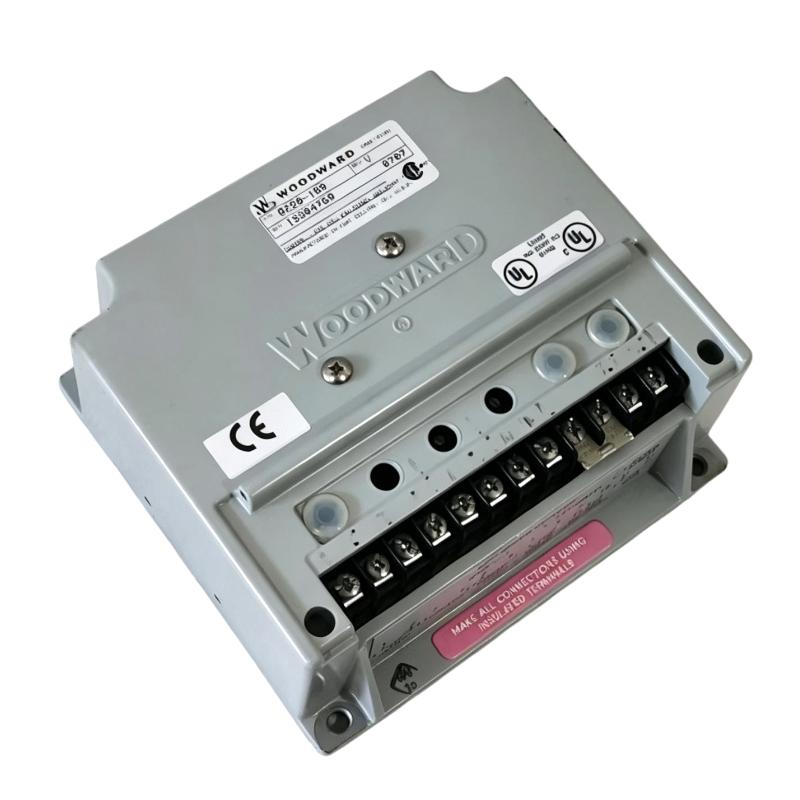
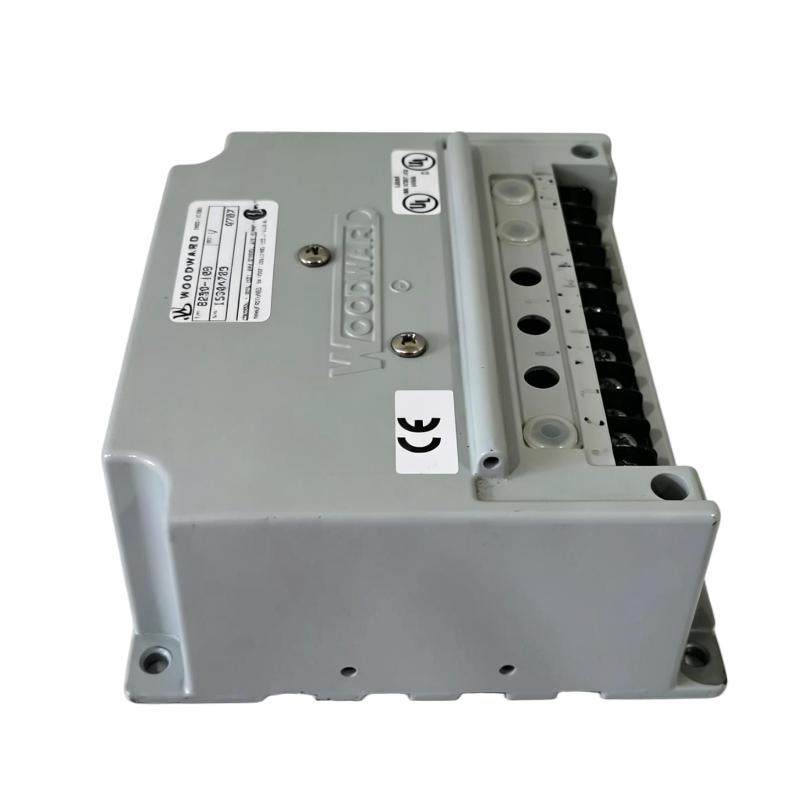
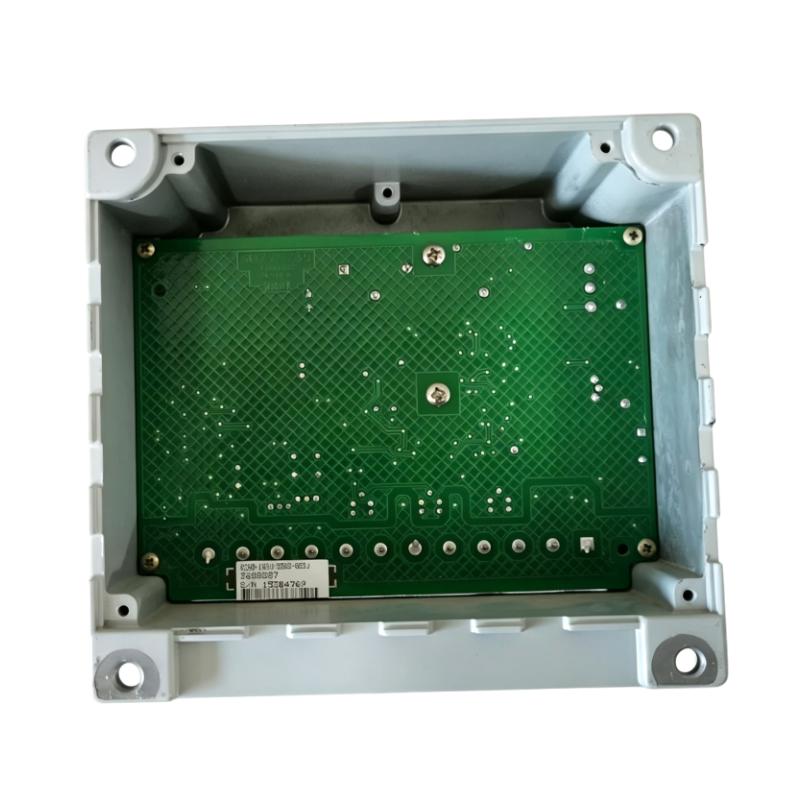
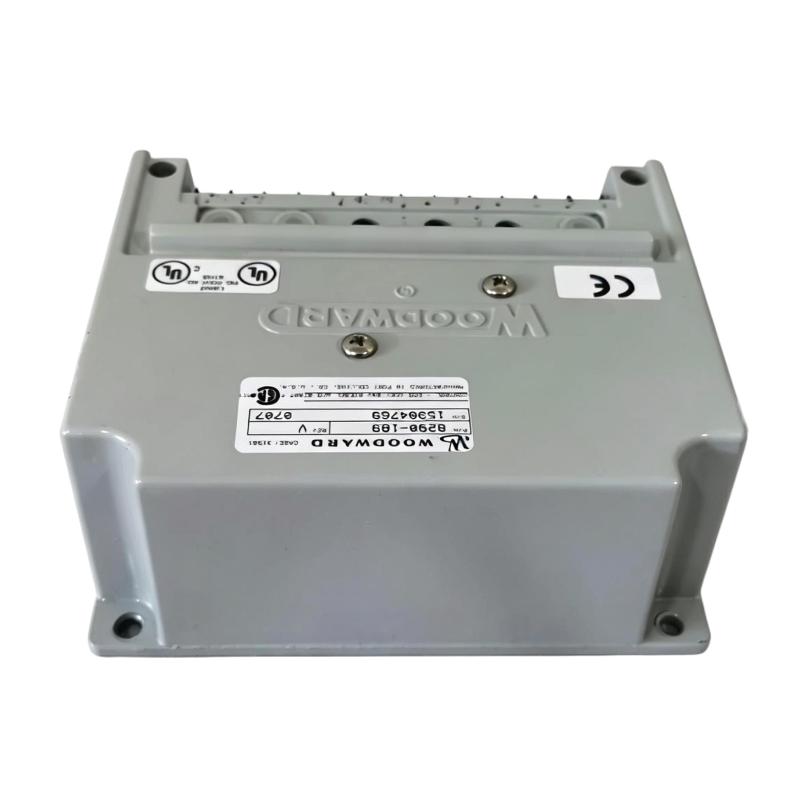
- Woodward
- 8290-189
- Speed Controller
- USA
- 145 × 55 × 120 mm
- 0.86kg
- Xiamen, China
- New & In Stock
- T/T, PayPal, Western Union
- 1 Year
- 1-3 Working Days
- DHL, UPS, TNT, FedEx and EMS.
- 24-Hour Service
- COO
- 2
Our advantage

Global Logistics
We have a 10-year logistics and express cooperation agreement, so our products can be shipped to any place in the world.

Brand new and original
Our products are imported in bulk from the place of origin. Because of the cooperative relationship, our products are all original and 100% new.

24-hour service
We provide 7*24 hours service to our customers. We will be there whenever you need us.

Price advantage
All our products are priced very favorably because we have our own warehouse and supply.
| Company Information | |||
| [email protected] | |||
| Mobile | +8615980777398 | ||
| +8615980777398 | |||
| 15980777398 |
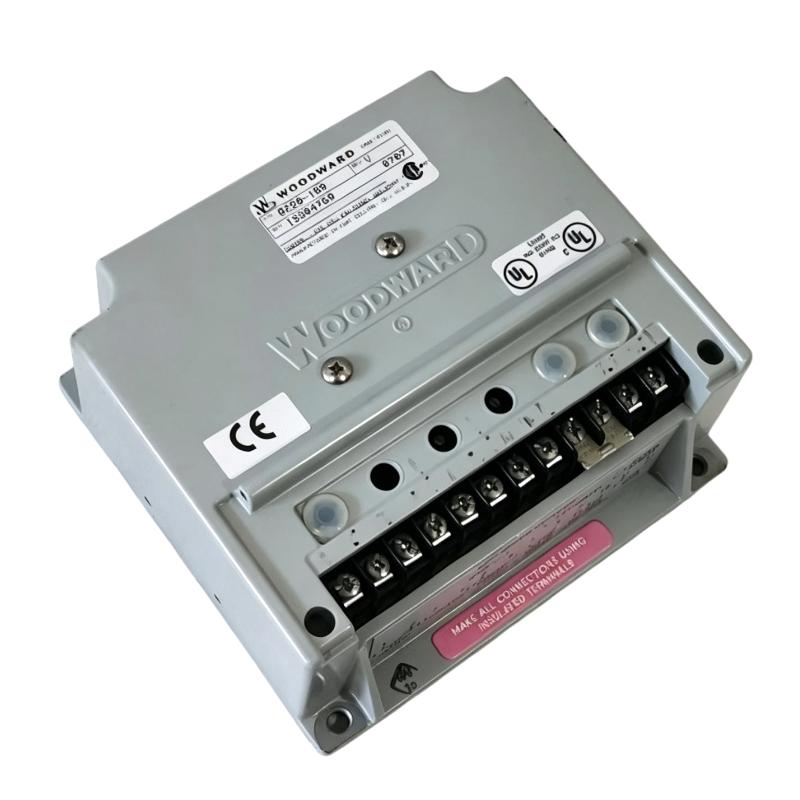
Product Overview
The Woodward 8290-189 Speed Controller is an electronic speed-control unit in Woodward’s Electrically Powered Governor (EPG) series. It is designed to regulate the speed of compatible diesel engines by processing engine-speed signals and controlling an electric actuator connected to the fuel-control mechanism.
The 8290-189 is a 24 VDC model intended for diesel-engine applications without a start fuel limit. It uses an isochronous speed-control strategy, which is designed to maintain a selected engine speed as the mechanical load changes. This capability is particularly important in engine-driven generator sets and industrial prime movers that require stable operating speed.
Unlike a mechanical governor that relies on a direct mechanical drive or hydraulic supply, the EPG system uses electrical power from the battery. A magnetic pickup detects engine speed and provides a frequency signal to the controller. The controller compares the measured speed with the desired reference and adjusts the actuator command to correct any speed deviation.
The 8290-189 is one component of a complete governor arrangement. A compatible magnetic pickup and electric actuator are required for the system to perform its speed-control function. The controller is designed for use with compatible Woodward 524/1724 actuator arrangements, subject to the system configuration and actuator selection.
Its specified speed-input frequency range is 3,000 to 6,000 Hz. The model’s no-start-fuel-limit configuration distinguishes it from other EPG controllers intended for applications that require a start-up fuel limitation.
For industrial maintenance and replacement projects, the complete model number is important. Controllers in the 8290 series can differ in supply voltage, engine type, frequency range, and start fuel limit configuration. Selecting a similar-looking unit without checking these parameters may result in an incompatible governor system.
Technical Specifications
| Parameter | Specification |
|---|---|
| Brand | Woodward |
| Manufacturer | Woodward, Inc. |
| Model | 8290-189 |
| Product Series | EPG Electrically Powered Governor |
| Product Type | Electronic Speed Controller / Governor Control Module |
| Application | Diesel Engine Speed Control |
| Operating Supply | 24 VDC battery system |
| Control Mode | Isochronous Speed Control |
| Magnetic Pickup Frequency Range | 3,000–6,000 Hz |
| Start Fuel Limit | Not included |
| Compatible Actuator Families | 524 / 1724 |
| Actuator Travel | 30° / 35°, depending on actuator |
| Maximum Power Consumption | Approximately 95 W |
| Battery Charger Capability | Minimum 5 A recommended in system documentation |
| Speed Detection | Magnetic Pickup |
| Control Output | Electric actuator control |
| Dimensions Provided | 145 × 55 × 120 mm |
| Weight Provided | 0.86 kg |
| Typical Application | Diesel engines and engine-driven generator systems |
Note: Dimensions and weight are supplied listing values. Confirm the actual controller and packaging before using these figures for shipping or installation planning.
Function and Working Principle
The Woodward 8290-189 regulates engine speed by comparing the desired speed reference with the actual speed measured by a magnetic pickup. It then adjusts the electrical command to the actuator, which changes the engine’s fuel-control position.
1. Engine Speed Detection
A magnetic pickup is installed near a suitable rotating target, such as a toothed flywheel. As the engine rotates, the pickup generates an electrical signal whose frequency corresponds to engine speed.
The 8290-189 is configured for a magnetic pickup frequency range of 3,000 to 6,000 Hz. The sensor signal provides the controller with information about actual engine speed.
A suitable sensor installation is important for reliable operation. Pickup clearance, mounting stability, wiring condition, and signal strength should be checked during commissioning and troubleshooting.
2. Speed Reference Comparison
The controller receives the desired speed reference and compares it with the actual speed signal.
If the measured engine speed is lower than the target, the controller generates a correction command intended to increase fuel delivery. If the measured speed is higher than the target, it adjusts the command in the opposite direction.
This feedback process allows the governor to respond to changes in engine load and maintain the selected operating speed.
3. Isochronous Speed Regulation
The 8290-189 is an isochronous speed controller. Isochronous control is intended to maintain a consistent engine speed as load changes, within the capabilities of the engine and governor system.
For generator applications, stable engine speed is important because generator frequency is directly related to prime-mover speed and the generator’s pole configuration.
The controller’s response depends on correct gain and stability adjustments, engine characteristics, actuator performance, and the mechanical fuel linkage.
4. Electric Actuator Control
The controller sends an electrical command to a compatible actuator. The actuator converts this command into mechanical movement that adjusts the engine’s fuel-control mechanism.
The 8290-189 is associated with Woodward 524 and 1724 actuator families. The actuator must be selected according to the controller configuration and required mechanical travel.
The actuator is not an optional substitute for the magnetic pickup or controller. All three components are required for a complete EPG speed-control system.
5. Dual Dynamics Adjustment
The EPG system supports switch-selected dual dynamics. This feature allows the governor response to be adjusted for different operating conditions.
Proper adjustment can help balance speed stability and response to load changes. Settings that are too aggressive may cause unstable operation, while settings that are too conservative may produce slow speed recovery.
Commissioning should follow the applicable Woodward instructions and be performed by personnel familiar with engine-governor systems.
Role in Industrial Control Systems
The 8290-189 is primarily an engine-governor controller rather than a general-purpose PLC or process controller. Its role is to maintain the speed of a diesel prime mover so that connected machinery can operate at the required speed.
Diesel Generator Sets
In a diesel generator set, the engine drives an alternator. The governor regulates engine speed to help maintain the required generator frequency.
When electrical demand changes, engine load changes as well. The 8290-189 detects speed deviations and adjusts the fuel-control actuator to help restore the selected operating speed.
For generator sets operating in parallel, additional load-sharing equipment and suitable electrical control arrangements may be required. Isochronous speed control alone does not provide all the functions needed for parallel generator operation.
Industrial Engine Systems
Diesel engines are used in industrial machinery, pumping equipment, compressors, and other engine-driven systems. The 8290-189 can form part of the governor arrangement where the engine and actuator are compatible with its specifications.
The controller’s purpose is to regulate engine speed, not directly control the downstream industrial process. Process sequencing and equipment interlocks may be handled by separate control equipment.
Integration with Supervisory Systems
A plant PLC or supervisory system may monitor engine status through suitable sensors, relays, or other interfaces. However, the 8290-189 should not be assumed to provide a standard PLC communication network.
The governor’s primary feedback and control path is based on the magnetic pickup and actuator arrangement. Any connection to external automation equipment must be designed around the available terminals and the system’s electrical requirements.
Industrial Applications
1. Diesel Generator Sets
The 8290-189 can be used in compatible diesel generator systems where stable engine-speed regulation is required.
Maintaining engine speed is important for generator frequency. When electrical load changes, the governor adjusts fuel delivery to help the engine recover its selected speed.
For generator installations, engineers should also evaluate generator protection, voltage regulation, synchronization, and load-sharing functions.
2. Industrial Diesel Engines
Industrial diesel engines often operate machinery that requires consistent rotational speed. The 8290-189 can provide electronic speed regulation when paired with a compatible engine, magnetic pickup, and actuator.
Its 24 VDC supply configuration makes it suitable for systems designed around a 24 V battery arrangement.
3. Engine-Driven Pumps
Diesel-driven pumps may require stable engine speed to maintain predictable pump operation. The governor can adjust engine fuel delivery as the load changes.
The pump system still requires appropriate pressure protection, flow monitoring, and process control equipment.
4. Engine-Driven Compressors
Some industrial compressors use diesel engines as prime movers. Stable engine speed can help maintain the operating conditions required by the compressor.
The controller must be matched to the engine and actuator, and the compressor’s unloading, pressure-control, and safety systems must be considered separately.
5. Remote and Standalone Prime Movers
The EPG system does not require a mechanical governor drive or hydraulic governor oil supply. This can be useful in installations where an electrically powered actuator arrangement is preferred.
The installation still requires a suitable battery supply, speed sensor, actuator, and correctly configured fuel linkage.
Installation and System Integration
Correct installation is essential for stable speed regulation and reliable engine operation.
1. Verify the 24 VDC Supply
The 8290-189 is designed for a 24 VDC battery system. Before installation, confirm the battery voltage, polarity, wiring condition, and charging arrangement.
The governor documentation specifies a minimum 5 A battery charger capability for the relevant system arrangement. The actual power-supply design should follow the applicable Woodward documentation and account for the actuator and other connected loads.
Avoid unstable or poorly regulated supply conditions, which can affect controller operation.
2. Install the Magnetic Pickup
The magnetic pickup must be mounted securely and positioned according to the manufacturer’s installation requirements.
Check the following:
- Sensor mounting and mechanical clearance.
- Condition of the pickup cable.
- Correct wiring polarity and terminal connections.
- Signal frequency during cranking and normal operation.
- Electrical interference from nearby power conductors.
An incorrect pickup signal may cause speed instability, failure to recognize engine speed, or shutdown-related problems.
3. Select the Compatible Actuator
The 8290-189 is intended for compatible Woodward 524/1724 actuator arrangements. The correct actuator depends on the required output travel, mechanical linkage, and engine fuel-control design.
The actuator must move freely through its required range. Linkage binding, excessive friction, or incorrect direction of movement can interfere with speed regulation.
4. Check Fuel-Linkage Direction
Before starting the engine, verify that actuator movement corresponds to the correct fuel-control direction.
The system must be configured so that an increase command produces the intended increase in fuel delivery and a decrease command reduces fuel delivery.
Incorrect linkage direction can create dangerous operating conditions. Functional checks should be completed using the appropriate commissioning procedures and safety precautions.
5. Configure Speed and Dynamics
Set the desired engine speed and adjust the governor dynamics according to the engine’s characteristics.
The rated-speed setting should be established before making other adjustments. Gain and stability settings should be tuned carefully to achieve a stable response without excessive oscillation.
Do not copy settings from another engine without checking its mechanical and electrical characteristics.
6. Verify the Complete EPG System
The controller alone cannot regulate engine speed without the associated sensor and actuator.
Before returning the engine to service, verify:
- Correct 24 VDC supply.
- Magnetic pickup signal.
- Controller wiring.
- Compatible actuator model.
- Actuator travel and direction.
- Fuel-linkage movement.
- Engine idle and rated-speed settings.
- Response to changes in mechanical load.
Record the final settings and commissioning results for future maintenance.
Compatible System Components
The 8290-189 is designed to operate as part of a Woodward EPG system. The following components may be required depending on the engine and application.
| Component | Function | Compatibility Considerations |
|---|---|---|
| Woodward 524 actuator | Converts electrical commands into mechanical fuel-linkage movement | Confirm the actuator model and required travel |
| Woodward 1724 actuator | Provides an alternative actuator arrangement with greater travel capability | Verify the required actuator output and system configuration |
| Magnetic pickup | Measures engine rotational speed | Confirm frequency range and correct installation |
| 24 VDC battery | Supplies controller and actuator system power | Verify voltage, polarity, and capacity |
| Battery charger | Maintains battery charge | Follow the system’s minimum charger-capability requirements |
| Fuel-control linkage | Transfers actuator movement to the engine fuel mechanism | Check mechanical freedom, travel, and direction |
| Generator load sensor | Supports load-sharing functions in parallel generator applications | Required only for suitable load-sharing arrangements |
| Ramp generator | Provides controlled speed ramping where required | Select according to system voltage and application |
| PLC or monitoring system | Supervises the wider engine or plant system | Verify available interfaces; do not assume direct network communication |
The magnetic pickup, speed controller, and actuator form the essential three-component EPG arrangement. Additional accessories depend on the application and are not necessarily supplied with the 8290-189.
Alternative Models and Replacement Considerations
The Woodward 8290 series contains several speed controllers with different operating voltages, engine applications, speed ranges, and start fuel limit configurations.
| Model | General Configuration | Replacement Considerations |
|---|---|---|
| 8290-184 | 24 VDC diesel, with start fuel limit | Not identical to the 8290-189 because the start fuel limit function differs |
| 8290-185 | 24 VDC gasoline or gas engine configuration | Engine-fuel application differs |
| 8290-186 | 12 VDC diesel, with start fuel limit | Supply voltage and start fuel configuration differ |
| 8290-187 | 12 VDC gasoline or gas engine configuration | Not a direct substitute for the 24 V diesel model |
| 8290-190 | 12 VDC diesel, without start fuel limit | Similar application category but different supply voltage |
| 8290-191 | 24 VDC droop speed-control configuration | Different governing mode and application requirements |
Before selecting an alternative, verify:
- Battery voltage and power-supply arrangement.
- Engine fuel type.
- Required magnetic pickup frequency range.
- Isochronous or droop control requirements.
- Start fuel limit configuration.
- Compatible actuator family.
- Actuator rotation and mechanical travel.
- Fuel-linkage direction.
- Required load-sharing accessories.
- Mounting and terminal arrangements.
A model from the same Woodward EPG family is not automatically a drop-in replacement. Even when two controllers operate from the same battery voltage, their speed-control configuration and application may differ.
Key Advantages
24 VDC Operation
The 8290-189 is designed for 24 VDC battery-powered engine systems, making it suitable for compatible industrial diesel applications.
Isochronous Speed Control
Its isochronous control function is intended to maintain a selected engine speed as mechanical load changes.
Magnetic Pickup Feedback
The controller uses a magnetic pickup signal to monitor engine speed, providing the feedback required for closed-loop governor operation.
Electric Actuator Control
The EPG arrangement uses an electric actuator to adjust the engine fuel mechanism without requiring a mechanical governor drive or hydraulic governor supply.
Defined Frequency Range
The 3,000–6,000 Hz input range identifies the magnetic pickup frequency configuration and helps engineers select a compatible sensor arrangement.
Compatibility with EPG Accessories
The controller can be used with compatible actuator and accessory arrangements, including selected load-sharing equipment for generator applications.
Established Engine-Control Application
The Woodward EPG series is used in legacy engine-governor installations. Accurate identification of the controller model is important for maintenance and replacement work.
Technical FAQs
1. What is the Woodward 8290-189 used for?
The 8290-189 is an electronic speed controller used in Woodward EPG systems. It regulates the speed of compatible 24 VDC diesel engines by processing magnetic pickup signals and controlling an electric actuator.
2. What supply voltage does the 8290-189 require?
It is designed for a 24 VDC battery system. The supply arrangement should follow the applicable Woodward installation instructions.
3. What is the speed-input frequency range?
The 8290-189 is configured for a magnetic pickup frequency range of 3,000 to 6,000 Hz.
4. Does the 8290-189 include a start fuel limit?
No. This model is specified for diesel applications without a start fuel limit. Applications requiring start fuel limitation should use a controller configuration specifically designed for that function.
5. Which actuators can be used with the 8290-189?
The controller is associated with compatible Woodward 524 and 1724 actuator arrangements. The exact actuator must be selected according to the system design and required mechanical travel.
6. Is the 8290-189 a complete governor system?
No. It is the speed-control component of an EPG system. A complete arrangement also requires a magnetic pickup and a compatible electric actuator.
7. Can the 8290-189 be used for generator applications?
Yes. It can regulate the speed of a compatible diesel engine driving a generator. Parallel generator operation may require additional load-sharing equipment and appropriate switchgear.
8. What is the difference between isochronous and droop control?
Isochronous control is intended to maintain a consistent speed as load changes. Droop control allows engine speed to decrease in a defined relationship with increasing load and is commonly used in certain load-sharing arrangements.
The 8290-189 is an isochronous controller, so it should not be treated as interchangeable with a droop controller without evaluating the complete system.
9. What should be checked before replacing an existing 8290-189?
Confirm the 24 VDC supply, engine type, 3,000–6,000 Hz pickup range, no-start-fuel-limit configuration, compatible actuator, wiring, and mechanical linkage arrangement.
10. What should be inspected during maintenance?
Inspect the battery supply, controller connections, magnetic pickup wiring, actuator condition, fuel linkage, and mechanical movement. Record governor settings and investigate unstable speed, slow response, or unexpected actuator movement before returning the engine to service.
Procurement and Maintenance Recommendations
When purchasing a Woodward 8290-189, confirm the full model number and the configuration of the existing governor system. The 24 VDC supply, diesel-engine application, 3,000–6,000 Hz pickup range, and no-start-fuel-limit configuration are important identification details.
For used or refurbished units, request clear photographs of the nameplate, enclosure, terminals, and connector areas. Ask whether the controller has been tested and whether a functional test report or warranty is available.
Before installation, verify that the existing magnetic pickup and actuator are compatible with the replacement controller. A controller that appears physically similar may have a different frequency range or fuel-control configuration.
During routine maintenance, inspect electrical connections and cable insulation, maintain a stable battery supply, and check the actuator and fuel linkage for binding or excessive wear. Governor stability should be assessed under the appropriate operating conditions by qualified personnel.
For generator applications, also review the load-sharing arrangement, generator protection, and synchronization equipment. The speed controller is one part of the engine-control system and should be evaluated together with the complete prime mover and generator installation.
Conclusion
The Woodward 8290-189 Speed Controller is a 24 VDC electronic governor control unit in the EPG series, designed for isochronous speed regulation of compatible diesel engines without a start fuel limit. Its 3,000–6,000 Hz magnetic pickup frequency range and compatibility with selected 524/1724 actuator arrangements define its intended system configuration.
For industrial engine and generator maintenance, the 8290-189 provides the speed-control function within a larger EPG arrangement consisting of a magnetic pickup, controller, and electric actuator. Correct model identification, electrical compatibility, actuator selection, and commissioning are essential for dependable engine-speed regulation.