
NewsNEWCENTER
Featured products
Contact Us
Siemens Accelerates Smart Manufacturing Through Digital Innovation and AI Integration
2026-09-01Intelligent Automation Helps Manufacturers Build More Flexible and Efficient Production Facilities
The manufacturing industry is entering a new phase of digital transformation as companies invest in intelligent automation, artificial intelligence and connected production technologies. Siemens continues to support this transition by expanding digital manufacturing solutions that help industrial facilities improve productivity, increase operational flexibility and optimize equipment performance.
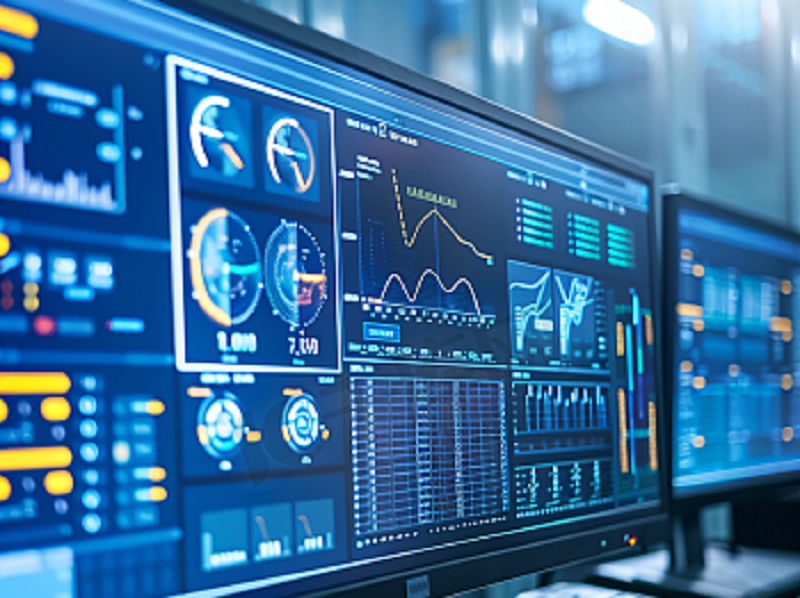
Modern factories are facing growing challenges, including rising production costs, shorter product life cycles and increasing demand for customized manufacturing. To address these challenges, manufacturers are adopting integrated automation platforms that combine PLCs, industrial software, motion control systems, digital engineering tools and intelligent data analysis into a unified production environment.
One of the most significant developments is the wider adoption of digital twin technology. By creating virtual models of production equipment and manufacturing processes, engineers can simulate machine performance, verify production changes and optimize system designs before implementing them on the factory floor. This approach reduces engineering risks while shortening project delivery times. Digital twins and industrial AI continue to be key areas of Siemens’ industrial strategy.
Artificial intelligence is also becoming an essential part of modern manufacturing. AI-powered software can analyze production data, identify process variations and recommend operational improvements. Manufacturers are increasingly using AI to improve quality control, optimize production scheduling and support predictive maintenance, allowing equipment to operate more efficiently while reducing unexpected downtime.
Industrial connectivity continues to expand across manufacturing facilities. PLCs, HMI systems, drives, sensors and industrial communication networks are working together to provide real-time production visibility. Operators can monitor machine status, review production data and respond quickly to abnormal operating conditions through centralized control systems.
Another important trend is software-defined automation. Flexible software architectures allow manufacturers to modify production processes more easily, integrate new equipment and expand production capacity with less engineering effort. This enables factories to respond more quickly to changing customer requirements and evolving market demands. Software-defined automation is becoming an increasingly important direction for industrial automation development.
Energy efficiency remains a major investment priority for industrial companies. Intelligent drive systems, automated energy management and optimized machine control help reduce electricity consumption while maintaining stable production performance. At the same time, real-time energy monitoring provides valuable information for identifying opportunities to improve overall factory efficiency.
Remote engineering and centralized maintenance are also becoming more common. Engineers can monitor production equipment, review alarm information and analyze operating trends from remote locations, allowing faster troubleshooting and reducing maintenance response times. This capability is especially valuable for manufacturers operating multiple production facilities.
Looking ahead, the combination of industrial AI, digital twins, intelligent automation and connected manufacturing will continue to reshape global industry. Companies investing in these technologies are expected to achieve higher equipment utilization, greater production flexibility and stronger long-term competitiveness.
As smart manufacturing continues to develop, Siemens’ focus on digital innovation, intelligent automation and integrated industrial software reflects the industry’s commitment to building more efficient, sustainable and future-ready manufacturing operations.